

Not everyone grows up with a best friend to confide in, and while that may sound lonely, it also shapes certain personality traits that often go unnoticed. Childhood friendships are key to learning trust, vulnerability, and social skills. Without that one consistent companion, people often adapt in ways that make them more self-sufficient and introspective. Research from child development studies shows that friendship influences emotional regulation, self-esteem, and empathy. For those who grew up without a best friend, six particular traits often become the norm.
1. Exceptional Independence
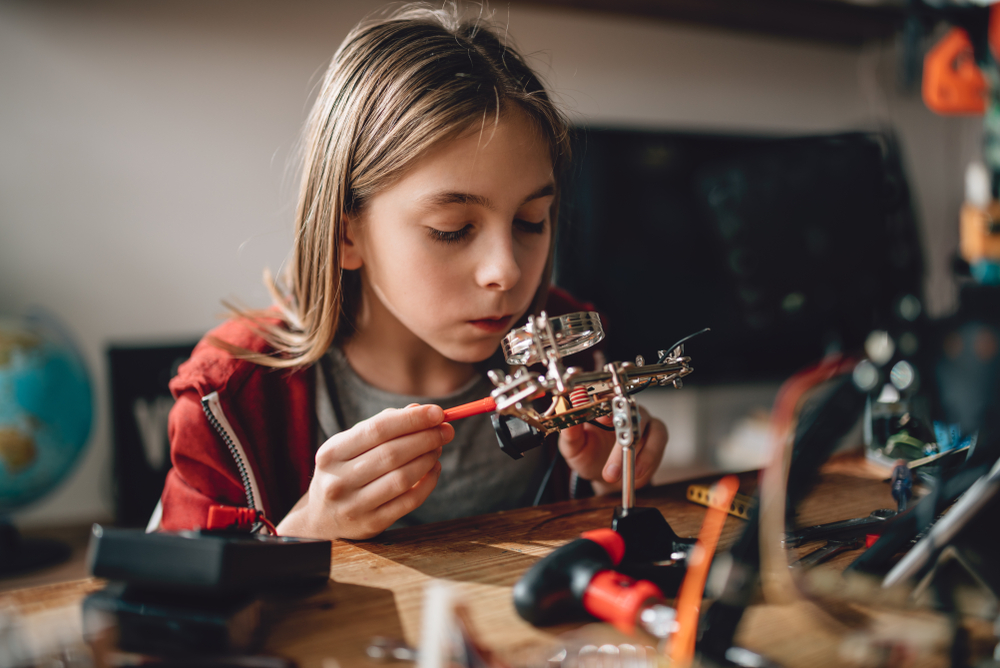
Children who navigate social life without a best friend often become highly self-reliant. Without someone to lean on emotionally, they learn early to process their feelings alone. This independence can serve them well in adulthood, as they often manage challenges without seeking constant reassurance. However, it can also make them hesitant to ask for help. This self-sufficiency may stem from necessity rather than choice, creating adults who appear strong but sometimes feel unseen.
2. Deep Inner World
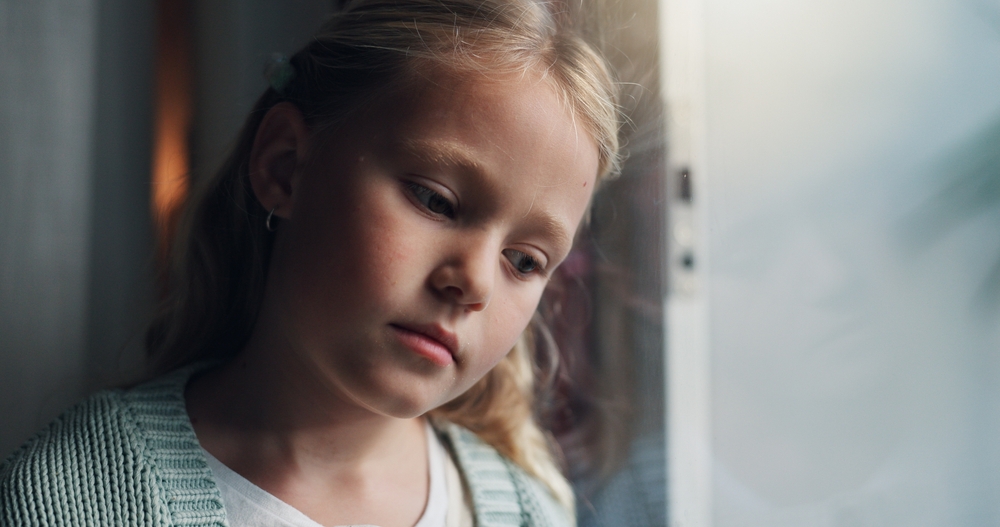
Those who lacked close friendships often turn inward for connection and comfort. They may develop rich imaginations, strong inner dialogue, or creative outlets like writing and art. This inner world helps them cope with feelings of isolation during childhood and often carries into adulthood as a form of emotional intelligence. Studies suggest that children who spend more time alone develop stronger cognitive empathy, meaning they can understand others’ emotions even without personal experience of closeness.
3. Difficulty Trusting Others

A lack of a best friend can make trusting others more difficult later in life. Without early experiences of mutual loyalty, these individuals may fear abandonment or betrayal. This can lead to cautious social behavior, where they prefer to observe rather than engage deeply at first. Trust, for them, must be earned through consistent actions over time. A childhood without loyal friendships can make trust harder to build later in life.
4. Heightened Sensitivity to Rejection

Children who never had a best friend often develop a heightened awareness of social exclusion. Even small signs of disinterest can feel personal. This sensitivity may manifest as overthinking or withdrawal from potential friendships to avoid being hurt. Adults with this trait often read social cues carefully and can sense subtle changes in tone or attention. While it can make relationships challenging, it also fosters strong empathy and the ability to understand others’ emotions deeply.
5. Strong Observational Skills

Growing up without close companionship teaches a person to watch others closely. Instead of participating, they learn by observing interactions, which sharpens their awareness of body language and tone. This skill often translates into strong intuition and social intelligence in adulthood. They may become excellent at reading rooms, predicting behavior, or sensing conflict before it escalates. Though this hyper-awareness can sometimes lead to overanalyzing, it also helps them excel in fields requiring emotional insight or creativity.
6. Preference for Meaningful Connections

People who grew up without a best friend rarely enjoy surface-level relationships. Since they lacked deep bonds early on, they often crave depth over frequency in their interactions. They value honesty, emotional safety, and consistency. As adults, they might have a small circle of friends but feel a strong connection to those few. This is known as quality-over-quantity bonding, a social pattern that prioritizes trust and authenticity over popularity.
The Quiet Strength Behind Solitude

Growing up without a best friend does not mean someone is broken or destined to struggle socially. Instead, it often builds resilience, self-awareness, and emotional depth. These individuals learn to rely on themselves and develop a unique understanding of human behavior. While their childhood may have lacked companionship, it often leaves them with a quiet confidence and a strong sense of identity that comes from standing alone and learning how to thrive anyway.
Read More: 38 Surprisingly Fun Questions to Ask Your Friends Right Now
Disclaimer: This article was created with AI assistance and edited by a human for accuracy and clarity.