
The argument that happens most in any hotel room isn’t with another person. It’s with yourself, standing at the sink at 11pm wondering whether the glass you just drank from was actually washed or just wiped down and turned upside down to look clean.
That instinct is worth trusting. Hotel rooms are shared spaces cleaned under serious time pressure, and the gap between “looks clean” and “is clean” is wider than most guests ever think about. None of what follows is cause for panic – most of the bacteria you’ll encounter in a hotel room won’t make you sick. But a few habits, most of them taking under a minute, separate a comfortable stay from one you’d rather not repeat.
These 20 hotel room safety tips cover both hygiene and physical security, because the risks in a hotel room aren’t only biological. Some are structural, some digital, and most are entirely avoidable once you know what to look for.
1. Don’t Sleep Under the Bedspread
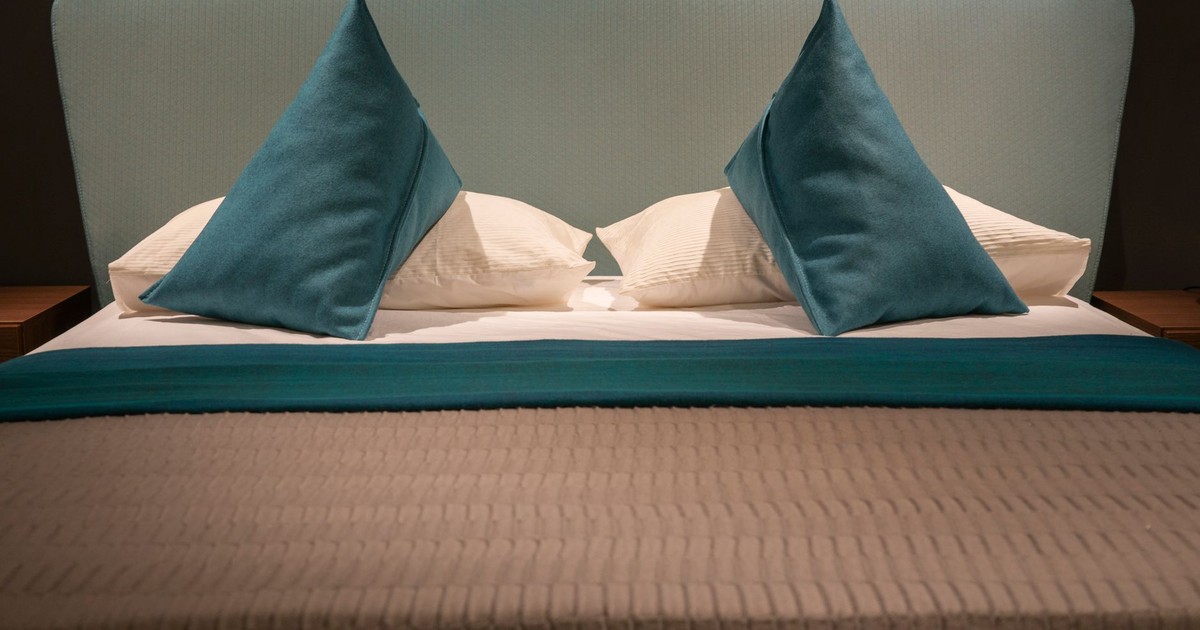
The sheets and pillowcases get changed between guests. The thick bedspread layered on top almost certainly doesn’t. While luxury hotels typically wash comforters after each guest checkout, budget properties may only clean them monthly or when visibly soiled. Minnesota public health inspectors confirmed that state health code does not require the cleaning of bedspreads between guests – sheets, linens, towels and drinking glasses must be cleaned after each checkout, but not bedspreads.
That comforter has likely absorbed sweat, skin cells, and other residue from dozens of guests between washes. The fix is simple: fold the bedspread back to the foot of the bed before you get in, or put it in the closet entirely, and sleep only under the duvet cover or sheets.
2. Don’t Touch the TV Remote Without Wiping It First
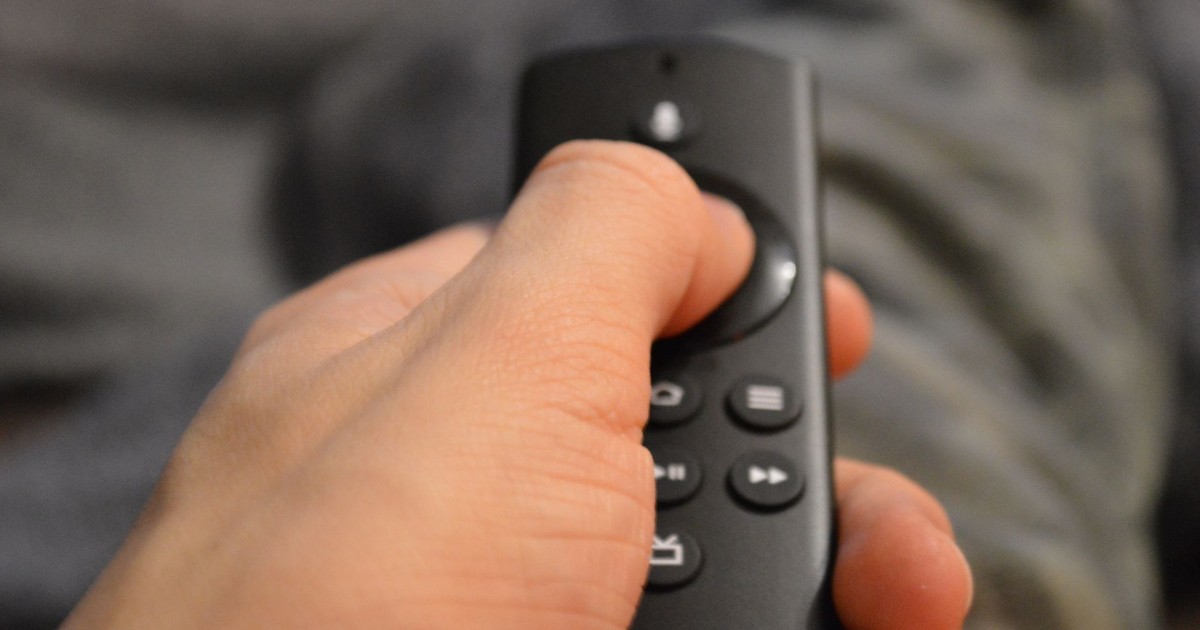
The TV remote may be the single most touched object in the room and one of the least frequently cleaned. A study by researchers from the University of Houston, Purdue University, and the University of South Carolina sampled surfaces in nine hotel rooms across three states and found that TV remotes registered a mean of 67.6 colony-forming units (CFU, a measure of viable bacteria per surface area) of bacteria per cubic centimeter squared. For comparison, environmental cleanliness standards in hospitals recommend a top limit of 5 CFU per cubic centimeter squared.
The remote spends its entire life being handled by strangers and almost never gets disinfected. Pack a small supply of antibacterial wipes. Thirty seconds on the remote when you arrive is one of the most effective hygiene moves you can make on any hotel stay.
3. Don’t Flip the Light Switch Without Thinking Twice
The bedside lamp switch and the main room light switch are easy to overlook, but they’re among the dirtiest surfaces in any hotel room. The same University of Houston research found light switches carry a mean of 112.7 CFU of aerobic bacteria, and when it came to fecal bacteria specifically, the main light switch was the most serious surface offender at 111.1 CFU. The researchers also found that 81 percent of hotel room surfaces had at least some fecal bacteria on them.
The same wipe you used on the remote should go over every switch in the room. It takes ten seconds, and it addresses the first thing most guests touch when they walk in.
4. Don’t Use the Drinking Glasses as They Are
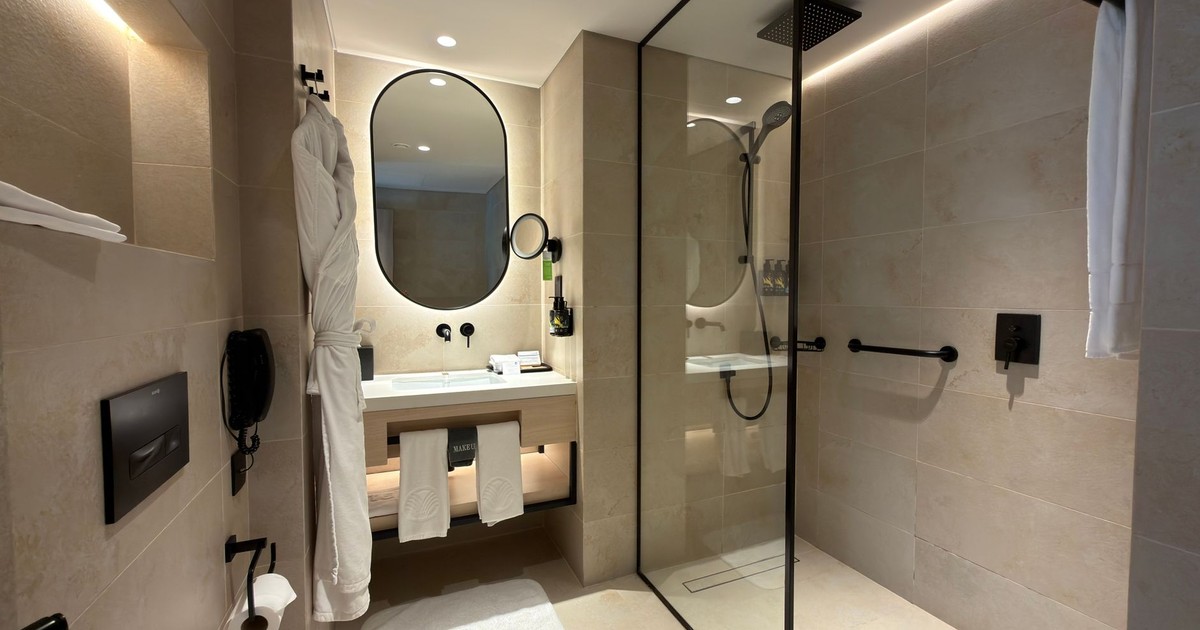
Those glasses sitting by the sink look spotless. They’re sometimes anything but. When not properly sanitized, drinking glasses and in-room coffee pots can be covered in germs. Undercover investigations by journalists have caught hotel staff wiping glasses with used cleaning cloths and putting them back on the counter without any actual washing.
Bring your own cup, use the disposable wrapped plastic cups if provided, or wash the glasses with hand soap and hot water and leave them open-side up to dry. A quick scrub with soap at the sink will do more for you than trusting whatever passed for cleaning before you arrived.
5. Don’t Walk Barefoot on the Carpet

Hotel carpets get vacuumed far more often than they get deep cleaned, and vacuuming does nothing for bacteria, fungi, or the residue left by previous guests. Carpets are known to trap pathogens from shoes, suitcases, and bare feet, making them a genuine dirt hotspot in any shared space.
Keep a pair of flip-flops or travel slippers in your bag and use them from the moment you walk in. Hard floors are somewhat safer since they’re easier to wipe down, but carpet collects whatever guests bring in and holds it in a way that no vacuum fully addresses.
6. Don’t Leave the Ice Bucket Unlined
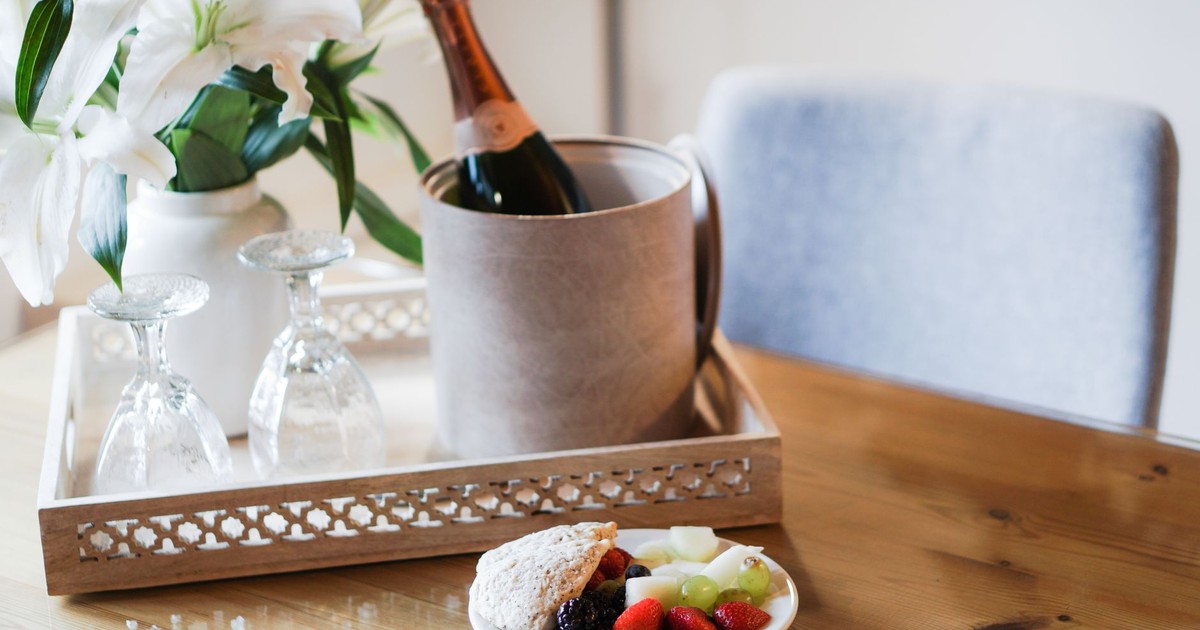
The in-room ice bucket is one of the most overlooked hygiene hazards in any hotel stay. A public health investigation by Fox 9 in Minnesota found that there is no code requirement for ice buckets to be sanitized between guests, making them a consistent hotspot for bacteria and norovirus. Inspectors advise using the plastic bag liner if one is provided.
Always use the plastic liner that comes inside the bucket, and if there isn’t one, skip the ice bucket entirely and use a clean glass instead. The bucket looks like a neutral container. It isn’t.
7. Don’t Skip Wiping the Telephone
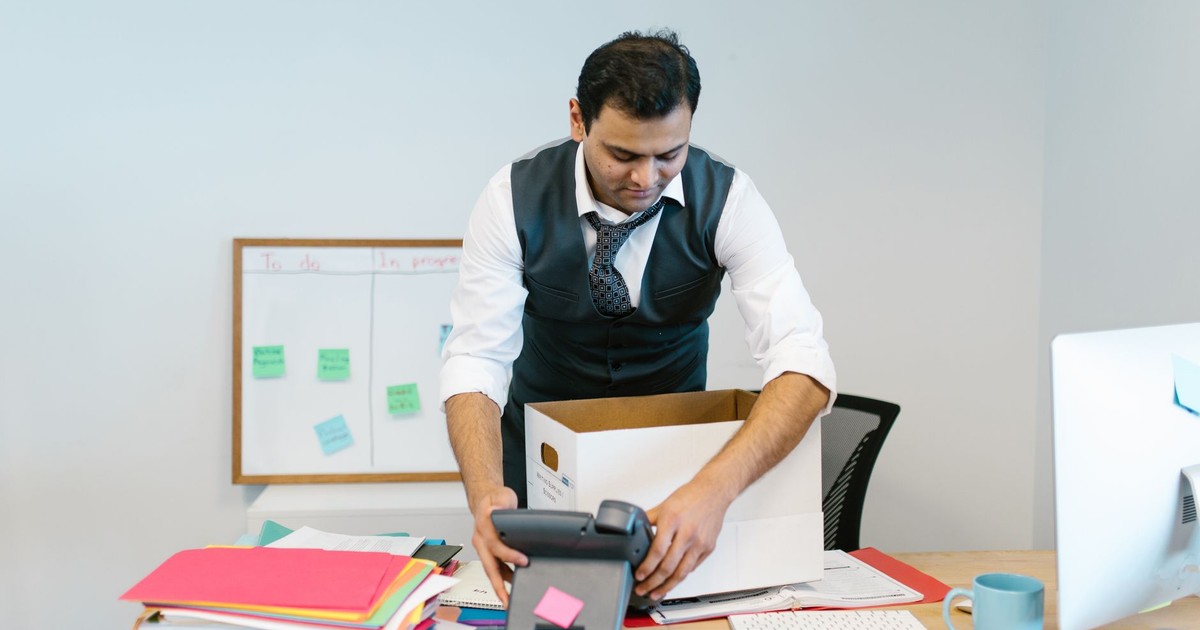
Hotel room phones are rarely, if ever, sanitized between guests, and they’re held directly against people’s mouths and ears. Travelmath’s “Hotel Hygiene Exposed” study, which analyzed bacteria samples from nine different hotels across three star-rating categories, found that the hotel phone contained around 4,252 CFU of bacteria and fungus per square inch, with gram-positive cocci – bacteria associated with staph infections and strep – among those found most frequently. The same study found that the average hotel room is dirtier overall than a typical home, an airplane, or even a school.
If you need to call the front desk, wipe the receiver and keypad with a disinfecting wipe before picking it up. The mouthpiece is closer to your face than almost any other object in the room, which makes it a more direct transmission route than a light switch or remote.
8. Don’t Ignore the Connecting Door
Many hotel rooms have a connecting door to the adjacent room. Most guests don’t check it. If your room connects to the one next to it, make sure that door is locked from your side. These doors typically have two separate locks, one on each side, and the fact that the front desk assigned you the room doesn’t mean the connecting door was secured before you arrived.
Give the connecting door a firm push to confirm it’s latched, and engage the lock if there is one. The deadbolt on your main entrance keeps people in the hallway out. A forgotten connecting door is a gap that no deadbolt covers.
9. Don’t Rely on the Deadbolt Alone
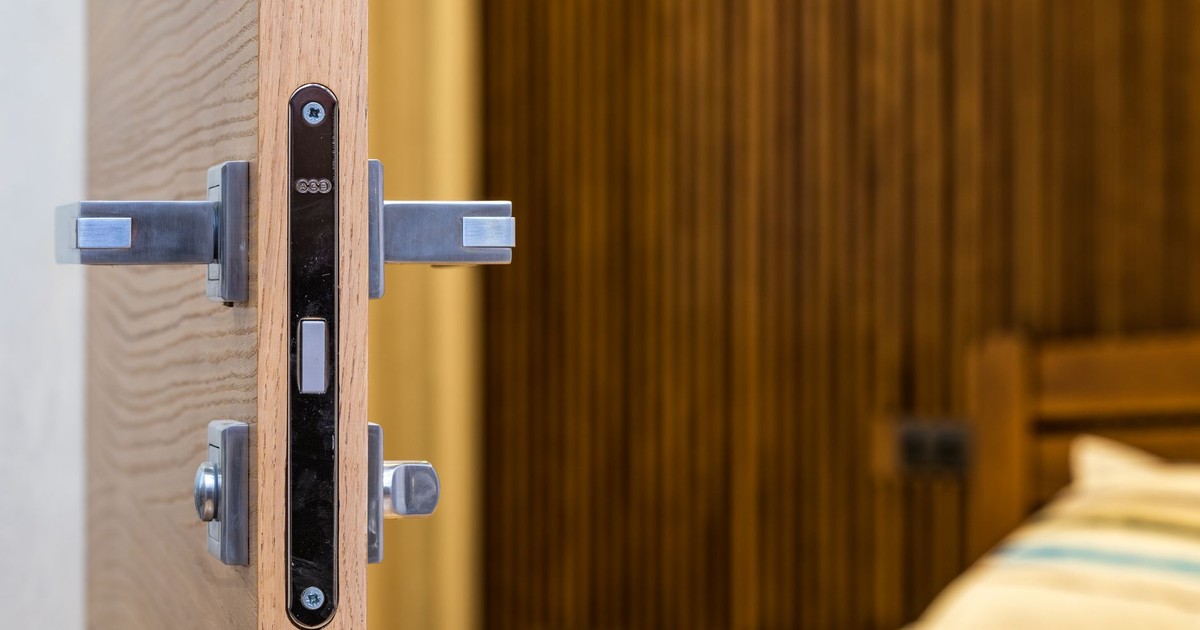
Engage every locking mechanism available. Whenever you’re in your room, use every deadbolt, security chain, or swinging metal security lock on the door. Hotel key cards can be duplicated, and multiple people have legitimate access to your room, including cleaning staff. Traditional lock-picking and magnetic stripe key card vulnerabilities are both documented methods for bypassing hotel door locks.
For solo travelers, and especially for women traveling alone, a portable door lock or door alarm is worth the small investment. These devices wedge against the door handle from the inside and physically prevent the door from opening even with a valid key card. They weigh almost nothing and cost very little for the security they provide.
10. Don’t Announce Your Room Number Out Loud at Check-In
This one sounds minor but has real consequences. If a front desk agent reads your room number aloud in a busy lobby, anyone paying attention now knows which room you’re in, when you arrived, and likely whether you’re traveling alone. Criminals in hotel lobbies have been known to note room numbers and use that information to time access to an unoccupied room.
If your room number is announced at check-in, politely ask to be reassigned or ask staff to write it down instead. Most hotels will accommodate this without hesitation.
11. Don’t Leave Valuables in Plain Sight
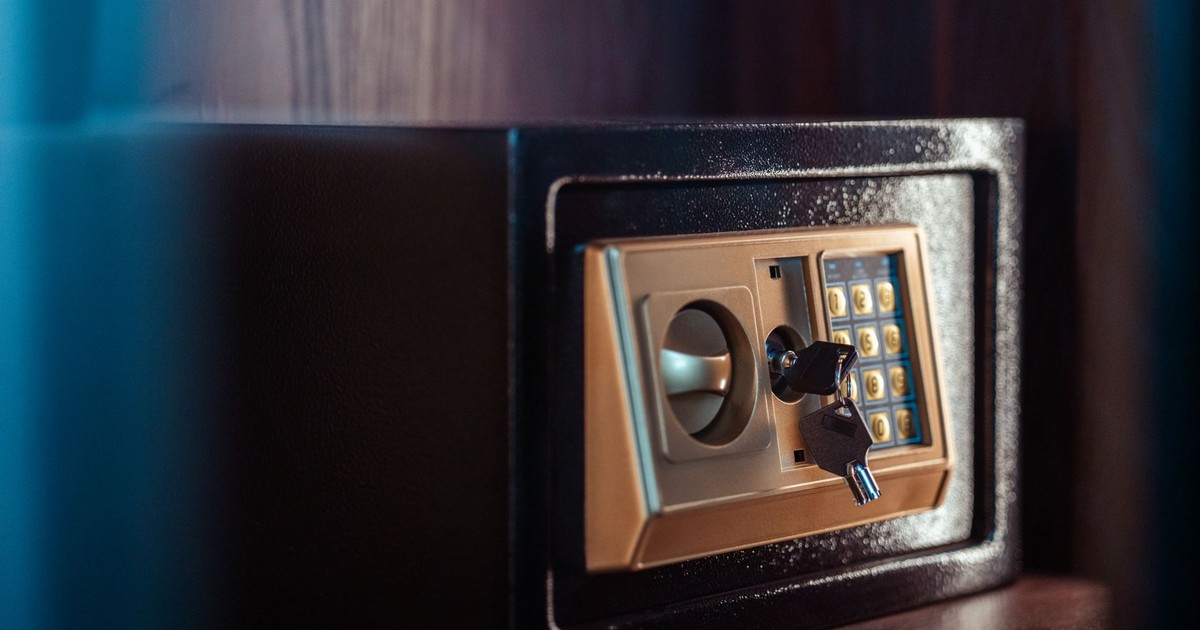
Place valuables in the in-room hotel safe, or bring your own portable safe. That said, hotel room safes are not as secure as they appear. Many use default override codes that hotel staff know, and employees are aware that many guests set predictable access codes like 1234 or 0000.
Use the in-room safe for things that must stay in the room, keep your passport and a backup credit card on your person, and don’t leave anything sitting on the desk or nightstand that you’d be devastated to lose. Anything left in view is an invitation.
12. Don’t Skip Locating the Fire Exit
Upon arriving at your room, immediately identify a fire escape route. Check the location of the nearest stairwell and emergency exit, since elevators should never be used during a fire, and plan at least two potential escape routes in case the hallway is blocked.
The January 2025 fire at the Grand Kartal Hotel in Turkey’s Kartalkaya ski resort killed 78 people. According to Wikipedia’s documented account, the scale of deaths was worsened by the absence of smoke detectors, automatic sprinklers, functioning fire alarms, and functioning emergency exit lights. Most victims died from suffocation. You can’t control whether a hotel has installed working safety systems. You can control whether you’ve already counted the doors to the nearest exit before anything goes wrong.
13. Don’t Choose a Floor Without Thinking About It

Floor selection matters more than most people factor in when booking. Ground-floor rooms leave you within reach of thieves who might attempt to break in from outside, while upper floors can put you beyond the reach of fire engine ladders – a genuine constraint in an emergency. Rooms above the fifth floor are generally safer from crime due to reduced accessibility for intruders, but harder to evacuate quickly.
Floors two through five tend to balance both risks reasonably well. You’re above the most accessible ground-level entry points, and you’re still within reach of emergency equipment in most developed countries. It’s not a guarantee of anything, but it’s a better starting position than either extreme.
14. Don’t Use the Hotel Wi-Fi for Sensitive Transactions
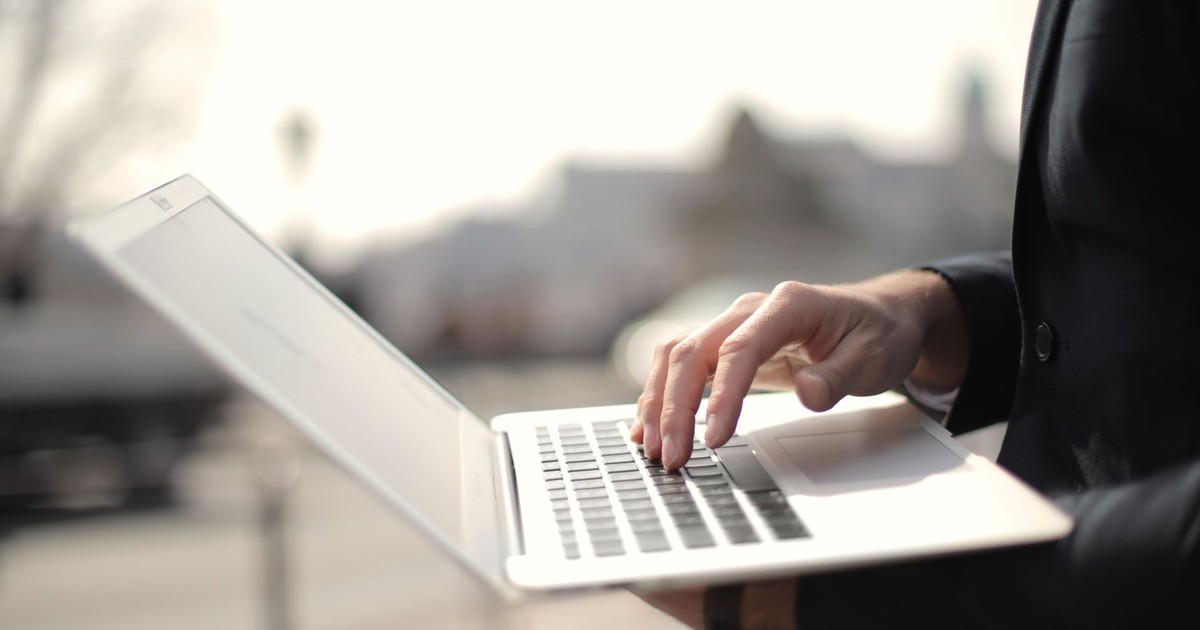
Hotel Wi-Fi networks are shared infrastructure, which means they’re exposed. Shared public networks leave your data open to interception by anyone else connected to the same network, and hotel networks are among the most commonly targeted.
A VPN (Virtual Private Network – a tool that encrypts your internet connection so others on the same network can’t read it) takes about two minutes to activate on a phone or laptop. If you don’t have one, avoid logging into banking apps, entering credit card details, or accessing anything sensitive over the hotel network. Use your phone’s mobile data instead, which is considerably harder for a stranger on the same network to intercept.
15. Don’t Forget the Bathroom Counter and Faucet
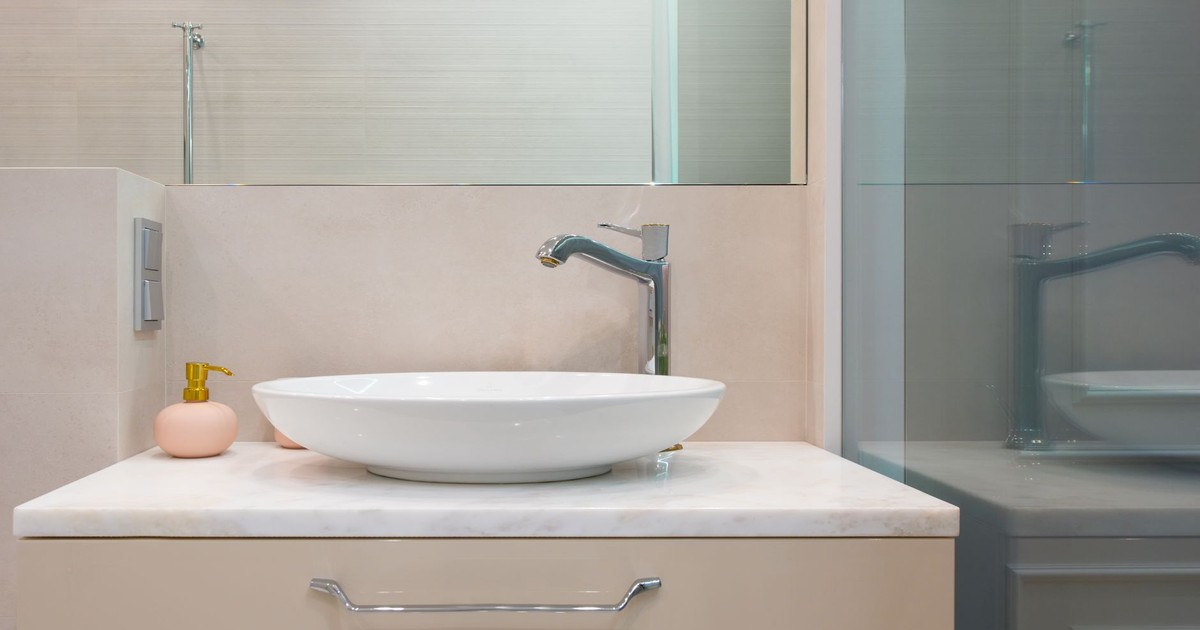
The bathroom is the room guests most expect to be clean and the one where cleaning cross-contamination is most documented. According to Travelmath’s study, some hotel staff wipe the bathroom counter with the same cloth used to clean the toilet, transferring bacteria directly to a surface guests touch repeatedly. In four-star hotels specifically, the bathroom counter was the single dirtiest surface tested across all room surfaces sampled, with an average of over 2.5 million CFU per square inch.
A disinfecting wipe over the faucet handles, counter edge, and interior door handle takes under a minute and addresses the surfaces you’re most likely to touch before you eat or drink anything.
16. Don’t Touch the Curtains More Than Necessary
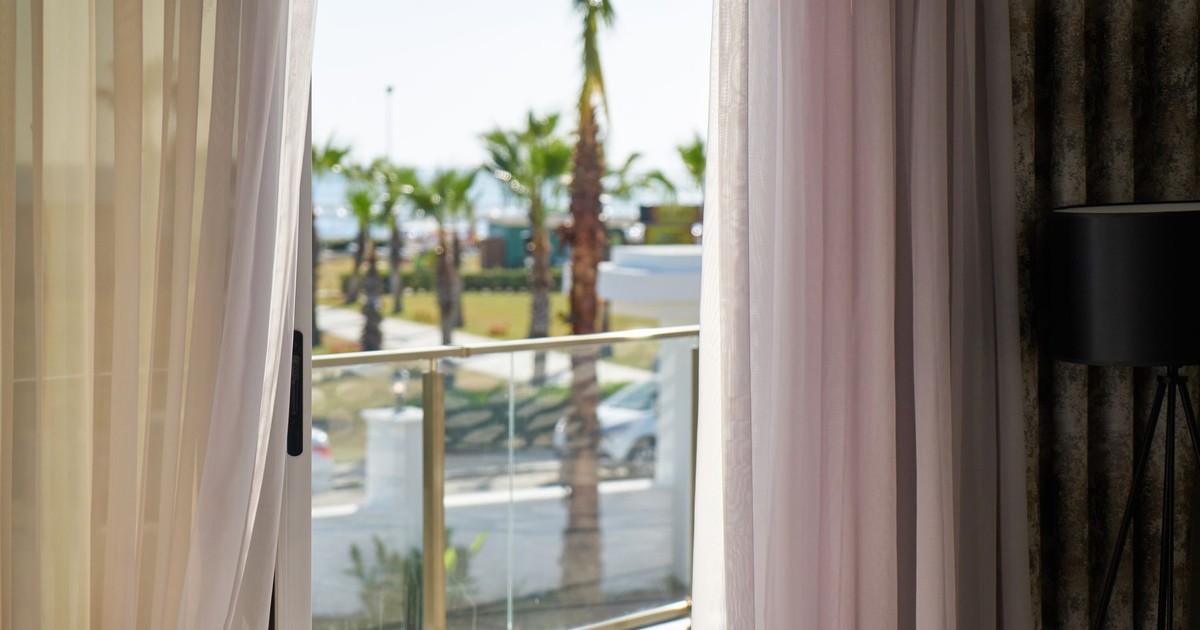
Curtains and drapes are one of the most overlooked soft surfaces in a hotel room and one of the hardest for housekeeping to clean between guests. Soft fabric furnishings – cushions, chairs, curtains, blinds – are difficult to sanitize and may go untouched other than having visible stains removed between guests. Meanwhile, respiratory viruses can remain active on room surfaces for up to four days.
Grab the curtains by the edge rather than burying your hands in the fabric, and wash your hands after drawing them closed. Curtains often go for months between any real cleaning, which makes them a low-key reservoir for whatever the last several guests brought in.
17. Don’t Leave Windows and Balcony Doors Unlocked
Check the locks on windows and the balcony door as soon as you arrive, and notify the front desk if any are not functioning. Check them again each time you return to your room – housekeeping sometimes opens windows for ventilation and doesn’t always lock them again before leaving.
Ground-floor and low-floor rooms are the obvious concern, but any balcony on an accessible level is worth treating seriously. A balcony that connects to an adjacent property, a stairwell, or another balcony is a potential entry point. Lock it, and give it a firm test.
18. Don’t Use the “Do Not Disturb” Sign Incorrectly
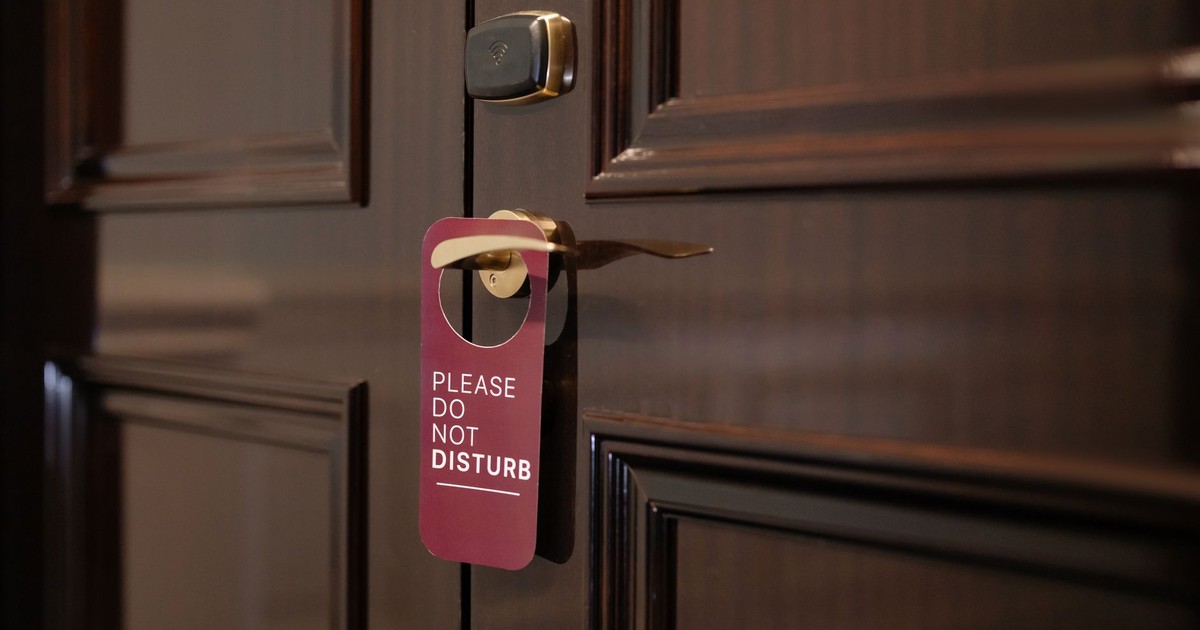
The “Do Not Disturb” sign is most people’s signal to housekeeping, but it also communicates your patterns to anyone paying attention in the corridor. When leaving the hotel room for an extended period, leave the lights and television on at low volume to suggest the room is occupied, and place the “Do Not Disturb” sign on the door.
An apparently occupied room is a far less attractive target for opportunistic theft than a dark, obviously empty one. Keep the drapes closed when you leave too. What people can’t see through the gap, they can’t plan around.
19. Don’t Ignore the Condition of the Bedding When You Arrive
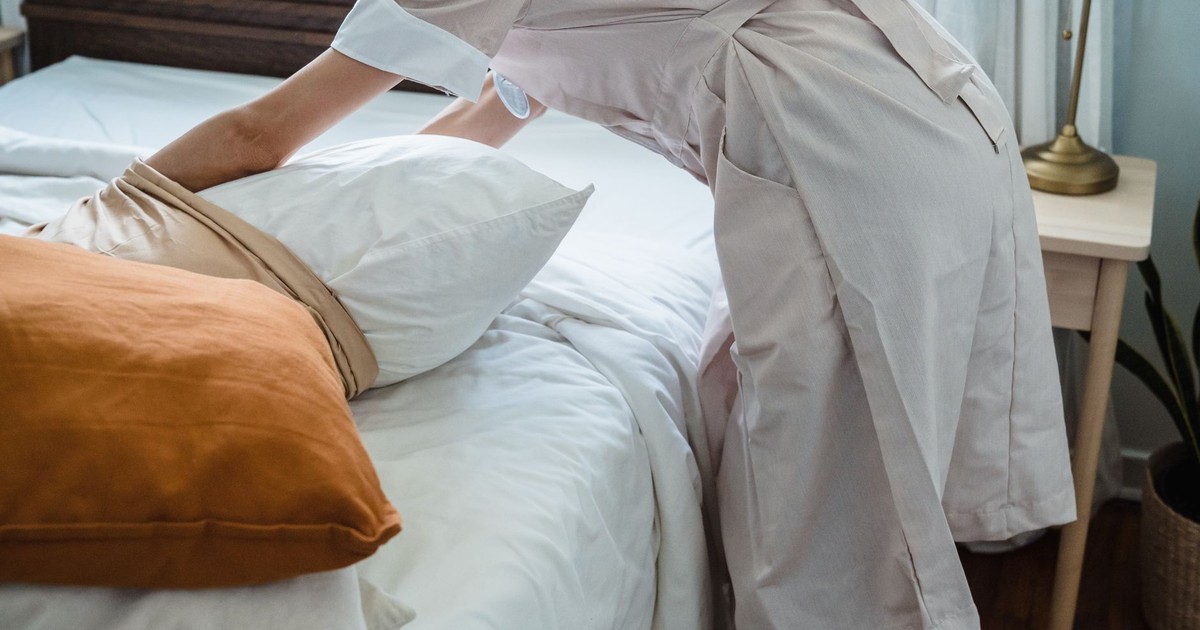
Before you unpack anything, pull back the sheets and take a look. Travel journalists who perform regular sheet checks at hotels consistently find that bedding that appears pristine isn’t always freshly changed. Bedspreads in particular may not be changed between guests, making fabrics invisible reservoirs for pathogens.
If the sheets don’t look or smell clean, call the front desk immediately. Any reasonable hotel will replace them without argument, and you have every right to ask.
20. Don’t Assume the In-Room Coffee Maker Is Clean
The in-room coffee maker or kettle is one of the most-touched items in a hotel room and one of the least frequently cleaned. The water reservoir, the drip tray, and the carafe all see contact from multiple guests and minimal attention from housekeeping. Surfaces like the kettle and coffee machine aren’t always sanitized between guests, even in properties that otherwise maintain decent hygiene standards.
Rinse the carafe or reservoir with hot water before using it, and run a plain water cycle through the machine before you brew your first cup. It takes three minutes and addresses the accumulated residue of every guest who used the machine before you and didn’t think to do the same.
Read More: 12 Home Décor Items Some Believe Bring Bad Energy Into the Home
The Part That Actually Matters
A small kit covers most of what’s on this list without adding meaningful weight to your luggage: a travel-sized pack of disinfecting wipes for high-touch surfaces, a pair of flip-flops or travel slippers, a VPN app on your phone, and a portable door lock if you want added security beyond the deadbolt. That’s the entire counter-strategy for the majority of risks here.
The bigger shift is simply paying attention on arrival, before you’ve unpacked and settled into the assumption that everything is fine because it looks fine. The hotel industry’s standard validation method for room cleanliness is a visual assessment – if it looks clean, it is clean. Researchers who have actually swabbed hotel surfaces have found that visual inspection can’t tell you anything about bacteria or viruses. Something looking clean and something being clean are two different things, and in a room where dozens of strangers have slept, that gap is worth a few minutes of your time to close.
AI Disclaimer: This article was created with the assistance of AI tools and reviewed by a human editor.