
The coffin that arrived at a Victorian family’s home in the 1870s sometimes came with a small bell attached to a rope, threaded through the lid. The bell sat above ground, tied to the deceased’s fingers inside. If the “dead” person woke up, they could ring it. Families bought it without question.
Funeral traditions history spans tens of thousands of years and cuts across every culture humanity has ever produced. Each tradition grew out of specific beliefs about the soul, the body, the afterlife, and the social obligations of the living toward the dead. The Victorians weren’t morbid for its own sake. The ancient Egyptians weren’t performing empty spectacle. The Norse weren’t just burning things because they could.
Some of these traditions have vanished entirely. Others left fingerprints on the rituals we still practice today, from the black clothes we reach for when someone dies to the instinct to sit up through the night with the body, just to be sure.
The Seventy-Day Process: Ancient Egyptian Mummification
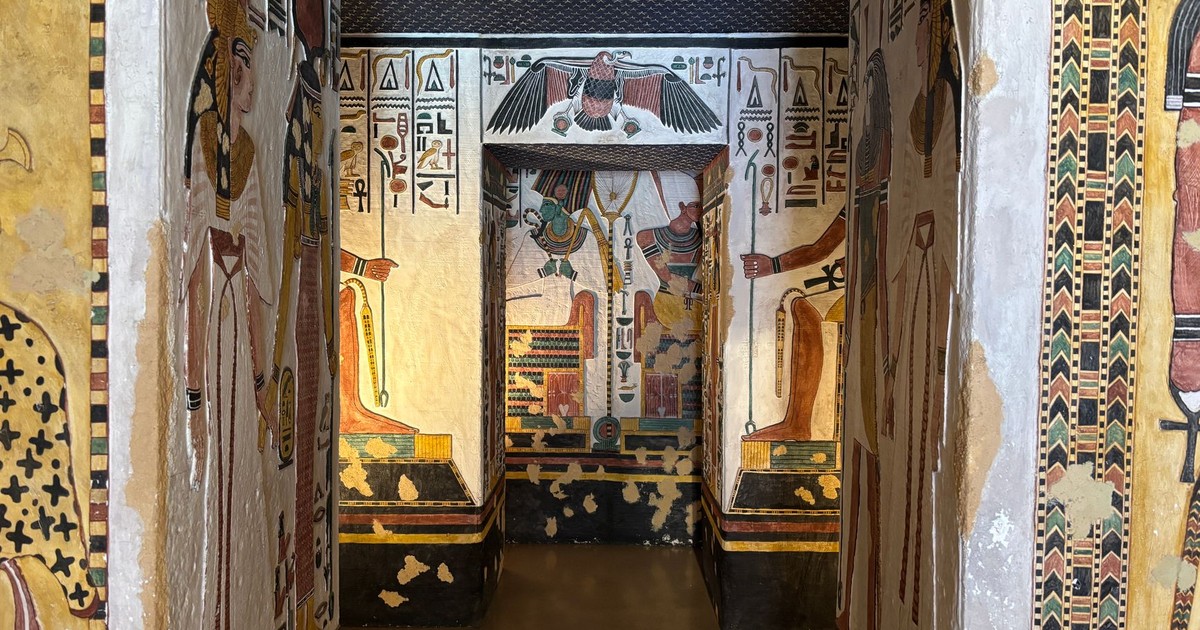
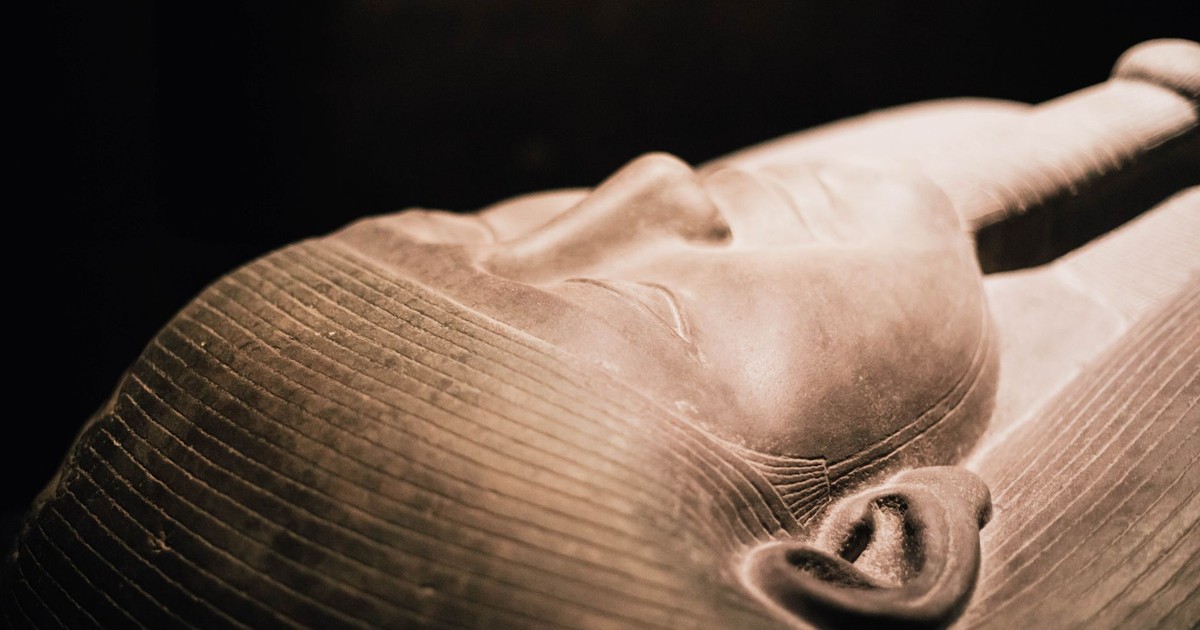
Deliberate mummification of the dead developed in ancient Egypt over many centuries, with early experimental preservation appearing before the Old Kingdom and standardized elite practice becoming established by around 2600 BCE. The ancient Egyptians believed that after a person died, they would still need their body in order to live on in the afterlife. When a person died, only the ka (the life force of the soul) left the body. The ba (the personality of the soul) remained with the body until burial. Once buried, the ba separated from the body to begin a journey into the underworld to be tested by the gods. If all tests were passed, the ba and ka would reunite to form a spirit called an akh, allowing the person to move on into the afterlife.
The mummification period lasted seventy days between a person’s death and their burial. The brain was removed through the nostrils using a long metal hook and discarded. The body was then washed with palm wine, dried, and covered with natron, a powdery salt that desiccated the body over a period of up to 40 days. Once dried out, the body was ritually cleaned, anointed with fragrant oils and a thick coating of resin, and then wrapped with many layers of linen strips, a process that could take more than two weeks. According to Smarthistory, once all the necessary rites had been completed, there was a funerary feast held in front of the tomb, with the mummy as guest of honor, before it was sealed into the burial chamber and the deceased’s passage into the netherworld formally began.
Mummification was typically reserved for the elite of society, including royalty, noble families, government officials, and the wealthy. Common people were rarely mummified because the practice was expensive. Burial practice and mortuary rituals in ancient Egypt were taken seriously because of the belief that death was not the end of life. The individual who had died could still see and hear, and if wronged, would be given leave by the gods for revenge. Giving someone a poor funeral wasn’t just impolite. It was dangerous.
Sky Burials and Towers of Silence
Not every ancient culture believed the body needed to be preserved. Some believed the exact opposite: that the body had to be given back, completely and swiftly, to the natural world.
Sky burials, or jhator, have been practiced in Tibet for more than a thousand years. With the region’s rocky terrain and lack of firewood making traditional burials or cremation difficult, Tibetans turned to offering their dead to vultures. This practice aligns with the Buddhist belief that death marks the release of the spirit, leaving the body as an empty vessel no longer needed by the soul. It also represents generosity, a chance for the body to nourish other life forms after the spirit’s departure. In early sky burials, monks or designated individuals, known as rogyapas (“breakers of bodies”), would carefully prepare the body, breaking it down to aid the vultures in consuming it quickly.
The Zoroastrian tradition arrived at a similar outcome through entirely different reasoning. In Zoroastrian belief, a dead body is considered nasu — ritually unclean — and the corpse demon is held to rush into the body at death, contaminating everything it touches. Burying a body defiles the earth; cremating it defiles the fire. Both earth and fire are sacred elements in Zoroastrianism, so neither could lawfully receive a corpse. The solution was elevation: the body was placed atop a Tower of Silence, a circular raised platform built on a hill away from populated areas, where vultures could consume the flesh and the bones could be bleached clean by the sun. The logic wasn’t cruelty. It was purity. The body was so sacred that it could not be allowed to contaminate the earth or the flames.
Meanwhile, in ancient India, the practice of Sati took a far more troubling form. Suttee, or Sati, was an Indian funeral custom in which Hindu widows committed self-immolation by leaping onto their husband’s funeral pyre in an effort to secure their reunion in the afterlife. Inscriptional evidence for the practice dates to at least 510 CE, and it became more widely documented from the medieval period onward. The act was believed to demonstrate a widow’s ultimate loyalty and devotion, but the reality was much grimmer; many widows were coerced into the act, trapped by societal pressures that left them little choice. British colonial rule officially banned Suttee in 1829, but the practice lingered in some rural pockets into the late 19th century.
Viking Ship Burials: Mythology Made Literal

For the Norse, the Viking ship burial served as a literal vessel for the afterlife journey. According to National Geographic, the great Norse warriors not only believed in the afterlife but saw it as their duty to help the deceased get there, with complex ceremonies such as burying their dead in ships. In Norse mythology, boats symbolized safe passage to the afterlife, mirroring the central role they played in Viking daily life.
The popular image of a blazing longship set adrift on the open sea is mostly myth. Funeral boats were rarely sent out to sea. The cost of building these legendary longboats was simply too high. Most Viking funerals involved ship-shaped burial plots marked by stones, or the ship itself buried under earthen mounds. These tumuli, or burial mounds, can be found in Denmark, Sweden, and Norway.
The grandest single Viking grave ever found belonged not to a warrior king but to two women — one approximately 70 years old or older, the other around 50 — buried together in a funerary longship on the Oseberg farm near Tønsberg, Norway. Though we don’t know exactly who they were, the scale and opulence of their burial suggests they held significant religious or political power. Mourners at such burials conducted elaborate ritual performances, feasting and drinking for days, hurling weapons into the boats, and sometimes slaughtering horses and humans to accompany the dead. When the rituals were over, both the boat and its human cargo were buried beneath a mound.
Accounts from Arab traveler Ahmad ibn Fadlan, who witnessed a Viking funeral along the Volga River in the 10th century, provide vivid details. He described how a slave girl volunteered to accompany her master in death, was ritually intoxicated, and then sacrificed during a cremation on a ship. Whether taken at face value or read with some skepticism about cross-cultural interpretation, ibn Fadlan’s account remains one of the most detailed firsthand records of funeral traditions history has produced.
The Victorian Era’s Art of Public Grief
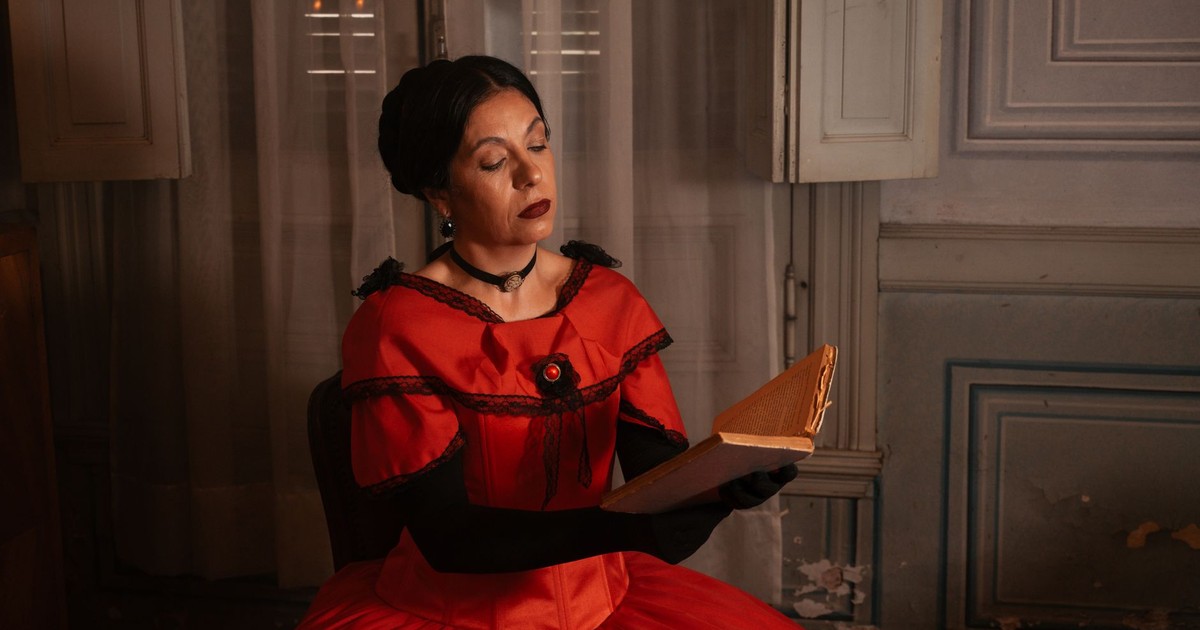
No survey of funeral traditions history would be complete without the Victorians, who turned mourning into an institution so elaborate it required its own etiquette manuals. According to the Australian Museum, after the death of Prince Albert in 1861, Queen Victoria went into deep mourning, increasing the public’s demand for formal mourning attire such as black crepe clothing and jet jewellery. What began as one woman’s grief became a nationwide behavioral code.
For women, mourning attire included every conceivable article of clothing as well as hair accessories, stationery, umbrellas, fans, and purses. Men often added only a black hatband or gloves to their normal attire. The material most associated with mourning was black silk crepe, almost exclusively manufactured by one company, Courtauld’s. Crepe had a flat, lifeless quality. Lustrous materials like furs, satin, and velvet were forbidden. Wearing colorful or flattering clothes was considered callous and even immoral.
Widows were expected to mourn for two years and were allowed to wear grey and lavender only in the last six months of “half-mourning.” Men who lost a wife faced far fewer restrictions and were actually expected to remarry reasonably quickly. Women who failed to comply with the mourning dress code weren’t just seen as unfashionable. They were seen as morally suspect.
Victorian England also had a fear of premature burial that ran close to obsession. The dying could even choose to have their coffin equipped with a bell that could be rung if they revived in the grave, or a poison they could take to ensure a quick and certain death. The “safety coffin” with its bell attached to the corpse’s hand was a genuine commercial product, purchased by people who had read newspaper reports of premature burials and were determined not to become one.
Alongside these precautions came one of the era’s most haunting practices: post-mortem photography. Photography was still fairly new in the mid-1800s. For many families, a photo taken after someone had passed might be the only image they’d ever have of them. These post-mortem portraits often featured the deceased posed as if sleeping or surrounded by loved ones in carefully arranged scenes. It was especially common to photograph children, who had the highest mortality rates.
Hair jewelry was another common way to keep the dead present. When a loved one passed away, it wasn’t unusual to cut a lock of their hair and weave it into brooches, rings, or even framed art. These handmade pieces were worn every day, often by women, as a tribute to someone they had lost. Hair was seen as a part of the person that remained long after death.
The Roman Funeral Society and the Rules of the Pyre
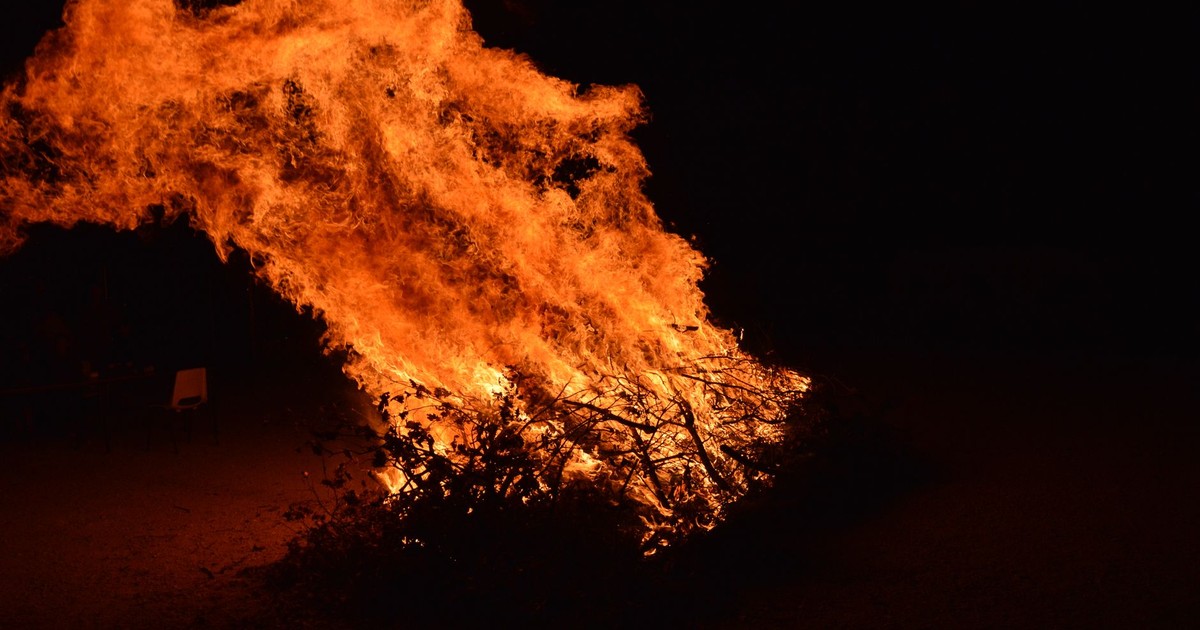
Long before the Victorians codified grief, ancient Rome had its own elaborate systems for managing death, largely driven by a fear of dying without proper burial. The importance of proper burial was so high in ancient Roman society that individuals would pay fees to funeral societies known as collegia, who would ensure that when that person died, the burial rites would be properly conducted in accordance with their status in society, as well as the traditions of the community.
Roman burial practices always took place at night in order to prevent the disruption of the daily activities of the city. A funeral procession began in the city and ended outside the walls at the cemetery. No one could be buried inside the city, maintaining a strict boundary between the living and the dead. The logic of keeping the dead outside the walls wasn’t purely superstitious. It also reflected genuine public health concerns in a dense urban environment.
Roman funeral societies were essentially insurance schemes. Workers who could never afford a funeral on their own paid small monthly amounts into a communal fund over their lifetimes. When they died, the fund covered the cost of a proper burial. It operated for centuries.
The Superstitions Woven Into Every Tradition
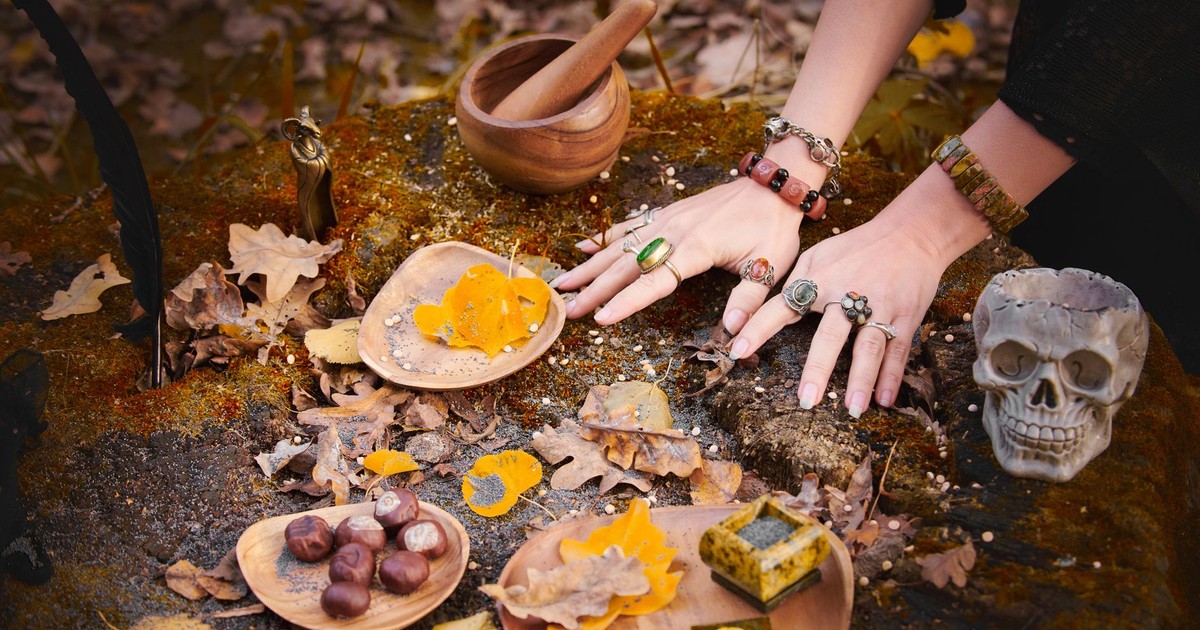
Across cultures and centuries, certain anxieties about the dead show up again and again: the fear that they might return, that the soul might get lost, that the wrong ritual might undo everything. Victorian England codified these fears into social customs. The deceased were carried out of the home feet first so they couldn’t look back and call someone else to follow them. Curtains were closed and mirrors covered until after the funeral so that the deceased’s image wouldn’t get trapped in a looking glass. Seeing your own reflection in a mirror at a house where someone had recently died was considered a very bad omen.
The custom of a wake came about in this era as the body was watched over continuously from death to burial. This was a practical matter. It helped make sure the person was actually dead and not unconscious or in a coma. At a time before reliable death certification and with limited medical knowledge, watching the body wasn’t sentimental theatre. It was precaution.
Historically, mourning had been a communal activity, and as recently as the early 20th century, death was a visible part of life, with mourning clothes and public rituals marking one’s loss. Over time, societal norms shifted toward privatizing grief, influenced by events like the World Wars and changing cultural attitudes. The shift happened faster than anyone fully tracked. By the 1960s, visible grief had come to be seen by some commentators as self-indulgent. What had been a social obligation became a private, often isolated experience.
Read More: 10 Native American Sayings That Are More Powerful Than Ever in Today’s World
What Hasn’t Actually Changed
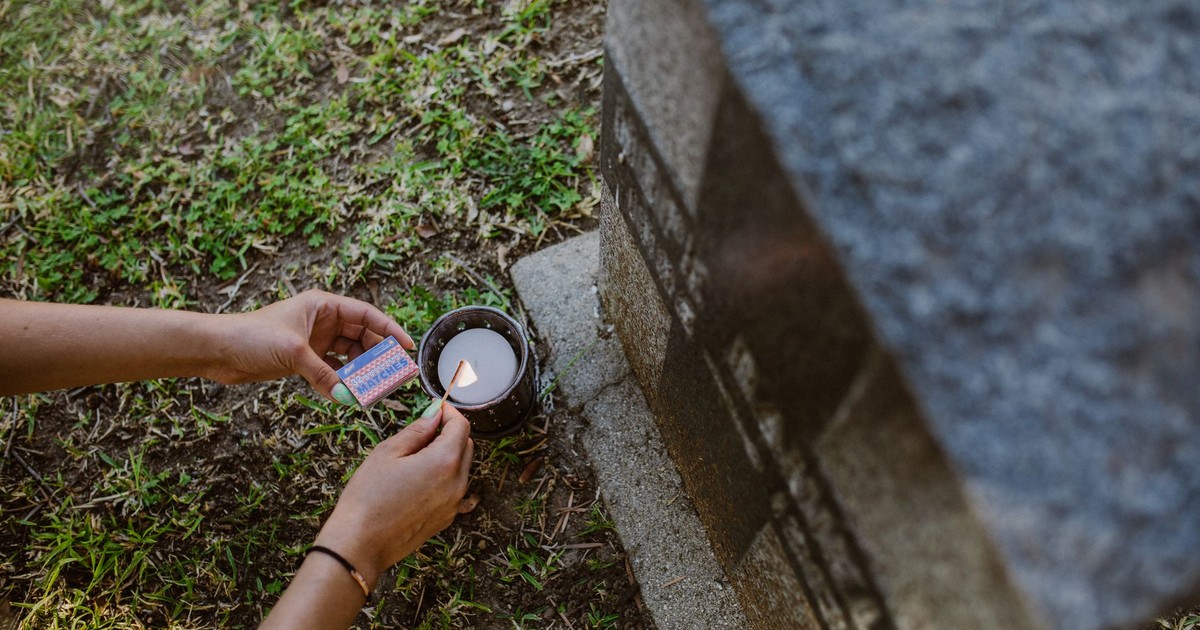
The distance between a Viking ship burial and a modern funeral home viewing feels enormous, but the underlying need is the same: the living require ritual to mark the transition. The First World War brought an end to elaborate Victorian-style funeral and Christian mourning rituals in the British Commonwealth. The huge numbers of soldiers who died and were buried overseas, as well as the resultant collective grief, made grand funerals and individual displays of mourning at home seem inappropriate and self-indulgent. In other words, the rituals didn’t disappear because people stopped needing them. They shrank because the scale of loss made the old forms feel inadequate.
Each of these practices, underneath the strangeness, reveals the same impulse: people desperately wanted to get death right. They wanted to protect the soul, honor the body, signal their grief to the community, and ensure the deceased wasn’t coming back angry. The ancient Egyptian who paid for seventy days of mummification and the Victorian woman who spent her household budget on mourning crepe were both doing the same thing, trying to meet the weight of loss with something proportionate to it.
The practices that strike us as almost unbelievable today weren’t irrational to the people who practiced them. They made complete sense within the belief systems and social structures that produced them. Every era thinks it has finally found the rational approach. History suggests otherwise.
AI Disclaimer: This article was created with the assistance of AI tools and reviewed by a human editor.