

The saltshaker on your table isn’t the problem. It never really was. Most people instinctively reach for it less, wipe it off their list of dietary sins, and feel reasonably virtuous. But that instinct is pointing them in entirely the wrong direction.
More than 70 percent of the sodium Americans consume comes from processed, packaged, and prepared foods, not from table salt added at home. That means the real sodium exposure happens across meals that don’t register as salty at all. A glass of something “healthy.” A tortilla. A can of fish you reached for instead of red meat. The foods that fly under the radar are precisely the ones doing the most damage to your daily tally.
Nine out of ten Americans are eating more sodium than is recommended, with average daily intake sitting at approximately 3,400 milligrams, while the Dietary Guidelines for Americans advises adults to limit consumption to 2,300 milligrams per day. A lot of that gap is coming from foods most people consider perfectly reasonable choices. Here are six of the biggest culprits.
1. Deli Meats
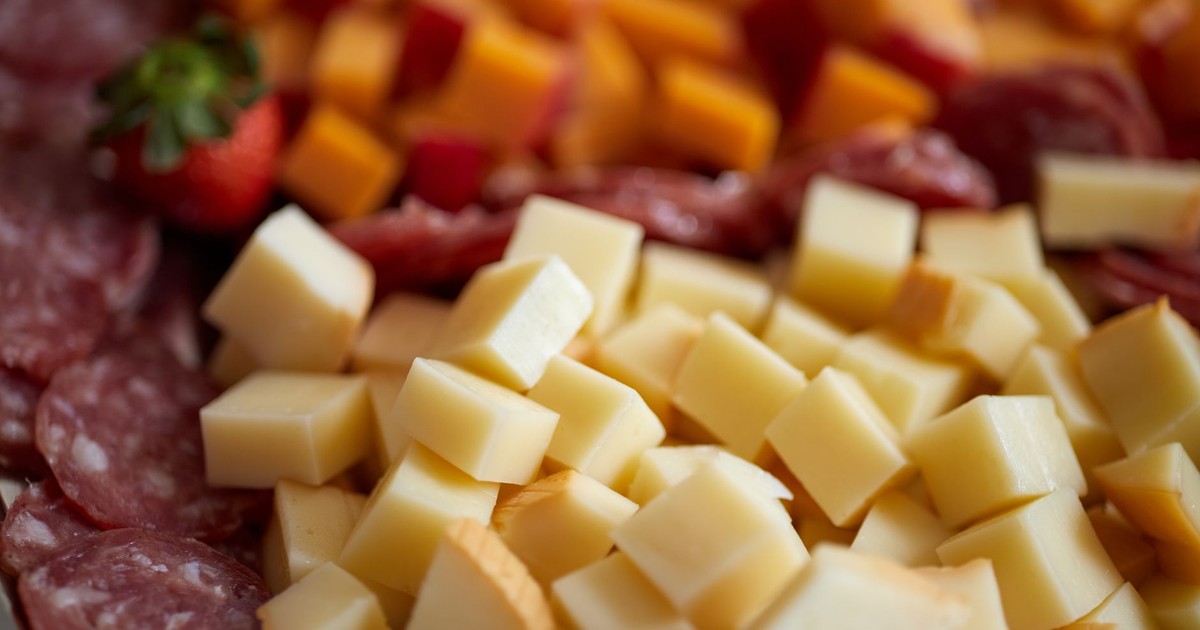
The lunchtime deli counter feels like a solid, protein-forward choice. Sliced turkey. A bit of ham. Maybe some pastrami if it’s been that kind of week. The problem is that every single one of those meats is hauling a significant sodium load, and the numbers climb fast.
Highly processed lunch meats like salami, pastrami, and bologna tend to be full of saturated fat and sodium. That’s partly by design: salt functions as a preservative, flavor enhancer, and binder, contributing to the characteristic taste and extended shelf life of processed meats. The meat has to be treated with it. Pastrami is always brined – that’s what makes it pastrami.
Per two-ounce serving, pastrami typically contains between 1,000 and 1,300 milligrams of sodium. Most two-ounce servings of salami clock in at 1,200 to 1,400 milligrams. To put that in perspective: two ounces of salami on a sandwich before you’ve added the bread, cheese, or mustard can represent more than half of the daily recommended sodium limit in a single stack of thin-sliced meat. Fresh deli meat will always contain sodium because it’s used for preservation, but the gap between lightly cured turkey breast and a heavily processed bologna is enormous. Checking for “low-sodium” labeling specifically, rather than “lean” or “reduced fat,” is the only reliable way to know what you’re actually getting.
2. Vegetable Juice
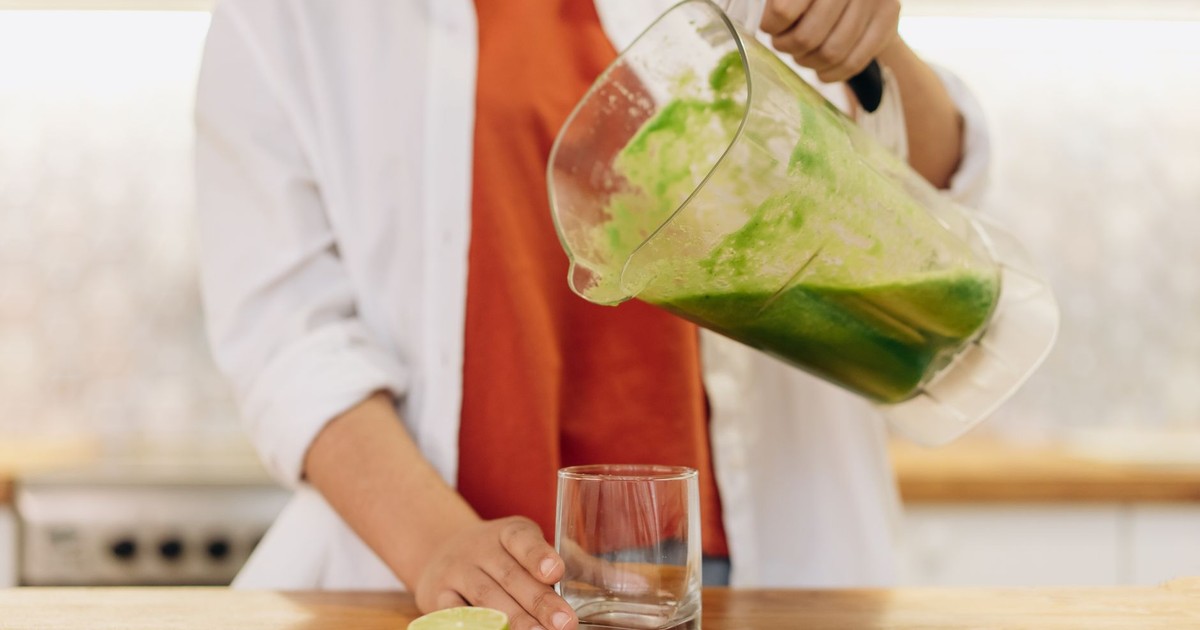
The appeal is obvious. A tall glass of vegetable juice feels like a shortcut to something virtuous, a way to mainline nutrients without chopping anything. V8 has been marketed as a health product for decades, and it does deliver vitamins. But the sodium content in a standard serving is one of the more surprising numbers in the grocery store.
Brands like V8 add sodium to boost flavor, and popular versions contain about 450 milligrams per can. Some original-formula versions run even higher. That’s roughly 20 percent of the daily recommended limit from a single eight-ounce drink that many people down in seconds, without thinking of it as a “salty” food at all. A glass of vegetable juice doesn’t taste like a bag of pretzels, which is exactly why the sodium in it goes unnoticed.
Taste is not an accurate way to judge a food’s sodium content. Some high sodium foods like pickles and soy sauce taste obviously salty, while others like cereals and pastries contain significant sodium without tasting salty at all. Vegetable juice sits squarely in that second category. Low-sodium versions of most major brands exist and are widely available. They’re worth the label check.
3. Flour Tortillas
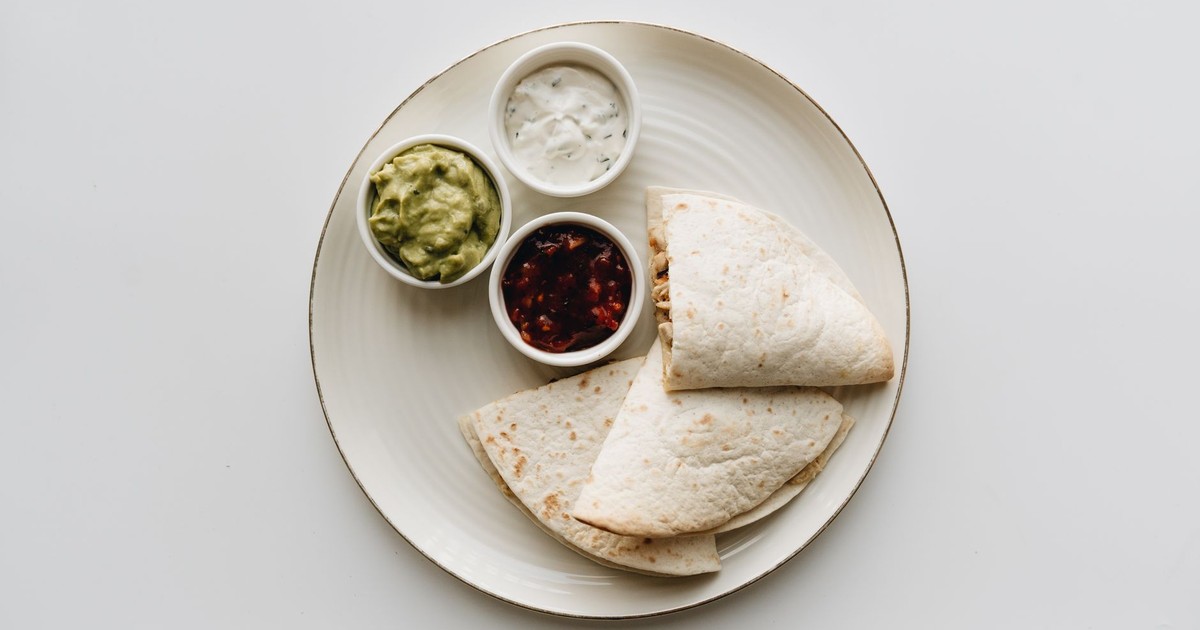
Bread is one of the more well-known sodium surprises. But tortillas, which have surged in popularity as a wrap-everything alternative, tend to escape scrutiny in a way that bread no longer does. They don’t announce themselves as salty. They’re just there, forming the base of the burrito or the quesadilla, invisible to the tally.
Tortillas contain ample sodium, mainly from salt and leavening agents such as baking soda or baking powder. An 8-inch flour tortilla averages 391 milligrams of sodium, or 17 percent of the recommended daily intake. If you eat two soft-shell tacos, you’ll get one-third of the daily recommended intake for sodium from the tortillas alone. That’s before the filling, before the cheese, before the salsa.
During the production of tortillas, salt is often used to help strengthen the dough by tightening the gluten network, which makes handling and shaping easier. This is especially important for flour tortillas. It’s not just flavor, in other words. It’s structural. The salt is doing a job in the dough, which is why you can’t simply assume a “plain” or “unflavored” tortilla is a neutral choice. Corn tortillas are more natural and less processed, and are significantly lower in calories, saturated fat, sodium, and sugar compared to flour tortillas. For anyone monitoring their sodium, that swap alone can make a meaningful difference across a week.
4. Canned Tuna
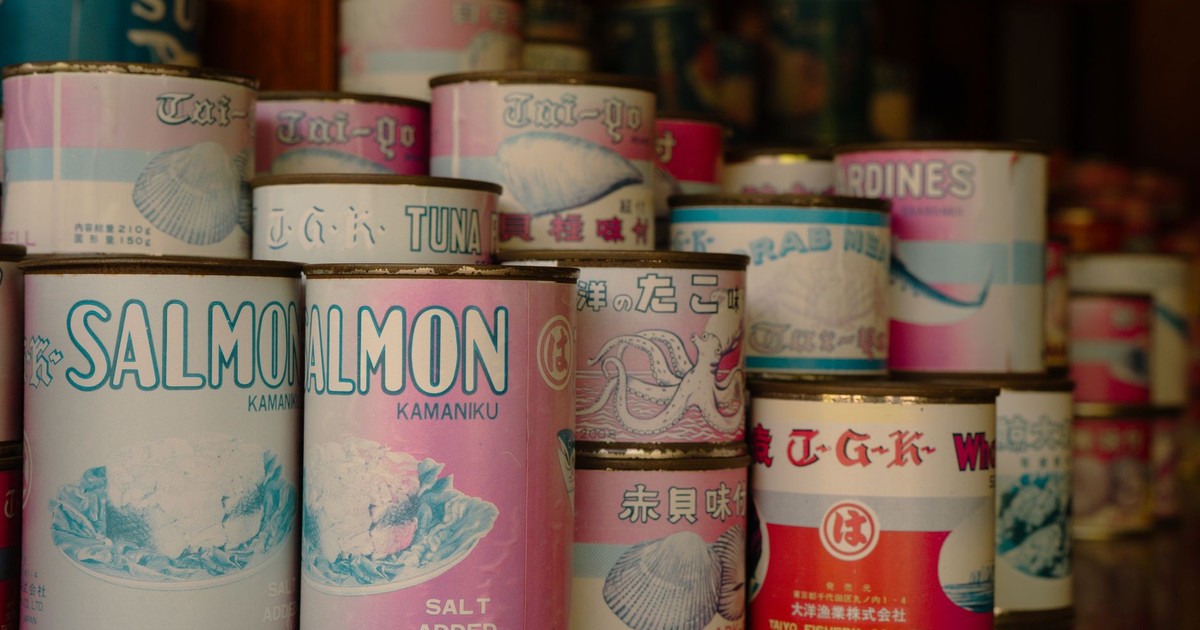
Canned tuna is one of the default “healthy” proteins. It’s lean, inexpensive, high in omega-3 fatty acids, and convenient enough to eat straight from the can. The sodium content tends to catch people off guard precisely because tuna doesn’t register as a processed food in the way that deli meats or packaged snacks do. It’s fish. How salty can it be?
In a recent analysis, canned tuna averaged 247 milligrams of sodium per three-ounce serving, or about 10 percent of the recommended daily intake. That’s before mayonnaise, before pickle relish, before the bread or cracker it gets served on. A tuna salad sandwich using standard canned tuna and a couple of tablespoons of regular mayo can push past 600 milligrams of sodium without a single ingredient that anyone would describe as particularly salty.
The practical fix is straightforward: no-salt-added canned tuna is sold in most major grocery stores and tastes nearly identical once mixed into a salad. One analysis found that recent canned tuna actually represents a 27 percent decrease in sodium content compared to several decades ago, which suggests food manufacturers can move the number when there’s pressure to do so. Choosing no-salt-added varieties moves it further still.
5. Restaurant Meals
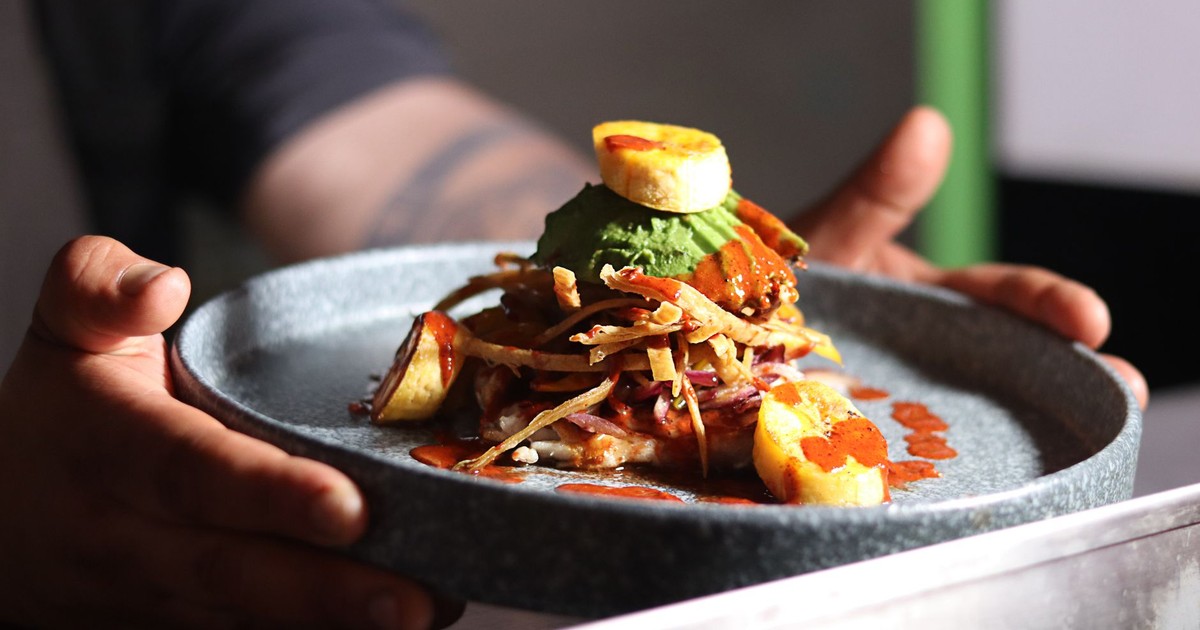
Cooking at home gives you control over every ingredient. Eating out surrenders that control entirely, and the Mayo Clinic is direct about what that means in practice: restaurant foods and meals are often high in sodium, and a single entrée may have enough sodium to reach or exceed your daily limit.
Restaurants salt generously because salt is the cheapest and most effective way to make food taste better, and because customers have been conditioned to expect a certain intensity of flavor from food they pay for. There’s also a compounding problem: the 2025 Dietary Guidelines Advisory Committee pointed out that sodium intake is elevated among all age groups and emphasized that the main sources of sodium in the American diet are processed and restaurant foods. It’s not one category. It’s both, often on the same plate.
The restaurant sodium problem is harder to manage than the grocery store version because labels aren’t handed to you at the table. Some chains publish full nutrition data online, and for anyone watching their intake seriously, checking those figures before ordering is worth doing. Choosing grilled over breaded, broth-based soups over cream-based, and dressings on the side are the usual levers, but they all start from the same place: knowing that the default is almost always higher than you’d guess.
6. Cottage Cheese
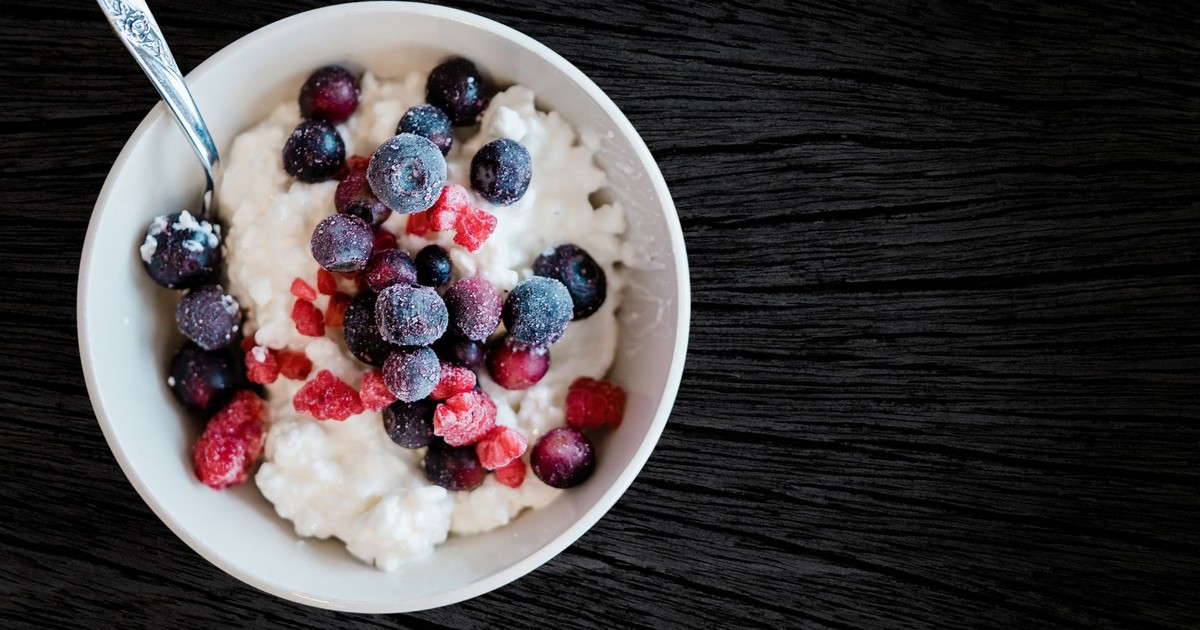
This one surprises people most. Cottage cheese has become a staple of health-conscious eating, showing up in everything from high-protein breakfasts to viral pasta sauces. It reads as wholesome. It’s a dairy product. It’s white and mild and completely unassuming.
Sodium turns up in foods from almost every category, and cottage cheese is a clear example of a food that carries it without advertising the fact. The CDC lists dairy-based dishes among the top sources of sodium in the American diet. A standard half-cup serving of full-fat cottage cheese from a major brand typically contains between 350 and 400 milligrams of sodium, nearly 15 to 17 percent of the daily recommended limit from something most people treat as a neutral, background food.
More than 70 percent of the sodium Americans eat comes from packaged, prepared, and restaurant foods, not the saltshaker, and cottage cheese is one of the more reliable examples of why. The sodium is added during processing to enhance flavor and extend shelf life, in the same way it is in most packaged dairy products. Low-sodium cottage cheese is available from several brands and contains dramatically less: some versions come in under 50 milligrams per serving. The texture and taste are functionally identical, so the swap costs nothing except a slightly more careful reading of the label.
Read the Label, Not the Marketing

The six foods above don’t share a flavor profile. Some taste salty and some don’t. Some are marketed as health foods and some are just practical staples. Their sodium content is routinely underestimated, partly because the foods themselves feel benign and partly because most people are still mentally attributing their sodium to the saltshaker rather than to the packaged foods sitting in their fridge and pantry.
The body needs only a small amount of sodium, less than 500 milligrams per day, to function properly. That doesn’t mean eliminating it, and it doesn’t mean treating every meal as a sodium audit. It means knowing where the bulk of it is actually coming from, which turns out to be far less exotic than most people assume. The sandwich filling you’ve been eating since childhood. The can of fish you grabbed because red meat felt like too much. The drink you thought was doing you a favor. Awareness of these high sodium foods doesn’t require a complete overhaul of how you eat. It just requires knowing which foods are running up the score without you noticing.
Disclaimer: This information is not intended to be a substitute for professional medical advice, diagnosis, or treatment and is for information only. Always seek the advice of your physician or another qualified health provider with any questions about your medical condition and/or current medication. Do not disregard professional medical advice or delay seeking advice or treatment because of something you have read here.
AI Disclaimer: This article was created with the assistance of AI tools and reviewed by a human editor.