

Cashiers have already sized up your cart before you finish unloading it. Not maliciously. Just inevitably. When your entire job is to read carts and process people, patterns emerge fast, and they become impossible to ignore. Most of those patterns have nothing to do with what’s in the cart.
On a busy shift, a cashier can process well over a hundred transactions. After a few weeks on the register, individual carts blur together almost instantly. What snags their attention is behavior: how organized you are, whether you’re paying attention, how you treat them. Here are seven of the most common things they notice.
1. Cramming a Full Cart Into the Express Lane
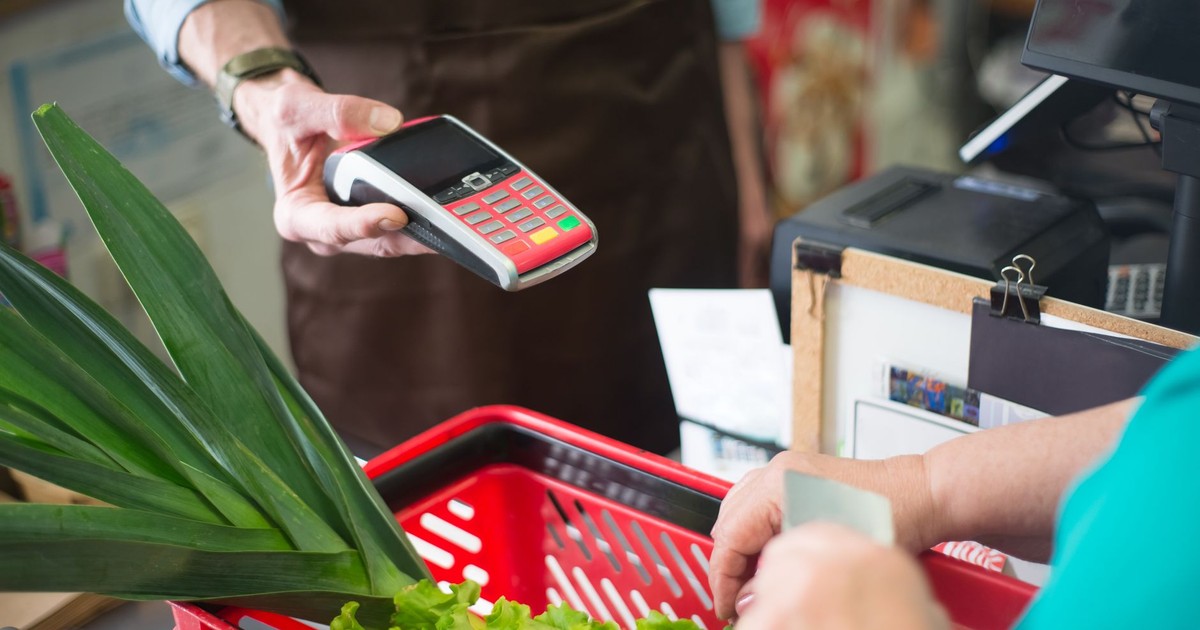
Express lanes are designed for speed and efficiency. When someone rolls up with 27 items and a shrug, everyone notices, especially the cashier. They can’t call you out without creating a scene, but they’re counting.
The 15-items-or-fewer sign is not a suggestion. Cashiers know this better than anyone, partly because they absorb the consequences when the express lane backs up into the main aisle. The customers who planned their whole trip around a fast exit find themselves standing behind a cart piled with frozen pizzas and a case of sparkling water.
The express lane has become a flashpoint in checkout culture. Some Walmart locations have started capping self-checkout lanes at 12 items or fewer, and shoppers have responded with threats to walk out mid-shop. The New York City Council is considering a bill that would limit self-checkout purchases to 15 items or fewer at supermarkets and pharmacies. Cashiers have been living this argument silently for decades.
2. Being Glued to Your Phone During Checkout
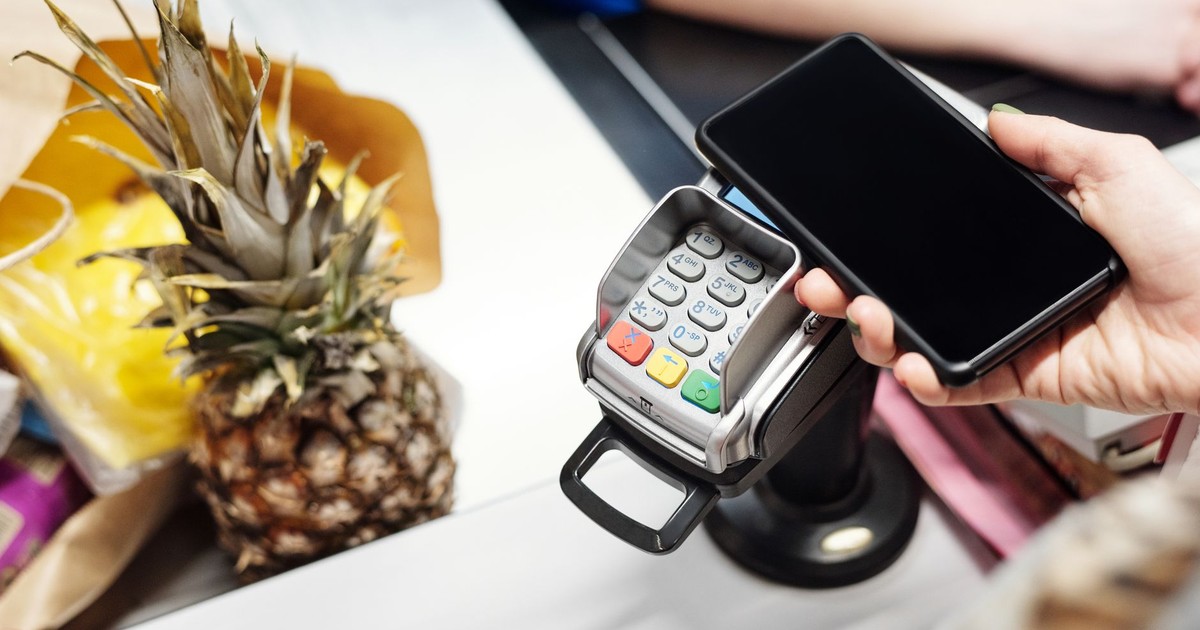
Carrying on a loud phone conversation while someone is ringing up your groceries makes it nearly impossible for the cashier to ask questions, verify prices, or interact politely. It can also slow down the line for everyone behind you.
Checkout is not a passive process. The cashier needs to communicate: questions about loyalty cards, paper or plastic, price mismatches that need a quick confirmation. When a customer is narrating their weekend to someone on a Bluetooth earpiece, the whole transaction slows and frustration builds behind that professionally neutral expression.
The phone issue goes beyond volume. Even texting, head down, not making eye contact, tells the person doing actual labor that their presence is not worth acknowledging. Cashiers notice the opposite too: the customer who puts the phone away, makes eye contact, says hello. That small gesture can break the monotony of scanning items for hours on end.
3. Leaving Your Cart a Disorganized Disaster
A well-organized cart moves faster through checkout, and cashiers know it the second your items hit the belt. Frozen items buried under produce, fragile things jammed under two-liter bottles, eight avocados rolling loose at the bottom, all of it costs the cashier extra time and the person behind you a stalled line.
Placing heavier items first, lighter ones next, and anything needing special handling at the end takes about thirty seconds of thought and saves everyone a minute of sorting. Separating cold items from room-temperature ones also avoids the familiar confusion at the end of the belt.
Cart organization also tells the cashier something about your awareness of the transaction. You don’t have to arrive with color-coded sections. Just: cold with cold, fragile on top, and please don’t bury the produce under a bag of potting soil.
4. Complaining About Prices (to the Person Who Can’t Change Them)

A LendingTree survey found that more than half of Americans say they’re spending more on food than they were the previous year, and 49% say it’s at least somewhat difficult to afford food right now. That’s a real financial squeeze, and the place that frustration tends to land, loudly, repeatedly, at checkout, is squarely with the one person in the store who has zero control over the price of eggs.
Groceries are the spending category Americans struggle to cut back on most. Unlike a streaming subscription, you can’t cancel them. But the cashier did not set the price. They’re also dealing with inflation. They’re also watching their own grocery bill climb. And they’ve heard the same complaint from the last forty customers.
Cashiers notice this one not because the frustration is illegitimate, it absolutely is, but because it puts them in an impossible position. They can’t fix it, they can’t agree without risking their job, and they can’t do anything except smile and wait for it to pass. Directing the vent elsewhere is a small act of consideration most cashiers would appreciate.
5. Ignoring the Belt Divider
The divider bar is a simple piece of plastic that does one thing: it prevents a stranger’s jar of tahini from ending up on your bill, and yours from ending up on theirs. When someone doesn’t bother putting it down, the cashier has to watch the belt more carefully, pause to sort ambiguous items, and occasionally have a mildly awkward conversation about whose kombucha belongs to whom. None of this is catastrophic. All of it is avoidable.
What cashiers actually notice is less the confusion itself and more what the missing divider suggests about a shopper’s awareness of anyone else in the transaction. It’s such a small action that skipping it reads as obliviousness rather than an honest oversight. Placing the divider bar is one of the simplest ways to keep the line moving for everyone.
6. Dumping Dirty, Sticky, or Leaking Items on the Belt
The cart that’s been sitting in the parking lot in the rain and is now delivering a thin film of grime to everything it touches. The jar of pasta sauce that is clearly leaking, wrapped in a produce bag, leaving a trail down the belt. The produce bags with actual mud clumps from a previous trip, reused in a way nobody signed up for.
Cashiers handle hundreds of items per shift. When those items are visibly sticky, wet, or soiled, they handle them anyway, because that’s the job, but they notice. Leaking items also create a practical problem: they can damage other customers’ groceries, leave residue on the belt, and occasionally require the transaction to pause entirely while the situation gets resolved.
The easy fix is checking your cart before you reach the belt. Leaking jar? Tell someone. Muddy produce bag? Grab a fresh one. A wet item from the misting section? A heads-up takes two seconds. Cashiers who get that heads-up are grateful every time.
7. Abandoning Your Cart in the Parking Lot
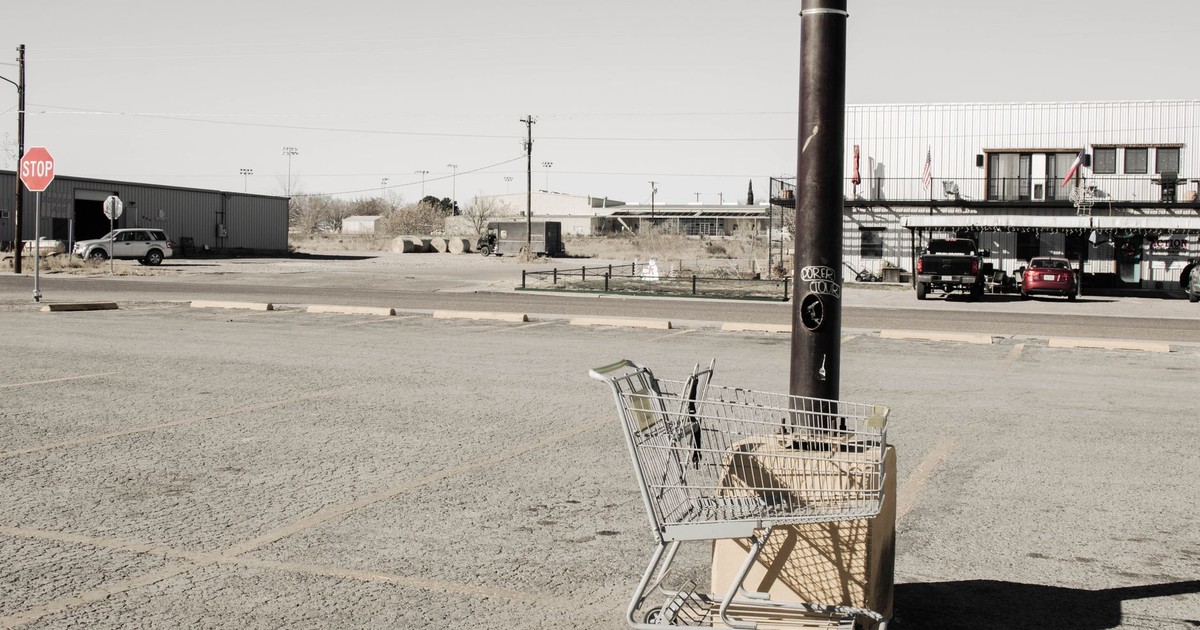
The shopping cart theory went viral after a May 2020 post on 4chan argued that returning a cart is “the ultimate litmus test for whether a person is capable of self-governing.” Long before that, cashiers and lot attendants watching from inside the store were already drawing the same conclusion.
The shopper who unloads their groceries and pushes the cart into an empty spot, or leaves it halfway on the curb, creates hazards for other drivers and more work for store employees. At many stores, it’s the cashiers or bag clerks who spend part of their shift rounding up scattered carts from across the lot, often in heat or rain, often during the same shift they’ve been standing on concrete for six hours.
The cart return takes, generously, ninety seconds. It just requires acknowledging that other people will deal with the thing you left behind if you don’t. Walking your cart back to the corral is the last impression you leave, and yes, they are absolutely judging it.
Read More: 7 ‘Premium’ Grocery Store Items You’re Probably Overpaying for Every Week
What Cashiers Actually Remember

None of the seven things on this list are serious offenses. Nobody is getting banned for forgetting the belt divider. The grocery store is one of the last genuinely public spaces most people pass through regularly, a place where you share a few minutes with a stranger whose entire job is to process you efficiently and courteously, regardless of how their day is going.
A study published in the Academy of Management Journal found that cashiers and customers held fundamentally different views on who had the right to control service encounters, with customers exerting more immediate influence over cashiers than management ever did. What you’re buying rarely registers. How you conduct yourself for those thirty seconds does.
A smile, a greeting, a bit of patience, and a thank you cost nothing and make a genuine difference to someone’s shift. The cart left in the lot, the phone call taken mid-transaction, the price complaint directed at someone earning by the hour: these are small things that accumulate, invisibly, across a shift that still has four hours left on it.
AI Disclaimer: This article was created with the assistance of AI tools and reviewed by a human editor.