

The argument most people carry into middle age goes something like this: everything good is behind you, and everything ahead is a slow negotiation with your body. The research on aging documents an almost completely different picture.
What scientists have been finding for the past two decades are real, measurable shifts in how the brain processes emotion, how the body handles stress, and how people relate to the things that actually matter to them. The getting older benefits that keep turning up in longitudinal studies aren’t consolation prizes. They’re built directly into the biology and psychology of aging itself.
What follows is a list of twenty reasons that growing older is genuinely, specifically better than most people expect. Not better in spite of the hard things. Better in ways that are built directly into the process.
1. Your Emotional Highs Are Steadier

When adults of different ages are asked about their emotions, the oldest in the group report the highest levels of happiness and the lowest levels of frustration and irritability. Daily feelings of negative emotions decrease steadily as people age, right into their mid-70s.
Research from Susan T. Charles at UC Irvine, published in 2024, tracked over 2,000 people ranging in age from 24 to 95, asking about their emotions every day for eight days, three times over a span of roughly twenty years. Older adults consistently reported greater control over their emotions and higher overall well-being compared to younger adults. Age-related changes in the regions involved in emotional processing mean that the alarm circuits in the brain fire less intensely at things that once would have derailed an entire afternoon.
The practical consequence is that older adults are less likely to spend a Sunday lying in bed replaying a conversation from Thursday. The emotional residue of daily friction fades faster.
2. Stress Becomes More Manageable

Older adults, on average, demonstrate better psychological resilience in the face of pressure, not because they’ve stopped caring, but because the body’s and mind’s threat-detection systems recalibrate over time.
Cortisol is the body’s primary stress hormone. When it spikes repeatedly and doesn’t come back down, it damages the cardiovascular system, disrupts sleep, and impairs memory formation. The psychological research on aging consistently finds that older adults report managing stress with greater stability than younger adults, with better coping strategies, less anxiety, and a more developed ability to distinguish real threats from imagined ones.
The body is, in a very real sense, becoming less reactive to the noise of daily life.
3. Vocabulary and Stored Knowledge Keep Growing

While certain kinds of memory and processing speed decline with age, vocabulary and long-term knowledge remain steady or even improve. Researchers call this crystallized intelligence: your accumulated knowledge base.
Crystallized intelligence is knowing which contractor will rip you off, which conversation opener will land with your sister, and how a project that looks promising on paper usually ends. It keeps building as long as you’re reading, talking, and paying attention to the world. Processing speed, the thing that declines, matters a great deal in computer games and not nearly as much in real decisions.
4. You Stop Caring What Strangers Think
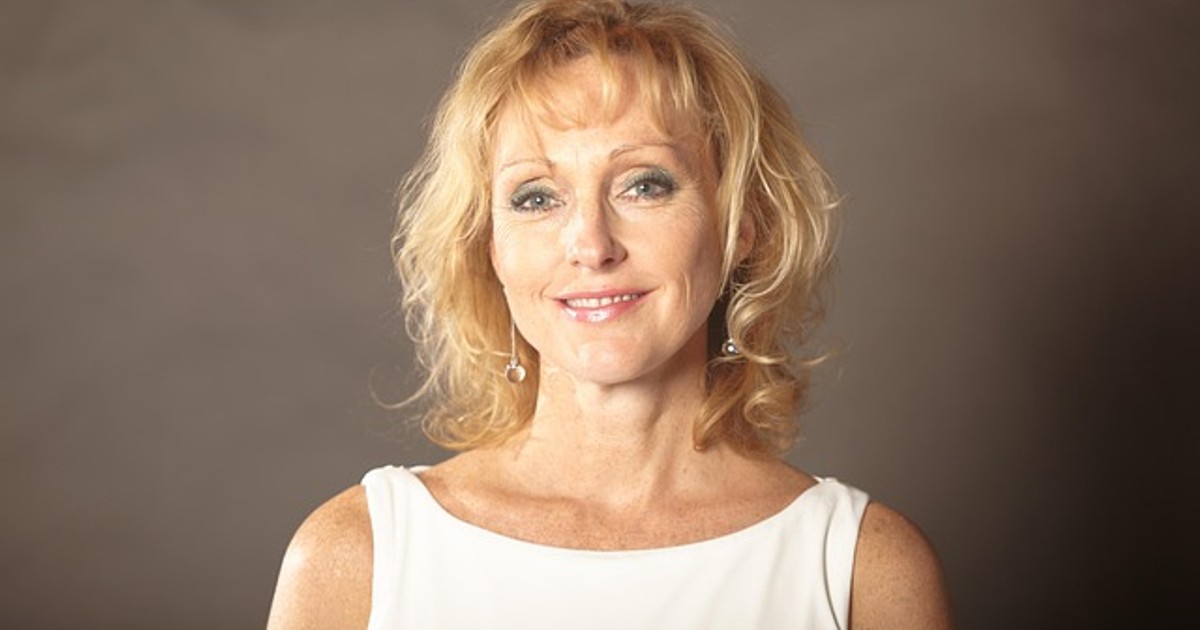
Younger adults are running social software that tracks status, comparison, and external approval constantly. With age, that software starts to run more slowly. People stop monitoring whether the table behind them at a restaurant noticed their outfit. They stop rehearsing what they should have said at the meeting. The energy that was going into social performance becomes available for other things.
This shift is gradual, not dramatic. But the cumulative effect of two or three decades of caring slightly less about being watched is a person who is measurably freer than the one they were at 25.
5. Friendships Become Higher Quality
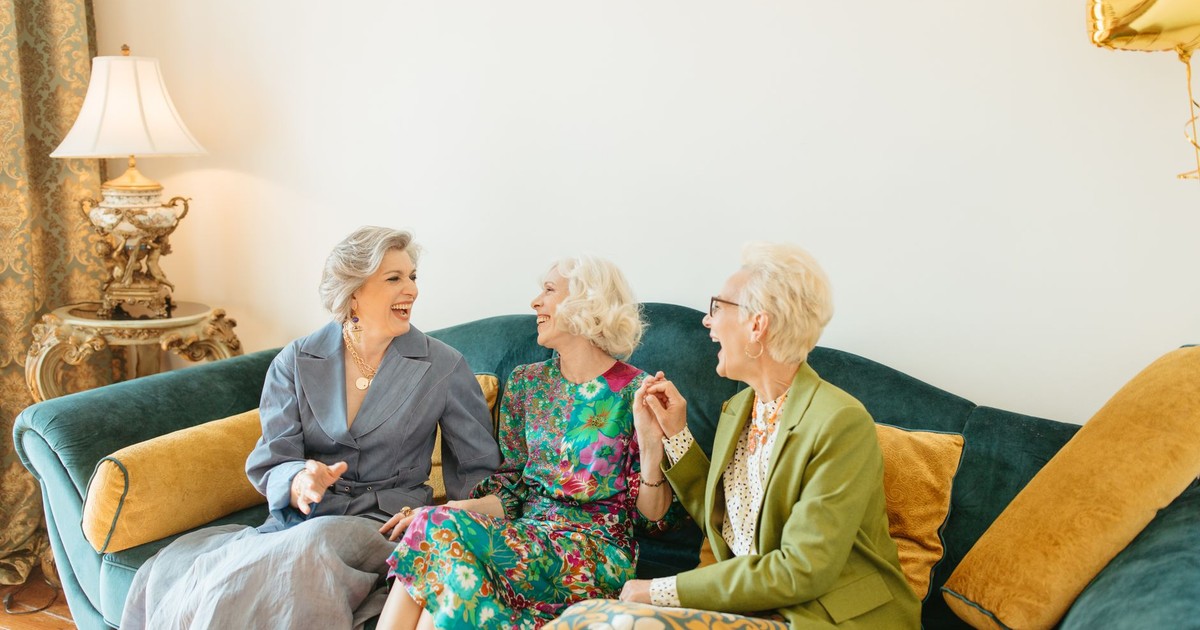
By their fifties and sixties, most people have shed the friendships maintained purely through proximity. What’s left are the relationships that have been tested and chosen. People who know what you’ve been through and showed up anyway.
Longitudinal research on aging has found that older adults who engage in diverse social activities experience better cognitive health, emotional well-being, and longevity. Interacting with a large and varied network is linked to less cognitive decline, a stronger sense of purpose in life, and longer lives.
Social connections predict happiness and lifespan as much as objective health indicators like cholesterol levels. Fewer, better, more honest connections turn out to be worth more than a wide network of people you half-know.
6. Decision-Making Gets More Consistent

Younger adults make better decisions in high-speed, novel situations. Older adults make better decisions in situations they’ve encountered before, which describes most of life. Crystallized knowledge and lived experience mean fewer bad calls on the things that repeat: recurring financial decisions, familiar social dynamics, and opportunities that have recognizable warning signs.
Yale University researchers, analyzing more than a decade of data from over 11,000 older Americans, found that nearly half of adults aged 65 and older showed measurable improvement in cognitive function, physical function, or both. About 32% improved cognitively and 28% improved physically over the follow-up period. These improvements were directly linked to how participants thought about aging itself. People who believed improvement was possible were significantly more likely to demonstrate it.
7. Migraine Frequency Often Decreases
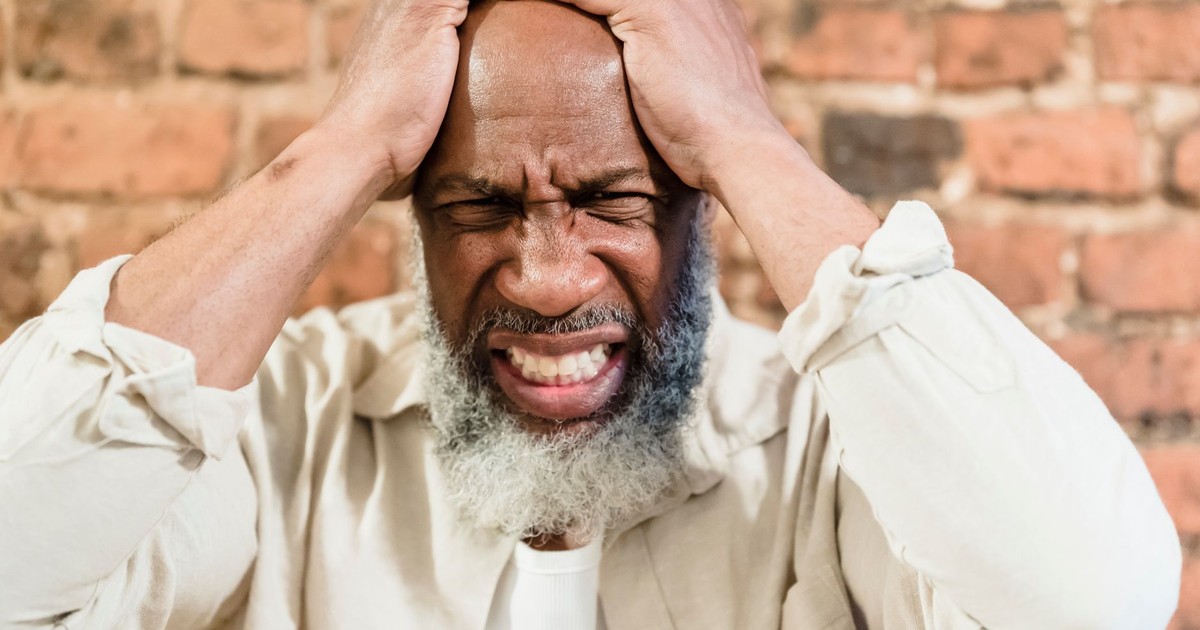
For the roughly one in seven adults who deal with migraines, there is legitimate relief on the other side of middle age. Neurologists have documented a well-established pattern: migraine frequency and severity tend to decline after menopause for women, and broadly taper for both sexes in later decades. The hormonal fluctuations that drive many migraine episodes stabilize, and the inflammatory processes underlying attacks become less active.
This doesn’t happen for everyone, and the full picture isn’t settled. But for many people who have spent years managing migraine as a regular feature of their lives, their fifties and sixties bring a genuine reduction.
8. Allergy Symptoms Can Ease

The immune system’s relationship with allergens shifts over time. Many people find that the hay fever that had them reaching for antihistamines every spring becomes noticeably less severe in their fifties. The underlying reason is that the immune system’s reactivity – the hair-trigger IgE response that causes allergic symptoms – tends to moderate with age.
This doesn’t mean immunity weakens in a way that helps allergens. The immune system becomes less hyperresponsive to things that were never actually dangerous. For people who grew up cycling through allergy seasons as an annual misery, discovering in their mid-fifties that the symptoms have softened is one of the more pleasant surprises aging delivers.
9. Confidence in Your Own Opinions Grows

There is a very specific kind of self-assurance that only comes from having been wrong enough times to know how it feels. Older adults have lived through cycles of certainty and revision enough to know the difference between a firmly held view and a knee-jerk reaction. That distinction makes their confidence more trustworthy, including to themselves.
The confidence isn’t bravado. It’s something closer to evidence-based self-trust.
10. You Get Better at Resolving Conflict

Younger adults tend to manage conflict with either escalation or avoidance, neither of which resolves much. Older adults, on average, are more likely to use de-escalation, humor, and strategic disengagement. These are skills that take decades to learn because they require suppressing the instinct to win.
The evidence on emotional regulation in aging supports this directly. In the context of conflict, emotional control translates to being less likely to say the thing that ends a relationship over something that didn’t need to end it.
11. Sense of Purpose Often Strengthens

One of the consistent findings in gerontology is that many people report a stronger sense of purpose in later life than they had during the career-building, child-raising, financially pressured decades of their thirties and forties. When the external scaffolding falls away, what’s left is a clearer sense of what the person actually values.
The CenterWell Fulfillment Index, a 2026 national survey of 5,501 U.S. adults aged 62 and older, found that 54% reported feeling fulfilled in their lives. That’s a higher rate than the figures for younger age groups, and it comes despite the health challenges, financial pressures, and losses that older adults are also navigating. Purpose, it seems, isn’t something you find in youth and spend down. It sharpens over time.
12. The Relationship With Sleep Can Improve
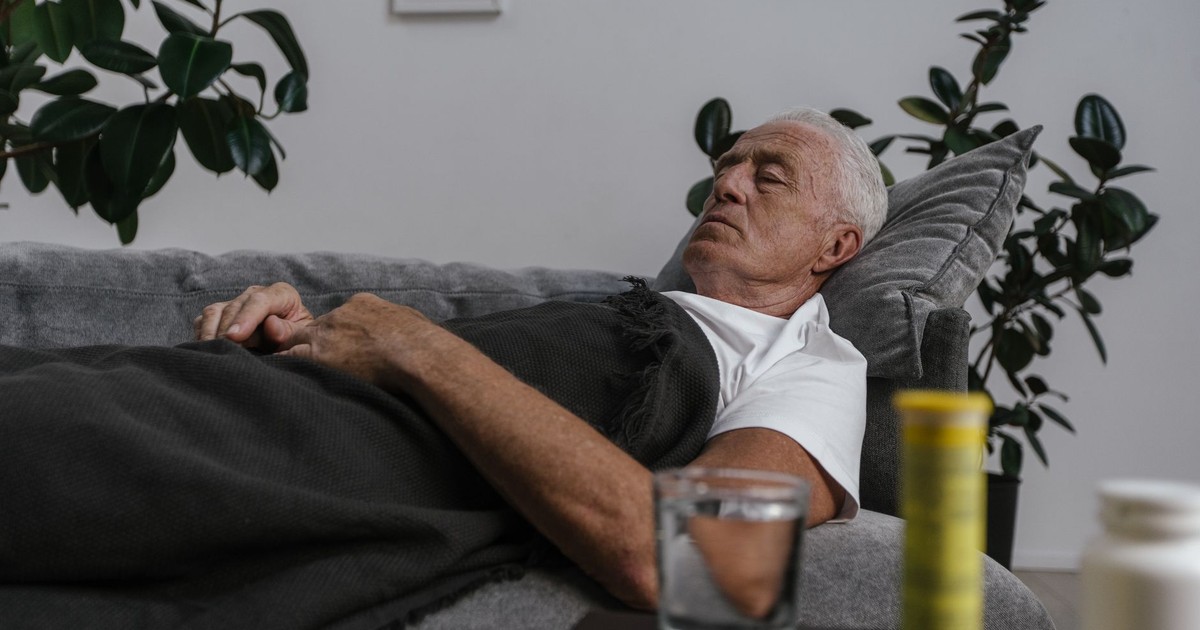
The chaotic sleep of the twenties and thirties, interrupted by small children, long work hours, and the ambient anxiety of building a life, often stabilizes in later decades. Many people in their sixties report sleeping more predictably and waking more consistently rested than they did during the highest-pressure years of midlife.
Sleep promotes the consolidation of experiences and ideas, playing a central role in memory and enhancing attention, problem solving, and creativity. Older adults who have established regular sleep patterns are protecting their cognitive health in one of the most effective ways available.
13. Perspective on What Counts as a Crisis
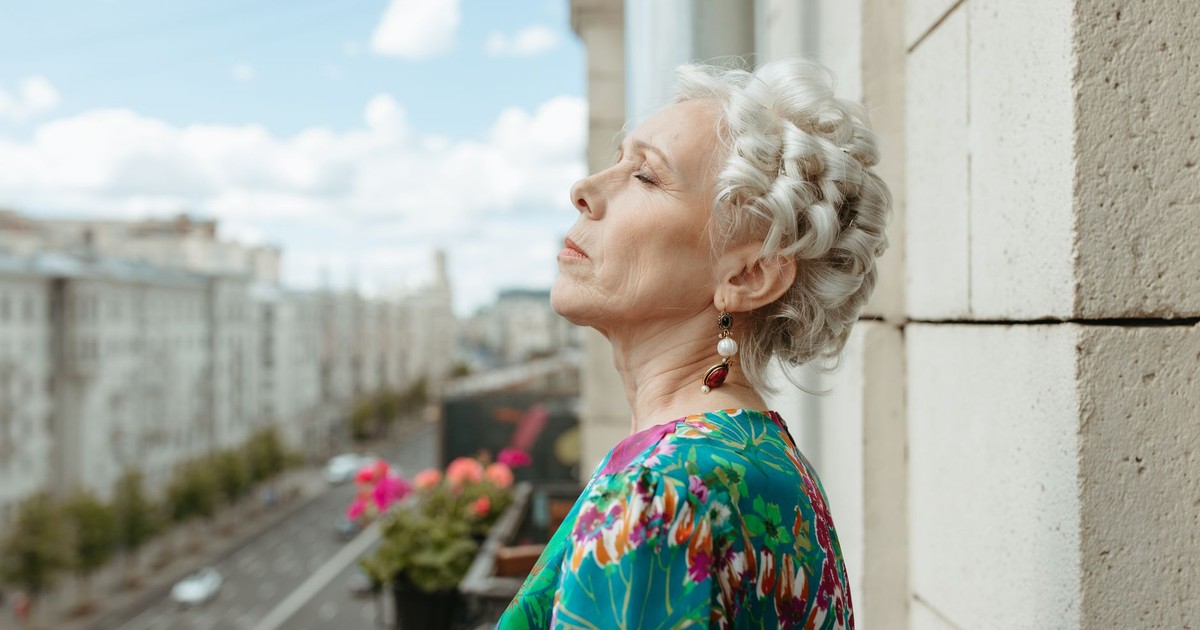
Every decade that passes gives you more data points on the things you were certain would be catastrophic and turned out not to be. By their fifties, most people have survived at least one job loss, one relationship ending, one family illness, one period of serious financial stress. The experiential record makes the fear response to new threats more calibrated.
This isn’t the same as becoming numb. The forty-year-old who has never faced a genuine crisis can spiral over a bad performance review. The fifty-five-year-old who has been through harder things than that can usually tell the difference between a problem and a catastrophe.
14. Creativity Shifts Into a Different Gear

While certain kinds of divergent thinking that rely on spontaneous cognitive leaps are stronger in younger brains, the kind of creativity that involves synthesis, pattern recognition, and knowing which idea is worth pursuing tends to strengthen with age.
Many of the most significant creative works across literature, architecture, painting, and film have come from people in their fifties, sixties, and beyond. This is the natural result of having a large enough mental database to make unexpected connections and enough judgment to know which ones are worth following.
15. Your Relationship With Your Body Becomes More Honest

The twenties and thirties involve a lot of fighting with the body: pushing through, ignoring signals, treating sleep as optional and rest as weakness. By the fifties, most people have made a more honest peace with what their body actually needs. Not defeat. Pragmatism.
That shift tends to produce better health behavior. People who listen to their bodies more carefully eat differently, rest when they need to, and treat pain as information rather than inconvenience. While aging is often portrayed as a slow decline, the people who age well tend to be the ones who have made that pragmatic shift from fighting their body to working with it.
16. Wisdom Becomes Culturally Legible

A 2025 review by the University of Hawaiʻi at Mānoa found that across many Indigenous cultures, including among Native Hawaiians, Māori, and Inuit, elderhood is a respected role earned by preserving cultural traditions and guiding the next generation.
Even in cultures where that formal respect for age has been partially eroded, there are professional and community contexts where accumulated experience carries real authority. The older colleague’s opinion gets weight in a room not because of status alone, but because the room has watched them be right before. That social legibility of accumulated judgment is a real and underreported benefit of getting older. You become someone whose track record speaks.
17. Psychological Resilience After Hardship Increases
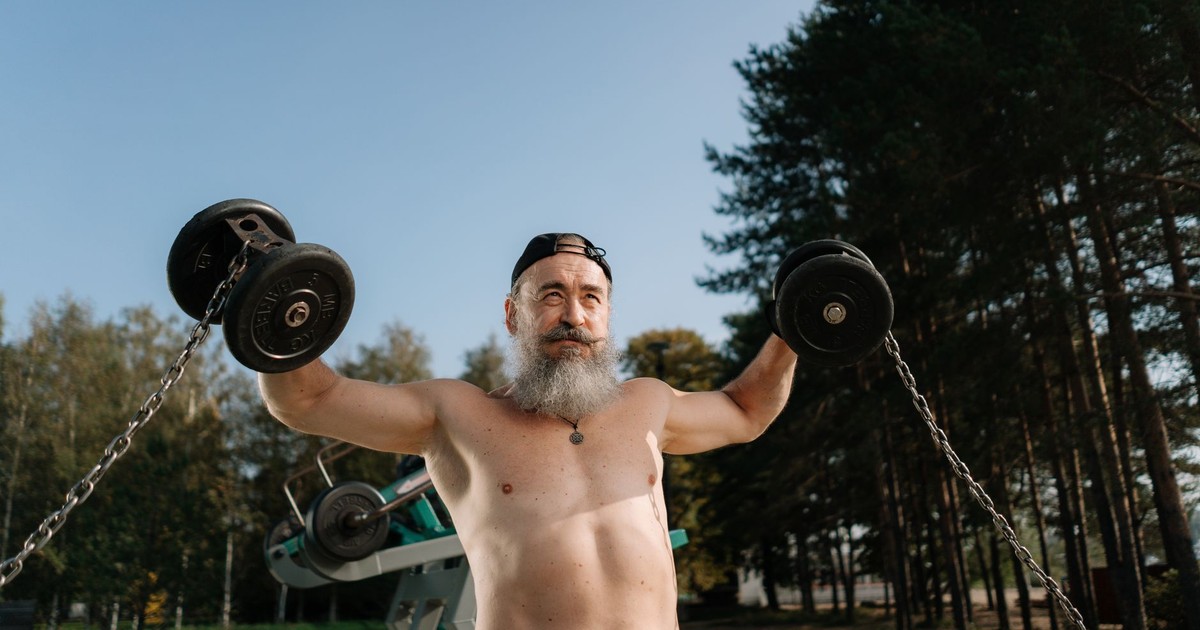
Research from West Virginia University found that the psychological benefits of aging persist even after experiencing disasters, and were more pronounced among those who had experienced a disaster versus those who had not. The finding runs counter to the assumption that age makes people more fragile in the face of adversity. Older adults demonstrated stronger psychological wellbeing after trauma compared to younger adults facing the same events.
The explanation fits with everything else the research suggests: older adults have better emotional regulation, a more developed sense of what they can and cannot control, and a relationship with difficulty that has been refined by actual experience. They’re not braver than younger people. They’ve just had more practice at getting through.
18. Brain Training Can Reverse Years of Cognitive Aging

A McGill University-led study published in JMIR Serious Games found that a 10-week digital cognitive training program using the app BrainHQ could rejuvenate aging brain systems responsible for memory and learning. The 92 older adults involved showed restored cholinergic function, the brain’s chemical system for attention, memory, and decision-making, reversing the brain’s clock by nearly a decade.
“The training restored cholinergic health to levels typically seen in someone 10 years younger,” said senior author Dr. Etienne de Villers-Sidani. “This is the first time any intervention, drug or non-drug, has been shown to do that in humans.” This matters because it means cognitive decline, while real, is not fully fixed. The brain retains far more plasticity in later life than the popular narrative assumes. Older adults who invest in cognitive engagement, whether through formal programs or through reading, learning languages, playing instruments, or sustained social challenge, are working with a brain that is still responsive.
19. Your Track Record Becomes a Health Asset
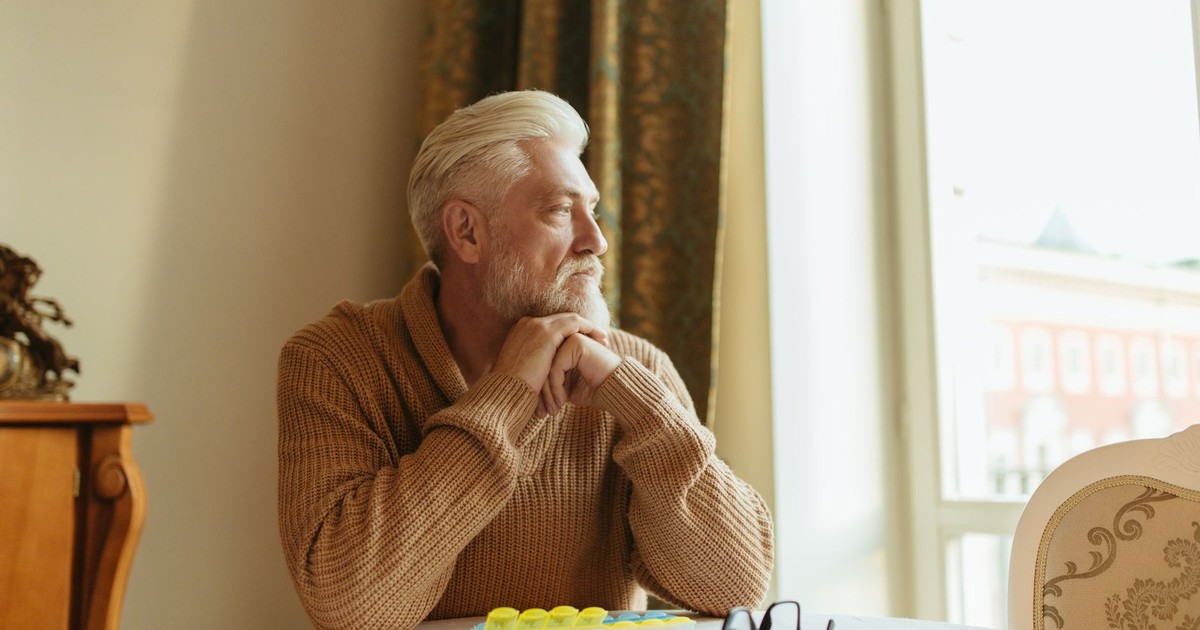
The Yale findings described in point 6 point to something broader: the people who aged best over 12 years weren’t necessarily the healthiest at the start. They were the ones who expected improvement. This is one of the more remarkable patterns in gerontology because it means the story someone tells themselves about growing older isn’t just a psychological comfort. It functions as a health variable.
People who framed aging as inevitable decline tended to track that prediction. The mindset isn’t sufficient on its own, but it appears to be necessary. Deciding that getting older is working in your favor, before you have strong evidence that it does, turns out to be part of how the evidence gets made.
20. Life Satisfaction Holds Stronger Than Expected
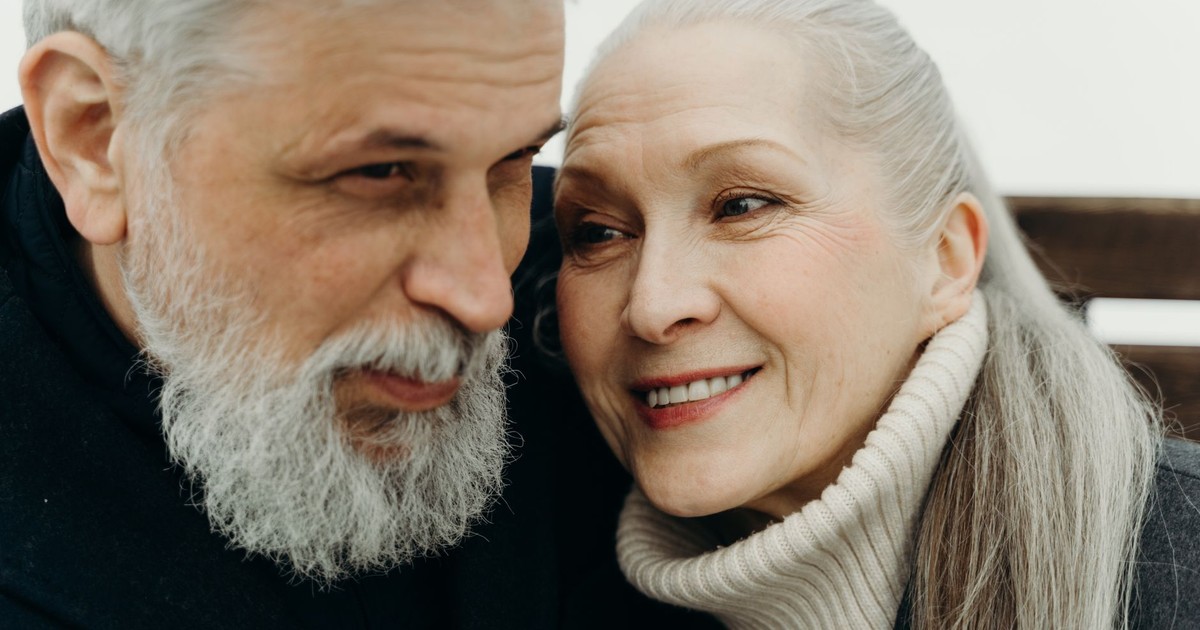
Some research describes a U-shaped happiness curve, where well-being is higher earlier in adulthood, dips in midlife, then rises again in later life. The dip in the middle is real. The forties and early fifties are often the lowest point on the happiness curve, not because people are failing at life, but because that’s when competing demands are highest and personal time is most compressed.
Globally, younger adults still report higher life satisfaction in some regions, but in North America the gap has reversed in recent years, with adults over 60 now reporting stronger well-being than those under 30. The reasons are complex, but the pattern is striking. Older adults are holding their ground on life satisfaction while younger generations are losing theirs.
The Part That Actually Matters

None of this means aging is without genuine difficulty. The losses are real, the physical changes are real, and anyone who tells you otherwise is selling something. But the research that has accumulated over the past decade makes a fairly clear argument: the people who age well are not the ones who managed to avoid adversity. They’re the ones who revised their story about what aging means.
The twenty things on this list aren’t guaranteed. They’re tendencies, found consistently in large populations and replicated across different cultures and contexts. Some arrive without effort: the emotional steadiness, the drop in social anxiety, the better-calibrated sense of what a crisis actually is. Others require investment: the quality friendships, the cognitive engagement, the sense of purpose that doesn’t collapse when a career ends or children leave home.
What they add up to is a counternarrative worth taking seriously. Aging is not primarily a story of subtraction. The second half of a life, entered with clear eyes, can produce something more textured and more settled than almost anything the first half could manage.
Disclaimer: This information is not intended to be a substitute for professional medical advice, diagnosis, or treatment and is for information only. Always seek the advice of your physician or another qualified health provider with any questions about your medical condition and/or current medication. Do not disregard professional medical advice or delay seeking advice or treatment because of something you have read here.
AI Disclaimer: This article was created with the assistance of AI tools and reviewed by a human editor.