

The body starts to reveal its priorities as you get older, and one of the clearest places it does that is at the dinner table. Foods that caused no obvious harm at 30 start doing things at 55 that you can actually feel: the blood pressure that climbs for no obvious reason, the joint inflammation that arrives the morning after a night of salty snacks, the energy that used to bounce back and now just doesn’t.
A single can of popular condensed soup can contain more than 800mg of sodium. The American Heart Association recommends no more than 1,500mg a day for people with existing cardiovascular risk factors. That soup gets you most of the way there before dinner. The biology behind why certain foods become more harmful after middle age has a lot to do with changes in how an older body processes sodium, metabolizes sugar, manages inflammation, and maintains muscle mass.
The 10 foods to avoid aging well aren’t rare or exotic. They’re in most kitchens.
1. Ultra-Processed Foods

Ultra-processed foods, products made primarily from substances extracted from foods like refined starches, hydrogenated oils, and added sugars with little to no whole food remaining, have become one of the most studied areas in aging nutrition over the last decade.
Research drawn from the NIH-AARP Diet and Health Study, which tracked the diet and health of more than half a million adults between the ages of 50 and 71 over nearly 23 years, found that people who consumed significant amounts of ultra-processed food were 10% more likely to die during the follow-up period, especially from heart disease and diabetes. The study was presented at the American Society for Nutrition’s annual meeting in 2024.
A separate 2024 analysis of data from more than 100,000 American health professionals tracked over more than 30 years found that people who ate the most ultra-processed foods had a 4% higher risk of death from any cause and an 8% higher risk of neurodegenerative deaths.
The practical move isn’t to swear off all packaged food. Look at the ingredient list and ask how far this product has traveled from anything that grew in the ground. Frozen vegetables, canned beans, plain yogurt are all fine. A frozen lasagna with 40 ingredients you’d need a chemistry degree to pronounce is a different story.
2. Processed Meats

Hot dogs, deli ham, pepperoni, salami, bologna are among the most studied foods in aging research. Processed meats are preserved using nitrates and nitrites, chemical compounds that extend shelf life but that can convert in the body into N-nitroso compounds, which are associated with DNA damage and cancer risk.
A 2024 study led by researchers at Harvard T.H. Chan School of Public Health and published in The BMJ found that high intake of ultra-processed foods, with processed meats specifically called out, may increase the risk of early death. The association held even when researchers adjusted for other dietary and lifestyle factors.
For most people, the realistic swap isn’t a dramatic overhaul. Choose roasted chicken or tinned fish where you’d otherwise default to a deli counter.
3. Sugary Drinks
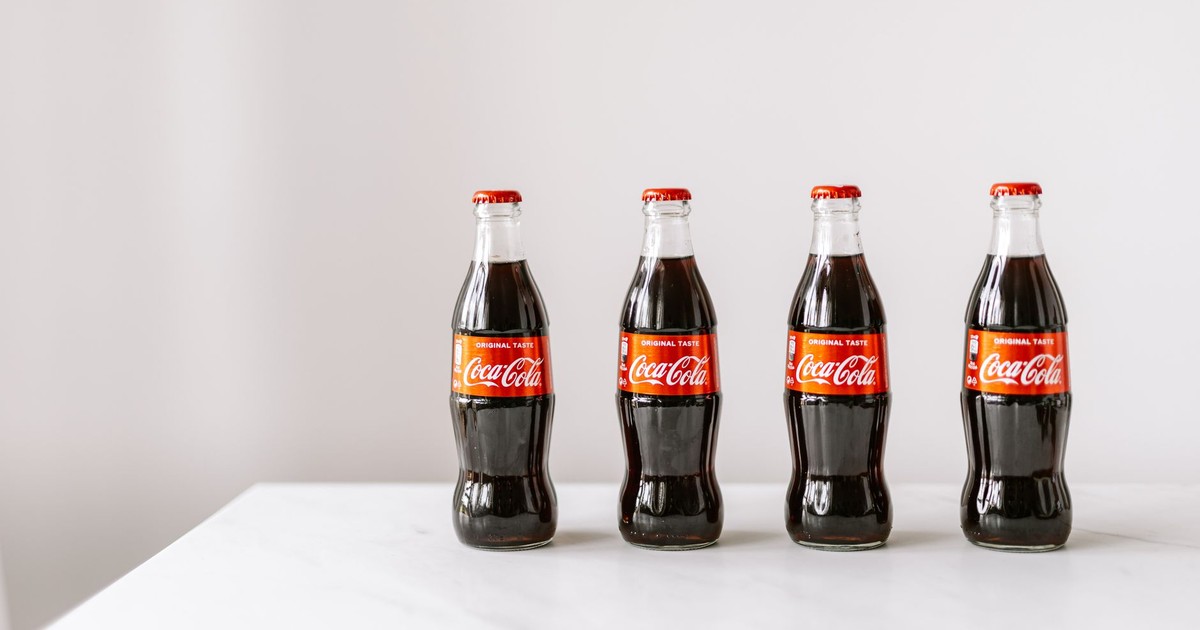
The body’s ability to manage blood sugar changes with age. Insulin sensitivity, the efficiency with which cells respond to insulin and take up glucose from the bloodstream, tends to decline. Sugary drinks accelerate it faster than almost any other dietary factor because they deliver sugar into the bloodstream without the buffer of fiber or protein.
A 2025 review published in Nutrients by researchers at the University of Ulsan and Miami University found that dietary patterns play a substantial role in the biology of aging and age-related disease risk. A 20-ounce soda contains about 65 grams of sugar, more than the daily added sugar limit in a single bottle.
Fruit juice delivers the same blood sugar hit as soda. The fiber that would have slowed the process is in the pulp that gets discarded during processing. Sweetened iced tea, energy drinks, and flavored waters with added sugar all belong in the same category as soda.
4. High-Sodium Packaged Foods
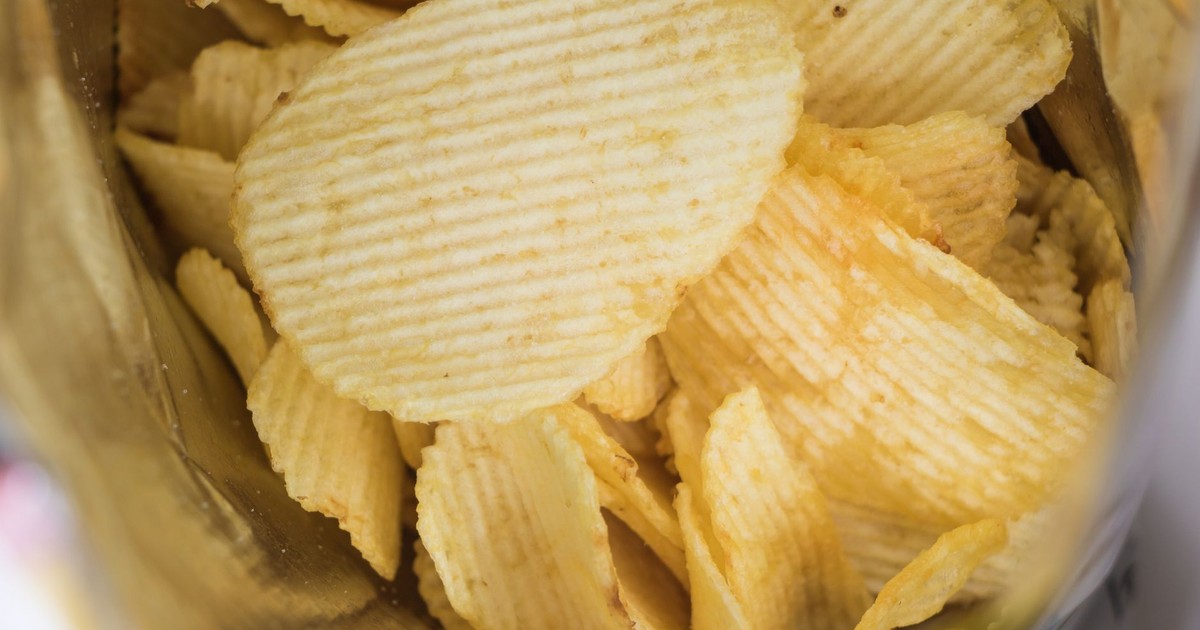
Canned soups, instant noodles, packaged sauces, frozen entrees tend to be loaded with sodium in quantities that most people don’t clock because they’re not sitting down with a bag of chips. A single can of popular condensed soup can contain more than 800mg of sodium, sometimes edging toward 900mg. The American Heart Association recommends no more than 2,300mg of sodium per day, with an ideal target of no more than 1,500mg for most adults, especially those with high blood pressure.
A 2023 study published in JAMA from Northwestern Medicine found that cutting salt intake by just one teaspoon per day lowered systolic blood pressure by about 6 millimeters of mercury, an effect comparable to a commonly prescribed first-line blood pressure medication. The researchers also found that 70-75% of all people, whether or not they were already on blood pressure medications, saw a reduction when they lowered their sodium intake.
Older adults are less able to filter out excess sodium than when they were younger. High sodium intake can elevate blood pressure and increase the risk of osteoporosis. Excess sodium causes the kidneys to excrete more calcium, and over years that adds up to measurable bone density loss.
5. Refined White Carbohydrates

White bread, white rice, regular pasta, crackers, and most commercially baked goods are made from refined grains, grains stripped of their bran and germ, which removes most of the fiber, vitamins, and minerals. What’s left is essentially a fast-digesting starch that hits the bloodstream much like sugar.
Declining insulin sensitivity means the body is already working harder to manage blood glucose, and refined carbs add to that burden with every meal. Every repeated spike-and-crash cycle raises inflammation, promotes fat storage around the midsection, and pushes someone closer to type 2 diabetes over time.
Swapping white bread for whole grain, or white rice for brown or wild rice, changes the glycemic load of a meal significantly. The fiber in whole grains also feeds the gut microbiome, which tends to become less diverse as we age.
6. Sweetened Coffee Drinks

Plain coffee is actually quite good for you as you age. The antioxidants in coffee have been studied extensively. The problem is the category of “coffee” that most people are actually drinking: the blended, sweetened, flavored, ready-to-go varieties that bear about as much resemblance to a black coffee as a milkshake does to milk.
A 16-ounce chai latte at Starbucks contains 42 grams of sugar. Low-to-moderate coffee consumption is linked to a lower risk of death, but that benefit shrinks when sugar and saturated fat are added in quantity, as in most store-bought drinks.
For regular coffee drinkers, the adjustment is simpler than it sounds. The flavor recalibration takes about two weeks. After that, most people find that heavily sweetened coffee starts tasting cloying rather than appealing. Starting with oat milk and reducing the syrup by half at each visit is a practical way in.
7. Alcohol

The red wine and heart health research from the 1990s and 2000s has been substantially revised. More recent and more rigorous analyses have found that the earlier apparent benefits were largely explained by confounders. Moderate drinkers tended to have other healthy habits, not because alcohol itself was protective.
After a certain age, the body becomes more sensitive to alcohol. Blood alcohol peaks faster, stays higher for longer, and the liver clears it more slowly than in a younger adult.
Alcohol disrupts deep sleep and REM sleep even when the overall amount of sleep seems adequate. Poor sleep at midlife has its own downstream effects on inflammation, metabolism, and cognitive aging that compound the direct effects of the alcohol itself.
8. Foods High in Saturated and Trans Fats

Partially hydrogenated oils, the industrial source of trans fats, have been largely phased out of the U.S. food supply following FDA action, but they still appear in some imported products, certain shortenings, and a handful of commercially fried foods. Beyond trans fats, saturated fats from sources like butter, full-fat processed dairy, lard, and fatty cuts of red meat eaten in excess remain a concern, particularly for cardiovascular health in older adults.
The cardiovascular system becomes less resilient with age. Arterial walls stiffen, the heart works harder, and cholesterol management becomes less efficient. A diet consistently high in saturated fat adds to that load.
Olive oil, avocado, and nuts are the kinds of fats that show consistent positive signals in aging research. Commercially fried foods, pastries made with shortening, and heavily marbled processed meats are where real exposure accumulates.
9. Deli Meats and Cured Charcuterie

Deli meats deserve their own mention because of how consistently they appear in daily eating patterns, the turkey sandwich for lunch, the charcuterie board at dinner, often without being registered as a processed food at all. The nitrate and nitrite concern is the same as with other processed meats, but the frequency of consumption is often far higher.
The nitrates and nitrites in processed meats like deli cuts can form carcinogenic compounds in the body, increasing the risk of colorectal cancer. Their high salt and fat content can contribute to hypertension and obesity. Colorectal cancer rates in adults over 50 are already elevated, and diet is one of the modifiable risk factors most consistently implicated.
The easiest swap here is home-cooked protein that you slice yourself: roasted chicken breast, poached salmon, hard-boiled eggs. They take more planning than grabbing a pack of sliced ham, but the nutritional gap between the two is significant.
10. Sugary Breakfast Cereals
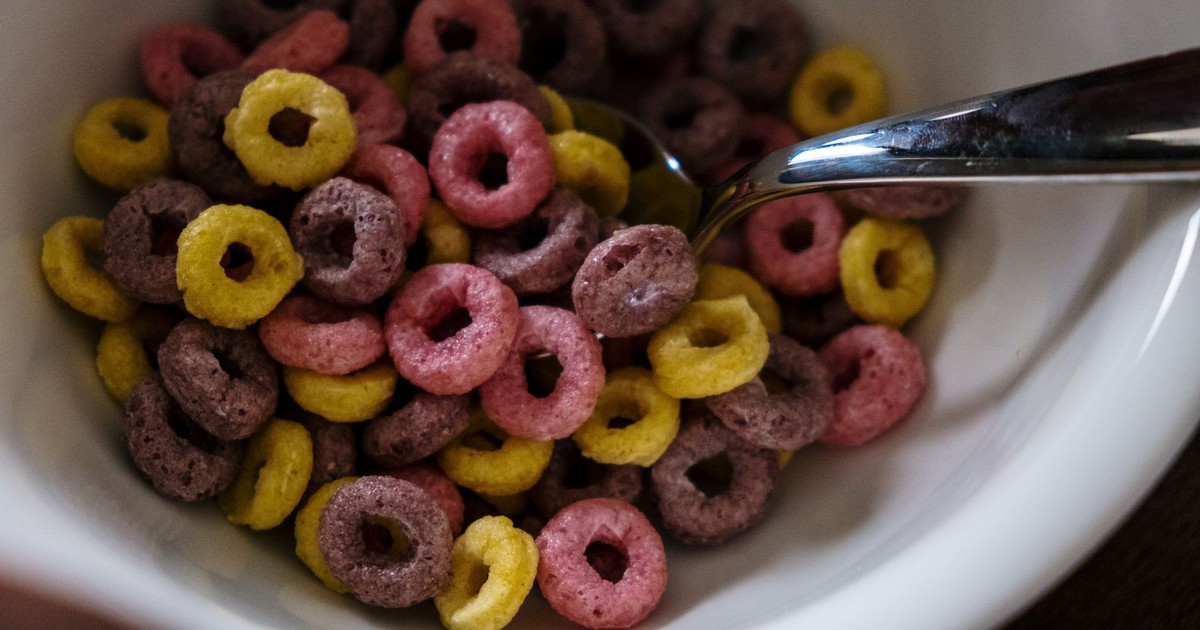
Most grocery store breakfast cereals marketed to adults, bran flakes, granola, “heart healthy” oat clusters, contain more added sugar than a serving of ice cream. The health halo around cereal is one of the more successful pieces of food marketing in history. Words like “whole grain,” “high fiber,” and “low fat” appear on the front of the box while the nutrition panel lists 12-18 grams of added sugar per serving, with serving sizes set at quantities most people pour only a fraction of in real life.
Current dietary guidance recommends that a single meal should not contain more than 10 grams of added sugars. Many cereals blow past that in the bowl before the milk is poured. For older adults managing blood sugar, insulin sensitivity, or weight, starting the day with a high-sugar cereal sets off a metabolic pattern for the morning that affects energy and hunger for hours afterward.
Plain oats, not the flavored instant packets which often contain as much sugar as the cereals, are the straightforward replacement. A bowl of steel-cut or rolled oats with nuts and berries provides sustained energy, fiber for the gut microbiome, and protein if you add a spoonful of nut butter. It’s not more complicated than cereal. It just requires reading past the front of the box.
Read More: Costco Sued Over Protein Powder Allegedly Loaded With Lead and Arsenic
What Actually Changes the Outcome

None of the foods on this list need to be treated as permanently forbidden. Habitual consumption, the foods that show up every day that form the background noise of how you eat, is where the real effect accumulates. A deli sandwich on a road trip is different from a deli sandwich every Tuesday and Thursday for ten years.
The foods doing the most damage as we age tend to share a few characteristics: they’re processed enough that they no longer resemble whole food, they carry sodium and sugar at levels the body was never designed to manage daily, and they crowd out the things that genuinely support aging well: fiber, protein, healthy fats, and variety. The shift doesn’t have to be radical. A lifetime of reaching for a certain kind of comfort, convenience, or taste doesn’t flip overnight, and it doesn’t need to. But knowing which foods are working against you, and why the biology changes after 50, is usually where the real conversation starts.
Disclaimer: This information is not intended to be a substitute for professional medical advice, diagnosis, or treatment and is for information only. Always seek the advice of your physician or another qualified health provider with any questions about your medical condition and/or current medication. Do not disregard professional medical advice or delay seeking advice or treatment because of something you have read here.
AI Disclaimer: This article was created with the assistance of AI tools and reviewed by a human editor.