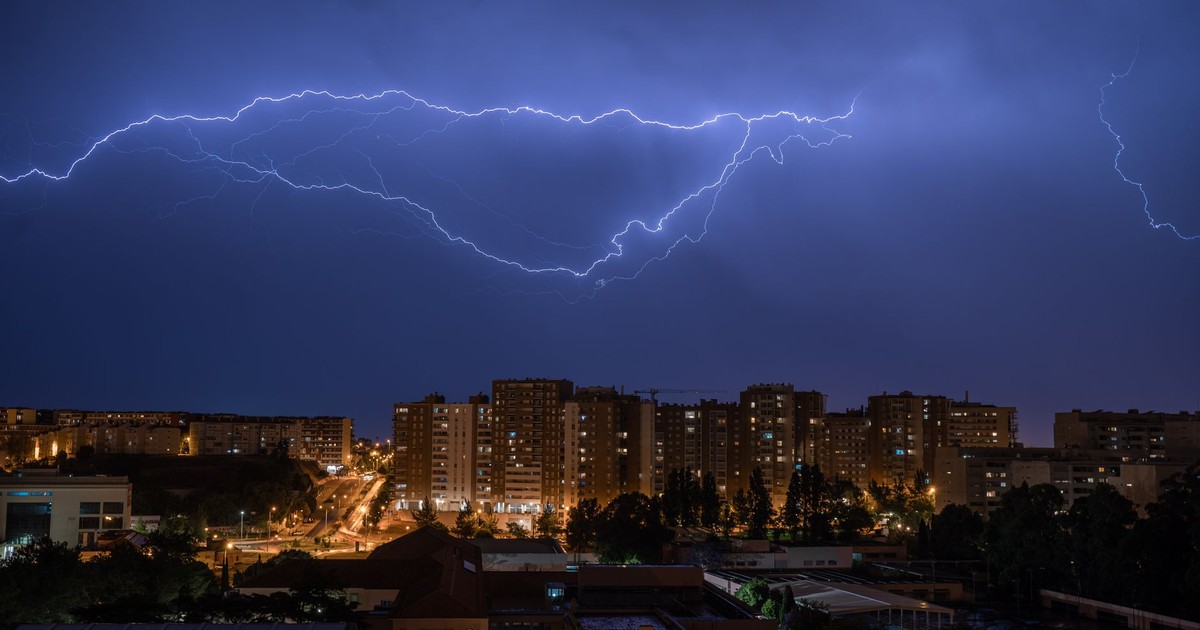

Americans debating where to live focus increasingly on weather, and whether a city’s version of normal has crossed into disaster territory.
Residents in several cities are asking whether to stay at all. Not because of crime or cost of living, but because weather now affects insurance premiums, physical safety, infrastructure, and daily routines. Some of these cities have always had rough weather. The change is that rough has been replaced by relentless.
The eight cities below represent the clearest cases where the data and the lived experience align. Weather has become a factor in the largest financial and personal decisions people make.
1. Phoenix, Arizona
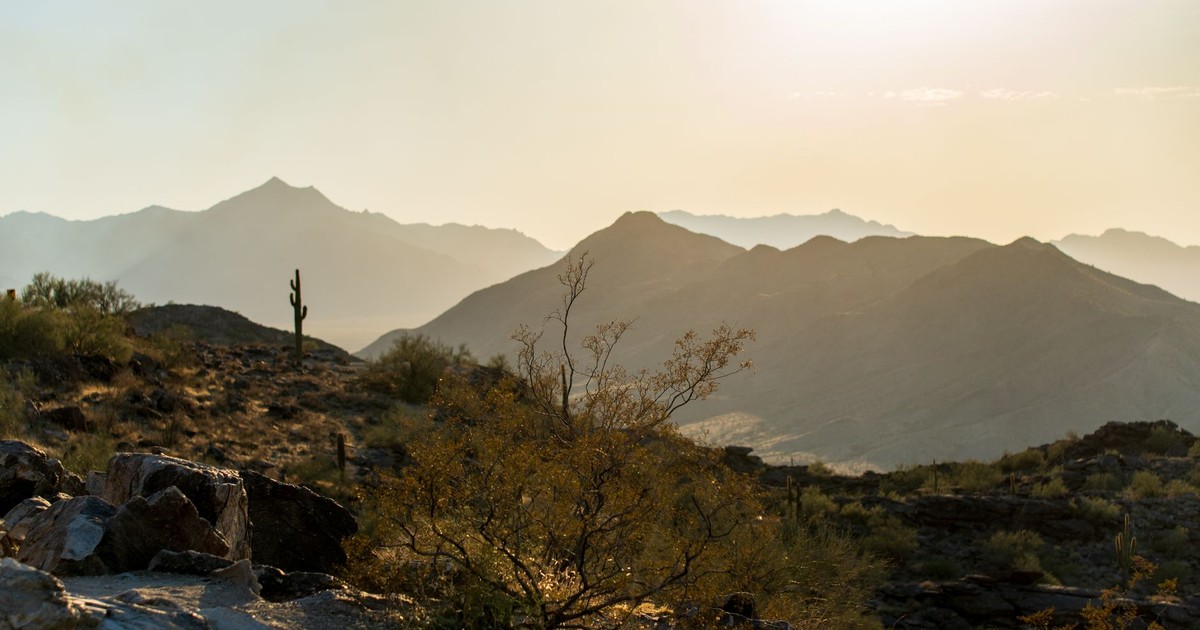
According to the AZ Mirror, 2024 was the hottest year on record for Arizona. The year-round average temperature in Phoenix topped the previous record by 1.3 degrees, landing at 78.6°F for the full calendar year. For a desert city, 1.3 degrees across twelve months means hotter nights, hotter springs, and hotter Octobers, not just scorching Julys.
In 2024, Phoenix experienced 113 consecutive days of 100 degrees or hotter, the longest run ever recorded. The previous record was 76 days, set in 1993. That streak means nearly four months during which outdoor workers, elderly residents without reliable air conditioning, and anyone whose car broke down on the highway was in genuine danger.
Phoenix typically sees 21 days per year above 110°F, but 2024 delivered 70 of them. The global temperature rise of approximately 2°F since 1880 gets amplified by an additional 5 degrees in Phoenix due to the urban heat island effect, a phenomenon where heat retained by concrete, asphalt, and buildings pushes temperatures higher than the surrounding desert.
Heat-related deaths in Maricopa County fell slightly from the record-breaking 645 in 2023. Those 645 deaths made up more than half of all heat-related deaths reported nationally, according to Centers for Disease Control data. One city. More than half the country’s heat deaths.
2. Miami, Florida
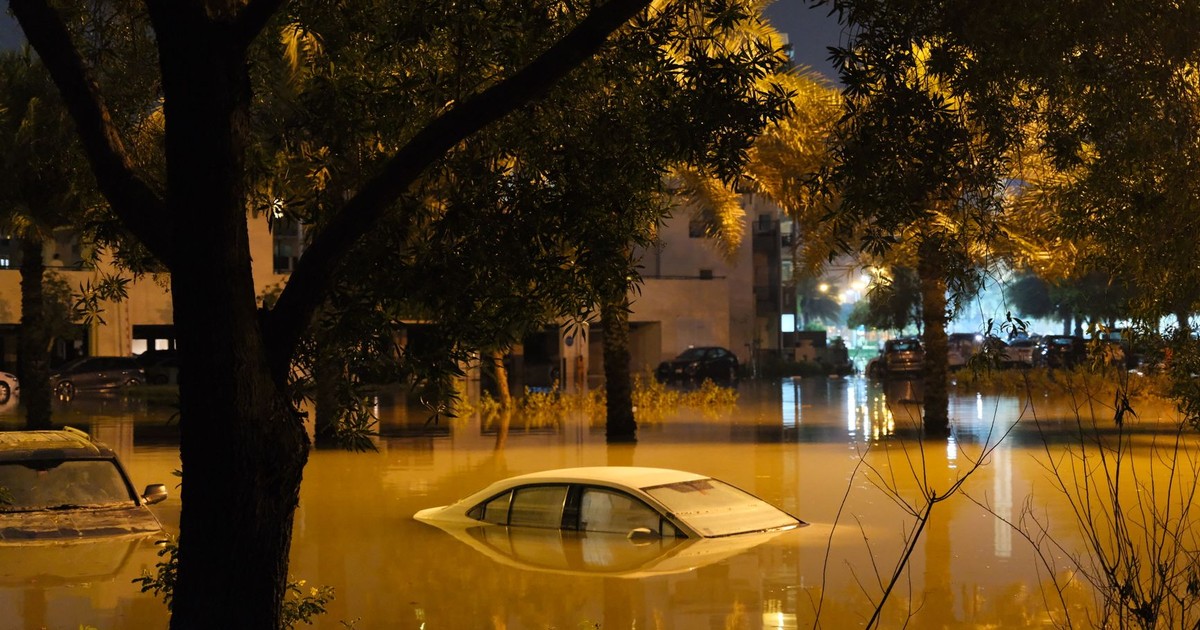
Miami’s flooding problem has become one of its most disruptive weather realities. According to CNBC, the frequency of flooding from high tides, known as “sunny day” flooding, is up over 400% in Miami Beach since 2006. Streets flood when there’s no storm, no rain, and no forecast to warn anyone. The water just rises from below, pushed up through storm drains by tides that have nowhere else to go.
The city’s geology makes this worse than it would be almost anywhere else. Miami’s average elevation is six feet, the same amount of sea-level rise expected in Southeast Florida by the end of the century, and the ocean has already risen about six inches since 2000. The city is simultaneously sinking, sitting on porous limestone rock that some engineers have likened to Swiss cheese, meaning water can seep in from underground. A seawall won’t fix that.
Miami-Dade County projects sea levels could rise 10 to 17 inches higher by 2040 than they were in 2000. Property values in flood-prone areas are starting to level off or drop as insurance costs climb. The financial squeeze is, for many residents, arriving before the water does.
3. New Orleans, Louisiana
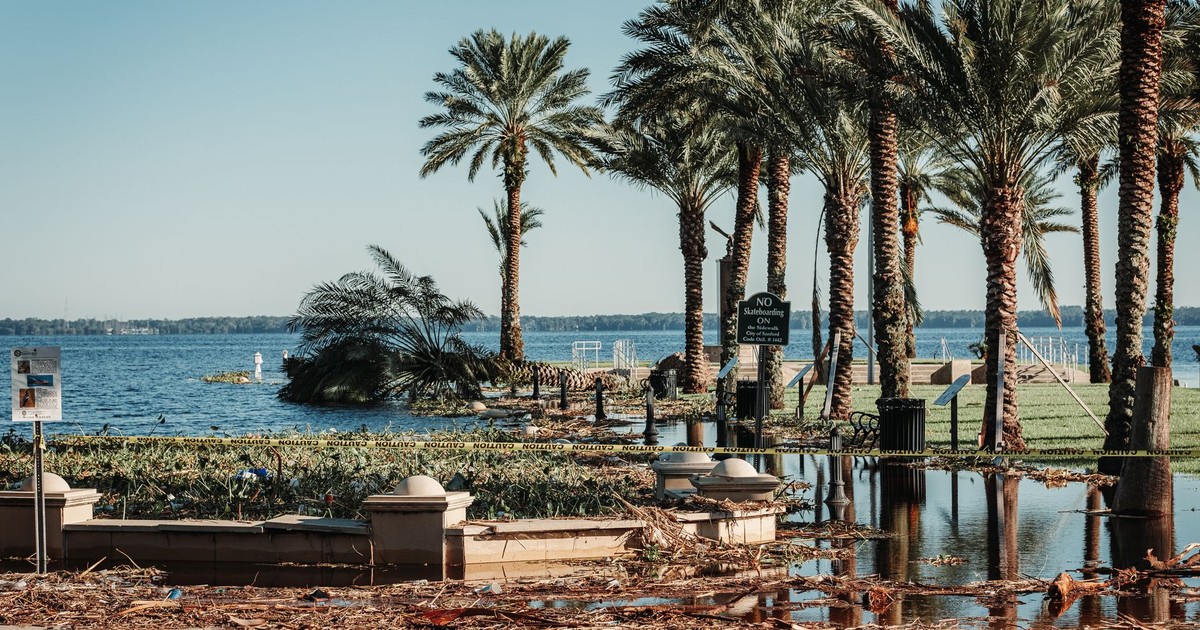
New Orleans rests 6 feet below sea level on average, held in place by a system of levees and pumps that requires constant maintenance and has already been tested catastrophically within living memory — most severely when Hurricane Katrina breached the levee system in 2005.
Climate change is combining sea-level rise, sinking land, and intensifying weather in ways that threaten Louisiana’s coast, and while New Orleans has improved its levee system and drainage, those defenses may not keep pace with the conditions expected over coming decades. The population data reflects what residents have already concluded. Repeated hurricane strikes have driven significant population loss across the Louisiana coast, with St. Bernard Parish dropping from over 71,000 residents before Katrina to about 45,000 as of recent years — a decline of roughly one-third from which the parish has not fully recovered.
The weather threat isn’t only from the Gulf. In April 2024, a line of severe thunderstorms produced strong straight-line winds, multiple tornadoes, and extensive flash flooding in the New Orleans metro area, with the strongest being an EF-2 tornado that hit Slidell in St. Tammany Parish. By 2050, New Orleans residents are projected to experience an average of about 50 days per year above 95.5°F, up from about 7 days in a typical year around 1990.
4. Houston, Texas
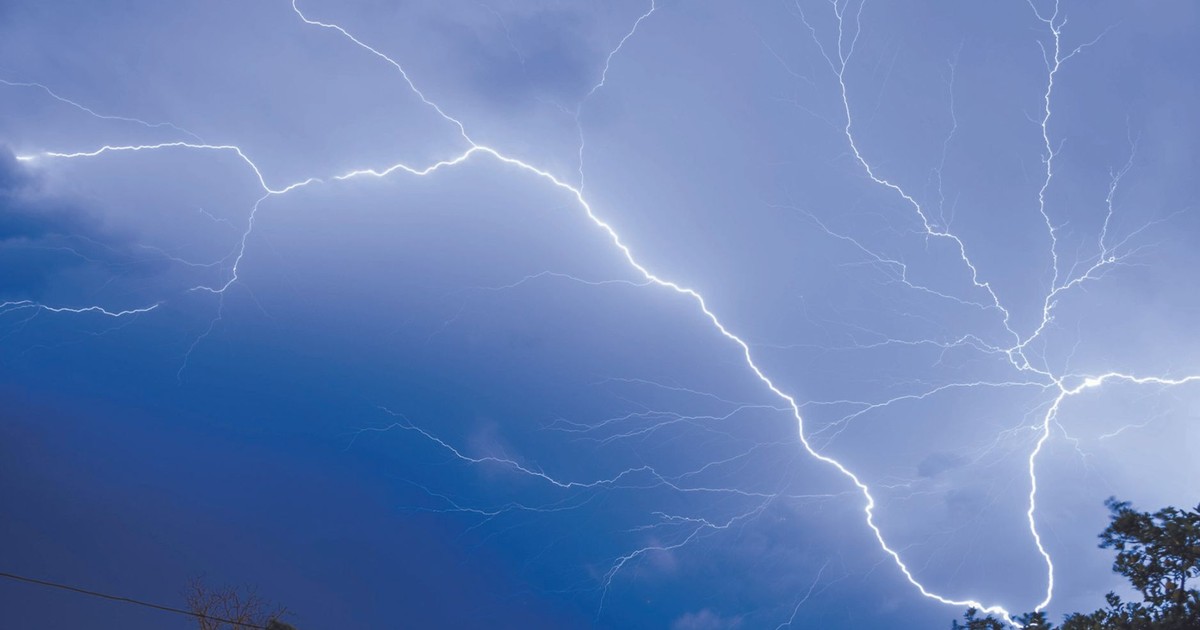
Houston has a reputation for heat and humidity, but what 2024 added to that was a different kind of violence. In May, a derecho, a fast-moving line of thunderstorms that functions like an inland hurricane with straight-line winds instead of rotating ones, tore through the city. From the evening of May 16, 2024, to midday May 17, a derecho struck the Gulf Coast from Southeast Texas to Florida, bringing winds up to 100 mph and four tornadoes, killing at least seven people in Houston.
Two months later, Hurricane Beryl arrived and made landfall in Texas, producing widespread wind damage and power outages that lasted days across the Houston region. The Kinder Institute at Rice University surveyed over 5,000 Houston-area residents and found that 9 in 10 experienced power outages from the 2024 storms, with over 7 in 10 losing power for more than two days.
Nearly 8 in 10 Houston residents had to throw away food from their refrigerator or freezer due to prolonged power loss, with most reporting losses worth over $250, and over two-thirds said their health was impacted, most commonly their sleep quality. The cumulative effect of repeated, compounding events on people who are trying to simply live their lives.
5. Tampa Bay, Florida
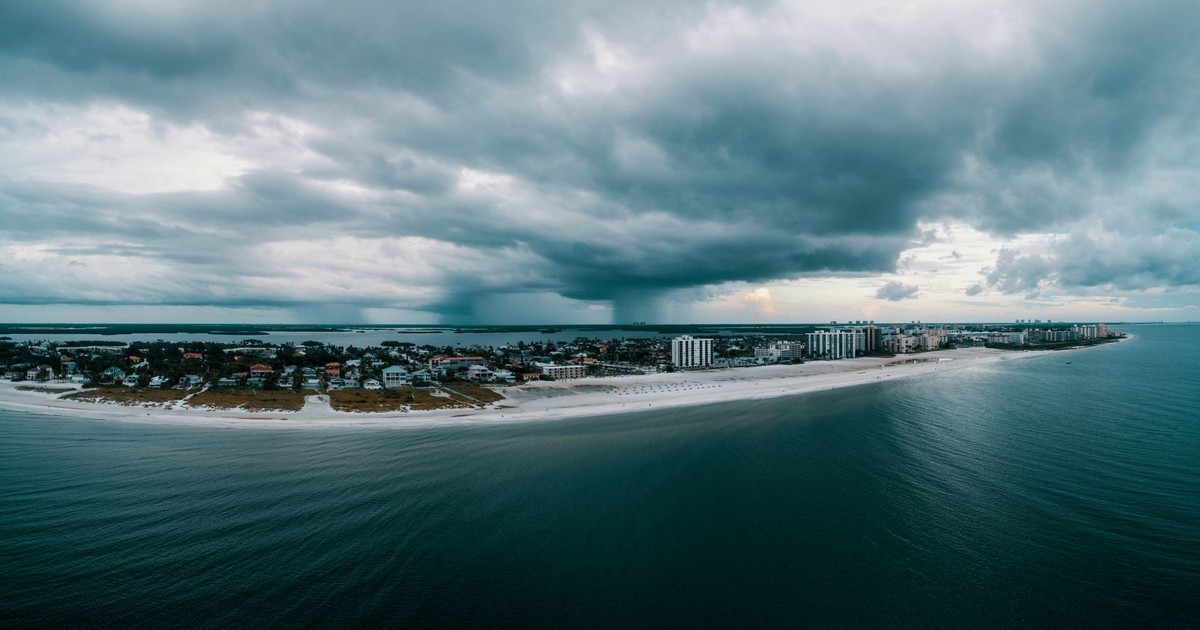
Tampa Bay spent decades as a meteorologist’s nightmare scenario: a densely populated, low-lying coastal basin that hadn’t taken a direct hurricane hit since 1921, long enough that many residents had no personal frame of reference for what one would look like. October 2024 offered a partial answer.
Category 3 Hurricane Milton made landfall near Siesta Key, Florida on October 9, 2024, generating a storm surge of 5 to 10 feet from Naples to Charlotte Harbor. Milton’s track to the south of Tampa Bay reduced the storm surge impacts on the densely populated Tampa metro region, by a matter of geography and luck. The storm spawned dozens of tornadoes across southern Florida and had previously undergone rapid intensification into a Category 5 hurricane with 180 mph sustained winds and an 897 mb central pressure reading.
Milton exposed the specific risk Tampa Bay faces that other cities on this list don’t share to the same degree: storm surge. The bay’s funnel shape concentrates incoming water rather than dispersing it, meaning a direct hit could flood significant portions of the metro area with saltwater before a single raindrop falls inland. Climate scientists expect the total number of tropical cyclones to remain steady or even decrease slightly, but the storms that do form are likely to be more intense, and global warming has led to substantial ocean warming that fuels rapid intensification.
6. Oklahoma City and Tulsa, Oklahoma
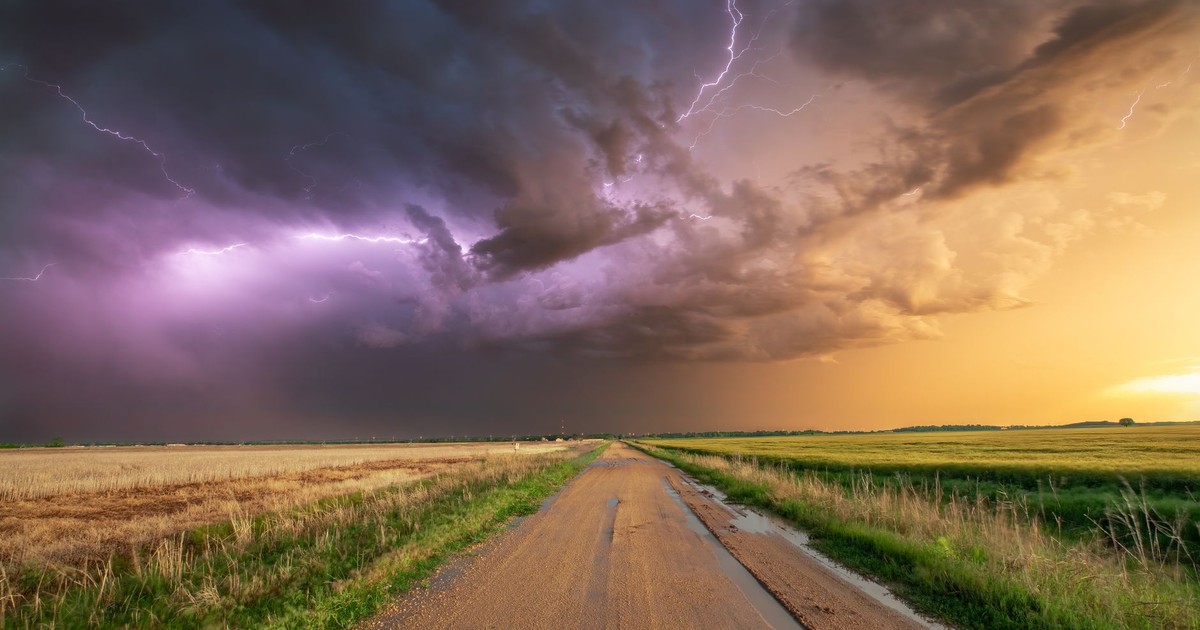
Oklahoma sits at the convergence of cold, dry air from the Rocky Mountains and warm, moist air flowing north from the Gulf of Mexico. That collision produces some of the most tornado-prone conditions on earth, a fact Oklahomans learn in elementary school and live with every spring.
More than 100 tornadoes were reported across the U.S. on March 14 and March 15, 2025, and Oklahoma was among the states in the direct path. As an atmospheric river moved east, Texas, Oklahoma, and Kansas all experienced wildfires linked to hurricane-force winds. In February 2024, the Smokehouse Creek Fire broke out in the Texas Panhandle and grew from 300,000 acres to more than 1 million acres in two days, with portions moving into Oklahoma, making it the largest fire in Texas state history.
The tornado threat for Oklahoma City and Tulsa isn’t abstract. Both metro areas have been hit multiple times in recent decades, with suburban growth pushing more homes into open terrain where tornadoes encounter little resistance. Safe rooms are common. Evacuation plans are standard. But when extreme weather patterns intensify, even well-prepared communities face limits.
7. St. Louis, Missouri
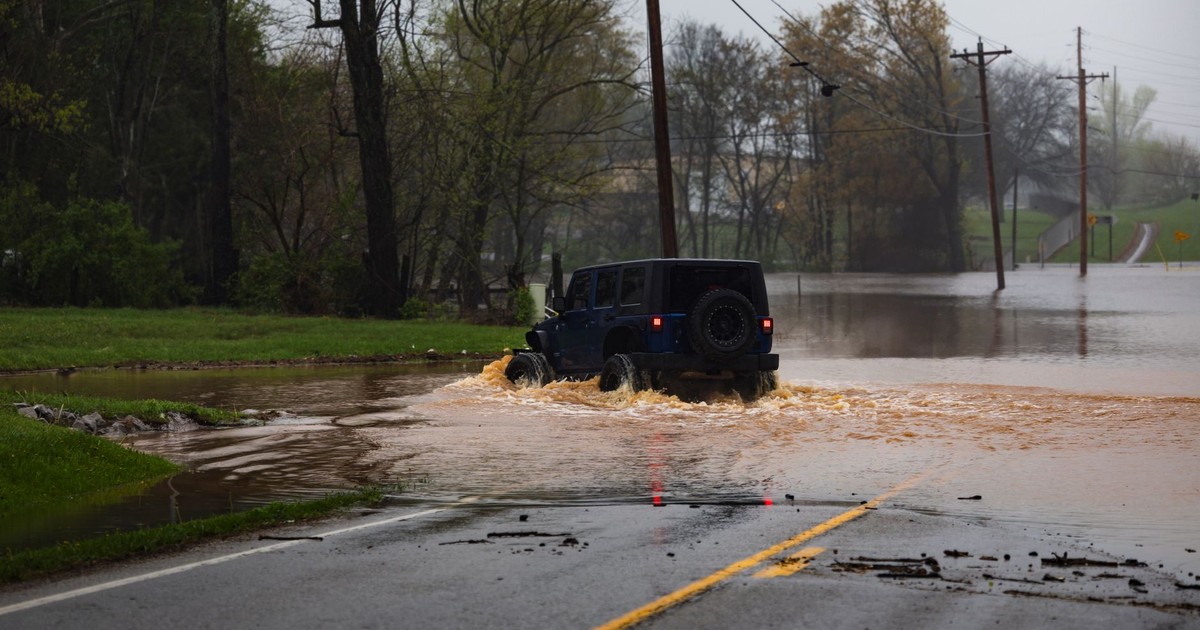
St. Louis occupies an awkward geographic position: far enough from the Gulf Coast to feel insulated from hurricane threats, close enough to tornado alley that severe weather is part of every spring, and situated along a major river that has flooded catastrophically more than once in recorded history. The city also sits in a region that gets some of the worst ice storms in the country during winter.
On May 16, 2025, powerful tornadoes swept through several states, and in St. Louis, an EF-3 tornado killed five people, three of them children, injured 38, and damaged or destroyed about 5,000 structures. Tornado sirens had failed to ring and residents did not receive emergency text alerts ahead of time, with most of the devastation concentrated in north St. Louis, an underfunded and mostly Black area of the city. The failure of warning systems during a major tornado in a major American city in 2025 shows precisely how weather risk and infrastructure inequality overlap.
Missouri was among the hardest-hit states in a 2024 multi-day tornado outbreak that produced more than 165 tornadoes across central, southern, and southeastern states, alongside Oklahoma, Kansas, Michigan, Indiana, Ohio, Kentucky, Tennessee, and several southeastern states. For St. Louis specifically, the combination of aging urban infrastructure and increasing severe weather frequency creates a gap that residents and city planners are only beginning to reckon with.
8. Louisville, Kentucky

Kentucky’s place on this list might surprise people who associate the state with rolling hills and horse farms rather than weather emergencies. But Louisville and the surrounding region have seen a sharp increase in the severity and frequency of tornado and flood events that puts it alongside cities with far more obvious climate reputations.
In the May 2025 tornado outbreak that killed 28 people across multiple states, 23 of those deaths occurred in Kentucky. The National Weather Service office in Jackson, Kentucky, is operating with reduced staffing due to funding cuts that eliminated 24-hour coverage including overnight forecaster positions, and following the May 16 tornado outbreak, the agency had to coordinate personnel from neighboring offices to address the emergency. A tornado killing dozens of people in a state with degraded weather monitoring capacity is a collision of natural and institutional failure that residents cannot simply choose to ignore.
Kentucky was also among the states most affected by the 2024 multi-day tornado outbreak. Add persistent flooding risk from the Ohio River system, increasingly severe ice storms during winter, and a summer heat trend that is reshaping what a typical July looks like in the state, and the picture becomes clear. Louisville has always had weather. What it has now is weather that keeps getting harder to predict and prepare for.
Read More: These 10 American Cities Have Special Perks for Retirees Who Move There
What the Numbers Don’t Fully Capture

Eight cities, eight different versions of the same underlying reality: weather in the United States is doing things it didn’t used to do, and the people who live in the most exposed places are absorbing the full cost of that shift. The cost shows up in flood insurance that’s suddenly unaffordable, in power outages that last four days in July when you have a newborn, in the calculation every homeowner eventually makes about whether their property will be insurable, or sellable, a decade from now.
None of the cities on this list are empty. Phoenix is one of the fastest-growing metros in the country. Miami is still building. People don’t leave easily, and they shouldn’t have to. But the conversation happening in living rooms and at kitchen tables in these places is different from what it was five years ago. It’s no longer just about moving for a job or for family. It’s about moving before the next storm makes the decision for you. Some people are answering that question with their moving trucks. Others are staying put and watching the forecast more carefully than they ever imagined they’d have to. Both of those choices are completely reasonable. The weather, increasingly, is not.
AI Disclaimer: This article was created with the assistance of AI tools and reviewed by a human editor.