
You reach for it on the grocery shelf before your brain catches up, fingers already expecting the familiar weight of the package. Then the gap: wrong product, wrong label, wrong everything. The thing you wanted isn’t there anymore, and the empty space where it used to sit turns out to be bigger than the shelf space ever suggested.
A food discontinuation is a small Tuesday-afternoon ambush. Yet the internet’s most passionate forums, longest Reddit threads, and most improbable online petitions are disproportionately about food products that vanished years, sometimes decades, ago. The attachment is real, and it tends to outlast almost anything the replacement products can offer.
What follows are 30 discontinued food products that still inspire genuine grief. Some went without notice. Some sparked national news. A few came back, briefly or permanently, before disappearing again. Nearly all of them still have active fan communities lobbying for a return that may never come.
1. Jell-O Pudding Pops
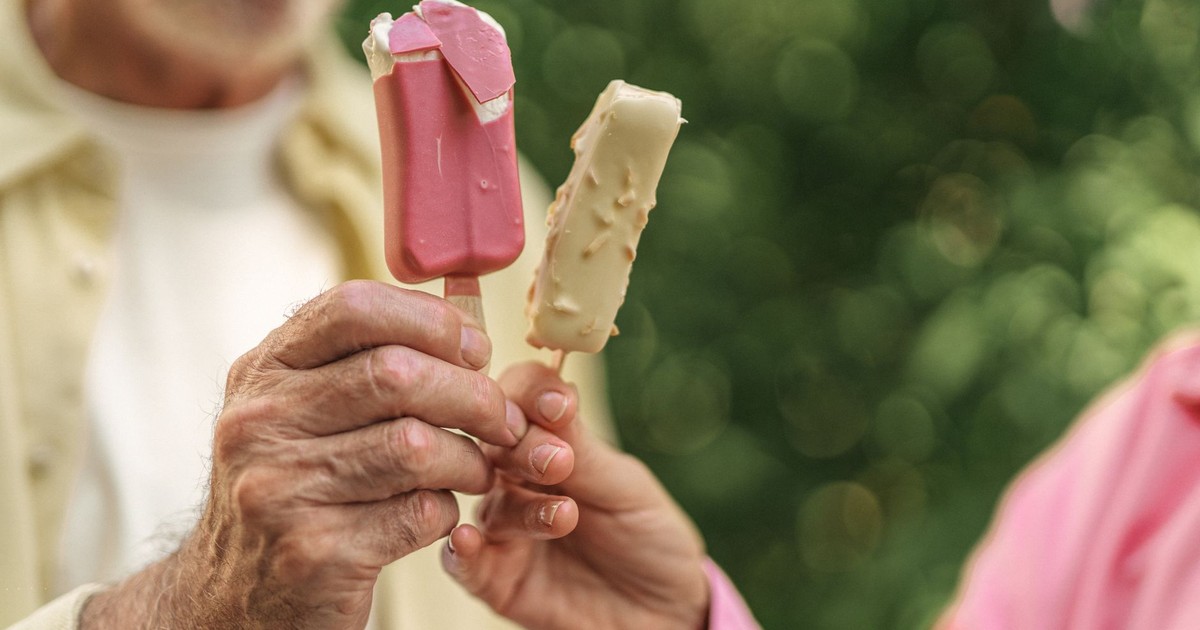
Packaged Pudding Pops officially arrived in the freezer aisle in 1979 and would go on to sell $100 million worth of product in their first year alone. After five years, sales increased to $300 million. By any reasonable commercial measure, this was a success story. Creamy, frozen, portioned just right, they were the kind of treat that felt like a reward without being over-the-top.
The problem was logistics. Jell-O primarily made products that were stored on supermarket shelves, not freezers, and keeping these Pops stored and frozen proved so expensive for the company that it licensed the product to the Popsicle brand in 2004. Under new ownership, Pudding Pops were never the same in flavor or shape. While Popsicle-brand pudding pops stayed on the market for several years, they seemed to vanish entirely off of supermarket shelves sometime in the 2010s.
Jell-O offered an explanation on Twitter in 2018, saying the product had been discontinued due to not enough consumers purchasing it, and the brand clarified there weren’t any future plans to bring it back. The real problem wasn’t demand. Once you change the thing people loved, you’ve already lost them.
2. Surge
Coca-Cola introduced Surge in 1996 to compete directly with Pepsi’s Mountain Dew. The citrus-flavored soda was heavily marketed toward teenagers through extreme sports advertising and high-energy television commercials. Surge became a recognizable part of late-1990s youth culture, but sales eventually slowed as consumer tastes changed, and Coca-Cola discontinued the brand in 2003.
The fans didn’t accept it. They organized. A dedicated Facebook group called “SURGE Movement” spent years pressuring Coca-Cola, eventually succeeding when Surge made a limited comeback as an Amazon exclusive in 2014. It showed up in Burger King’s Freestyle machines. It came and went in regional markets. The product has had more farewell tours than a classic rock band, and fans are still not satisfied with anything less than a full return.
3. Crystal Pepsi
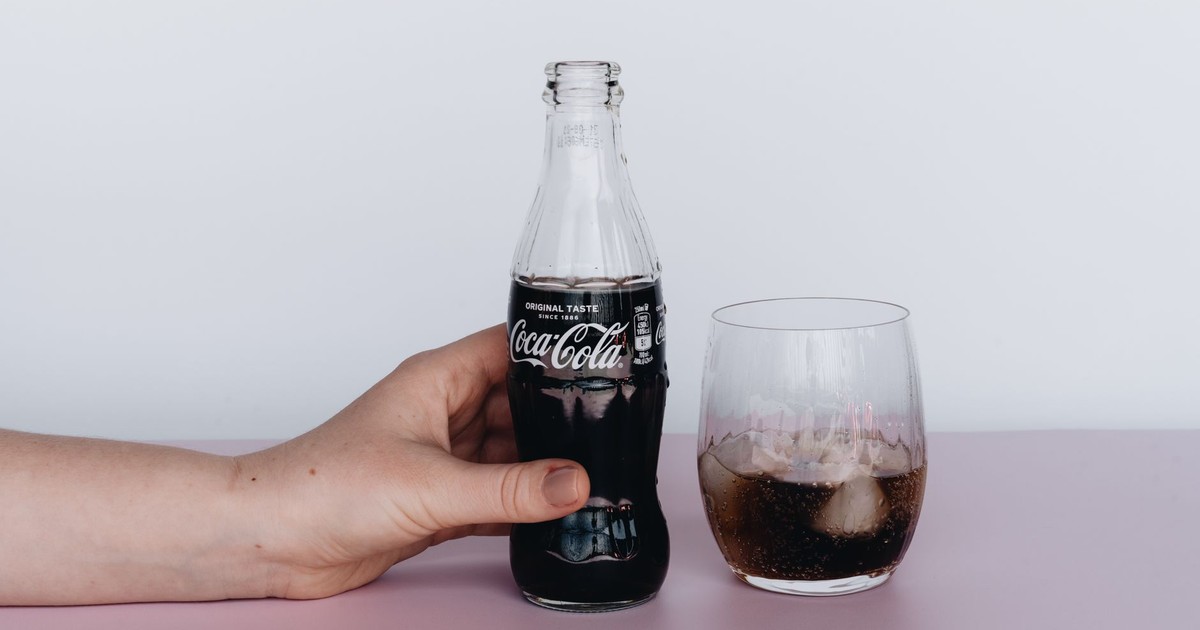
On April 13, 1992, PepsiCo introduced Crystal Pepsi to test markets in Denver, Sacramento, Dallas, Providence, and Grand Rapids, and the product generated a positive response. Pleased with the results, PepsiCo began to sell the cola nationwide in December of that year. The transparent look fit the era’s trend toward products that appeared lighter and more natural, and in its first season, Crystal Pepsi captured a full percentage point of U.S. soft drink sales, approximately $474 million.
It was gone within two years of its original launch. By late 1993, Pepsi pulled the drink off the market, and the final batches were delivered to retailers during the first few months of 1994. That it keeps coming back, for limited runs in 2015 and again more recently, tells you everything about the size of the nostalgia pull. People don’t just remember Crystal Pepsi. They remember exactly where they were drinking it.
4. Planters Cheez Balls
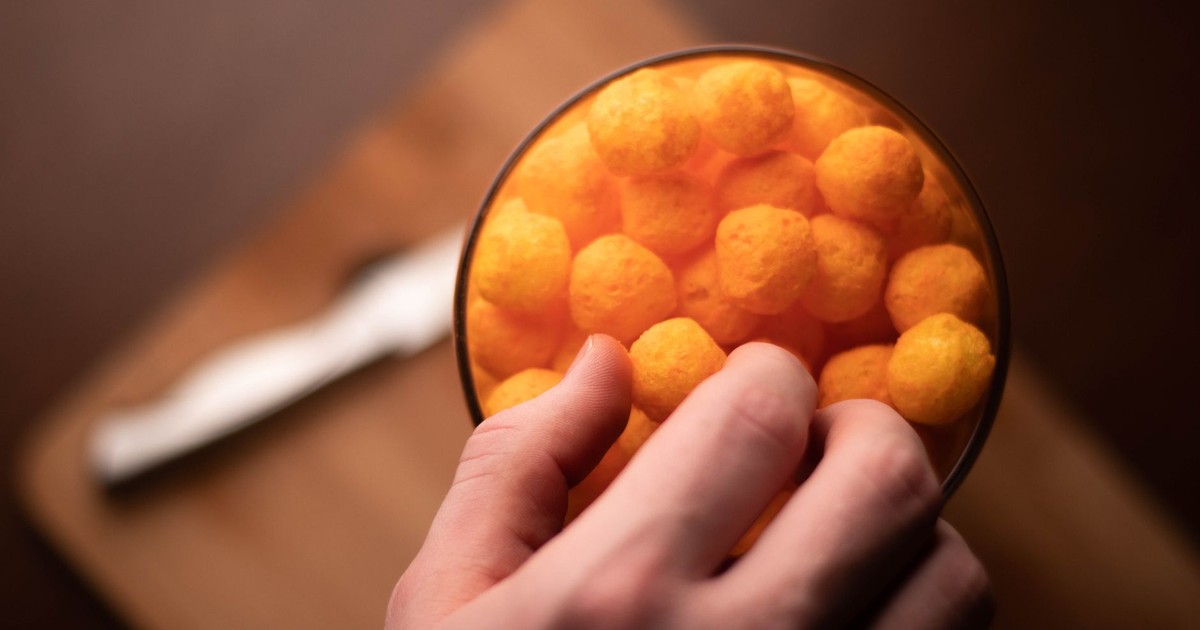
Planters Cheez Balls, first introduced in 1981, became a fan favorite thanks to their light, cheesy crunch and iconic blue canister but were discontinued in 2006 after Kraft streamlined its snack lineup. The blue canister was as much a part of the experience as the cheese dust, and for years, unopened cans were changing hands online for absurd prices.
After they disappeared in 2006, fans started online petitions and even searched for unopened cans wherever they could find them. The demand eventually paid off, and Planters brought them back for a limited release in 2018 in classic-style packaging, though many still chase the original formula. The 2018 return was celebrated, but Cheez Balls have since slipped back into limited availability, and the hunt continues.
5. Orbitz Drink
Orbitz looked less like a soda and more like something from a science fiction movie. Released in 1997, the drink contained colorful edible gelatin balls suspended inside a sweet fruit-flavored liquid. The unusual appearance generated enormous media attention and helped Orbitz become one of the most talked-about beverages of the decade. However, many people found the texture off-putting, and sales collapsed.
Orbitz was gone by 1998, one of the fastest commercial rises and falls in beverage history. The novelty that killed it is now exactly why people miss it. In an era when drinks routinely contain boba pearls, popping candy, and floating basil seeds, Orbitz looks less like a failed experiment and more like something that arrived too early. Sealed, unopened bottles now sell as collector’s items.
6. Hi-C Ecto Cooler
Hi-C Ecto Cooler, produced under Coke’s Minute Maid brand, was a juice drink originally released in 1987 as a cross-promotion with “The Real Ghostbusters” cartoon. It was neon green, tangy, and unapologetic about being a kids’ drink. The drink outlived the cartoon by over a decade, running until 2001 before finally being pulled.
One revival came in 2016, tied to the Ghostbusters reboot, which briefly put the drink back on shelves. But brief is the operative word. The revival lasted only a few months. No other discontinued drink is quite so tied to a specific Saturday-morning feeling.
7. Squeezit
Squeezit, made by General Mills, ran from 1985 to 2001. The bottle was shaped like a small figure, the flavors were aggressively fruity, and the whole point was that you squeezed the drink into your mouth in a way that adults found annoying and children found essential. It was less a beverage than a permission slip to play with your food.
Squeezit stuck in collective memory not just for the taste but for the ritual. The little figures, the squeeze, the fact that it turned drinking juice into something vaguely transgressive. General Mills eventually replaced it with other products, but nothing ever landed the same way. The vibrant packaging and names made them a school-lunch staple. Despite their disappearance, Squeezit remains remembered for its playful twist on juice boxes.
8. Heinz EZ Squirt Ketchup
In 2000, Heinz did something genuinely strange with its most iconic product: they turned ketchup purple. And green. And teal. The idea was to make the condiment more appealing to children, and in the short term it worked spectacularly. Kids who previously refused vegetables were suddenly coating everything in green ketchup just because they could.
According to Fast Company, each new color resulted in incremental sales volume, and more than 25 million bottles of colored ketchup were sold, helping Heinz capture an all-time high of 60% of the U.S. ketchup market, before softening sales resulted in the EZ Squirt brand being pulled from the shelves by January 2006. It’s one of the few discontinued food products that people argue was always more gimmick than greatness, yet also one that almost everyone under 35 remembers with unreasonable fondness.
9. Oreo O’s Cereal
Oreo O’s first launched in 1997, got discontinued in 2007, and then returned to shelves in 2017. The discontinuation was simply a byproduct of Kraft selling Post, its cereal division, in 2007, and without the rights to use the name Oreo, Post could no longer continue selling Oreo O’s cereal. It was a licensing problem masquerading as a product failure.
During the decade it was gone from American shelves, people were literally ordering boxes from South Korea and paying steep shipping fees just to get their fix. When it finally came back in 2017, cereal lovers treated it like a national event. Post Consumer Brands later confirmed to Food Network that its new Oreo Puffs cereal would permanently replace Oreo O’s, dealing fans yet another blow. Oreo O’s had more corporate drama attached to it than most breakfast foods will ever see.
10. Hubba Bubba Soda
Hubba Bubba Soda attempted to transform the experience of chewing bubble gum into a beverage. Released in the late 1980s, the drink replicated the sweet flavor of the popular gum brand. The novelty attracted plenty of attention from children and curious shoppers. However, many consumers discovered that drinking liquid bubble gum was far less appealing than chewing it, and it disappeared after only a few years.
In retrospect, it’s impressive the idea got greenlit at all. That’s also what makes it so memorable: the sheer audacity of bottling bubblegum. The soda had a bright pink hue that looked like something a cartoon character would drink. It failed commercially because, once the novelty wore off, there wasn’t much left to love. But ask someone in their 40s if they remember it and watch their face light up immediately.
11. Keebler Pizzarias
Keebler’s Pizzarias were made in a novel process from fresh pizza dough and were available in three flavors: Cheese Pizza, Pizza Supreme, and Zesty Pepperoni. Launched in 1991, Pizzarias were reported to be the most successful snack food launch in Keebler’s history, earning wholesale revenue of $75 million in their first year. Fans loved the thick, crispy texture and the generous flavoring.
Due to the success of the Pizzarias launch, Keebler was named “New Product Marketer of the Year” in 1992 by the American Marketing Association. Although the brand was ultimately discontinued after the sale and breakup of Keebler in the late 1990s, Pizzarias developed a cult following. Pizza-flavored snacks have dominated aisles for decades since, which makes Pizzarias’ disappearance feel all the more baffling. They weren’t ahead of their time. They were perfectly of their time, which made losing them worse.
12. Altoids Sours
Altoids Sours offered a sharp, tangy flavor that developed a loyal following. Their colorful tins became almost as memorable as the candy inside. Low sales led to their disappearance in 2010, but similar candies later returned under the Retro Sours name in selected specialty stores.
The tin itself was half the appeal. Altoids built an entire brand identity around the distinctive rectangular container, and the Sours version carried that same premium feel, except the candy inside was electric enough to make your eyes water. Wrigley pulled it without announcement. Fans still post about them, still hold onto empty tins, still reject every sour candy substitute as an inferior replacement.
13. Doritos 3D
Doritos 3D gave the familiar tortilla chip a puffed shape that made snacking a little more interesting. Popular flavors included Nacho Cheese, Zesty Ranch, and Jalapeño Cheddar. The original version disappeared in 2004 before returning with an updated recipe in 2020.
The 2020 return sounds like a win, but longtime fans will tell you the new version is not the old version. Doritos 3D were puffed, hollow, crunchy little triangles that felt like the future of chips when they first showed up. They were bold, different, and a little chaotic in the best way. The updated formula is softer, less airy, and produced by a different process. For anyone who grew up with the originals, the return is better than nothing and not quite what they wanted.
14. Planters PB Crisps
Launched in 1992, Planters PB Crisps, peanut-shaped cookies with a crunchy shell and a creamy peanut butter center, remain one of the most requested discontinued snacks online. The combination of a light, crisp outer shell and a dense peanut butter interior made them unlike anything else on the shelf, and that uniqueness is exactly why fans can’t find a replacement.
There is an entire website dedicated solely to bringing PB Crisps back. They were discontinued in 1995 after only three years, never given enough time to build the sales numbers they almost certainly would have reached. It’s one of those products that got canceled before word could fully spread.
15. Butterfinger BB’s
Butterfinger BB’s were bite-sized spheres of the classic Butterfinger bar: the same crispety, crunchety peanut butter interior, the same chocolate coating, but in a format you could grab by the handful. They launched in 1992, became closely associated with Bart Simpson through a long-running marketing campaign, and were eventually discontinued around 2006 when Nestlé restructured its candy lineup.
The loss hurt precisely because the concept was so obvious and so good. Full-size Butterfingers are unwieldy, messy, and not really a snack you eat while doing something else. BB’s solved all of that. Ferrara Candy relaunched Butterfinger Bites in 2019 after acquiring the brand from Nestlé, but bites aren’t the same shape, and longtime fans know it.
16. Fruitopia
Fruitopia, made by Coca-Cola, ran from 1994 to 2003. It was the drink of the mid-90s alternative moment: philosophically named flavors, swirling pastel packaging, sold from vending machines that themselves felt like a statement. Strawberry Passion Awareness. Raspberry Psychedelic. The marketing was sincere in a way that aged awkwardly but the drink itself was genuinely good.
Coca-Cola eventually pulled it from U.S. shelves as sales declined, redirecting resources elsewhere. The cruel irony is that in Canada, Fruitopia is still available. For an entire generation of Americans who grew up in the era of the Fruitopia vending machine, this feels like a geographic injustice. The drink didn’t fail. It stopped being prioritized.
17. Pepsi Blue
In the early 2000s, PepsiCo made a daring splash with Pepsi Blue, a neon-blue, berry-flavored soda looking to outshine Coca-Cola Vanilla. Despite celebrity endorsements and its integration into pop culture, its candy-like taste was not a big hit with consumers. By 2004, the experiment was over and Pepsi discontinued the soda.
The critics were right that it tasted more like candy than cola. But that was also the entire point. It was bright, unapologetically sweet, and gave off the energy of something that shouldn’t be consumed by anyone over twelve, which was fine because twelve-year-olds loved it. Like many discontinued food products from that era, it failed on its own terms while succeeding at creating a memory that decades of beige beverage options can’t dislodge.
18. Hi-C Boppin’ Strawberry and Wild Berry
Hi-C cycled through dozens of flavors over the decades, and most of the deeper cuts have loyal supporters who swear by their particular version. Wild Berry and Boppin’ Strawberry remain among the most-requested, gone since the mid-2000s when Coca-Cola rationalized the Hi-C lineup down to a handful of flavors that would perform steadily in school cafeteria distribution contracts. The survivors were the safe bets. The casualties were the flavors that weren’t safe but were better.
For people who drank their Hi-C from a juice box at lunch every day for six years, the flavor wasn’t just a preference. It was part of the architecture of the school day. Losing it felt out of proportion to what it was. That’s how food memory works.
19. Crispy M&M’s
Crispy M&M’s launched in 1999 and brought something genuinely different to the M&M family: a light, rice-crisp center surrounded by chocolate and the signature candy shell. They were discontinued in the U.S. in 2005. For years they remained available in parts of Europe and Australia, which made the whole thing worse for American fans who kept encountering them in duty-free shops and feeling briefly victorious before reality set in.
Mars brought them back to the U.S. in 2015 following sustained fan demand, and they’ve remained available since. So this one has a happy ending, though it took a decade of absence to get there, and the lesson for food companies seems to be that some products need to be taken away before people realize how much they actually want them.
20. Josta
Josta, made by PepsiCo, ran from 1995 to 1999. It was the first energy drink from a major American cola company, years before Red Bull became mainstream in the U.S., before Monster existed, before the energy drink category became the multibillion-dollar industry it is today. Josta was guarana-based, with a dark, spicy, slightly medicinal flavor that felt like nothing else in the cola aisle.
PepsiCo pulled it in 1999, having apparently decided the category wasn’t worth pursuing. That call looks catastrophically wrong in hindsight. Josta essentially died on the runway before the plane it was boarding became the biggest commercial aviation story of the decade. It remains one of the more striking examples of a food company abandoning a product too early to see what it would grow into.
21. Sprite Remix
Sprite Remix, made by Coca-Cola, ran from 2003 to 2005. It came in Tropical, Berryclear, and Aruba Jam flavors, names that were extremely of their moment, and gave Sprite a fruity complexity that the original version simply didn’t have. Two years on shelves, then gone, which barely left enough time for people to develop strong opinions about their preferred flavor before the whole line was pulled.
The brief lifespan didn’t stop Sprite Remix from acquiring a dedicated following, particularly around the Tropical flavor. In an era when every major soda brand has launched and relaunched flavored variants with great fanfare, the original Sprite Remix still comes up as the one that got it right and disappeared before anyone could appreciate that.
22. Nintendo Cereal System
In the late 1980s, breakfast got a gaming twist with the Nintendo Cereal System. Featuring dual cereal bags, each with flavors inspired by popular games like Mario and Zelda, it was an instant hit with gamers. The colorful, crunchy pieces brought the excitement of video games to the breakfast table. However, like many novelty cereals, its lifespan was short.
The cereal itself was probably not remarkable enough to have lasted on its own merits. What made it legendary was the packaging. Two different bags inside one box, color-coded to Nintendo’s biggest franchises, with prizes tucked inside. It turned a bowl of breakfast cereal into something closer to an event.
23. Alpha-Bits Cereal
Alpha-Bits had a long run: the cereal was invented in 1957 by Post Cereals and lined grocery store shelves until 2006. It returned with a new zero-sugar recipe in 2008, followed by the original recipe later that year and another new formula in 2017. But in 2021, this frosted multi-grain cereal was discontinued.
The alphabet cereal pieces have ardent fans who have clamored for their return. Fortunately, they’ll be rewarded with a limited release in fall 2025. The appeal was never purely taste-based. Spelling things out before eating them, fishing for vowels, constructing words from what was left at the bottom of the bowl, Alpha-Bits was the rare cereal with a built-in activity.
24. Oreo Cakesters
Introduced in 2007, Oreo Cakesters swapped the classic crunchy cookie for two soft chocolate cakes filled with Oreo creme. The snack disappeared in 2012 without much explanation. A decade later, Oreo revived Cakesters and even added Nutter Butter Cakesters for peanut butter fans.
The original Cakesters occupied a specific niche: they were less a cookie replacement than a soft snack cake in cookie clothing. People who preferred their Oreos crunchy had no use for them. People who liked a slightly softer, denser bite loved them immediately and never found anything quite equivalent after they left. The 2022 revival has been well-received, making this one of the cleaner comeback stories on the list.
25. Maple Cheerios
Maple Cheerios hit U.S. shelves in 2019. The company confirmed back in 2023 that they had discontinued the product, but fans reportedly were still finding them on store shelves until 2024. The lifespan was barely four years, which for a product that found a genuine audience feels like a corporate decision made against the evidence.
Maple syrup has been one of the fastest-growing flavors in the American breakfast category for over a decade. Cheerios already had a loyal multi-generational fan base. One Maple Cheerios fan posted on X: “This is your best flavor. Why take away something that has such great reviews?” That is, genuinely, a question with no good answer.
26. Knott’s Berry Farm Jams
In January 2024, J.M. Smucker confirmed the discontinuation of the Knott’s Berry Farm jam and jellies. The brand had been around for decades, tied to the California theme park and its legendary reputation for boysenberry everything. For people who grew up eating Knott’s preserves, the brand wasn’t just jam. It was specific, regional, tied to a particular American story about roadside tourism and fruit farming.
Smucker’s rationale was portfolio simplification, the kind of decision that makes complete sense on a spreadsheet and makes no sense to anyone standing in the preserves aisle trying to find something that tastes the same as the thing they’ve been buying for thirty years. The Knott’s Berry Farm brand continues in other licensed products, but the jams are gone.
27. Jolt Cola
Launched in 1985, Jolt Cola boldly advertised “all the sugar and twice the caffeine,” positioning itself as a rebellious alternative to the diet drink craze. Jolt gained a cult following among students and tech workers for its energy-boosting punch, but its popularity eventually waned. Despite attempts to revive it, the original formula faded from shelves by the late 2000s.
Jolt Cola didn’t just sell a beverage. It sold a worldview. In an era when diet sodas were being marketed to adults as responsible choices, Jolt doubled down on everything and aimed it at people who stayed up too late finishing code or cramming for finals. Red Bull and Monster took that exact market and scaled it into something enormous. Jolt got there first, didn’t survive long enough to benefit, and is now mostly remembered as the thing that should have been a warning shot to bigger companies.
28. Fritos Flavor Twists Honey BBQ
Fritos has offered Flavor Twists in various iterations since the 1990s, but the Honey BBQ version developed a following that outlasted the product’s shelf presence. Sweet, smoky, with the dense corn base that Fritos does better than anyone, Honey BBQ Twists hit a flavor profile that felt complete in a way that most chips don’t quite manage. They were discontinued and revived several times, with the most recent confirmed absence frustrating fans who’d come to rely on them as a specific snack category staple.
The recurring pattern with Fritos flavors, discontinued, petitioned back, discontinued again, suggests the company knows the demand is real but can’t find a distribution model that works for it long-term. In the meantime, the fans wait and settle, which is not the same thing as being satisfied.
29. Pepsi Twist
Pepsi Twist launched in 2001 with a straightforward concept: cola with a hint of lemon. It wasn’t wild. It wasn’t conceptually ambitious. It just tasted very good in a way that was different from regular Pepsi without being so different that it alienated anyone. By 2006 it was pulled from the U.S. market, replaced by other innovations that didn’t resonate nearly as well.
The understated nature of Pepsi Twist is part of what makes its discontinuation frustrating. It wasn’t a novelty that burned bright and faded. It was a genuinely drinkable product with a clean flavor profile that simply got shuffled out. Lemon-cola combinations have continued to show up in limited runs and regional markets ever since, which tells you the appetite for exactly what Pepsi Twist offered never went anywhere.
30. Coke II (New Coke)
Coca-Cola changed its formula in the disastrous 1985 failure known as New Coke. By now, this story is American business mythology. Coca-Cola reformulated its flagship product, the public responded as though a cultural institution had been demolished, and the company reversed course within 79 days. New Coke was rebranded as Coke II and discontinued for good in 2002.
What makes New Coke worth remembering isn’t the failure itself but what the failure proved. People don’t just buy food and drink for taste. They buy it for continuity, for identity, for the reassurance that some things stay the same. New Coke had rare revivals over the years but never found a permanent home. It remains the most famous discontinued food product in American history not because it was good, but because taking it away revealed exactly how much the original meant.
The Products That Got Away
Food companies have always made the cut without notice, slipping a product off the shelves with minimal announcement and maximum corporate logic. On rare occasions, a company makes a formal announcement. If the food was a fan favorite, this can create a public outcry with many follow-up complaints. For that reason, many corporations simply stop producing items and hope it flies under the radar. The fans usually find out anyway, through the specific indignity of reaching for something that’s no longer there.
This list captures something genuine about how food is woven into memory. The products on it aren’t missed because they were objectively the best things anyone ever tasted. Most of them are missed because they were exactly right for a particular time, a particular age, a particular ritual: a Saturday morning, an after-school snack, a road trip. Reformulating them rarely works because what people are chasing isn’t just the taste. It’s the context around it, which no product team can replicate. Some of these will come back, briefly or permanently. Some won’t. The ones that don’t will keep showing up in group chats and Reddit threads for another twenty years, which might be the most loyal fan base any food product can earn.
Disclaimer: This information is not intended to be a substitute for professional medical advice, diagnosis, or treatment and is for information only. Always seek the advice of your physician or another qualified health provider with any questions about your medical condition and/or current medication. Do not disregard professional medical advice or delay seeking advice or treatment because of something you have read here.
AI Disclaimer: This article was created with the assistance of AI tools and reviewed by a human editor.