

There is a particular kind of frustration that sets in when you look at a photograph taken a decade ago and realize your skin looked better then, not because you were doing anything special, but because you hadn’t yet stopped doing the small things that quietly mattered. Dermatologists hear this all the time. Not panic, exactly. Just a slow dawning awareness that what you do every single day – not what you buy once a month at a department store counter – is what your skin remembers.
Recently, a group of board-certified dermatologists compiled a list of thirty habits that research and clinical experience link to a genuinely younger-looking complexion. What makes this list different from the usual skincare advice is the specificity. These aren’t vague wellness suggestions. They are concrete, repeatable behaviors with real biological reasons behind them. Some will be familiar. Some will surprise you. All thirty are worth understanding properly, because the reasoning matters as much as the rule.
1. Applying Broad-Spectrum SPF 30 Sunscreen Every Morning
If there is one thing dermatologists agree on without reservation, it is this. Sun exposure is the leading external cause of premature skin aging, a process called photoaging, which means aging caused by light rather than time alone. According to a study published in the Annals of Internal Medicine, consistent daily sunscreen use measurably slowed skin aging in adults tracked over four years. Broad-spectrum means the sunscreen blocks both UVA rays, which penetrate deeply and cause wrinkles, and UVB rays, which burn the surface. SPF 30 filters approximately 97 percent of UVB rays. Going higher offers marginal additional protection, but consistency matters far more than SPF number.
2. Reapplying Sunscreen Every Two Hours During Outdoor Time
Applying sunscreen once in the morning and considering the job done is one of the most common and costly mistakes in daily skincare. Sunscreen breaks down with exposure to light, sweat, and physical contact. Dermatologists at the American Academy of Dermatology consistently recommend reapplication every two hours when spending time outdoors, and immediately after swimming or sweating heavily. This single habit makes the morning application meaningful rather than a ritual that loses its effect by 10 a.m.
3. Wearing a Wide-Brimmed Hat Outdoors
Sunscreen cannot fully cover the scalp, the tops of the ears, and the often-neglected area around the hairline. A wide-brimmed hat, specifically one with a brim of at least three inches, provides what dermatologists call physical sun protection, meaning a barrier rather than a chemical filter. The forehead and the area around the eyes are among the first places to show the fine lines and uneven pigmentation associated with photoaging. A hat addresses exactly that zone in a way no cream fully can.
4. Using a Retinoid at Night
Retinoids are derivatives of vitamin A, and they have one of the longest and strongest evidence bases in dermatology. Prescription tretinoin and over-the-counter retinol both work by speeding up cell turnover, the rate at which old skin cells shed and new ones appear. According to research reviewed by the American Academy of Dermatology, consistent retinoid use reduces the appearance of fine lines, improves skin texture, and helps fade dark spots over time. The catch is that they require patience, often several months, and they can cause initial irritation. Starting with a low-concentration retinol three nights a week, then building up, is the approach most dermatologists recommend for beginners.
5. Moisturizing Morning and Night
Hydrated skin looks plumper, smoother, and more even-toned. When the skin’s barrier is dry or compromised, fine lines appear deeper than they actually are, and the complexion looks dull. Dermatologists recommend a moisturizer containing ingredients like hyaluronic acid, which draws water into the skin from the environment, and ceramides, which are lipids that help maintain the skin’s protective barrier. Applying moisturizer to slightly damp skin helps lock in more moisture than applying it to completely dry skin.
6. Cleansing Gently, Not Aggressively
A common mistake is treating skincare as a scrubbing exercise. Harsh cleansers strip the skin of its natural oils, disrupting the barrier and triggering the skin to overproduce oil in response. Dermatologists consistently recommend pH-balanced, non-foaming, or gentle foaming cleansers that remove dirt and makeup without feeling tight or squeaky-clean afterward. That squeaky feeling is not a sign of cleanliness. It is a sign of barrier damage.
7. Never Going to Sleep with Makeup On
Overnight is when the skin does its most significant repair work. Cell turnover accelerates during sleep, and leaving makeup on blocks that process while also trapping free radicals, which are unstable molecules that damage skin cells and accelerate the breakdown of collagen. Collagen is the protein that gives skin its firmness and structure. One night of sleeping in makeup is unlikely to cause permanent harm, but the accumulation of that habit over months and years has real consequences for skin clarity and texture.
8. Drinking Enough Water Throughout the Day
Skin is an organ, and like every organ, it reflects what is happening inside the body. Chronic mild dehydration does not cause dramatic changes overnight, but it contributes to a dull, less resilient complexion over time. The recommendation of around eight glasses of water daily is a rough guide, not a strict prescription – individual needs vary based on body weight, climate, and activity level. The more reliable marker is the color of your urine, which should be pale yellow. This is straightforward physiology, not wellness mythology.
9. Eating a Diet Rich in Antioxidants
Antioxidants are molecules that neutralize free radicals in the body. When the skin is exposed to sun, pollution, and stress, it accumulates oxidative damage, which breaks down collagen and elastin, another structural protein. Foods rich in antioxidants, particularly vitamin C from citrus and berries, vitamin E from nuts and seeds, and beta-carotene from orange and yellow vegetables, provide the raw materials the skin uses to defend and repair itself. A 2020 review published in Nutrients specifically identified dietary antioxidants as a measurable factor in skin aging outcomes.

10. Limiting Sugar and Processed Foods
Sugar connects to skin aging through a specific process called glycation. During glycation, sugar molecules bind to proteins, including collagen, and make them rigid and less functional. The resulting compounds, called advanced glycation end products (AGEs), contribute to the loss of skin elasticity and the formation of wrinkles. Dermatologists and nutritional scientists both point to high-glycemic diets as one of the dietary factors most closely linked to accelerated skin aging. This does not mean eliminating sugar entirely, but it does mean recognizing that the afternoon pastry habit has a cumulative cost.
11. Getting 7 to 9 Hours of Sleep Consistently
The phrase “beauty sleep” turns out to have a literal basis. During deep sleep, the body releases human growth hormone, which supports cell repair and regeneration throughout the body, including the skin. Research from University Hospitals Cleveland Medical Center found that poor sleepers showed increased signs of skin aging, slower recovery from UV exposure, and greater dissatisfaction with their appearance than people getting adequate rest. Consistency matters here too. Irregular sleep patterns, even if total hours are sufficient, disrupt the body’s repair cycles.
12. Managing Stress Actively
Chronic stress raises cortisol levels, and sustained high cortisol breaks down collagen over time. It also triggers inflammation throughout the body, which shows up in the skin as redness, sensitivity, and in some cases, accelerated wrinkling. The management part is what dermatologists emphasize. Stress is unavoidable, but unmanaged, persistent stress is a different category of problem. Exercise, sufficient sleep, therapy, and even regular time in nature are all supported by research as effective cortisol regulators – not as lifestyle luxuries, but as skin-relevant biological interventions.
13. Exercising Regularly
A 2014 study from McMaster University in Canada found that adults over 40 who exercised regularly had skin that was significantly younger in composition compared to sedentary adults of the same age. Exercise increases circulation, delivering oxygen and nutrients to skin cells while helping flush cellular waste. Some research also suggests that exercise influences the composition of compounds called myokines, which may have direct anti-aging effects on the skin. This adds a biological dimension to what has long been observed anecdotally – that people who move regularly tend to look younger.
14. Not Smoking
Smoking accelerates skin aging through multiple pathways. It constricts blood vessels in the skin, reducing oxygen delivery. It introduces thousands of free radicals with every cigarette, overwhelming the skin’s antioxidant defenses. It degrades collagen and elastin at a measurable rate. And the mechanical act of pursing the lips creates repetitive creasing that contributes to the specific lines around the mouth associated with long-term smokers. Dermatologists are direct about this one: no skincare routine can compensate for the damage that smoking does to the skin at a cellular level.
15. Avoiding Excessive Alcohol
Alcohol dilates blood vessels and, over time and with regular heavy use, can cause them to break permanently near the skin’s surface, leading to persistent redness. Alcohol also dehydrates the body, which shows up in the skin as dullness and exaggerated fine lines the morning after a heavy night. More significantly, alcohol interferes with sleep quality, reduces the liver’s ability to clear toxins, and depletes vitamin A levels in the body. Since vitamin A is the parent compound of retinoids, chronic alcohol use undermines one of the skin’s primary repair mechanisms.
16. Wearing Sunglasses That Offer UV Protection
The skin around the eyes is the thinnest on the face and among the first to show fine lines. Squinting in bright light, which almost everyone does without sunglasses, creates repeated muscle contractions that contribute to crow’s feet over years. Sunglasses with UV400 protection, meaning they block wavelengths up to 400 nanometers, protect both the eyes and the surrounding skin. This is not a vanity item. The American Optometric Association lists UV exposure as a leading environmental risk factor for cataracts as well, so the protection serves multiple purposes.
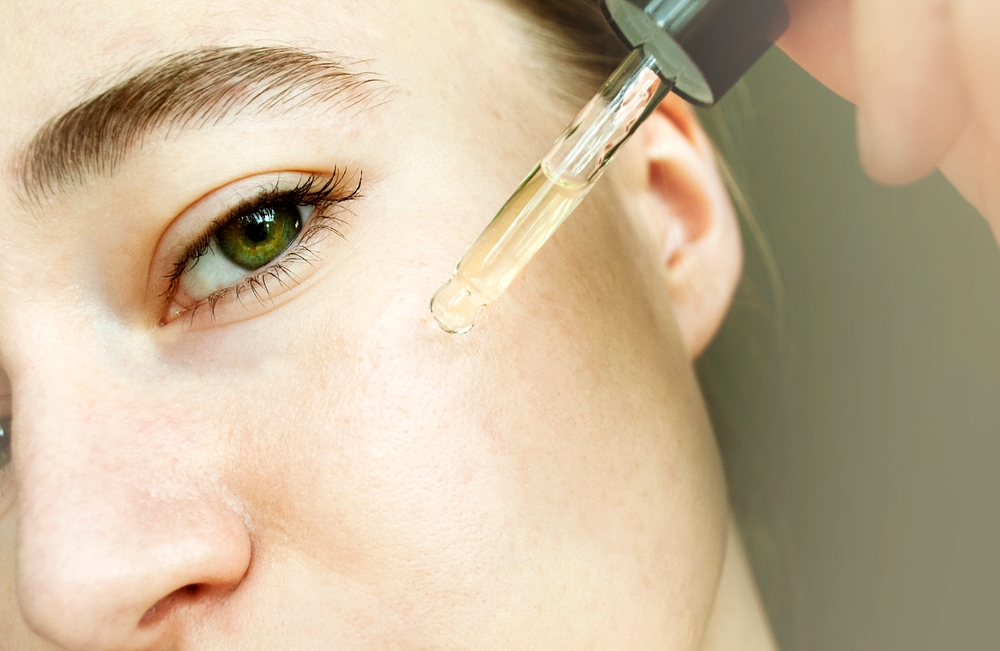
17. Using an Eye Cream With Active Ingredients
The under-eye area requires targeted attention because the skin there is structurally different, thinner and with fewer oil glands than the rest of the face. General moisturizers can help, but dermatologists often recommend eye creams formulated specifically with peptides, which are small protein fragments that signal the skin to produce more collagen, or with caffeine, which temporarily constricts blood vessels and reduces puffiness. Vitamin K is another ingredient that some dermatologists reference in the context of dark circles related to blood pooling beneath thin skin.
18. Incorporating Vitamin C Serum Into the Morning Routine
Vitamin C in topical form, specifically L-ascorbic acid, is one of the most researched active ingredients in skincare. It inhibits an enzyme called tyrosinase, which is involved in melanin production, helping to fade dark spots and even out skin tone. It also plays a direct role in collagen synthesis, the biological process by which the skin builds new collagen fibers. A 2017 review published in the journal Nutrients concluded that topical vitamin C is effective at reducing photoaging signs with consistent use. Applying it in the morning, before sunscreen, allows it to work alongside UV protection.
19. Exfoliating One to Two Times Per Week
Dead skin cells accumulate on the surface over time and contribute to a dull, uneven complexion. Exfoliation, either physical through gentle scrubbing or chemical through acids like glycolic acid or lactic acid (alpha-hydroxy acids, or AHAs), removes this buildup and allows fresher cells to reflect light more evenly. Over-exfoliating is a real problem and a common mistake – it disrupts the skin barrier and causes redness and sensitivity. Once or twice a week is the range most board-certified dermatologists suggest for adults with non-sensitive skin.
20. Using Lukewarm Water to Wash the Face
Hot water strips the skin of natural oils far more aggressively than lukewarm water does. Over time, this contributes to chronic dryness, barrier disruption, and the kind of persistent redness that can be difficult to reverse. The adjustment here is minor but cumulative in its effect. Rinsing with cool or lukewarm water and patting the skin dry gently, rather than rubbing with a towel, preserves what the cleanser has already worked to maintain.
21. Patting Skin Dry Rather Than Rubbing
The repeated physical friction of rubbing a towel across the face may seem harmless, but over years it contributes to mechanical irritation, particularly around the eyes and on the sides of the nose where skin is already thinner and more sensitive. Patting dry is a small adjustment with compounding benefits. The same principle applies to applying skincare products – pressing them gently into the skin rather than dragging across it treats the skin as something to be supported, not scrubbed.
22. Sleeping on a Silk or Satin Pillowcase
Cotton pillowcases create friction against the skin throughout the night. Over years, the repeated compression and dragging can contribute to sleep lines, the creases that develop from the face being pressed against a surface for hours at a time. Silk and satin create less friction, and silk in particular has the added quality of absorbing less moisture from the skin than cotton does. Dermatologists are measured in how strongly they promote this habit, but as one of the lower-effort adjustments on this list, the cost-benefit calculation is favorable.
23. Keeping the Neck and Décolletage in the Routine
The neck and chest area are exposed to nearly as much sun as the face, but most people stop their skincare routine at the jawline. The result is a visible mismatch in skin quality that can add years to a person’s appearance. Sunscreen, moisturizer, and any treatment products used on the face should extend to the neck and upper chest. Dermatologists are consistent on this point, and many note that the neck is one of the earliest places to show the effects of cumulative sun damage.
24. Avoiding Repetitive Facial Expressions Where Possible
This one requires some context. Facial expressions are essential and not something to suppress for the sake of appearance. What dermatologists note is that habitual, unconscious expressions – squinting at a screen, furrowing the brow when concentrating, pressing the lips together while reading – contribute to the deepening of expression lines over time. Wearing the correct glasses prescription to avoid squinting, adjusting screen brightness to reduce glare, and becoming generally aware of habitual tension in the face are the practical applications of this principle.
25. Staying Consistent With Skincare Rather Than Product-Hopping
One of the most common patterns dermatologists observe in patients who are frustrated with their skin is constant product-switching. A new serum gets two weeks and is abandoned when no transformation appears. The truth is that most active skincare ingredients require consistent use over 8 to 12 weeks before meaningful results become visible, because they work at the level of cellular turnover and collagen production, processes that operate on a biological timeline. Choosing a reasonable routine and staying with it for a full season is more productive than cycling through whatever is trending.
26. Getting Annual Skin Checks With a Dermatologist
Younger-looking skin is not purely a cosmetic goal. Annual professional skin examinations allow a board-certified dermatologist to identify changes in moles, texture, or pigmentation that may be early signs of skin cancer, the most common cancer in the United States, according to the American Cancer Society. Catching and treating skin cancer early also prevents the significant scarring and tissue damage that can result from late-stage treatment. Beyond cancer screening, a dermatologist can identify specific concerns and recommend targeted treatments, making annual visits a genuinely useful investment in long-term skin health.
27. Using a Humidifier in Dry Environments
Air conditioning and central heating both reduce humidity in indoor environments, and low ambient humidity draws moisture from the skin over hours of exposure. A humidifier that maintains indoor humidity between 40 and 60 percent helps offset this effect. Dermatologists in colder climates particularly recommend humidifiers during winter months, when heated indoor air is at its driest and skin tends to lose moisture most rapidly. This is not a primary skincare strategy, but as a supporting habit, it reduces the constant dehydration cycle that dull, flaky skin experiences in dry conditions.
28. Taking Lukewarm Showers Instead of Hot Ones
The same logic that applies to face-washing applies to full-body showering. Long, hot showers feel good, but strip the skin’s natural lipid barrier, leading to dryness and irritation that shows up as rough texture and accelerated fine lines on exposed areas. Dermatologists recommend shortening showers where possible and applying body moisturizer within a few minutes of getting out, while the skin is still slightly damp, to help retain the water that has just been absorbed.
This article was created with the assistance of AI tools and reviewed by a human editor.