

Depression doesn’t always announce itself with tears. Most people expect it to look like crying, staying in bed, or a sudden and obvious collapse. What catches people off guard is the version that looks, from the outside, like a gradual loss of interest. The guitar doesn’t come out of the case. The group chat goes on read. The ambitions that once felt electric stop generating any pull at all. That slow withdrawal has a clinical name – anhedonia, the reduced or absent ability to feel pleasure from things that used to reliably deliver it – and it’s one of the most telling and overlooked signs of depression.
Sadness has weight to it. Anhedonia feels more like absence. Depression doesn’t require constant tears to be real; it can arrive as emotional numbness, a general flatness, or a drift away from everything that once seemed full of meaning. People often miss this in themselves because they assume their interests have simply changed, or that they’re tired, or that life has just gotten busier.
Around 70% of people with major depressive disorder experience clinically significant anhedonia, and it’s one of only two core diagnostic criteria for a major depressive episode. Because the losses tend to accumulate gradually rather than all at once, they’re easy to rationalize away. Here are the nine things that most commonly fade when someone is carrying a deep, unaddressed sadness.
1. Their Long-Held Hobbies
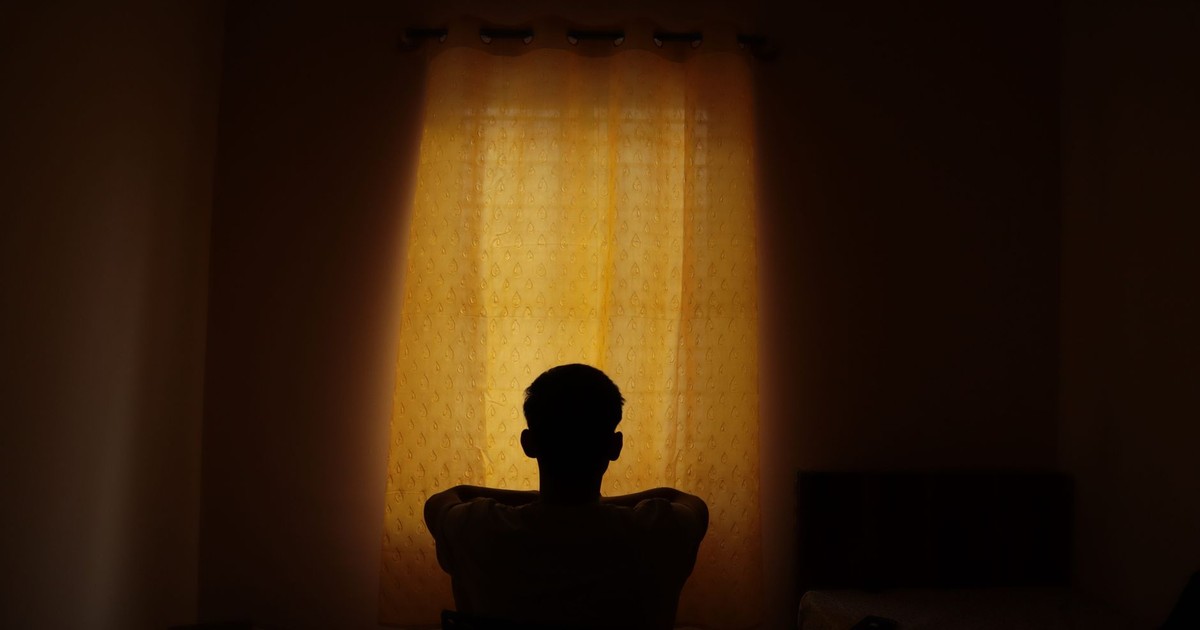
The guitar doesn’t come out of the case anymore. The half-finished novel document sits unopened. The running shoes are by the door but haven’t been touched in six weeks. People who experience anhedonia lose interest in almost all activities, even ones they used to enjoy deeply. Someone who took real pride in their work may stop wanting to go to their job. The same pattern runs through personal passions.
It’s not that the hobby became boring. The capacity to anticipate enjoyment from it has dimmed at the source. In depression, the brain’s reward circuitry – specifically the connection between the ventral striatum and ventromedial prefrontal cortex, which processes reward anticipation and dopamine signaling – becomes less responsive, as research published in Molecular Psychiatry found. The hobby didn’t change. The brain’s ability to register it as worthwhile did.
The stakes of losing a hobby go beyond the activity itself. A 2025 scoping review found that hobbies help connect people, build relationships, and promote community, with multiple studies noting lower levels of depression and anxiety among people who engage in them regularly. When the hobby disappears, so does that entire support structure.
2. Social Connection

Canceling plans used to carry guilt. Now it carries relief. The group chat goes on read. The dinner invitation gets a “maybe” that both sides know means no. Social anhedonia is when a person loses interest in social activities, including friendship, romantic relationships, family relationships, and sex. For someone who was naturally sociable – who genuinely enjoyed catching up, who initiated things, who remembered people’s details and asked about them – this shift can be alarming to the people around them.
What those friends and family often don’t realize is that the withdrawal isn’t personal dislike. It’s closer to exhaustion without the tiredness. Seeing friends or participating in hobbies has less appeal than before. These activities don’t feel unpleasant, but they don’t produce the warmth that once accompanied them. Sometimes people report feeling numb or bored doing activities they once loved. Social withdrawal is one of the clearest depression anhedonia symptoms precisely because it compounds itself – the isolation it creates deepens the depression that produced it.
3. Physical Intimacy

This is often the last thing people talk about and one of the first things to go. Physical intimacy requires presence, desire, and the ability to feel something in real time – all of which become harder when the brain’s reward circuits are underresponsive. Anhedonia covers a loss of interest in activities generally accepted as pleasurable, and physical intimacy is explicitly among them.
When physical closeness fades in a relationship, partners can easily misread it as rejection or reduced attraction, which creates its own separate wound. The person experiencing depression may not be able to explain why they feel so removed from something they used to want. That inability to explain it can produce shame, which then compounds the original problem. Left untreated, anhedonia strains relationships in ways that take time to accumulate – and nowhere does that strain arrive faster than in physical closeness.
4. Music and Art

Music used to do something. A certain song would shift a mood instantly – not through effort, but through reflex. For people deep in depression, that response goes away. They’ll sit through a piece they’ve loved for years and feel nothing where something used to be. Anhedonia can include a loss of interest in listening to music, socializing, and other sensory pleasures that once felt automatic.
Art, film, and books follow the same trajectory. A film that used to move someone to tears lands without impact. A novel they would have finished in two days stays bookmarked at page 40 for months. This isn’t a change in taste – it’s the pleasure response itself being dialed down. Aesthetic experiences require emotional receptivity, and they’re among the first things to register when that receptivity has gone flat.
5. Food and Eating

Eating goes two ways with depression. Some people eat more for comfort; others stop finding food appealing at all. The second group is experiencing a form of physical anhedonia – the loss of sensory pleasure – that often gets missed because weight changes get attributed to something else. A meal they would have looked forward to planning, cooking, and savoring becomes just fuel, or sometimes not even that.
The pleasure of a really good meal, the anticipation of a favorite restaurant, the small domestic ritual of cooking something well – all of it can go flat. People sometimes assume they’ve developed a health condition or that their appetite has changed with age, when the actual driver is a depressive episode affecting reward processing across the board. The distinction matters practically: addressing depression treats the root of the appetite change in a way that dietary interventions alone cannot.
6. Their Sense of Humor

Laughter is a reflex. You don’t decide to find something funny – it just lands. When it stops landing, people often don’t notice at first. They might think they’ve outgrown a certain type of humor, or that the show they used to love just isn’t as good anymore. People who experience anhedonia often report a sense of numbness or a general negative outlook on life, and that negativity progressively filters out levity.
The spontaneous laugh – the one that used to happen without thinking – disappears. People around them notice that the banter has dried up, that the usual absurdities that once set them both off now go unremarked. Partners and close friends tend to pick up on this before the person themselves does, sensing that something has changed in the texture of ordinary interactions before they can name what it is.
7. Ambition and Future Plans

People with a lot of unaddressed sadness often describe a strange hollowness around the future. Goals that once felt exciting stop generating any forward pull. The promotion they were working toward. The trip they were saving for. The business idea they kept a notebook about. When interest in almost everything collapses, ambitions are rarely spared – and what looks from the outside like laziness or lack of motivation is often something neurochemically specific.
A 2026 expert consensus review published in Psychiatry Research found that approximately 70% of people with major depressive disorder experience anhedonia, and that neurochemical alterations in dopaminergic, glutamatergic, and serotonergic reward pathways are central to this loss – disrupting positive affect, motivation, and the ability to anticipate future rewards. The “I can’t wait for this” that normally turns a goal into action gets cut off before it can form. The notebook stays closed not out of apathy, but because the brain’s anticipatory reward processing has stalled.
8. Care for Themselves

Haircuts get delayed by months. The gym membership goes unused. Skincare routines, laundry, keeping the apartment tidy – all of it starts to feel like an enormous amount of effort for no discernible return. Depression is a broad experience that includes sadness, exhaustion, changes in sleep and appetite, hopelessness, and difficulty concentrating, and each of those things makes basic maintenance feel harder than it actually is.
Self-care also depends on a baseline belief that you’re worth caring for and that the effort will produce something good. Both of those beliefs erode in depression, often without the person noticing they’re gone. The result is a gradual physical neglect that reinforces the emotional state: people who feel less physically well generally feel less able to address whatever is driving it. The grooming, the tidying, the basic acts of looking after yourself – they’re not vanity. They’re early-warning signals worth paying attention to.
9. Their Relationships With People They Love

This is the one that causes the most damage, partly because it happens slowly and partly because the people on the receiving end often don’t know what they’re dealing with. Social anhedonia involves losing interest in social activities including friendship, romantic relationships, and family relationships. But it goes deeper than just not wanting to make plans. The person stops initiating. They become less curious about the people they love – less interested in what’s happening with them, less likely to check in, less present in conversations when they do happen.
The partner, the close friend, the sibling – they feel it as a kind of distance they can’t quite name. The person with depression may not register how much the relationship has narrowed until the people around them say something directly. By that point, a significant amount of repair work has often accumulated. The hardest part is that the very resources needed for repair – energy, emotional availability, the capacity to feel and respond – are precisely what depression has taken away.
What to Do With All of This
The nine things listed here aren’t random. They map almost exactly onto what makes life feel worth living: connection, pleasure, creativity, ambition, love. Recognizing that these losses are symptoms rather than personality changes is not a small thing. It shifts the question from “what’s wrong with me?” to “what’s happening in my brain?” – and those are very different conversations to have with yourself or someone you care about.
Anhedonia is treatable. Many different therapies and medications address it directly, and the earlier it’s identified, the better the outcome tends to be – partly because depression with significant anhedonia tends to run longer and respond less readily to standard treatment when it goes unrecognized. The person who has stopped doing everything they used to love isn’t being difficult. They’ve lost the neurological signal that made those things feel worth doing. That signal can come back. The playlist, the garden, the unanswered texts: they’re not evidence of who someone has become. They’re telling you something that can be addressed.
Some of these patterns go back further than the current episode does. The hobbies abandoned in the last six months might trace to a grief that never got properly processed two years ago. Naming what’s missing, specifically and honestly, isn’t a solution in itself – but it’s usually where the real conversation starts.
Disclaimer: This information is not intended to be a substitute for professional medical advice, diagnosis, or treatment and is for information only. Always seek the advice of your physician or another qualified health provider with any questions about your medical condition and/or current medication. Do not disregard professional medical advice or delay seeking advice or treatment because of something you have read here.
AI Disclaimer: This article was created with the assistance of AI tools and reviewed by a human editor.