

Dengue fever has been circulating in the tropics for centuries, and for most of U.S. history it was a disease that Americans encountered only in textbooks or on international news segments. Not something you picked up at home. Not something a doctor in suburban Florida needed to keep in the front of their mind during flu season. For most people, it was someone else’s problem, in someone else’s part of the world.
That assumption has broken down. Federal health authorities have now published data showing that dengue cases reported inside the United States surged to a historic high in 2024, and the virus at the center of it all is not simply a cause of high fever and bone pain. In its most severe form, it causes internal hemorrhage, including bleeding into the brain itself, and it can kill.
What happened in 2024 had structural causes, not random ones. A record-breaking global outbreak, shifting mosquito geography, and the re-emergence of dengue virus types that large populations had never previously encountered all converged at once. Understanding what the data shows, what the virus does in the body when things turn serious, and what health authorities are now asking clinicians and travelers to do matters for anyone who travels internationally, lives in a warm-weather state, or works in a medical setting.
The Scale of the 2024 Outbreak: U.S. and Global Data
According to a May 2026 MMWR report, during 2010 – 2023, an average of 828 dengue cases were reported annually to ArboNET, the national arboviral surveillance system covering all 50 U.S. states and the District of Columbia, with an annual range of 202 to 2,055 cases. The 2024 figure of 3,798 shattered that ceiling entirely.
Cases peaked during July through September, accounting for 41.6% of all annual cases. Among travel-associated infections, the Caribbean – including Puerto Rico and the U.S. Virgin Islands – accounted for 34.1% of acquisition sites, followed by Mexico and the broader North American region at 24.3% and Central America at 15.6%. Hispanic or Latino persons accounted for 57.5% of all reported cases.
The highest case burden by age fell on Americans aged 50 to 59, who accounted for 21.8% of all reported cases. By state, Florida recorded the highest case count at 1,044, followed by California with 720, New York with 338, and Texas with 241.
U.S. Territories: A Sustained Emergency
The picture in U.S. territories was considerably more severe than on the mainland. In Puerto Rico, dengue cases remained above the outbreak threshold continuously from February 2024. A public health emergency was declared in March 2024 and remained in effect through 2025. In 2024 alone, 6,291 cases were reported in Puerto Rico, more than 52% of which required hospitalization, and 13 people died.
In the U.S. Virgin Islands, a dengue outbreak was declared in August 2024 and also remained in effect. A total of 208 locally acquired cases were identified in 2024.
A Global Outbreak of Unprecedented Proportions
The U.S. numbers cannot be separated from what was happening internationally. In 2024, dengue was transmitted at unprecedented levels worldwide. The WHO received reports of 14,434,584 cases, including 52,738 severe cases and 11,201 deaths across all six WHO regions. Transmission surged between February and May and remained high in several areas throughout the final quarter, reflecting the growing climate sensitivity of the virus and the increasing presence of Aedes mosquitoes in urban environments.
The Region of the Americas accounted for more than 90% of the global total of cases. Brazil alone reported over 10 million cases and 6,321 deaths.
Why the Virus Is Called “Brain-Bleeding”: The Clinical Reality of Severe Dengue
Most people who contract dengue will not develop severe disease. That statistical reassurance, however, does not tell the full story of what the virus is biologically capable of doing.
About 1 in 4 people infected with dengue will become symptomatic. Of those who do get sick, approximately 1 in 20 will develop severe dengue, which can result in shock, internal bleeding, and death. Dengue earns its colloquial nickname “break-bone fever” from the intense musculoskeletal pain it generates, but when infection escalates, the mechanisms involved are far more dangerous than any bone-level ache.
How Dengue Causes Internal Hemorrhage
Dengue infection can range from subclinical to symptomatic, with clinical presentations that include dengue fever, dengue hemorrhagic fever (DHF), dengue encephalitis, and expanded dengue syndrome. Dengue hemorrhagic fever is the more severe form, and its core pathological changes involve plasma leakage and intrinsic coagulopathy – meaning the blood’s normal clotting processes break down.
Expanded dengue syndrome encompasses unusual manifestations causing severe damage to the liver, kidneys, bone marrow, heart, and brain. Cases of this syndrome have been documented more frequently in recent years, and one of its most serious central nervous system presentations is intracranial hemorrhage – bleeding inside the skull.
Dengue is an arboviral infection spread by the Aedes mosquito with a wide clinical spectrum. Hemorrhagic complications range from simple petechiae (small skin bleeds) and purpura to gastrointestinal bleeding, blood in the urine, and severe central nervous system bleeds.
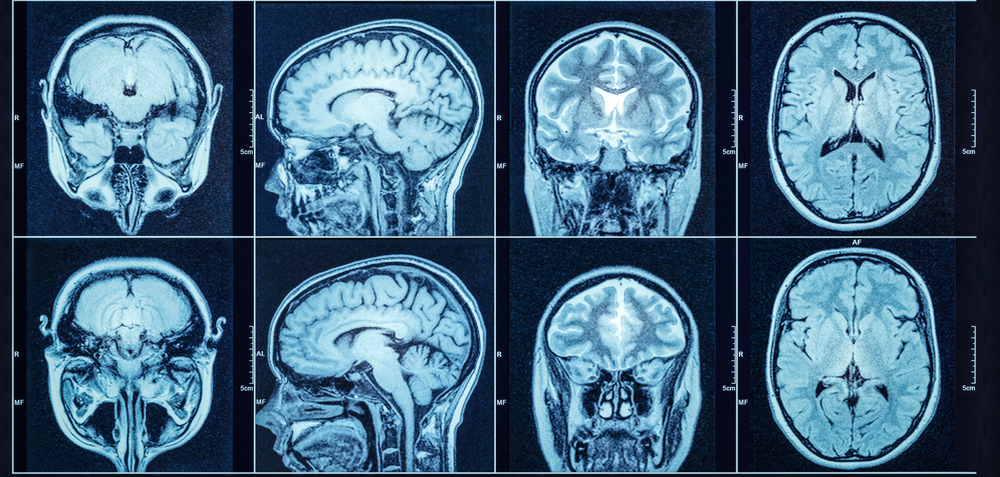
Clinical literature documents the specific neurological damage in considerable detail. Intracranial hemorrhage due to microcapillary bleeds, punctate hemorrhages of deep white matter in swollen brains, subarachnoid hemorrhage, and post-mortem hemorrhages in the brainstem, cerebellum, and diencephalon have all been found in dengue cases. In practice, a patient who presents with what looks like a straightforward dengue fever – high temperature, headache, nausea – may simultaneously be developing an intracranial bleed that will not become clinically obvious until it has expanded past the point of easy intervention.
A headache and vomiting are among the most common manifestations of dengue infection, yet may also be the only early symptom of intracranial hemorrhage in these patients. It is not feasible to screen all dengue patients with a brain CT. That diagnostic challenge – a life-threatening bleed hiding behind symptoms indistinguishable from the routine illness – is precisely what makes severe dengue so dangerous in clinical settings with limited neuroimaging access.
Who Is Most at Risk for Severe Disease
Dengue fever is spread when a person is bitten by an infected Aedes aegypti mosquito. While it often causes an asymptomatic infection, in some patients it can trigger life-threatening internal bleeding, respiratory distress, and heart failure. It can also lead to shock and organ failure, with the liver, brain, and heart particularly vulnerable. Patients may also develop dengue shock syndrome, a condition in which severe bleeding leads to a rapid drop in blood pressure, causing the body to go into shock.
Children under five, adults over 65, and pregnant women are considered most at risk from the virus. Re-infection compounds the danger considerably. Those who have previously had dengue are more likely to develop severe symptoms on subsequent infection. A person can be infected up to four times across a lifetime – once for each of the four distinct dengue virus types.
DENV-3 re-emerged across multiple countries in the Americas in 2024 and 2025 after a prolonged absence. Introductions of new or returning serotypes have been associated with both larger outbreaks and more severe clinical outcomes, particularly in patients who have had previous dengue exposure. For populations in Puerto Rico and the U.S. Virgin Islands, where prior dengue infection is common, that serotype shift carries direct clinical weight.
The Role of Climate Change and Expanding Mosquito Range
The 2024 case explosion was not a random spike. It had structural causes that public health researchers have been tracking for years, and those causes are not going away.
Dengue cases are likely to increase as global temperatures rise. Higher temperatures can expand the range of the mosquitoes that carry dengue, as well as accelerate other transmission factors including faster viral amplification inside the mosquito, increased vector survival, and changes in reproduction and biting rates.
The mosquitoes that carry dengue fever – Aedes aegypti – are now regularly found in the southern parts of the U.S., but have recently been identified as far north as the San Francisco Bay Area and Washington, D.C. That geographic expansion is not theoretical. It is documented and ongoing.
A 2025 study published in PNAS found that climate change has contributed to an estimated 4.6 million additional dengue fever cases annually. The research covers 21 countries across Latin America and Southeast Asia and demonstrates how warming trends expand both the geographic and seasonal range of dengue, particularly in regions that were previously too cool for sustained transmission. Cases could climb another 49% to 76% by 2050, depending on greenhouse gas emissions levels.
A 2025 study examining Aedes mosquito range projections across 29 species found that most species showed expanded ranges, with habitat suitability overlap increasing across 70% of global land area, particularly in Europe, North America, and Africa, with climate factors playing a dominant role in these changes.
For the United States, the convergence of an expanding domestic mosquito range with the highest recorded volume of travel-associated importations in history creates a genuine risk scenario: enough imported cases, combined with local competent vectors, increases the conditions under which local transmission clusters can occur. Epidemics in the Americas region are expected to increase both travel-associated cases and the possibility of local transmission in the continental United States in areas with competent mosquito vectors.
The Serotype Problem: Why Multiple Infections Are Dangerous
Dengue is not a single disease entity. It is caused by four distinct dengue virus types, DENV-1 through DENV-4. Each infection by one type confers lifelong immunity only to that specific type. Infection by a second type later in life is where the danger multiplies.
The immune system’s response to a second infection can, in some individuals, paradoxically amplify viral replication rather than suppress it – a process known as antibody-dependent enhancement (ADE). The result is higher viral loads and a greater probability of the bleeding complications that define severe dengue.
All four DENV serotypes were reported among travelers returning to the United States in 2024. DENV-3 was the most common serotype identified that year, but the proportion of cases caused by DENV-4 has been increasing sharply. During October 2024 through January 2025, DENV-4 was identified in 50% of all travel-associated dengue cases where serotype data was available.
The serotype profile matters for two reasons. First, populations previously exposed to one serotype face heightened risk of severe disease if they encounter a new one. Second, the re-emergence of DENV-3 after a prolonged absence means that large numbers of people who never previously contracted it now face a first exposure, without the partial cross-protection that prior infection with a related type might provide.
The Treatment Gap: No Cure, Limited Vaccine Access
One of the most significant clinical realities surrounding this surge is that no specific antiviral treatment for dengue exists. There is no cure for dengue. Management is entirely supportive: controlling fever, maintaining hydration, monitoring blood counts, and managing bleeding complications as they arise.
There are no vaccines against dengue fever recommended for travelers who have not previously had a confirmed dengue infection. A vaccine for children aged 9 to 16 with documented prior infection was available, but the manufacturer discontinued production due to insufficient demand. That leaves the primary prevention burden entirely on mosquito avoidance.
For clinicians in the United States, the CDC’s Health Alert Network advisory issued in March 2025 was explicit on clinical responsibilities. Providers should take a thorough travel history for any patient presenting with acute febrile illness, since the early clinical presentation overlaps significantly with other mosquito-borne diseases including Zika, chikungunya, and Oropouche fever. Patients planning travel should be counseled to take mosquito precautions during the trip and for three weeks after returning. Clinicians should maintain heightened suspicion for dengue in any febrile patient who has been in an area with frequent dengue transmission within the previous 14 days.
The three-week post-travel window matters because dengue’s incubation period means symptoms may not appear until after a traveler has returned home and visited a domestic physician who might not initially associate their patient’s fever with a tropical virus.
High-Risk States and Destination Profiles
In the continental United States in 2024, locally acquired dengue cases were reported in Florida (91 cases), California (18 cases), and Texas (1 case). Local transmission requires two conditions to align: an infected person present in the environment and a local Aedes mosquito capable of picking up and transmitting the virus. Both conditions were met in Florida and California in 2024.
As of January 2026, the CDC’s global dengue travel health notice listed 11 countries reporting higher-than-usual dengue activity or elevated cases among returning U.S. travelers, including Afghanistan, Bangladesh, Colombia, Cuba, Mali, Nicaragua, Samoa, Sudan, and Vietnam. The list is updated continuously and has expanded and contracted over the preceding 18 months as outbreak patterns have shifted.
For Americans planning summer travel – the season when dengue activity peaks globally and when U.S. international travel is at its highest volume – the overlap is direct. Spring and summer travel from the United States coincides precisely with the months of increased seasonal dengue activity in many destination countries.
Read More: 11 Natural Disaster Warning Signs You Should Never Ignore
Key Takeaways
The 2024 dengue surge in the United States was real, it was large, and its drivers are structural rather than coincidental. A record global outbreak in the Americas fed a record number of travel-associated importations into U.S. states. Six people died. More than a third of confirmed patients were hospitalized. And beneath the headline numbers sits a clinical reality that most people do not associate with a mosquito bite: at its most severe, this virus causes bleeding inside the brain.
Several points warrant close attention for both clinicians and the traveling public.
First, the 359% surge in U.S. case counts compared to the long-term average is not a statistical artifact – it reflects a genuine and sustained increase in global dengue burden driven by climate-related mosquito range expansion and the re-emergence of dengue serotypes that large populations have not previously encountered. In 2024, 14.1 million dengue cases were reported globally, surpassing the historic milestone of 7 million observed in 2023, and representing a 12-fold rise compared to 2014. That trajectory does not reverse quickly.
Second, the geographic footprint of risk inside the U.S. is widening. Experts attribute the 2024 dengue increase in part to a hotter and wetter climate that year, and project that climate change and urbanization will cause the Aedes mosquito to increasingly colonize temperate regions, including North America. States that have never dealt with locally acquired dengue cannot rule it out indefinitely.
Third, the treatment gap is not closing fast. No universally accessible vaccine exists for most travelers. No antiviral drug shortens or softens the disease. The only meaningful intervention at an individual level remains mosquito avoidance: DEET-based repellents, long sleeves and pants during peak biting hours (dawn and dusk for Aedes aegypti), and eliminating standing water near homes and accommodations. Anyone returning from a high-risk destination who develops fever, severe headache, pain behind the eyes, or unusual bruising or bleeding within two weeks of returning should mention that travel history to a physician immediately.
Finally, the CDC’s explicit warning to clinicians – to treat dengue as a diagnostic possibility in any febrile traveler and to report cases promptly – reflects the agency’s recognition that under-detection remains a significant problem. Surveillance systems rely on healthcare providers to consider the disease as a possible diagnosis, obtain the appropriate laboratory test, and report confirmed cases to public health authorities. Mild cases are considerably more likely to go unreported than severe ones. The true burden of dengue in the United States in 2024 is almost certainly higher than the 3,798 cases on record.
AI Disclaimer: This article was created with the assistance of AI tools and reviewed by a human editor.