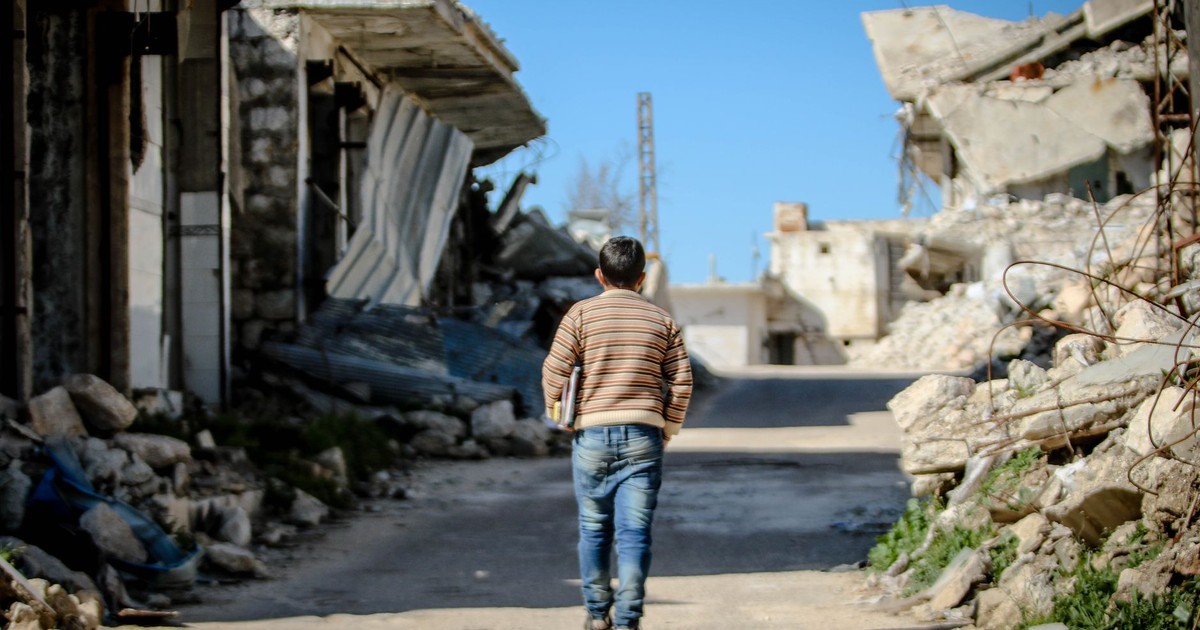

The “Do Not Travel” designation is the highest advisory level the U.S. government issues, reserved for places with life-threatening risks where the U.S. government may have very limited or no ability to help, including during an emergency. And yet, people go anyway.
The decision isn’t always reckless. Journalists cover active wars because wars are actually happening. Aid workers go where aid is genuinely needed. Families who still have relatives in Kabul or Khartoum don’t need someone to explain the risks to them. But for the travelers drawn primarily by the photograph or the story to tell afterward, a government advisory sometimes carries less weight than it should. As of mid-2026, the U.S. Department of State deems 22 nations unsafe for U.S. citizens to travel to, placing those countries on the Level 4: “Do Not Travel” list.
Below are twelve countries that generate the most continued visitor interest despite sitting at the top of every serious risk ranking. The dangers vary considerably in character, but every country here carries verified, current evidence of conditions that can turn a trip fatal with very little notice.
1. Yemen
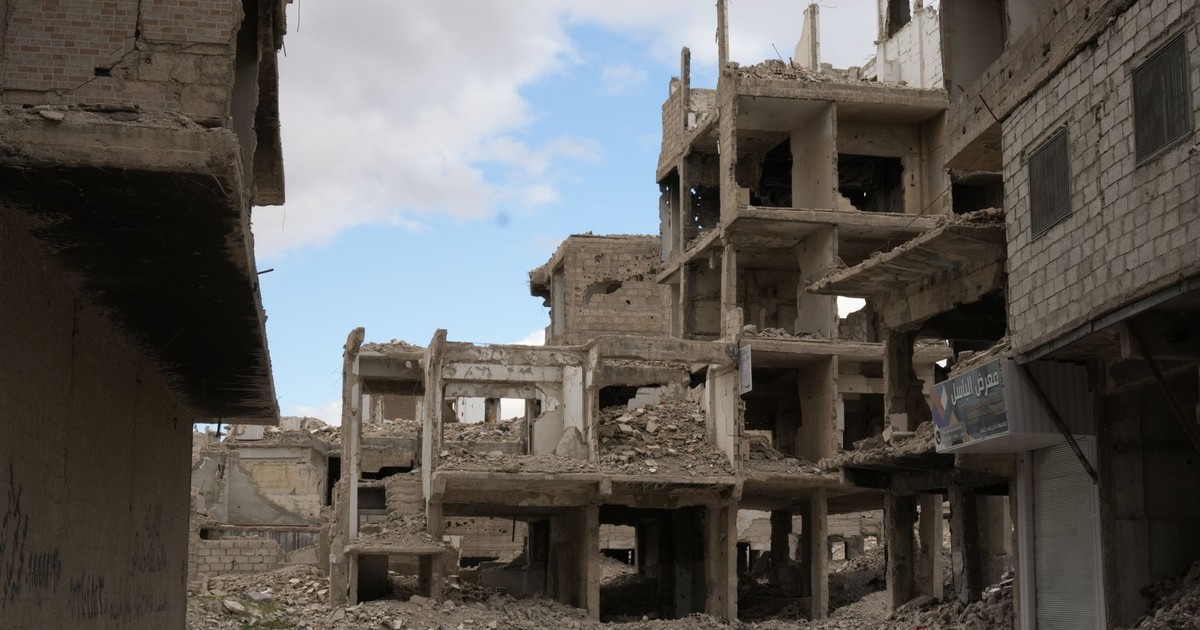
Yemen ranks as one of the five least peaceful countries on the 2025 Global Peace Index, reflecting what many consider the world’s worst humanitarian crisis. The conflict that began in 2014 has involved multiple actors producing devastating consequences for civilians. Houthi rebels, backed by Iran, initially seized control of the capital, Sana’a, and forced the internationally recognized government to flee. A Saudi-led coalition’s intervention in 2015 escalated the conflict into a regional proxy war. The fighting has since fragmented the country into multiple zones of control, making unified governance impossible.
The U.S. State Department has maintained a Level 4: Do Not Travel advisory for Yemen for years with no sign of change. Air strikes, ground combat, and maritime attacks near Red Sea shipping lanes remain ongoing. Health and medical infrastructure has essentially collapsed, meaning that even non-conflict emergencies carry life-threatening risk. For travelers drawn by Yemen’s genuinely remarkable ancient architecture, the walled city of Shibam, the old city of Sana’a, the appeal is real. The infrastructure to reach them safely is not.
2. Afghanistan
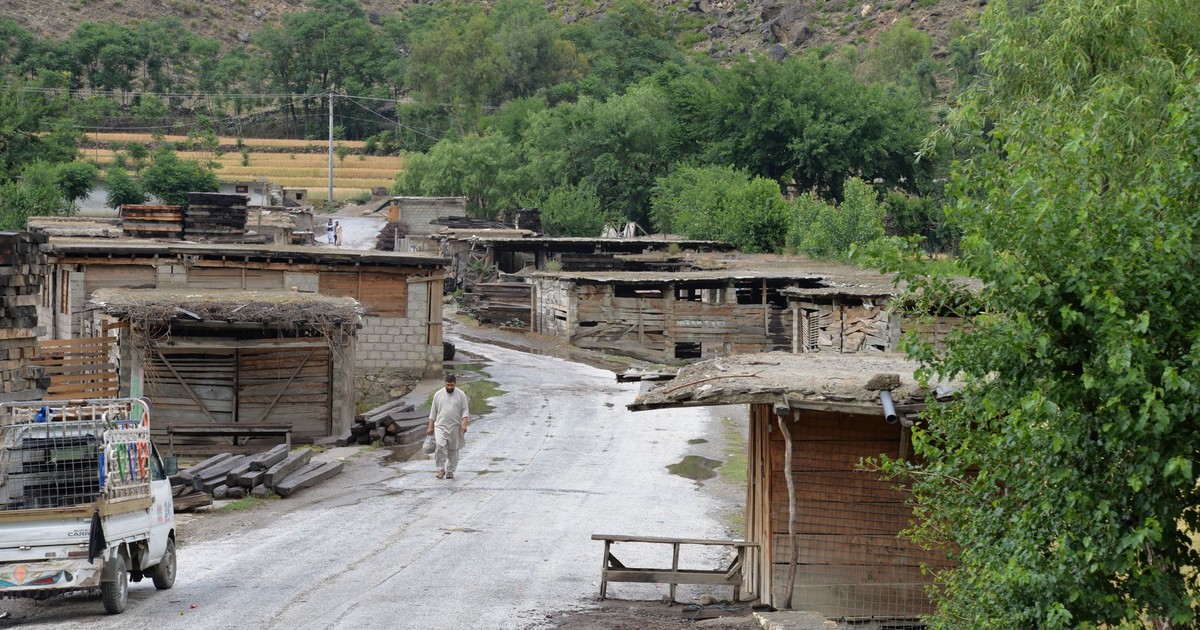
Afghanistan has appeared on virtually every high-risk travel list for decades, and 2026 is no different. Since the Taliban takeover in August 2021, the country has operated under a government that most of the world does not recognize, with no U.S. diplomatic presence on the ground and no realistic avenue for consular help if something goes wrong.
Terrorism, kidnapping, and the threat of arbitrary detention all sit alongside a healthcare system that has largely collapsed since international funding was withdrawn. Road travel outside Kabul involves long stretches where insurgent activity, IEDs (improvised explosive devices), and tribal disputes can create sudden, unpredictable danger. Medical evacuations from Level 4 countries can exceed $100,000, and most standard travel insurance policies explicitly exclude coverage. Still, adventurous travelers continue to trickle in, drawn by the Hindu Kush mountain ranges and the relative calm that can occasionally exist in Kabul’s central districts. The Taliban has even, with notable irony, launched an official e-visa portal. A good afternoon can turn into an emergency before the return flight is booked.
3. Sudan
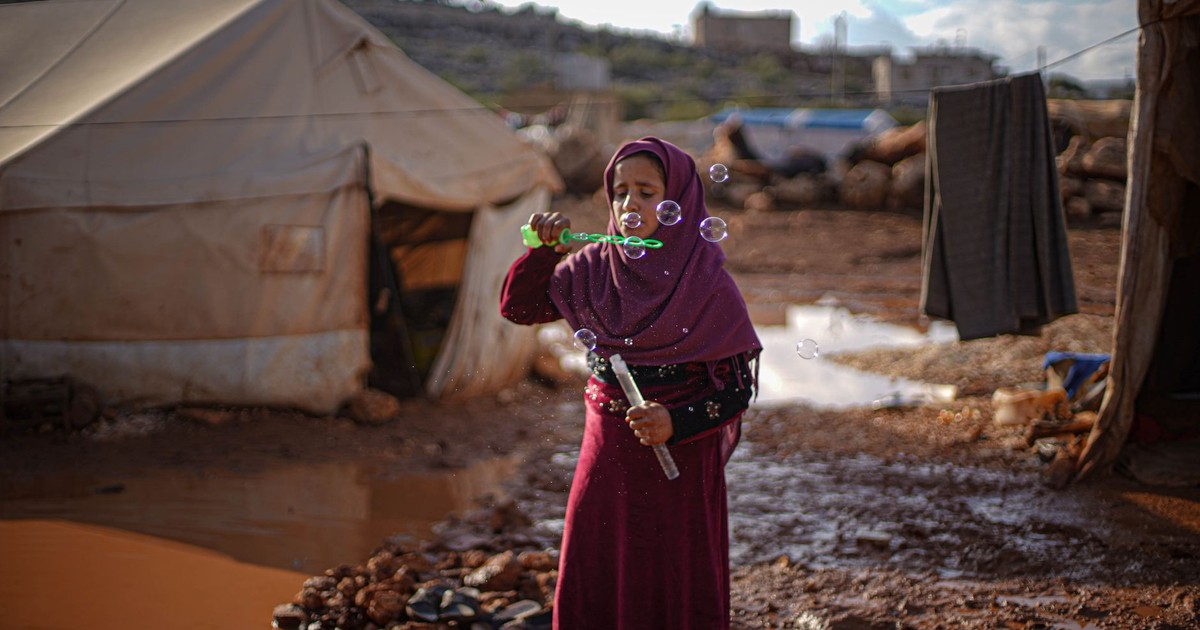
Sudan was on track for a democratic transition before April 2023, when fighting broke out between the Sudanese Armed Forces and the Rapid Support Forces paramilitary group. Within months, a country with real prospects became one of the world’s worst conflict zones. Eleven million people were displaced. Famine was declared in 2024. According to the 2025 Global Peace Index, Russia ranked as the least peaceful country, followed by Ukraine, Sudan, the Democratic Republic of the Congo, and Yemen.
Violence has been especially severe in Darfur, where civilians face mass atrocity conditions. The U.S. Embassy was evacuated in April 2023 and has not reopened. The front lines between the two warring factions have moved repeatedly, turning previously calm cities into active combat zones with very little warning. With no functioning U.S. Embassy and limited commercial flights, there is no obvious exit route if things deteriorate. The State Department advisory remains Level 4: Do Not Travel.
4. Ukraine

Ukraine occupies a different category from most countries on this list. It has a functioning government, open borders in the west, a working capital with embassies, and millions of people living ordinary lives. It also has daily air raid sirens across the entire country, a front line that has ground on for years, and drone strikes that regularly reach Kyiv. Ukraine ranked as the second least peaceful country in the 2025 Global Peace Index, reflecting the continued impact of Russia’s invasion. Active combat zones, damaged infrastructure, and the displacement of millions continue to shape daily life across much of the country.
Western cities like Lviv are significantly safer than eastern regions, but missile and drone strikes reach Kyiv and cities far from the front line regardless. Standard travel insurance for Ukraine is effectively unavailable, as most policies exclude war zones entirely. That detail alone clarifies how the insurance industry, which prices risk for a living, views the proposition. Journalists, aid workers, and conflict tourists continue to enter Ukraine in significant numbers, each with their own calculus about whether the trip is worth it.
5. Haiti
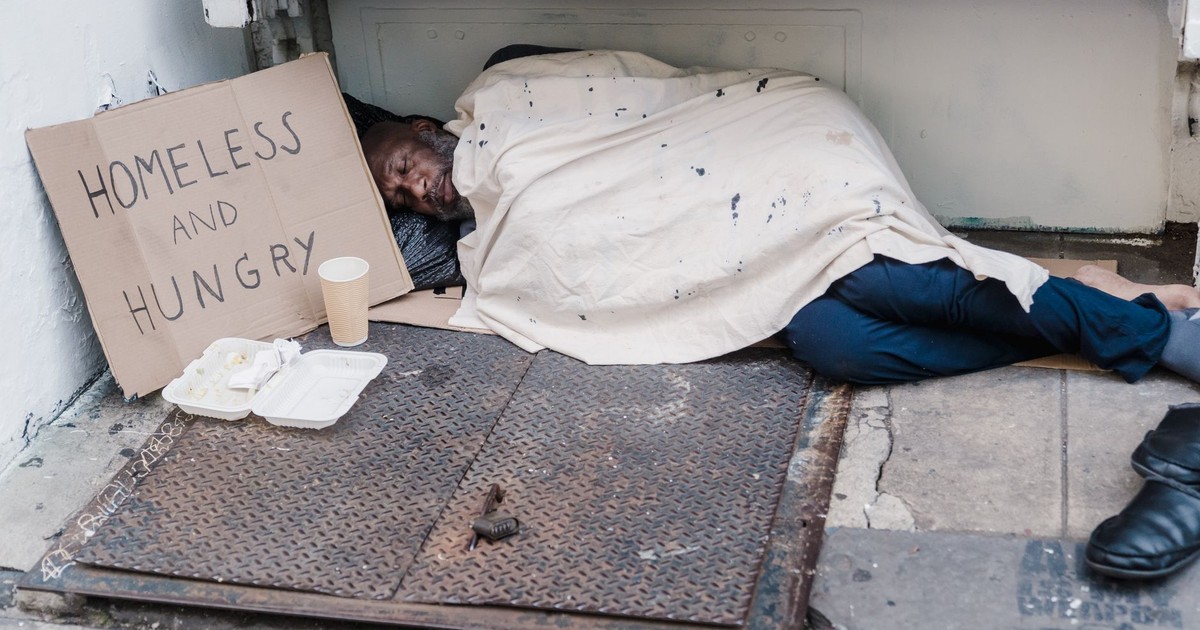
Haiti’s situation has deteriorated to a point that defies easy summary. Armed gangs control an estimated 90% of Port-au-Prince, and the violence has spread well beyond the capital. According to the UN Human Rights Office (OHCHR), over 16,000 people have been killed and 7,000 injured since January 2022, including more than 8,100 killed from January to November 2025 alone. More than 1.4 million people have been driven from their homes.
Gangs have formed larger criminal coalitions that control a considerable part of the country, including an estimated 80 to 90 percent of Port-au-Prince, in addition to key areas in the Artibonite and Central Departments. They dominate supply chains and extort commerce and humanitarian transport routes. With access to sophisticated, military-grade weaponry, they conduct coordinated operations against the Haitian government and rivals, terrorizing populations via extortion, kidnappings for ransom, and killings. Kidnapping specifically targets foreign nationals, with gangs well aware that an international passport suggests access to money. U.S. commercial flights remain banned from operating to or from Port-au-Prince. U.S. government employees in Haiti are restricted from non-essential movement from the Embassy compound. If the people whose job it is to be there can’t move freely, the calculus for tourists is not encouraging.
6. Syria
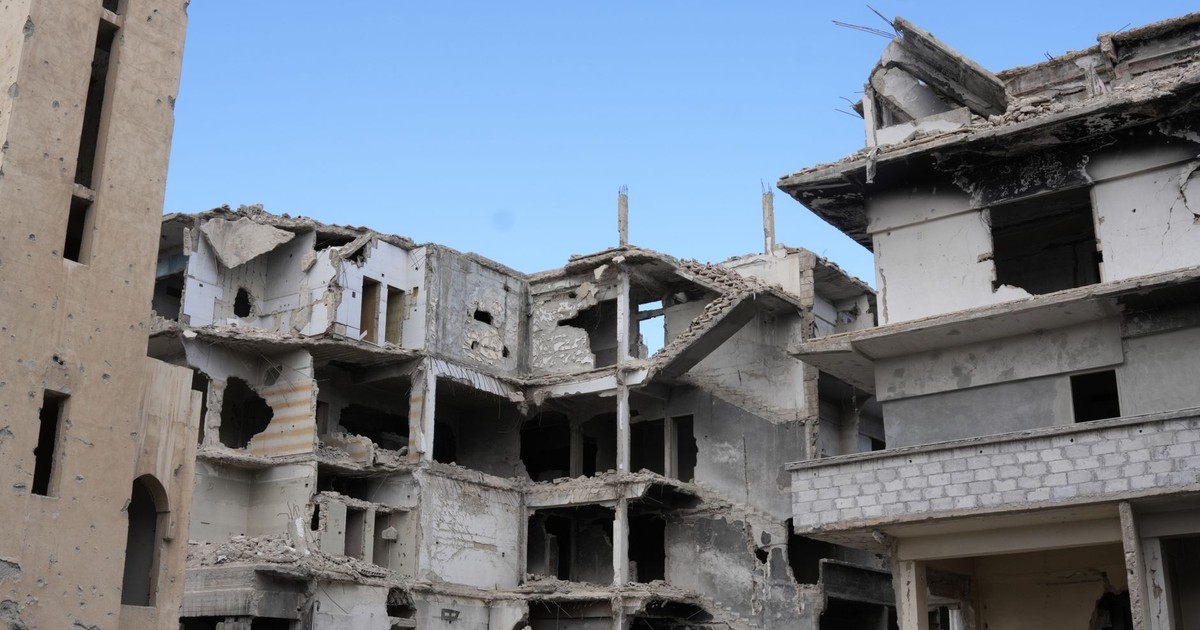
Syria presents a situation that has shifted in the past year, though not nearly enough to make it safe. The fall of Bashar al-Assad’s government in late 2024 ended one chapter of the conflict, but the country that emerged is not stable. Syria’s prolonged civil conflict has left deep scars. Despite the end of Bashar al-Assad’s regime in late 2024, the transitional government faces major hurdles. Clashes over the Syria-Lebanon border and continued humanitarian needs keep Syria ranked as one of the least peaceful nations.
Many governments keep their strongest travel warning in place because risks include terrorism, arbitrary detention, kidnapping, and unexploded munitions buried throughout farmland, roads, and urban rubble. Border access and internal routes can change quickly as regional conditions shift. Healthcare capacity varies widely, and power outages and fuel constraints can disrupt daily essentials, including refrigeration for medicines. Some travelers, drawn by Palmyra’s ruins or the ancient souks of Aleppo, have begun attempting visits under the argument that the post-Assad period offers a window. The ordnance alone makes that argument hard to sustain.
7. Myanmar

Myanmar represents one of the most significant deteriorations in Southeast Asia’s security conditions in recent years. Following the 2021 military coup, the country descended into widespread civil unrest and armed conflict between the military and various ethnic armed groups. Clashes have expanded into previously popular tourist regions. Transportation disruptions, curfews, and internet restrictions are common.
The military junta has also used conscription, drafting civilians into service, which creates an additional and specific risk for foreign nationals caught at the wrong checkpoint. Healthcare access outside major cities is inconsistent, particularly during military operations. Myanmar was once one of Southeast Asia’s most beloved destinations: Bagan’s temple plains, Inle Lake, the Irrawaddy River. The country’s tourist infrastructure has largely collapsed, and many areas that once attracted visitors are now active conflict zones or under military control that makes movement unpredictable.
8. Somalia
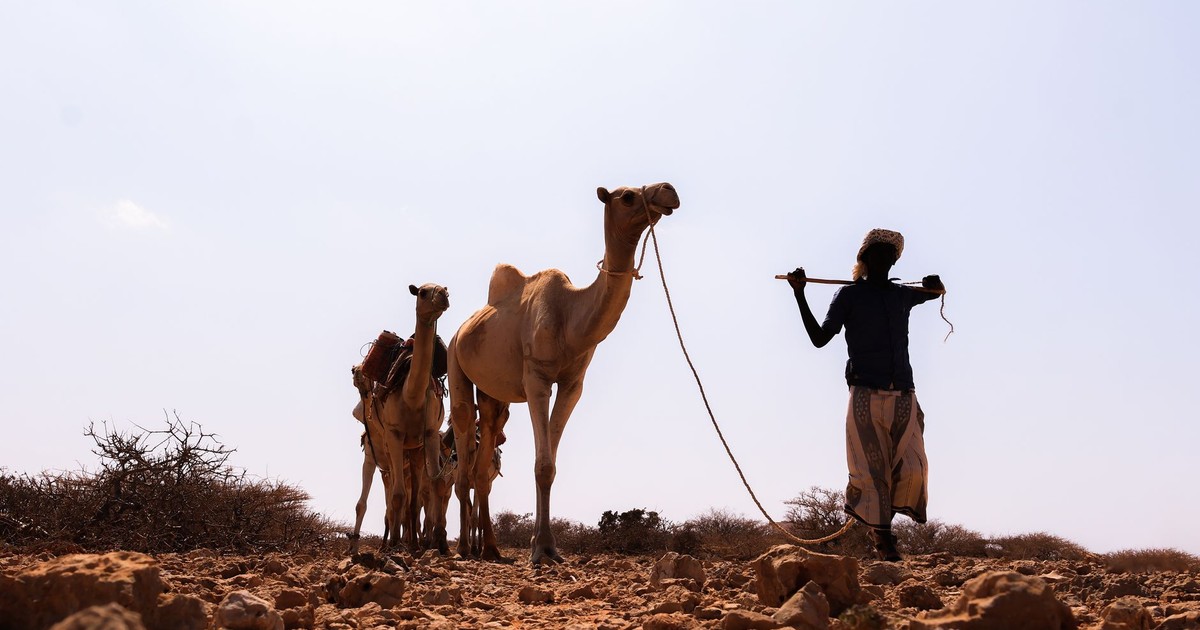
Somalia has been in various states of conflict since the collapse of the central government in 1991, and three and a half decades later it remains one of the most dangerous countries on earth. The Al-Shabaab militant group controls significant territory, conducts regular bombings in Mogadishu, and has demonstrated the capacity to carry out complex attacks against hotels, government buildings, and public spaces frequented by foreigners.
Somalia carries a Level 4: Do Not Travel advisory from the U.S. State Department. Piracy in Somali coastal waters remains an additional hazard for anyone attempting sea access. A small number of journalists and NGO workers operate in Somalia under heavy security protocols. The idea of independent travel to Mogadishu, let alone the countryside, sits outside what any credible security framework would sanction. The handful of people who do it independently tend to describe the experience in terms of luck rather than planning.
9. Libya
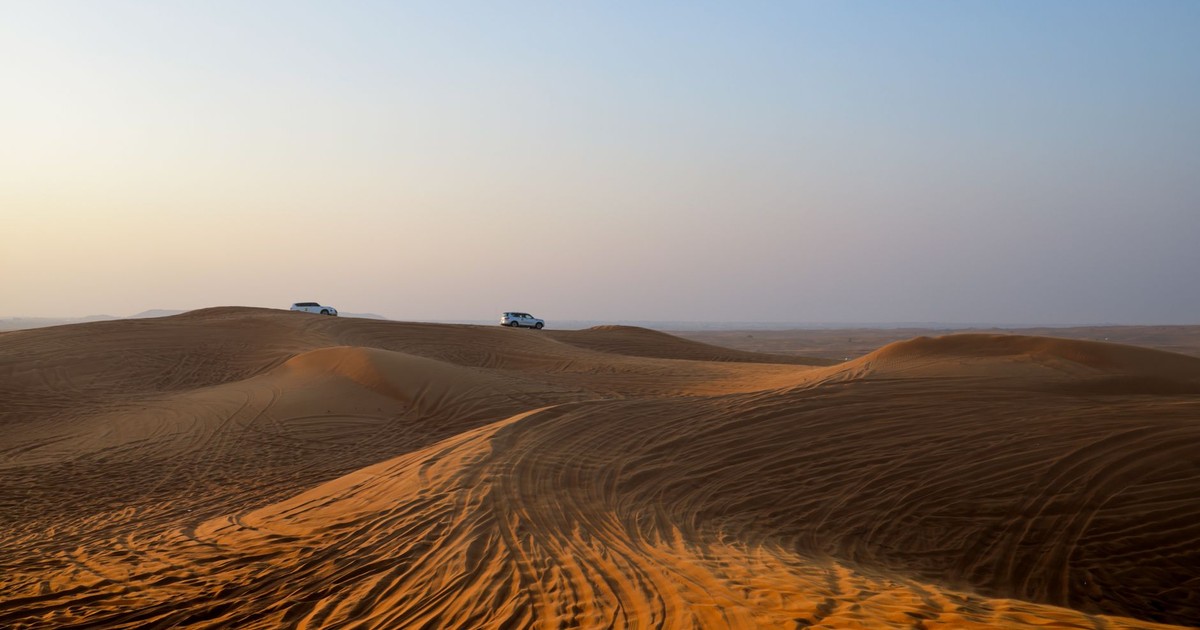
Libya split into competing governments and militia-controlled territories after the 2011 collapse of Muammar Gaddafi’s regime, and it has not meaningfully unified since. The country operates as a patchwork of armed factions, with the internationally recognized Government of National Unity in Tripoli competing for authority with a rival administration in the east. Banking instability and limited emergency services complicate even routine travel logistics.
The country does attract occasional visitors for its genuinely spectacular Roman ruins. Leptis Magna is, by any architectural measure, one of the finest Roman sites in the world. Getting there safely requires private security arrangements that cost more than most people’s annual travel budget, and even those arrangements offer no guarantee against militia checkpoints or shifting territorial control. Libya carries a Level 4: Do Not Travel advisory as of May 2026. No functioning national police force, no reliable emergency services, and no effective judicial system means that if something goes wrong, there is no system to appeal to.
10. North Korea
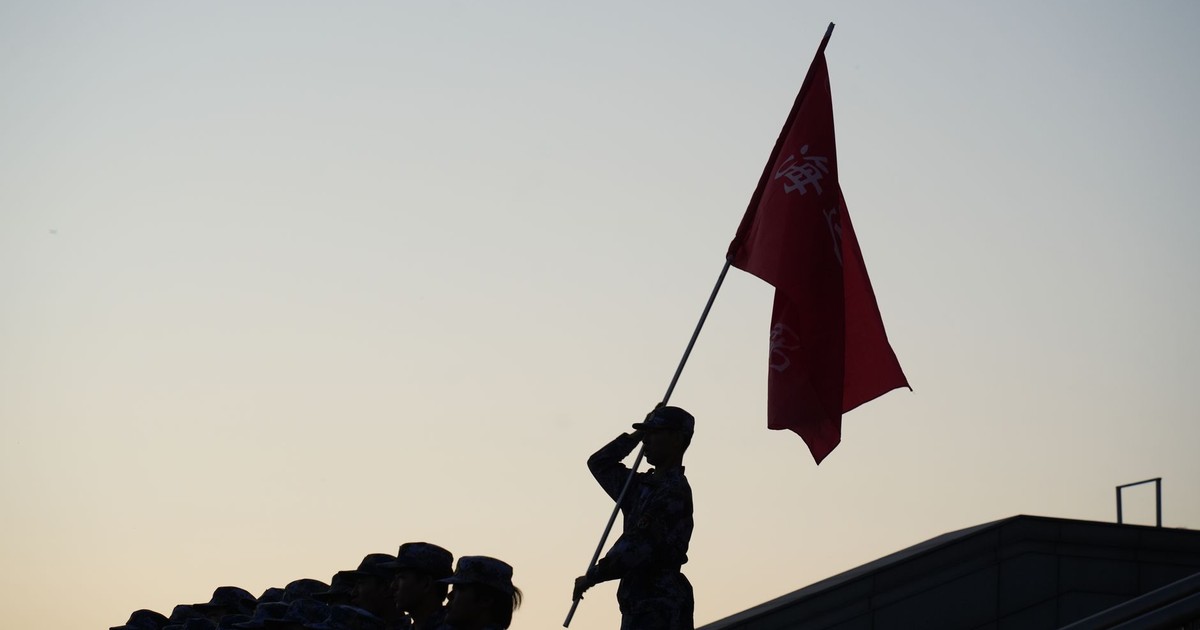
North Korea occupies its own category entirely. Since September 1, 2017, the U.S. Department of State has prohibited U.S. passports from being used for travel to, in, or through North Korea. This restriction was issued in response to the death of American student Otto Warmbier, who had been detained in North Korea for 17 months and was returned to the U.S. in a comatose state in June 2017. He died shortly after. The restriction has been renewed continuously and remains in effect as of 2026.
For citizens of other countries, travel is technically possible through state-approved tour operators that run tightly controlled itineraries, mostly through Pyongyang. The tours exist. The risk of arbitrary detention also exists, and the two things are not separate. Otto Warmbier, the University of Virginia student whose death prompted the ban, was sentenced to 15 years of hard labor for allegedly taking a propaganda poster from a hotel. The common thread across detained Americans: actions that would be trivial or legal almost anywhere else triggered arrest and harsh sentences. The legal framework for detaining a foreign national in North Korea is essentially whatever the government decides it is on any given day.
11. Iran

Iran has occupied an escalating position on travel risk lists throughout 2025 and into 2026. The State Department has advised Americans to exercise increased caution and warned of possible travel disruptions due to airspace closures, as regional tensions continue to keep Americans or American interests across the world in potential crosshairs.
Iran also carries a documented and formally acknowledged risk of wrongful detention of foreign nationals. The State Department explicitly names Iran as a country with a known elevated risk for the wrongful and arbitrary detention of U.S. nationals, even when the same action would not be considered a crime at home. Travelers drawn by Iran’s extraordinary history (Persepolis, Isfahan’s Friday Mosque, the ancient city of Yazd) face a situation where the cultural riches are real but the legal jeopardy for a foreign national, particularly an American, Canadian, or British citizen, is also real. It has materialized repeatedly in recent years, not as a hypothetical.
12. Democratic Republic of Congo
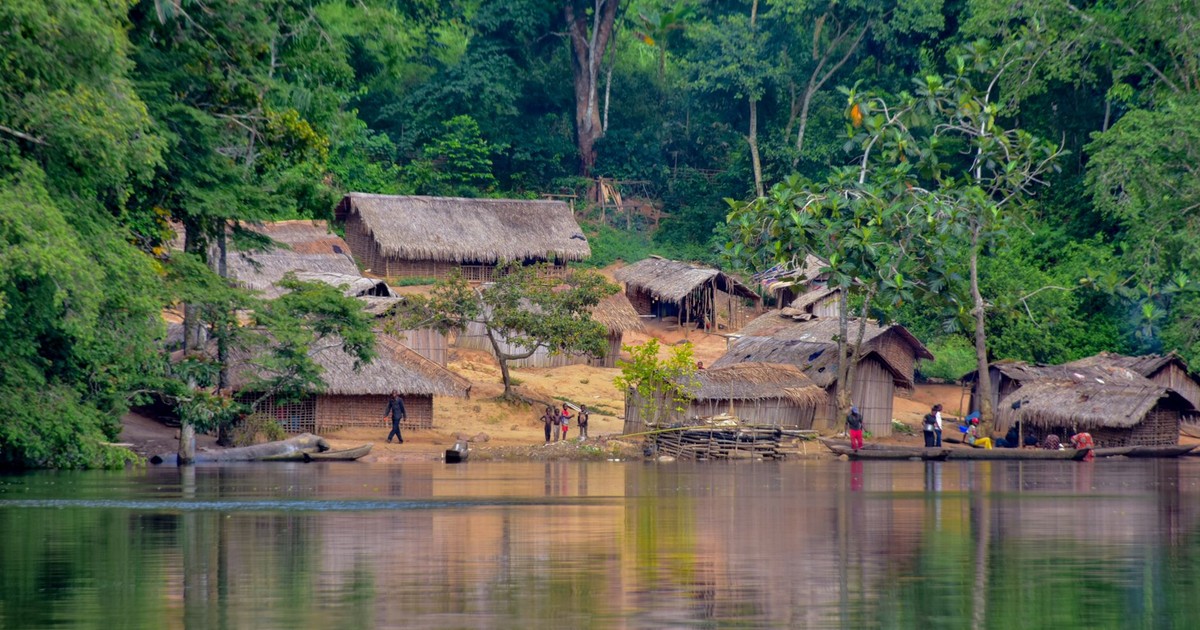
The DRC covers a territory roughly the size of Western Europe, and for most of that territory, the central government in Kinshasa has limited ability to project authority or protect anyone. The Democratic Republic of the Congo ranked among the least peaceful countries in 2025, largely due to ongoing instability in its eastern regions. Armed groups operate in areas where state control remains limited, contributing to cycles of violence and displacement.
The primary active conflict involves the Rwanda-backed paramilitary M23 in the country’s northeastern Kivu provinces. M23 launched a successful offensive in 2025 that saw the group seize control of most of north and south Kivu, including the regional administrative centers of Goma and Bukavu. Significant mineral deposits, including the world’s largest cobalt and coltan reserves, provide a source of wealth for armed groups that allows them to continue fighting and compounds corruption and smuggling. The eastern DRC has attracted some visitors for gorilla trekking in Virunga National Park, a UNESCO site that sits in the heart of the conflict zone. The park has been the site of ranger killings and tourist kidnappings in recent years. The western DRC, including Kinshasa, operates at a different risk level from the east, but the country as a whole carries a Level 4 advisory, and anyone planning to visit should understand that “the DRC” covers wildly different threat environments depending on exactly where they’re going.
Read More: 6 Dreamy European Towns Where You Can Live Like Royalty on Just Social Security
What the Warning Actually Means
The Level 4 designation is, at its core, a statement about the U.S. government’s capacity to help you, not just about the danger of the place. Airports may close, borders may seal, and visa or entry conditions may shift with little notice. When something goes wrong in a Level 4 country, the sequence of events most travelers assume will kick in (call the embassy, get evacuation assistance, contact your insurance company) may simply not happen. That isn’t an edge case. For some of the countries above, it is the baseline expectation.
People still go. Some have reasons that outweigh the risk. Journalists cover wars because wars are happening. Aid workers go where aid is needed. Some people have family in these places and can’t imagine not going. Those calculations are legitimate and often deeply personal. The decisions that are harder to explain are the ones made primarily for adventure, for the photograph, for the story to tell afterward. Those motivations are not nothing. But they sit in a different column from the information in this article.
The countries above are not dangerous because of reputation or outdated geopolitical impressions. As of the latest update, 22 countries and areas worldwide are designated Level 4 “Do Not Travel”, deemed to have severe and often protracted conditions that make them dangerous for U.S. citizens. Before going anywhere on that list, the honest question isn’t “am I brave enough?” It’s whether you’ve actually thought through what happens on the day the plan stops working, because in Level 4 countries, the plan stops working more often than most people expect, and there is no one coming to fix it.
AI Disclaimer: This article was created with the assistance of AI tools and reviewed by a human editor.