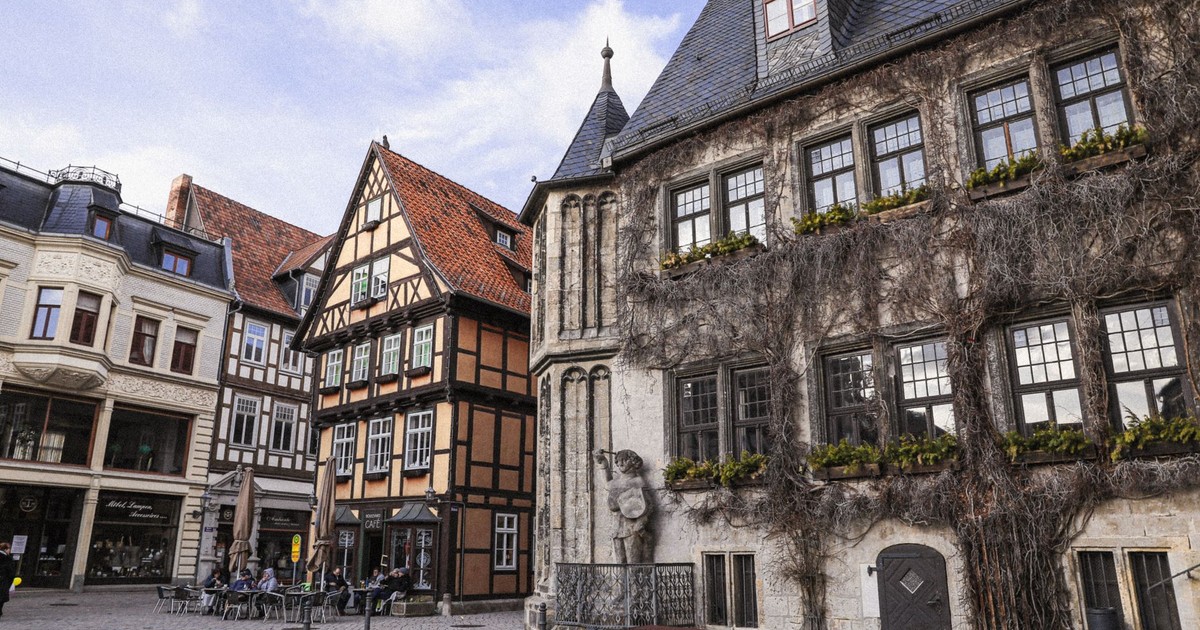

The average monthly Social Security benefit of around $1,907 covers rent, dinners out, weekend trips, and doctor’s appointments in the right European town. In most American cities, that number falls short.
Greece topped International Living’s Annual Global Retirement Index for 2026, jumping from seventh place in a single year. Portugal, Italy, France, and Spain all ranked in the top 10. The question isn’t whether Europe works for retirement on a modest income. It’s which towns within those countries actually deliver.
Lisbon, Barcelona, and Athens have seen rents climb sharply. Secondary towns and smaller cities offer a standard of living that is hard to replicate in the United States at any price. These six are worth knowing.
1. Tavira, Portugal: The Algarve’s Best-Kept Address

Tavira sits on the Rio Gilão, a calm river that runs through a medieval center of whitewashed buildings, Roman bridge ruins, and orange trees lining the streets. The eastern Algarve town offers rental prices in the range of €600 to €900 per month for apartments.
The town hosts a diverse and growing expat community of Germans, Irish, French, Brits, Swedes, Canadians, and Americans. Knowing who to call when the lease needs translating or the pharmacy only stocks the Portuguese name for your medication makes the difference between feeling settled and feeling adrift.
Portugal’s D7 Passive Income Visa requires proof of steady income rather than any large investment. The 2026 minimum income requirement is €920 per month for a single applicant, within reach for many Social Security recipients drawing the average benefit or higher. Once established in Portugal, retirees access the public healthcare system by registering locally, with private supplemental insurance available for €50 to €150 per month. Tavira sits 20 minutes from Faro International Airport, which operates direct flights to London, Frankfurt, and a dozen other European cities.
2. Braga, Portugal: Affordable, Cosmopolitan, and Genuinely Underrated
Braga offers the lowest rents among Portugal’s major cities, with a one-bedroom in the center running just $490 to $760 per month. The city is one of Portugal’s fastest-growing tech hubs with a young population and a cosmopolitan vibe, compensating for its lack of beach access with a lively café culture, medieval architecture, and a dense concentration of Baroque churches.
The city sits roughly an hour’s drive from Porto and two from Lisbon. Braga itself has a thriving restaurant scene, a major university, excellent public transport, and regular festivals. The city runs roughly 25% cheaper than Lisbon, and a retirement drawing around €24,000 a year covers a comfortable, culturally active life. That works out to €2,000 a month, within striking distance of a couple drawing two Social Security checks.
Hospital de Braga is well-regarded, English-speaking medical care is available, and the city has strong university and tech infrastructure. The presence of a large university population keeps the city feeling alive year-round.
3. Alicante, Spain: Sun, Sea, and Serious Infrastructure

Spain’s Non-Lucrative Visa requires proof that you can support yourself without working locally. It’s renewable annually and leads to long-term residency after five years. Alicante, on the Costa Blanca, is one of the most established expat destinations in the country.
The city has a population of 330,000 and manages to feel approachable rather than overwhelming. A single person can live comfortably in Alicante on roughly €1,500 to €1,700 per month including rent, considerably less than the roughly $4,641 per month the Bureau of Labor Statistics reports as the average spending for a single-person U.S. household. A couple sharing accommodation and expenses can live very comfortably on a combined Social Security income. One-bedroom apartments in non-tourist residential neighborhoods rent for €500 to €800 per month.
Retirees who establish residency can access public healthcare after a waiting period, with private supplemental insurance in Alicante running €50 to €150 per month. The city has an international airport with direct North American connections, a well-maintained tram network, and a city beach that received a Blue Flag designation, the EU’s certification for clean, safe water and beaches.
4. Valencia, Spain: City Life Without the City Price Tag

Valencia is Spain’s third-largest city. It has beach access, a large and established foreign resident community, and rents run roughly 20 to 25% less than in Madrid.
Living costs in coastal cities like Valencia run between €1,200 and €1,500 per month, while private healthcare insurance ranges from €50 to €200 monthly. That range covers housing, food, transport, and most routine expenses for a single retiree living comfortably. A couple sharing costs will find even more breathing room. Renting a one-bedroom apartment in a non-tourist residential neighborhood runs €500 to €800 per month, and the city’s extensive metro and bus network means a car is optional rather than essential.
Valencia’s beaches consistently earn Blue Flag designations for high standards of cleanliness, safety, and water quality. The city is also the birthplace of paella. The historic city center, with its enormous Gothic cathedral and the Art Nouveau Central Market, is one of the genuinely lovely urban spaces in Europe.
Valencia offers excellent public hospitals, English-speaking specialist clinics throughout the city, and a large established expat community that organizes regular social events and language exchanges.
5. Nafplio, Greece: Romance and Affordability on the Peloponnese
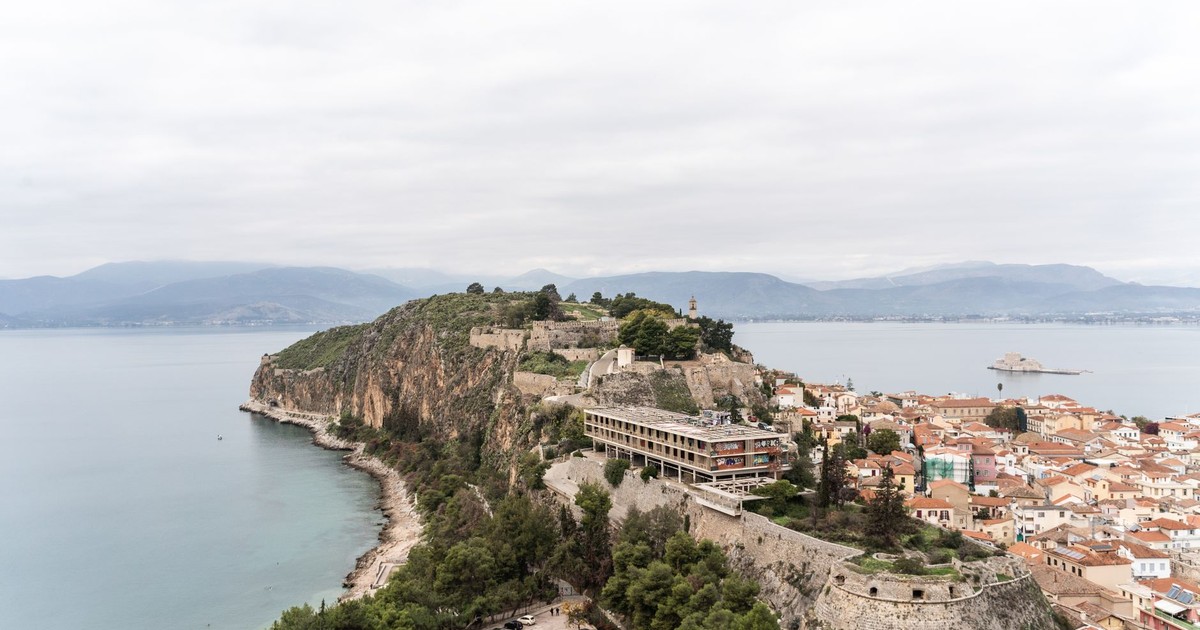
Nafplio was Greece’s first capital after independence, a fact that explains its architecture: Venetian-era mansions, a harbor lined with neoclassical buildings, cobblestone lanes that wind up toward the Palamidi Fortress sitting 709 feet above the town on a rocky hill. It is, without much competition, one of the most beautiful small towns in Europe.
A couple can live in Nafplio comfortably on about $1,700 per month, depending on lifestyle, and a furnished two-bedroom apartment in a good neighborhood costs about $860 per month to rent, with comparable properties available to purchase for around $160,000.
Greece offers a flat 7% tax rate for up to 15 years on foreign pension income for new tax residents, subject to application approval. Eligibility requires not having been a Greek tax resident for at least five of the six years prior to applying, along with proof of a qualifying foreign pension. The 7% rate applies to foreign-sourced income from pensions, Social Security, and investment returns, covering the full picture of most retirees’ income in one flat arrangement. Nafplio sits two hours from Athens by bus, close enough to access major hospitals and the international airport for medical needs or travel, while remaining entirely removed from the pace of a capital city.
6. Chania, Crete, Greece: Island Living Without the Island Premium
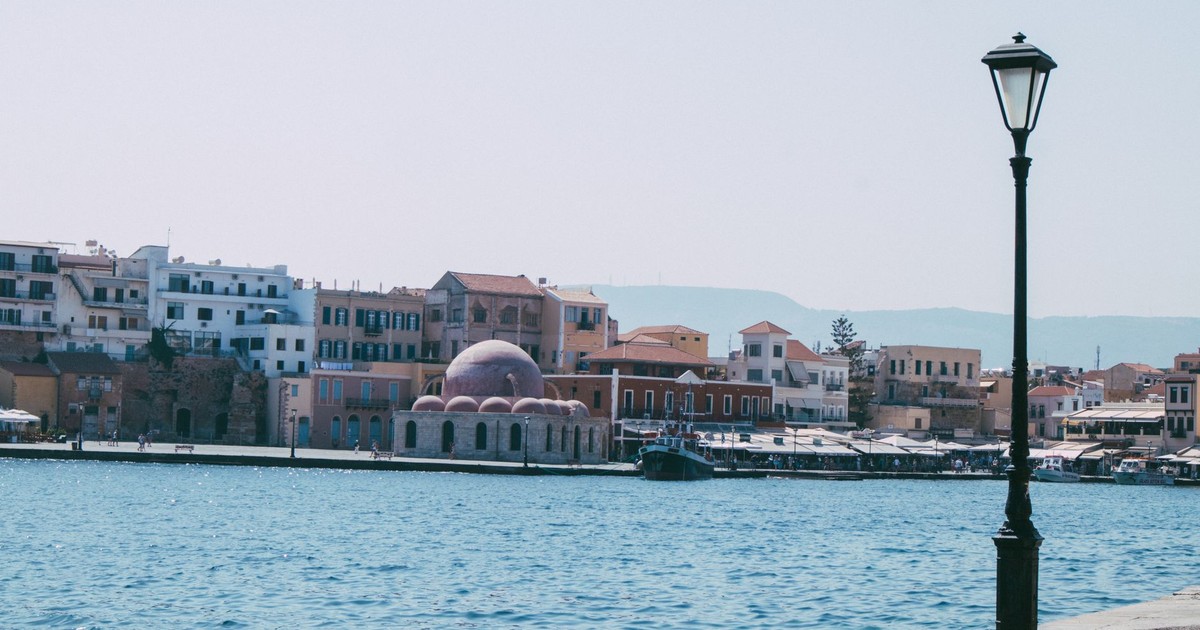
Crete is different from other Greek islands. Greece’s largest island has a year-round population large enough to support real infrastructure: hospitals, supermarkets, universities, functioning public transport, and a cost of living that doesn’t double in July.
Chania, on Crete’s northwestern coast, provides Mediterranean beauty with everyday practicality. English is widely spoken in tourist-facing businesses and among the expat community, housing costs are moderate compared to other European islands, and fresh produce markets help keep grocery bills low. Living costs in Chania run meaningfully below Western European alternatives, with many retirees living comfortably on $1,700 to $2,000 per month. A furnished two-bedroom, two-bathroom apartment in a good area rents for around $860 per month.
The old Venetian harbor, with its lighthouse and seafront restaurants, looks exactly like the photos. The western Crete coast stays milder in winter than much of northern Europe, with temperatures rarely dropping below 10°C (50°F), and the island’s farming tradition means fresh olive oil, cheese, and vegetables are available year-round at farmers’ markets at prices that feel almost implausible by American standards.
The island has Chania General Hospital and Iasis Private Hospital, several private clinics with English-speaking staff, and direct flight connections to a dozen European hubs operating year-round from Chania International Airport. For anything requiring advanced treatment, Athens is a 50-minute flight away, and many expats develop a straightforward approach: local private clinics for routine care, Athens for anything more complex.
Read More: 15 Cruise Ship Spa Perks Secretly Reserved for Early Birds Over 60
What to Do With All of This

The visa processes for Portugal, Spain, and Greece are well-documented and regularly navigated by American retirees without legal representation, though a local immigration lawyer for €500 to €1,000 is money well spent. The D7 in Portugal, Spain’s Non-Lucrative Visa, and Greece’s Financially Independent Person permit all operate on the same basic principle: show proof of passive income sufficient to support yourself, carry health insurance, and don’t plan to work locally. For most retirees drawing Social Security and some investment income, the income thresholds are achievable.
Tavira is for people who want slow mornings and a small-town pace. Braga is for people who want energy and culture without resort-town pricing. Valencia and Alicante suit those who want a functioning city with beaches attached. Nafplio is for people willing to exchange some urban convenience for one of the most genuinely beautiful settings in Europe. Chania is for people who want island life without the isolation that comes with small-island living. None of these places require you to be wealthy. They require you to make a choice and follow through on it.
AI Disclaimer: This article was created with the assistance of AI tools and reviewed by a human editor.