
The math on a food delivery order hides itself until you add everything up. A $15 burger from the place three miles away becomes $38 after the delivery fee, the service fee, the small order fee, and a tip that the interface makes feel compulsory. Every single charge is low enough to rationalize on its own. Together, they tell a different story. Most people who use delivery apps regularly have never actually stopped to calculate what that story costs them over a month, let alone 60 days.
Cutting out delivery apps forces you to break that loop. Not dramatically, not all at once, but in a way that builds real clarity about where money was going and what it was actually buying. The financial changes are real and fairly quick. The habit changes take longer and turn out to matter more.
What You’re Actually Paying Per Order
In 2025, the average McDonald’s order costs $36.95 when purchased directly. Ordering the same items through a third-party delivery app can push the total well past $57, once inflated item prices, delivery fees, service fees, taxes, and a tip are factored in. According to a 2025 study by Self Financial, which placed the same McDonald’s order in 100 US cities across DoorDash, Uber Eats, and Grubhub, DoorDash is the most expensive of the major platforms, pushing that same basket to $63.21, which is 71.1% higher than buying directly.
The markup isn’t one fee. It’s five. Item prices are often inflated on the app compared to the in-restaurant menu, before a delivery fee, a service fee, taxes, and a tip are even factored in. Some restaurants quietly raise their delivery prices by 15% to 20% to offset the commission the platform charges them.
Zoom out over a month and the picture gets clearer. Empower data drawn from anonymized user accounts shows the average person spends $118 a month on food delivery, making it the third-highest non-essential monthly expenditure after travel and fine dining. Over a year, that’s $1,416. Over 60 days, that’s roughly $236.
The Cooking Habit You Didn’t Know You’d Lost
A 2025 observational study by Yash Babar, an assistant professor at the Wisconsin School of Business, analyzed Grubhub’s phased entry into US counties and found that people in those counties spent an average of 9% less time cooking daily than before, a pattern the research links to reduced home cooking and changed eating habits among delivery app users.
The first two weeks are the hardest. Not because cooking is difficult, but because the habit of reaching for the phone has become so embedded that it functions almost like a reflex. The phone comes out. The app isn’t there. You stand in front of the fridge and actually look at what’s in it.
By week three, something shifts. You start meal planning not because anyone told you to but because you’ve gone to the grocery store twice without a list and bought a lot of expensive things that didn’t add up to a meal.
The Price of Eating Away From Home Is Outpacing Everything
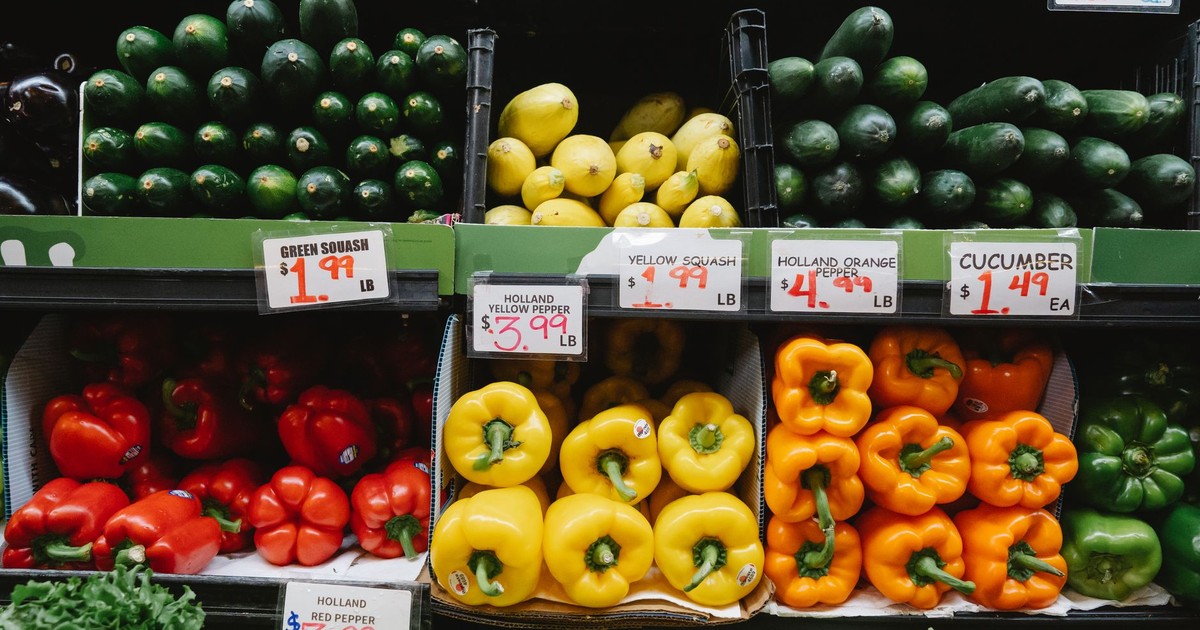
The Consumer Price Index shows that in the year from November 2023 to November 2024, the cost of eating food away from home rose 3.6%, while the cost of food bought at the grocery store and cooked at home increased by only 1.8%.
That divergence matters when you’re doing the math on 60 days. Every week you’re ordering from apps, you’re absorbing price increases from two directions at once: the underlying restaurant menu costs more, and the app’s fees have crept up too. Pricing trends in 2025 and early 2026 reflect regulatory pressure on delivery commissions, with several US cities enacting caps, and platforms responding by restructuring fees in ways that push higher charges onto consumers rather than restaurants.
Sixty days without the apps demonstrates how much room actually exists in a food budget once that layer of fees is removed. Grocery shopping for the week, even at current prices, costs significantly less than a handful of deliveries would. A January 2025 online survey of 2,089 US adults, conducted by the Harris Poll on behalf of Flashfood, found that 83% of US consumers say saving money is a bigger priority this year than in previous years, and 89% believe cooking at home is both one of the best ways to save money on food and a healthier alternative to takeout.
The Restaurant Relationship You’re Rethinking
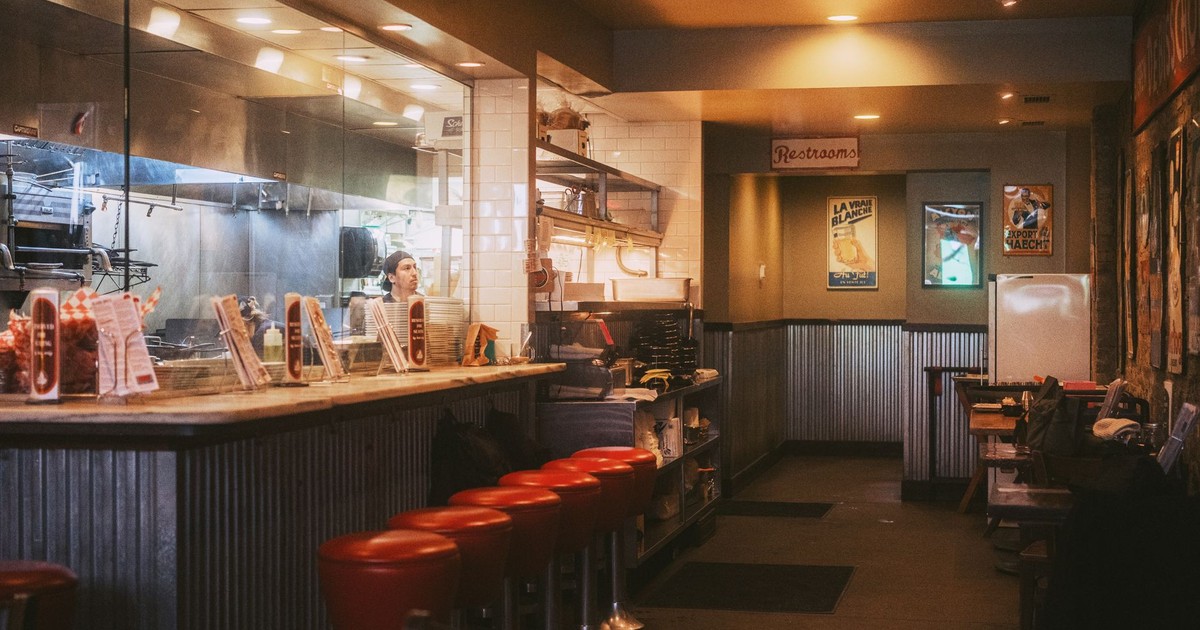
When you stop ordering through platforms, you start going to restaurants differently. You go because you want the experience, not because you need a meal to arrive. Going less often but more deliberately changes how much you spend, how often you go, and how much you enjoy it when you do.
Delivery apps charge restaurants commission fees that erode already-slim margins. With commissions often sitting at 15% to 30% of order value, restaurants operating on 10% to 15% profit margins can find that a platform’s cut erases their potential earnings entirely.
When you walk in and order directly, or call the restaurant and arrange your own pickup, more of your money stays with the place that cooked your food. Sixty days of doing it differently makes you think about where money is actually going in a way that ordering through an app never does, because the app abstracts everything behind a smooth interface.
You can also find simple money habits that compound across other areas of spending once you’ve already started paying attention to where fees are quietly accumulating.
What Changes and What Doesn’t

The financial savings from cutting out delivery apps are real and fairly predictable. The other changes are subtler but arguably more durable.
Most people who try this report rediscovering meals they’d forgotten they knew how to make. The pasta that used to be a Thursday night standby. The soup that works from whatever’s in the fridge on Sunday. These aren’t complicated recipes. They’re just things that had been displaced by the friction-free alternative of opening an app.
The grocery shopping becomes more deliberate. You start noticing waste in a way you didn’t before, because you’re planning meals instead of ordering on impulse. The random half-used ingredients that used to spoil in the back of the fridge start actually becoming dinner.
What doesn’t change: there are still nights when cooking genuinely isn’t possible, or when the choice is between delivery and not eating. Sixty days without the apps doesn’t mean sixty nights of elaborate home cooking. It means getting selective about when the convenience is actually worth the premium, rather than defaulting to it because the app is right there.
Read More: 8 Money Saving Travel Hacks That Really Work and 8 That Don’t
The Real Takeaway From 60 Days
Cutting out delivery apps for two months reveals something that the per-order math never quite captures. In 2024, nearly three in four restaurant orders in the US were not eaten in a restaurant, and 37% of adults said they order delivery at least once a week, which means skipping apps puts you significantly outside the norm for a sustained period.
The gap between what you were paying and what a meal actually needs to cost is wider than most people suspect until they’ve lived on the other side of it for a while. That $38 order that felt unavoidable on a tired Tuesday turns out to have been a choice, not a necessity. Once you’ve seen the alternative clearly enough for long enough, the reflex weakens. Not because you’ve sworn off delivery forever, but because you’re no longer reaching for it without thinking.
Disclaimer: This information is not intended to be a substitute for professional medical advice, diagnosis, or treatment and is for information only. Always seek the advice of your physician or another qualified health provider with any questions about your medical condition and/or current medication. Do not disregard professional medical advice or delay seeking advice or treatment because of something you have read here.
AI Disclaimer: This article was created with the assistance of AI tools and reviewed by a human editor.