

Every year, a fresh crop of viral videos promises to unlock the secret vault of budget travel, transforming ordinary vacationers into savvy jet-setters who fly for pennies and sleep like royalty. The reality is far less glamorous. As airlines and hotels turn their pricing algorithms over to sophisticated machine learning, many classic shortcuts have quietly expired, leaving behind a trail of outdated advice that wastes more time than it saves money.
To navigate the modern travel landscape without draining your savings, you have to separate algorithmic folklore from behavioral reality. The strategies that still deliver meaningful discounts are those that leverage human flexibility against rigid corporate systems, while the hacks that fail are usually desperate attempts to outsmart an AI that updates hundreds of times a day.
Here is the definitive breakdown of the travel strategies worth your time in 2026, and the ones you should abandon at the departure gate.
1. Fly With a Carry-On and a Flat-Opening Personal Item
The simplest way to claw back money from an airline is to refuse to play their baggage fee game. Checking a bag has evolved from a routine travel step into a reliable revenue driver for carriers, with fees escalating the moment your suitcase tips a pound over the limit. Shifting entirely to a carry-on bag bypasses these arbitrary charges at the airport and eliminates the anxiety of watching a belt for twenty minutes after landing.
If your airline charges for carry-ons as well (a growing trend among budget carriers), the workaround is your personal item. Every airline that charges for carry-ons still allows one free personal item, and a backpack that opens flat like a suitcase functions as a second piece of luggage and flies free.
2. Leverage Alternative Airports on Both Ends of the Route
When looking for flights, most travelers default to the primary airport closest to their destination, blindly accepting whatever fare the flagship hub demands. This geographic tunnel vision is expensive. Major cities are frequently served by secondary airports located just a short train ride or drive away, and these smaller hubs routinely feature significantly lower landing fees, savings that budget carriers directly pass on to passengers.
Before locking in your itinerary, expand your search radius to include regional alternatives. Flying into Chicago Midway instead of O’Hare, or choosing London Gatwick over Heathrow, can instantly slash your ticket price. Just remember to calculate the cost and time of the ground transit into the city center before celebrating your financial victory; a cheaper flight loses its charm if you spend the difference on a two-hour taxi ride.
3. Book International Flights 31 to 45 Days Out, Not Six Months Ahead

The six-months-ahead rule is one of the most confidently repeated pieces of travel advice that turns out to be wrong for most trips. According to Expedia’s 2026 Air Hacks Report, international travelers save an average of $190 by booking 31 to 45 days out rather than six months in advance — a window that consistently undercuts the early-bird price without the gamble of last-minute shopping.
The caveat is that this applies to leisure travelers with adaptable schedules. If you need to be somewhere on a specific date during peak season, booking later is a gamble. But for anyone who can shift a trip by a week or two in either direction, holding off on the six-month-advance purchase and watching for the price to move is a better strategy than locking in early and overpaying.
Set a Google Flights price alert on your route. When the price drops into the target window, book fast. Fares that look good on a Tuesday morning often don’t look the same by Thursday.
4. Use Flexible Date Search Tools, Not Calendar Guesswork

Expedia’s 2026 Air Hacks data shows Tuesday domestic departures run up to 14% cheaper than Sunday, and Friday international departures about 8% cheaper than Sunday. But manually checking every date combination is tedious and unreliable. The tools do it better.
Google Flights’ calendar view shows an entire month of fares color-coded by price. Shifting a departure by two days sometimes slashes the price by $200 or more on an international route. Kayak’s flexible date search and Skyscanner’s “whole month” view work similarly. These aren’t tricks so much as better interfaces for the same information, and most travelers never use them, defaulting instead to searching specific dates and wondering why the price seems high.
The smartest move for longer trips is also the simplest: enter your dates, see the cheapest options within a week on either side, and only then decide when you’re actually going.
5. Volunteer to Be Bumped Off Overbooked Flights

Most travelers treat the gate agent’s request for volunteers with mild panic, as if giving up their seat is some kind of defeat. It isn’t. When an overbooked flight asks for volunteers, airlines typically offer travel vouchers along with a confirmed seat on the next flight, meals, and overnight hotels when the delay extends that long. Voluntary compensation has no federal cap and is negotiated at the gate, so travelers with schedule flexibility can often push for more than the opening offer. For anyone with schedule flexibility, it’s one of the highest per-hour-value moves available at an airport.
The key is making sure you get a confirmed seat on the next flight before you give up your current one, not just standby. Ask for that in writing. Then ask about meal vouchers and hotel accommodation if the delay is overnight. Airlines have more room to negotiate than most travelers realize, especially when they’re desperate to free up seats.
If you’re traveling alone or as a couple with no hard deadline at your destination, saying yes to a bump and walking away with a generous voucher is effectively free money for a few hours of inconvenience.
6. Use Rewards Points When Cash Prices Spike

Loyalty points and miles don’t devalue at the same rate that ticket prices rise, which makes them disproportionately powerful during high-demand travel periods. Award rates don’t rise as fast as cash prices, and being strategic with points can offset higher fares. Some airlines still have transfer bonuses from card portals, which can increase the value of your points further, so it’s always worth comparing the cost in miles versus cash before booking.
The trap most people fall into is hoarding points for some future dream trip while paying cash for trips right now. Points are most valuable when prices are highest, which is exactly when you should be spending them. Check your points balance before you start searching for flights. If you’re sitting on 50,000 miles and staring at a $600 fare, that’s the calculation to run first.
Travel rewards credit cards, specifically those with airline or hotel transfer partnerships, give you the most flexibility. The Chase Sapphire Preferred, Capital One Venture X, and American Express Platinum all transfer points to major airline partners, letting you book across multiple carriers rather than being locked into one airline’s inventory.
7. Book Refundable Accommodation First, Then Keep Shopping

One of the most overlooked booking strategies is to book a refundable hotel immediately when you start planning, then keep looking for better deals as the trip approaches. This locks in a rate while giving you the freedom to switch, and hotels and Airbnbs often drop prices 2 to 4 weeks before your dates as they try to fill empty rooms.
This works especially well with Booking.com’s free cancellation filter, which surfaces options you can hold with no penalty. You’re not committing to anything except the security of having somewhere to stay while you continue hunting for better value. If something cheaper or better turns up closer to the trip, cancel and rebook. If nothing does, you already have what you need.
The secondary move is asking for an upgrade at check-in. This works more often than guests expect, particularly at mid-range and upscale hotels. Simply ask whether any complimentary upgrades are available that night. Hotels would rather fill an empty suite than let it sit vacant, and your odds are best during weekdays, off-season, and when you’re already a member of the hotel’s free loyalty program.
8. Choose Shoulder Season Over Peak or Off-Season

Visiting Paris in October or Lisbon in May costs significantly less than visiting in July, and the experience is often better. Shoulder season sits between peak tourist season and the deep off-season, meaning most things are open and operating, crowds are manageable, and both flights and hotels are priced well below their summer highs.
According to Hopper, domestic travelers saved an average of 40%, or about $150 per ticket, by shifting trips from peak summer months to September or October. For accommodation, the savings can be even more dramatic, since hotel rates respond to demand more fluidly than airline pricing algorithms.
Shoulder seasons in Europe typically fall in May and October; in the Caribbean and Maldives, April to May. Things are still open and operating, but you’ll see fewer crowds and lower prices. The restaurants aren’t overrun, the museum lines are reasonable, and the locals actually seem glad you’re there.
The 8 Travel Hacks That Rarely Work Anymore, Starting with: 9. Searching for Flights in Incognito Mode

This one has been debunked so thoroughly that it almost doesn’t deserve the attention, except that it still circulates on TikTok and in group chats as though it’s insider knowledge. Flight prices are not increased based on user browsing history. They fluctuate due to real-time demand, seat availability, and complex algorithms, making incognito mode entirely irrelevant for finding deals.
When a flight price increases an hour after you first looked at it, that’s not because you’re being monitored. It’s because airline prices constantly fluctuate based on complicated algorithms tied to demand, inventory, and competitor moves. The incognito window feels like it’s doing something because the placebo effect is strong when prices are changing constantly for unrelated reasons.
Flight deal services run thousands of searches every day and see no evidence that repeated searching raises prices. Airlines do access your IP address, but that’s to determine your location for currency and language settings, not to manipulate the price you’re shown. Spend that mental energy on flexible date searches and price alerts instead.
10. Booking Flights on a Specific Day of the Week to Get Cheaper Prices

The flip side of “fly on Tuesdays” is the advice to book on Tuesdays, the idea being that airlines release sales on Monday nights and fares dip on Tuesday mornings. Booking flights on a specific day does not reliably produce cheaper prices. Flight pricing changes constantly based on demand, route competition, seat availability, and how full the plane is. The day you fly tends to matter more than the day you book.
The Tuesday booking myth persists because it’s the kind of tip that feels specific enough to be true. But airline pricing systems update hundreds of times a day across millions of routes. Tuesday morning checkout is far more likely to be coincidence than causation. There’s no pricing logic by which a particular calendar day consistently unlocks a discount that other days don’t.
What actually works is price alerts and fast action when fares drop. Flexible dates, price alerts, and checking nearby airports will move the needle more than watching the calendar for the “right” booking day.
11. Last-Minute Hotel Deals

The idea that waiting until the night before produces rock-bottom hotel rates was truer in the early 2010s, when hotels would rather dump a room cheap than let it sit empty. That pattern is no longer predictable. At popular destinations, availability dwindles as the date approaches, and sophisticated pricing algorithms driven by AI eliminate the incredibly cheap last-minute deals that once existed.
Modern hotel revenue management software tracks demand, competitor pricing, and booking velocity in real time. When a hotel sees that rooms are filling up, prices go up, not down. The last few rooms before a sold-out night are often the most expensive ones. The algorithm doesn’t feel sorry for you for waiting.
The exception is genuinely off-peak periods in non-tourist cities, where hotels sometimes do slash rates to fill empty inventory. But as a strategy for popular destinations in any kind of season, last-minute deals are a gamble that now loses more often than it wins.
12. Hidden-City Ticketing (Skiplagging)

Skiplagging (booking a flight with a connection at your actual destination and simply not taking the final leg) is one of those hacks that sounds clever right up until it costs you something important. While skiplagging isn’t illegal under U.S. law, it does violate most airlines’ contracts of carriage. Airlines can cancel remaining flights on the itinerary, close frequent flyer accounts, or deny boarding on future trips. It’s a calculated risk, not a victimless workaround.
Checked luggage goes to the final destination on the ticket, not to the city where you exit, which means you can’t check a bag when skiplagging. You also risk losing loyalty points and airline status. And airlines have gotten considerably better at identifying frequent skippers. American Airlines’ contract of carriage specifically addresses the practice.
For an occasional one-way flight where the savings are dramatic and you’re traveling carry-on only, some travelers still find the risk acceptable. But as a regular strategy, the risk-to-reward ratio has shifted significantly against it.
13. Buying the Cheapest Possible Flight Regardless of Layovers

Sorting by “cheapest” on any flight search engine will surface a flight with three layovers and a six-hour connection in a city you’ve never wanted to visit. The math looks good until it doesn’t, and it rarely does. A $130 saving on the ticket price can evaporate in airport meals, the cost of a missed connection, or a hotel when a tight layover goes wrong.
Booking directly through the airline’s website rather than through a third-party also matters more than most travelers realize. Airlines prioritize their own direct customers for rebooking, credits, and refunds. A third-party booking adds a layer of friction that can cost hours when a flight is cancelled or significantly delayed.
The smarter filter is “best” rather than “cheapest.” Most flight search tools now offer this, and it weighs price against layover time and connection reliability. A slightly more expensive direct or one-stop flight on a reliable route is almost always worth it compared to the cheapest option on the board.
14. Assuming Budget Airlines Are Always Cheaper

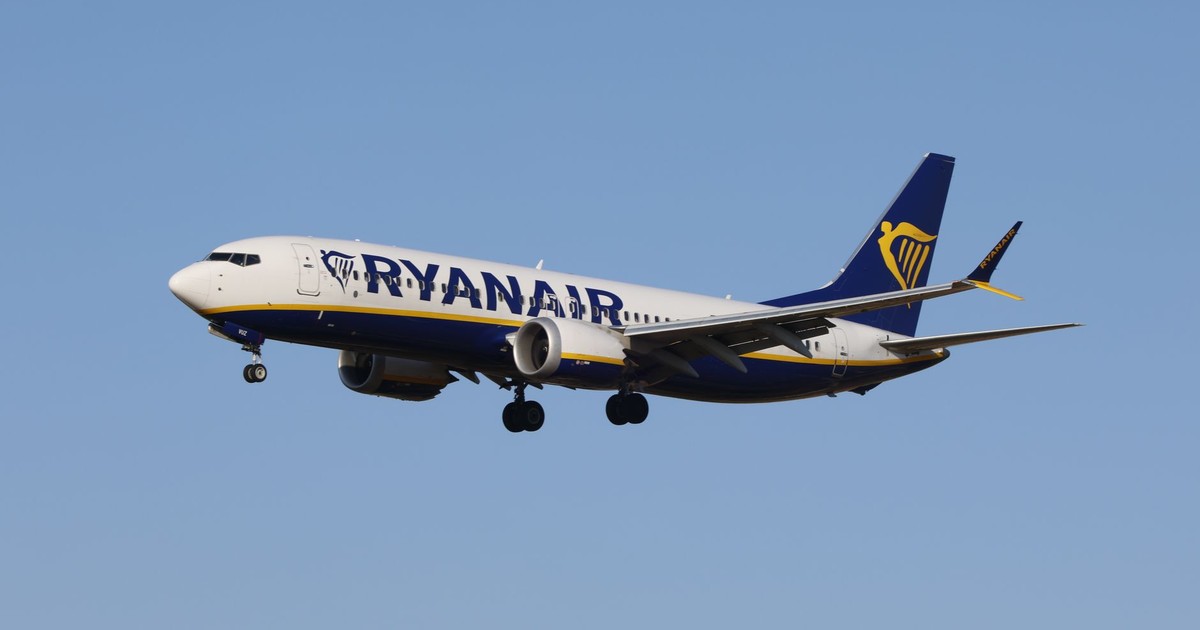
Budget carriers advertise fares that look extraordinary in search results and then add fees for carry-on luggage, seat selection, printing your boarding pass, and occasionally breathing. The margin for low-cost carriers (LCCs) is in volume and ancillary revenue. In 2024, leading LCCs like Frontier and Spirit earned over 50% of revenue from non-ticket services, compared to 15 to 25% for full-service carriers.
A $69 Frontier fare with a carry-on fee, seat selection, and one checked bag can easily land at $160 or more, more expensive than a Southwest or Delta basic economy ticket that includes a carry-on and one free checked bag. The advertised fare is not the actual fare.
The rule is simple: always build in all fees before comparing. When you’re searching, add up the total cost including baggage at your packing level. The budget carrier wins less often than the headline price implies.
15. Travel Hacking With Credit Card Sign-Up Bonuses as a Primary Strategy

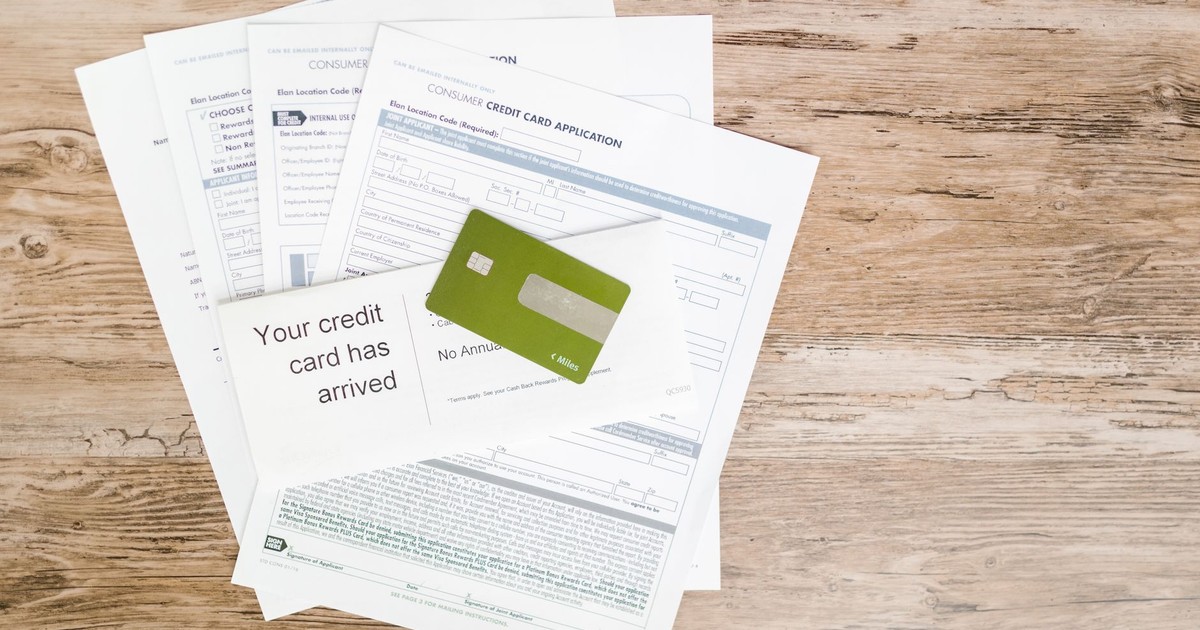
Applying for multiple travel credit cards to stack sign-up bonuses sounds like an arbitrage opportunity, and occasionally it is. More often, it’s a time sink that ends with a drawer full of cards you’re paying annual fees on, a spending requirement you scrambled to hit, and points sitting in a program with limited transfer partners.
The spending minimum to unlock a welcome bonus has also climbed sharply. As of 2026, the Chase Sapphire Preferred welcome offer requires $5,000 in spending within the first three months to unlock 75,000 bonus points. That’s a legitimate opportunity for someone who was going to spend that money anyway. For someone who stretches to hit the threshold, the math gets murky fast.
Travel credit cards work best as tools layered onto existing spending, not as primary strategies built around manufactured spend or card churning. One good card used consistently for travel purchases and groceries beats three cards with unmet minimums and annual fees you forgot were coming.
16. Relying on Guidebook Prices for Currency Exchange
This one isn’t about flights at all, but it drains more travel budgets than most flight hacks save. The currency exchange desk at the international terminal will offer you a rate that makes credit card foreign transaction fees look generous. Airport and hotel exchange bureaus operate on the assumption that you’re desperate, and they’re usually right.
Always decline the terminal’s offer to pay in USD when using a card abroad, a practice known as dynamic currency conversion. The conversion rates are consistently worse than your bank’s. The same logic applies to exchanging physical cash: find an ATM in the city that runs on your bank’s network, or better yet, use a card with no foreign transaction fees. Cards like the Charles Schwab debit card or the Wise travel card eliminate both exchange markups and ATM fees entirely, and they’re worth getting before any international trip.
Read More: US States Where Travel Has Become More Expensive, and States Where It Is Cheaper
What Separates the Hacks That Work From the Ones That Don’t
The clearest pattern across all sixteen of these is that the tactics which still work are the ones airlines and hotels can’t algorithmically neutralize. Flying on Tuesday because business travelers don’t is a behavioral reality the pricing model doesn’t erase. It simply reflects it. Booking refundable accommodation and canceling when a better deal appears is a flexibility play that costs platforms nothing to allow and travelers money to ignore.
The hacks that have faded are almost all attempts to outsmart a pricing system that’s now far more sophisticated than the tip that tried to game it. Incognito mode, Tuesday booking myths, and last-minute deals were never guaranteed wins, but a decade ago the systems they were trying to exploit were simpler. Today, airline and hotel revenue management runs on machine learning that updates hundreds of times a day. You’re not outsmarting it with a browser window.
The honest version of travel money saving hacks in 2026 is less flashy than it used to be: fly when demand is low, pack what fits in a carry-on, use your points when prices spike, and book accommodation you can cancel. None of it makes for a viral video. All of it makes a real difference to the total number at the bottom of the receipt.
Disclaimer: This information is not intended to be a substitute for professional medical advice, diagnosis, or treatment and is for information only. Always seek the advice of your physician or another qualified health provider with any questions about your medical condition and/or current medication. Do not disregard professional medical advice or delay seeking advice or treatment because of something you have read here.
AI Disclaimer: This article was created with the assistance of AI tools and reviewed by a human editor.