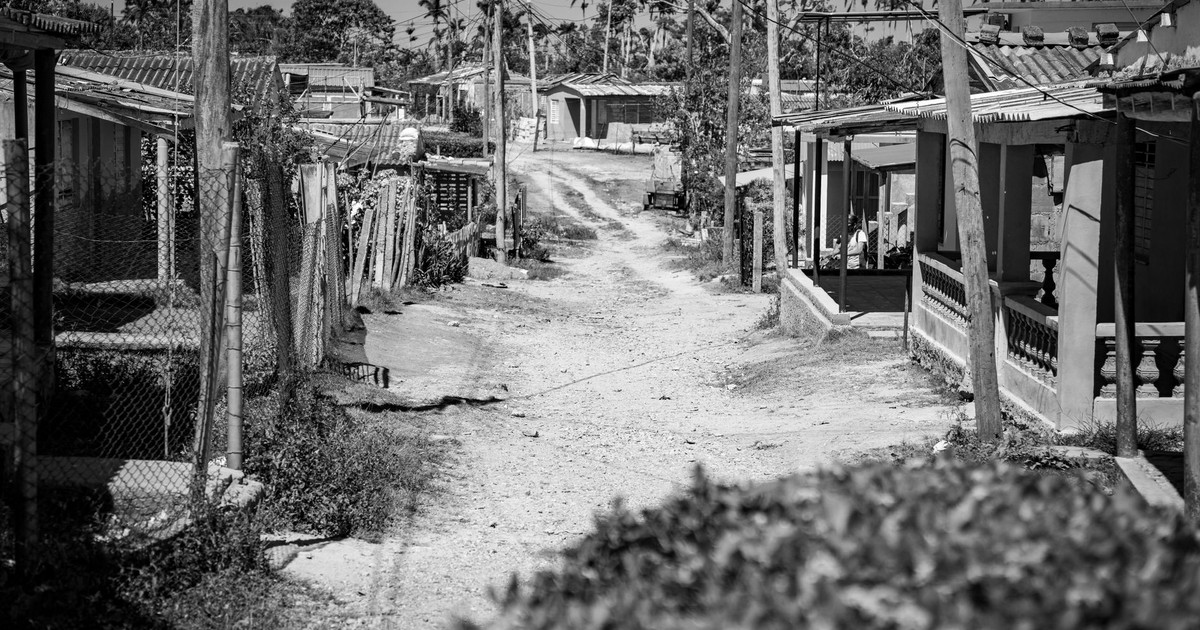
Cuba’s last Russian oil delivery ran out at the end of April. By mid-May, the island’s energy minister was on state television confirming what most Cubans already knew from living in the dark: Cuba had run out of fuel oil and diesel entirely. “The sum of the different types of fuel: crude oil, fuel oil, of which we have absolutely none; diesel, of which we have absolutely none,” Minister Vicente de la O Levy said on state media. That same week, Cuba’s electric grid suffered a total collapse as the nation struggled with crumbling infrastructure and a de facto U.S. oil blockade that had pushed the communist-run island to the brink.
Cuba has been through blackouts before. Many of them. But the crisis that unfolded over the first half of 2026 was different in scale, in cause, and in the response it triggered. Against that darkness and those dwindling reserves, the grandson of Raúl Castro has broken cover and said publicly what had until recently only been rumored in back channels: he wants to talk to Donald Trump.
How the Cuba Power Grid Collapse Happened
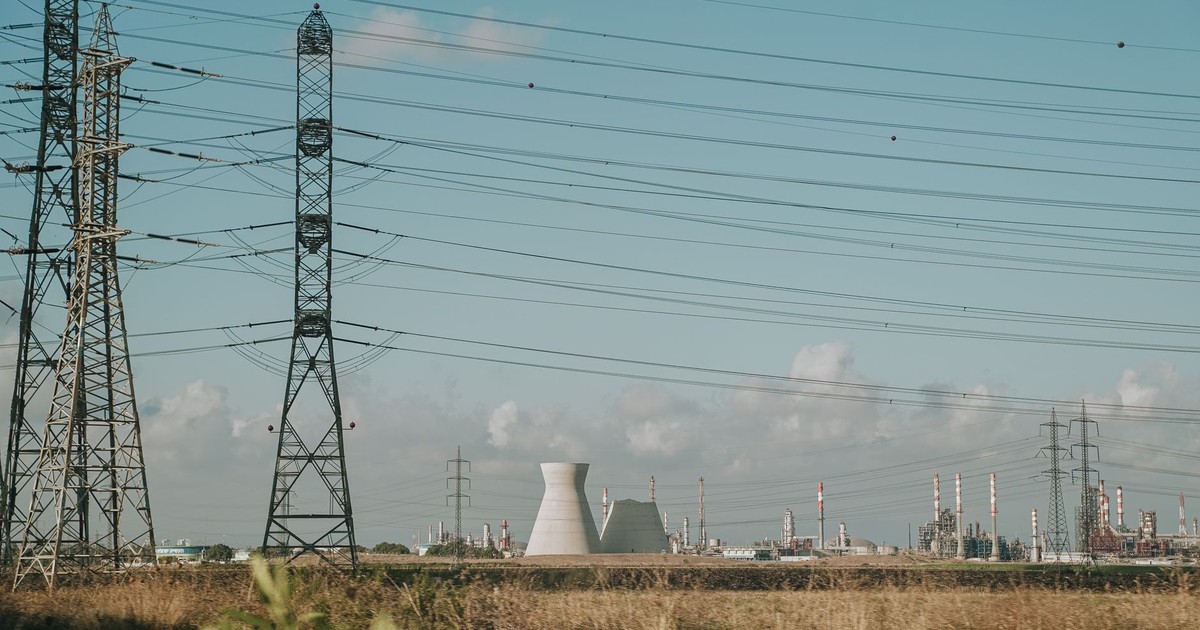
Cuba had been facing increasingly regular blackouts for the past five years. The country’s oil-run electric power plants are more than 40 years old and have undergone very little capital maintenance, according to Jorge R. Piñon, a senior research collaborator at the University of Texas at Austin’s Energy Institute. The grid was already fragile long before this year. What happened in 2026 pushed it past any threshold of recovery.
The current energy crisis escalated on January 3, when the U.S. captured Venezuelan President Nicolás Maduro and forced the Venezuelan government to stop sending oil to Cuba. Before the U.S. government took control of Venezuela’s oil industry at the start of this year, Venezuela had been providing as much as 50% of Cuba’s oil, around 35,000 barrels per day. The subsequent cut-off, stacked on top of structural dependency that Cuba had built over two decades, left the island with almost nothing.
On January 29, 2026, President Trump signed Executive Order 14380, which took effect January 30, declaring a national emergency and authorizing the imposition of additional tariffs on imports into the United States from countries that directly or indirectly supply oil to Cuba. The order made any third-country oil sale to Cuba a potential trigger for U.S. tariff penalties against the selling country. Major blackouts followed as oil supplies to Cuba collapsed, and foreign airlines suspended flights to the island.
The first quarter of 2026 was devastating. The grid collapsed completely twice in March alone, on March 5 and again on March 16, the latter triggered by a boiler leak at the Antonio Guiteras plant in Matanzas. That blackout lasted 29 hours and 29 minutes. Oil imports dropped to effectively zero in January 2026 for the first time since 2015. Only two small oil-carrying vessels reached the island in the entire first quarter.
What Life Looks Like Now
Cuba’s economy ground to a halt. Grocery store shelves emptied. Hospitals could barely function. The lack of diesel stalled the agricultural sector, marine vessels, and trucks. Family members of Harvard scholar Alejandro de la Fuente who remained on the island had access to maybe two hours of electricity within a 36-hour period.
Power outages in Havana, where authorities had been rationing electricity, stretched to 24 consecutive hours. Associated Press journalists saw residents in numerous neighborhoods banging pots and pans and setting fire to trash cans to protest the blackouts. Demonstrations broke out across the city.
The human cost drew an urgent response from the United Nations. Volker Türk, the UN High Commissioner for Human Rights, warned in June 2026 that the outages were having dire consequences for everyday Cubans. “The fuel restrictions imposed since early 2026 and recent tightening of extraterritorial sanctions, taken together, are directly harming Cubans, especially the most vulnerable,” Türk said. “Children are dying because doctors lack access to essential medical supplies and medicines.”
The OHCHR cited alarming public health figures: Cuba’s infant mortality rate had risen sharply to 9.9 per 1,000 births, childhood cancer survival rates had fallen from 85% to 65%, food production had dropped by 60%, and medicine supplies were down to only 30% of normal levels. Daily blackouts were regularly exceeding 20 hours by mid-May. Additional sanctions imposed in May, some with extraterritorial reach targeting traders, insurers, shipping companies, and financial institutions, had compounded the crisis, undermining access to water, food, and basic healthcare.
Tourism, one of the last functioning hard-currency earners, drew just 360,000 visitors in the first five months of 2026, down 58% from a year earlier, according to Cuban government data. The neighboring Dominican Republic attracted more than six times as many visitors over the same period.
The Blockade, the Leverage, and What Washington Wants
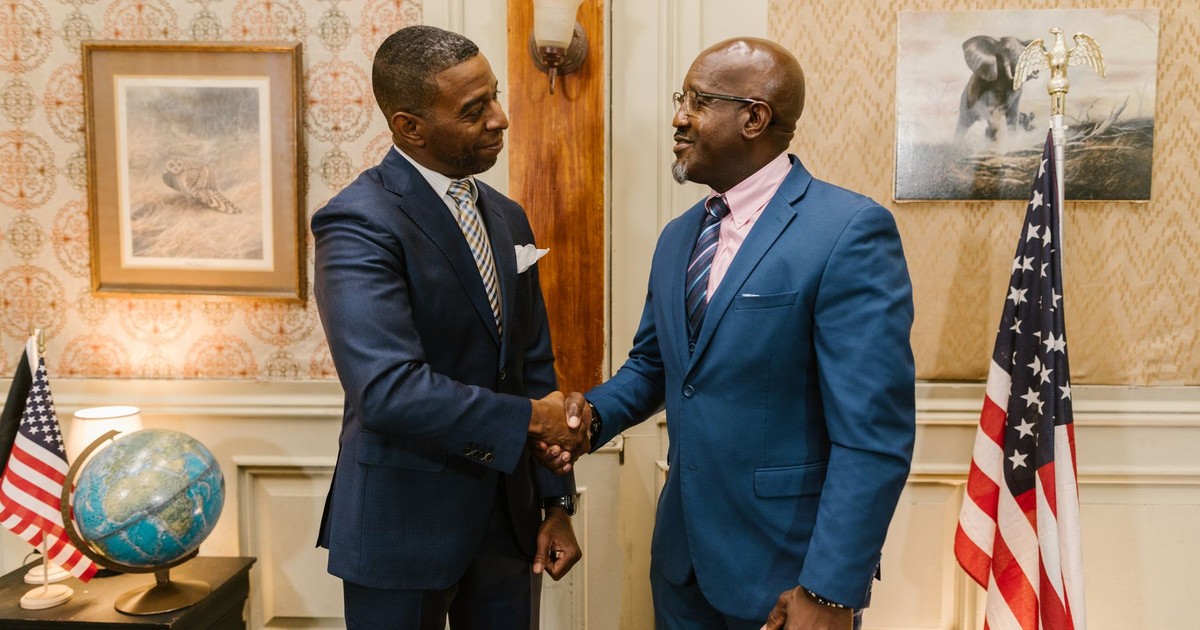
Executive Order 14380, signed January 29 and in force from January 30, declared a national emergency and authorized tariffs against any country supplying oil to Cuba. Washington confirmed that regime change in Cuba is a stated goal by the end of 2026, asking the government of President Miguel Díaz-Canel to “make a deal before it’s too late.”
Trump has been explicit about the endgame. “I think Cuba is seeing the end,” Trump told reporters in the Oval Office on March 16, adding that he believes he will have the “honor” of “taking” the country. Washington demanded that Cuba release political prisoners and move toward political and economic liberalization in return for a lifting of sanctions.
The pressure campaign had some observable effects on Cuban policy. In May 2026, Cuba released the names of thousands of prisoners granted freedom under a decree issued the previous month, as the government held negotiations with the U.S. on a range of disputes including political prisoners. The April decree granted “full and definitive pardon” to an extensive list of prisoners, describing the move as a “humanitarian and sovereign gesture.”
Washington’s response to the humanitarian emergency was conditional. Cuba blamed the United States for the “particularly tense” situation in its power grid on May 13, 2026, while Washington offered $100 million in aid to the island. The Cuban Embassy in the U.S. confirmed the formal offer but said it “remains unclear whether this aid will be in the form of cash or in-kind assistance, and whether it will be directed toward the people’s most urgent needs at this time, such as fuel, food, and medicine.”
Russia attempted to provide relief. On March 30, a Russian oil tanker carrying 730,000 barrels of crude oil reached the Matanzas port area. Once converted into diesel, the shipment could cover Cuban energy demands for roughly twelve and a half days. A second shipment never arrived. On May 27, a Russian fuel tanker turned around off the coast of Brazil, failing to reach Cuba. The vessel was subject to U.S. sanctions, and speculation emerged that it had been intercepted by American naval authorities.
Enter “El Cangrejo”
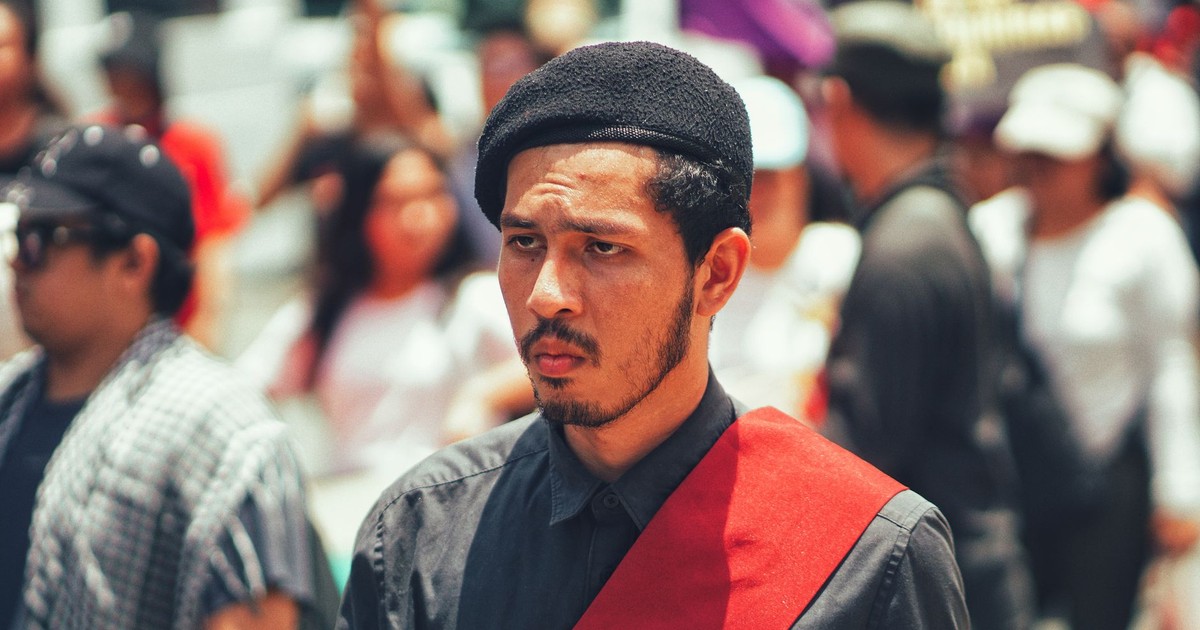
A 42-year-old colonel with no formal government title has become the most surprising diplomatic figure in the Caribbean. Raúl Guillermo Rodríguez Castro, known as “The Crab” (“El Cangrejo”), is the grandson of Raúl Castro. His nickname comes from a physical trait: born with six fingers on his right hand, he underwent three surgeries before the age of eight.
Rodríguez Castro is Raúl Castro’s eldest grandson, son of the late General Luis Alberto Rodríguez López-Calleja, the man who ran GAESA, the opaque company controlled by Cuba’s military that underpins large swaths of the Cuban economy. He grew up in the same building as his grandparents and moved in with them when he turned 18, spending his formative years surrounded by senior regime officials, generals, intelligence officers, and his grandfather.
Raúl Castro made sure that from the time his grandson was a teenager, he sat in on every important meeting on Cuban state affairs, including heated discussions between Fidel and Raúl. That access gave him a second nickname: Raulito, “Little Raúl.” Frank Mora, professor of politics and international relations at Florida International University, put it simply: “He’s el nieto preferido”, the favorite grandson.
Although Rodríguez Castro holds no official government position, he is a colonel in the Ministry of the Interior and serves as the primary informal liaison between the Cuban regime’s leadership and Washington. His emergence into public view began with the January U.S. military operation in Venezuela. Rodríguez Castro spoke with Secretary of State Marco Rubio for the first time in January, shortly after U.S. forces captured Venezuelan President Nicolás Maduro in Caracas. Thirty-two Cuban soldiers working security for Maduro were killed in the raid. Rodríguez Castro said he knew many of them and was shaken by their deaths.
He met Rubio in St. Kitts a month later, followed by a discussion in April at Havana’s Convention Center with Jeremy Lewin, a State Department official who had been in charge of all U.S. foreign assistance. Rodríguez Castro was also in the room when CIA Director John Ratcliffe visited Havana in May.
A Deal, or a Lifeline?
On July 6, 2026, Reuters reported that Raúl Guillermo Rodríguez Castro had publicly stated his openness to negotiating with President Trump, in an interview published by USA Today. “I can negotiate with anyone designated by the U.S.,” Rodríguez Castro said. “If given the opportunity, (of course with) Trump.” He also said that Cuba was willing, under the right conditions, to release “people deemed political prisoners.”
These discussions with USA Today took place in his grandfather’s former office at the Convention Center, the location of Cuba’s parliament. That setting was not accidental: this was not an unofficial overture from a well-connected family member. At minimum, it was a sanctioned signal from the heart of the Castro family structure.
Not everyone has taken it at face value. The news that Rodríguez Castro had been conducting private negotiations with the Trump administration struck many Cuba observers as improbable when it was first reported by Axios in February. A former Cuban official called the reports Trump administration “psy-ops” and doubted that someone with so little diplomatic training would be entrusted with such a consequential mission.
Juan Gonzalez, who served as senior director for the Western Hemisphere at the National Security Council under the Biden administration, raised a different concern: “U.S. policy has organized itself around the removal of the Castros, but it seems now that the Trump administration is basically empowering the Castros by negotiating with Raúl Castro’s grandson.” He added that Rodríguez Castro was never seen as a major player inside the Cuban Communist Party. “Anything that he is going to negotiate is going to include the regime’s survival.”
Washington’s posture toward the Castro family is contradictory on its face. In early June, the U.S. imposed sanctions on President Díaz-Canel, his wife and stepson, as well as a son and a grandson of Raúl Castro. Then, separately, Trump’s administration indicted Raúl Castro himself in May 2026 over the 1996 shootdown of a Brothers to the Rescue aircraft, a move widely seen as further escalation of pressure. The grandfather is being indicted. The grandson is being negotiated with. That contradiction is not accidental.
What Comes Next
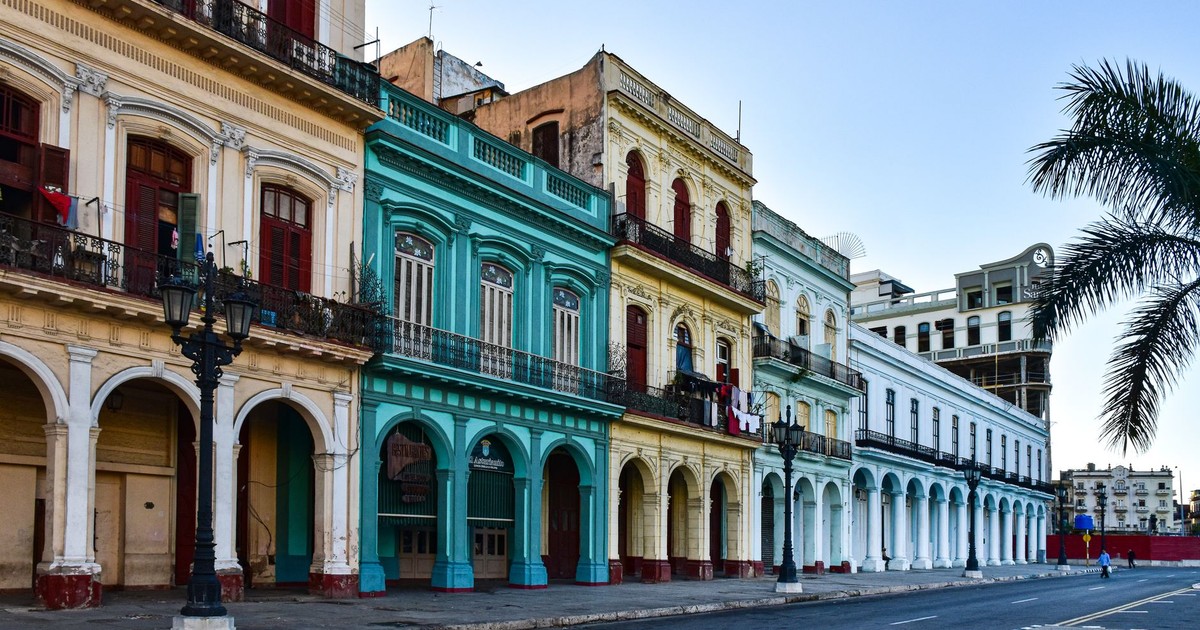
The Cuba power grid collapse is not a technical problem with a technical solution. Cuba produces only 40% of the fuel it needs domestically. The country relies on oil-fired thermal plants built decades ago, many in deteriorated condition. When aging facilities break down, the grid lacks redundancy, and obtaining spare parts is difficult. Maintenance is often delayed because of financial limits, leaving plants more vulnerable to failure.
As of early 2026, 34 solar parks were synchronized with the national grid, contributing approximately 560 megawatts at peak capacity. The original target was 55 parks online by end of 2025, generating 1,200 megawatts collectively. Solar capacity helps during daytime hours but does nothing for nighttime demand. Without battery storage, solar alone cannot prevent cascading grid failures. The math is unforgiving: even hitting the solar targets would have done nothing for the family sitting in Havana at 9pm with no electricity and no refrigeration.
Since 2021, approximately 2.5 million Cubans, roughly 24% of the population, have left the island, mostly young, educated professionals. The people most needed to rebuild the country are the ones most likely to have already left it.
Read More: 15 surprising things you own right now that would be totally worthless in a post-apocalyptic world
The Part Nobody Knows Yet
Washington is reportedly motivated by a desire for regime change by the end of 2026. The man they are negotiating with is the regime’s bloodline. Rodríguez Castro told USA Today: “If at some point the revolution needs me to step up, I will do it.” He said he would never abandon the principles of Cuba’s 1959 revolution or the nation’s sovereignty.
What he is offering, in other words, is negotiation on the regime’s terms. What Washington says it wants is the end of the regime. Those two positions do not find a natural middle ground.
Where This Actually Lands
Six decades of standoff between Washington and Havana have produced a reliable pattern: moments that look like openings often close again before anything substantive changes. What makes 2026 different is the severity of the pressure on the Cuban side. A population enduring 20-plus-hour blackouts, hospitals suspending surgeries, and a 24% emigration of the working-age population over five years is not an abstraction. It is a country in acute distress, and the person now presenting himself as a bridge to Washington is a man whose entire identity is bound up in the survival of the system causing that distress.
The families in the dark, cooking on wood fires, already know the answer to the geopolitical question matters far less than whether the lights come back on tonight. Whether Rodríguez Castro and the Trump administration can broker any kind of deal over an island that has been in some version of this standoff since 1960 remains genuinely open. What is not open is that the cost of continued failure falls entirely on people who had no vote in any of it.
AI Disclaimer: This article was created with the assistance of AI tools and reviewed by a human editor.