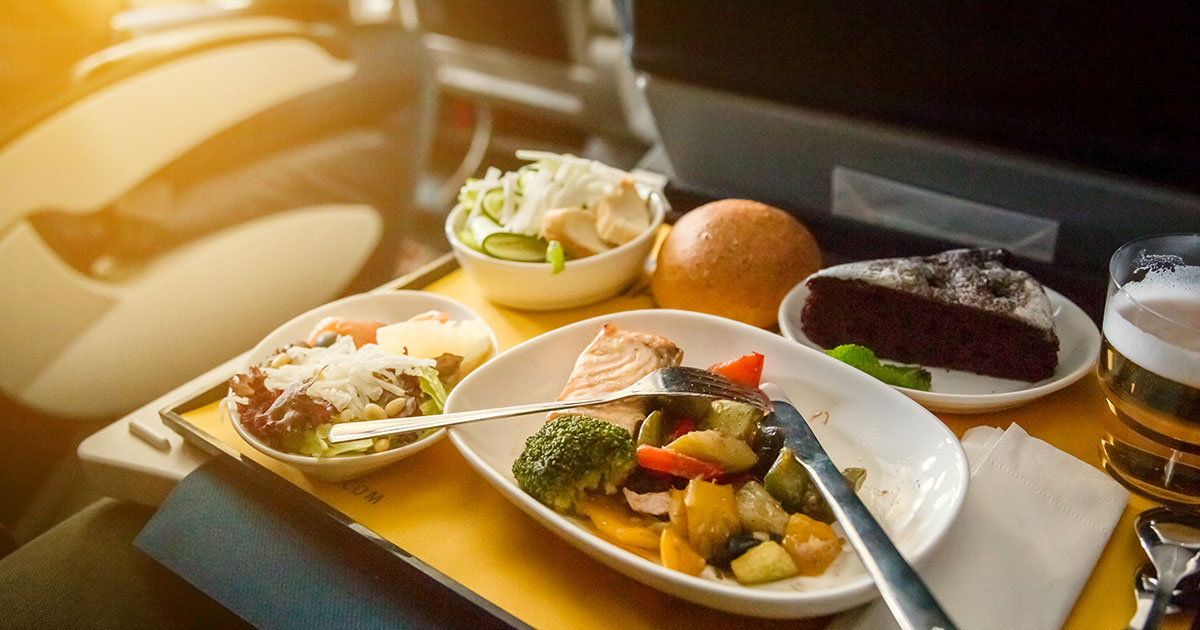

The gap between airline economy products has widened considerably in recent years. Some carriers have treated the coach cabin as a cost center to squeeze, packing in an extra row of seats and calling it a strategy. Others have gone the opposite direction, investing in wider seats, better inflight entertainment screens, actual food, and the detail that separates a good economy seat from a bad one: seat designs that let the passenger in front recline without ruining the experience for the person behind. Qatar Airways, Emirates, Singapore Airlines, JetBlue, Japan Airlines, and ANA are among the carriers that have upgraded long-haul economy cabins with more legroom and wider seating, recognizing that comfort is now a key booking factor alongside price.
The 13 airlines below earn their place not because they have the shiniest marketing but because their specs, service, and passenger experience hold up against scrutiny. Some are obvious names. A couple will surprise you.
1. Japan Airlines
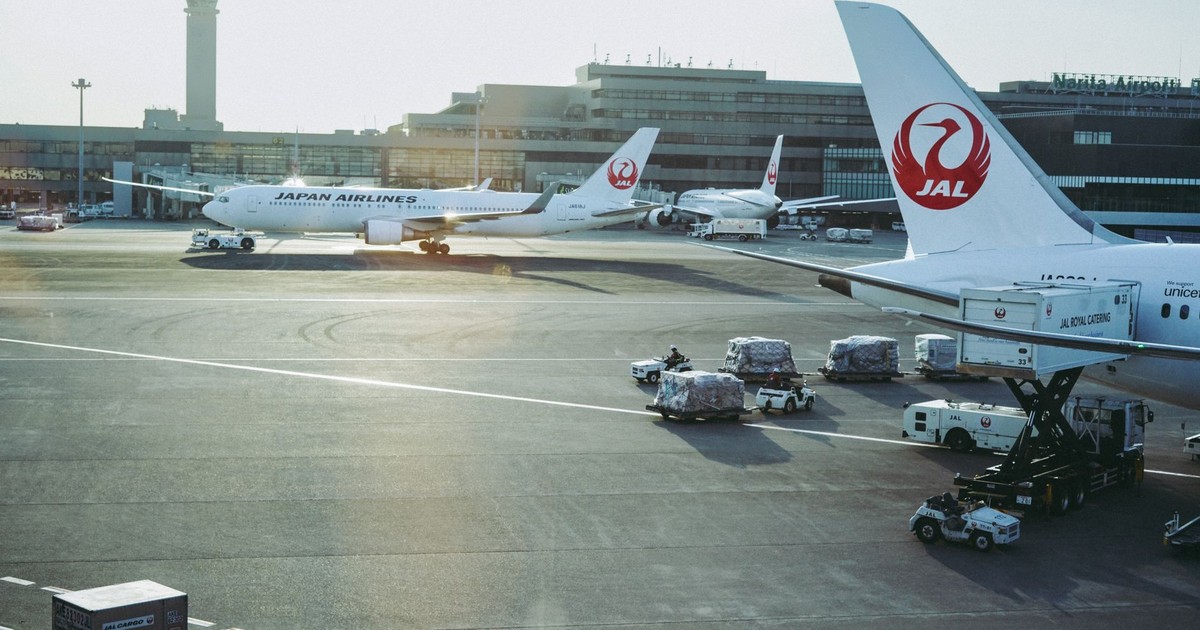
Japan Airlines has claimed a 2025 Skytrax award for Best Economy Class Seat for the sixth consecutive year, and where most airlines sit in the 30 to 32-inch range, JAL’s planes offer a generous 34 inches of pitch. The extra two inches sounds minor until you’re 11 hours in and the person in front wants to recline.
JAL’s Boeing 787-9s, 787-8s, and 777-300ERs feature JAL Sky Wider seats, designed slim specifically to free up legroom. On 777-300ERs, that translates to 34 inches of pitch and 18.5 inches of width. The A350-1000s use slim-profile economy seats with a row pitch of 33.1 to 33.8 inches and a seat width of 18 inches. The seat design is the key story: slimmer seatbacks don’t just look better, they return real space to your legs.
Japan Airlines provides eye masks, earplugs, and a toothbrush set in economy class, a level of amenity that already exceeds most carriers’ complimentary offerings. The service culture is consistent. Readers who’ve flown JAL’s transpacific routes will recognize the attentive, unhurried crew style that’s earned the airline its reputation.
2. Cathay Pacific
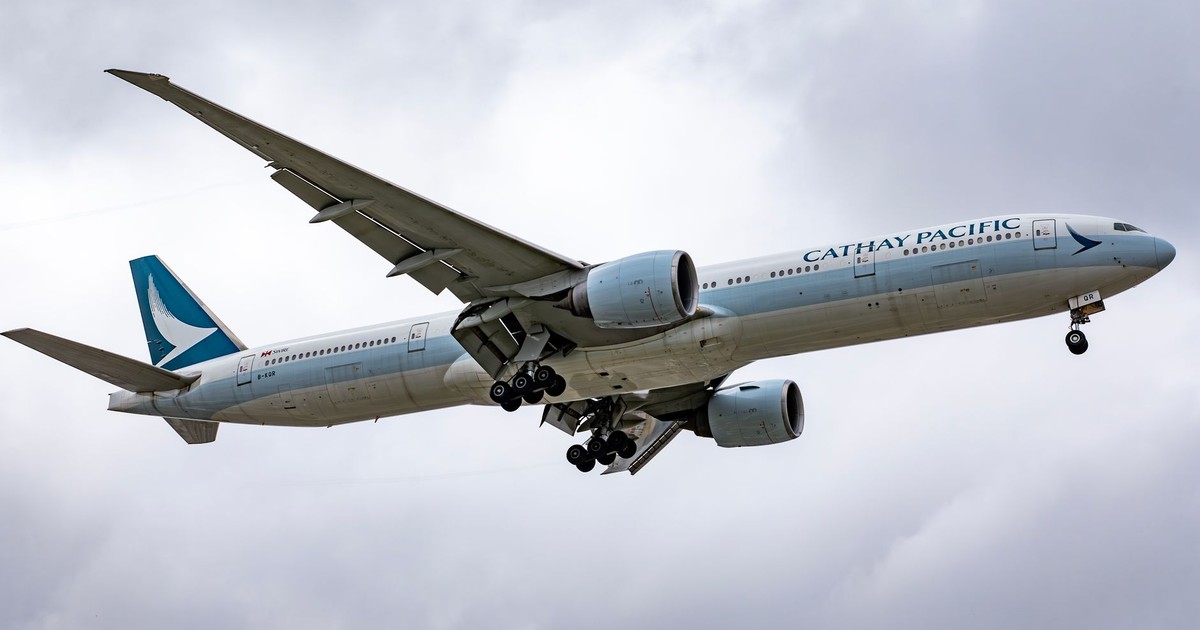
Cathay Pacific was named the world’s best economy class overall in both 2024 and 2025 in the passenger satisfaction survey that covers the full package: seats, catering, service, and experience. The seat specifics depend on which aircraft you’re on.
Boeing 777-300ERs come with slim-profile long-haul economy seats at 31 inches of pitch and 17.2 inches of width. On the Airbus A350-900, economy seats offer 32 inches of pitch and 18 inches of width, while the A350-1000s feature the same dimensions with enhanced overhead storage that includes a dedicated shelf, meaning you can keep your tablet or phone at eye level without holding it the whole flight. Cathay is also in the process of refreshing its cabin, with work described as bringing renewed energy to its 777-300ER economy cabin.
Cathay Pacific offers comprehensive catering included in the airfare on virtually all flights, which remains one of the clearest ways a full-service airline earns its price premium. The airline also added 4K HDR screens to select aircraft in 2025 and has made inflight entertainment and Wi-Fi standard across the fleet from August 2025 onward, with every economy seat equipped with USB-C ports and power outlets.
3. Singapore Airlines
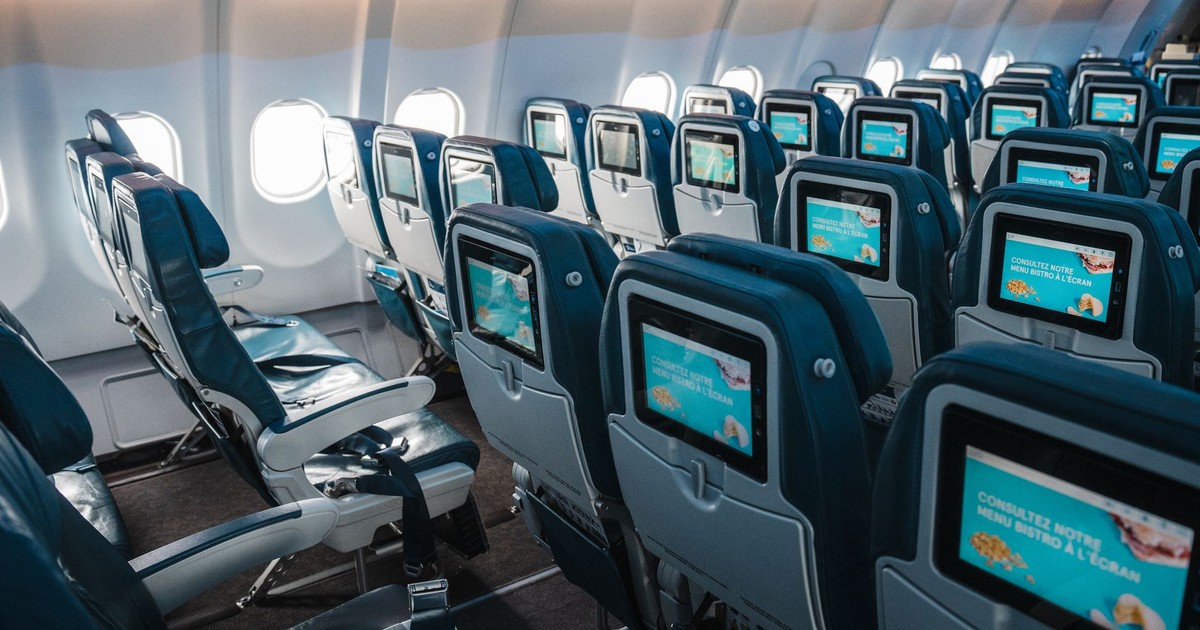
Singapore Airlines is routinely ranked as either the world’s best or second-best airline overall. In economy, the A350-900 fleet is where it shines.
Singapore is the largest operator of the Airbus A350-900 in the world, and on these aircraft, economy seats come with a calf rest and footrest, a 32-inch row pitch, and an 18-inch seat width. On widebodies like the A350 and B777, economy seats deliver 18 to 19 inches of width and 32 inches of pitch, offering more room than many rivals, along with six-way adjustable headrests and 11 to 13-inch HD touchscreens loaded with KrisWorld entertainment.
The meal service is a genuine differentiator. Economy passengers choose between two hot main courses that may include local, western, or regionally inspired dishes, served with appetizers, dessert, and complimentary non-alcoholic and alcoholic drinks. You can also preview your meal options digitally before you board, which sounds like a small thing and isn’t.
4. ANA (All Nippon Airways)
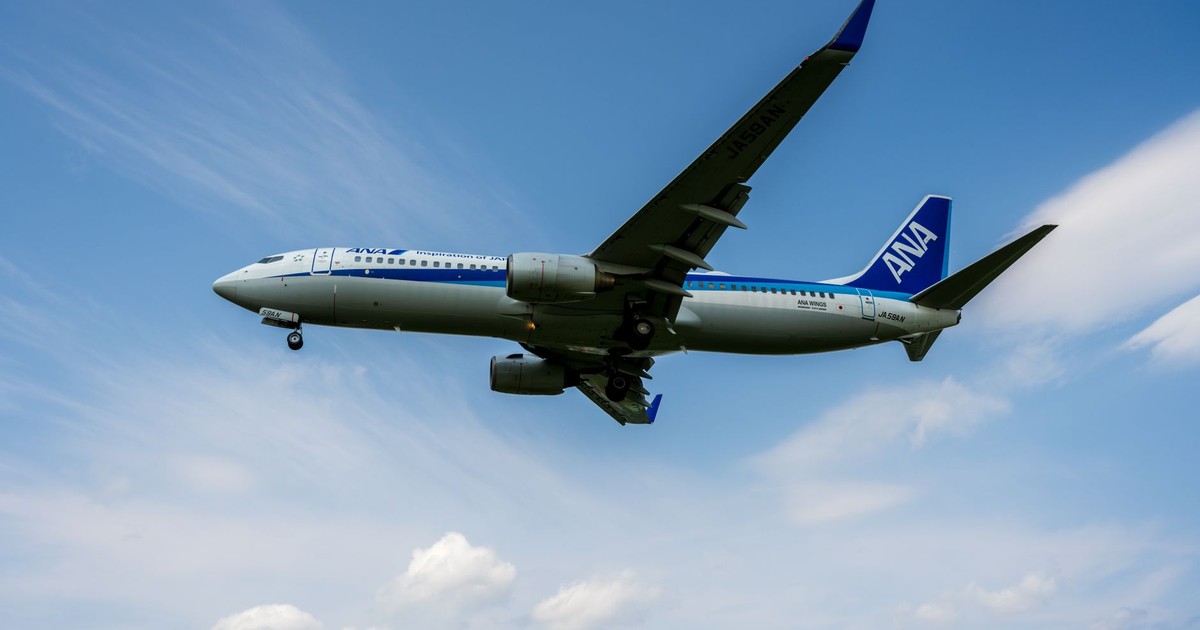
All Nippon Airways has partnered with RECARO Aircraft Seating to introduce new economy and premium economy seats on Boeing 787-9 international aircraft, starting in fiscal 2026, continuing its 12-year run as a 5-Star airline in passenger satisfaction surveys.
ANA’s newly designed R3 economy seats achieve a seat pitch of 34 inches while remaining as comfortable as earlier models. The slim design frees up legroom without sacrificing structural support. A fixed-back shell design means that when you recline, your seat slides forward rather than pushing into the passenger behind you, one of those details that makes a 12-hour flight categorically different from a 12-hour ordeal.
ANA cabin crew are widely praised for their attentiveness and professionalism, and the airline’s onboard dining includes local specialties such as Japanese Arare rice crackers and sushi. The new seats also feature optimized reclining capabilities, large high-performance monitors, ample storage, USB-C charging, and Bluetooth audio connectivity.
5. Qatar Airways
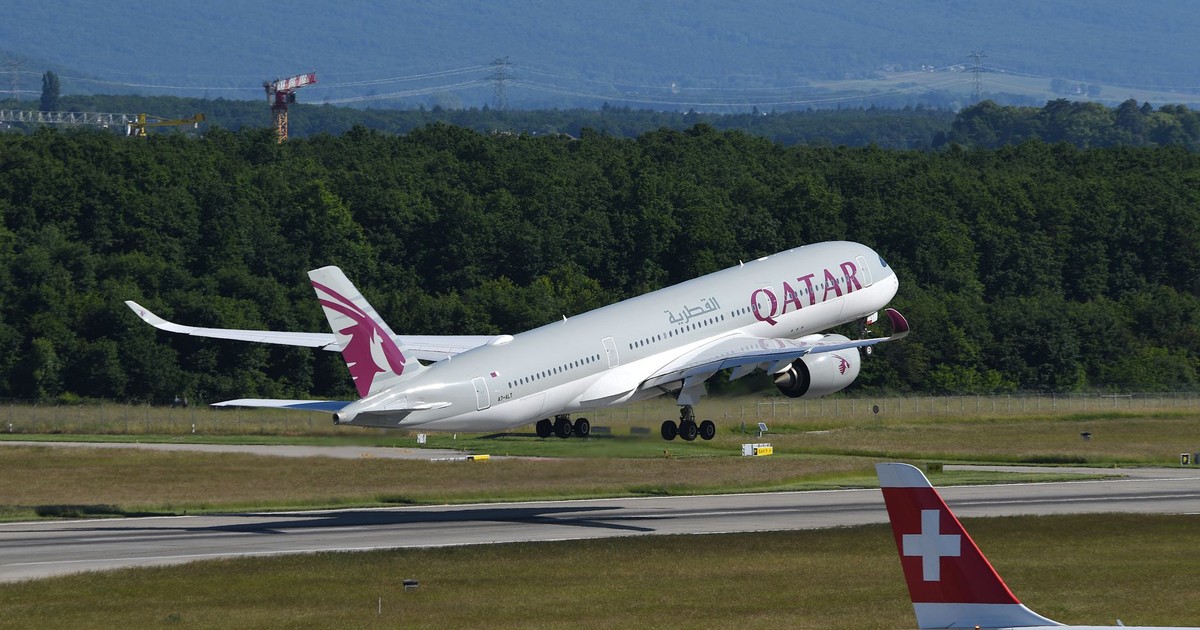
Qatar’s economy cabin divides opinion depending on which aircraft you’re on, but the Oryx One entertainment system and Starlink rollout put it ahead of most in that regard.
Across most of Qatar Airways’ fleet, economy seats offer a pitch of 31 inches and a seat width of 18 inches, placing them on the more spacious end of the spectrum. On Boeing 777s, the pitch increases to 32 inches, while select Boeing 787-9 aircraft offer a more generous 34-inch pitch. Economy class passengers access up to 8,000 entertainment options through Oryx One, and Qatar Airways’ A350, A380, and select 777 and 787 aircraft come with complimentary onboard WiFi, with Starlink available when flying to over 32 destinations. Qatar was among the first in the Middle East to bring Starlink aboard, and the speed difference compared to legacy satellite Wi-Fi is noticeable.
For those who want to understand how comfortable economy airlines stack up on specific routes, checking the aircraft type before booking is the single most useful step you can take.
6. Emirates
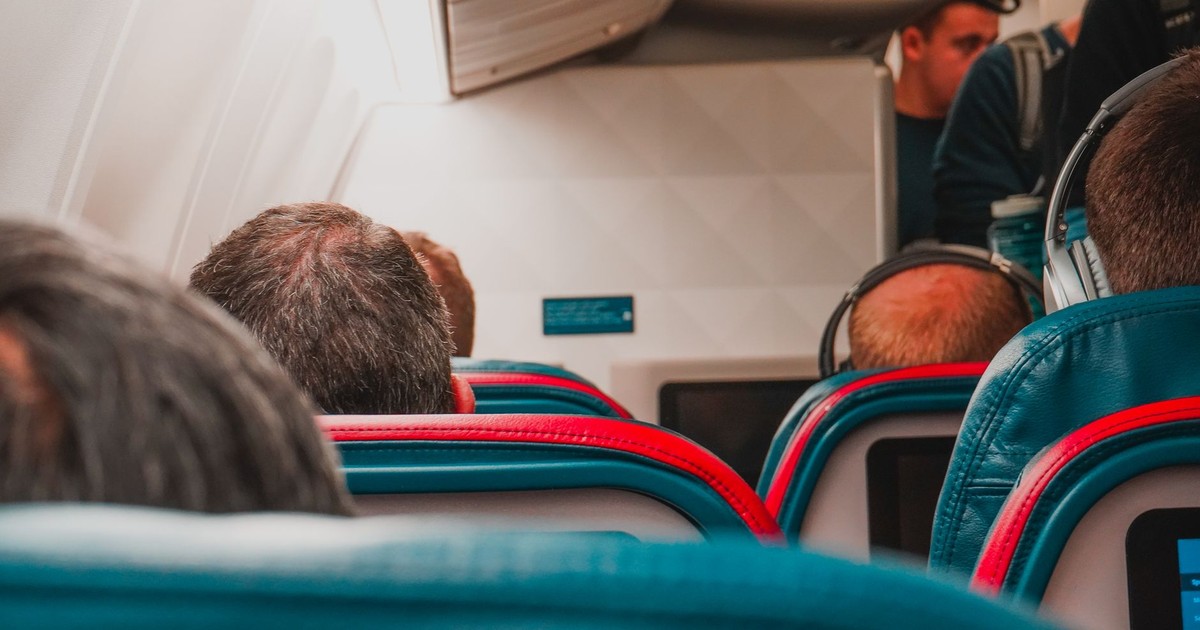
Emirates remains one of the few airlines to invest billions of dollars in retrofitting and improving all of its cabins across the majority of its fleet, ensuring it can continue delivering elevated passenger experiences even as delivery delays of the Boeing 777X have pushed back next-generation aircraft timelines.
On its fleet of A380s, Emirates’ economy seats are arranged 3-4-3, with a row pitch of 32 inches, a seat width of 17.9 inches, and a seat recline of four inches. Economy passengers have 13-inch screens, adjustable headrests, power outlets, and cup holders. The A380’s upper deck economy section tends to be noticeably less crowded than the main deck, and the airline is continuing to expand its premium economy cabin to additional cities including Barcelona, Rome, and Mexico City through 2026.
Emirates offers comprehensive catering included in the airfare on virtually all flights. The meal quality in economy consistently outperforms what most other airlines serve in the same cabin.
7. Korean Air
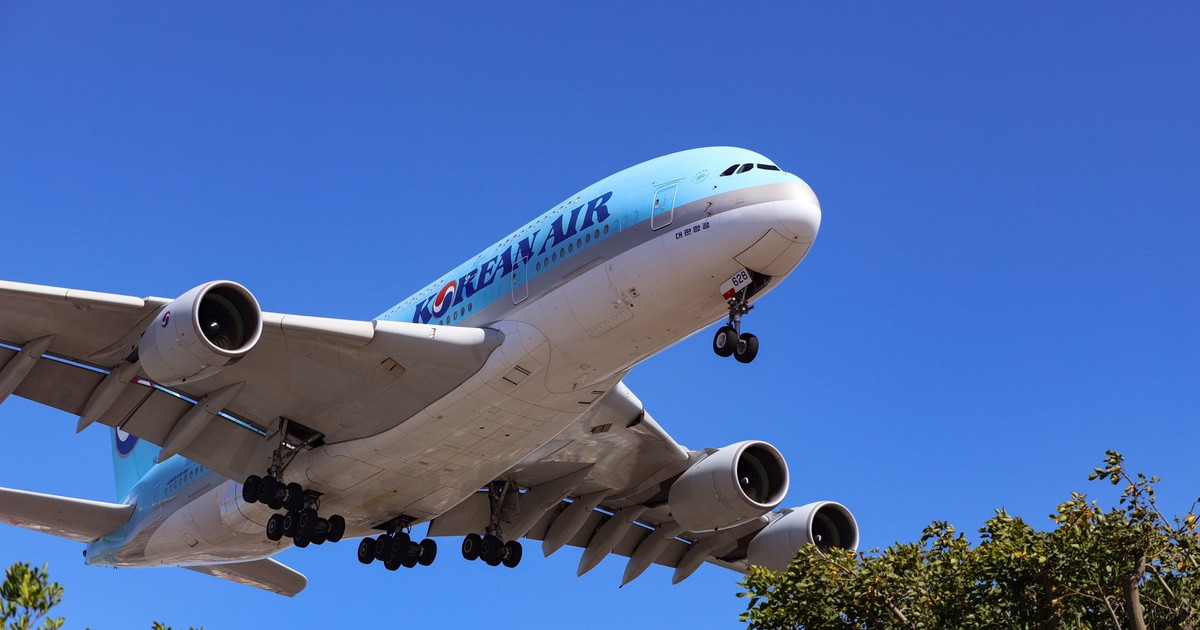
Korean Air ranks among the top three globally for best economy class seats, and one of its most distinctive features is the seat recline.
On its Airbus A380 fleet, Korean Air economy seats offer a seat pitch of 33 inches, a seat width of 18.1 inches, and a seat recline of up to 118 degrees, that last figure being genuinely unusual for a standard economy seat. Boeing 787-9s are fitted with economy seats at up to 33 inches of pitch, 17.2 inches of width, the same 118-degree recline, and a 10.6-inch touchscreen.
Korean Air has also acquired its former rival Asiana Airlines and is in the process of absorbing its aircraft, which will eventually expand its combined route network significantly. For passengers on long-haul routes, the 118-degree recline in a standard economy seat is a practical difference that most carriers at this pitch level simply don’t offer.
8. EVA Air
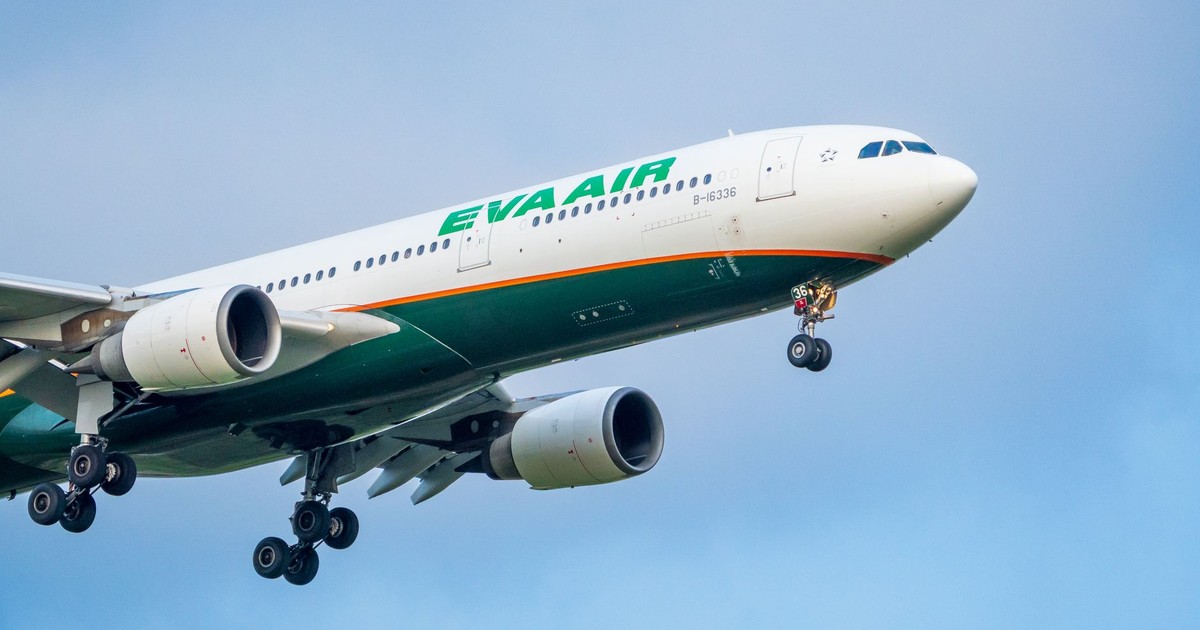
EVA Air is one of the world’s best airlines, competing directly with China Airlines and Starlux, and it holds a notable place in aviation history as the first airline in the world to introduce premium economy.
EVA Air appears in the top ten best economy class airline seats globally, alongside carriers including Emirates, STARLUX, China Airlines, and Malaysia Airlines. EVA Air is widely credited with having launched the world’s first true premium economy class in 1992, originally called Evergreen Deluxe, and unveiled its fourth-generation premium economy seats in early 2025.
The economy cabin itself benefits from EVA’s broader culture of cabin quality. On aircraft like the Airbus A330-300, economy seats feature shape-memory cushions and ergonomic designs, with the seat base sliding forward when reclined to create a more natural position. The airline’s soft product, amenities and catering, is consistently described as industry-leading, and the same attention to cabin materials and crew service that makes the premium cabin stand out carries through to economy on long-haul routes.
9. Air New Zealand

Air New Zealand took first place for its economy product at the 2026 AirlineRatings cabin awards, driven by its industry-leading Skycouch.
Available on Boeing 777 and 787 Dreamliner aircraft, the Skycouch converts a row of seats into a flat surface measuring 1.55 meters in length, and comes with a complimentary mattress topper and pillow. This product exists nowhere else in commercial aviation at this price point. Booking a Skycouch row for two passengers traveling together changes the long-haul experience entirely.
Even for passengers not using the Skycouch, the standard economy offering includes meals, blankets, pillows, inflight entertainment, a 31 to 32-inch seat pitch, and cabin crew service that consistently earns the airline recognition in this category. Air New Zealand is also increasing premium economy capacity on its retrofitted Boeing 787 Dreamliners from late 2025 into 2026.
10. JetBlue
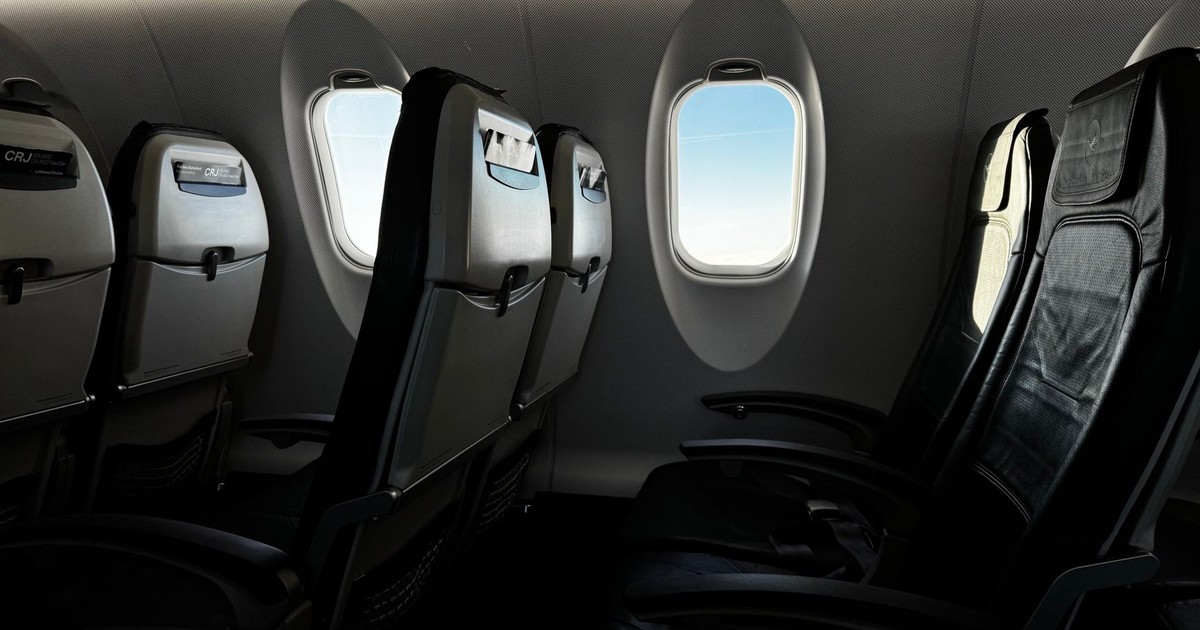
JetBlue emerged as the only predominantly narrow-body airline to feature prominently in the global economy comfort rankings, demonstrating that aircraft size alone does not determine passenger comfort.
JetBlue’s all-economy configured Airbus A321, with 200 seats, offers 34 inches of seat pitch and a standard 18-inch width, with exit row passengers able to enjoy pitches of up to 37 inches depending on aircraft type. Compared to United and Delta, which offer 30 to 31 inches on standard A320 family economy seats, JetBlue consistently comes out ahead.
JetBlue has invested heavily in customer experience by maintaining competitive seat pitch while offering complimentary high-speed Wi-Fi, live television, and power outlets across much of its network. Even More Space seat passengers also enjoy dedicated overhead bins and complimentary in-flight alcoholic drinks, including beer, wine, and liquor. For a domestic and transatlantic carrier with no widebody aircraft, that’s a meaningful package.
11. Turkish Airlines
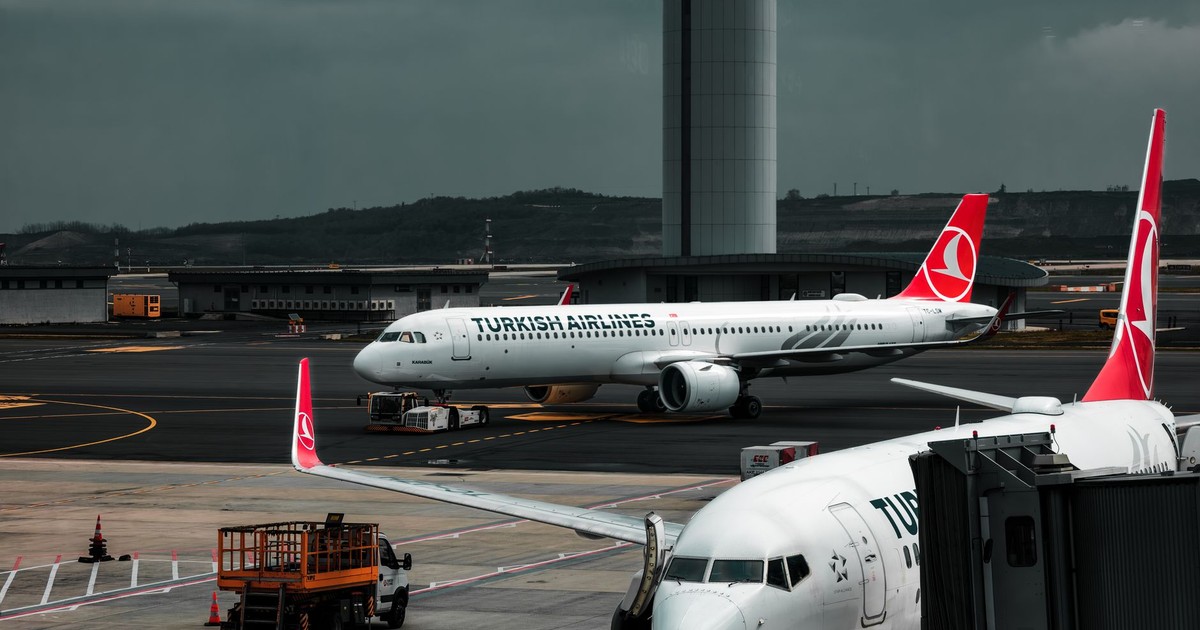
Turkish Airlines is among the carriers consistently recognized for offering economy cabins that closely match the top-ranked airlines in terms of seating dimensions on long-haul routes.
Turkish flies one of the largest networks of any carrier in the world, connecting more countries than any other airline, which makes its economy product relevant to an unusually broad range of itineraries. Long-haul economy passengers receive a full hot meal service that regularly surprises first-time flyers, and Turkish Airlines provides free amenity kits in economy class on long-haul flights, a detail that has essentially disappeared from most other carriers’ economy products.
Turkish Airlines is also relaunching its premium economy cabin after a 12-year hiatus on long-haul flights in 2026, signaling continued investment in the passenger experience across all cabin classes. The economy cabin on its 777 and A330 long-haul fleet benefits from a 3-3-3 configuration that avoids the punishing 3-4-3 squeeze common on other 777 operators.
12. Qantas
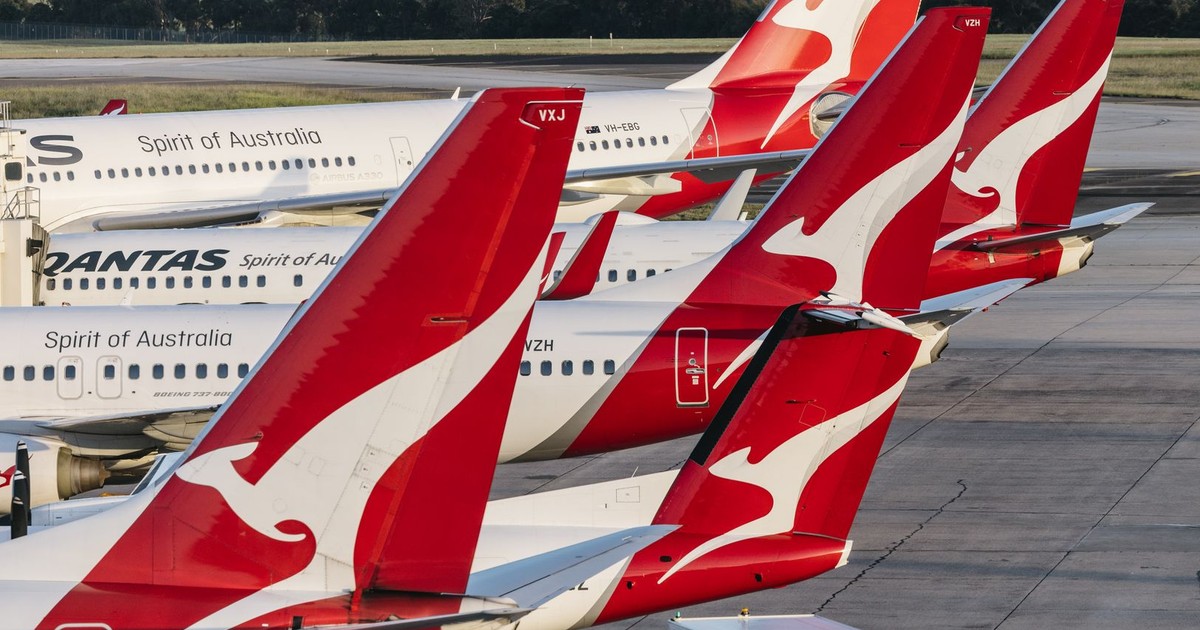
Qantas leads in domestic airline service, delivering a consistently high-quality experience across one of the world’s most extensive domestic networks, with economy passengers receiving a meal or snack and a full array of beverages, including alcoholic drinks, on flights after a certain time of day.
On international routes, Qantas offers an economy seat pitch of 32 inches, similar to that of Cathay Pacific and Singapore Airlines. The airline’s reputation for service reliability, combined with its strong loyalty program, keeps it near the top for Australians and travelers on Pacific routes.
Qantas also offers Neighbour Free seating on selected flights, giving passengers the option to reserve an empty seat next to them for a fee, not guaranteed, but a genuinely useful option for solo travelers on long overnight sectors. With new Airbus A350-1000 aircraft incoming for Project Sunrise ultra-long-haul flights, the economy cabin is also set to be refreshed in coming years.
13. Delta Air Lines
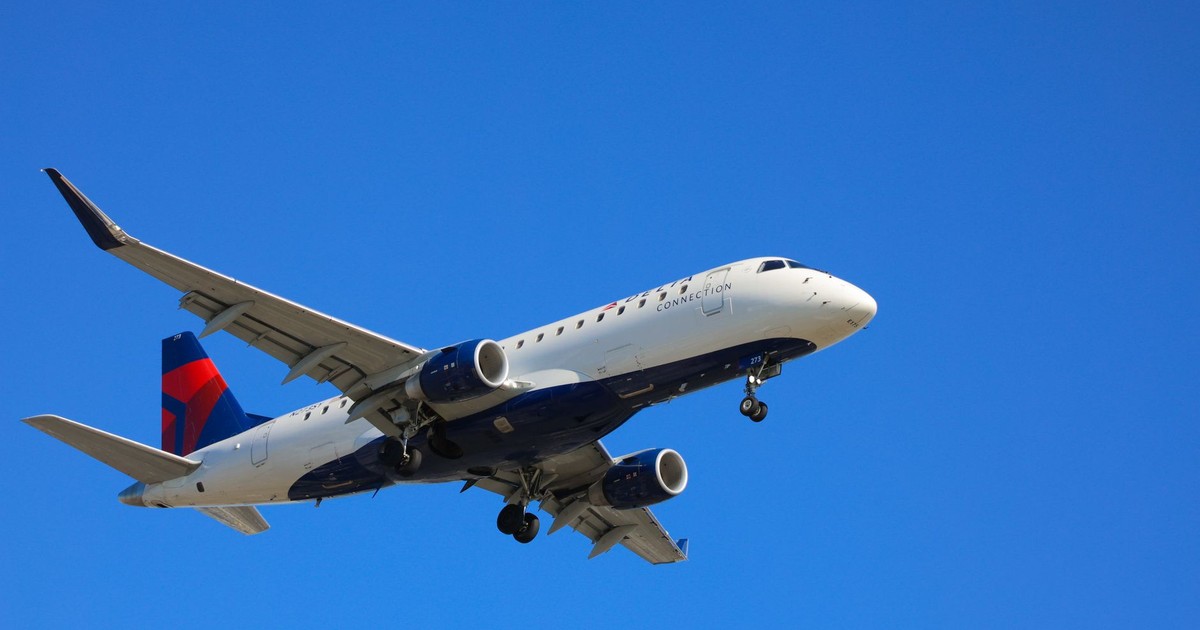
Delta Air Lines is regularly ranked as the top US-based airline, sitting 21st in the world in the 2025 passenger satisfaction rankings, a considerably higher placement than its US peers United and American.
In the same rankings of best economy class airlines, Delta ranked 13th in the world, placing it above Etihad and British Airways in that specific category. Delta Comfort+ seats, its economy-plus tier, offer 34 inches of pitch and three additional inches of recline versus standard economy, along with dedicated overhead bin space and early boarding. For US-based travelers, it’s the most consistent full-service domestic and international economy product available from an American carrier.
Delta’s transatlantic and transpacific routes use widebody aircraft with seat-back screens standard across the entire economy cabin, complimentary meals on international flights, and Wi-Fi across the fleet, basics that still aren’t universal among US carriers. The airline is also switching to a consolidated widebody fleet of A330neos and A350s, which will bring further improvements to its economy product over the next few years.
What to Take From All of This
The seat pitch number matters, but it’s not everything. A 34-inch pitch on a poorly designed seat can feel worse than 32 inches on one that’s been engineered properly. The recline design, the seat width at shoulder level, the headrest adjustability, whether the IFE screen actually works: these are what you feel over nine hours, not the spec sheet.
The clearest split in 2026 is between airlines doing their utmost to maximize seating capacity versus those placing an emphasis on passenger comfort. Asian carriers, particularly the Japanese airlines, have held the line on generous pitch while using slim-seat engineering to keep it financially viable. Gulf carriers have invested in amenity quality and entertainment technology. The outlier is JetBlue, which proves the principle: comfort is a design choice, not just an aircraft-size question.
If you’re booking a flight over eight hours, check the specific aircraft before confirming. Seating specifications often vary depending on aircraft type, route, and cabin configuration. Two flights on the same airline can deliver very different economy experiences depending on whether you land on a 777 configured 9-abreast or 10-abreast, or an A350 instead of an older 787. Knowing which aircraft is assigned to your route takes about 90 seconds on SeatGuru or the airline’s own seat map, and it’s worth every one of them.
Read More: Why Flight Attendants Look At Your Shoes And 19 Other Flying Secrets
AI Disclaimer: This article was created with the assistance of AI tools and reviewed by a human editor.