

Lyme disease cases started showing up in January a few years ago. Not in unusual numbers, not in a new country. Just in January, in places where Lyme had always been a warm-weather problem. Infectious disease physicians began flagging it in clinical notes, then in conference presentations. Ticks were active in winter. The season everyone assumed existed wasn’t holding anymore.
The climate change disease spread conversation used to be framed as a future problem, something the next generation of public health officials would have to manage. The data now says otherwise. The shift is already documented, in real surveillance numbers from 2024 and 2025, and it is touching places, seasons, and populations that had little reason to prepare for it.
Mosquitoes, ticks, and the pathogens they carry are not randomly distributed across the planet. They exist within thermal envelopes, specific bands of temperature and humidity inside which they can survive, reproduce, and transmit disease. When those envelopes shift, everything inside them shifts too.
The Shrinking of Winter

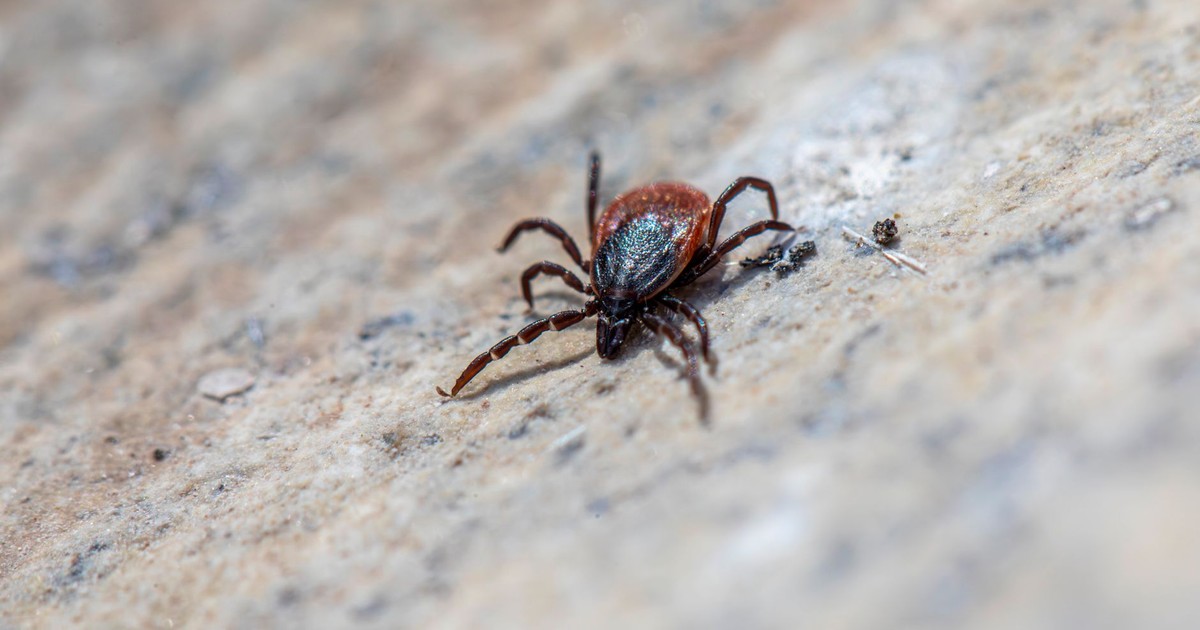
Ticks are most active when temperatures stay above 45°F (7°C) and when humidity is sufficiently high. Warmer winters mean ticks emerge earlier in spring and remain active later into autumn, dramatically extending the window of human exposure. That window used to close reliably in late autumn across most of the northern United States. It no longer does so with the same consistency.
Researchers from UC Davis and Massachusetts General Hospital described seeing tick-borne disease cases in January and February, in patients who had no travel history to explain the exposure. Diseases caused by ticks, like babesiosis and Lyme disease, are now occurring in the winter too. The tick season is starting earlier, with more active ticks across a wider range, driving the number of tick bites, and tick-borne illnesses, steadily upward.
The CDC reports that climate changes are leading to shifts and expansions in vector geographic ranges, exposing new human populations to diseases they had no prior reason to prepare for. Between 1998 and 2016, the range of the blacklegged tick, Ixodes scapularis, the primary vector for Lyme disease, increased from covering roughly 30% to about 45% of U.S. counties, more than doubling in less than two decades. Reported cases of vector-borne diseases in the United States have doubled over the last two decades, with tick-borne diseases accounting for more than 60% of all cases.
Dengue Arrives in the Temperate World
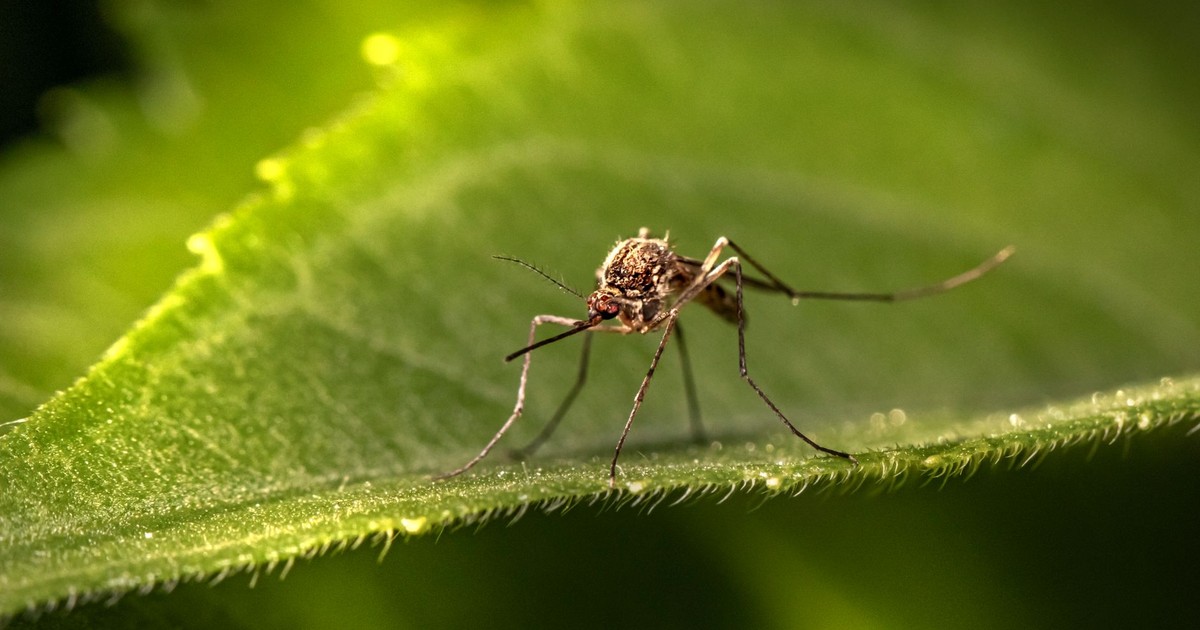
Dengue fever has historically been a disease of the tropics, tied to specific rainfall conditions and the thermal requirements of the Aedes aegypti mosquito. Those requirements are no longer limiting it the way they once did.
Rising temperatures promote the growth and reproduction of Aedes mosquitoes, the primary vectors responsible for spreading dengue. Research has found that monthly increases of just 1°C in temperature increase the population risk of dengue by nearly double. A degree and a half of average warming doesn’t deliver a degree and a half more risk. It delivers multiples.
In 2024, more than 14 million dengue cases were recorded worldwide, double the 7 million reported just a year earlier. If temperatures keep rising, dengue is expected to be transmitted year-round in the southern United States, parts of China, and the Arabian Peninsula.
Between June 2025 and April 2026, Aedes albopictus, a mosquito that can transmit dengue and chikungunya, spread to new regions in several European countries, including Portugal, France, and Greece. Chikungunya is a viral disease that causes severe joint pain, fever, and fatigue, conditions that can persist for months after infection. According to a 2025 Nature report on mosquito range expansion in Europe, disease-carrying mosquitoes have spread to previously unaffected regions across Europe, Asia, the Americas, and Australia. For populations in southern Europe, the risk of these diseases was effectively zero a generation ago. By 2025, it wasn’t.
Studies predict that mosquito spread will put billions more people at risk of mosquito-borne diseases in the coming decades, and for southern Europe, parts of that forecast have already arrived.
Why the Vectors Are Winning
Mosquitoes are cold-blooded, which means their biology is entirely governed by external temperature. Warmer temperatures accelerate their reproduction rates, extend their active seasons, and allow them to survive in previously inhospitable regions. A warmer baseline temperature doesn’t just nudge mosquito populations slightly northward. It can restructure where a disease takes hold entirely.
A 2025 analysis of 29 Aedes mosquito species detected expanded ranges in most species, with a substantial increase in habitat suitability across more than 70% of the global terrestrial area, particularly in Europe, North America, and Africa. That’s not a fringe finding. It’s a consistent signal across dozens of species and modeling approaches, all converging on the same conclusion.
Diseases carried by insects, including malaria, dengue, and Lyme, are spreading into places where they previously did not exist. As temperatures rise and floods occur more frequently, cholera and salmonellosis cases also increase. The insect-borne diseases attract most of the attention, but waterborne pathogens are tracking the same shift. When flood events become more common and more severe, the infrastructure that keeps drinking water clean gets tested in ways it wasn’t designed for.
Rainfall itself has become a driver. Changing rain patterns are expanding vectors’ ranges and their active periods. Heavy rainfall creates new standing water, ideal breeding habitat for mosquitoes. Drought, counterintuitively, concentrates both birds and mosquitoes around remaining water sources, increasing the efficiency of West Nile virus transmission in particular. Climate change doesn’t deliver a single, uniform pressure on disease ecology. It delivers more volatility, and volatility is what vectors are best adapted to exploit.
Malaria’s Changing Geography
Malaria is worth treating separately, because its climate story is more complicated than dengue’s. The mosquitoes that transmit it are expanding northward, a climate-induced change. That expansion is real, but the relationship between temperature and malaria transmission has a ceiling. Above certain temperatures, Anopheles mosquitoes actually become less efficient at transmitting the parasite. The risk is not uniform with warming.
Altitude zones that were once too cold for malaria-transmitting mosquitoes are increasingly hospitable. Highland regions of East Africa and parts of South America are experiencing malaria in communities that had no prior exposure and therefore no prior immunity. A population encountering a pathogen for the first time, with no built-up immune response, faces a different risk profile than one that has lived alongside that pathogen for generations.
New World Bank data projects that at least 21 million people could die from five climate-driven health risks by 2050: extreme heat, stunting, diarrhea, malaria, and dengue. The last two are a direct consequence of changes in where vectors can live and breed. That projection doesn’t assume catastrophic warming. It assumes continuation of current trends.
The Surveillance Gap

Much public health infrastructure in newly affected regions is built around historical risk maps, not current ones. A county in Ontario that has never had to worry about Lyme disease doesn’t have the same diagnostic reflexes as one in Connecticut where every physician has seen it dozens of times. A physician in Portugal seeing a dengue case in January 2026 may not consider dengue in their differential diagnosis as quickly as one in São Paulo would.
The diseases are spreading faster than the diagnostic awareness that should accompany them. That lag is where people fall through the cracks: cases misdiagnosed, treatments delayed, surveillance data that doesn’t capture what’s actually happening on the ground. A public health system calibrated to 1990s geography is being asked to respond to 2025 biology.
Read More: 12 Sneaky Summer Health Dangers You Might Be Ignoring
What the Maps Are Telling Us
The maps that epidemiologists use to track disease risk are being redrawn. Not speculatively, not in fifty-year projections. In real observation data from 2024 and 2025, from tick surveillance programs in Canada, from dengue case reports in European countries, from mosquito trapping data in parts of the United States where Aedes albopictus is establishing itself in counties where it had no prior footprint.
Dengue has arrived in temperate Europe, Lyme is showing up in February in the upper Midwest, and highland malaria is appearing in communities that had never needed to think about it before. Those aren’t modeled scenarios. They’re current case reports.
Tick checks after time outdoors matter more than they used to, and they matter in months they didn’t used to matter. Anyone who spent years hiking in New England, the upper Midwest, or southern Canada without worrying about ticks in February should probably update that habit. The EPA-approved repellents that work on mosquitoes, those containing DEET, picaridin, or oil of lemon eucalyptus, remain effective. The behavior that protects against these diseases hasn’t changed. The geography and the season in which that behavior is necessary has.
The diseases haven’t fundamentally mutated. What has changed is the address on the envelope.
Disclaimer: This information is not intended to be a substitute for professional medical advice, diagnosis, or treatment and is for information only. Always seek the advice of your physician or another qualified health provider with any questions about your medical condition and/or current medication. Do not disregard professional medical advice or delay seeking advice or treatment because of something you have read here.
AI Disclaimer: This article was created with the assistance of AI tools and reviewed by a human editor.