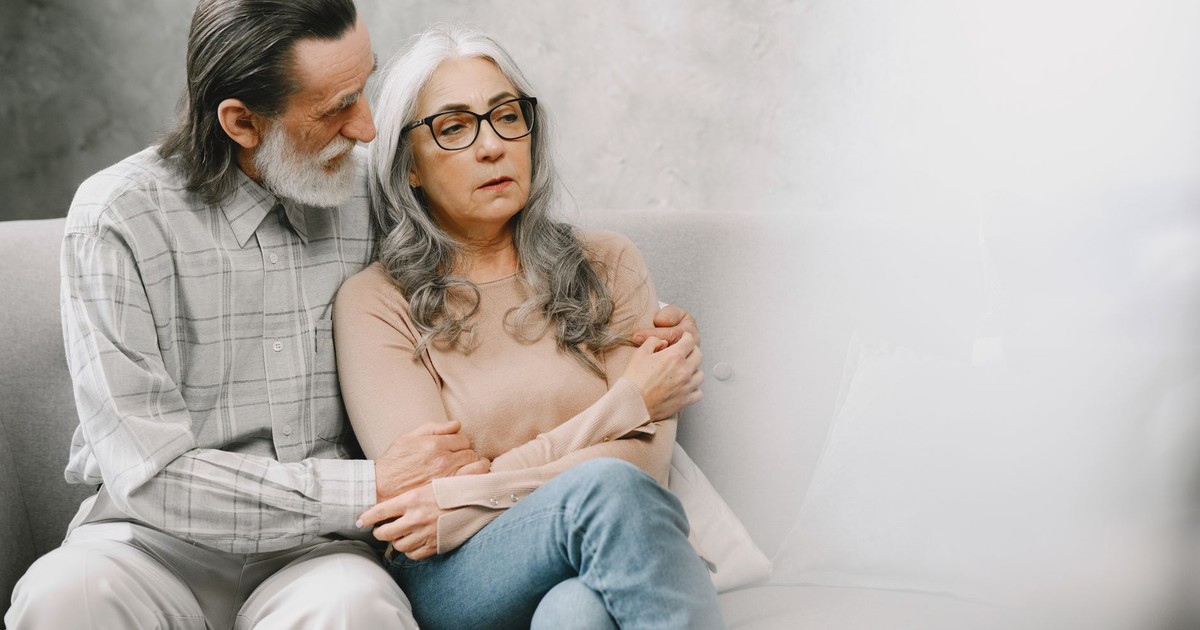

Men who are dating or in long-term relationships after 50 will tell you that the things they find most attractive have shifted considerably from their younger years. Physical appearance still registers, but it’s no longer the dominant factor. What holds attention at this stage of life is harder to fake and slower to erode: emotional ease, genuine energy, a willingness to be present. Which makes it worth paying attention to what works in the opposite direction.
Roughly 30% of adults over 50 in the United States are unmarried, and divorce rates among individuals aged 50 and above are rising, affecting an increasing number of people given greater life expectancy compared to previous generations. That means millions of people in this age group are navigating attraction after 50 and connection in real time, often with less cultural guidance than they had at 30.
The behaviors and patterns below aren’t about holding women to impossible standards. Most of them apply to both partners equally, and nearly all of them are things people genuinely have some control over. Understanding what can erode attraction after 50 isn’t about fear, it’s about having better information than most people are given.
1. Chronic Negativity
A 2024 study published in MDPI examining older couples found that the interaction of positive and negative relationship characteristics predicts global relationship happiness, and that greater negativity is associated with greater stress and decreased satisfaction for both partners. That finding holds across age groups, but it hits differently after 50 because by this point, patterns are entrenched. A partner who has spent decades framing life through complaint isn’t going to pivot on a second date.
Men who have been through difficult relationships, and most over 50 have, are especially attuned to this. Not because they want relentless cheerfulness, but because they’ve learned exactly how exhausting it is to be in a relationship where the ambient emotional temperature is always slightly too cold. Chronic negativity drains romantic potential fast. Women who complain constantly about everything from restaurant service to weather to politics create exhausting dating experiences. Men seeking partnership want enjoyment and positivity rather than endless criticism sessions.
Honesty and negativity are not the same thing. Sharing something hard is different from making hard things the default setting. Men in this age group are drawn to partners who can acknowledge difficulty without living in it.
2. Emotional Unavailability

Past hurt is real. By 50, most people have collected enough relationship bruises that keeping something back feels like simple self-preservation. The problem is that emotional walls are invisible to the person behind them and very visible to everyone else.
Walls built from past hurt prevent new connections. Women protecting themselves from potential pain often come across as cold, distant, or uninterested. Men read guardedness as rejection before relationships even begin. That read may be unfair, but it’s the one that sticks. When someone pulls back every time a conversation gets real, or deflects warmth with humor, or makes intimacy feel like an application process, the other person eventually stops trying.
If independence is part of who you are, make sure it doesn’t read as emotional unavailability. Let someone in, without losing yourself. That last part matters. Openness isn’t the same as merging.
3. Neglecting Physical Self-Care
This one is worth being specific about, because it gets misunderstood. Men after 50 are not, generally, expecting their partners to look 35. What they’re responding to is the signal that someone cares about how they feel in their body, which is a different thing entirely.
A mismatch between presentation and personality can come from overly youthful fashion choices or from cosmetic surgery. Genuine self-care, combined with comfort in one’s own skin, is more captivating than fighting against aging. Someone who looks like they’ve made peace with where they are reads very differently from someone who has stopped bothering. Both are legible. The first is appealing. The second communicates something about energy and investment that tends to register as a lack of vitality.
Physical attraction is not the only component of a relationship, but taking care of health and fitness signals self-respect. Regular exercise and healthy habits show a commitment to overall well-being, which is naturally attractive. Self-care after 50 shows up as energy, posture, engagement with the world, and the appetite to keep doing things. That communicates far more than how someone looks in a photo.
4. Inflexibility and Resistance to Growth
By the time people hit their fifties, most have developed strong opinions, fixed routines, and deeply held views on how things should be done. That’s not automatically a problem. But when it hardens into an inability to consider a different restaurant, a different opinion, or a different way of spending a Saturday, it reads as a closed door.
Being dismissive of new ideas, cultures, or experiences can make a person seem stuck in their ways. Openness shows curiosity, emotional intelligence, and a willingness to grow, all of which are attractive qualities. Men who’ve done some living appreciate a partner who remains genuinely curious. It signals that the next ten years together will contain something unexpected, rather than being a longer version of what’s already known.
Failing to grow personally, by learning new skills, gaining new knowledge, or exploring new hobbies, can make conversations dull and less exciting. For a quality long-term connection, both intellectual engagement and personal growth matter a lot. Curiosity isn’t a personality type you’re born with or without, it’s a practice. And its absence shows.
5. Over-Reliance and Emotional Dependency
Independence is attractive at any age, but the version of it that matters most after 50 is the internal kind. Someone who has built a full life (friendships, interests, purpose) brings something to a relationship. Someone who needs a relationship to supply those things asks a partner to carry a weight that eventually becomes too heavy.
When a person loses their sense of self and relies totally on their partner, constantly seeking validation, praise, or emotional support, that kind of dependency can emotionally drain the other person over time and make them want to pull back. This is especially true for men who have been in previous relationships where they functioned as an emotional support system without much reciprocity.
The irony is that the more fully someone inhabits their own life, the more attractive they become. A partner who genuinely doesn’t need you to complete them is far more interesting to be around than one who does. Men after 50 tend to understand this intuitively, even when they have difficulty articulating it.
6. Unresolved History from Past Relationships

Everyone carries history into new relationships. That’s not the problem. The problem is when the past takes up so much space that a new person can’t find a seat.
Everyone has a history by 50, but remaining anchored there blocks forward movement. Sharing experiences helps establish understanding, but oversharing creates discomfort. New partners want to create fresh memories rather than spend their energy sorting through extensive emotional history from previous relationships. This isn’t about pretending the past didn’t happen. It’s about whether the past is still running the show.
Bitterness from old pain that bleeds into a current relationship casts a shadow over any new connection. The ex-husband who is still the villain in every anecdote five years later, the betrayal that gets mentioned within the first hour of a first date, the comparison that slips out when a new partner does something the old one used to do. These are signals that the processing hasn’t finished. Most men pick up on them quickly and recalibrate their expectations for where things are going.
7. Loss of Confidence and Self-Worth
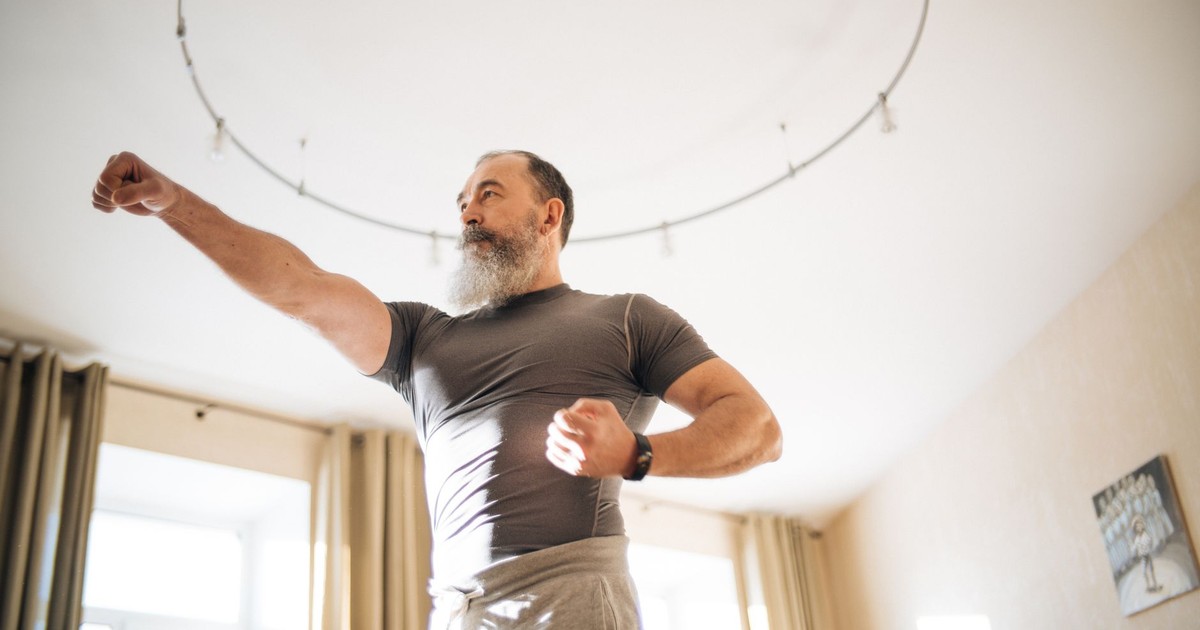
Confidence is not the same as certainty. It doesn’t mean having everything figured out or projecting an image of someone who never doubts themselves. At this stage of life, real confidence looks more like ease with imperfection, which is something entirely different from insecurity.
Women who constantly express their discontent with signs of aging, rather than accepting aging as a natural process, may be seen by men as immature because the insecurity speaks louder than anything else. This is deeply understandable: women have been told for decades that their value is tied to youth, and the cultural pressure doesn’t evaporate at 50. But when that pressure is worn externally (when every conversation touches on what’s changed or diminished) it creates a very particular kind of discomfort in a partner.
Aging is a sensitive topic, especially for women who’ve been bombarded with anti-aging messages their entire lives. But confidence at any age is genuinely attractive. The women who command the most attention in their fifties are usually not the ones who look the youngest. They’re the ones who seem most at home in exactly who they are right now.
8. Poor Communication and Conflict Avoidance
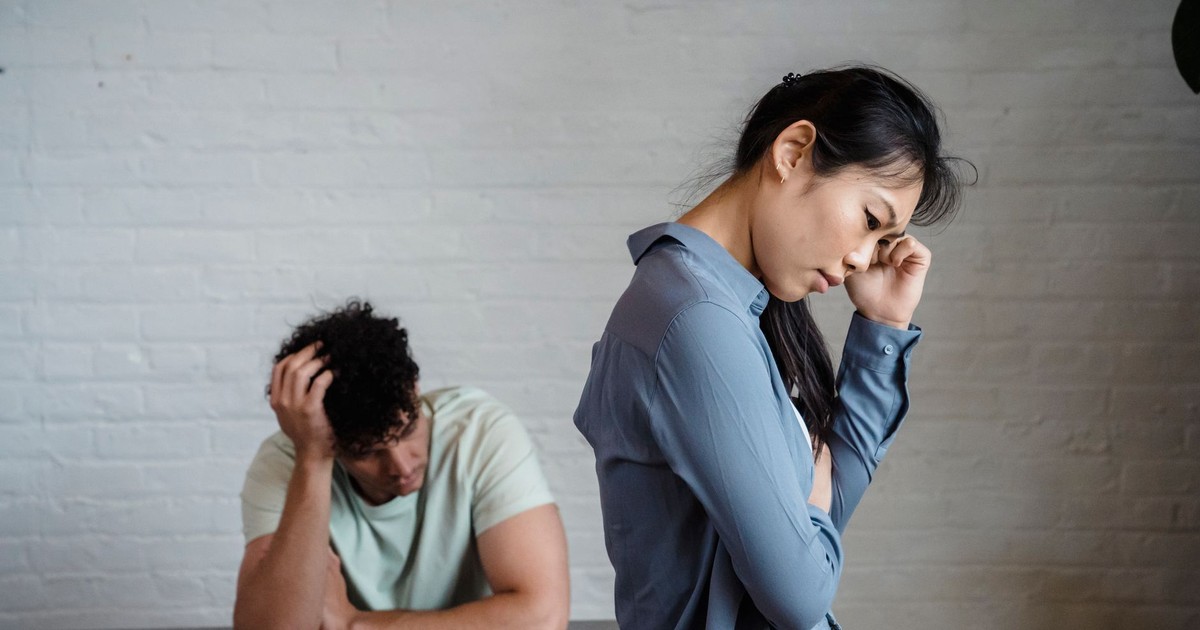
The things that go unsaid in a relationship don’t disappear. They tend to calcify. By 50, many people have developed sophisticated strategies for avoiding hard conversations, usually because those strategies worked well enough to survive previous relationships even when they didn’t improve them.
Men in this age group consistently report wanting a partner who can address something directly rather than letting it build into resentment. Research published in Frontiers in Psychology found that older couples tend to use passive coping strategies (waiting to see if problems resolve on their own, sidestepping quarrels to avoid escalation) but that this approach rarely clears the underlying tension. The avoidance just delays the reckoning while making both people feel more alone.
Good communication after 50 doesn’t require being articulate under pressure. Saying the thing, even when it’s uncomfortable, is the part that actually matters. Men who have been through relationships where problems went unaddressed until they became crises know exactly how much they value a partner who doesn’t do that.
9. Dismissing Physical Intimacy
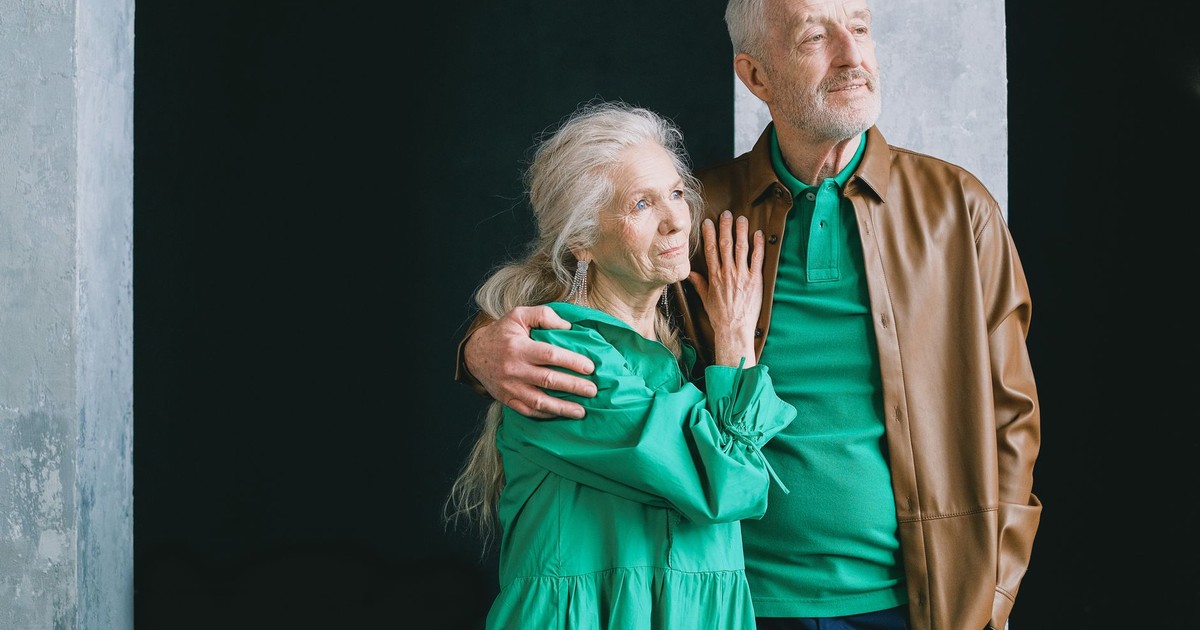
2025 research published in Personality and Social Psychology Bulletin found that older adults dating in later life experience greater emotional and physical reactivity on days of relationship tension than their younger counterparts, suggesting that connection and closeness carry more weight, not less, as people age. Physical intimacy is part of that. For men over 50, the importance of physical intimacy in a relationship doesn’t necessarily diminish; what changes is the context. Trust, presence, and emotional closeness matter more than frequency.
When a partner consistently sidelines physical intimacy, whether through busyness, discomfort, or the unstated assumption that it matters less now, men read that as a broader withdrawal from the relationship. Older adults who sought long-term partnerships reported that both emotional and physical closeness, not just cohabitation, were central to what they were looking for.
10. Inauthenticity

By 50, most people have developed a well-rehearsed version of themselves: the agreeable guest, the low-maintenance partner, the person who says she doesn’t mind when she does. That edited version might feel safer, but it’s not particularly attractive.
Men who have spent decades in relationships where a partner concealed her preferences, needs, or feelings to keep the peace are not looking for more of the same. They’re looking for someone who says what she actually thinks about the dinner reservation, the plan for the weekend, the thing that bothered her last Tuesday.
Inauthenticity after 50 also includes performing youthfulness, molding opinions to match a date’s, or presenting a polished version of a life rather than the actual one. Men over 50 have had more experiences with relationships, good and bad, and what they’re looking for is different from what most men in their thirties or forties want. At this point, they’re usually looking for the real thing.
Read More: 20 Things Men Want in a Relationship
What This Actually Comes Down To
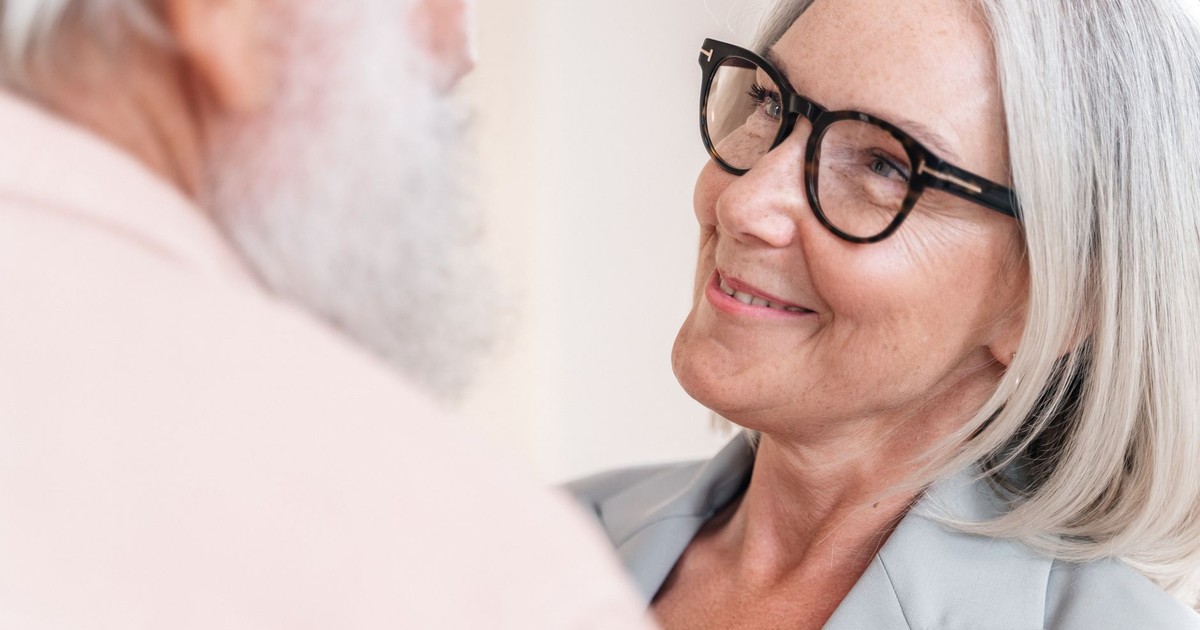
Attraction after 50 is less about any single behavior and more about the overall signal a person sends about how they feel about their own life. The patterns above that push men away (the negativity, the unavailability, the inauthenticity) tend to share a common thread. Each of them communicates, in some way, that the person has stopped growing, or closed themselves off from it.
That’s not a verdict. It’s a description of where things sometimes end up after a few decades of living. Research on later-life relationship challenges identifies relationship estrangement, cooling, and undesirable changes in personality as key issues older adults face in their partnerships. These aren’t failures of character. They’re patterns that develop gradually, often without anyone noticing until the distance has already opened up. Some of these patterns go back further than any single relationship does, they’re the accumulated residue of years of self-protection, disappointment, and adaptation. Naming that is uncomfortable. It’s also usually where the real work starts.
The useful thing about most of the items on this list is that they’re not fixed. Chronic negativity can be interrupted. Emotional walls can come down, slowly. Confidence can be rebuilt. The version of attraction that holds past 50 isn’t based on unchangeable qualities, it’s based on the quality of presence someone brings to a relationship. And presence, unlike youth, is something that can always be worked on.
Disclaimer: This information is not intended to be a substitute for professional medical advice, diagnosis, or treatment and is for information only. Always seek the advice of your physician or another qualified health provider with any questions about your medical condition and/or current medication. Do not disregard professional medical advice or delay seeking advice or treatment because of something you have read here.
AI Disclaimer: This article was created with the assistance of AI tools and reviewed by a human editor.