
You think the really exhausting parts of modern life are yours to own. The housing market that eats your whole paycheck for a studio apartment. The politician caught running a smear campaign. The city so loud you lie awake at midnight counting the trucks. The food that turns out not to be what the package said. These feel like symptoms of something specific to right now, to this era, to the particular mess we’ve made of things.
But historians have been raising an eyebrow at that assumption for a long time. Ancient people had landlords who knew exactly how much they could squeeze you before you broke. They had coordinated political smear campaigns, cities choked with lead dust, streets so thunderous that the wealthy paid extra just to sleep through the night, and markets where the seller was reliably one step ahead of anyone trying to verify what they’d actually bought. The problems didn’t start with us.
Here are 20 ancient history problems that have been running alongside human civilization since long before anyone had a word for them. The details have shifted. The patterns have not.
1. Misinformation and Fake News: An Ancient History Problem

Fake news has existed for thousands of years, and its influence has been magnified by technological developments throughout history, with examples traceable to ancient Rome, the American Civil War, and a 1938 radio broadcast. The Roman case is probably the most instructive, because it shows how manufactured lies can reshape the entire political order of a civilization in real time.
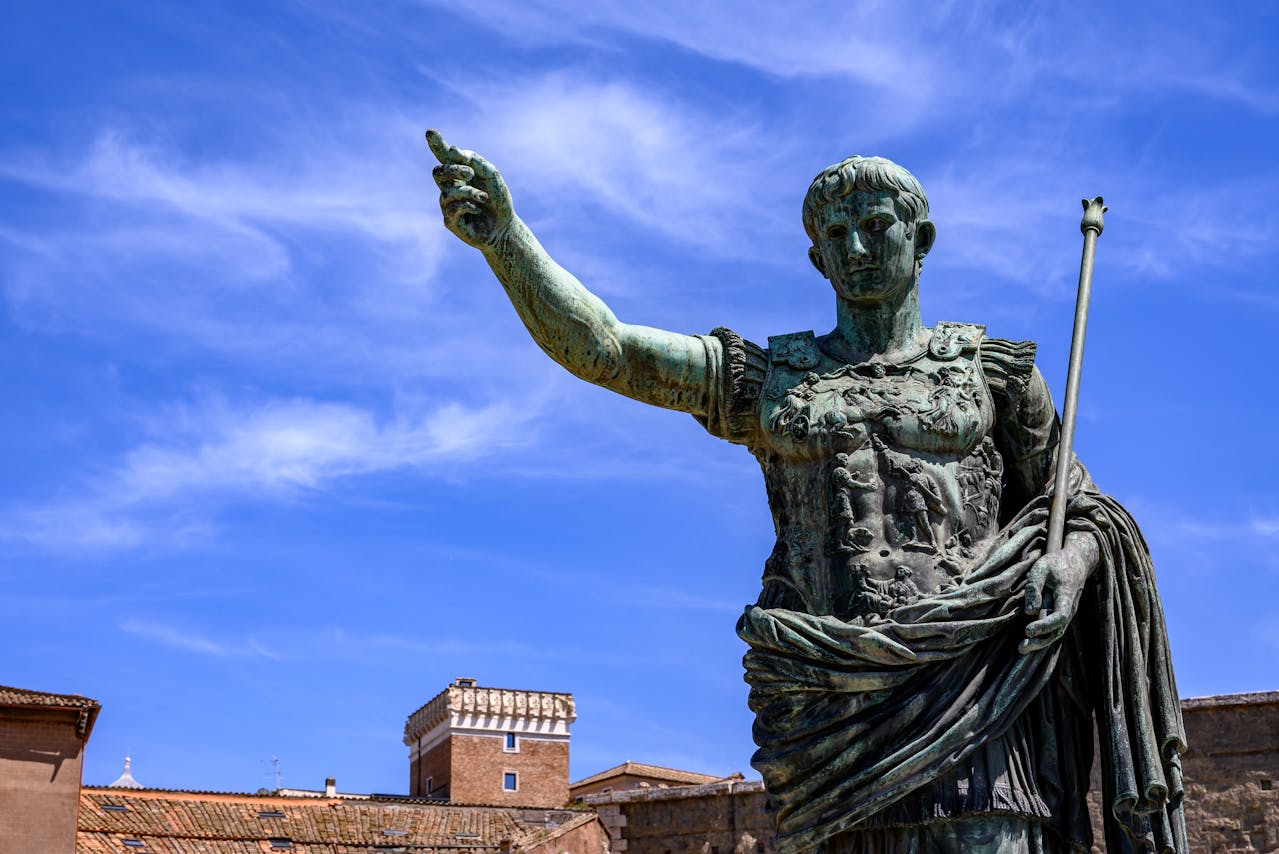
One of the earliest recorded examples was carried out by Octavian, later Augustus Caesar, during his rise to become the first Roman emperor. He conducted a propaganda campaign in the form of slander written on pamphlets and coins to damage his rival Mark Antony’s reputation. According to Britannica, this took the form of short, sharp slogans in the style of archaic tweets, painting Antony as a womanizer and a drunk, implying he had become Cleopatra’s puppet.
Octavian then played his most decisive card: he read Antony’s alleged will aloud in the Roman Senate. The will reportedly revealed Antony’s allegiance to Cleopatra rather than the Roman people, winning Octavian support from both the Senate and the public. Whether the will was genuine or a fabrication is still disputed among historians, but either way it contributed to Octavian becoming the sole ruler of Rome. A well-placed lie, circulated through the right channels at the right moment, ended a republic.
2. The Housing Affordability Crisis
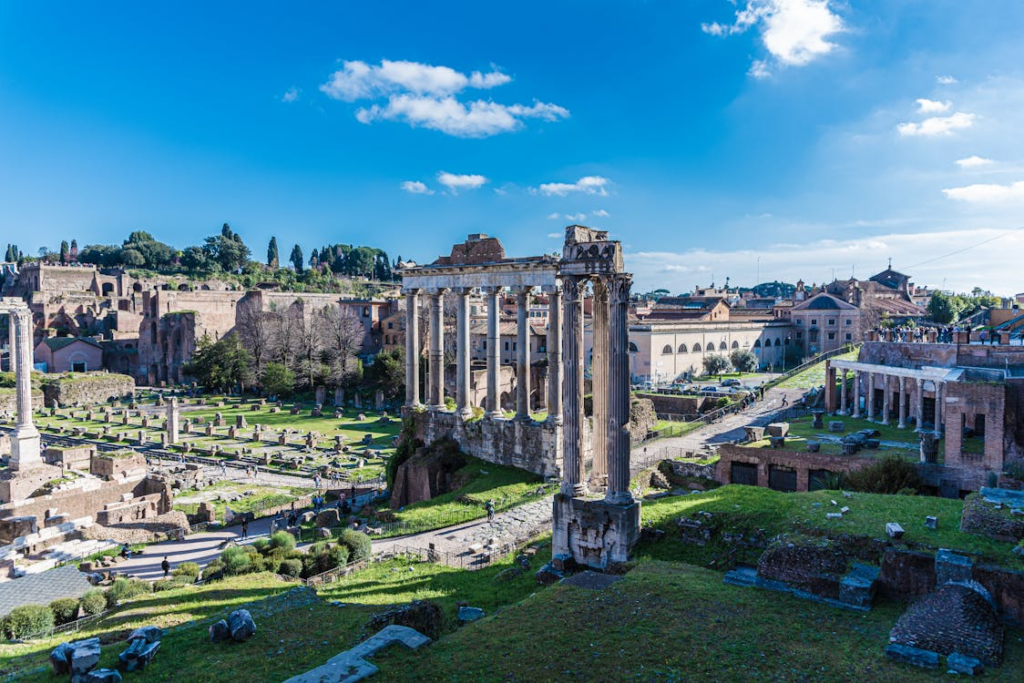
The idea that younger generations today are the first to be priced out of home ownership, or forced to share rooms with strangers just to cover rent, doesn’t survive contact with the historical record. Like today, people in ancient times dreamed of having property. The purchase of a house was a source of joy. But as people could no longer afford to live in their own country, many felt they had no stake in the future anymore. They lost their desire to fight for the country, or raise future generations.
In the 130s BCE, Rome was in a dire situation. Owing to the greed of wealthy landowners, poorer people were increasingly unable to afford rents or purchase property. As the Greek writer Plutarch records: “The rich began to offer larger rents and drove out the poor.” According to research published in The Conversation, Roman politicians tried to resolve this by creating a law forbidding any one person from holding more than five hundred acres of land. The law did not succeed. The wealthy found ways to evade it by getting middlemen to buy property for them.
Politicians passing housing reform that landlords immediately route around. The Roman Senate was contending with the same pattern that modern city councils are still fighting today. Because the state offered no formal public housing, most workers had no choice but to stay in dangerous, overcrowded accommodation, or move somewhere they couldn’t find work. The math hasn’t changed.
3. Air Pollution
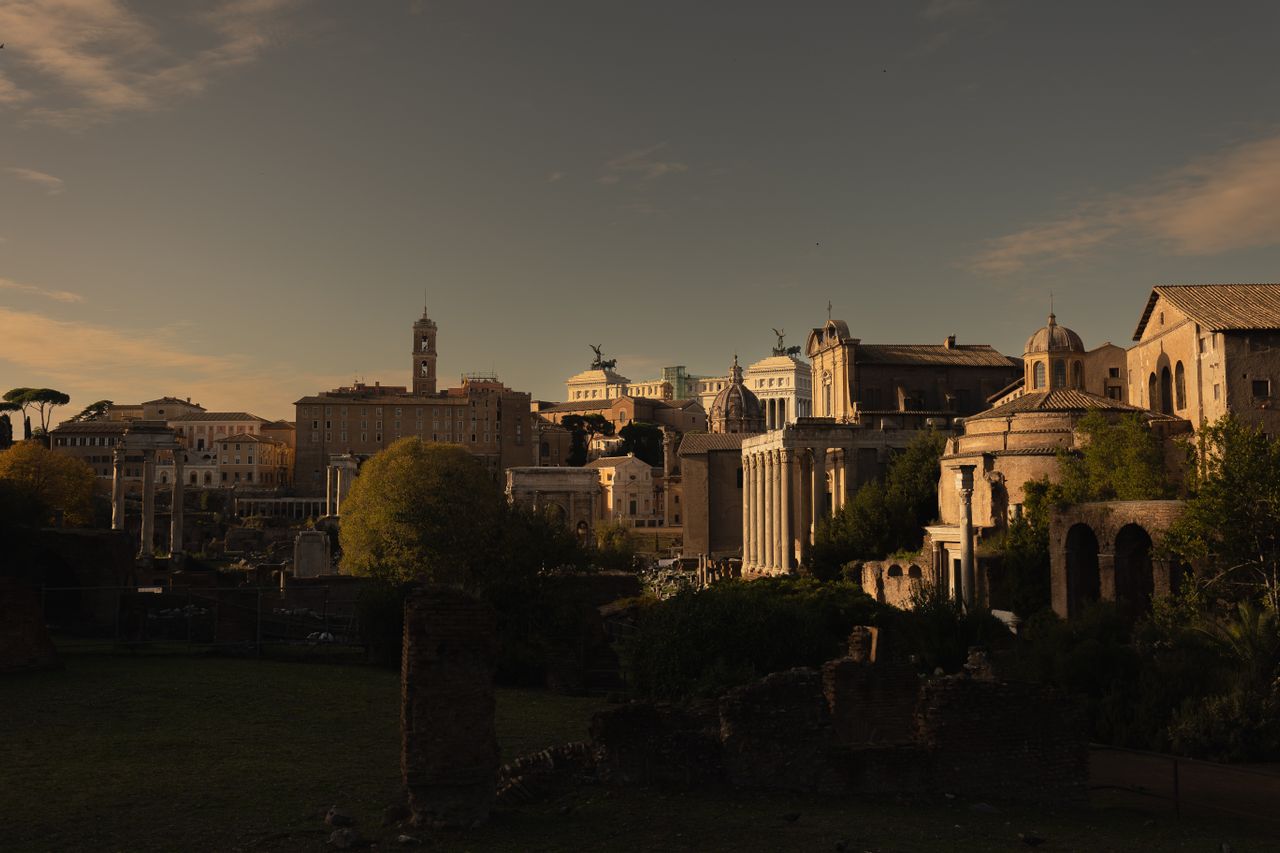
Pollution wasn’t invented in the 18th century. Humans have been damaging their own environment for far longer, as demonstrated by research linking lead air pollution to widespread cognitive losses during Rome’s golden age.
Ancient Rome thrived during the two centuries of peace known as Pax Romana, which occurred over the first and second centuries of the Common Era. But an unknown enemy poisoned nearly everyone in the empire. Lead air pollution spiked during this time and resulted in elevated blood lead levels and cognitive decline, a new study shows. That study, reported by C&EN and published in the Proceedings of the National Academy of Sciences in 2024, found that ancient Romans used lead in water pipes, utensils, and cosmetics, and even used it to sweeten wine. To produce one ounce of silver, metallurgists needed to process roughly 10,000 ounces of lead. The team used modern epidemiological methods to translate atmospheric lead concentrations to blood lead levels in children of about 2.4 micrograms per deciliter, which most likely resulted in a 2.5 to 3 point reduction in IQ. Today, levels below 1 microgram per deciliter are considered safe. Rome’s golden age was also, quietly, one of history’s most extensive poisoning events.
4. Traffic Congestion and Noise Complaints
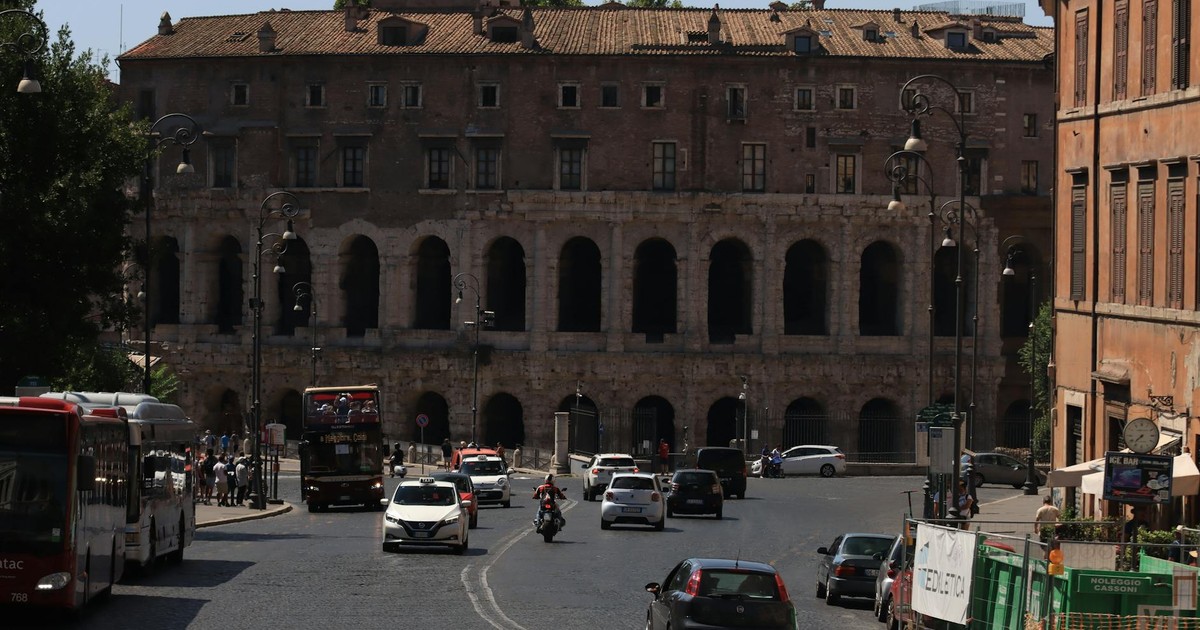
Anyone who has lain awake at 2am listening to a truck rattle past has a direct counterpart in ancient Rome, complaining about the exact same thing with considerably more colorful language.
The noise at night in Rome could be deafening, because carts with produce and products were only allowed into the city after dark. The daytime streets were already too crowded. Only the wealthy with homes on a secluded hill could avoid hearing the noise of traffic all night long. The Getty Iris blog’s deep-dive into ancient Roman urban life quotes the poet Juvenal precisely on this: “The waggons thundering past through those narrow twisting streets, the oaths of draymen caught in a traffic-jam, would rouse a dozing seal – or an emperor.”
The really rich were carried in commodious litters by eight muscular slaves trained to move together to afford the most comfort to their masters. Everyone else walked, shoved through crowds, and slept badly. The wealth gap in access to peace and rest is another thing that has stubbornly refused to change across the centuries.
5. Political Corruption

Bribery was widespread in the ancient world. It was also considered unacceptable. Ancient Athens and Rome both developed formal anti-corruption measures, which tells you something important: the problem was serious enough to require laws against it. Laws that, predictably, were routinely ignored.
In Athens, virtually all officials served one-year terms, deliberately designed to limit the damage any corrupt individual could do. But even short terms with enormous discretionary power and minimal oversight proved to be a structural recipe for corruption. The Athenians understood the problem. They couldn’t fully fix it.
In Rome, corruption was embedded so deeply that some officials openly categorized their kickbacks as administrative fees. The historian Cicero famously prosecuted Gaius Verres for plundering Sicily while serving as governor, documenting one of the most detailed corruption cases in ancient records. Verres had stripped temples, extorted merchants, and taken bribes so systematically that his crimes read less like an abuse of office and more like a business plan. His defense attorney was the most expensive in Rome.
6. Income Inequality and the Wealth Gap

The concentration of wealth in the hands of a small elite while the majority scrape by is something contemporary commentators treat as a uniquely modern failure. Ancient Rome had the same structure, arguably more extreme. The land-owning senatorial class held most of the productive wealth, while the urban poor subsisted on the grain dole and whatever day labor they could find.
The same pattern held in Athens and across the ancient Mediterranean. In Greece and Egypt, economic policy had gradually become highly regimented, crushing ordinary people under heavy taxation while workers were organized into vast collectives where they had little practical freedom. Oppressive taxation that hits the people who can least afford it, while the wealthy class uses legal structures to protect its assets, is not a modern invention.
In ancient Mesopotamia, the earliest written legal codes, including those of Hammurabi, were partly designed to address debt slavery, in which people who couldn’t repay their debts were forced into servitude. The need for such codes tells you the problem was already endemic. Societies have been trying to legislate their way out of wealth concentration for at least 3,700 years, with mixed results.
7. Food Fraud and Adulteration

The scandal about olive oil that isn’t actually olive oil, or honey that’s mostly corn syrup, or fish labeled as one species and sold as another, is one of the most consistent frauds in recorded history. Ancient Romans were dealing with it constantly. Wine was a particular target: sellers diluted it with water, or added substances to mask the taste of spoilage.
Roman law eventually developed specific provisions against food fraud, including penalties for selling adulterated wine, bread made with substandard grain, or meat from diseased animals. The fact that those laws existed tells you how common the practice was. The market incentive to cut corners on food quality is as old as markets themselves.
In ancient China, food inspectors were employed during the Zhou dynasty to check grain markets for contamination and fraud. Egyptian papyri record complaints about merchants selling old or spoiled grain at fresh grain prices. The specific products change depending on the civilization. Sellers exploiting the buyer’s inability to easily verify quality has been a feature of commerce since commerce began.
8. Mental Health and Anxiety
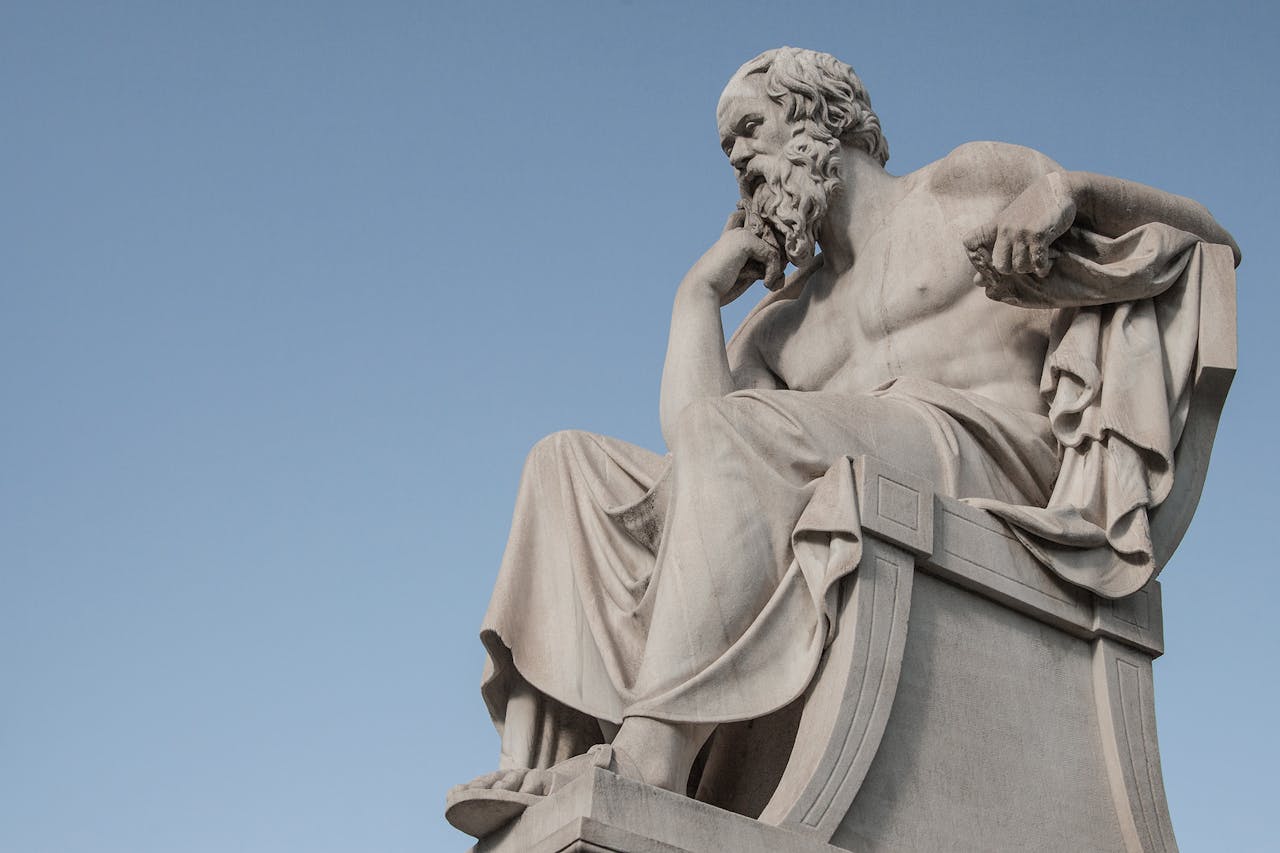
Anxiety is often described as an epidemic of modern life, a product of information overload and job insecurity. The ancient world suggests otherwise. Stoic philosophy, developed in ancient Greece and refined in Rome, was essentially a practical manual for managing overwhelming worry, and it existed because overwhelming worry was already widespread enough to create demand for it.
The Greek physician Hippocrates wrote about what we would now recognize as depression and anxiety disorders in the 4th century BCE, describing patients who suffered persistent fear, sadness, and a reluctance to face life. He attributed these states to an imbalance of bodily humors, but any modern reader would recognize the patients he describes: people who couldn’t sleep, couldn’t eat, and felt a dread they couldn’t explain. Hippocrates was writing about those people 2,400 years ago.
The Roman Stoic philosopher Seneca, writing in the 1st century CE, addressed anxiety with a directness that sounds almost contemporary. He wrote extensively about the exhausted mind, the fear of the future, and the habit of suffering in advance. His readers clearly found it relevant. His letters circulated across the empire and survive today precisely because people kept copying them. Anxiety had an audience long before social media gave it a platform.
9. Burnout and Overwork

The idea of burnout sounds tied to modern office culture, but exhausted workers existed in ancient societies too. The Roman concept of otium (restorative leisure) existed partly because negotium (work and public duties) was understood to be genuinely depleting. The balance between the two was a recognized ethical and practical concern, not a personal indulgence.
Seneca’s letters return repeatedly to the theme of the person who never stops working and ends up achieving nothing of real value because their mind is too scattered and depleted to think clearly. He urged his friend Lucilius to reclaim time deliberately, to resist the social pressure to always appear busy, and to recognize that constant activity without rest was a form of self-destruction. That advice was written around 65 CE, but it reads like something from a 2025 productivity newsletter.
Agricultural workers in ancient Egypt faced seasonal burnout tied to the flood cycles of the Nile. The periods of intense labor during planting and harvest were followed by administrative demands: tribute, forced public labor, and temple obligations. Texts from the New Kingdom period describe scribes and laborers complaining that they have no time to breathe. The language of depletion is remarkably consistent across 3,000 years.
10. Scams and Consumer Fraud

The marketplace fraud that feels so distinctly modern, the counterfeit product, the seller who vanishes after payment, the deal too good to be true, has ancient precedents everywhere. Roman merchants were known to file down coins to shave off small amounts of precious metal before spending them at full face value. Governments periodically had to address coin debasement, the practice of reducing the actual precious metal content of currency while maintaining its stated value. Emperors did this too.
Greek and Roman writers describe market vendors who used false weights and measures: scales adjusted to underweigh goods sold by weight, or to overweigh goods purchased by weight. The fraud was simple and hard to detect without your own calibrated equipment. Laws requiring standard measures existed in multiple ancient civilizations precisely because violations were constant.
In Mesopotamia, cuneiform tablets from the city of Ur contain what are essentially ancient consumer complaints: letters written by merchants to each other detailing disputes over short deliveries, poor quality goods, and broken agreements. One such tablet, dating to around 1750 BCE, records a merchant named Ea-Nasir being accused of delivering inferior-grade copper while charging for high-quality material. Consumer fraud with a paper trail, four thousand years old.
11. Surveillance and the Loss of Privacy

The feeling that someone is always watching, logging your movements, keeping records you never consented to, is usually framed as a product of digital technology. But surveillance as a tool of state control predates computers by millennia. The Persian Empire maintained an elaborate intelligence network of officials known informally as “the eyes and ears of the King,” agents stationed across the empire to report on the loyalty and behavior of provincial governors.
Ancient Egypt maintained extraordinarily detailed administrative records. Tax collectors tracked individual landholdings, crop yields, and livestock counts. Local scribes recorded who lived where, how much they produced, and how much they owed. The apparatus of the state was not particularly interested in your privacy. It was interested in knowing what you had and making sure you paid your share.
In Rome, the imperial secret police, the frumentarii, initially grain supply agents who evolved into informants, monitored citizens and reported back to the emperor. Under rulers like Domitian, this created a climate of fear in which people were cautious about what they said in public, who they met with, and what they put in letters. Pliny the Younger’s letters describe the paranoia of daily life under an emperor with an active surveillance apparatus. The situation echoed forward into every era since.
12. Political Polarization and Tribalism

The sense that society is splitting into two irreconcilable camps, each convinced the other is not just wrong but actively dangerous, is often described as a modern breakdown. The late Roman Republic experienced something so similar that historians regularly reach for modern vocabulary to describe it. The conflict between the Populares, who claimed to represent ordinary citizens, and the Optimates, who defended the privileges of the elite, produced increasingly violent political confrontations across the 1st century BCE.
The assassination of the reformer Tiberius Gracchus in 133 BCE, killed by a mob of senators and their supporters, marked a point at which political violence became an acceptable tool for resolving factional disputes. Once that threshold was crossed, it was crossed again and again. The social machinery that allows political opponents to disagree without destroying each other doesn’t rebuild quickly. Rome went from political assassinations to full civil war within a generation.
Ancient Athens experienced something comparable during the Peloponnesian War period, when democratic and oligarchic factions took turns overthrowing each other’s governments. The coup of 411 BCE, in which the democratic government was briefly replaced by an oligarchy of 400, was preceded by a sustained campaign of targeted killings and intimidation. Political tribalism, when it reaches a certain intensity, starts using the same tools regardless of the era.
13. Student Debt and the Cost of Education

Formal education in the ancient world was not free, and families who wanted it for their children paid dearly. In Rome, hiring a reputable grammaticus (secondary teacher) or rhetor (advanced instructor in public speaking) was a significant expense, accessible mainly to wealthy families. Parents who couldn’t afford the best teachers were acutely aware that their children’s career prospects depended on the connections and credentials that came from elite instruction.
Ancient China’s imperial examination system, while theoretically open to anyone, required years of intensive study that poor families could not afford to fund. The sons of wealthy families studied full-time with private tutors. The sons of farmers studied if and when the harvest permitted. The examination was theoretically meritocratic. The preparation for it was not.
In Athens, the Sophists, professional teachers who charged fees for instruction in rhetoric and philosophy, were controversial partly because their fees meant wisdom had a price tag. Socrates famously refused to charge for teaching, which was partly a pointed criticism of the pay-to-learn system around him. The debate about whether education should be a commodity or a right is at least 2,500 years old.
14. Infrastructure Neglect
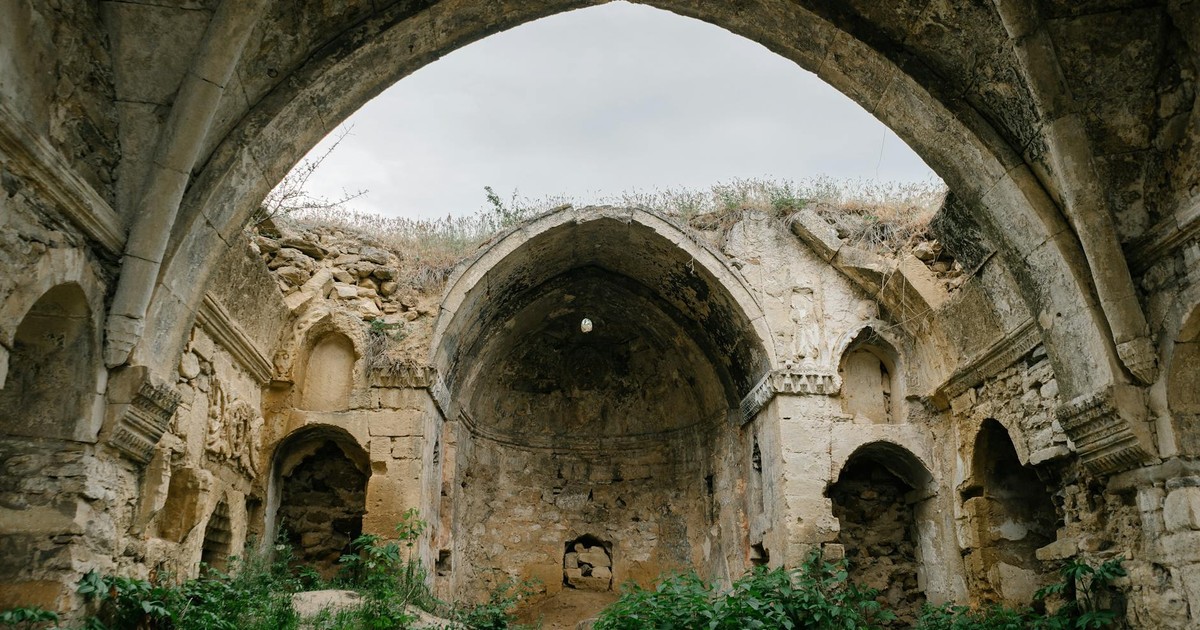
Crumbling roads, failing water systems, and public buildings that haven’t been maintained in years, the deterioration of shared infrastructure as a signal of political dysfunction, is not new. The Roman Empire invested heavily in roads, aqueducts, and public buildings during periods of strong central authority, and let them decay during periods of instability or fiscal crisis. By the 4th century CE, many of the great aqueducts required constant repairs that the empire’s shrinking revenues could no longer fully fund.
The political dimension of infrastructure maintenance is just as old. Building projects were used to demonstrate a leader’s generosity and competence; maintenance, being invisible, generated no political reward. The same incentive structure explains why modern bridges get celebrated ribbon-cuttings and quietly deferred inspection schedules. You don’t get a parade for filling potholes.
The ancient Near Eastern city of Ur had drainage and sanitation infrastructure by 2500 BCE. When those systems failed, through neglect, flooding, or political collapse, the consequences for public health were severe and rapid. The connection between functioning infrastructure and functioning society was understood by ancient administrators. What was consistently harder to manage was the political will to keep maintaining what had already been built.
15. Immigration and the Backlash Against Newcomers
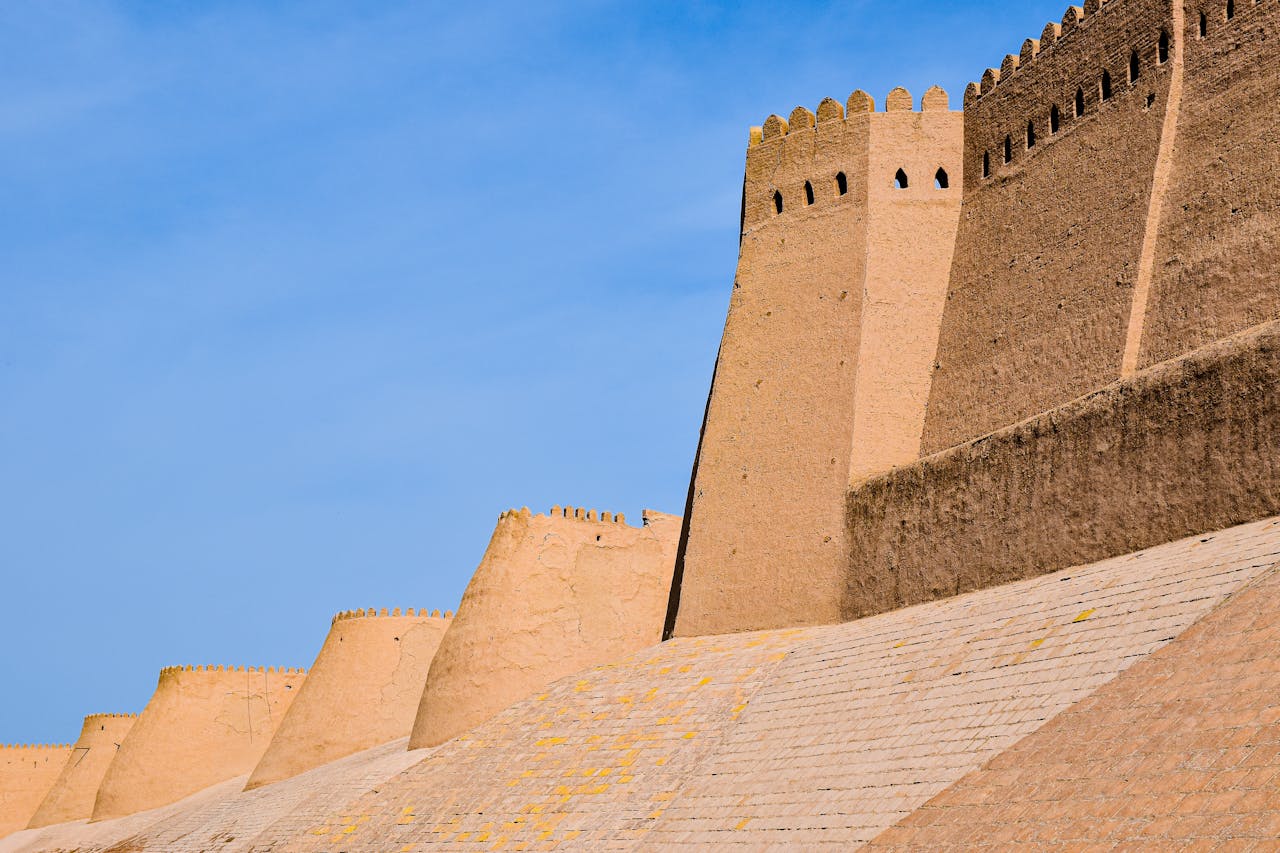
The nativist resentment of new arrivals is routinely described as a modern political development, but it is documented in ancient sources across multiple civilizations. Rome in its peak imperial centuries was one of the most ethnically diverse cities in the ancient world, drawing merchants, slaves, soldiers, and traders from across Africa, the Middle East, Asia, and Northern Europe. This was not uniformly welcomed by people who had been there longer.
Roman writers including Juvenal expressed explicit hostility toward foreign-born residents of Rome, complaining that the city had been culturally overwhelmed by immigrants from Greece and the East. His Satire 3, written around 110 CE, is essentially a sustained argument that established Romans can no longer feel at home in their own city because too many foreigners have moved in. The specific targets change depending on the era and the city. The rhetorical structure is identical.
Ancient Egypt maintained careful distinctions between native Egyptians and foreign settlers, with different legal statuses and social expectations applying to each group. Greek and Jewish communities in Alexandria during the Ptolemaic period experienced periodic violence rooted in ethnic and cultural resentment. The presence of newcomers in a shared city generating fear, competition, and hostility is not a modern phenomenon. It is a persistent one.
16. Conspiracy Theories

The belief that powerful hidden forces are controlling events behind the scenes, that the official explanation is always a cover, and the real truth is being suppressed, is as old as politics itself. Ancient Rome produced conspiracy theories in industrial quantities. Every significant political death generated competing narratives about who was really responsible and what they were really after.
The death of Augustus, for example, generated persistent rumors that his wife Livia had poisoned him to ensure the succession of her son Tiberius. Tacitus attributed to Livia the poisoning of Augustus’s offspring, turning her into a “murderous stepmother.” The claims that Livia might have been responsible for Augustus’s death have come down to modern times partly through Robert Graves’ novel “I, Claudius.” Historians still debate whether any of it was true. That ambiguity is part of what keeps a conspiracy theory alive.
The death of Alexander the Great in 323 BCE generated theories that have never fully resolved. Was it fever? Poisoning by his generals? A plot by Antipater? Ancient sources contradict each other, and modern historians still disagree. The pattern of a powerful figure dying suddenly and conveniently, followed by a rush of competing explanations, is not a modern phenomenon. It’s an ancient one that the internet has simply accelerated.
17. Public Shaming and Targeted Humiliation
The specific technology is different. The behavior is ancient. Public shaming, targeted humiliation, and coordinated reputational attacks on individuals who have fallen out of favor were well-developed arts in the ancient world. Roman graffiti from Pompeii, preserved under ash since 79 CE, includes pointed insults, sexual accusations, and mockery of specific named individuals. The walls were, in effect, a public comments section.
The practice of damnatio memoriae (the formal erasure of a disgraced person from all public records and monuments) in Rome was institutionalized cancellation. Emperors judged as failures after death had their names chiseled from inscriptions, their faces carved off statues, and their official records destroyed. The goal was identical to a modern pile-on: make someone disappear from public life entirely, ensure no monument to them remained.
Athenian ostracism, the practice of voting to exile a citizen for ten years without any formal charge or trial, was essentially a popularity contest with severe consequences. Citizens scratched names onto broken pottery shards, and whoever received the most votes was expelled. The mechanism combined mob sentiment, political rivalry, and personal grievance in a way that should feel uncomfortably familiar.
18. Drug Use and Addiction

Psychoactive substances and the social problems that follow widespread use are not inventions of the modern era. Ancient cultures across every continent used substances for religious, recreational, and medicinal purposes, and the line between those categories was frequently blurred. Opium was widely used in ancient Egypt and Mesopotamia, with poppy cultivation documented as far back as 3400 BCE.
Ancient Rome had serious problems with alcohol. The prevalence of wine in daily life, combined with the social pressure to drink heavily at elite dinner parties, created patterns of consumption that ancient physicians found worrying. The physician Galen, writing in the 2nd century CE, documented what he recognized as habitual dependence, noting patients who could not function without wine and suffered physically when deprived of it. The clinical description maps cleanly onto what we now call alcohol use disorder.
In ancient China, written records from as early as the Shang dynasty (1600 to 1046 BCE) describe officials and rulers whose excessive alcohol consumption impaired their judgment and contributed to political collapse. Warnings against drinking were written into state documents. The recognition that substance use could destroy individuals, families, and governments was present in the earliest literate civilizations.
19. Climate Anxiety and Environmental Destruction

The specific form of dread that comes from watching the environment deteriorate faster than the political system can respond has deep historical precedent. Ancient civilizations were acutely aware of the relationship between environmental health and their own survival, because they were more directly dependent on it. Deforestation was a serious and recognized problem in the ancient Mediterranean world.
Plato wrote in the 4th century BCE about the deforestation of Attica, noting that the hills that were once forested had been stripped bare, and that the soil that had once sustained crops was washing into the sea. He described the landscape of his time as the skeleton of what it had once been. This is not a metaphor. It describes real environmental degradation that was measurable and politically significant.
The collapse of the Akkadian Empire around 2200 BCE is now understood by archaeologists to have been significantly linked to a prolonged drought and climate event that devastated agricultural production. The Akkadians didn’t cause that climate shift, but their intensive agricultural practices had already stressed the land. The interplay between human activity, environmental conditions, and civilizational collapse is not a modern drama. It is the oldest drama of all.
20. The Generation Gap (And Older Generations Blaming Younger Ones)

Every generation is convinced that the one following it is somehow less serious, less disciplined, less respectful, and less capable. This is not a social media phenomenon. The oldest known written complaint about young people comes from ancient Sumer, inscribed in cuneiform on a clay tablet around 2000 BCE, in which a schoolmaster laments that students no longer show the dedication and respect he expects.
Socrates was put on trial in Athens in 399 BCE on charges that included corrupting the youth, essentially a complaint that young Athenians were being influenced by new ideas their elders found dangerous. He was found guilty and executed. The moral panic about what young people are consuming, and who is influencing them, has a continuous documented history from Socrates to screen time limits.
Aristotle wrote about the young with a resigned specificity that reads like a very old editorial: they are easily swayed by their emotions, quick to change their opinions, full of confidence, and impatient with contradiction. He did not seem to think this was new in his own time either. Every generation has been the worst generation, according to the one before it. That says more about the people doing the complaining than the ones being complained about.
Read More: 10 Surprising Ancient Egyptian Discoveries You’ve Never Heard Of
The Long View

What all of these parallel ancient history problems reveal is something harder to sit with than a simple list of historical curiosities: the things we fight over, exploit each other through, and damage ourselves with are not accidents of our particular moment. They are not caused by capitalism or the internet or social media, though all of those can amplify them. They are features of organized human life that have re-emerged in every era and in every culture that left enough of a written record for us to read.
That is not a counsel of despair. Knowing that political corruption and housing unaffordability and food fraud and conspiracy theories and generational contempt have been around for thousands of years doesn’t mean we should shrug at them. It means we should be honest about how hard they are to fix, and deeply suspicious of anyone selling simple solutions. The Roman Senate tried to cap land ownership and the wealthy immediately used proxies. Athens tried to eliminate corruption with one-year terms and got corrupt one-year officials. History is not short of attempted reforms. It is short of lasting ones. The work is real and it’s ongoing, and the only way through it is the same way it’s always been: slowly, imperfectly, generation after generation, with the knowledge that the people before us tried too.
AI Disclaimer: This article was created with the assistance of AI tools and reviewed by a human editor.