

Shoppers at checkout often face a $12 difference between their expected total and the actual bill. For the past few years, that gap has driven millions to reconsider which store they choose.
Food prices in May 2026 were 3.1 percent higher than in May 2025, and grocery costs in 2026 are projected to climb a further 2.8 percent over the full year, according to the USDA’s Economic Research Service. Beef and veal prices are forecast to rise 7.5 percent in 2026, driven by a U.S. cattle herd that has shrunk to its lowest level since 1951.
Two stores have emerged as go-to choices for budget-minded shoppers: Aldi and Walmart. Both promise low prices. Both carry the basics. But when it comes to actual shelf prices, they’re not interchangeable. Understanding where each one wins can translate into hundreds of dollars saved over the course of a year.
The Business Models Behind the Price Tags

Aldi vs Walmart groceries don’t have a simple winner because these two stores are built differently at every level. Aldi runs a lean, small-footprint store stocked mostly with its own private labels, cutting costs to deliver low prices on a limited assortment. Walmart leans on everyday low prices, enormous selection, and name brands all under one roof.
Aldi keeps prices low through highly efficient store models. Products stay in cardboard boxes on shelves to make restocking easier, customers bring their own bags or pay for them, there are no delis or bakeries, and customers bag their own groceries and return their own carts. It might stock just one size of ketchup, which makes sourcing simpler and cheaper.
Private labels represent roughly 90 percent of Aldi’s product assortment, compared to less than 28 percent at a typical grocery store. Walmart’s strength is breadth. You can buy motor oil, a birthday card, prescription medication, and ground beef in the same trip. Aldi stores average about 20,000 square feet, while a typical supermarket is more than double that size.
One in three U.S. households shopped at Aldi in 2025, according to Forbes. In January 2026, Aldi announced plans to open more than 180 stores across 31 states by year’s end, pushing its total U.S. store count to nearly 2,800, following its biggest expansion year ever in 2025, when it opened more than 175 locations.
Where Aldi Wins: Produce, Pantry, and Dairy
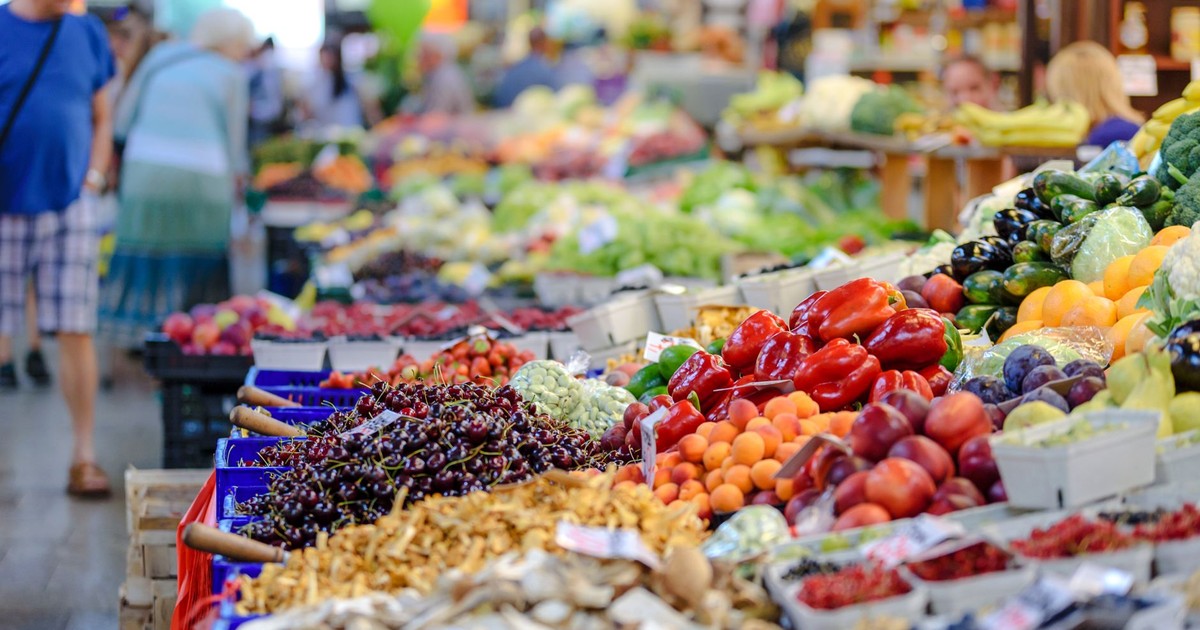
Aldi holds its clearest edge in fresh produce. Across a comparison of over 150 popular grocery items, Aldi won on 12 out of 13 fruit items at an average of 17 percent less per unit than Walmart. On vegetables, Aldi won on 8 out of 10 items at 11 percent less per unit.
A bunch of bananas costs about $1.71 at Walmart and $0.97 at Aldi. On a single item that almost every household buys every week, the difference compounds quickly.
Pantry staples show an even larger price gap. Aldi’s private-label pantry items are almost always significantly cheaper than Walmart’s Great Value equivalents, typically 20 to 40 percent less. A box of Aldi pasta is often under $1, compared to $1.25 to $1.50 at Walmart. Canned tomatoes, beans, soups, and baking supplies follow the same pattern.
In a direct comparison of 29 grocery items, Aldi had lower prices on 24 of them, and came out less expensive than Walmart by $11 on the overall basket.
Dairy is another consistent Aldi strength. Walmart’s 2% milk comes in at $4.68 per gallon, while Aldi’s runs $5.15, though in other markets the dynamic reverses. On items like almond butter, the spread is wider. Aldi’s 12-ounce almond butter is nearly $2 cheaper than Walmart’s equivalent, and it actually decreased in price from 2024 to 2025.
Where Walmart Wins: Meat Selection, Beverages, and Flexibility
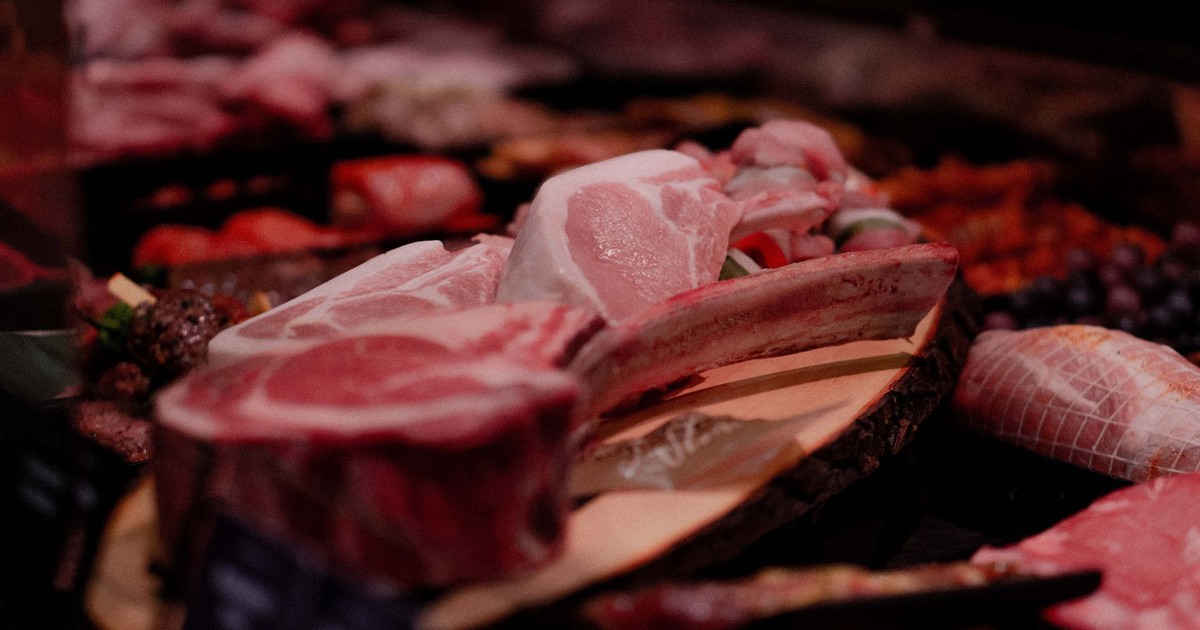
Walmart’s strongest category is its deli counter and processed meats. Across a direct comparison of six deli items, Walmart won on five of them at an average of 19 percent less per unit than Aldi. The same applies to beverages: Walmart won on five out of eight items at 10 percent less per unit.
Fresh meat selection is also a Walmart advantage, not necessarily on price, but on choice. Aldi’s fresh meat selection is limited, mostly covering basic chicken breasts, ground beef, and pork. Walmart has a full butcher counter in most Supercenters with more cuts, more brands, and more organic and grass-fed options.
Aldi stocks what it stocks, and on any given week, the selection of a specific item isn’t guaranteed. Walmart has far more variety, including organic options, specialty produce, tropical fruits, and herbs, and sometimes beats Aldi on specific items depending on local supply.
Pasta and rice are also a specific Walmart win. Walmart won on all three pasta and rice items compared, at an average of 40 percent less per unit than Aldi.
The Category-by-Category Picture
The winner shifts depending on what’s in the cart.
On meat overall, Aldi wins on 4 out of 5 items at roughly 7 percent less per unit. On personal care products (toothpaste, shampoo, soap), Walmart dominates. Walmart won on 4 out of 5 personal care items at 46 percent less per unit than Aldi.
Snacks are close to a wash. Walmart won on 3 out of 9 snack items at only 1 percent less per unit on average.
Bread and baked goods lean toward Aldi. Aldi won on 5 out of 7 bread and bakery items at around 4 percent less per unit. Canned goods went the other way: Walmart won on 6 out of 11 canned goods at 10 percent less per unit.
A pantry-and-produce-heavy cart almost always tips in Aldi’s favor. A cart that leans on beverages, deli meats, personal care, and canned goods leans toward Walmart.
The Items Where the Numbers Surprise You
Some of the biggest category splits aren’t where most people expect them. Walmart’s Great Value extra-virgin olive oil in a 17-ounce bottle costs $6.12, while Aldi’s Priano store brand in a slightly smaller 16.9-ounce bottle is priced at $6.49, giving Walmart the edge on that specific item. Brown sugar is another Walmart win: a 32-ounce bag of Walmart’s Great Value brand costs $1.97, while Aldi’s equivalent runs $2.05.
Cheese is almost identical at both stores for basic blocks. When comparing eight-ounce blocks of store-brand cheddar, Walmart barely edges ahead at $1.87 versus Aldi’s Happy Farms at $1.89.
Frozen foods are also closer than most people assume. A 16-ounce bag of Walmart’s Great Value frozen strawberries costs $2.86, while 24 ounces of Aldi’s Season Choice frozen strawberries is $4.75. On a price-per-ounce basis, Walmart comes in at $0.18 versus Aldi’s $0.20.
Read More: 15 Honest Downsides of Shopping at Aldi You Should Know
The Verdict: How to Actually Use Both Stores

Aldi is cheaper on average for a staples-focused cart. On average, Aldi runs 15 to 30 percent cheaper than Walmart on items both stores carry. Applied to a full weekly shop, that margin adds up to meaningful savings over the course of a year. But Walmart wins on selection, flexibility, and several specific categories.
Most regular shoppers eventually stop treating this as a loyalty question and start routing their list instead. Produce, pantry basics, and dairy from Aldi. Deli items, beverages, personal care, and anything requiring a specific cut or brand from Walmart. It takes a little more planning, but the savings are repeatable.
The Store Brand Habit That Pays Off Anywhere
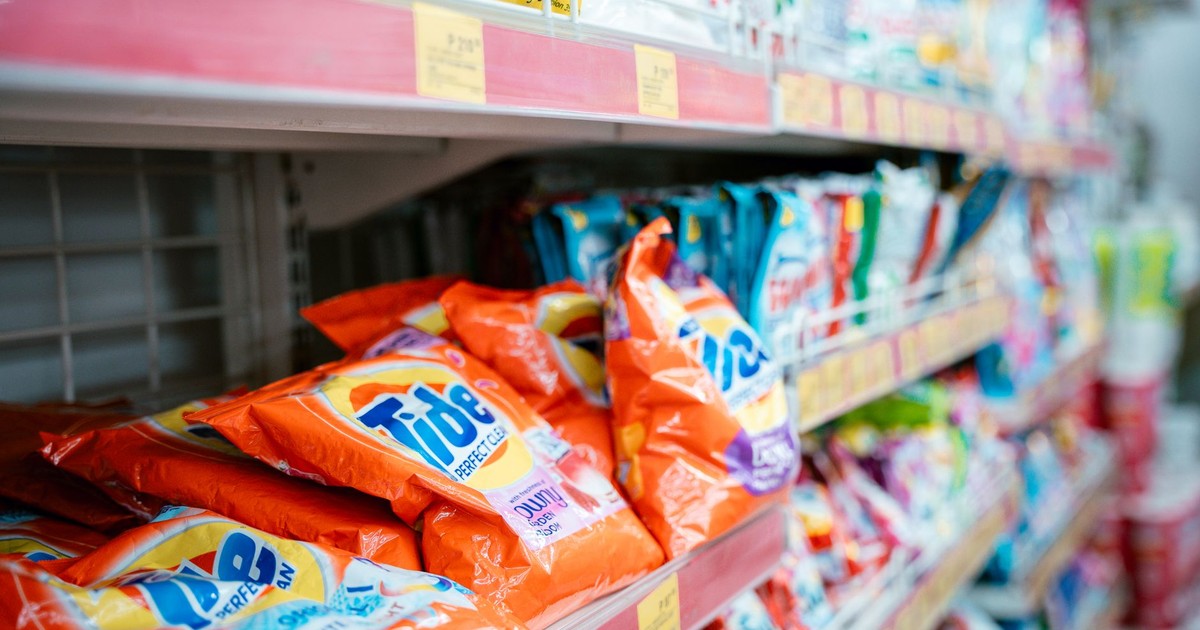
Both Aldi and Walmart are built on private-label products. Store brands cost 15 to 25 percent less than their name-brand equivalents, with the discount widening to 35 to 50 percent on personal care and health products, according to Consumer Reports. At Aldi, almost everything is already a store brand. At Walmart, reaching for Great Value instead of the national brand is the work the shopper has to do.
Grocery prices in 2026 are still climbing in several categories. Beef and veal prices are forecast to rise 7.5 percent this year, driven by cattle inventories at their lowest since 1951. Both Aldi and Walmart provide relief from full-price conventional grocery chains, but the relief is bigger and more consistent when comparing their private labels rather than mixing name brands into the equation.
Aldi for the produce, pantry, and dairy. Walmart for the deli, personal care, and flexibility. The savings are there.
Disclaimer: This information is not intended to be a substitute for professional medical advice, diagnosis, or treatment and is for information only. Always seek the advice of your physician or another qualified health provider with any questions about your medical condition and/or current medication. Do not disregard professional medical advice or delay seeking advice or treatment because of something you have read here.
AI Disclaimer: This article was created with the assistance of AI tools and reviewed by a human editor.