
The list of places travelers quietly cross off their European itineraries is longer than the travel industry usually admits. Some destinations carry outright government bans. Others appear in glossy travel magazines while simultaneously sitting under official “exercise increased caution” advisories. And a handful are genuinely transforming in ways that make the gap between postcard image and ground reality more striking each year.
None of this means Europe is unsafe. As a continent it remains one of the most peaceful regions on earth, and the vast majority of trips across it go without incident. But the picture is uneven. Safety levels shift country by country, city by city, and sometimes street by street. The places on this list aren’t here because they’re universally dangerous, several of them remain popular with millions of visitors, but travelers are actively choosing to skip them, and in most cases the reasons are well-documented and current.
Advisories, crime data, and news from each of these destinations paint a picture that’s more complicated than the travel booking sites let on.
1. Russia
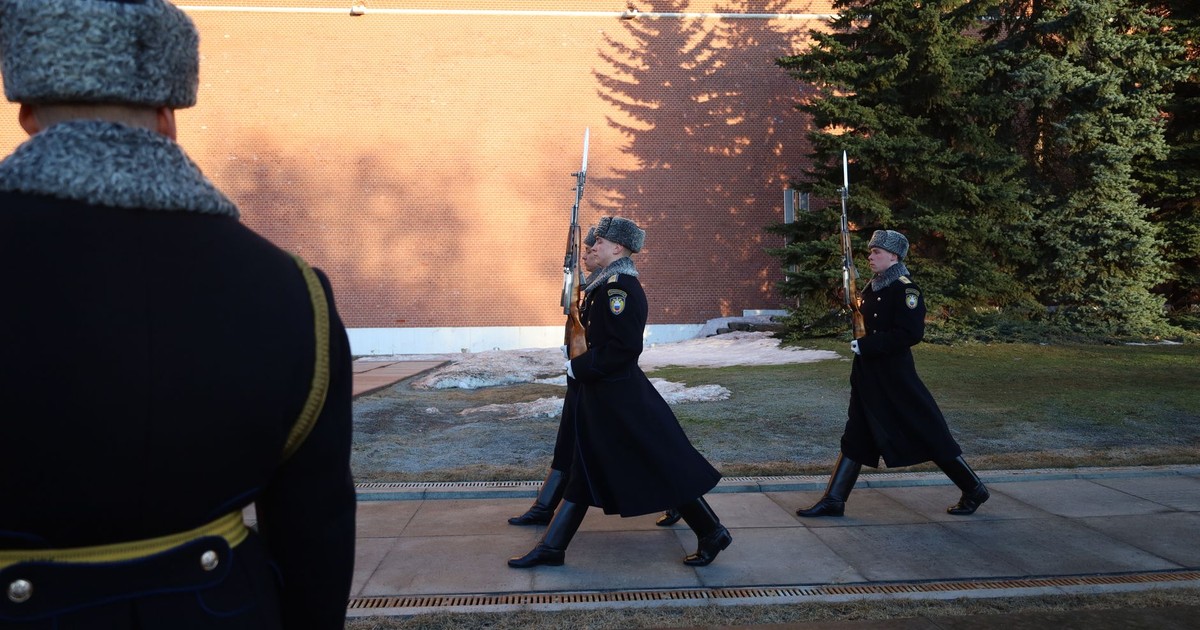
Russia now sits at the highest-risk level for international visitors, carrying a Level 4 “Do Not Travel” designation, the most severe rating in the four-tier advisory system. A December 2025 update kept the country firmly in that category. The reasons stack up fast: dangers linked to the ongoing war in Ukraine, the risk of harassment or wrongful detention by security officials, arbitrary enforcement of laws, and a credible terrorism threat. Americans currently in Russia are urged to leave immediately.
Russia’s international isolation, its ongoing war with Ukraine, and internal political repression create significant risks for foreign travelers. Arbitrary detentions, surveillance, and anti-foreigner sentiment have all increased. The UK Foreign Office echoes this: British nationals face extreme risk due to the ongoing conflict and the geopolitical fallout from the invasion of Ukraine.
For most travelers, Russia is one of the clearest-cut European destinations to avoid. There is no tourist experience worth the documented risk of ending up detained without meaningful consular support.
2. Ukraine
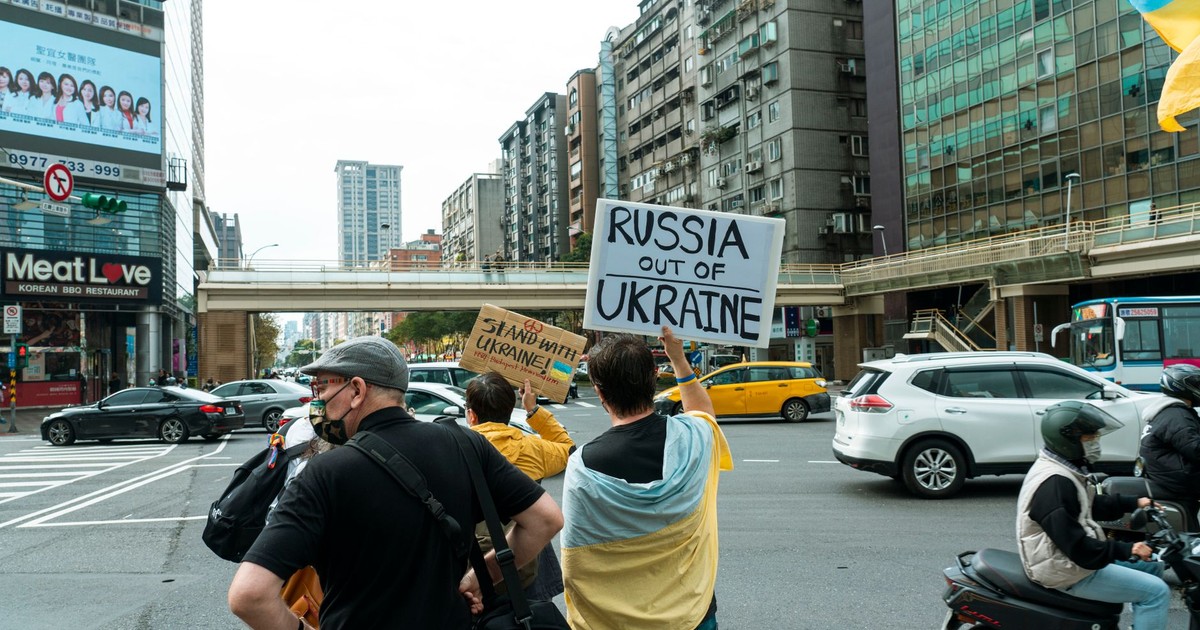
Ukraine remains the most dangerous country in Europe due to the ongoing Russian invasion. While the west of the country has become more stable and sees limited travel activity, the eastern and southern regions are still active conflict zones. Air raid alerts, missile threats, and disrupted infrastructure make it a high-risk destination for tourists.
Ukraine sits at Level 4 alongside Russia and Belarus. The reasons are specific: Russia’s ongoing war, arbitrary enforcement of laws, wrongful detentions, and limited consular support for Americans caught in the country. Travelers are strongly urged to avoid these areas entirely, with advisories emphasizing immediate departure for anyone present.
Missile strikes on civilian infrastructure, drone attacks on cities including Kyiv, and an unpredictable security environment are not risks that any travel insurance policy can adequately cover. Many travelers feel drawn to show solidarity with Ukrainians. That impulse is understandable. It doesn’t change the risk for anyone without a professional reason to be there.
3. Belarus
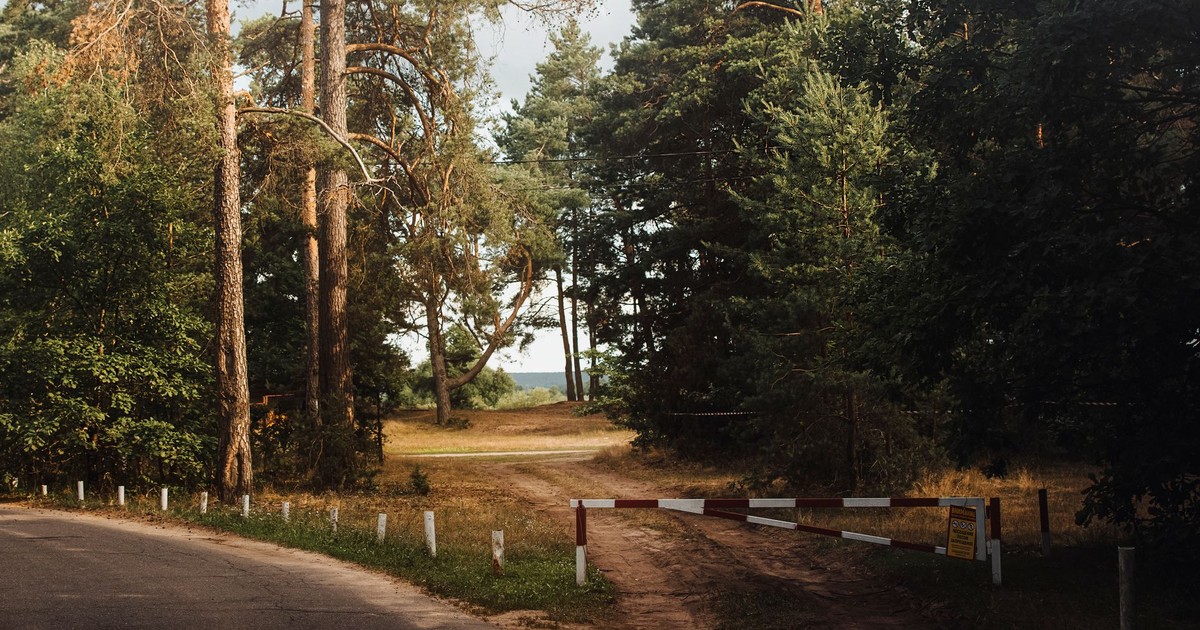
Belarus carries the same “Do Not Travel” designation, with advisories citing an authoritarian crackdown as the driving concern. The government of Alexander Lukashenko has maintained tight alignment with Moscow since the disputed 2020 elections, and conditions for foreign visitors have deteriorated sharply since then.
Several Western governments have suspended or significantly reduced their consular presence in Minsk, which means that if something goes wrong, help is genuinely limited. Border crossings with EU member states remain a point of friction, and travelers who have previously participated in any pro-democracy activity, even on social media, face a real risk of being flagged at entry. Standard tourist precautions are not sufficient here.
4. France
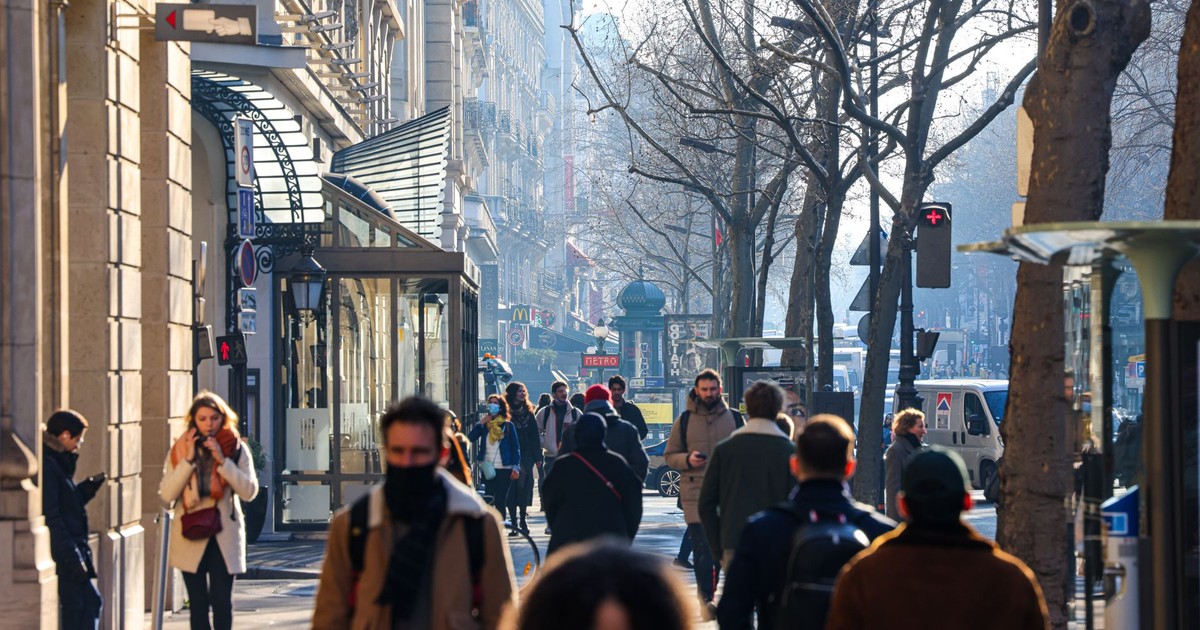
France is the world’s most visited country, which makes its place on this list more complicated than the entries above. Nobody is telling you not to go to Paris. France now carries a Level 2 advisory, with the primary concern being the terrorism threat across Western Europe alongside the potential for civil unrest.
Pickpocketing and phone theft are common in Paris, and the terrorism threat, while diffuse, is real enough that it drives official guidance. Demonstrations and strikes frequently occur across the capital and other cities, disrupting transportation and occasionally turning confrontational. Police have deployed water cannons and tear gas at protests in recent years.
The Eiffel Tower, the Louvre, the Champs-Élysées: these are exactly the kinds of high-profile, densely crowded locations that security agencies flag as elevated-risk environments. For most visitors, the day-to-day reality is long lines and pickpockets at the Sacré-Cœur, with the occasional Metro shutdown due to a transport strike. The terrorism threat sits in the background, real but not omnipresent.
5. Spain (and Barcelona in Particular)
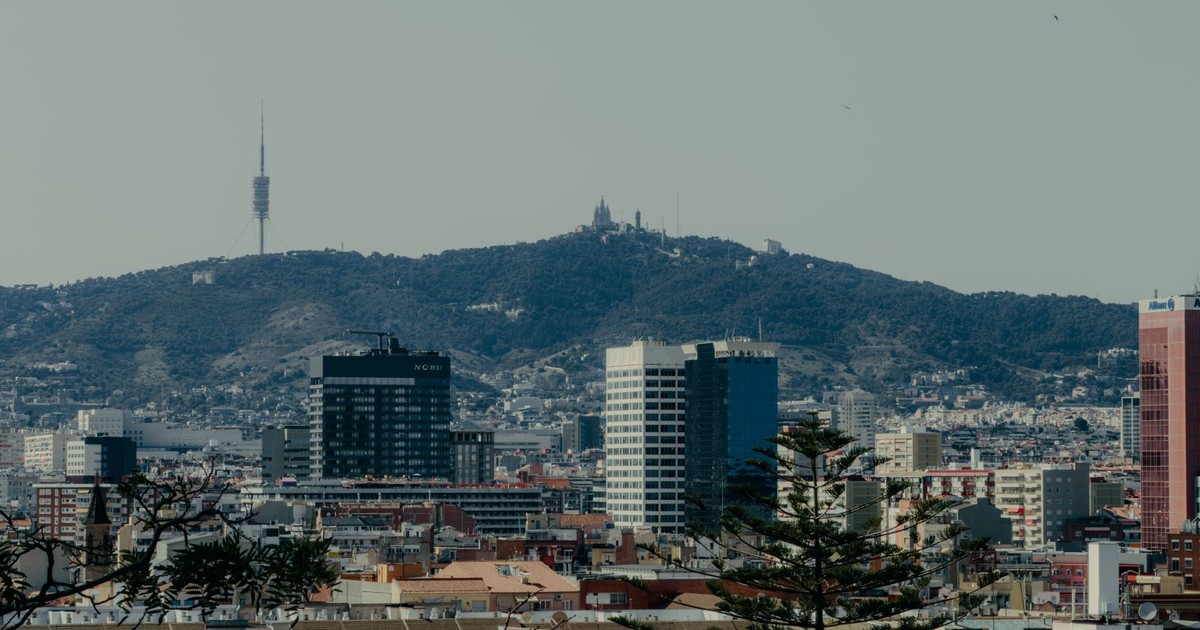
Spain carries a Level 2 advisory urging “increased caution” due to terrorism and civil unrest, updated in May 2025. But what makes Spain complicated for travelers in 2026 goes beyond the terrorism risk.
High-profile anti-tourism protests continue to make headlines, driven by local frustration over housing costs, short-term rentals, and the overcrowding of historic plazas. In Barcelona specifically, the crime numbers are striking. Pickpocketing accounted for 48.1% of all crimes committed in Barcelona, with the city recording 100,944 incidents, up 6.5% compared to the previous year, according to Barcelona City Council’s own crime statistics. The lower stretch of La Rambla near the port, along with the Gothic Quarter and metro Lines 1 and 3, remain the areas most frequently cited in visitor complaints.
Barcelona is leading a fierce travel backlash across Spain, Italy, and Portugal as locals fire water pistols, set off smoke bombs, and cover shop windows with anti-tourism stickers in protest against soaring rents, overcrowded streets, and the erosion of local life caused by mass tourism. Coordinated demonstrations have swept through major southern European cities. Spain is still a wonderful travel destination. The welcome has simply changed.
6. Germany
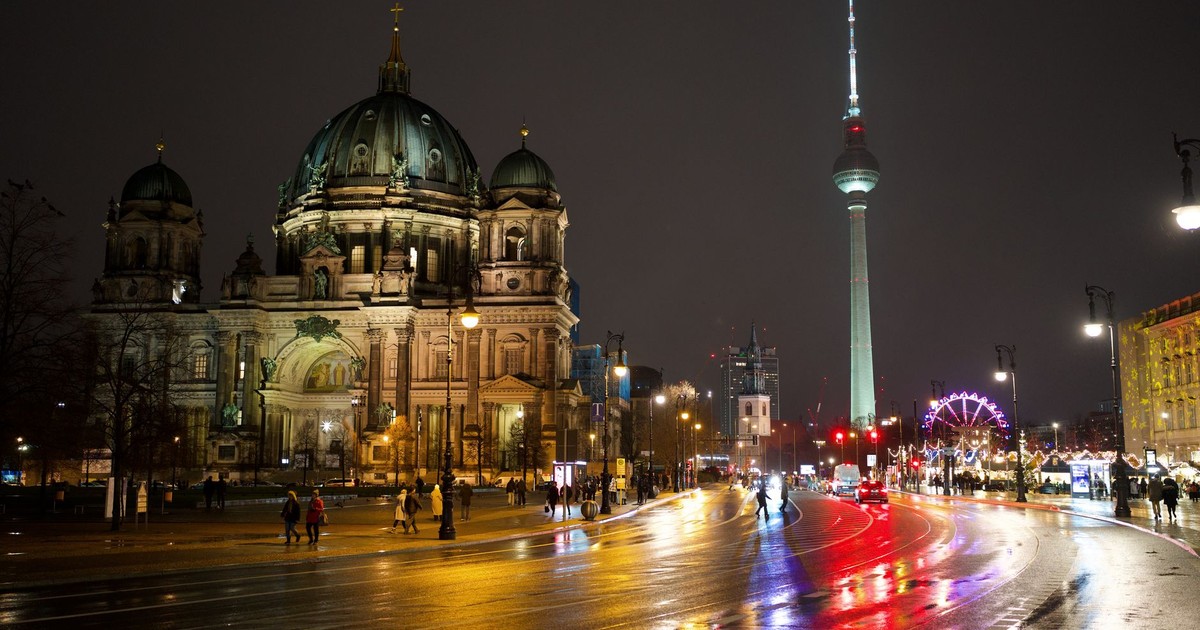
On May 13, 2025, the U.S. updated its advisory for Germany, urging travelers to use “increased caution.” The terrorism threat is the primary driver, as it is across much of Western Europe. Major events, public squares, Christmas markets, transport hubs: these are the environments German security agencies flag most often, and several high-profile incidents in recent years have validated those concerns.
Germany also saw a sharp spike in politically motivated violence in 2024 and 2025, with attacks targeting both far-right and far-left gatherings and a broader environment of social tension coloring life in Berlin, Cologne, and other large cities. For most tourists visiting Germany’s historic towns, countryside, or the Bavarian Alps, this context is largely invisible. In the major cities, particularly during public events, it registers more directly.
The advice is not to skip Germany but to stay aware at large outdoor gatherings, keep clear of political demonstrations, and register your trip with the State Department’s STEP program before you go.
7. Italy
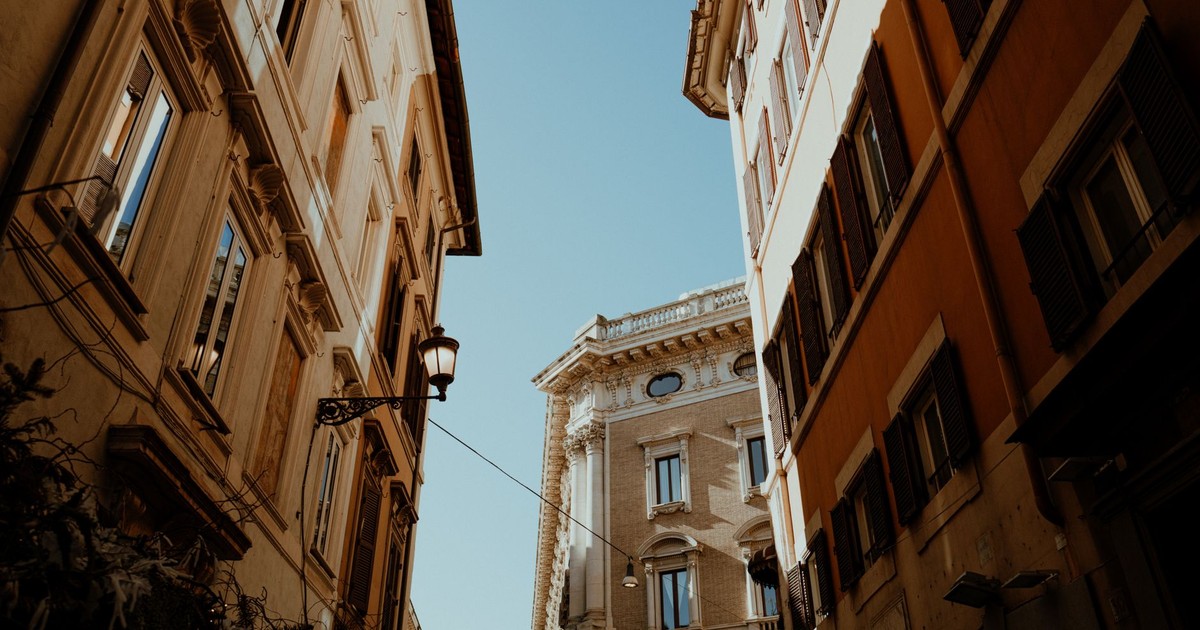
Italy’s Level 2 advisory mirrors the pattern seen across Western Europe: terrorism threats and the potential for civil unrest. The issues travelers are actually encountering in 2026, though, are more specific. Demonstrations are frequent, unpredictable, and happen fast. The U.S. Embassy in Rome issued demonstration alerts on January 4, 5, 10, and 29, and again on February 3 and 6 of 2026 alone.
Pickpocketing is a significant concern in the most visited cities. Florence, Venice, and Naples all require the kind of alert awareness that big-city tourists know well. Florence’s Santa Maria Novella station, Venice’s Piazzale Roma and vaporetto stops, and Naples Centrale are the spots most frequently cited in visitor complaints.
Venice has also become a flashpoint for overtourism backlash. Protests have swept through Venice, Milan, Palermo, Naples, and Genoa. In Venice specifically, campaigners have condemned plans for new hotel developments that would bring 1,500 more beds into an already saturated city, with residents arguing that the city’s historic character is being replaced by a sanitized tourist version of itself.
8. Turkey
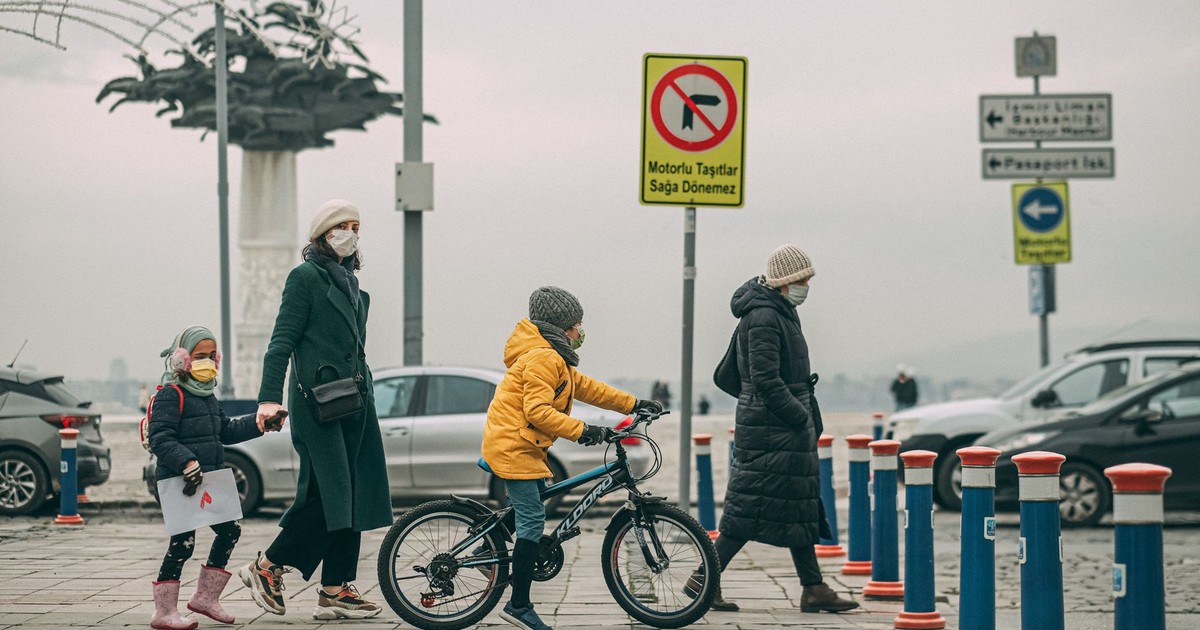
Turkey straddles Europe and Asia geographically, but it sits firmly on European travel advisory radar. The country carries a Level 2 advisory from multiple Western governments, with terrorism the central concern. Turkey shares borders with Syria and Iraq and has been the site of significant terrorist attacks in recent years, including in Istanbul’s most touristed areas. The proximity to active conflict zones in the Middle East adds a layer of unpredictability that most visitors underestimate.
Beyond terrorism, Turkey’s political environment has created risks specific to foreign nationals. Visitors have faced detention for social media posts, photographs of sensitive locations, and perceived criticism of the government. Currency instability, while improving, adds logistical complications. Istanbul remains one of the most spectacular cities in the world to visit, and millions do so each year without incident. Stay away from border regions in the southeast, exercise real caution around political gatherings, and be thoughtful about what you photograph and what you post publicly while there.
9. Moldova
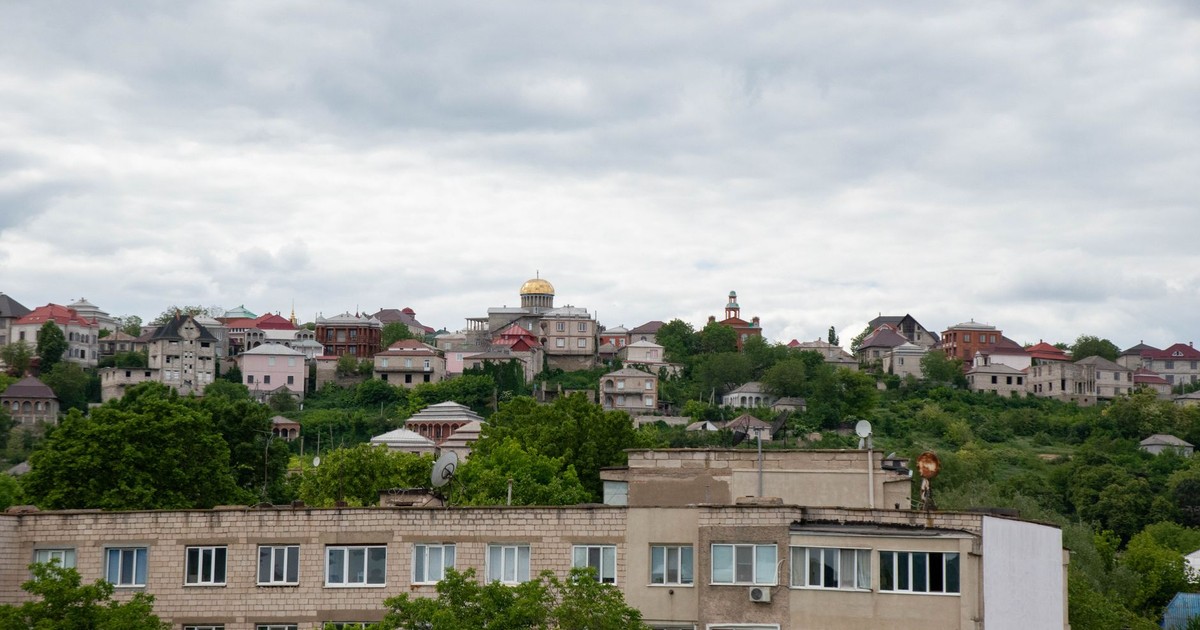
Moldova is one of Europe’s least-visited countries, and the security situation explains part of that. Geopolitical proximity to Ukraine, internal political conflicts, and economic vulnerability all weigh on day-to-day conditions. The uncertain status of Transnistria adds another layer: it is a breakaway region in eastern Moldova that has been under de facto Russian military control since the early 1990s, operating as a quasi-state that most governments don’t recognize. The combination of Russian military presence and proximity to the Ukraine conflict makes it genuinely unpredictable.
Most of Moldova outside Transnistria is relatively peaceful, and the capital Chișinău has been building a modest tourism infrastructure. But the country’s geographic position, wedged between Ukraine to the north and east and Romania to the west, means any escalation in the broader regional conflict lands close. Several governments currently advise against travel to Transnistria entirely and urge extreme caution near the border regions.
10. Bosnia and Herzegovina
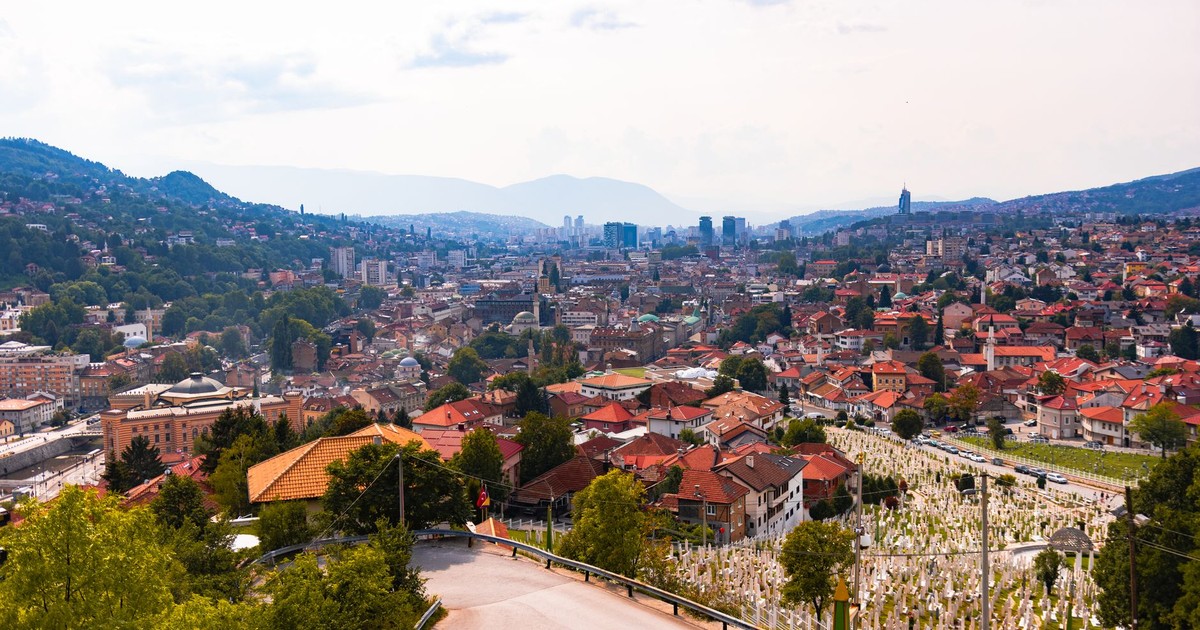
Bosnia and Herzegovina continues to struggle with deep ethnic divisions and political gridlock. While the tourist areas are generally safe, unexploded landmines still pose a danger in remote parts of the countryside. This is not a hypothetical risk. More than 820 square kilometers of land remain contaminated with landmines, according to the Bosnia and Herzegovina Mine Action Centre (BHMAC), territory that was heavily mined during the Bosnian War, with over 4,180 square km initially affected. The Bosnian War ended in 1995, and large areas of rural hillside and forest remain marked as hazardous.
For visitors sticking to the cities, particularly Sarajevo and Mostar, the day-to-day experience is safe and genuinely rewarding. Sarajevo’s coffee culture, Ottoman architecture, and remarkable wartime history make it one of Europe’s more underrated destinations. The landmine warnings apply almost exclusively to off-trail hiking and rural exploration, but they are real enough that travelers should research specific areas carefully before leaving any established path.
11. Albania
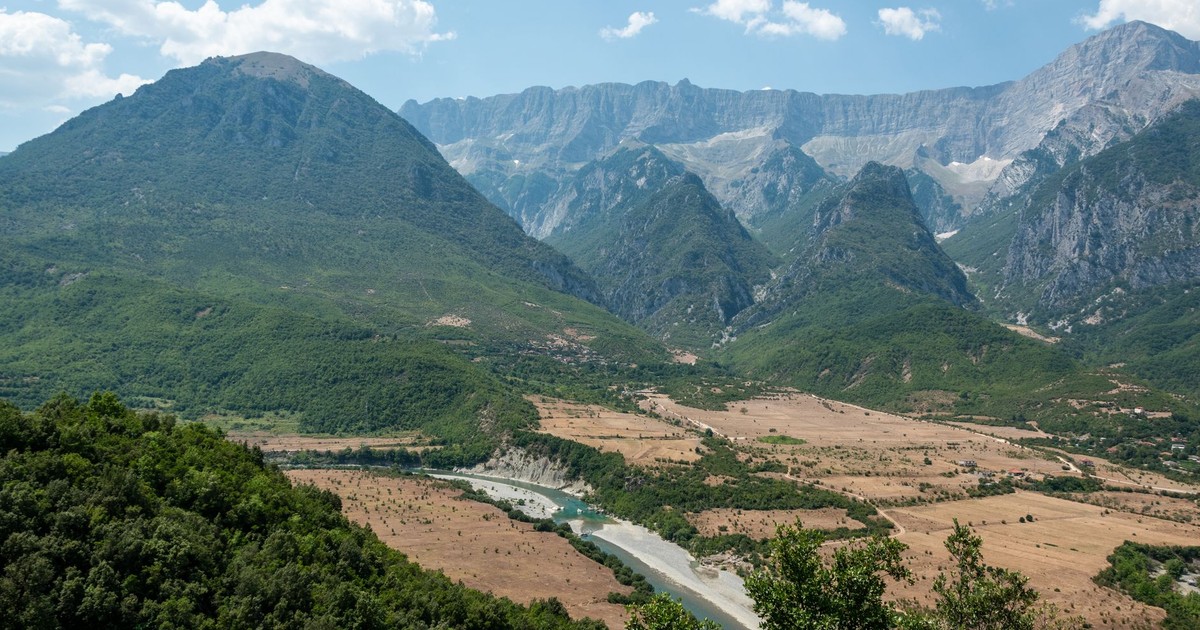
Albania has invested heavily in developing its tourism sector, and the Albanian Riviera has attracted significant attention as a less-crowded, more affordable alternative to the Greek islands. That reputation is broadly deserved. But the organized crime picture is more complicated than the tourism marketing suggests.
Albanian organized crime networks have demonstrated the capacity to move vast quantities of cocaine across Europe, enough to influence the price of the drug in European markets. A 2025 operation coordinated by Eurojust resulted in 52 arrests and seizures of at least €5 million in cash alongside 1,800 kilograms of cocaine and heroin flowing between the Balkans, Northern Europe, and Italy.
For ordinary tourists, the day-to-day risk from this is limited. Violent crime targeting visitors is uncommon. The concern for travelers arises more around petty crime in Tirana, scams in tourist areas, and occasional reports of aggressive behavior in nightlife districts. Albania is a fascinating country with extraordinary coastline and some of Europe’s most underrated ancient ruins. The advice is not to skip it but to stay informed about specific areas, particularly in and around Tirana at night.
What to Do With All of This
Most of these places carry risks that are specific, documented, and manageable with preparation, not blanket danger that should keep anyone home. Three of them (Russia, Ukraine, Belarus) are different: they operate under the highest-tier advisories for reasons tied to active conflict and authoritarian detention risks. For those three, the advisories mean exactly what they say.
For the rest, the picture is more layered. Many Eastern European countries enjoy the lowest risk rating, while several prominent Western European destinations carry heightened warnings, primarily due to ongoing terrorism threats. The most iconic, most-visited destinations in Western Europe (France, Spain, Germany, Italy) carry higher official advisory levels than countries like Poland, the Czech Republic, or Portugal, not because they are more dangerous in any everyday sense, but because the threat environment is more complex. Terrorism risk tends to concentrate where symbolic targets concentrate.
Advisory levels change. The situation in any of these destinations can shift in either direction. The best preparation is to check current advisories directly before booking rather than relying on anything written more than a few weeks ago. Some of these patterns go back further than any single news cycle. Knowing which risks are structural and which are situational is usually where smart travel planning starts.
Disclaimer: This information is not intended to be a substitute for professional medical advice, diagnosis, or treatment and is for information only. Always seek the advice of your physician or another qualified health provider with any questions about your medical condition and/or current medication. Do not disregard professional medical advice or delay seeking advice or treatment because of something you have read here.
AI Disclaimer: This article was created with the assistance of AI tools and reviewed by a human editor.