

In 2025, about 45,700 Americans aged 65 and older moved to Florida. Nearly 44,900 moved out. That gap, less than a thousand people net, was the first real sign that the state’s grip on the American retirement imagination has started to slip. The destination that spent decades as the uncontested default is losing its margin, and the retirees doing the math are landing somewhere different.
The appeal was never irrational. Florida collects no individual income tax, no estate or inheritance tax, and its effective property tax rate on owner-occupied homes sits near the bottom nationally. On paper, that looks like a clean win. In practice, Kiplinger reports that rising living costs and ongoing tax policy debates, including proposals to eliminate Florida property tax, along with other hidden costs, can all impact a retiree’s 2026 bottom line. After the 2021 Surfside condo collapse, Florida passed structural inspection and reserve funding requirements for buildings three stories or taller. Buildings that deferred maintenance for decades are now required to fund reserves in full and complete milestone inspections, arriving as special assessments in the $20,000 to $100,000 range per unit, with monthly HOA dues doubling or tripling in older buildings.
The twelve cities below offer a stronger retirement dollar. Some deliver warmer weather, some don’t. All of them hold up better when you run the full numbers.
1. Asheville, North Carolina

Asheville has been landing on best-retirement lists long enough that it no longer needs an introduction, but the supporting data keeps sharpening. According to RetireCityIQ, Florida, Tennessee, Texas, and Nevada have no state income tax, making them the most tax-friendly states for retirees, while South Carolina and Georgia also offer generous retirement income exemptions. North Carolina sits in a different tier: it levies a flat 4.5% income tax rate (down from 4.75% in 2025), but Social Security is fully exempt from state tax, and the cost of living runs below the national average across most of its metro areas. Healthcare access is exceptional, anchored by Duke Health, UNC Health, and Atrium Health systems.
The city itself sits in the Blue Ridge Mountains at an elevation that keeps summers mild, a genuine advantage in an era of warming coastal summers. The downtown arts scene, the nationally recognized restaurant culture, and the proximity to hiking trails on the Appalachian range give active retirees more to do per square foot than almost any comparable small city in the South.
Asheville’s popularity has pushed housing costs up over the past decade. It’s still significantly cheaper than comparable coastal markets, but buyers looking to stretch a dollar further should also price out nearby Hendersonville or Weaverville before committing.
2. Knoxville, Tennessee

Tennessee eliminated the Hall Tax in 2021, meaning there is now no state income tax at all. The cost of living is low, property taxes run below the national average, and Knoxville gives you the best version of Tennessee’s tax advantages without Nashville’s price tag, which has climbed sharply as that city absorbed a decade of migration.
MoneyTalksNews notes that Knoxville gets you Tennessee’s tax-friendly treatment plus the Great Smoky Mountains immediately accessible. The University of Tennessee brings cultural events, medical facilities, and the energy that college towns reliably produce. The UT Medical Center is a Level 1 trauma facility, which matters more in retirement than most people plan for before they need it.
The winters are mild by most standards: cold enough to feel like seasons, rarely severe enough to be a problem. For a retiree who wants outdoor access, genuine affordability, zero state income tax, and a real healthcare anchor, Knoxville checks every box.
3. Pittsburgh, Pennsylvania

Pittsburgh gets dismissed for the weather and almost nothing else. Pittsburgh has world-class healthcare through the University of Pittsburgh Medical Center, affordable housing, and Pennsylvania doesn’t tax retirement income, meaning no state tax on pension, IRA, or 401(k) withdrawals.
Most no-income-tax states get the credit for retirement friendliness, but Pennsylvania’s blanket exemption of all retirement income is genuinely more valuable for a retiree with significant 401(k) assets than Florida’s system, which exempts income tax broadly but offers no specific advantage for retirement account withdrawals beyond the general zero-income-tax rule. Pittsburgh’s median home price of around $238,000 sits roughly 42% below the national median, backed by Pennsylvania’s full exemption of all retirement income.
The food scene has been nationally recognized for years. The three rivers trail system offers walkable recreation that doesn’t require a car. For a retiree with grandchildren spread across the Northeast, Pittsburgh’s central position makes weekend visits practical in a way that Fort Lauderdale simply isn’t.
4. San Antonio, Texas
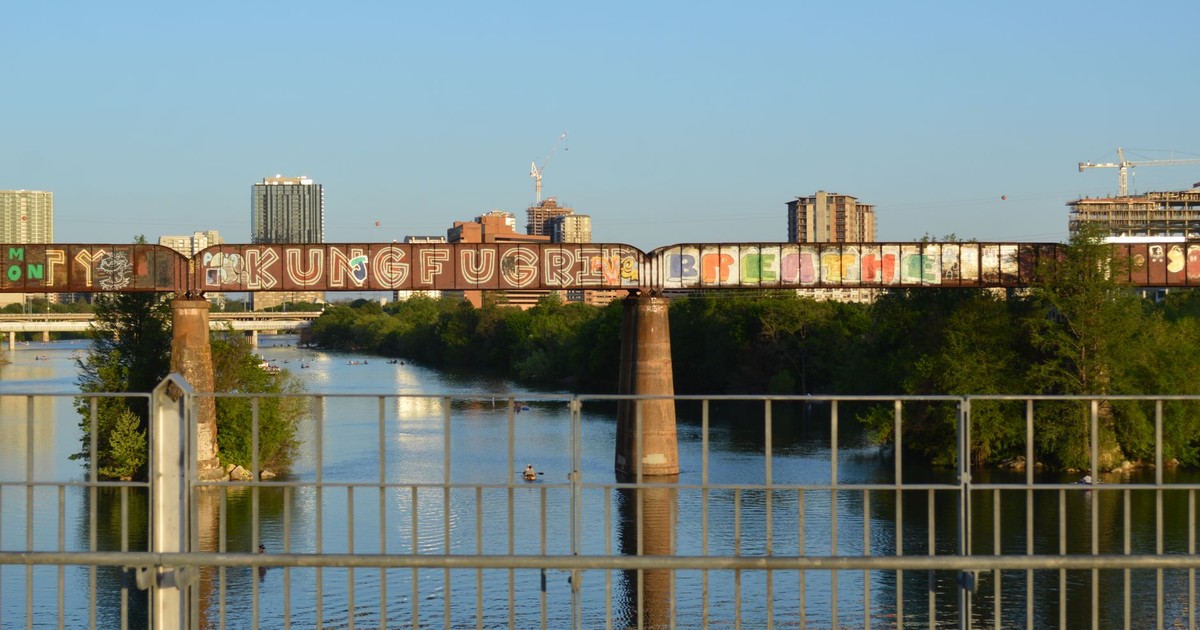
San Antonio carries one of the most affordable cost profiles of any large city in the country. No state income tax in Texas, with a walkable River Walk and King William historic district that give the city genuine urban character without big-city prices. For a retiree who wants the activity of a major metro, the culture, the restaurants, and the airport connections, without the cost of Austin or Dallas, San Antonio sits in a sweet spot.
The healthcare infrastructure matches the city’s size. The South Texas Medical Center is the largest medical complex in the region, with facilities including UT Health San Antonio, University Hospital, and Methodist Healthcare. For complex medical needs, that concentration of specialized care is a meaningful advantage over smaller retirement towns.
Texas property taxes deserve an honest mention: they’re among the highest in the country, often offsetting the income tax savings for homeowners with significant equity. In San Antonio specifically, the base home values are low enough that even at Texas property tax rates, the dollar figures stay manageable for most retirees.
5. Savannah, Georgia
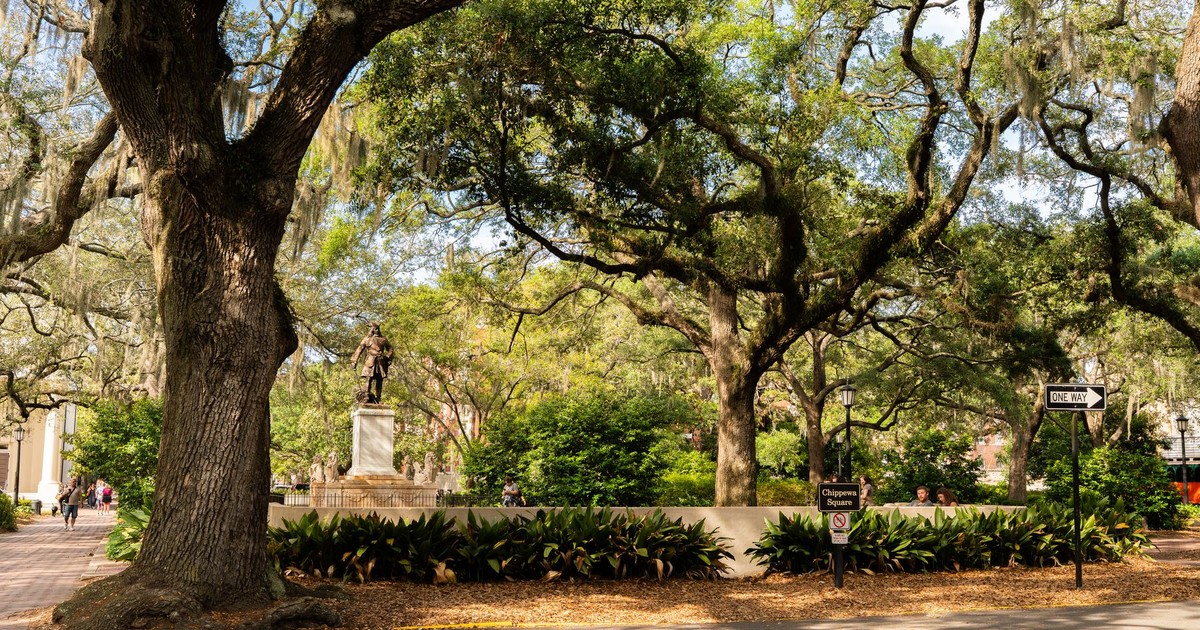
Georgia has built one of the most comprehensive retirement tax structures in the South. The state exempts Social Security and up to $65,000 per person (or $130,000 for a married couple) in retirement income for residents 62 and older. Smaller cities like Savannah offer affordable living with genuine cultural depth.
Savannah delivers that cultural depth in a way few cities its size can match. The historic district is one of the most architecturally intact in the country. The squares, the waterfront, the restaurant scene, the music venues work like a much larger city. The cost of living, while not the cheapest in Georgia, is substantially below comparable coastal markets in Florida.
The climate is the closest on this list to what Florida offers: long, warm seasons, mild winters, access to coastal beaches within a short drive. For a retiree who genuinely wants warmth, humidity, and a Southern pace of life without the hurricane insurance bills that have become a defining feature of Florida retirement, Savannah is the most direct comparison.
6. Tucson, Arizona

Arizona levies no tax on Social Security benefits and carries a flat income tax rate of just 2.5% in 2026, among the lowest of any state that has an income tax. Pension income is partially or fully exempt depending on the source.
Tucson is where Arizona’s retirement argument makes the most financial sense. Phoenix gets the attention, but Phoenix also gets 110-degree summer days and a cost of living that has risen sharply with the tech migration of the past decade. Tucson sits at a higher elevation, which keeps temperatures several degrees cooler through summer, and its housing market is considerably more affordable than Scottsdale or the Phoenix metro.
Among cities that fit a $3,000-a-month retirement budget, Tucson consistently comes up: lower housing costs than Phoenix or Scottsdale, Social Security exempt from Arizona income tax, and strong academic healthcare through the University of Arizona’s medical center. The university also provides arts programming, public lectures, and a cultural calendar that keeps intellectually active retirees engaged year-round. The main tradeoffs are summer heat and utility bills, both of which are fully predictable before you move.
7. Las Vegas, Nevada

The association with casinos and bachelor parties tends to obscure what Las Vegas has become as a retirement destination. StateCal’s 2026 retirement analysis confirms that Nevada has no income tax, and Las Vegas and Reno both offer entertainment, healthcare, and relatively affordable housing with reasonable property taxes. Combine that with a healthcare infrastructure that has expanded dramatically over the past decade to serve the city’s growing and aging population, and the retirement case becomes serious.
The desert heat is real, but it is dry heat, and Las Vegas summers are largely spent indoors in the same way Florida summers are. The meaningful difference is that Nevada has no hurricane season, no flood insurance requirements, and no condo special assessments tied to coastal storm damage. For a retiree comparing warm-weather options on a pure cost basis, the Nevada total is often lower than Florida’s once insurance is fully priced in.
8. Boise, Idaho

Boise has grown fast, and some of the affordability that made it a sleeper pick five years ago has narrowed. It still offers genuine value relative to Florida’s coastal markets. River trails, nearby mountains, and a thriving downtown make it ideal for retirees who want both outdoor access and urban convenience.
Idaho exempts Social Security from state income tax, and the state’s flat income tax rate is among the lower rates in the Mountain West. The healthcare infrastructure has expanded with the population, and St. Luke’s and Saint Alphonsus Regional Medical Center both provide the kind of specialized care access that retirees need to weigh seriously before choosing a smaller market.
For retirees who want four genuine seasons, serious outdoor access (skiing, fly-fishing, hiking on the same calendar), and a small city with a real downtown, Boise remains one of the most complete packages in the Western U.S. The winters are cold, but they’re predictable, which is more than can be said for Florida hurricane season.
9. Albuquerque, New Mexico

Albuquerque doesn’t appear on many retirement shortlists, which means it hasn’t been priced by retirement demand the way Asheville or Boise have. Annual healthcare costs among major U.S. cities are highest in Rapid City, South Dakota, at $12,452. The lowest in the country are found in Albuquerque, at $6,760. That figure alone makes it worth a serious look for any retiree whose primary concern is healthcare spending.
The city sits at 5,300 feet elevation, which delivers a high-desert climate: warm summers without the brutal humidity of the Southeast, and cold winters that are dry and manageable rather than icy. The University of New Mexico Health Sciences Center anchors the healthcare system, with a Level 1 trauma center and strong specialty programs.
New Mexico does still tax Social Security benefits at the state level for higher-income retirees, which is worth factoring into the math. But the combination of the lowest healthcare costs of any major U.S. city, genuinely affordable housing, and a mild, dry climate makes Albuquerque one of the most undervalued retirement cities alternatives on this list.
10. Greenville, South Carolina
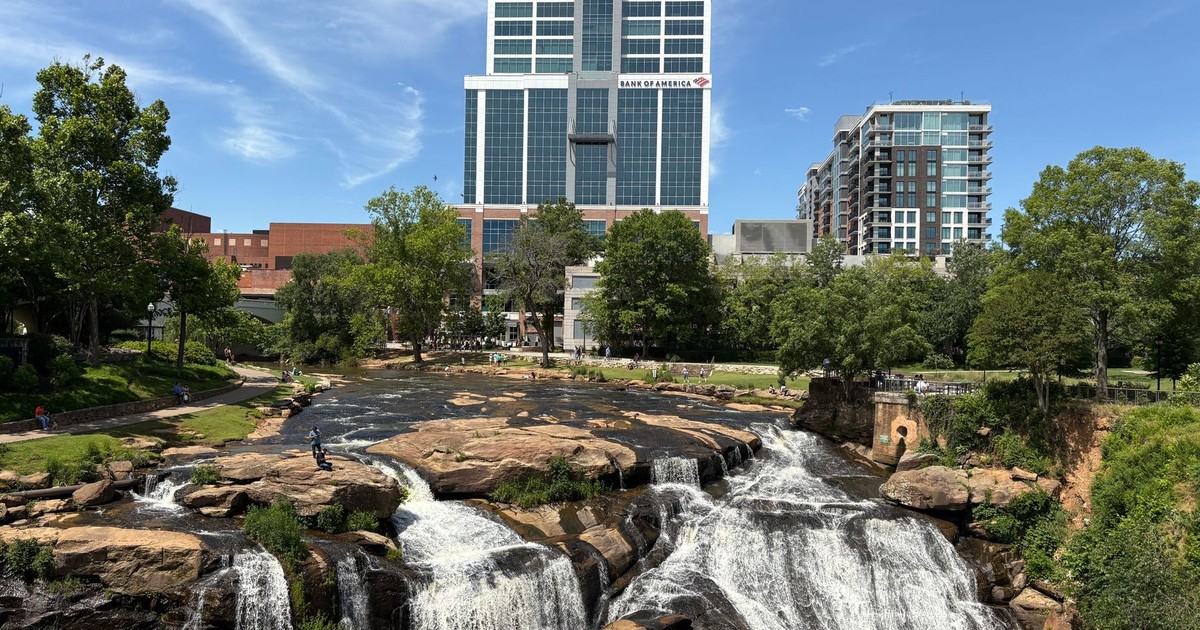
South Carolina exempts Social Security from state income tax and offers a retirement income deduction of up to $15,000 per person for residents 65 and older. Greenville pairs those tax advantages with a revitalized downtown that has become one of the most cited examples of small-city urban renewal in the South. Reedy River Falls Park runs through the center of the city, a downtown waterfall and greenway that makes the walkable core genuinely appealing.
Greenville ranks consistently among the stronger starting points for retirees in 2026, balancing affordability, healthcare, taxes, climate, and lifestyle. The Bon Secours health system and Prisma Health both operate major facilities in the metro, giving retirees access to solid specialist networks without having to drive to a major metropolitan center.
The cost of living in Greenville is substantially below the national average, and the housing market, while no longer as cheap as it was pre-2020, still offers considerably more value per dollar than any Florida coastal city. The climate is warm with mild winters, and the city’s position in the Upstate puts it within easy driving distance of Charlotte and Atlanta for larger medical facilities or airport connections.
11. Chattanooga, Tennessee
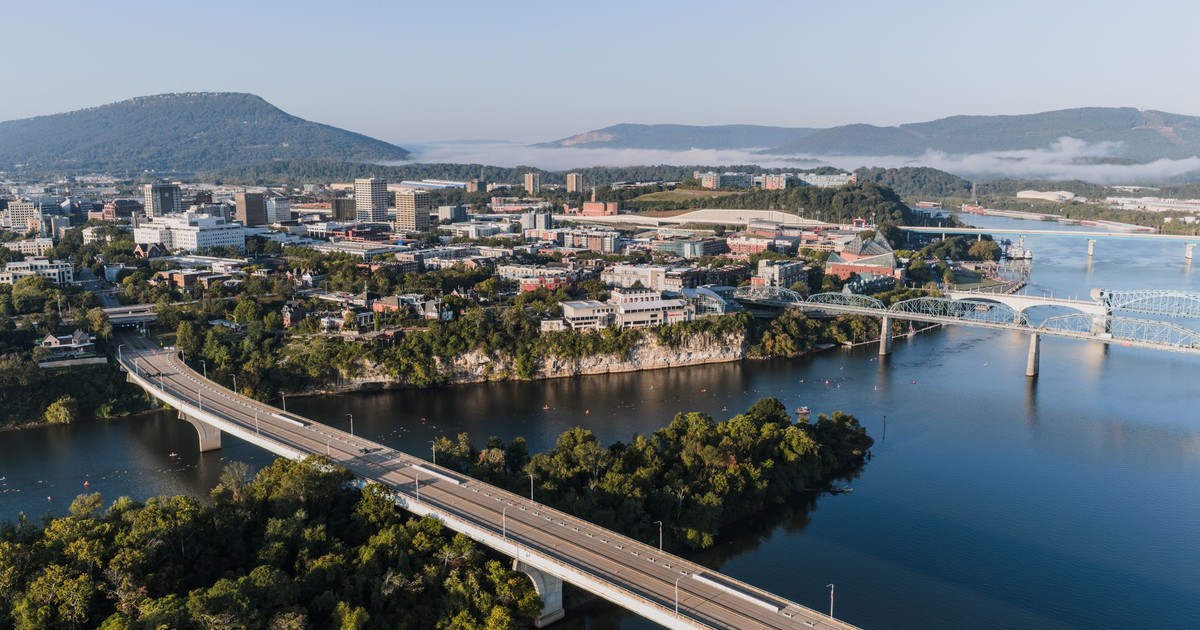
Chattanooga gets the second entry for Tennessee on this list because it earns it independently. It carries Tennessee’s zero state income tax benefit alongside moderate housing costs, and it carries the outdoor access that Knoxville offers, but with a different character. The Tennessee River defines the city in a way the Tennessee Valley Authority heritage still makes visible, and the Lookout Mountain corridor gives residents views that people genuinely relocate for.
The downtown renovation that began with the Tennessee Aquarium in the 1990s has matured into a city with a real walkable core, a strong cycling culture (the Tennessee RiverWalk stretches 13 miles along the river), and a growing culinary scene that punches well above what a city of 190,000 would normally produce. Erlanger Health System provides the primary acute care anchor, and the system’s affiliation with the University of Tennessee College of Medicine gives it the specialist depth a retiree needs.
For a couple comparing monthly retirement budgets, Chattanooga against a comparable Florida city consistently comes out several hundred dollars a month cheaper once housing, utilities, and insurance are totaled. That difference, sustained over a 20-year retirement, is not a rounding error.
12. Colorado Springs, Colorado

Colorado has some complexity on the tax side that requires attention. As of 2026, Colorado is among the states that still tax Social Security benefits in some form, though most offer exemptions for lower-income retirees. For retirees with moderate incomes, the impact is often minimal, but it’s worth running the actual numbers before moving.
What Colorado Springs offers in return for that mild tax caveat is considerable: elevation at 6,035 feet keeps summers consistently cooler than anywhere in Florida, access to the Rocky Mountain trail system, and a healthcare system anchored by UCHealth Memorial Hospital and Penrose-St. Francis Health Services, which together cover the specialist spectrum from cardiology to orthopedics. The military retirement community is large and well-established, giving the city a particular social infrastructure for veterans.
The housing market is more affordable than Denver by a significant margin, and the combination of outdoor access, reasonable cost of living, and genuine four-season weather without extreme heat makes Colorado Springs one of the most well-rounded retirement cities alternatives for retirees who spent decades dreaming of mountains over beaches.
What the Numbers Actually Say

The Florida retirement brand was built on a genuine advantage: no income tax, no inheritance tax, warm weather, and a state that understood early how to build for retirees. That advantage still exists in some form. What’s changed is the surrounding math. Florida’s warm climate means heavy reliance on air conditioning, pushing electricity bills above the national average. Stack that against rising homeowners insurance, post-Surfside condo assessments, and a property market that retirement demand keeps from softening, and the zero-income-tax headline number starts to look a lot thinner. According to RetirementLiving.com’s 2026 rankings, Florida dropped from No. 3 to No. 22 in a single year, finishing in the middle of the pack across all three scoring components despite keeping its no-income-tax status.
The number of states taxing Social Security benefits has dropped from thirteen to eight since 2020, while insurance costs remain elevated in coastal zones. That shift matters. It means the income-tax advantage Florida once held over states like Tennessee or Nevada has narrowed, while Florida’s specific cost burdens (coastal insurance, condo reserve laws, hurricane season) remain. The twelve cities on this list didn’t become better retirement options because Florida collapsed. They became more competitive because the rest of the country caught up on the tax side while Florida’s particular costs kept climbing.
The retirement calculation was never supposed to be about picking the state with the most flattering tax headline. It was always about where the full budget works, where the healthcare is genuinely accessible, and where the life you want to live is actually affordable to sustain for twenty or thirty years. Some of these cities offer warmth. Some offer mountains. All of them, when you run the honest numbers, offer more month at the end of the money than a Florida address has started to provide.
Disclaimer: This information is not intended to be a substitute for professional medical advice, diagnosis, or treatment and is for information only. Always seek the advice of your physician or another qualified health provider with any questions about your medical condition and/or current medication. Do not disregard professional medical advice or delay seeking advice or treatment because of something you have read here.
AI Disclaimer: This article was created with the assistance of AI tools and reviewed by a human editor.