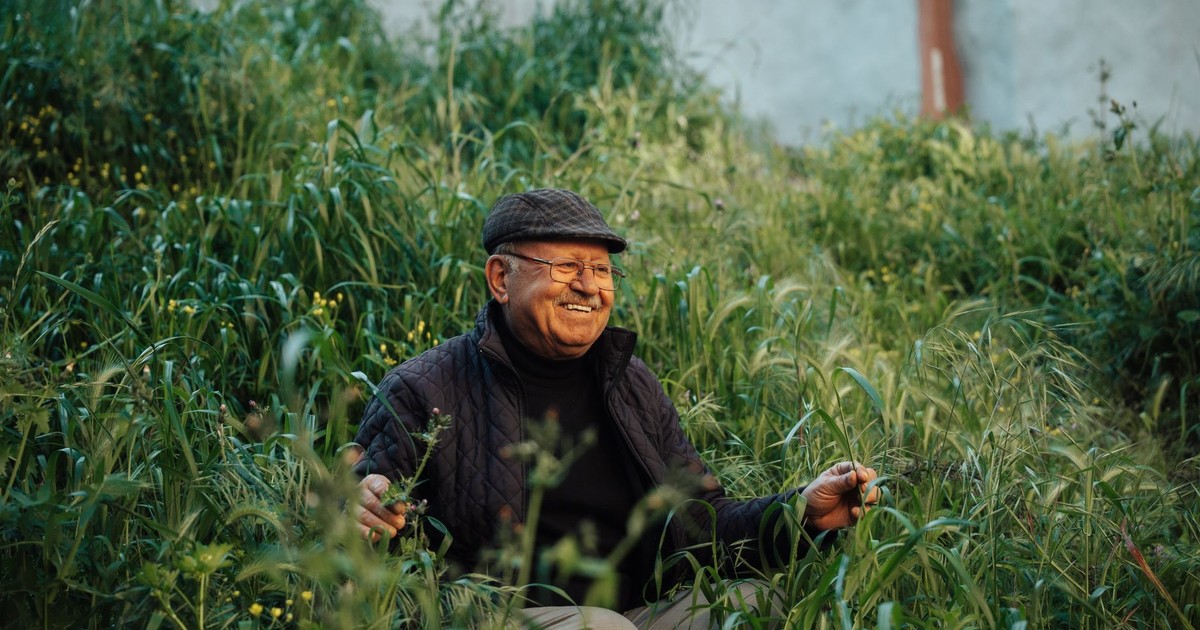

The argument for picking up a new hobby in your sixties or seventies isn’t sentimental. An analysis in Nature Mental Health, drawing on data from more than 600,000 people across 21 long-term studies, found that loneliness raises dementia risk by 31%, a magnitude comparable to smoking or physical inactivity. Staying socially and purposefully engaged is one of the most reliable ways to counter that risk.
A 2024 study in Nature Communications, tracking 8,771 older adults from the Health and Retirement Study over eight years, found that physical and creative activities were linked to better daily functioning, improved sleep, fewer long-term physical health problems, and a slower rate of age-related decline. The people who stayed engaged with hobbies didn’t just feel better. They functioned better, for longer.
What follows is a thorough list of 28 hobbies for seniors that are accessible, genuinely enjoyable, and backed by real reasons to start. Some are physical, some creative, some social, some solitary. The point isn’t to find all 28. It’s to find yours.
1. Gardening
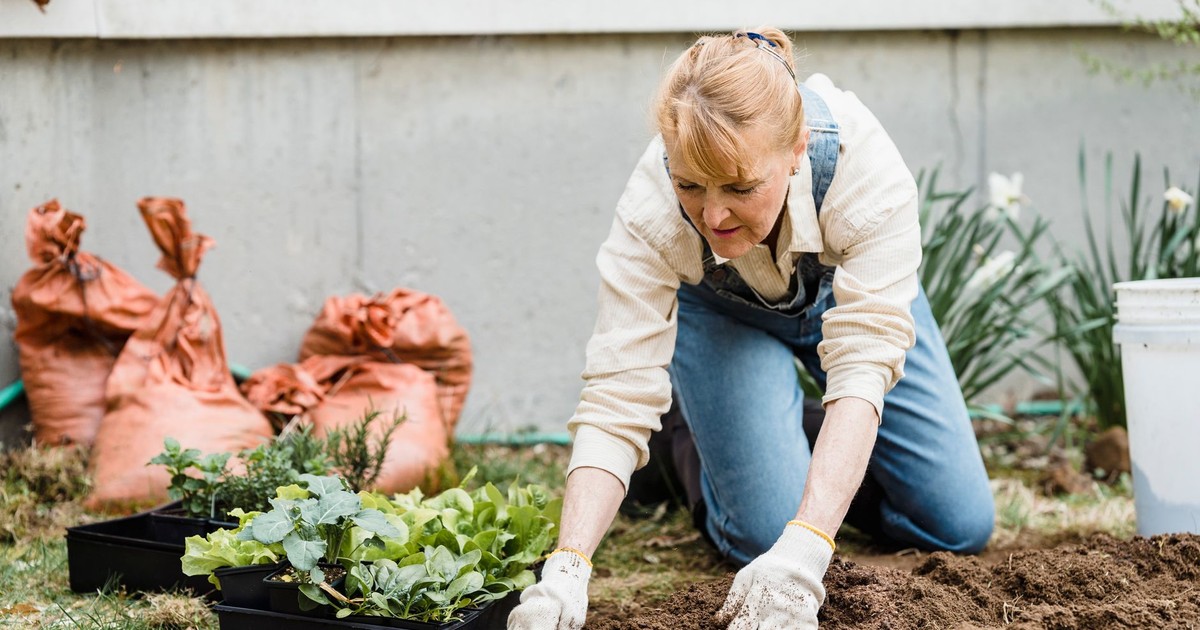
Gardening combines light physical activity, exposure to fresh air and sunlight, a tangible sense of accomplishment, and enough ongoing problem-solving to keep the brain engaged. Digging, planting, pruning, and watering all involve grip strength and fine motor skills, the kinds of low-impact movement that keep joints and muscles working without stressing them.
Community garden plots, local horticultural societies, and gardening clubs connect people who might otherwise spend a lot of time indoors and alone. Even a solo container garden on a balcony offers the daily ritual of tending to something living, which provides structure and purpose, two things that retirement can erode.
Starting doesn’t require a big yard or expensive equipment. A raised bed eliminates the need to kneel or crouch, and herbs like basil, mint, and chives will grow on a windowsill. The learning curve is gentle, the feedback is almost immediate, and the produce, if you grow vegetables, is a bonus.
2. Walking and Hiking
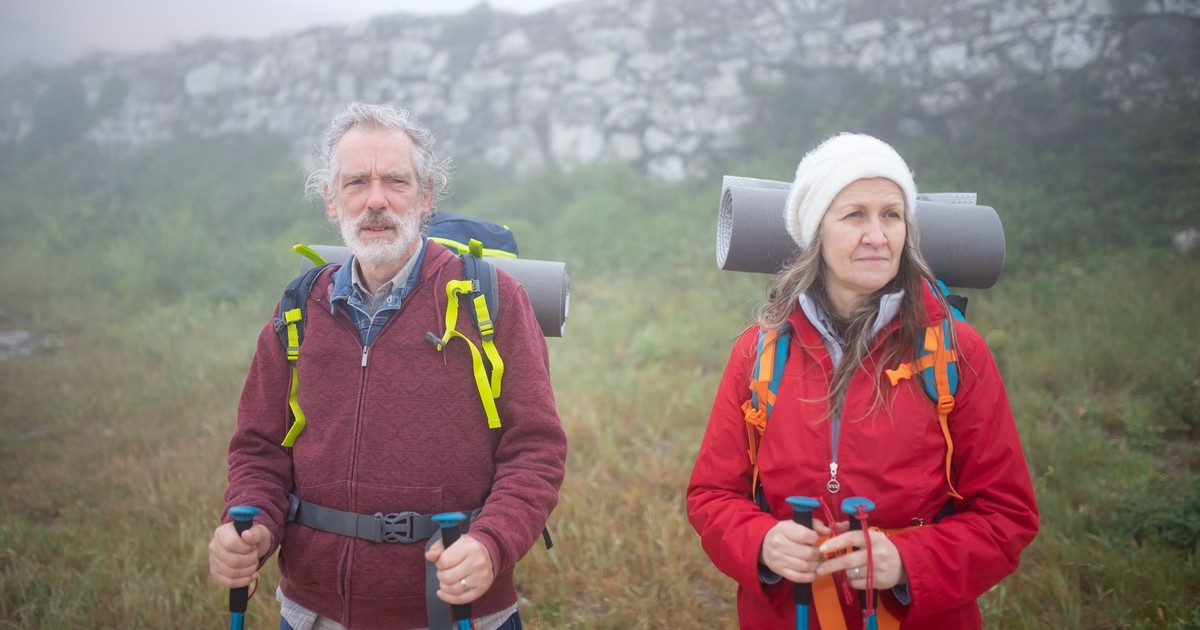
Walking costs nothing, requires no instruction, and delivers outsized returns for cardiovascular health, mood, and cognitive function. For seniors specifically, regular brisk walking helps maintain bone density, reduces fall risk by strengthening the stabilizing muscles around the ankle and knee, and gives the heart consistent, low-stress aerobic work.
Hiking takes walking and adds destination, terrain, and usually company. Local trail networks exist in virtually every region of the country, and many parks offer trails graded by difficulty. A two-mile walk through a forest or along a lake does things that a treadmill doesn’t: the varied terrain demands more from the brain and the body, and the scenery has measurable effects on stress hormones.
A ten-minute walk around the block, done most days, is enough to start building the habit. The distance tends to expand on its own once the body adapts and the routine sets.
3. Pickleball
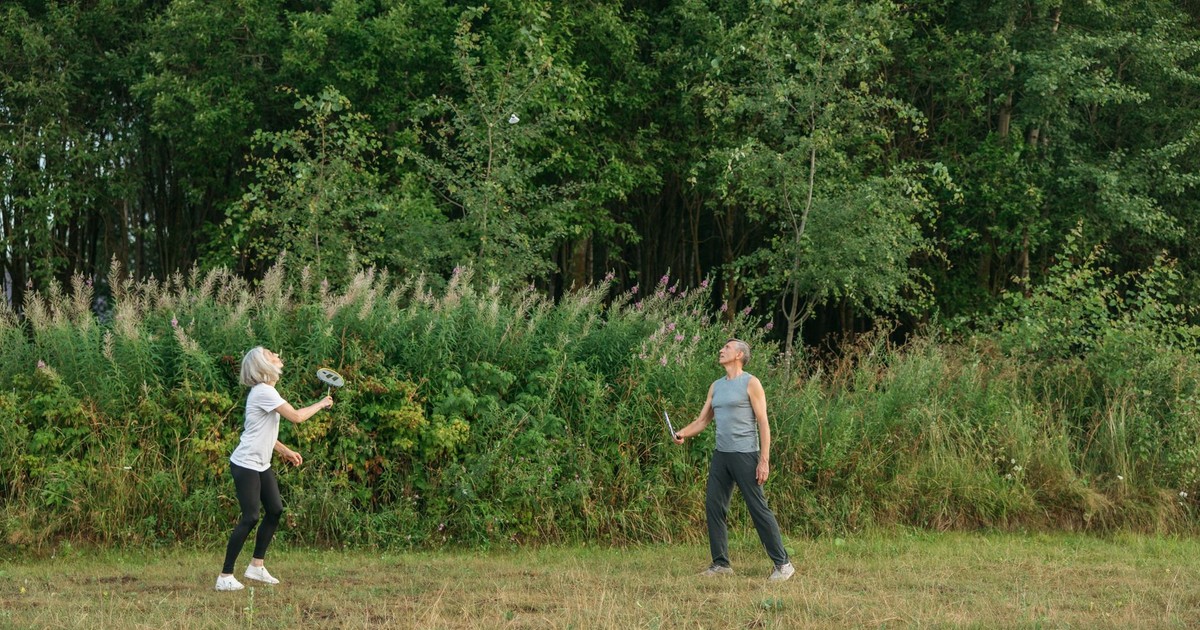
Pickleball is now the fastest-growing sport in the country, and a substantial portion of its players are over 60. Its smaller court and lighter paddle make it more approachable for new players and easier on the joints than full-court tennis, without sacrificing the social, competitive energy that makes racket sports addictive.
An NCI-led analysis of 272,550 adults aged 59 to 82, published in JAMA Network Open, found that racket sports produced the strongest reduction in cardiovascular death risk of any activity studied, including a 16% reduction in all-cause mortality and a 27% reduction in cardiovascular death risk. The combination of lateral movement, hand-eye coordination, and sustained aerobic effort delivers balance training and proprioception work alongside cardiovascular benefit.
Most community recreation centers and YMCAs now have dedicated pickleball courts, and many run beginner sessions specifically for older adults. Most new players are rallying within their first hour, and the community around the sport is exceptionally welcoming.
4. Swimming and Water Aerobics
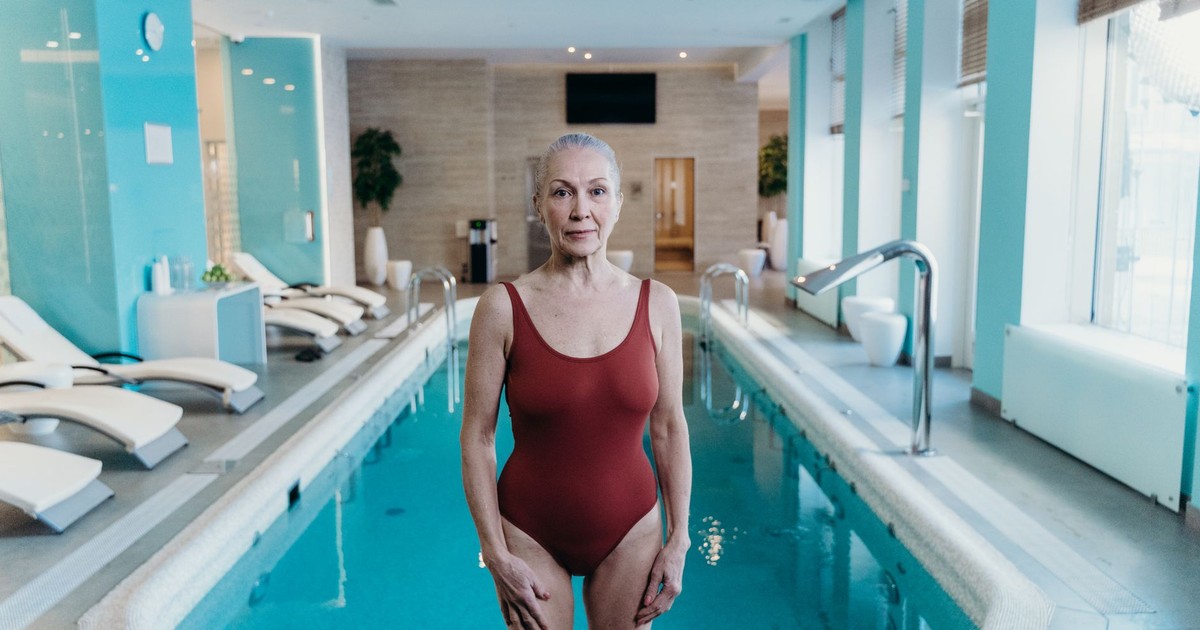
Buoyancy takes the weight off joints, which means swimming and water aerobics are accessible to people who find land-based exercise painful. Those with arthritis, hip replacements, or knee problems can often move freely in water in ways they can’t on solid ground.
Swimming laps builds cardiovascular fitness and engages nearly every major muscle group. Water aerobics, done in a group class with music and a lead instructor, adds a social component and the motivating effect of exercising alongside others. Many senior centers and community pools run dedicated over-55 swim sessions in the mornings, when pools are typically less crowded.
Even gentle aquatic movement, walking back and forth across the shallow end, doing simple leg lifts while holding the edge, delivers genuine circulatory and muscular benefit. The water’s resistance does the work even when the effort feels minimal.
5. Yoga
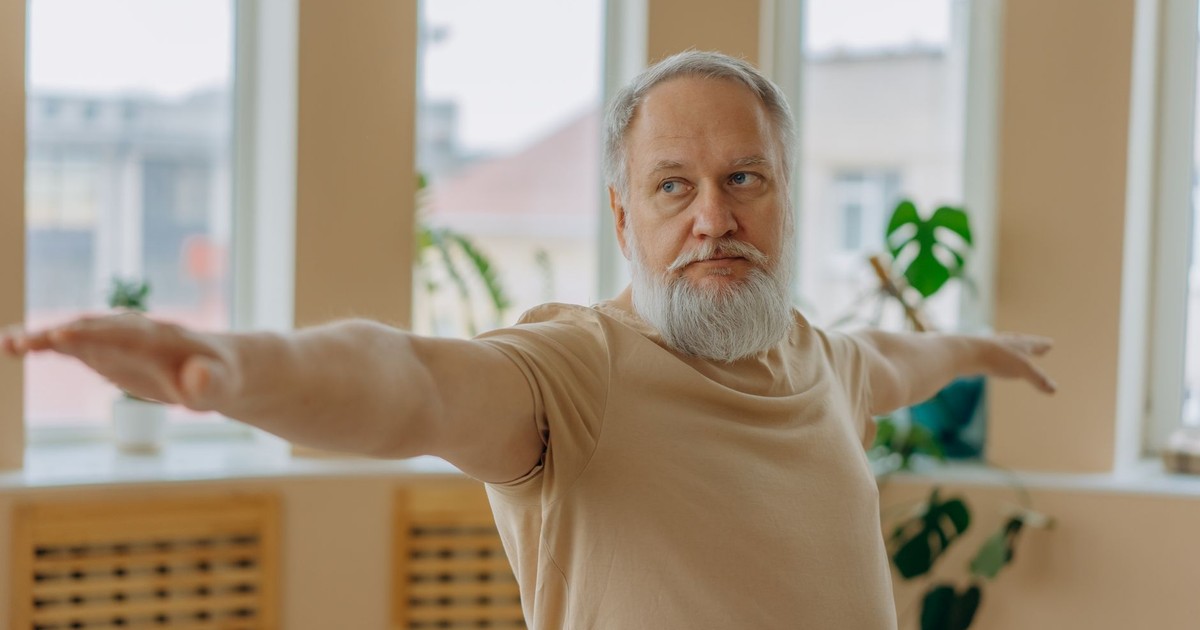
Regular yoga practice improves balance, which directly reduces fall risk. It builds the kind of functional strength and flexibility needed for everyday tasks: getting up from the floor, reaching overhead, turning to look behind while driving.
Chair yoga, which performs most postures seated or using a chair for support, makes the practice accessible to people with limited mobility or balance concerns. It addresses the same areas, breathing, strength, flexibility, body awareness, while removing the risk of falling.
The mindfulness component of yoga practice, the deliberate attention to breath and movement, also has documented effects on anxiety and sleep quality, both of which tend to worsen with age without active management.
6. Tai Chi
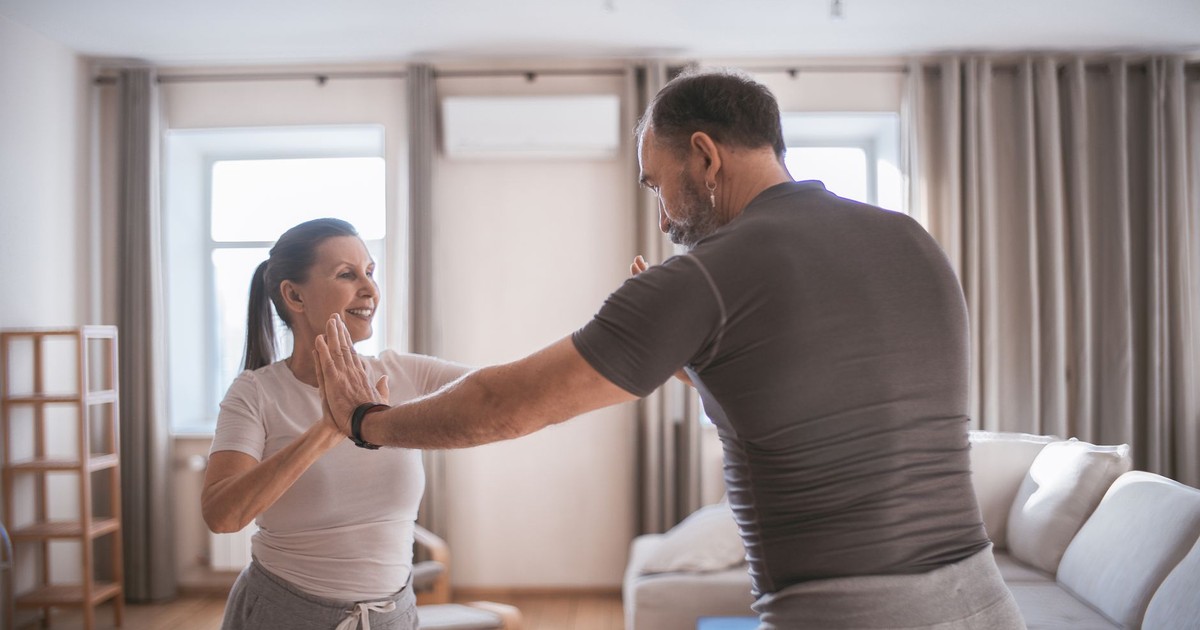
Tai chi involves slow, deliberate sequences of movements, done standing, with an emphasis on balance, coordination, and breath. It originated as a martial art but is now practiced primarily for its health effects, particularly in older adults.
Tai chi has been studied extensively as an intervention for fall risk in seniors. Research consistently shows it reduces fear of falling, and multiple randomized controlled trials and meta-analyses report reductions in fall incidence in community-dwelling older adults, though results across individual studies vary depending on style, duration, and participant health status. The body learns to sense and adjust its position more accurately, which is exactly what erodes with age.
Classes are widely available through senior centers, community recreation programs, and parks departments. Many instructors teach outdoors in the mornings, which adds sunlight exposure and a gentle social routine to the practice.
7. Cycling
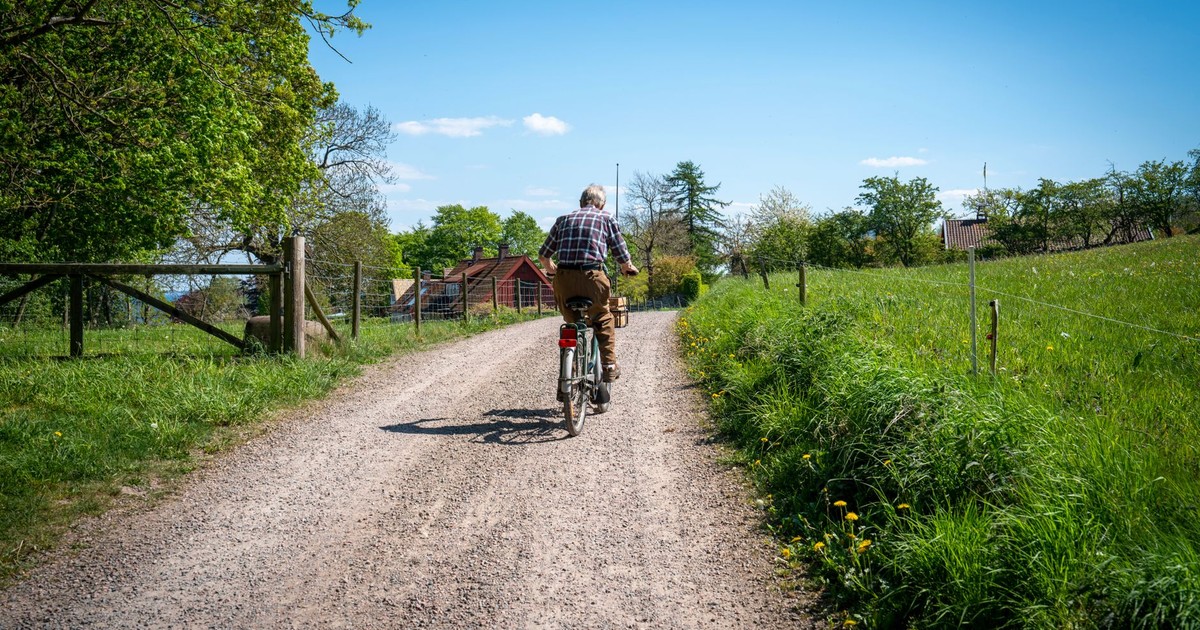
The seated position of cycling takes body weight off the knees, and the circular motion of pedaling works the quadriceps, hamstrings, and glutes without the impact stress of running or even brisk walking on hard surfaces.
Electric bikes (e-bikes) have changed the calculus for seniors who want to cycle but have been limited by hills or distance fatigue. The pedal-assist motor kicks in when needed, making longer rides accessible and removing the anxiety of getting stranded far from home if energy runs low.
Stationary bikes offer a rain-proof, injury-safe alternative at home or in a gym. They allow the same cardiovascular workout without traffic or terrain variables, and many now come with streaming classes and simulated courses that keep the experience varied and engaging.
8. Dancing
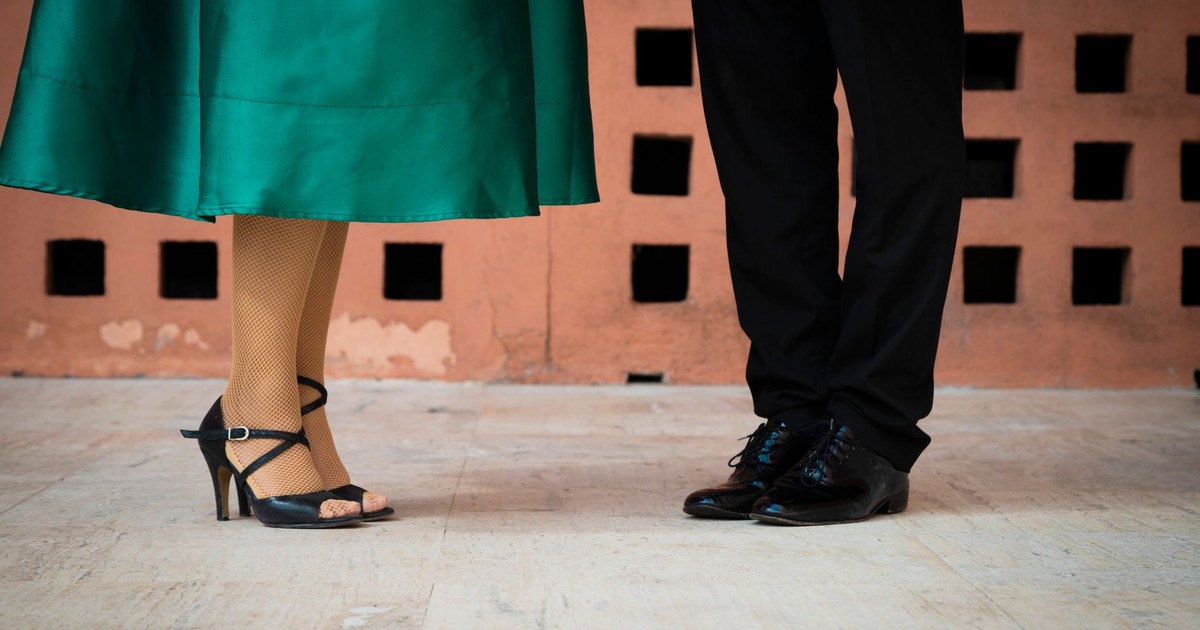
Dancing combines aerobic exercise, balance training, coordination, rhythm, and social connection in a single activity. Line dancing, ballroom, salsa, swing, and square dancing all have active senior communities, and beginner classes are available at most dance studios, community centers, and senior clubs.
Learning and remembering dance sequences provides cognitive exercise. Following a beat, anticipating the next move, and adapting to a partner all require active mental engagement, which is why dance has been studied as a potential intervention for cognitive decline. The findings are consistently positive: regular dancing is associated with better memory, faster reaction times, and improved spatial reasoning.
Partner dances and group dances require interaction, eye contact, and communication. For seniors living alone or recently retired, a weekly dance class can become one of the most reliable sources of human connection in their week.
9. Golf
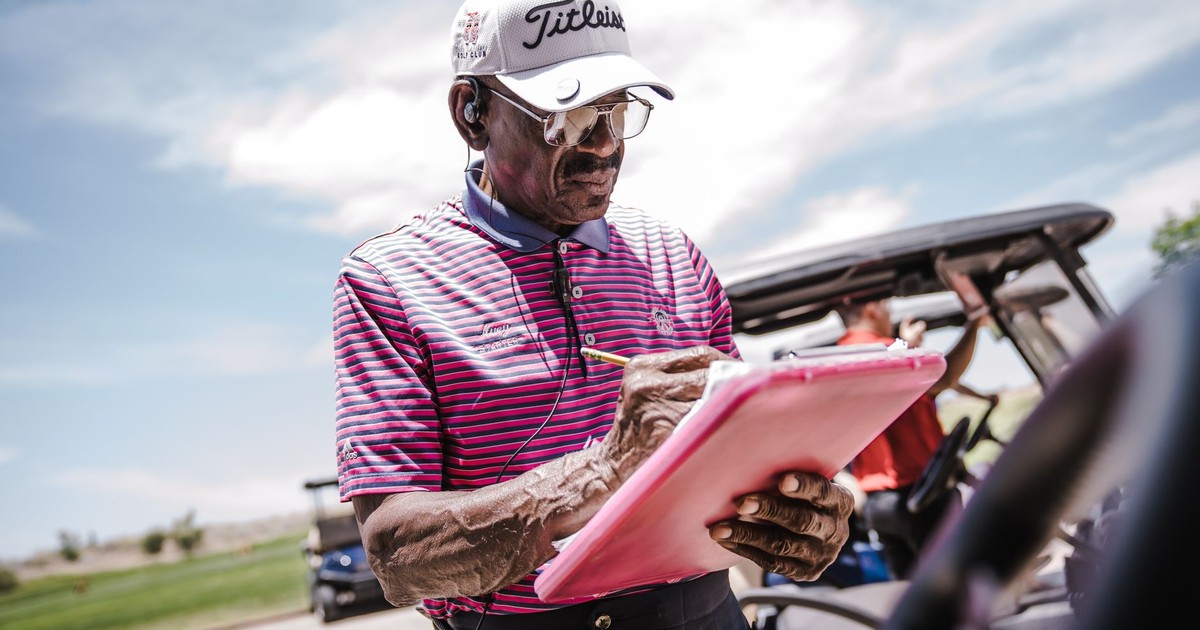
A full 18-hole round walked (without a cart) covers four to five miles, involves sustained moderate-intensity exercise, and requires concentration, spatial calculation, and fine motor precision over several hours.
For seniors who prefer to ride rather than walk, golf carts make the game accessible at whatever mobility level is comfortable. The sport can be played socially or solo, at varying levels of intensity, in genuinely beautiful outdoor settings. Plenty of people are still playing well into their eighties.
Many golf courses offer senior discounts and early-morning tee times at reduced rates. Local driving ranges provide a lower-commitment entry point for anyone wanting to try the basics before committing to a round.
10. Birdwatching
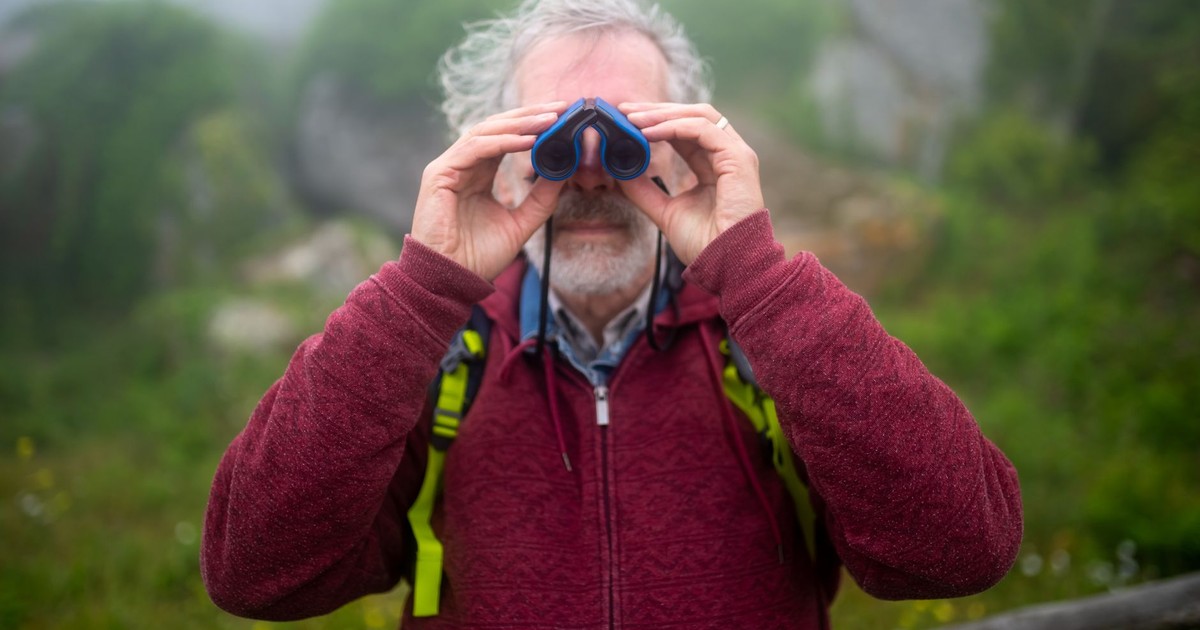
Birdwatching builds observational skill, patience, and a detailed knowledge of local and migratory species that accumulates over time. It gets people outdoors, encourages regular walking, and can be done alone, in pairs, or with organized local birding groups.
A decent pair of binoculars and a regional field guide are enough to start. Apps like Merlin Bird ID, developed by the Cornell Lab of Ornithology, have made species identification faster and more accessible than it’s ever been, even for beginners.
Local Audubon Society chapters run guided group walks, Christmas Bird Counts, and citizen science programs that give participants a sense of contributing to something larger than their personal list.
11. Painting and Drawing
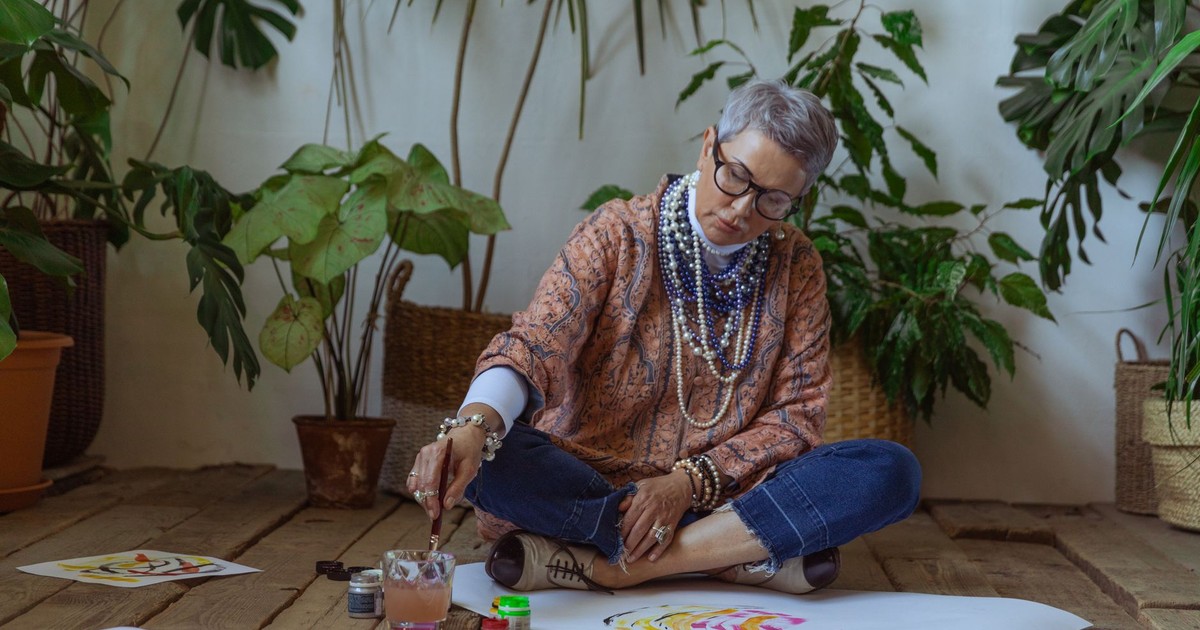
Painting, whether watercolor, acrylic, or oil, and drawing in pencil, charcoal, or ink all develop observation skills, fine motor control, and the ability to be absorbed in a task for extended periods. That kind of sustained focus is increasingly difficult to find in an age of constant notification.
Adult art classes at community centers and local art schools are typically designed for beginners and taught without the pressure of performance. Many seniors who spent careers in fields that had nothing to do with art find themselves genuinely surprised by how much they enjoy picking up a brush for the first time at 65 or 70.
Creative engagement was positively linked to aging experiences in four key domains in the 2024 Nature Communications study, and physical and creative activities together may help reduce age-related decline and keep older adults functionally independent for longer.
12. Photography
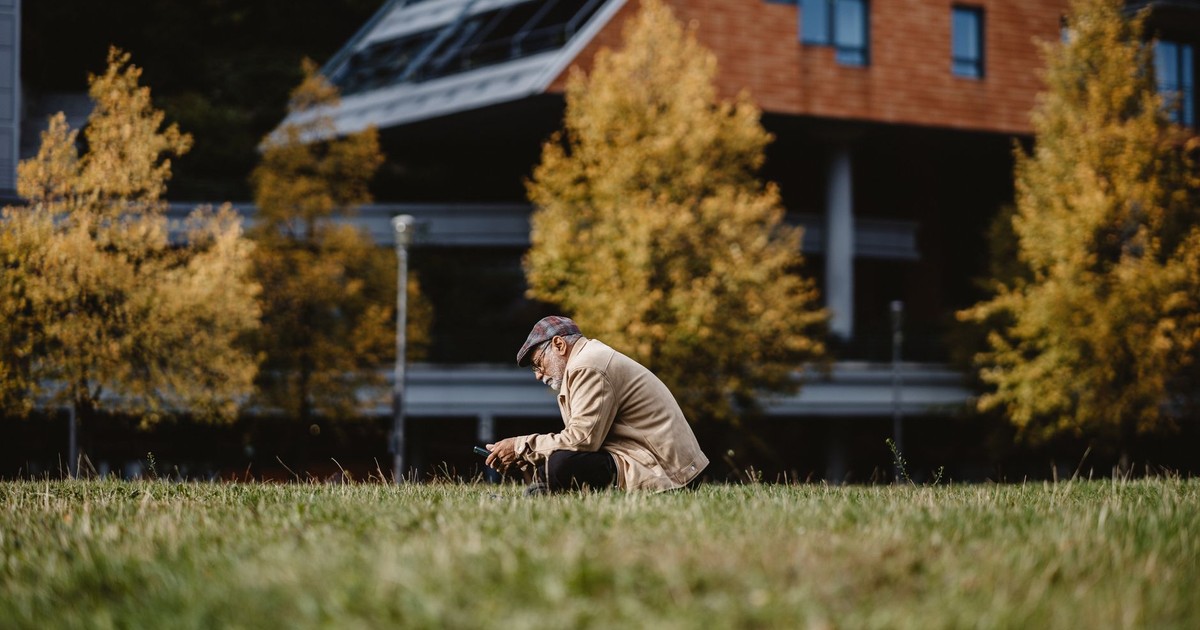
Photography gives you a reason to be somewhere. It turns a walk into a mission, a trip into a project, a backyard into a subject worth examining closely. A smartphone camera is capable of producing genuinely beautiful images, and the learning curve from point-and-shoot to deliberate composition and lighting is something most people enjoy climbing.
Digital photography has essentially eliminated the cost barrier that once made the hobby expensive. Editing apps and software are widely available, many for free, and online communities and local photography clubs offer feedback, encouragement, and organized outings that combine social time with creative practice.
For seniors with grandchildren, photography becomes an ongoing archive of family life, a reason to visit, and a skill that younger family members are often happy to help refine.
13. Knitting and Crocheting
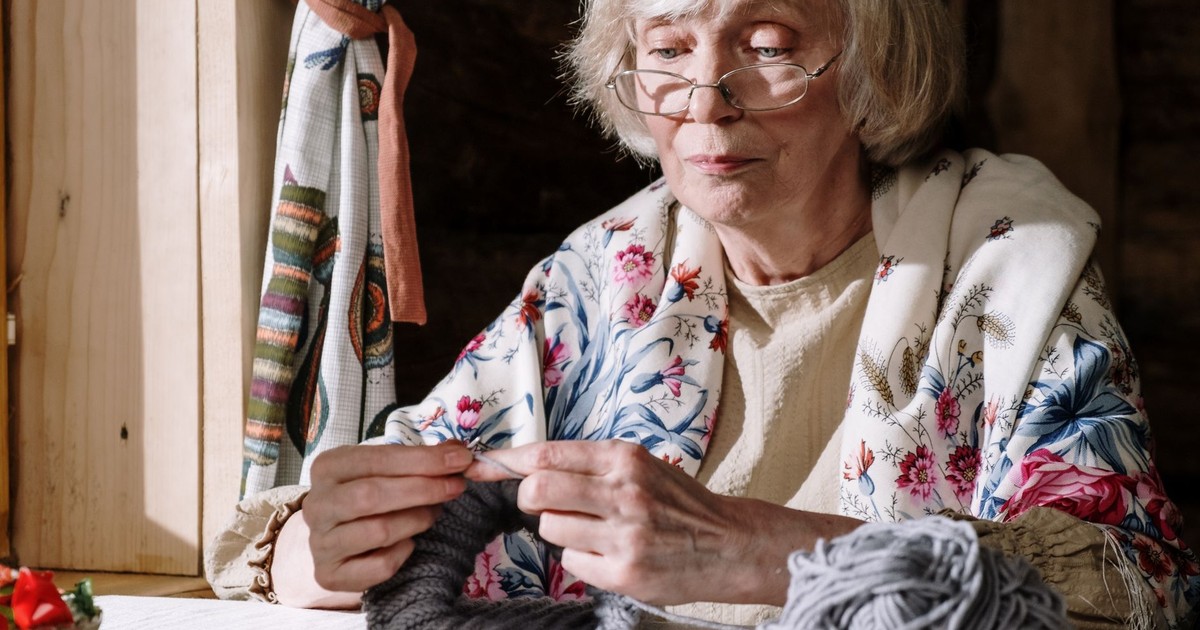
Knitting and crocheting are genuinely productive (you make things people can wear), require enough concentration to quiet an anxious mind, and are portable in a way that few hobbies match. A pair of knitting needles and a ball of yarn can go anywhere, which means the hobby works in doctors’ waiting rooms, on flights, during long car trips, and during the gaps in a day that would otherwise be idle.
The repetitive hand and finger movements involved in knitting and crocheting maintain dexterity and fine motor control, both of which decline with age if not actively maintained. Many occupational therapists recommend both practices for this reason.
Knitting circles and crochet groups, in person and online, create communities that are remarkably welcoming to new members. Platforms like Ravelry host millions of free patterns and connect crafters across the country.
14. Woodworking
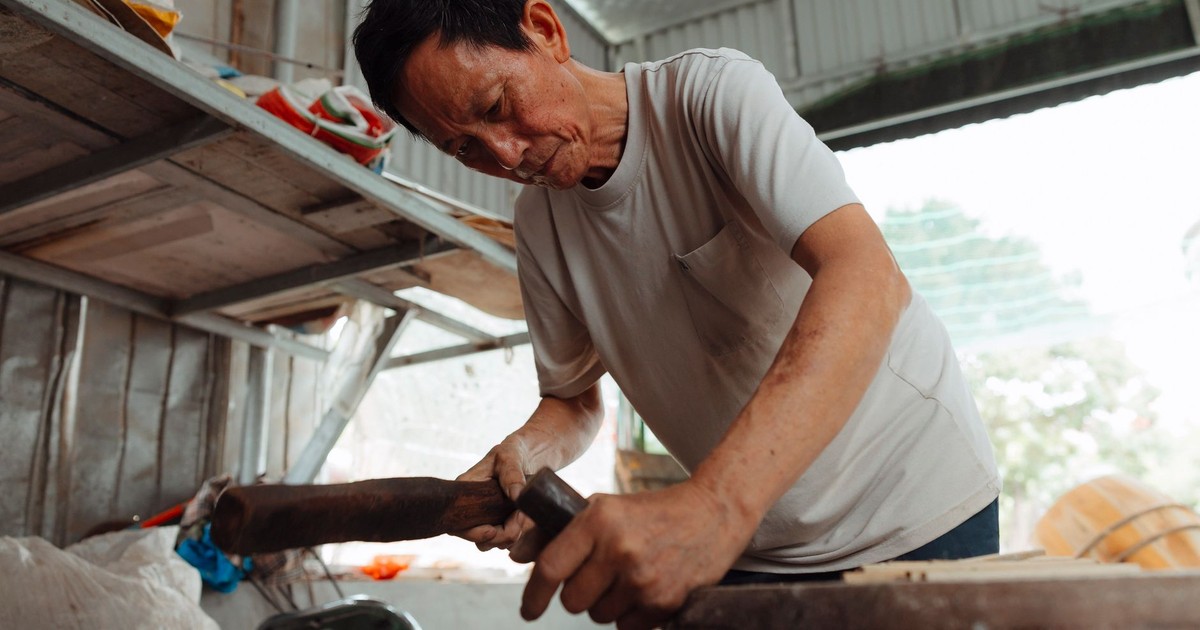
Woodworking rewards patience and precision in a way that produces something lasting. A well-made cutting board, a set of shelves, a small birdhouse are objects that exist in the world because someone decided to make them, and there’s a satisfaction in that which is hard to replicate. For seniors who spent careers producing things that were largely invisible (advice, management, data, service), making something tangible can feel revelatory.
The physical demands of woodworking are manageable and can be adapted as needed. Hand tools rather than power tools, proper workbench height, and good lighting are the main considerations for older beginners. Many community colleges and maker spaces run introductory woodworking courses, and local woodworking clubs often have experienced members who enjoy teaching.
Safety is always the first conversation in any woodworking class, and it should be. The tools require respect. But the learning is structured, the skill builds progressively, and the results are objects worth giving to people you love.
15. Playing a Musical Instrument
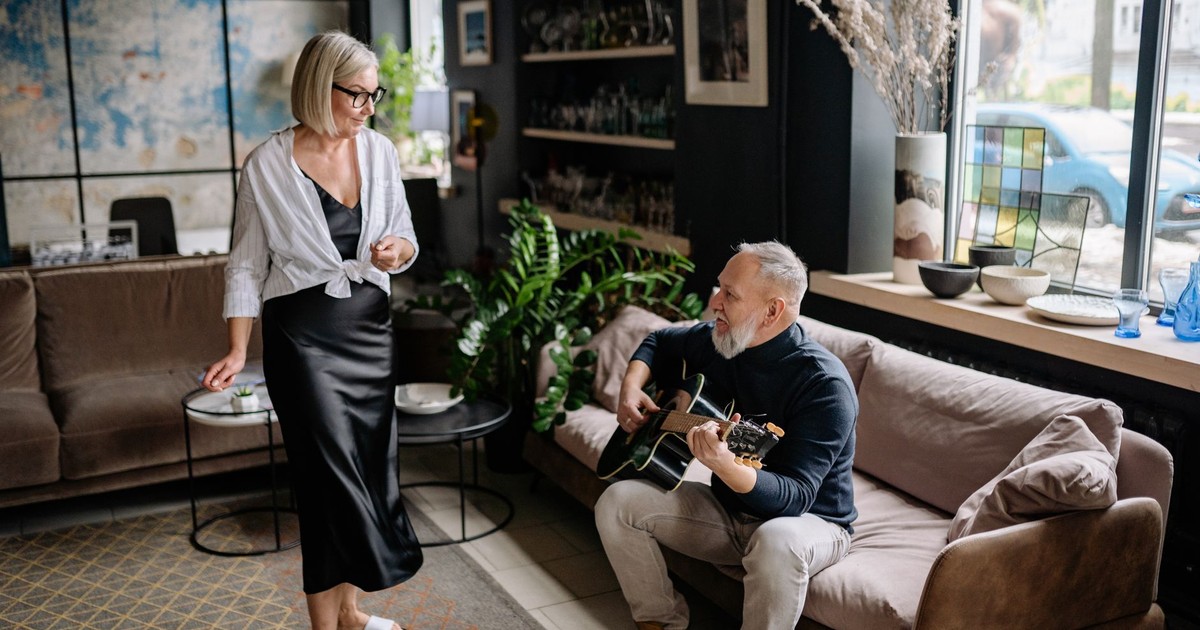
Learning an instrument as an adult is harder than learning as a child, and almost universally more meaningful. Adults bring context, emotional depth, and genuine motivation to the practice that children rarely have. The ukulele, piano, guitar, harmonica, and recorder are all accessible starting points, instruments with manageable learning curves and enough repertoire to sustain interest.
Playing an instrument activates multiple brain regions simultaneously, involving motor planning, auditory processing, memory, and emotional regulation all at once. Adult learners who practice regularly show measurable improvements in processing speed and working memory.
Online lessons via platforms like Zoom or dedicated music education apps have made access to quality instruction far easier than it was a decade ago. The days of needing to live near a good teacher are effectively over.
16. Singing and Choral Groups
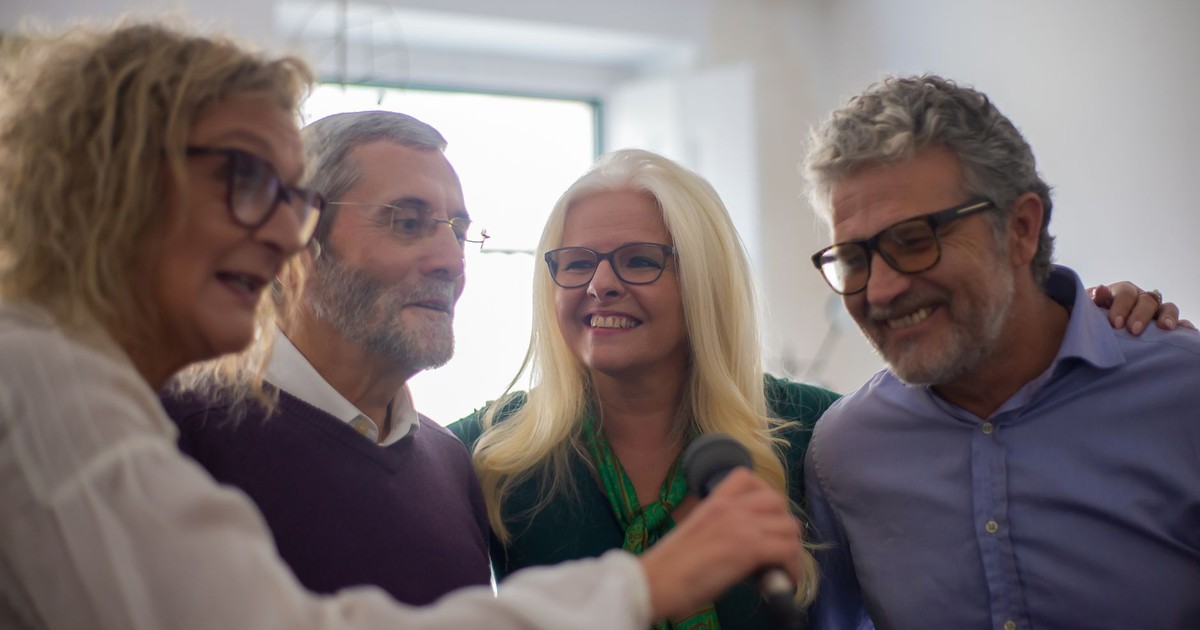
Joining a choir or community singing group gives seniors a recurring commitment, a room full of people who are glad you showed up, and the physiological experience of singing together, which has measurable effects on stress hormones and feelings of social belonging. You don’t need to read music to participate in many community choirs; by-ear learning is common, and most groups accommodate beginners warmly.
The controlled breathing that good singing requires exercises the diaphragm and increases lung capacity over time, which matters more as the respiratory system naturally loses elasticity with age.
Many senior centers, houses of worship, and community arts organizations run dedicated senior choral groups. The social structure of rehearsals, seasonal performances, and occasional travel to sing at events creates a rhythm that many participants describe as one of the anchors of their week.
17. Reading
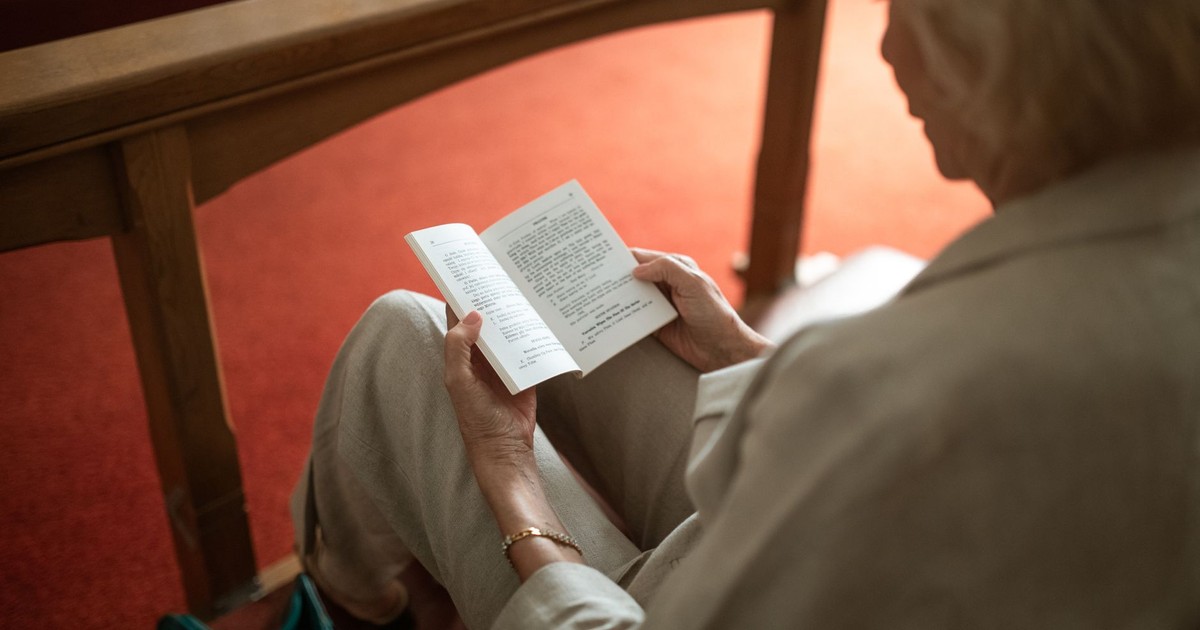
The version of reading worth committing to involves not just reading whatever comes to hand, but building a genuine reading life: a mix of fiction and nonfiction, books outside your previous range, a book club that pushes you to read things you wouldn’t choose alone, and a library card that makes all of it free.
Sustained reading requires focus, memory, inference, and empathy, all of it happening simultaneously. Literary fiction in particular, the kind that requires you to track complex characters and unreliable narrators, has been shown to improve theory of mind (the capacity to understand other people’s perspectives and emotional states).
Book clubs, library discussion groups, and online forums like Goodreads turn reading from a solitary activity into a social one. A good book club gives you something specific to look forward to, something to say when you get there, and people who care about the same things you do.
18. Creative Writing

A memoir, even one written for an audience of just your children and grandchildren, creates a record of experience, perspective, and family history that would otherwise disappear. The act of writing it requires you to think carefully about what actually happened, what you felt about it, and what it meant, which is itself a form of cognitive and emotional exercise.
Short stories, poetry, personal essays, and travel writing are all entry points into a practice that exercises language, memory, imagination, and discipline at once. Many community colleges offer low-cost creative writing courses for adults, and writing groups, in person and online, provide the structure and feedback that keep the practice honest.
Research on handwriting consistently finds that it engages more of the brain than typing, particularly in areas related to language processing and memory encoding.
19. Cooking and Baking
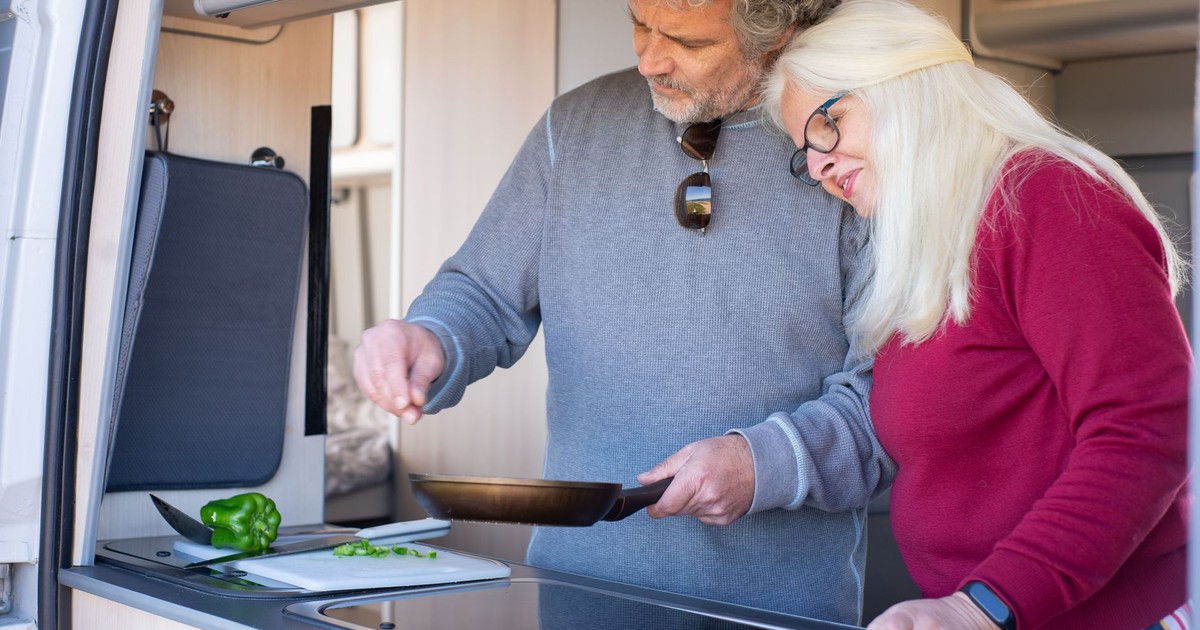
Cooking well is a skill that rewards attention and practice, and it has the unusual property of producing something you can share. A senior who takes a serious interest in cooking doesn’t just eat better; they have a reason to invite people over, a set of techniques to develop and refine, and a body of knowledge (regional cuisines, fermentation, bread-making, pastry) that can occupy a person indefinitely.
Cooking classes at local culinary schools and community centers, online video tutorials, and recipe apps make it easier than ever to develop genuine skills in the kitchen without formal training. Many seniors find that retirement gives them time to finally cook the way they always wanted to, rather than the quick weeknight meals that working life demanded.
Baking in particular has a meditative quality: the precision, the sequential steps, the waiting. Many people find it calming and absorbing in the same way meditation is, but with a tangible result at the end.
20. Volunteering
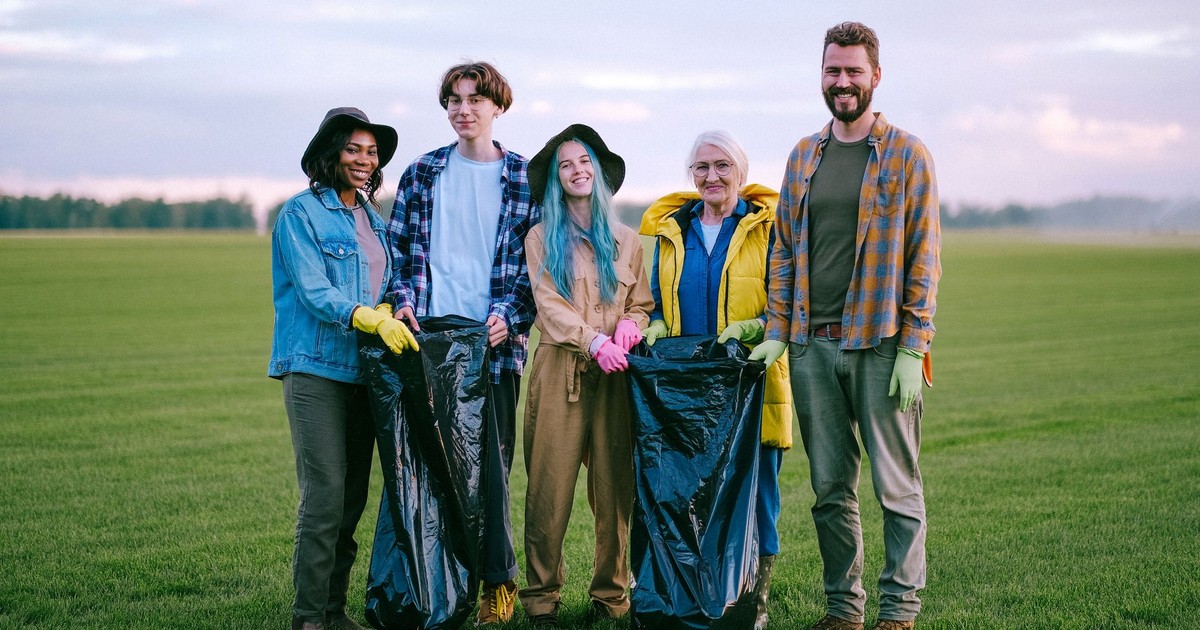
Volunteering provides a scheduled commitment, a sense of purpose, a community of people who share your values, and the steady psychological benefit of contributing to something larger than yourself. For seniors transitioning out of careers that gave their days structure and meaning, volunteering can fill a gap that friends and family alone often can’t.
Researchers analyzing data from more than 7,000 participants aged 65 and older found that high social engagement, including doing volunteer work, was associated with better cognitive health in later life. That’s a finding from the National Institute on Aging.
Options are wide: hospitals, schools, libraries, food banks, animal shelters, literacy programs, environmental conservation groups. Most organizations actively seek reliable older volunteers, and the skills seniors bring from decades of working life are often exactly what’s needed.
21. Learning a New Language
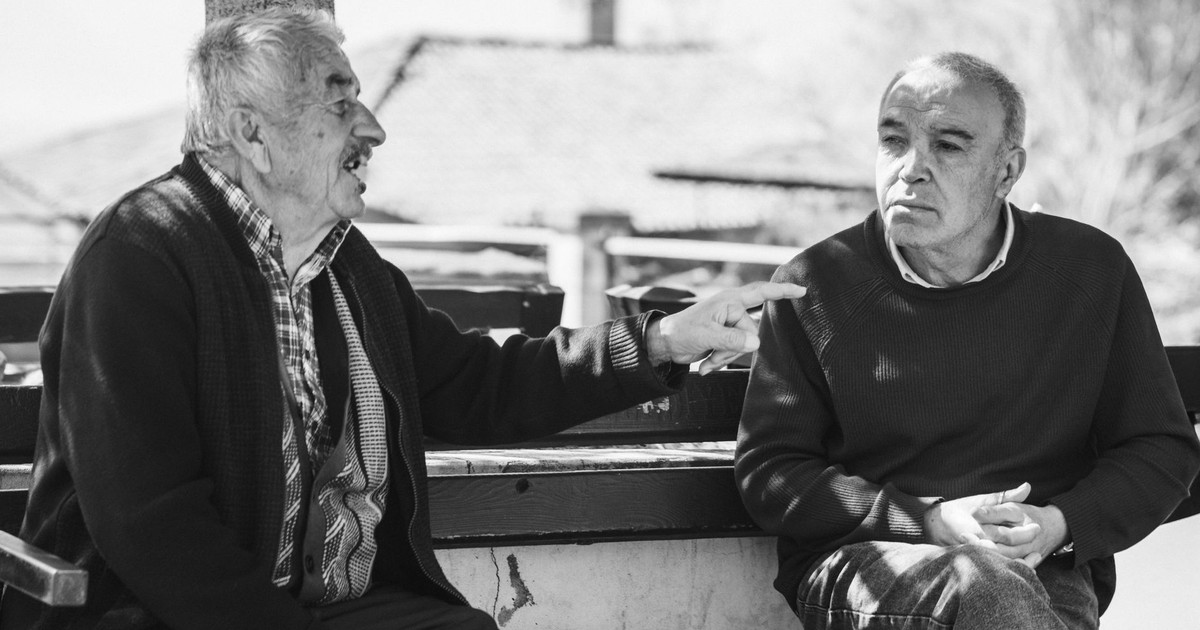
Learning a language in your sixties or seventies is harder than learning one at twenty, and considerably more interesting. You have more vocabulary in your native language to map new words onto, more life experience to make cultural context meaningful, and usually, if you’ve traveled or have family roots in another country, a personal reason to care. That personal motivation is the most reliable predictor of language learning success at any age.
Keeping two or more language systems active requires the brain to manage constant low-level selection and suppression processes that exercise executive function, the cluster of skills that includes planning, attention control, and mental flexibility. These are the same skills that erode earliest in cognitive aging.
Apps like Duolingo, Babbel, and Rosetta Stone make daily practice accessible without the pressure of a classroom, and online tutors through platforms like iTalki connect learners with native speakers for live conversation practice at affordable hourly rates.
22. Board Games and Card Games
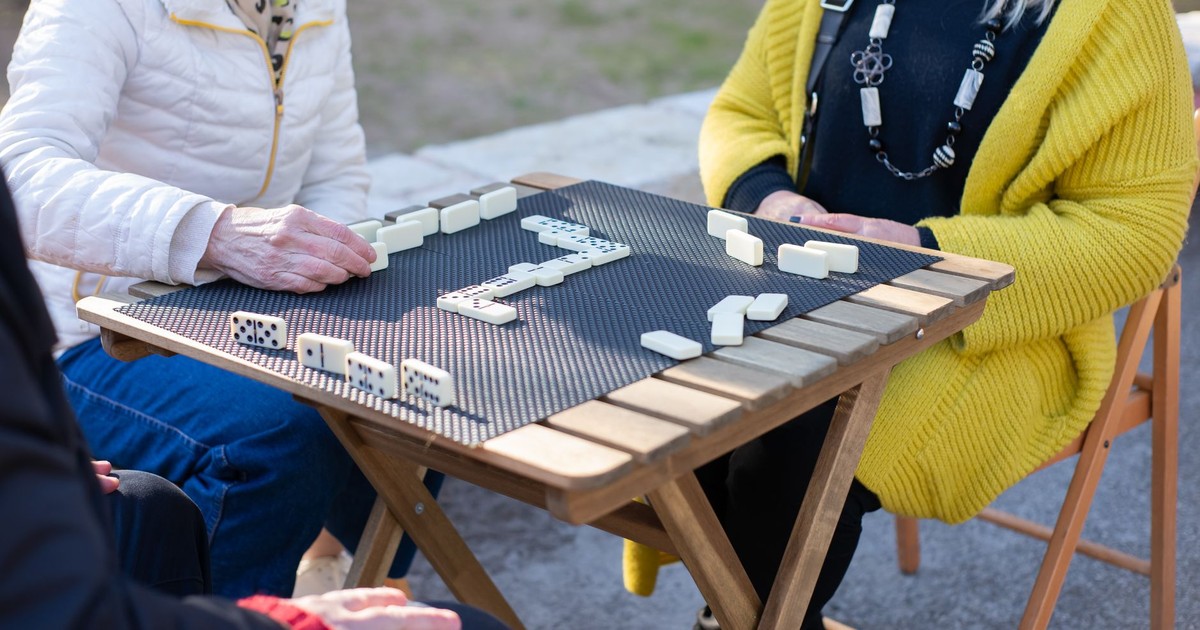
Games require attention, memory, strategy, and interaction, all packaged in an inherently enjoyable format. Bridge, in particular, is one of the most cognitively demanding card games in wide circulation; it requires working memory, probability reasoning, and sustained focus across multiple hands. Chess, Scrabble, Mahjong, and newer strategy board games like Ticket to Ride and Catan all deliver similar benefits in different formats.
A regular Wednesday bridge game or Saturday Mahjong session gives people a weekly appointment, a set of relationships built around shared interest, and the pleasant competitive engagement that keeps the brain sharpened.
Many public libraries, senior centers, and community organizations run free or low-cost game groups. Starting a neighborhood game night requires nothing more than a deck of cards and a willingness to invite people.
23. Jigsaw Puzzles
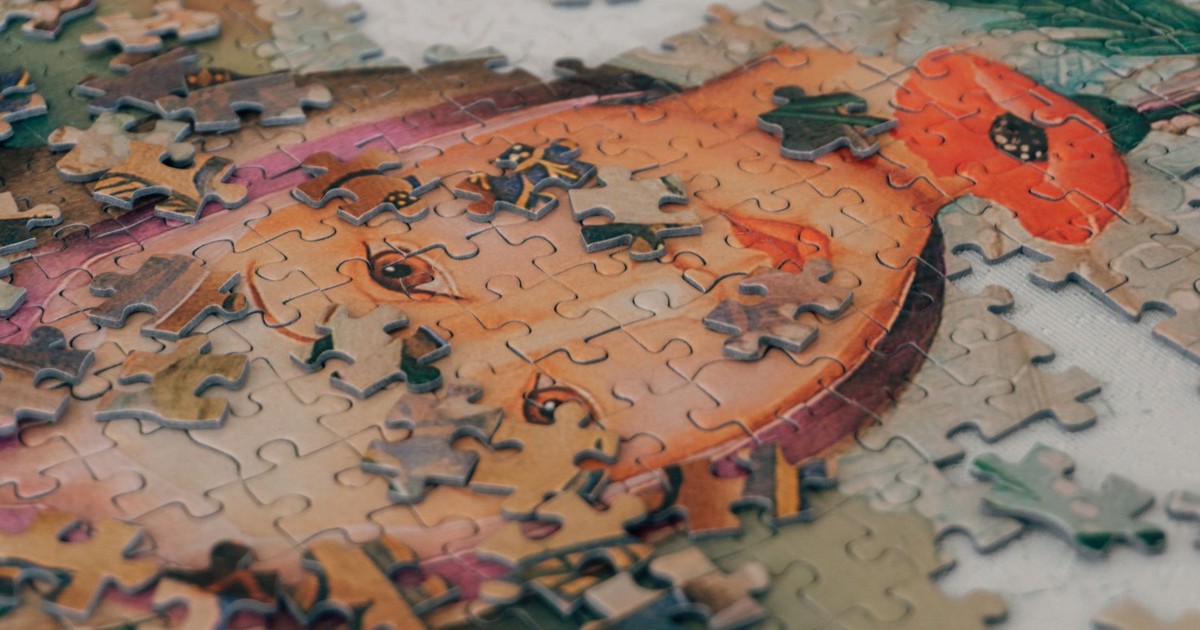
A good jigsaw puzzle is patient, absorbing, and entirely free of the urgency that dominates most daily experience. A 1,000-piece puzzle of a Tuscan hillside or a vintage map takes many hours across multiple sittings, which means it functions as both a cognitive exercise and a reason to sit down and do something calm for a while.
Assembling a puzzle requires visual scanning, spatial reasoning, pattern recognition, and short-term memory, all at once. The practice keeps the visual-spatial processing areas of the brain active, which is the same cognitive territory affected by early-stage dementia.
Puzzles are also one of the best shared activities for different generations. A grandparent and grandchild working on a puzzle together don’t need to have anything particular to talk about; the puzzle gives the time its structure, and the conversation tends to find its own level.
24. Pottery and Ceramics
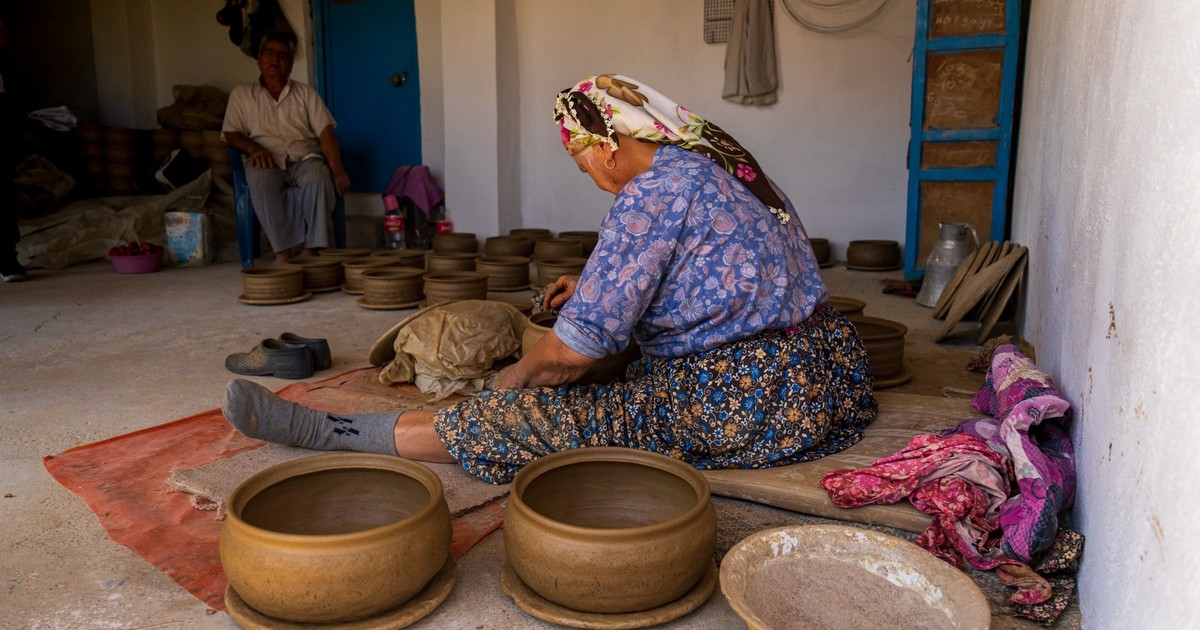
Working with clay is physical, absorbing, and produces objects that can hold flowers, serve food, or be given as gifts. The centering process on a pottery wheel is demanding enough to require full attention, which means time at the wheel is time fully away from whatever else is on your mind. Hand-building techniques like coiling and slab construction are equally accessible and require no wheel at all.
Many community arts centers offer affordable pottery classes for adults, typically in eight-to-ten-week sessions that include kiln access. The class environment is usually social and relaxed, with students at various skill levels working alongside each other.
The physical work involved in pottery, kneading clay, working the wheel, shaping by hand, is good exercise for the hands and wrists, and the tactile nature of the medium is genuinely pleasurable in a way that’s hard to anticipate until you’ve tried it.
25. Genealogy and Family History Research

Genealogy has become one of the most popular hobbies for seniors, and the technology behind it has transformed what was once an archival expedition into something manageable from a laptop at home. DNA testing through services like AncestryDNA and 23andMe, combined with digitized census records, immigration documents, and military records available through platforms like Ancestry.com and FamilySearch, have made it possible to trace family lines that would have been practically inaccessible a generation ago.
The cognitive engagement is sustained and layered: genealogy requires research skills, logical inference, familiarity with historical context, and the patience to reconcile conflicting records. It can also surface surprising emotional material: family stories that were never told, migrations that explain current geography, relatives whose lives rhyme with your own in unexpected ways.
The research tends to become a gift to the family, a document or narrative that children and grandchildren are usually far more interested in than the researcher anticipated.
26. Quilting and Sewing
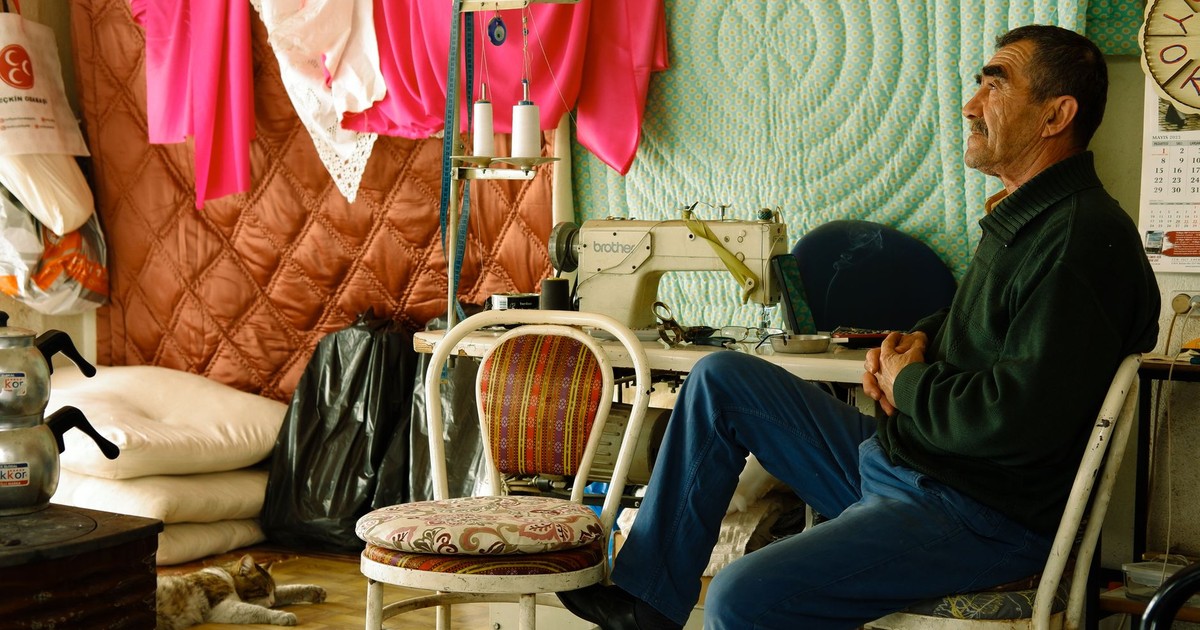
Quilting is a craft with a long American community tradition behind it, and that tradition is part of what makes it worth joining. Quilting guilds exist in most communities and serve as genuine social anchors for their members, with regular meetings, skill-sharing, group projects, and charitable work (many guilds donate quilts to hospitals, shelters, and veterans’ organizations).
The technical skills involved in quilting span math (calculating fabric requirements and pattern repetitions), color theory, spatial design, and precision cutting and sewing. That’s a cognitive load that many people find pleasantly surprising the first time they try it.
Sewing more broadly, whether garment construction, alterations, or home décor projects, maintains the fine motor skills and problem-solving ability that keep hands and minds working well. It’s also practical in a way that tends to benefit those around you.
27. Meditation and Mindfulness
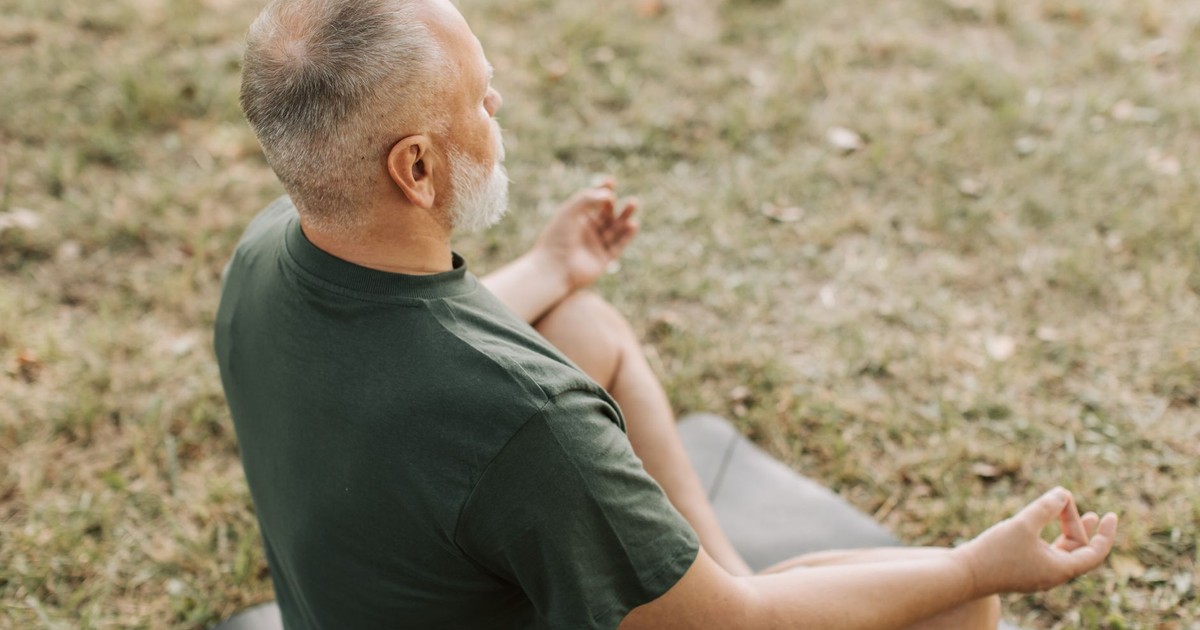
Meditation asks very little of the body and quite a lot of the mind, which makes it one of the most accessible practices available to seniors with physical limitations. The core skill, returning attention to the present moment, typically via the breath, whenever the mind wanders, is simple to describe and genuinely difficult to do consistently. That gap between simple and easy is where all the benefit lives.
Regular meditation practice has documented effects on anxiety, sleep quality, blood pressure, and the stress response. For seniors managing chronic pain, mindfulness-based practices, which teach a different relationship to physical sensation rather than simply trying to eliminate it, have been shown to reduce the suffering associated with pain even when the pain itself doesn’t change.
Apps like Headspace, Calm, and Insight Timer provide structured guided meditation programs with sessions ranging from three minutes to an hour. Many senior centers and yoga studios also run in-person mindfulness classes, which have the added advantage of building community.
28. Travel
Travel belongs on any list of hobbies for seniors, because done deliberately, it is one. Planning a trip, researching a destination, learning about its history and culture before you arrive, navigating an unfamiliar place, and returning with a new set of references and memories, all of that constitutes sustained cognitive and emotional engagement over weeks or months.
Travel naturally delivers movement, purpose, connection, and learning simultaneously. A road trip to a nearby state park, a weekend in a city you’ve never visited, or a guided educational tour through a program like Road Scholar all provide novelty, physical movement, and social engagement.
What to Do With All of This
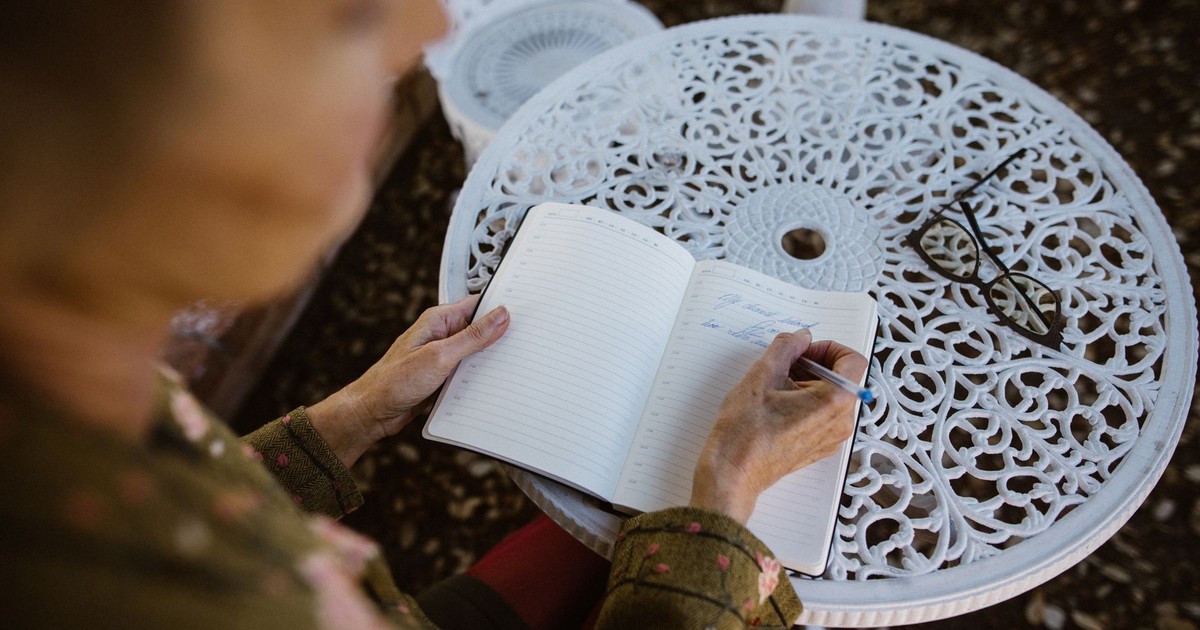
Retirement hands you something unusual: time that’s genuinely yours, without a job title or a schedule to organize it around. Most people underestimate how strange that feels at first, and how quickly the days can flatten out if there’s nothing specific to look forward to.
Hobbies, almost regardless of which ones, are among the most reliable ways to keep structures intact that create routine, community, purpose, and physical engagement all at once.
The question isn’t whether you need a hobby. It’s which one fits what you actually enjoy, what your body can do comfortably, and what’s genuinely available where you live. Start with one. A garden bed you can manage from a chair. A Wednesday pickleball game you show up to even when you don’t feel like it. A journal entry written while the coffee’s still hot. The point of any of these isn’t mastery. It’s that they give you somewhere to put your attention, and something to look forward to next week, which, it turns out, matters more than almost anything else.
Disclaimer: This information is not intended to be a substitute for professional medical advice, diagnosis, or treatment and is for information only. Always seek the advice of your physician or another qualified health provider with any questions about your medical condition and/or current medication. Do not disregard professional medical advice or delay seeking advice or treatment because of something you have read here.
AI Disclaimer: This article was created with the assistance of AI tools and reviewed by a human editor.