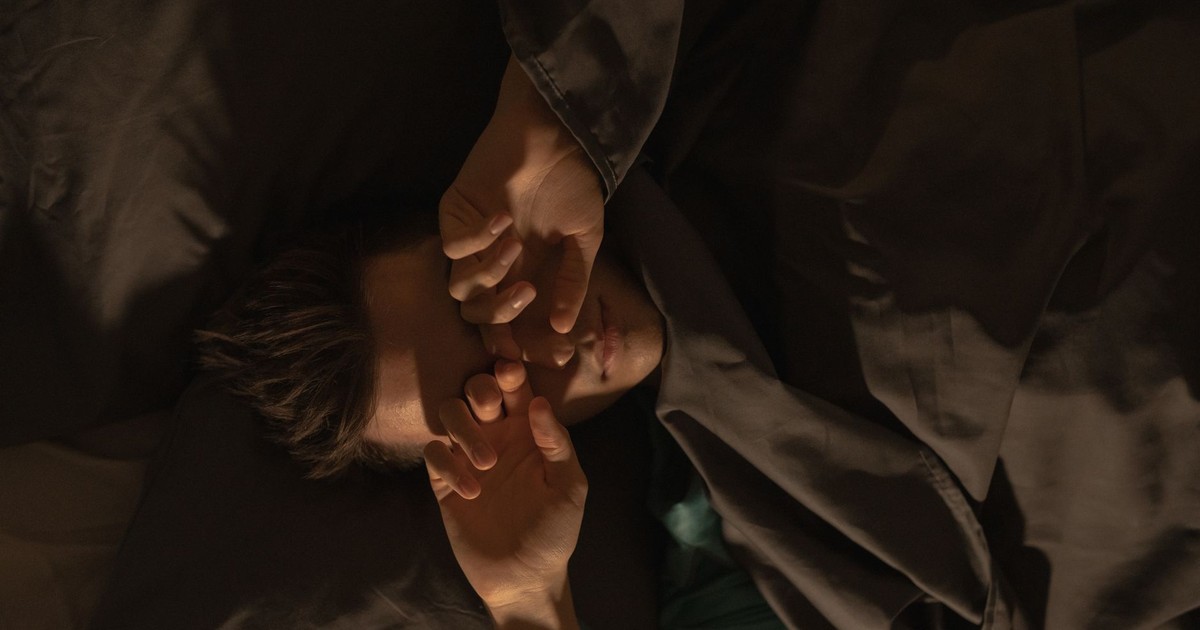

Your partner wakes you up because you just kicked them hard enough to leave a bruise, or they pull you back from the edge of the bed mid-swing. You wake disoriented, maybe still hearing the tail end of whatever dream you were in, and you have no memory of any of it. The body was completely awake, fighting, running, falling, while your conscious mind was still somewhere else entirely.
This isn’t ordinary restlessness or tossing and turning. REM sleep behavior disorder, known clinically as RBD, is one of those conditions that sounds minor until you understand what it can signal.
What’s Actually Happening in the Brain
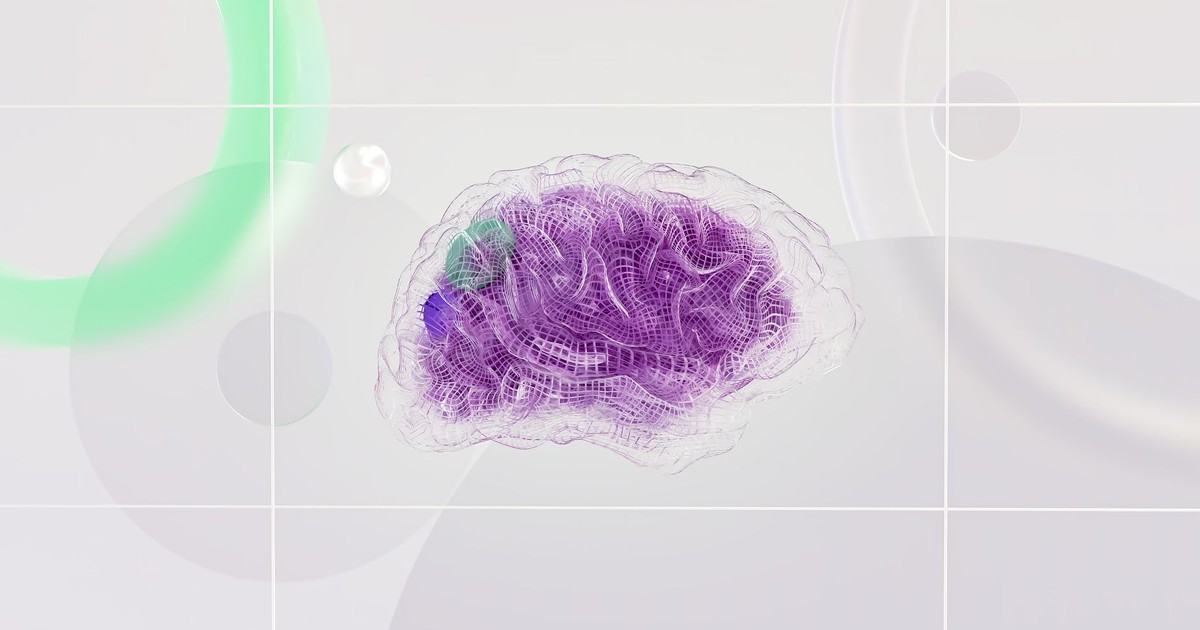
Normal REM sleep comes with a built-in safeguard. During this phase the brain typically sends signals to paralyze the muscles, stopping you from physically acting out your dreams. This paralysis, called atonia, is the reason the average person can dream about running a marathon and wake up exactly where they fell asleep.
In REM sleep behavior disorder, that protective process fails. The paralysis is incomplete or even completely absent, so the person acts out their dreams, sometimes in dramatic or violent ways. The brain is generating all the usual dream content (being chased, attacked, playing sports) and the body is responding to it in real time. If the person wakes up, they may remember their dream but have no idea that they engaged in any movement.
RBD affects an estimated 0.5 to 1.5 percent of the general population and is more commonly reported in older adults, particularly men. Those numbers likely undercount the true prevalence. Many cases of RBD are unreported and unrecognized. Plenty of people living alone have no idea it’s happening at all.
The Signs That Are Easy to Miss
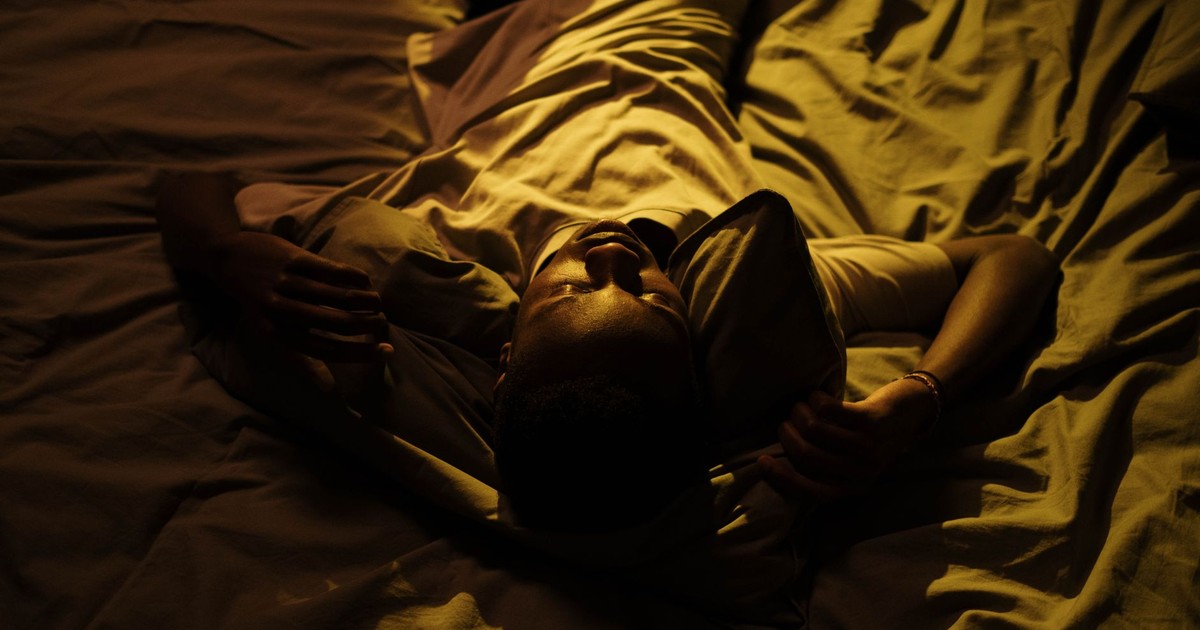
The behaviors that show up in RBD tend to follow the logic of whatever dream is playing out. Dream-enacting behaviors include talking, yelling, punching, kicking, sitting, jumping from bed, arm flailing, and grabbing.
The episodes tend to occur towards the morning hours when REM sleep is more frequent. An episode can occur with each REM phase, making around four per night. They may only occur once a week or even once a month in rarer cases.
The dreams themselves have a distinct texture: those with RBD consistently report being chased, surrounded, or attacked, and they almost always fight back rather than flee. Neurologist Yo-El Ju notes that it’s textbook for people with RBD to have violent dreams where they are on the defensive.
Before the full onset of the disorder, those with REM sleep behavior disorder may talk in their sleep or twitch for years. This slow build means that mild versions are often written off as bad dreams or stressful nights for a long time before anyone connects the dots.
The movements involved in RBD can cause injury to both the person with the condition and their bed partner, especially if they’re acting out a violent nightmare. Even if physical damage does not occur, the condition can be frightening for the bed partner to witness.
The Connection That Changes Everything

RBD may foreshadow neurodegenerative disease, primarily synucleinopathies (conditions in which the protein alpha-synuclein forms toxic clumps in the brain). Parkinson’s disease, Lewy body dementia, and multiple system atrophy all fall into this category.
According to the Mayo Clinic News Network, people with the disorder have a 50% to 80% chance of developing a serious neurodegenerative disease within a decade of diagnosis.
Symptoms of RBD may precede neurodegenerative disorders by decades. Someone who is punching in their sleep at 55 may not receive a Parkinson’s diagnosis until their 70s. The disorder is, in the language of neurology, prodromal (meaning it appears before the main disease and may be one of its earliest detectable signals). Prior to the emergence of a parkinsonian syndrome, patients often have subtle motor and cognitive deficits, as well as poor sense of smell and constipation.
The connection extends to the content of dreams even before full RBD develops. A 2022 study published in EClinicalMedicine found that participants with frequent distressing dreams had a roughly two-fold increased risk of developing Parkinson’s disease, with the association being strongest in the five years preceding a diagnosis. The brain may be leaving signals in the dreamscape years before any neurologist can see them.
This doesn’t mean that everyone who has a nightmare is at risk. Not everyone with RBD goes on to develop Parkinson’s. RBD has also been associated with antidepressant use as well as narcolepsy. Sleepwalking and sleep talking, which occur more often during childhood and adolescence, take place during non-REM sleep (a difference that is clearly distinguishable in a sleep laboratory). The distinction matters enormously for anyone who is trying to make sense of what’s happening at night.
You can read more about the full picture of early neurological warning signs in this piece on early signs of Parkinson’s, including why smell loss and constipation often appear alongside sleep changes.
How It Gets Diagnosed
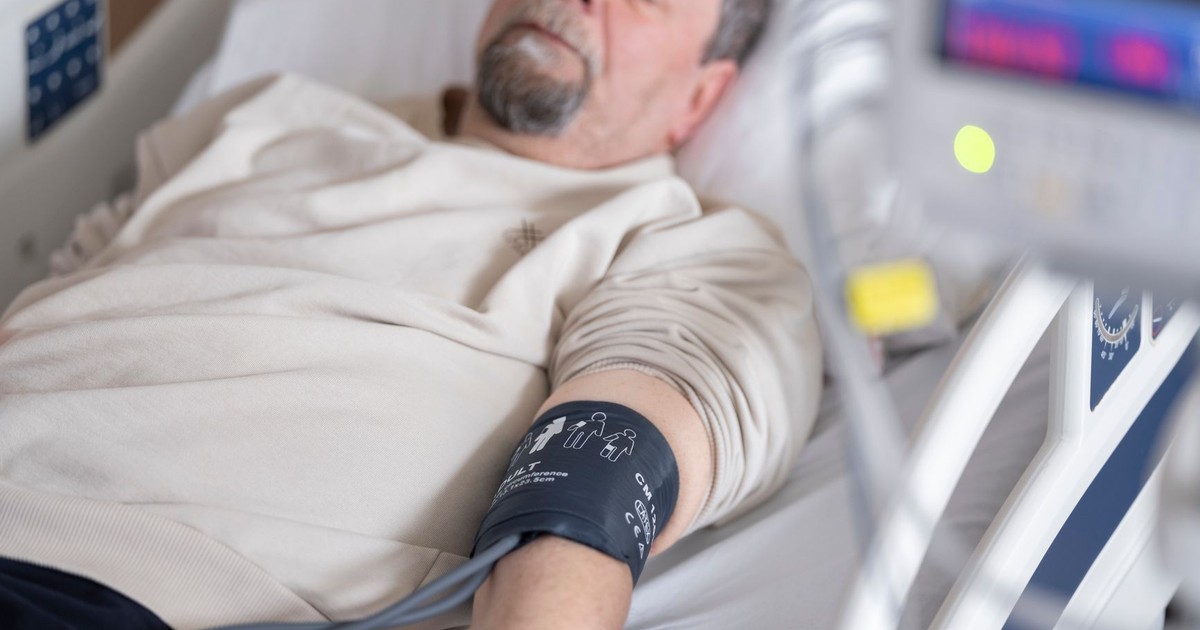
The diagnosis requires confirmation by an in-laboratory sleep study, called polysomnography, with video recording, which helps document abnormal behaviors during REM sleep and excludes other sleep disorders. This is not something that can be confirmed through a questionnaire or an at-home tracker. The overnight study records brain waves and muscle activity in real time, capturing not just what the body is doing but at what stage of sleep.
Other sleep problems may mimic RBD, so it’s important for a sleep specialist to confirm the diagnosis. Seizures, sleepwalking, sleep apnea with associated thrashing (all of these can look similar from the outside and require different approaches entirely). Getting the right diagnosis is the gateway to understanding the actual risk.
If you do have RBD, you may want to see a movement disorder specialist (a neurologist with expertise in Parkinson’s and other movement disorders) who can check for motor symptoms and talk through your risk of developing related conditions. This is especially relevant for isolated RBD, where no other neurological condition has yet been identified.
What Treatment Looks Like Right Now
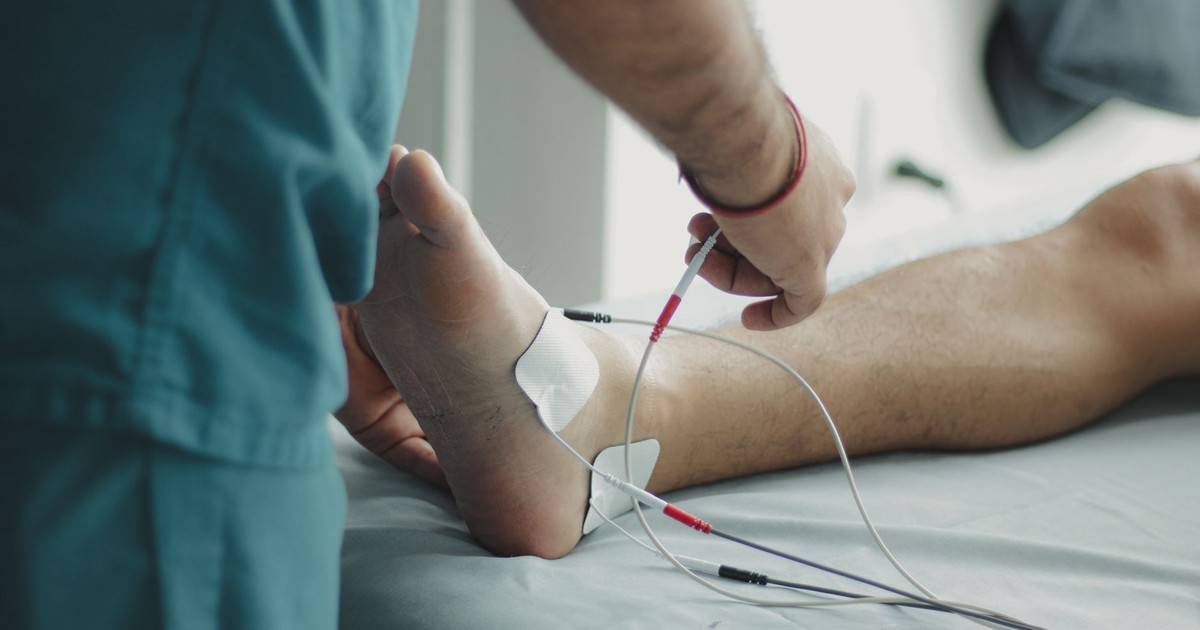
There is currently no treatment that stops or reverses the underlying neurological process in RBD. A 2025 guideline from the American Academy of Sleep Medicine provides recommendations for specific medications, including clonazepam and immediate-release melatonin, that clinicians should consider when treating REM sleep behavior disorder in adults. The guideline also emphasizes maintaining a safe sleeping environment to prevent injuries while sleeping.
Immediate-release melatonin is typically started at 3mg at bedtime and can be increased in 3mg increments, generally up to 12mg, with some clinical guidance citing 15mg as an upper limit. It is the preferred first-line option for older adults over 50 and for patients with neurodegenerative disease because it is only mildly sedating. Clonazepam is generally initiated at 0.25 to 1.0mg at bedtime, with most patients responding to the lower end of that range.
Clonazepam may increase the risk of confusion or falls in older adults and may worsen obstructive sleep apnea. Melatonin is generally well tolerated, and adverse effects often improve with dose reduction. The choice between the two depends heavily on the individual patient’s age, existing conditions, and fall risk.
The guideline also emphasizes the need for patients to maintain a safe sleeping environment to prevent injuries, specifically recommending removing bedside objects that could easily injure someone while asleep. Padding the floor beside the bed, using bed rails, and moving sharp or hard objects away from the sleep area are all standard recommendations.
What to Do With All of This

RBD is not a minor or embarrassing quirk of sleep. It is a medical signal. If someone you sleep with tells you that you’ve been thrashing, yelling, or swinging your arms in the night (and this is happening regularly, not just after a stressful day), that information belongs in a conversation with a doctor, not just filed away as a strange phase.
Researchers are actively studying RBD because early identification may open the door to earlier monitoring and, eventually, earlier intervention. Washington University School of Medicine is part of an international research consortium that has received $35.1 million to develop biomarkers for the disease, with the goal of identifying which people with RBD will go on to develop neurodegenerative conditions and building a foundation for future neuroprotective treatments. The condition is being taken seriously at the highest levels of sleep and neurology research.
The body doesn’t lie. It does things during the night that the conscious mind doesn’t author. When those things are specific, patterned, and violent enough to injure someone, they usually mean something. Figuring out what they mean, with a sleep specialist, a polysomnogram, and a neurologist if warranted, is a much better use of energy than wondering whether it’ll just go away.
Disclaimer: This information is not intended to be a substitute for professional medical advice, diagnosis, or treatment and is for information only. Always seek the advice of your physician or another qualified health provider with any questions about your medical condition and/or current medication. Do not disregard professional medical advice or delay seeking advice or treatment because of something you have read here.
AI Disclaimer: This article was created with the assistance of AI tools and reviewed by a human editor.