
The argument that happens most between longtime visitors to Greece isn’t about which island has the better beach. It’s about whether the Greece they remember still exists anywhere. The short answer is yes, but you have to earn it.
Most of Greece’s 35 million annual tourists pass through the same circuit: Santorini, Mykonos, Rhodes, Athens, and back again. Almost none of them make it to a village where the priest is one of seven permanent residents, where women still wear embroidered costumes to the market on a Tuesday morning, or where the only road in was built in the 1970s after centuries of mule paths.
Those places still exist. Greece has more than 1,200 inhabited villages scattered across its mainland mountains, peninsulas, and islands. A significant number have been shaped far more by geography and stubbornness than by the tourist economy. Aging populations, low birth rates, and urban migration threaten the survival of these communities and the cultural traditions that have defined them for centuries. That same isolation, however, is exactly what has kept their architecture intact, their local dialects alive, and their kitchens untouched by mass-market shortcuts.
What follows isn’t a list of beautiful Instagram backdrops. Most of these remote Greek villages are genuinely hard to reach, genuinely small, and genuinely indifferent to whether you turn up at all.
1. Vradeto, Zagori (Epirus)
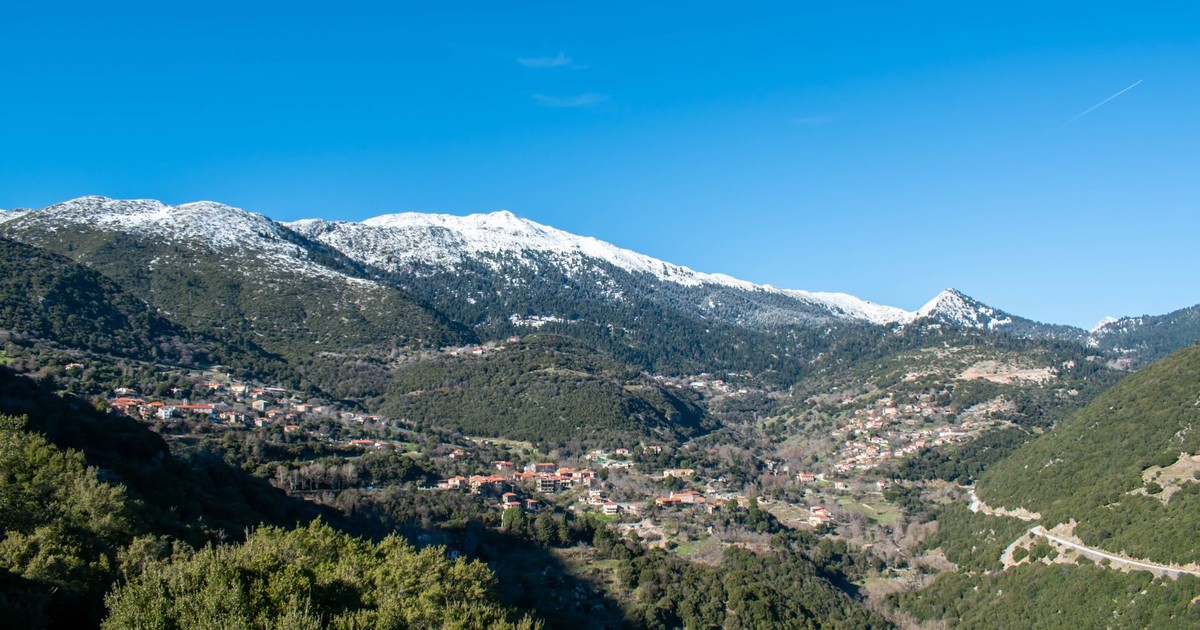
Vradeto sits at 1,340 meters in the Pindus mountains, the highest village in the Zagori region. Until 1973, a stone staircase carved into the mountain was the only way in. The road that replaced it is barely wider than a car.
The Vradeto Steps stretch 1,500 meters with more than a thousand steps, connecting the villages of Kapesovo and Vradeto through steep sections that attract hiking enthusiasts from across Europe. Traditional stone architecture dominates every building, from village paths and dwellings to churches, many of which are now ruined or in significant disrepair.
The population stood at 22 permanent residents in the 2021 census. It swells slightly in summer when diaspora Greeks return, but for most of the year, Vradeto is as close to a living ghost as a village can get while still breathing. The area of Beloi, half an hour northwest of the village, provides a view of the Gorge of Vikos. Very few people ever stand on it.
2. Olympos, Karpathos (Dodecanese)
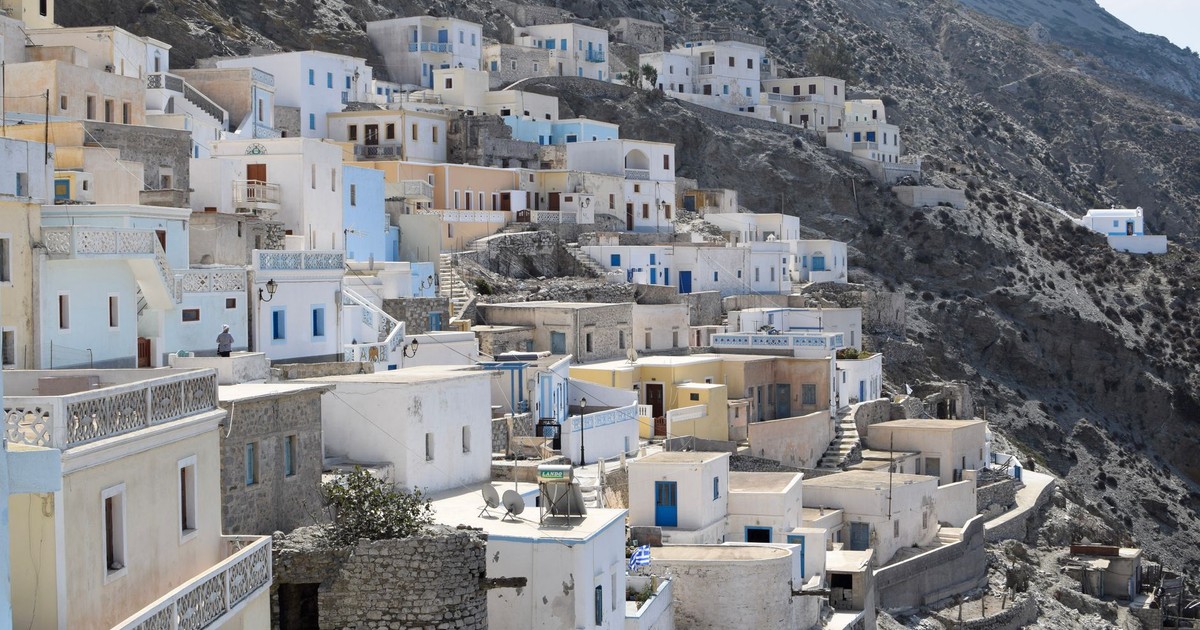
Olympos clings to the northern cliffs of Karpathos, surrounded by wild mountains. The village was cut off from the southern part of the island for centuries, with a paved road only opening in 2011. For most of its history, it was more easily reached by boat from the small harbour of Diafani below.
The 2021 Greek census recorded 200 permanent residents here. Women wear traditional costumes daily. Most households still bake bread in outdoor wooden ovens, and special occasions see local women don jewel-spangled costumes. This is not a performance for visitors.
Olympos matriarchal inheritance dates to the Byzantine Empire, where a mother’s property passes to the eldest daughter. The men, historically, sailed away to find work. At the top of town, a traditional kafeneio serves earthy Greek coffee with unbeatable sea views. You’ll share the table with people who have never needed to explain their village to a stranger.
3. Mesta, Chios (North Aegean)
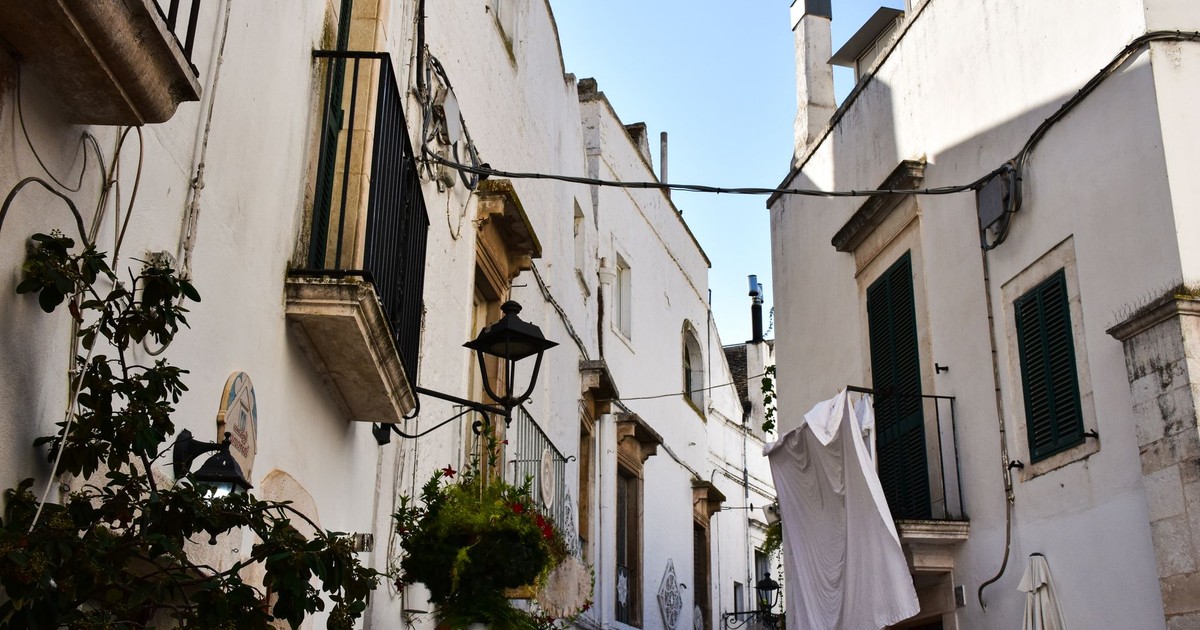
Mesta is a village-castle with perfectly preserved medieval construction, built during the Byzantine period and further developed as a fortified settlement under Genoese occupation. Its layout was engineered specifically to confuse invaders. Walking through Mesta today, the system still works on visitors: it is genuinely easy to get turned around in the same three streets for twenty minutes.
Chios mastic on UNESCO’s heritage list recognizes the cultivation of resin from the Pistacia lentiscus tree, harvested by making small incisions in the bark and collecting the hardened “tears” that drip out. It has been cultivated in Chios for millennia and was so prized in the Ottoman Empire that the sultan kept the village’s production under imperial protection. The resin is cultivated only in Chios, where the specific microclimate of the southern part of the island creates a uniquely flavorful result.
Mesta’s population of around 293 permanent residents has held relatively stable compared to many mainland villages, partly because mastic cultivation still provides real income. The harvest happens each summer, when the older residents set out before sunrise with their tools. If you arrive in August, you’ll smell it in the air.
4. Pyrgi, Chios (North Aegean)
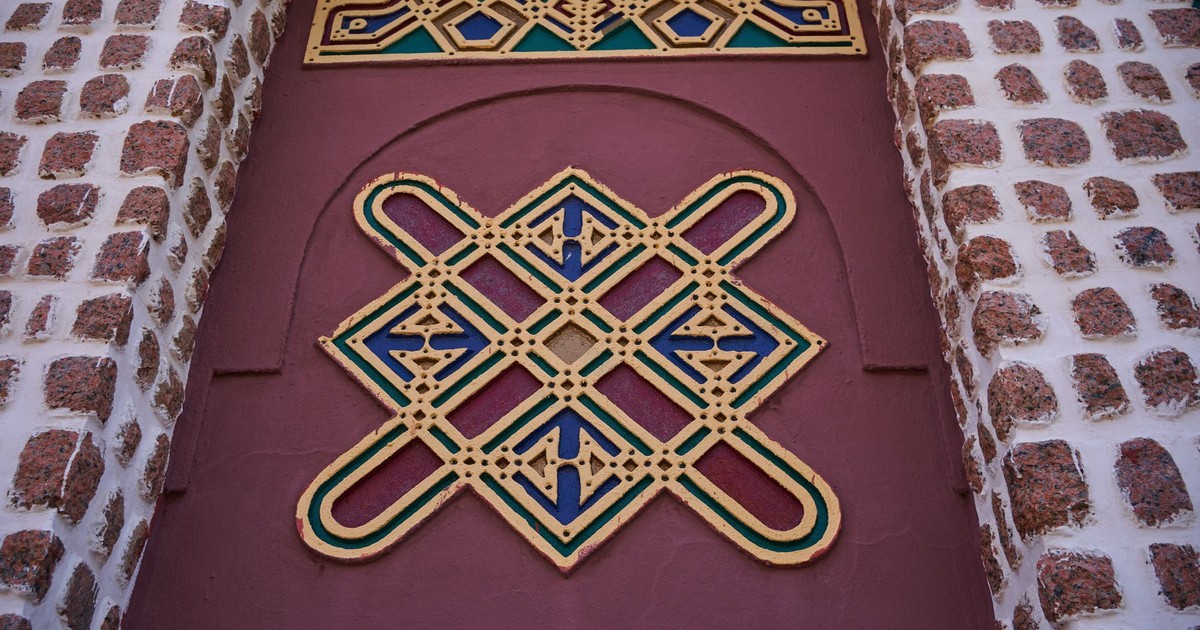
Pyrgi announces itself from a hundred meters away with a visual trick that exists nowhere else in Greece. The village has a permanent population of around 1,000 residents and is unique due to its stunning geometric facade decorations known as “xysta,” monochrome patterns etched into the plaster that adorn nearly every building.
The technique involves coating a wall in black volcanic ash mixed with plaster, then applying a white plaster layer over the top, and scraping the white back in geometric shapes to reveal the black beneath. Every household maintains its own section of facade. The result is a village that looks like it was decorated by a single obsessive artist over several generations rather than by hundreds of different families.
Like Mesta, Pyrgi is part of the UNESCO-recognized mastic village network, and mastic cultivation is woven into daily life here too. But where Mesta folds inward, Pyrgi opens outward, its central square lined with tavernas that feed people who live there rather than people passing through.
5. Papingo (Megalo and Mikro), Zagori (Epirus)
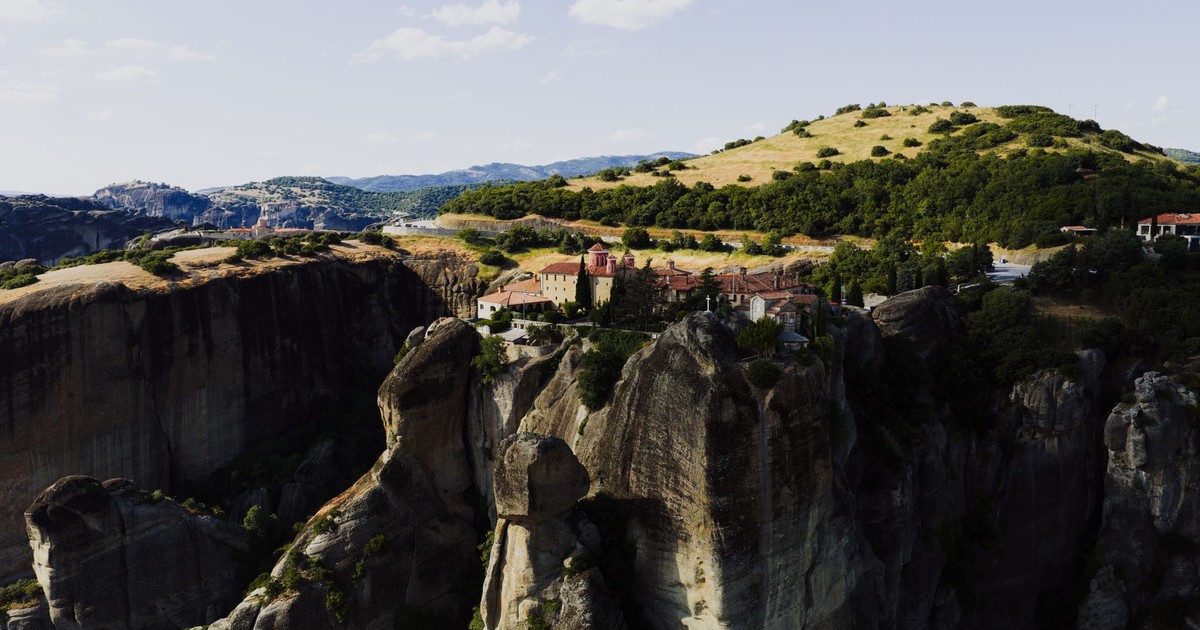
Papingo splits into Megalo and Mikro Papingo, two villages tucked deep into the Vikos-Aoös National Park. They sit within shouting distance of each other on the flanks of Mount Tymfi: Megalo slightly larger and more animated, Mikro almost absurdly photogenic.
The stone houses of Megalo Papingo cluster closely at the foot of the Pindos massif. Hiking enthusiasts come for trails leading to the Vikos Gorge. Even without trekking, wandering the streets and eating local dishes like wild boar stew and homemade pies rewards the visit.
Mikro Papingo is the starting point for a day hike of six to seven hours to Drakolimni Lake, located at an altitude of 2,050 meters. The lake sits in a glacial bowl beneath the summit and turns a shade of green in late summer that doesn’t look entirely natural. The trail is unmarked in places, the altitude bites, and the sheep outnumber the hikers most days.
6. Monemvasia (Peloponnese)
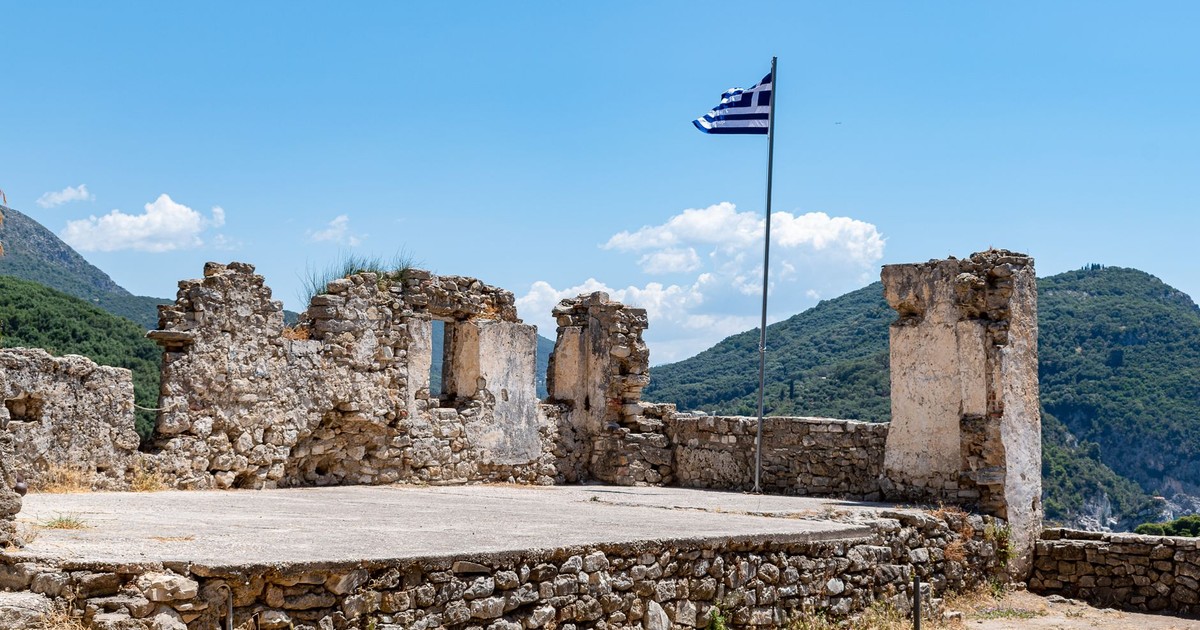
Monemvasia’s name derives from two Greek words meaning “single entrance.” The village sits on a small island off the east coast of the Peloponnese, a great rock of sheer cliffs rising from the rough sea with a perfectly preserved medieval fortress atop.
The island connects to the mainland by a single narrow bridge. Its cobbled streets are lined with mansions, churches, fountains, and hammams, entirely free from cars. The medieval castle of Monemvasia is among the few castles in Greece that are still inhabited.
The Kastro divides into two quarters: Ano Poli, the upper town, and Kato Poli, the lower town. The upper town is mostly ruined and largely unvisited. On a weekday in spring, you can walk through Byzantine churches and collapsed Venetian archways for an hour without passing another person.
7. Makrinitsa, Pelion (Thessaly)
Makrinitsa lies nestled on the slopes of Pelion, 600 meters above the sea. The Pelion peninsula has dense chestnut and apple orchards, slate-roofed stone houses, and a mist that rolls in off the Aegean and sits in the valleys for days at a time. Makrinitsa sits at the top of this landscape and looks down on the city of Volos below.
The village stands out for its central square with a view of the town of Volos and the Pagasetic Gulf. Surrounding nature and hiking trails in Pelion make it a particularly worthwhile destination for walkers.
Houses are built from dark local stone with overhanging upper floors, their interiors lined with carved wooden ceilings and painted tiles from an era of considerable prosperity. Makrinitsa was a center of craft production and trade during the 18th and 19th centuries. The tavernas in the central square serve tsipouro and local pies stuffed with greens from the surrounding hillsides.
8. Nymfaio (Western Macedonia)
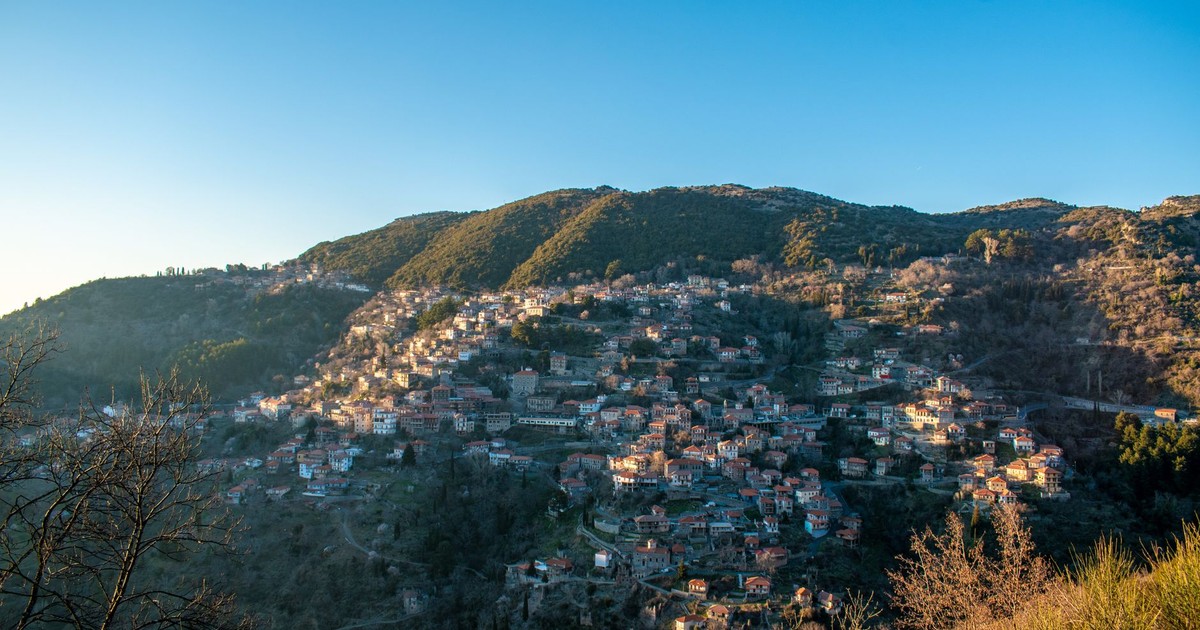
Nymfaio sits at 1,350 meters in the mountains of Western Macedonia, near Florina, close to the North Macedonian border, in a part of Greece that most international visitors never reach. The village draws a specific kind of visitor in winter: people who want snow-covered stone streets, log fires, and a glass of local wine in a building that has stood since the Ottoman period.
The village has only 132 permanent residents but is home to a bear sanctuary run by Arcturos, a Greek wildlife NGO, where European brown bears rescued from captivity are rehabilitated. It is one of the only places in Greece where you can watch bears moving freely in a forest setting from a short distance away.
Nymfaio was genuinely abandoned for decades before being carefully restored by private investment in the 1990s. The restoration kept the original slate roofs, stone facades, and proportions intact.
9. Stemnitsa, Arcadia (Peloponnese)
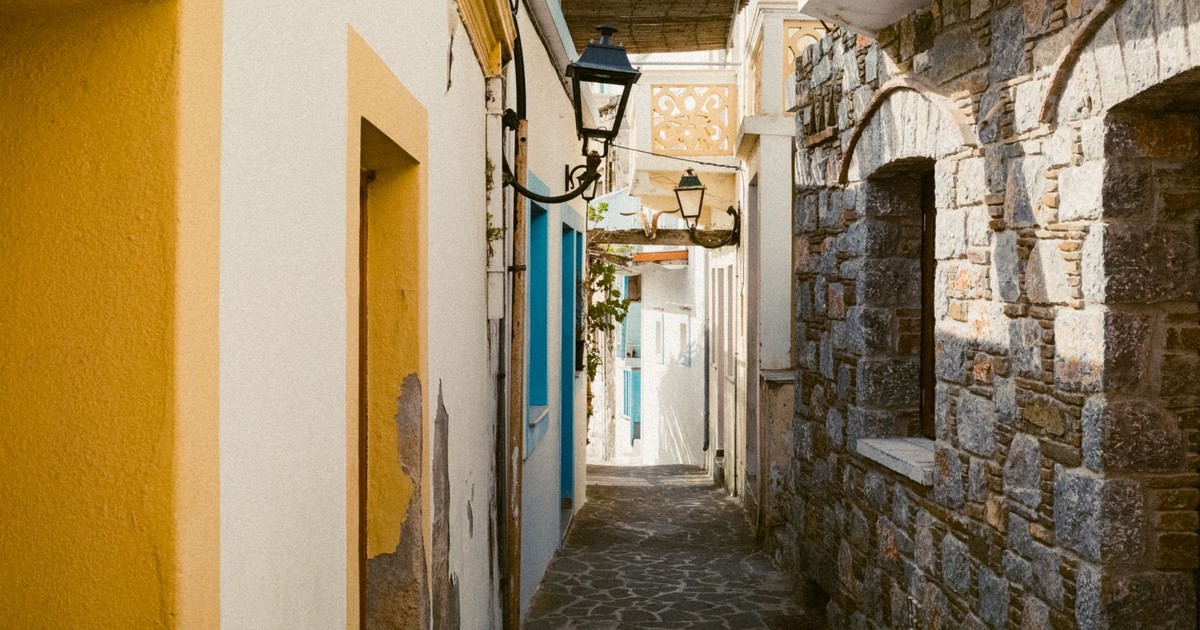
Stemnitsa sits in mountainous Arcadia, a region in the Peloponnese known for its historic villages with traditional architecture and stone guesthouses. Tower houses and winding cobblestone alleys define the streetscape. A school of silversmithing shapes the village’s identity, and craftsmanship here has a history stretching back centuries.
The clock tower of St George’s Orthodox Church, the Bournazos mansion, and churches dating from the 12th and 15th centuries reward slow exploration. The silversmithing tradition is genuinely alive here, not a heritage display. Artisans still produce filigree jewelry using techniques that were once carried across the Balkans by traveling craftsmen.
The school attached to the local museum trains young people in the craft. Whether that’s enough to keep the tradition going for another generation is an open question, and one that Stemnitsa’s older residents will discuss with you at length if you sit down at the right table.
10. Folegandros (Cyclades)
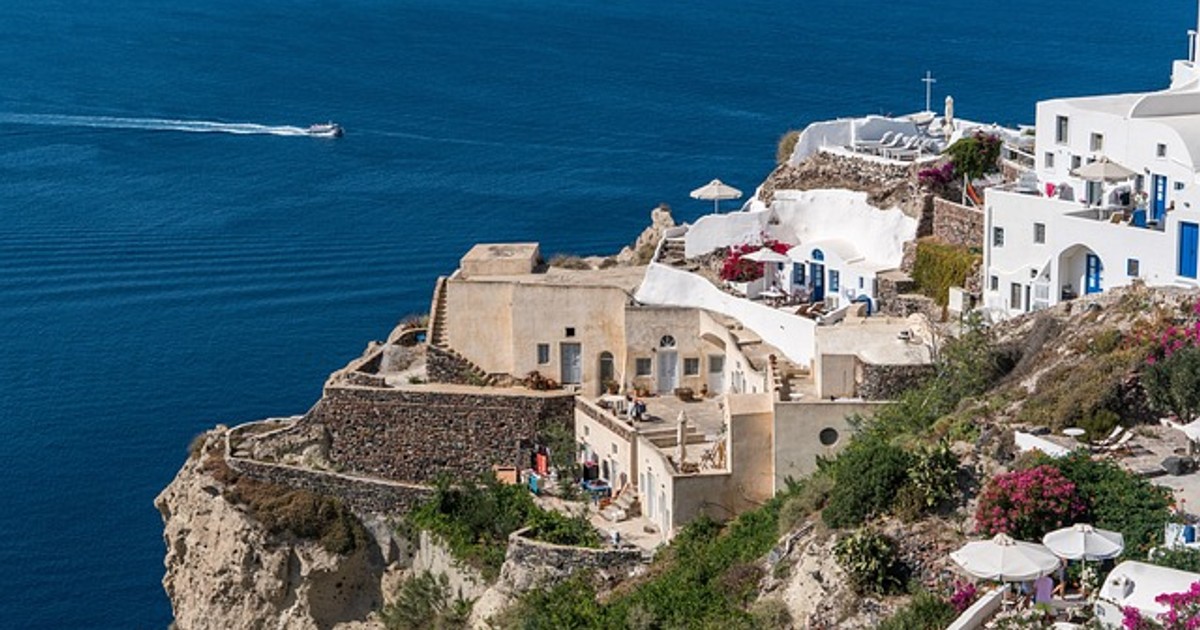
Folegandros sits less than an hour by high-speed boat from Santorini. Close to the ever-popular Milos, Folegandros remains relatively untouched by mass tourism and is the better choice for those looking for a simpler Greek experience.
The island’s main settlement, Chora, perches at the edge of a cliff above the sea at a height that makes most first-time arrivals genuinely apprehensive. The church of Panagia sits at the very top, reached by an almost vertical path above the village, and the Easter procession that takes it up that path by candlelight is one of the more extraordinary things a visitor to Greece can witness.
The Chora itself is a tightly organized medieval settlement, its streets too narrow for vehicles of any kind, its central square shaded by mulberry trees that have been there longer than anyone can remember. With small hotels, secluded coves, a genuinely unhurried pace, and an air of real remoteness, Chora village takes you back in time without performing it.
11. Dimitsana, Arcadia (Peloponnese)
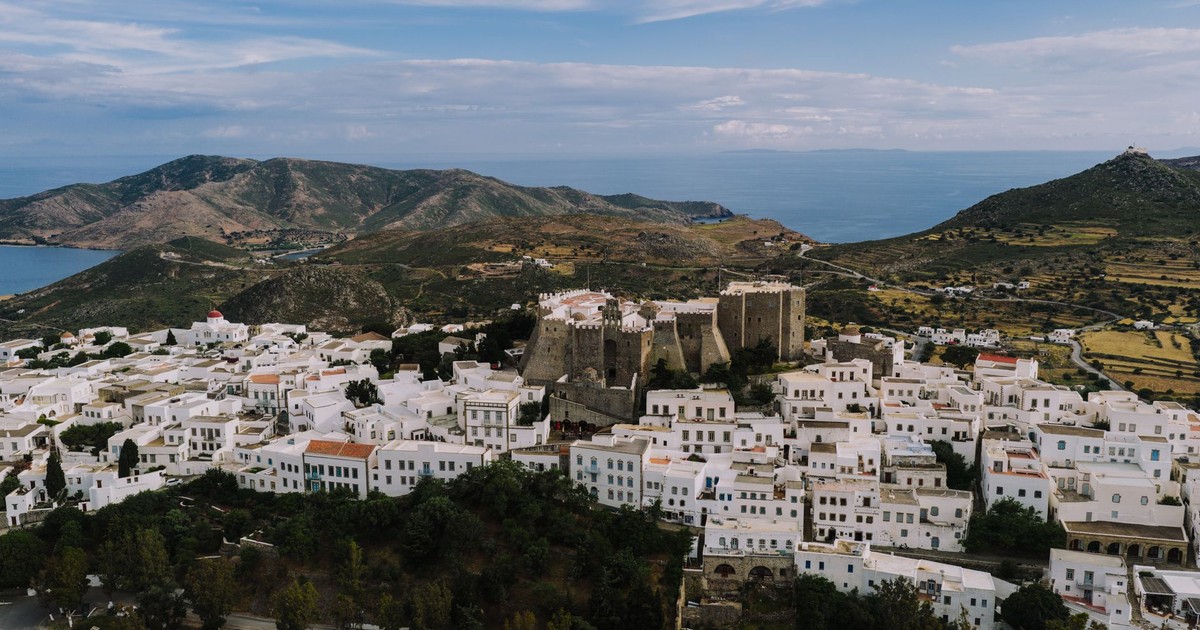
Dimitsana sits on a spur above the Lousios Gorge at around 1,000 meters, with two rivers meeting below it and a skyline of bell towers that you can see from the road long before you arrive. It played an outsized role in the Greek War of Independence: gunpowder manufactured in its mills and its library, which supplied the intellectual fuel for the revolution, made it one of the most strategically important small towns in 19th-century Greece.
The open-air Water-Power Museum recreates the water mills, tanneries, and gunpowder works that made the town function, built directly onto the river that powered them. It’s the kind of industrial history that feels entirely physical rather than academic: you can smell the wood and the water.
Touring the villages of mountainous Arcadia takes much longer than planned since every corner invites a stop and locals share stories about the heroes of the 1821 Revolution. Walking along paths with bridges, water fountains, and watermills keeps visitors engaged, while the traditional architecture, imposing mansions, and impressive monasteries compose a unique picture.
12. Monodendri, Zagori (Epirus)
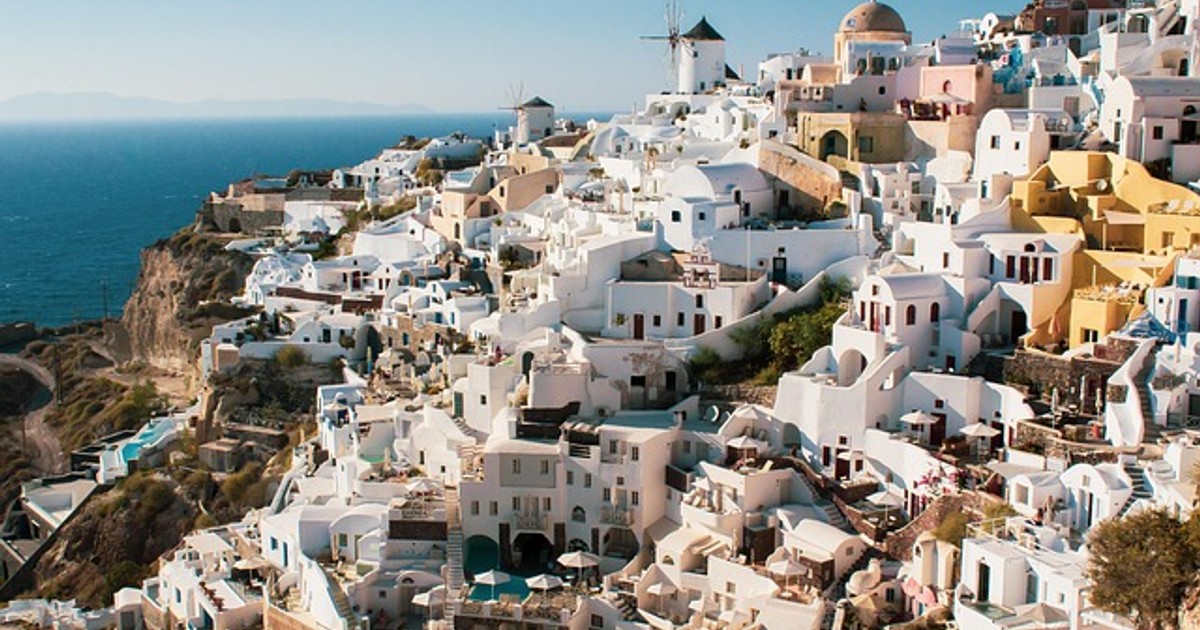
Monodendri sits on the western rim of the Vikos Gorge at 1,060 meters, and the main reason most people come here is to stand at its edge and look down. The view into the gorge from the clifftop monastery of Agia Paraskevi, an abandoned chapel that hangs above the void on an outcrop of rock, is one of the most dramatic in mainland Greece.
The Zagori region is surrounded by two national parks filled with unique and endangered species. Monodendri is one of the main trailheads for the Vikos Gorge traverse, a day-long walk through one of the deepest gorges in the world relative to its width. The trail is well-marked but genuinely demanding, and the village at the end of it, Vikos, has a single taverna that serves large plates of food to very hungry people.
Central Zagori has maintained a wonderful uniformity giving its villages a particular character: traditional squares with plane trees, cobblestone alleys, and verdant vegetation. Monodendri has 164 permanent residents, a central square with exactly the right amount of shade, and a view that most of mainland Europe cannot match.
13. Pserimos (Dodecanese)
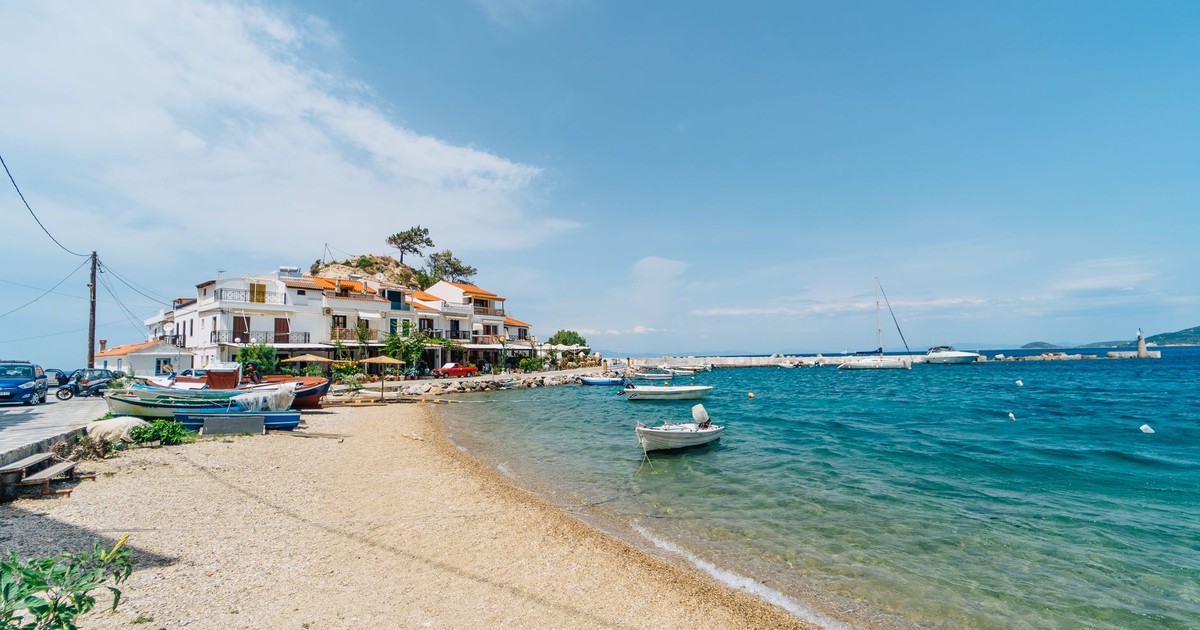
Nestled between Kos and Kalymnos, Pserimos is so small and so untouched it feels like a forgotten postcard from the past. There are no cars, no roads, and barely enough Wi-Fi to refresh your inbox. The island covers roughly 15 square kilometers and has a permanent population of around 100 people, most of whom are connected to the fishing trade.
You reach it by small ferry from Kos or Kalymnos, and the boat schedule dictates your day in a way that you quickly stop resisting. The main beach is calm and clear, flanked by a few tavernas and simple guesthouses where fishermen hang their nets outside like laundry. There is one village on the island, also called Pserimos, and it has a single road that more or less loops around itself.
Pserimos receives day-trippers from the larger islands on summer mornings, but they leave by mid-afternoon, and the island returns to itself. If you stay overnight, you get to see what it looks like when the tourists are gone: fishermen repairing gear on the beach, older women sitting outside in the early evening, the kind of unhurried rhythm that has no particular urgency attached to it.
14. Avlona, Karpathos (Dodecanese)
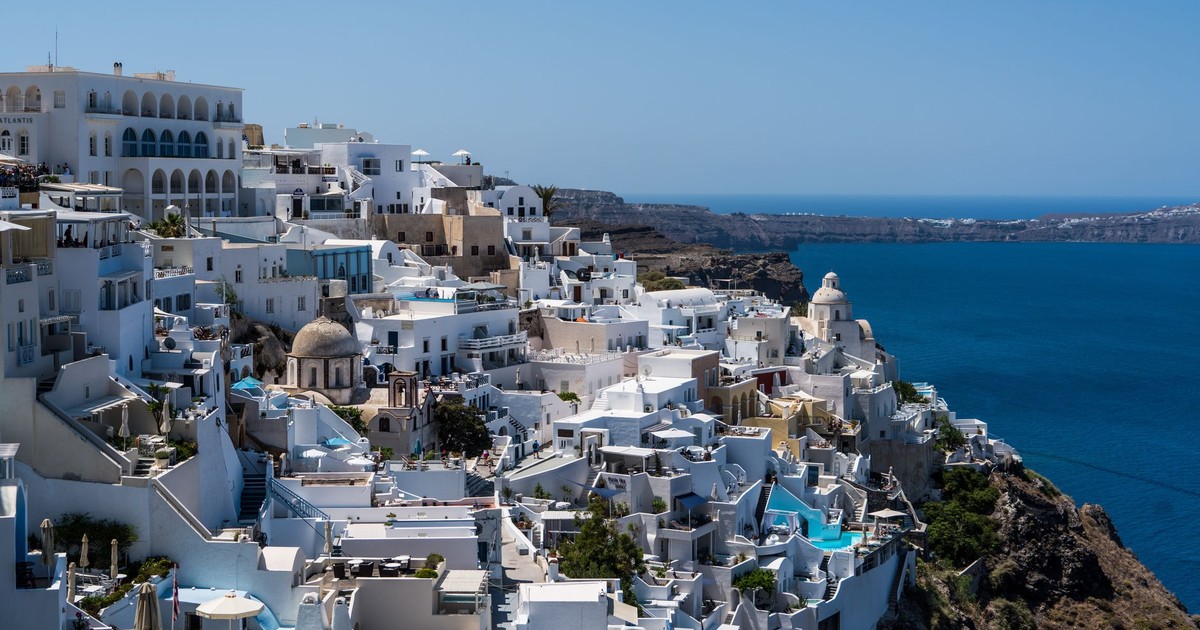
While Olympos gets most of the attention in northern Karpathos, Avlona is the one that feels genuinely forgotten. Karpathos sits between Rhodes and Crete, secluded and far from other islands. Only the southern part has been partially developed in response to tourism, leaving the middle and northern areas nearly untouched.
Avlona sits about 400 meters above the sea on the northern tip of Karpathos, accessible in summer by a dirt track from Olympos or by boat from Diafani. For most of the year, its permanent population can be counted on one hand. The village exists primarily as an agricultural outpost: terraced fields of grain and vegetables that Avlona’s residents tend during planting and harvest seasons before returning to Olympos or Diafani for the rest of the year.
The houses are simple, the lanes are unpaved, and there is no cafe, no shop, and no Wi-Fi. The silence is total and structural, a function of geography rather than design. Excellent hiking routes make northern Karpathos popular with serious walkers, and the trail connecting Avlona to Olympos through scrub-covered hills is among the best on the island. You’ll pass wind-driven mills and ancient terracing on a path that has been walked for thousands of years.
The Inconvenience Is the Point
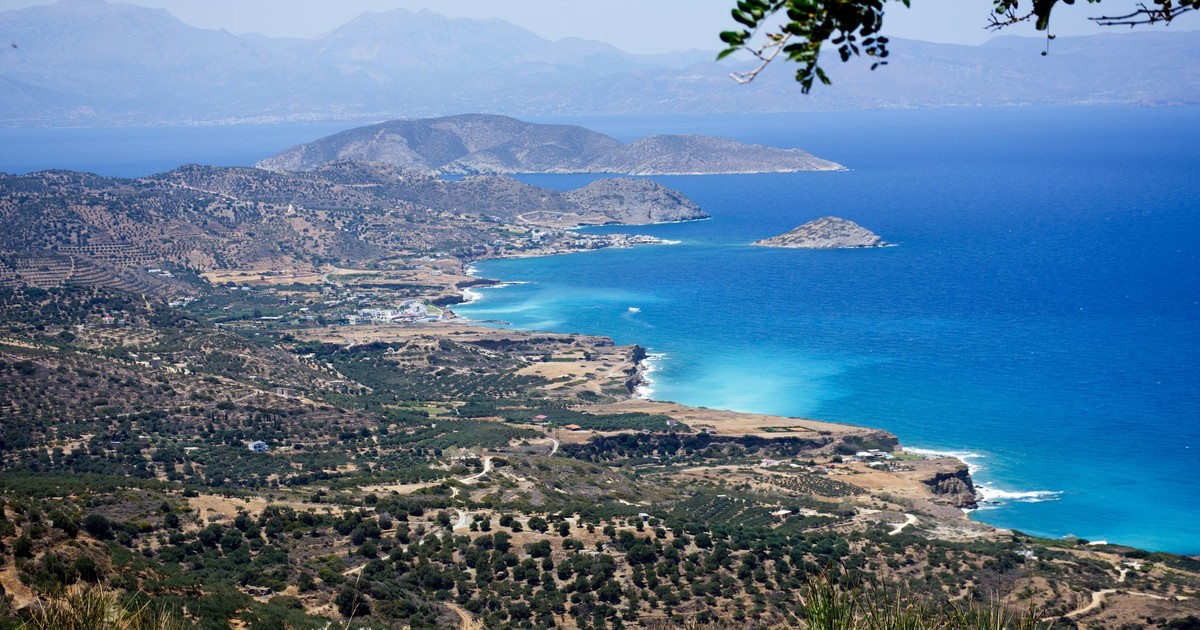
A village that requires a one-hour ferry, a mountain road in low gear, or a two-hour hike to reach has had a very different relationship with development than one that sits beside a motorway. That difficulty has preserved architectural traditions, food cultures, agricultural practices, and social structures that have been erased from more accessible parts of the country.
Greece aging population by 2050: projections show more than 35 percent of the population will be over 65. In the remotest villages, that process is already decades advanced. Some of the places on this list will look significantly different in twenty years: smaller populations, fewer people who remember the old customs, more buildings sliding toward disrepair.
The mastic harvest in Chios, the bread ovens in Olympos, the stone steps at Vradeto: these aren’t relics. They’re the ongoing work of people who decided to stay.
AI Disclaimer: This article was created with the assistance of AI tools and reviewed by a human editor.