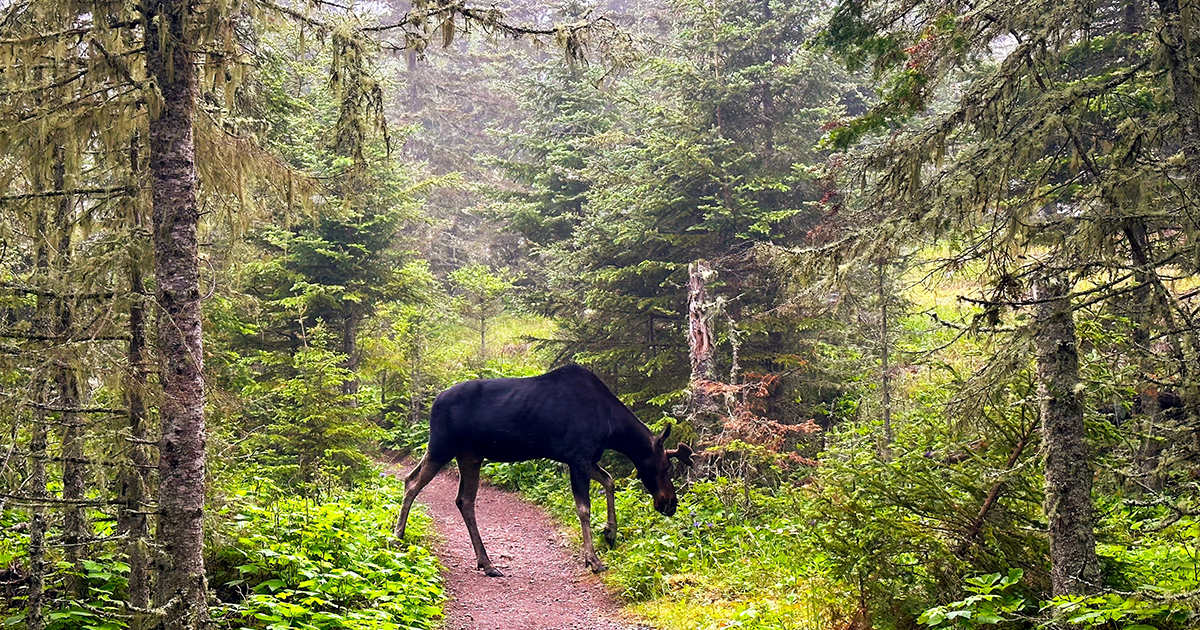

Great Smoky Mountains National Park sees more than 13 million people a year. The least visited national park in the lower 48 sees fewer than 30,000. Both are extraordinary.
The Midwest gets written off by travelers chasing Yellowstone or the Grand Canyon, but it holds some of the most extraordinary terrain in the National Park System. Caves that go on for over 200 miles underground. Islands you can only reach by seaplane. Prairie ecosystems so rare that less than 4% of the original acreage survives. Sacred Indigenous quarries that have been continuously worked for centuries.
What follows is a state-by-state look at eleven of the most underrated Midwest national parks and monuments, ranging from places that see a handful of visitors on a Tuesday in July to ones that have been hiding in plain sight all along.
1. Jewel Cave National Monument, South Dakota
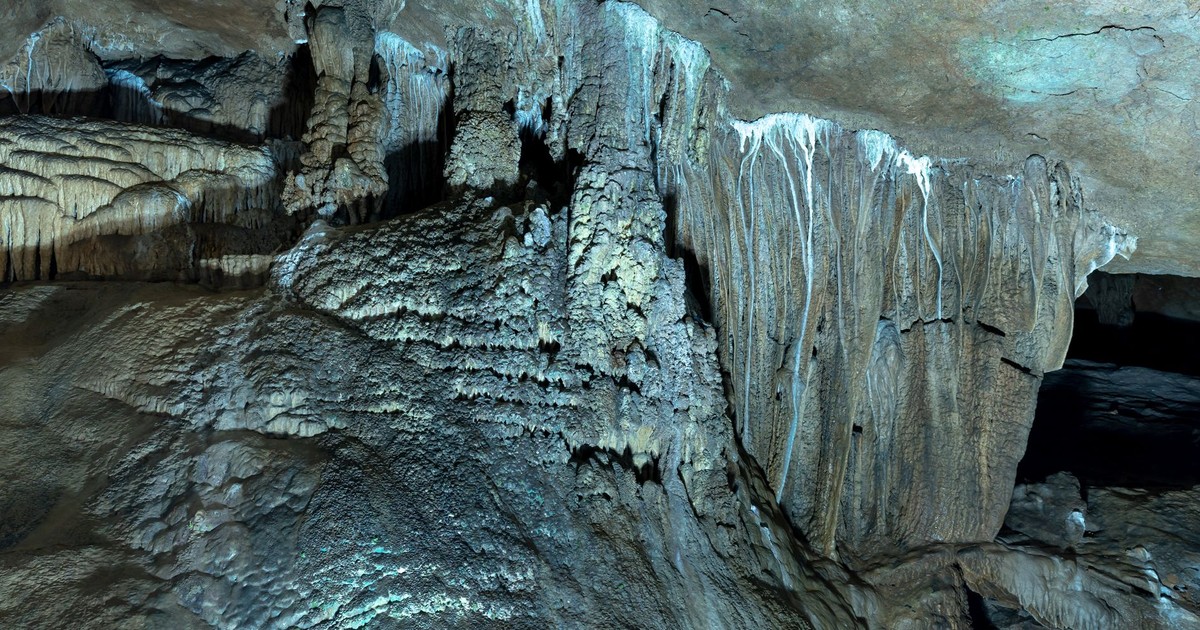
Jewel Cave National Monument features the fifth longest cave system globally and ranks second in the United States, with mapped passageways stretching 220.33 miles as of July 2025. Yet it received just 145,332 visitors in 2024, a fraction of what nearby Mount Rushmore draws on a single summer weekend.
Scientists have found that those mapped sections make up only 3 to 5% of the cave’s estimated total air volume. The site earned its status as a national monument in 1908, becoming the first one dedicated specifically to protecting a cave. It is also one of the best-known examples of a “breathing cave,” where changes in outside air pressure push air in and out of the entrance. On a still day near the historic entrance, you can feel that breath on your face before you ever descend.
Visitors can choose from several tour options: the Discovery Tour takes just 20 minutes, adventure seekers can tackle the challenging 3 to 4 hour Wild Caving experience, and most visitors prefer the Scenic Tour, which runs for about 80 minutes. All cave access is by guided tour, so book early on recreation.gov or arrive at the park early in the day for a same-day ticket. Above ground, surface hiking trails wind through Black Hills terrain where the South Dakota state flower, the pasque flower, blooms in summer.
2. Isle Royale National Park, Michigan
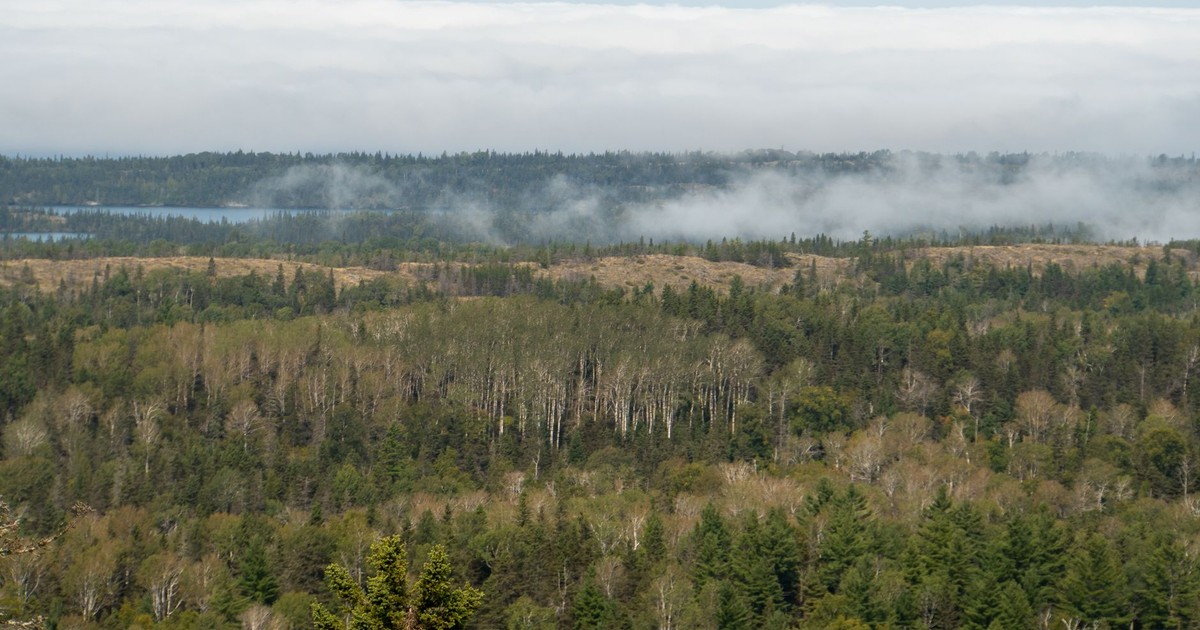
Getting to Isle Royale requires effort that most travelers aren’t willing to spend. The island sits 18 miles off the coast of Minnesota and 56 miles from mainland Michigan, with no roads, no bridges, and no permanent residences. To reach it, you take a ferry or seaplane. Visitors are permitted access for fewer than six months per year.
Isle Royale National Park in Lake Superior ranked 59th out of 63 national parks in 2023, with just 28,965 recreation visits. The island is 45 miles long and 9 miles wide, ringed by more than 400 smaller islands, and home to beavers, foxes, snowshoe hares, moose, and wolves. In 1980, the park was designated a UNESCO International Biosphere Reserve.
Isle Royale has been named the US national park that visitors spend the most time in, according to a study by Rustic Pathways, which analyzed National Park Service Visitor Use Statistics from 2020 to 2024. The average visitor spends 52.4 hours per visit, more than at any other national park. Scoville Point, accessible from Rock Harbor, offers nearly 360-degree views of rocky surf and cobalt-blue water. Diving the park’s historic shipwrecks is an option serious underwater explorers shouldn’t overlook.
3. Theodore Roosevelt National Park, North Dakota
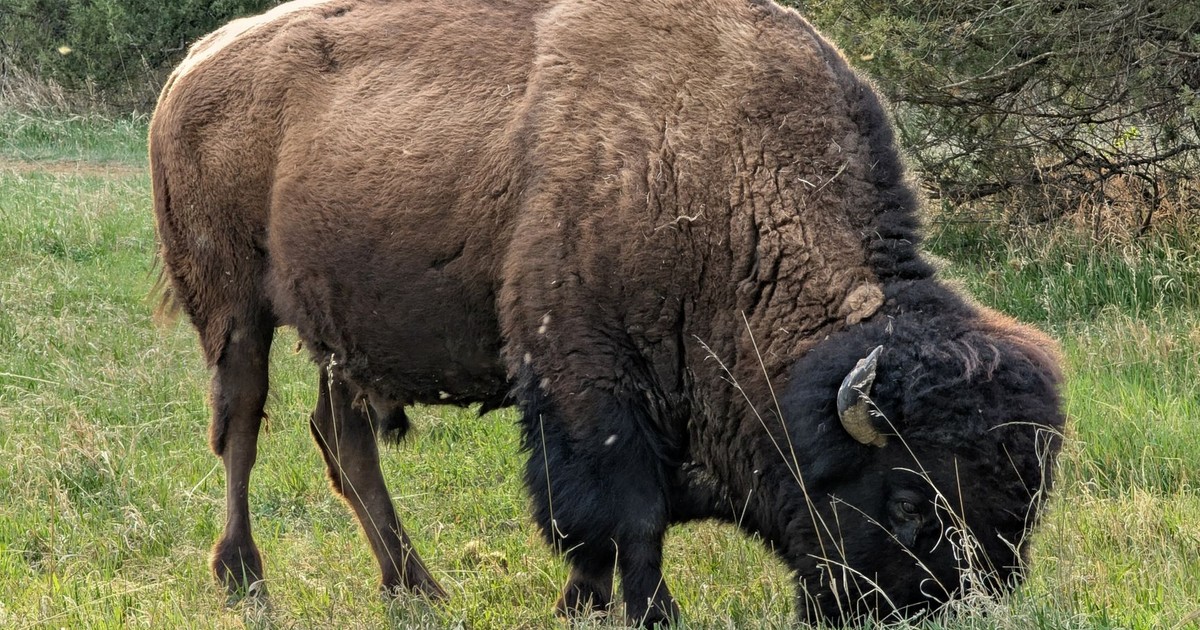
Amid the expansive plains of western North Dakota lies Theodore Roosevelt National Park, named for the 26th president who found wonder and solace in these remote northern badlands, where he also owned a ranch. Roosevelt arrived in the Dakota Territory in 1883 to hunt bison, fell in love with the landscape, and later credited his time there with shaping the conservationist instincts that would define his presidency.
Fewer than 730,000 visitors see the park each year, which is remarkable given the scale of what’s there. The park is organized across three separate units covering more than 70,000 acres, with terrain that shifts between painted badlands, river bottomlands, and open grassland. Both main units have scenic drives, approximately 100 miles of foot and horse trails, wildlife viewing, and backcountry hiking and camping.
The South Unit Visitor Center is in Medora, a gateway town with shops and access to unspoiled nature. The Painted Canyon Visitor Center offers panoramic badlands views, while the more remote North Unit, about an hour’s drive north of Belfield along U.S. Highway 85, includes the 1.5-mile Buckhorn Trail, which passes a prairie dog town and frequently offers bison sightings. Wild horses also roam the South Unit, and spotting them against the ridgeline at dusk is one of those experiences that sticks.
4. Effigy Mounds National Monument, Iowa
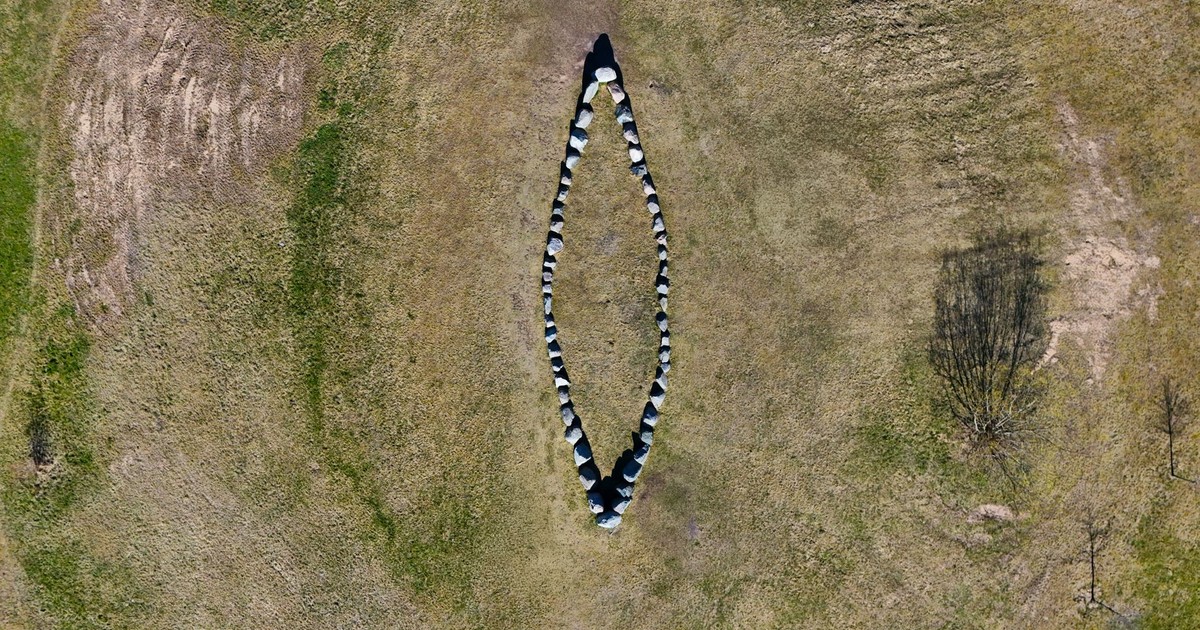
Effigy Mounds National Monument in northeastern Iowa preserves over 200 Native American burial mounds, some shaped like bears and birds, set along the bluffs of the Mississippi River. Some mounds are conical and believed to be burial sites. Others are animal-shaped effigies built to resemble birds, bears, bison, and more. The long rectangular mounds were likely constructed for ceremonial purposes.
The site has 14 miles of hiking trails that showcase sacred mounds built between 800 and 2,500 years ago. The trails wind through forested bluffs above the Mississippi, offering long views over the river and a tangible sense of how the builders of these mounds must have understood this landscape: elevated, oriented toward the water, deliberate. Bald eagles and other raptors are frequently spotted along the river corridor.
Admission is free. The monument sits near the town of Harpers Ferry in Iowa’s Driftless Area, a region that was never glaciated and retains a rugged, ridge-and-valley character unusual for the Midwest.
5. Pipestone National Monument, Minnesota
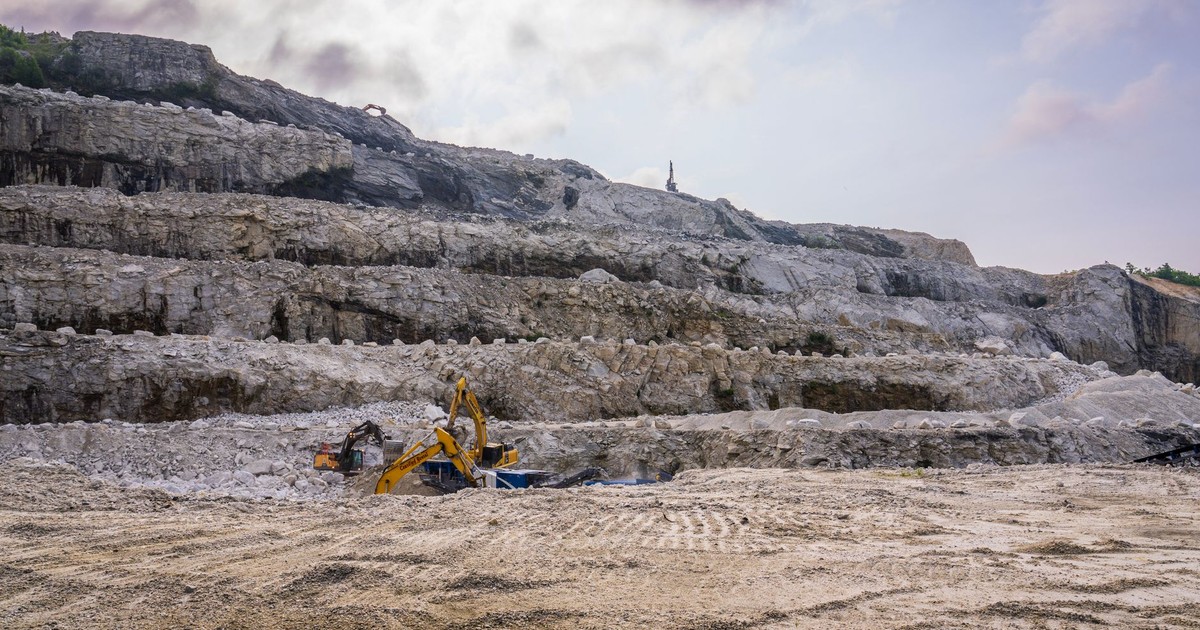
Pipestone National Monument in southwestern Minnesota preserves the historic red pipestone quarries that have been sacred to Native tribes for centuries. A paved loop trail leads past the active quarry, Winnewissa Falls, and exposed rock formations that tell the story of the area’s geology.
The quarrying is not historical, it is ongoing. Native American peoples who are descendants of the tribes historically connected to this site still have the right to quarry pipestone here today. The red stone, called catlinite, is used to carve ceremonial pipes, and the tradition of working it at this specific site goes back further than written records can document.
The monument covers 282 acres, which makes it one of the smallest in the NPS system. The 0.75-mile Circle Trail is accessible and loops past the quarries, the falls, and a series of granite outcroppings that form the geological foundation of the site. Artisans from affiliated tribes sometimes demonstrate their work at the visitor center, which is one of the few places in the NPS where visitors can watch a living cultural tradition rather than read about a concluded one.
6. Tallgrass Prairie National Preserve, Kansas
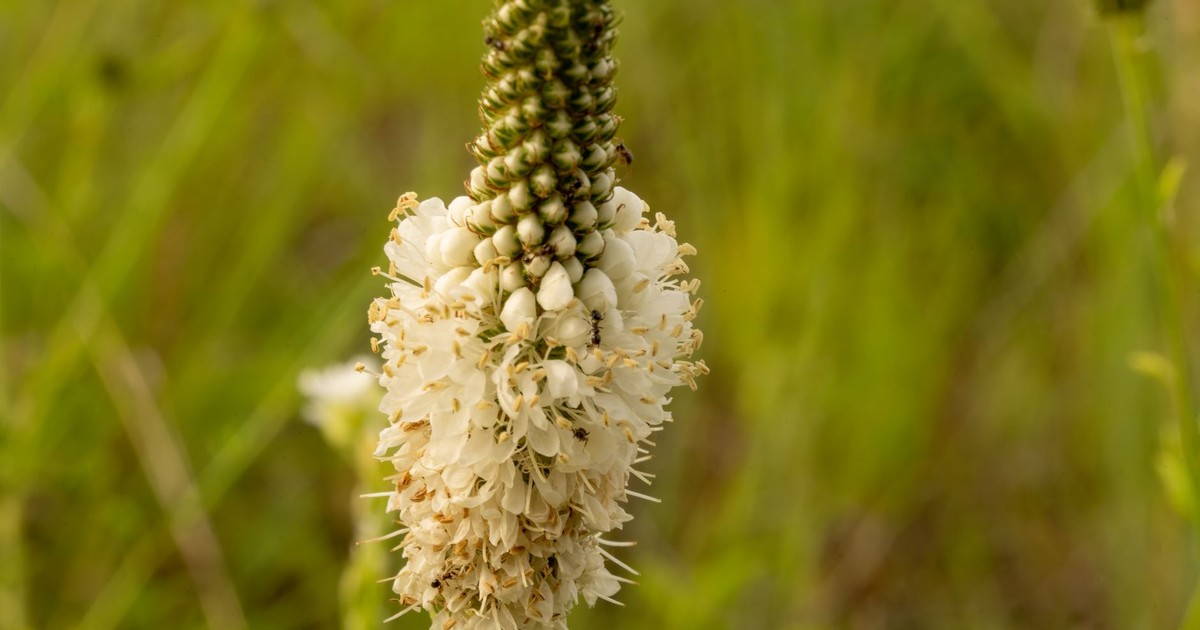
Tallgrass Prairie National Preserve in Kansas protects one of the last remaining tallgrass prairies in the United States. Tallgrass prairie once covered 170 million acres of North America, but within a generation most of it had been transformed into farms, cities, and towns. Today, according to the NPS, less than 4% remains intact, mostly in the Kansas Flint Hills. The preserve in the Flint Hills of east-central Kansas holds some of the largest intact portions of that remnant.
The prairie doesn’t have peaks or canyon walls or thundering waterfalls. It has wind, grassland, sky, and a biological complexity that takes time to see. Visitors can hike scenic trails, spot wildlife including bison and prairie chickens, and explore the preserve’s historical sites, including a restored 19th-century ranch. The preserve’s small bison herd is sometimes visible in the distance, a living reminder of the 30 million animals that once shaped this ecosystem.
The best time to visit is late spring, when the grasses are actively growing and wildflowers are in bloom across the hillsides. The Flint Hills also produce extraordinary light in the hour before sunset.
7. Scotts Bluff National Monument, Nebraska
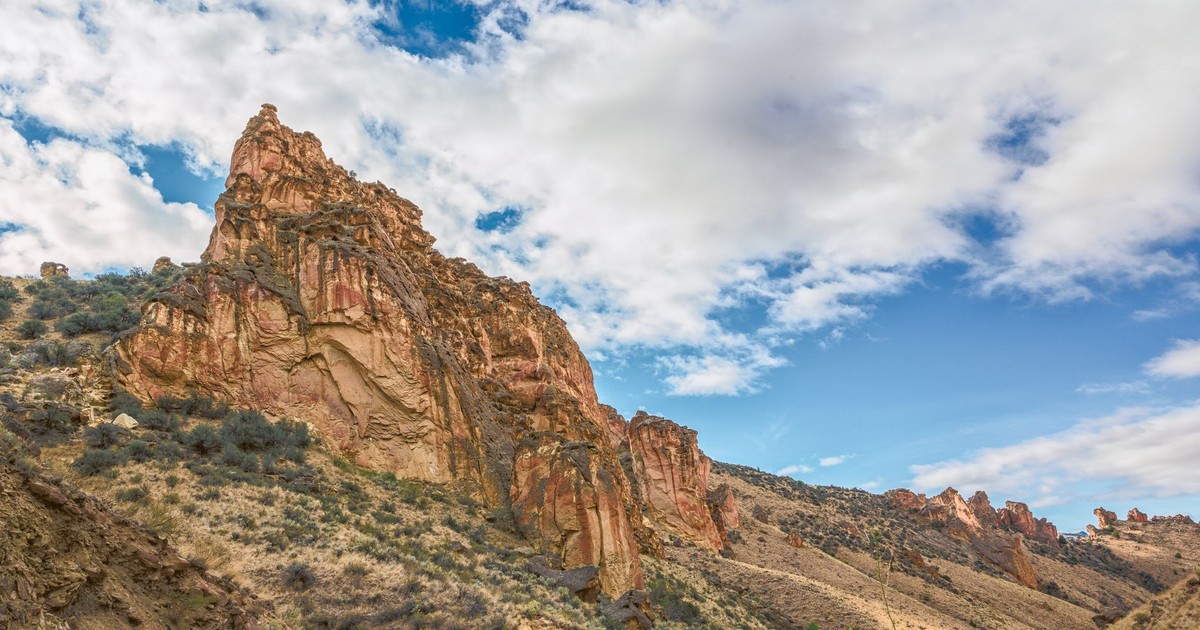
Scotts Bluff National Monument is located west of Gering in western Nebraska and protects over 3,000 acres of historic overland trail remnants, mixed-grass prairie, rugged badlands, towering bluffs, and riparian land along the North Platte River. The monument drew 182,392 visitors in 2025, more than Jewel Cave but still far below what a site this visually striking would attract in a busier region.
The bluff itself rises 800 feet above the valley floor and served as a landmark for travelers on the Oregon, California, and Mormon trails throughout the 1800s. An estimated 300,000 to 500,000 emigrants passed by it. Wagon ruts from those crossings are still visible in several places within the monument today, preserved by the dry western Nebraska climate.
You can drive to the summit or hike the Saddle Rock Trail to the top, where the North Platte River valley opens up below in a panorama that instantly communicates why 19th-century travelers used this bluff as a navigation point. The visitor center holds an impressive collection of paintings by William Henry Jackson, the frontier photographer and painter who documented the American West.
8. Pictured Rocks National Lakeshore, Michigan
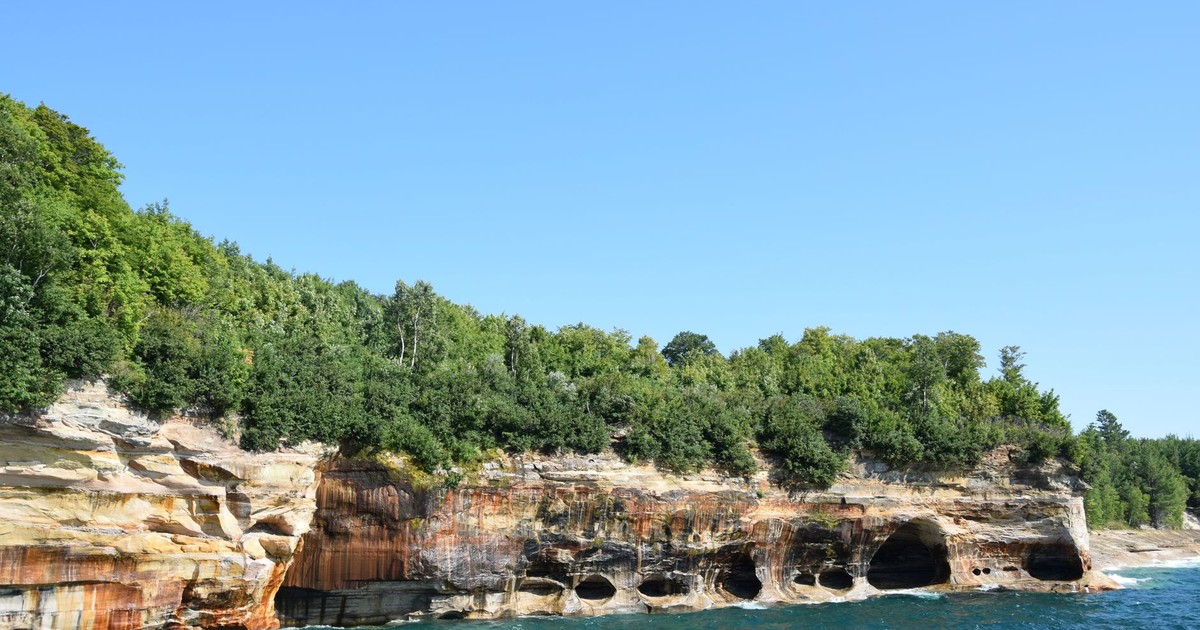
Pictured Rocks National Lakeshore stretches 40 miles along Lake Superior in Michigan’s Upper Peninsula. The colored mineral streaks staining the sandstone cliffs (iron, copper, manganese, and limonite bleeding orange, red, blue, and black across the rock face) are what give the park its name and its most famous photographs. The lakeshore drew 953,052 visitors in 2024, making it more popular than some entries on this list, but it remains far less known than it deserves to be outside the Midwest.
The park is especially popular for kayaking near the dramatic cliffs and sea caves between Miners Beach and Chapel Rock. More than 100 miles of hiking trails cross the park, with highlights including the Chapel Loop, Mosquito Falls, and Grand Sable Dunes. Wildlife includes otters, foxes, black bears, and bald eagles.
The best views of the cliffs are from the water. Kayaking tours depart from Munising and get paddlers close to formations that, from land, can only be seen from above. The Grand Sable Dunes at the park’s eastern end are a separate spectacle: sand dunes rising 275 feet above Lake Superior, with a trail down to the water’s edge that is steep enough to remind you it exists on the way back up.
9. Voyageurs National Park, Minnesota
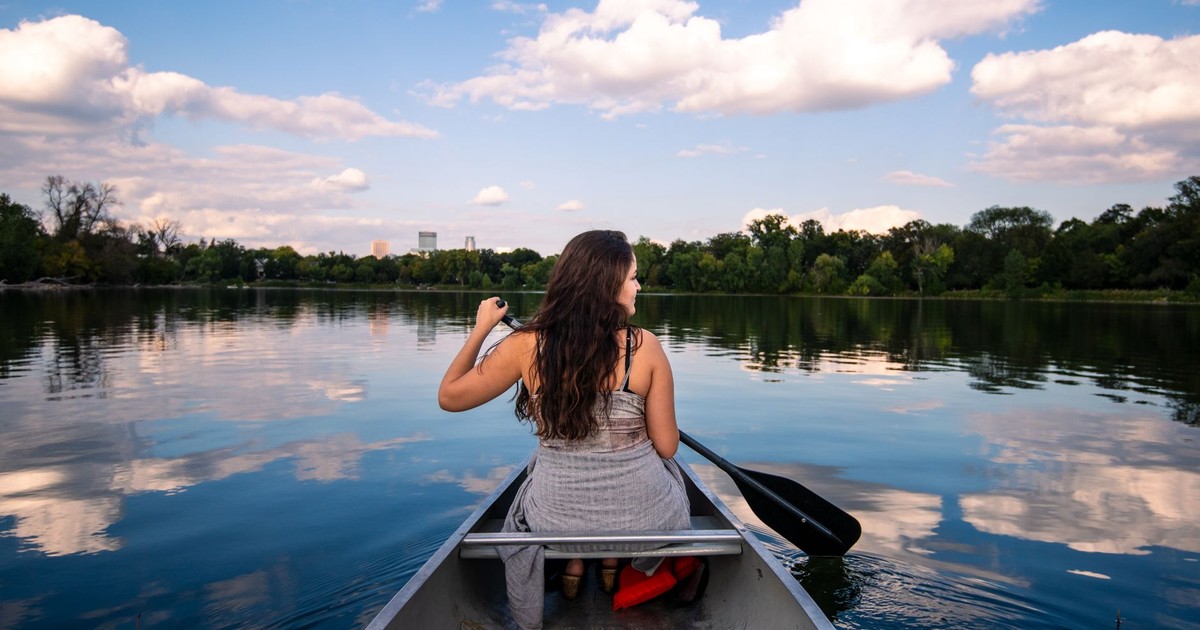
Voyageurs National Park in Minnesota received 199,030 visits in 2024, modest numbers for a park that covers over 218,000 acres of interconnected lakes, forest, and waterway along the Canadian border. The park takes its name from the French-Canadian fur traders who paddled these routes in birchbark canoes from the late 1600s onward, establishing the commercial networks that connected the Great Lakes to the interior of the continent.
Most of Voyageurs can only be accessed by water. There are no roads through the park’s interior. To see it properly, you need a boat, a canoe, or a kayak. The four large lakes at the park’s center (Kabetogama, Namakan, Sand Point, and Rainy Lake) connect through channels and narrows lined with boreal forest, and the park’s 500 islands range from day-use stops to remote overnight campsites.
Voyageurs is also one of the best places in the continental United States for dark-sky stargazing, with minimal light pollution and long summer nights that can extend past 10 p.m. In winter, frozen lake surfaces open the park to snowshoeing, ice fishing, and snowmobiling, making this a genuine four-season destination that most people outside Minnesota have never heard of.
10. George Washington Carver National Monument, Missouri
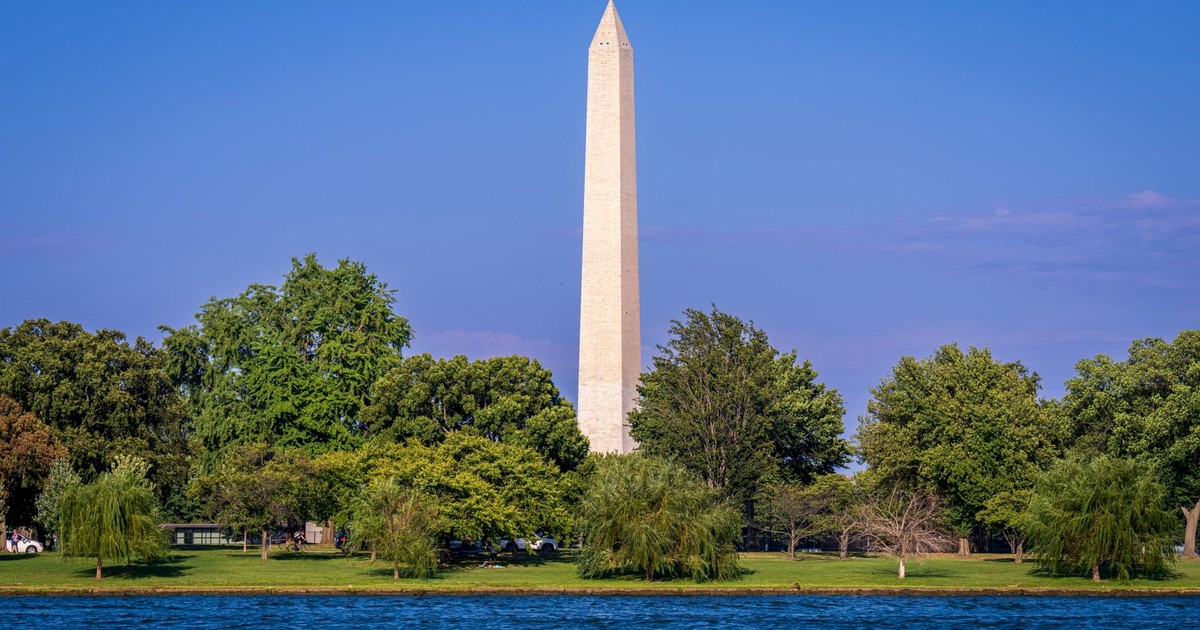
George Washington Carver National Monument was the first national monument dedicated to an African American and the first to honor a non-president. President Franklin Roosevelt established it on July 14, 1943. The site preserves the boyhood home of George Washington Carver, as well as the 1881 Moses Carver house and the Carver family cemetery, all set on the Missouri farm where Carver was born into slavery and spent his early years.
The monument received 31,062 visitors in 2025, a number that feels disproportionately small for a site that honors one of the most consequential agricultural scientists in American history. Carver’s research on crop rotation and alternative crops, developed at Tuskegee Institute in Alabama, helped transform Southern agriculture in the early 20th century and brought him international recognition.
The 240-acre park has a 3/4-mile nature trail, a film, a museum, and an interactive exhibit area that traces Carver’s life from his Missouri childhood through his decades of scientific work. The landscape itself (rolling Ozark hills, woodland, and small-farm country near the town of Diamond) gives the site a genuinely pastoral character that suits the story it tells. This is one of the most historically significant monuments in the entire NPS system, and it sees fewer visitors than a moderately popular trailhead.
11. Badlands National Park, South Dakota
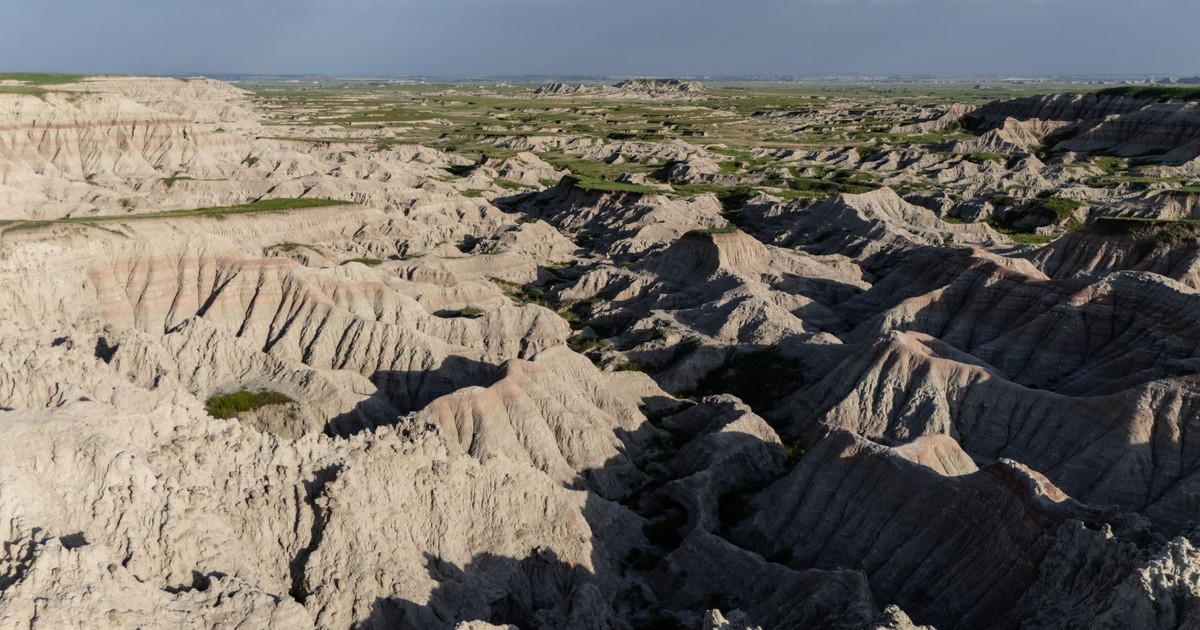
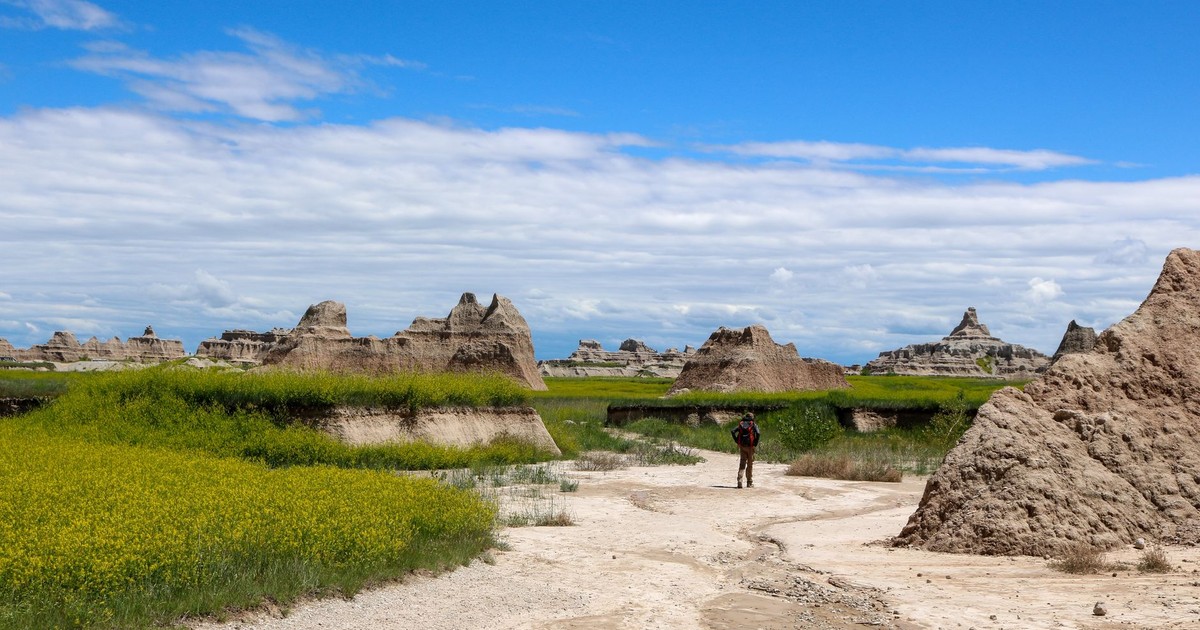
Badlands National Park in South Dakota drew 1,094,245 visitors in 2024, making it the most visited entry on this list, but still dramatically under the radar compared to parks of equivalent spectacle. Erosion has carved the sedimentary deposits of an ancient seabed into a landscape of razor ridges, spires, gullies, and buttes in shades of tan, brown, and burnt orange that shift dramatically with the light.
The park offers hiking trails for all levels, including the easy Window Trail and the more challenging Saddle Pass Trail. Wildlife enthusiasts have a genuine chance of spotting bison, bighorn sheep, and prairie dogs in the wild. The fossils here are exceptional. The Badlands are one of the richest Oligocene fossil deposits in the world, and the park’s Ben Reifel Visitor Center holds specimens of ancient horses, rhinos, and saber-toothed cats that lived here 35 million years ago.
Stargazing at the Badlands is a must. The park’s minimal light pollution makes it one of the best spots in the Midwest for viewing the night sky. The park runs ranger-led astronomy programs in summer, and on a clear night the Milky Way is visible without optical aids.
Places That Don’t Need the Crowds
Isle Royale has its wolves and its shipwrecks and its 52-hour average visit. Jewel Cave has 220 miles of passageways with 97% still unexplored. Pipestone has artisans carving stone the same way people carved it a thousand years ago. None of these places need validation.
The Midwest national parks that get overlooked tend to get overlooked for the same reason: they don’t photograph easily, they require some planning, and they don’t carry the same cultural weight as a Yellowstone or a Grand Canyon in the popular imagination. A Wednesday morning in Effigy Mounds, walking the bluffs above the Mississippi River with no one else on the trail, is not a lesser experience than a crowded Saturday at a more famous park. In most of the ways that actually matter, it’s better.
Disclaimer: This information is not intended to be a substitute for professional medical advice, diagnosis, or treatment and is for information only. Always seek the advice of your physician or another qualified health provider with any questions about your medical condition and/or current medication. Do not disregard professional medical advice or delay seeking advice or treatment because of something you have read here.
AI Disclaimer: This article was created with the assistance of AI tools and reviewed by a human editor.