

The country that spends the most on healthcare per person isn’t the one getting the best results. The United States outspends every other nation on earth on a per-capita basis, yet sits 40th overall on a global healthcare quality index that covers more than 100 countries. The top-ranked nation spends a fraction of that and delivers better outcomes on almost every measure: wait times, affordability, health outcomes, and whether ordinary people can see a doctor without financial ruin.
Top-performing countries prioritize broad access, preventive care, and efficiency over sheer spending. The patterns that show up consistently across multiple global indices: universal coverage, strong primary care infrastructure, and governments willing to treat healthcare as a public good rather than a marketplace commodity.
The rankings below draw on three major sources: the 2025 CEOWORLD Health Care Index, which scores 110 countries on infrastructure, professional quality, medication availability, and government readiness; Numbeo’s 2026 Health Care Index, drawn from public surveys on quality, wait times, staff competence, and cost; and the Commonwealth Fund’s Mirror, Mirror 2024 report, the most rigorous peer-reviewed comparison of high-income nations. The countries listed below perform consistently well (or consistently poorly) across all of them.
1. Taiwan

Taiwan holds the top spot globally in the 2025 CEOWORLD index with a composite score of 78.72 out of 100. Numbeo’s 2026 index gives Taiwan a score of 87, while per-person healthcare spending sits at roughly $2,400 annually. Elite outcomes for the price of a decent used car per person per year.
The foundation is a single-payer National Health Insurance program, introduced in 1995, that covers every resident from day one. Patients can walk into almost any clinic or hospital without a referral and see a specialist the same day. Electronic health records are fully integrated across providers, so a doctor treating you in Taipei can immediately see what happened at a clinic in Kaohsiung six months ago.
Taiwan’s model faces strain from an aging population and low insurance premiums. But as a demonstration of universal, tech-forward, low-bureaucracy healthcare in practice, no country currently comes close.
2. South Korea

South Korea scored 77.7 in the 2025 CEOWORLD index, placing it second overall. The National Health Insurance Service covers the entire population, and patients don’t wait weeks for specialist appointments. Same-week or next-day scheduling at major hospitals is routine.
Korean hospitals lead the world in robotic surgery adoption and AI-assisted diagnostics. The country has one of the highest doctor-to-patient ratios in Asia and an extensive network of public and private hospitals that operate under regulated pricing.
The challenge is an aging demographic putting growing pressure on a system built for a younger population. Still, South Korea currently delivers a speed, quality, and accessibility combination that most countries haven’t replicated.
3. Australia

The Commonwealth Fund’s Mirror, Mirror 2024 report ranked Australia first overall among 10 high-income nations, followed closely by the Netherlands. That report measures access, equity, care process, administrative efficiency, and health outcomes across wealthy countries.
Australia earned the top spot for equity and health outcomes, and stood out for administrative efficiency. The country’s Medicare system, funded through a 1.5% income tax levy, covers GP visits, hospital care, and a large portion of specialist costs for every citizen and permanent resident.
Australia doesn’t just provide good healthcare to people who are healthy and well-located; it delivers consistently across income levels and geographic regions. Wait times for elective procedures remain a real issue in the public system, and the gap between public and private access is wider than Australians are comfortable acknowledging.
4. Netherlands

Everyone who lives or works in the Netherlands is required to obtain basic health insurance, while the government determines which services must be included in the mandatory package. This package covers general practitioner care, hospital treatment, mental healthcare, and certain prescription medications. Insurers compete for customers on quality and service, not on coverage, since the baseline is non-negotiable. Low-income residents receive government subsidies to cover their premiums.
The Netherlands had the best access to care performance of any country in the Commonwealth Fund’s 2024 report. Dutch GPs manage the vast majority of common conditions and direct traffic to specialists efficiently, cutting costs and reducing the overburdening of hospital systems that plagues countries without a strong primary care culture.
The Netherlands scores somewhat lower on out-of-pocket costs due to annual deductibles within the insurance system, which can be a real barrier for lower-income households despite the subsidies.
5. Germany

Germany runs the oldest social health insurance system in the world, dating to Chancellor Bismarck’s reforms in 1883. Statutory health insurance funds, called Krankenkassen, cover about 90% of the population, with the remaining 10% opting for private insurance. Contributions are income-based, premiums are shared between employer and employee, and coverage is comprehensive.
Germany consistently places in the top 10 globally for medical infrastructure quality, physician density, and pharmaceutical availability. German patients face essentially no wait times for specialist consultations compared to countries like Canada or the UK.
The system’s biggest vulnerability is its complexity. With over 90 competing statutory funds, administrative costs are higher than in single-payer systems, and navigating coverage for specific treatments can be bewildering.
6. Japan

Japan’s universal system covers all residents with a simple 30% copay, a monthly cost cap for expensive treatments, and exceptional outcomes. Life expectancy is 84.6 years. Healthcare spending is just 11% of GDP. Wait times are short, and patients can see any doctor without a referral. No Japanese household is ever hit with a catastrophic medical bill, regardless of the treatment received. The government sets a ceiling on what any individual pays per month, and everything above that threshold is absorbed by the insurance fund.
Japan has more MRI machines and CT scanners per capita than almost any nation on earth, and hospital networks are dense even in rural areas. Regular workplace health check-ups are required by law, and early detection rates for conditions like stomach cancer and colon cancer are among the highest globally.
The sustainability challenge is acute. Japan has the oldest population of any major nation, which means spiraling long-term care costs and a shrinking working-age tax base.
7. Sweden

Sweden operates a decentralized tax-funded system where regional councils manage and fund healthcare for their populations. Coverage is universal, funded through income taxes, and GP copays are capped at a modest amount annually. Once a patient reaches that ceiling in any calendar year, all further care is free. Prescription costs are similarly capped.
Sweden consistently records some of the lowest rates of mortality from preventable conditions in Europe, a direct reflection of strong primary care, high vaccination rates, and early intervention.
Specialist appointments and elective procedures can take months in the public system, and rural patients face longer waits than urban ones. Sweden has addressed this partially through a healthcare guarantee (a legal right to see a specialist within 90 days), but the guarantee isn’t always met.
8. Switzerland

Switzerland consistently ranks among the best healthcare systems in the world, but it’s expensive. Swiss residents pay among the highest healthcare premiums in Europe, and out-of-pocket costs above the deductible can be significant. The government subsidizes premiums for lower-income residents, but Switzerland is not a cheap place to get sick.
Access to care is fast, physician quality is extremely high, and Switzerland invests heavily in medical research and hospital infrastructure. The country’s hospital network includes some of the most technically advanced facilities in the world. The system is built on mandatory private insurance with strong regulatory controls, similar to the Netherlands but with a higher cost floor.
The Commonwealth Fund’s 2024 comparison examined 10 high-income countries across five domains and Switzerland placed well in care process and administrative efficiency. Its lower ranking in equity reflects the financial burden the system places on lower earners, even with subsidies.
The 5 Countries With the Lowest-Ranked Healthcare Systems

Many of the worst-performing systems are in active or recent conflict zones where hospitals and clinics are damaged, looted, or repurposed. Health workers flee due to violence or nonpayment. Displaced populations face heightened risks of outbreaks, malnutrition, and untreated chronic conditions. Where conflict isn’t the primary cause, extreme poverty and chronic underinvestment create the same result through a slower process.
9. Syria
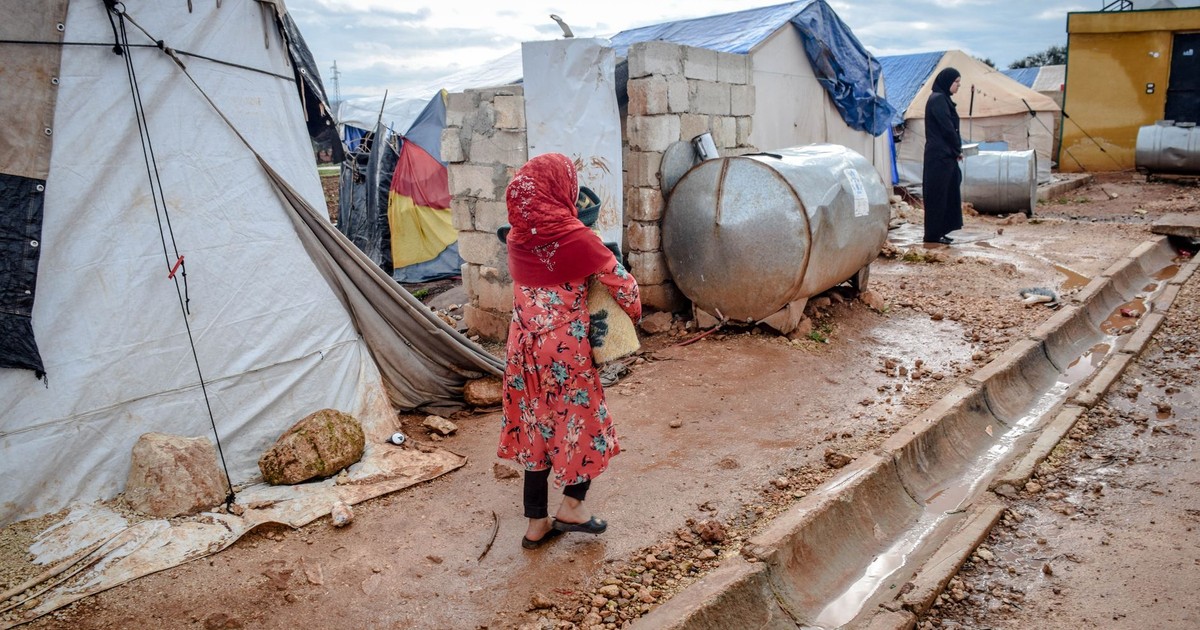
According to Numbeo’s 2026 Health Care Index, Syria sits at the very bottom of global healthcare rankings with a score of 35. In Northern Syria, only 1 in 16 public hospitals is now fully functional.
Communicable diseases that were once controlled re-emerge as vaccination programs collapse. Chronic conditions go unmanaged because there are no clinics. Women die in childbirth because the nearest functioning maternity ward is 60 miles away. Syria had functional, relatively well-regarded public hospitals before 2011.
10. Venezuela

Venezuela is currently the second-worst country in the world for healthcare on the Numbeo rankings, scoring 39.6. Shortages of medicine, equipment, and trained staff have become routine.
Hospitals that were once equipped sit with broken equipment that can’t be repaired because spare parts can’t be imported. Doctors who trained in the country have emigrated in large numbers to Colombia, Chile, Spain, and the US. The ones who remain often work without reliable electricity, running water, or basic surgical supplies.
11. Bangladesh
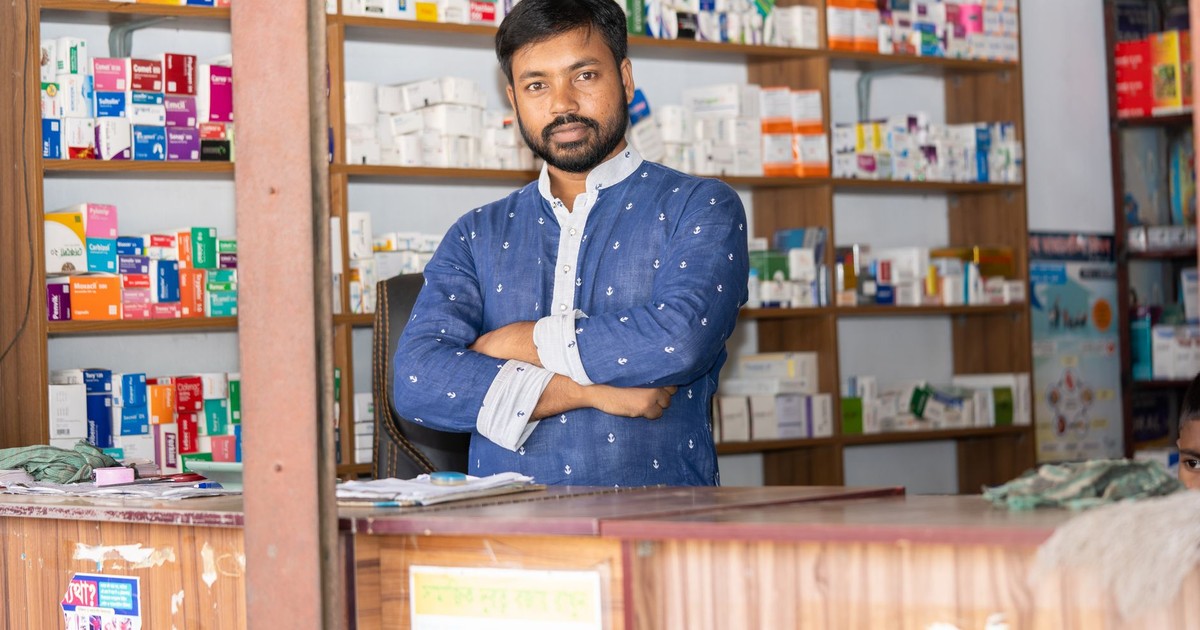
Bangladesh is the third-worst country for its healthcare system on the Numbeo rankings, scoring 41.7. The country has made genuine strides in public health over the past three decades, reducing childhood mortality and improving vaccination coverage significantly. But the formal healthcare system remains desperately underfunded, understaffed, and concentrated in urban centers, particularly Dhaka.
Over 450,000 people travel from Bangladesh to neighboring countries each year, primarily India and Thailand, for medical treatment they cannot access at home. Rural populations, who represent the majority of Bangladesh’s 170 million people, have far less access than the urban middle class.
12. Haiti

Haiti ranks at 20.8 on the Numbeo index. The 2010 earthquake further devastated its already fragile healthcare system. Haiti has never had the fiscal capacity to build the kind of health infrastructure its population needs, and the pattern of natural disasters, political instability, and gang violence that has defined the country over the past 15 years has made sustained progress almost impossible.
When governments provide little financing, people pay directly for most care, leading to devastating medical debt. Preventive and routine visits become unaffordable, so conditions are ignored until emergencies arise. Haiti is the starkest example of this in the Western Hemisphere: a country where healthcare theoretically exists but is practically inaccessible for the majority of the population.
13. Niger

Scoring 18.7 on the Numbeo index, Niger faces high infant and maternal mortality rates due to malnutrition and limited access to healthcare. It consistently appears at the bottom of global health indices because the structural conditions that make health systems function (stable revenue, educated populations, physical infrastructure, and geographic accessibility) are all absent or severely limited.
Niger has one of the youngest and fastest-growing populations in the world, which creates a demand for maternal and child health services that the system simply cannot meet. The country has one of the highest fertility rates on earth and one of the highest rates of maternal mortality, two statistics that are directly connected by the absence of accessible prenatal care and safe delivery facilities in most of the country.
What This Actually Tells Us

Taiwan and South Korea aren’t outperforming the United States because they have better doctors. They’re outperforming it because they built systems with universal access baked in from the start, held down administrative costs, and kept the focus on what patients actually need rather than what generates the most revenue.
Healthcare infrastructure, once destroyed or allowed to atrophy, takes decades to rebuild. The countries near the top of these rankings mostly built their systems incrementally over the second half of the 20th century and have defended that investment since. The slide from functional to crisis is faster than the climb back.
Disclaimer: This information is not intended to be a substitute for professional medical advice, diagnosis, or treatment and is for information only. Always seek the advice of your physician or another qualified health provider with any questions about your medical condition and/or current medication. Do not disregard professional medical advice or delay seeking advice or treatment because of something you have read here.
AI Disclaimer: This article was created with the assistance of AI tools and reviewed by a human editor.