

The average American household spends $6,545 a month, according to the Bureau of Labor Statistics 2024 Consumer Expenditure Survey. That number has climbed every year since 2020. Housing, transportation, and food make up nearly two-thirds of the average monthly budget.
The real savings sit in recurring bills, the ones that auto-draft from your account every month. What follows is twelve specific, actionable changes that cut into recurring costs. Some take ten minutes. Some require a single phone call. Done together, they can meaningfully reduce monthly expenses in ways you’ll feel every billing cycle.
1. Audit Every Subscription You Pay For

Pull up your bank statement and your credit card statement. Go back three months. Highlight every charge that recurs. According to Self Financial’s 2026 survey, about 35.8% of login sharers cite saving money as the primary reason for sharing, while most share for other reasons entirely. The average American’s self-reported subscription estimate is dramatically lower than what they actually pay, a gap driven largely by small recurring charges that individually feel too minor to notice.
Free trials are designed to be forgotten. The cancellation reminder you meant to set never got set, and now you’re ten months into paying for a meditation app you opened twice. Cancel anything you haven’t used in the last 60 days. For streaming services you actually use, rotate them rather than stacking them. The average American pays for four streaming services at a combined cost of around $69 a month. Consolidating to two for a few months at a time cuts that bill nearly in half.
2. Meal Plan Before You Grocery Shop

Impulse purchases account for a staggering share of grocery sales revenue. You walked in for chicken and pasta. You walked out having also bought three things on sale that you didn’t need and two items that sounded good in the moment.
Meal planning directly attacks that leak. When you know exactly what you’re cooking Monday through Friday, you buy exactly what you need. A 2025 EPA analysis estimates food waste costs a household of four roughly $2,913 per year. That’s food you already bought, already paid for, and then threw away. Every ingredient in a meal plan has a destination, which is why households that plan consistently spend less per week on groceries than those that don’t.
Write the week’s meals on Sunday, make one trip to the store with a list organized by store section, and commit to it. You’ve effectively added money back to your monthly budget without earning a single extra dollar.
3. Switch to Store-Brand Products for Staples

For most pantry staples, store-brand and generic products offer comparable quality to name-brand counterparts at a noticeably lower price. Canned goods, pasta, rice, frozen vegetables, cleaning supplies, and over-the-counter medications are all categories where the generic version is typically just as good.
The FDA requires that generic over-the-counter medications contain the same active ingredients in the same concentrations as their branded equivalents. The same logic applies to most private-label grocery items, which are frequently produced by the same manufacturers that make the branded versions, just packaged differently. Shoppers who consistently opt for store-brand goods and shop based on weekly promotions can save up to 30% on those categories.
Run through your usual grocery list and count how many items you buy by brand out of habit rather than genuine preference. For most households, it’s the majority. Making the switch on just the items where you don’t actually care about the brand adds up to real money by the end of the month.
4. Cook More Meals at Home

A home-cooked dinner costs roughly $4 to $6 per serving. A delivery order runs $15 to $25 or more after fees and tip. Replacing just two delivery orders a week with home-cooked meals saves over $1,400 a year on a conservative estimate.
According to the NCOA, grocery store food prices rose 2.9% between April 2025 and April 2026, while restaurant purchases were 3.6% higher than the year before. The gap between eating in and eating out is widening. The delivery app is now charging more, the tip expectation has crept upward, and the service fees have multiplied.
None of this means never eating out. It means being deliberate about when you do. If takeout is a convenience fallback for nights when you have no plan, the fix is the meal plan from item #2. If it’s a social ritual, that’s worth spending on. The difference between eating out as a chosen pleasure and eating out as a default because the fridge is empty is hundreds of dollars a month.
5. Re-Shop Your Car Insurance Every Year

According to Bankrate’s 2025 report, the national average for full-coverage car insurance climbed to $2,638 in 2025, a 12% increase from 2024, and a 31% increase from 2023. Most people stayed with their existing insurer through all of it.
Loyalty to an insurance company costs money. Getting quotes from at least three to five companies is the standard recommendation, and shopping every year at renewal is worth building into your calendar. Insurers quietly raise premiums at renewal, counting on the friction of switching to keep you from noticing. Raising your deductible from $200 to $500 can cut collision and comprehensive coverage costs by 15% to 30%, while raising it to $1,000 can save 40% or more. Combine that with bundling home or renters insurance with the same provider for a multi-policy discount, and most households can find $300 to $800 in annual savings.
6. Negotiate or Switch Your Phone Plan

Most people are on the same phone plan they signed up for years ago. Carriers offer better deals to new customers while existing ones pay the old rate indefinitely. The household that set up autopay three years ago and never looked again is almost certainly overpaying.
The wireless carrier market has become genuinely competitive, with prepaid and MVNO (mobile virtual network operator) plans offering equivalent coverage for significantly less. Carriers like Mint Mobile, Visible, and Consumer Cellular run on the same towers as their premium counterparts. Switching can cut a $90-a-month plan to $25 to $35 for a single line without any meaningful drop in service.
If switching feels like too much effort, call your current carrier and ask what their best current retention offer is. Carriers routinely offer existing customers discounted rates when they believe they’re about to lose the account. A single 15-minute phone call can produce a $20-per-month reduction. That’s $240 a year for asking.
7. Adjust Your Thermostat Settings
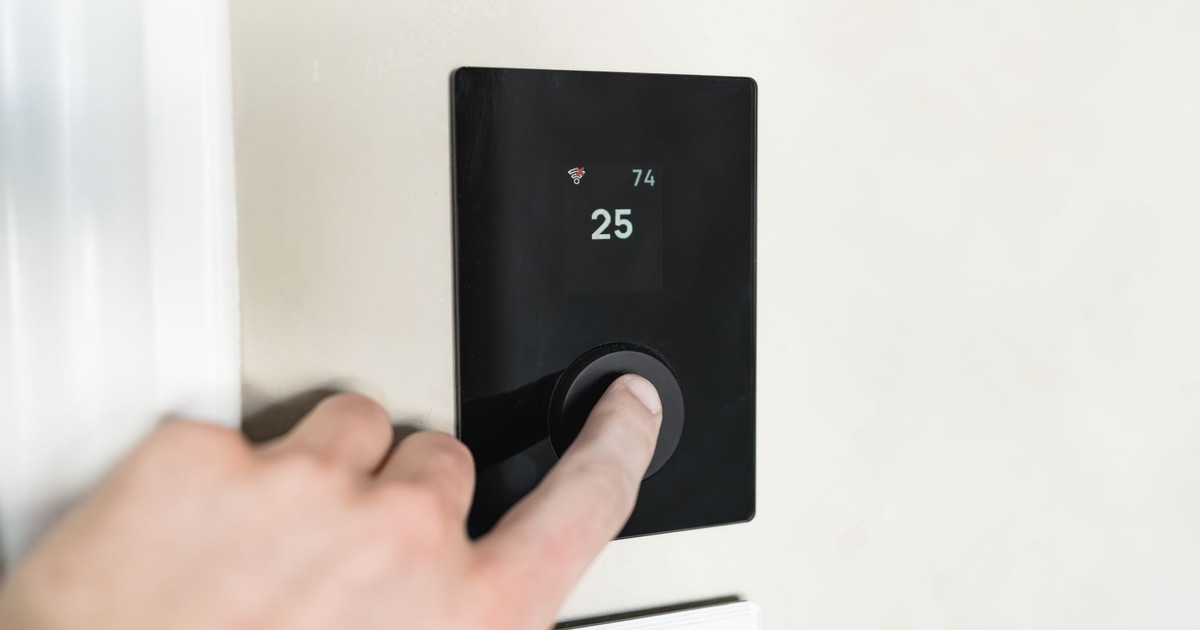
Heating and cooling account for about half of a typical home’s energy bill. Most of that cost is generated by running the system at full capacity during hours when nobody is home, or overnight when the temperature difference from your target matters far less than you think.
A programmable or smart thermostat addresses this automatically. According to the U.S. Department of Energy, setting your thermostat back 7 to 10 degrees for eight hours a day can save as much as 10% annually on your heating and cooling bill. For the average household spending $150 to $200 a month on electricity, that’s $15 to $25 back every single month.
The thermostat upgrade itself typically runs $25 to $100 for a basic programmable model. Many utility companies offer rebates on smart thermostats, sometimes covering the entire purchase price. Check your utility’s website before buying.
8. Cut Credit Card Interest

The average credit card APR has been hovering above 20% since 2023, which means carrying a $3,000 balance costs roughly $600 a year in interest alone. That’s $50 a month disappearing before you’ve bought a single thing.
The fastest route to eliminating that cost is a balance transfer to a card with a 0% introductory APR period. Many cards offer 15 to 21 months interest-free on transferred balances. The transfer fee is typically 3% to 5% of the balance, a one-time cost that is almost always far smaller than months of revolving interest at 20%-plus. If you can pay down the balance during the introductory period, the savings are real and substantial.
For those carrying balances across multiple cards, the avalanche method (paying minimums on all but the highest-rate card, and throwing every available dollar at that one first) gets the most expensive debt off the books fastest. The snowball method (smallest balance first) offers psychological momentum, but the avalanche saves more money over time. Either is better than paying minimums on everything.
9. Use Your Grocery Store’s Loyalty Program
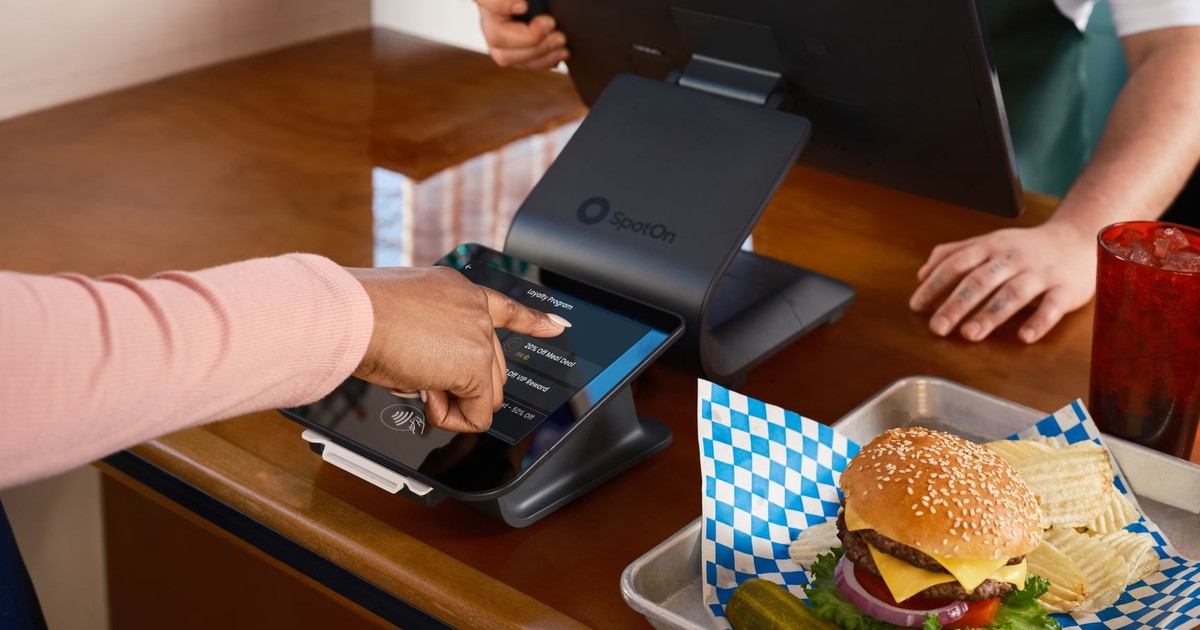
Using store loyalty programs consistently can save 8 to 12% on average grocery spending. On a $700 monthly grocery bill, that’s $56 to $84 back in your pocket every month, from a free program that requires nothing beyond scanning your card at checkout.
Most major chains now offer digital coupons through their apps that stack on top of sale prices and member pricing. Kroger, Albertsons, Publix, and their affiliated brands all run weekly promotions that are only available to loyalty members. Check the app before you shop, not after. Loading the relevant digital coupons onto your card before you hit the register takes five minutes and routinely shaves $15 to $30 off a single trip.
Some programs have also added fuel points, cash-back rewards, and exclusive savings on private-label products. Combining your loyalty card with the store-brand switch from item #3 creates a double benefit: lower shelf price and a member discount on top of it.
10. Build a Monthly Budget (and Actually Look at It)

Without a clear picture of where money is going, cuts are guesswork. The BLS data puts average monthly housing alone at $2,189, before a single grocery run or utility payment. Most households have never stopped to total what they actually spend across every category in a given month.
The zero-based budget approach assigns every dollar of income to a category before the month starts. Income minus all assigned spending equals zero, not because there’s nothing left, but because every dollar has a job, including saving. It forces a monthly confrontation with the numbers. Most people who do this for the first time discover two or three categories where spending is significantly higher than they assumed.
Budgeting apps have gotten genuinely good. YNAB (You Need A Budget), Monarch Money, and Copilot all connect directly to bank accounts and categorize transactions automatically, making the monthly review a 20-minute task rather than a spreadsheet project. The goal isn’t perfection, it’s visibility. You can’t reduce monthly expenses you don’t know you’re spending.
11. Reduce Takeout Coffee and Prepared Beverages

A daily $6 coffee five days a week is $1,560 a year. That’s real money. It’s also a choice worth making if the coffee is genuinely part of your day. The problem is when it’s habit without pleasure, grabbing something expensive on autopilot because you didn’t think to make anything at home.
The shift worth making isn’t eliminating all coffee shop visits. It’s converting the daily autopilot purchases to deliberate ones. Brew at home Monday through Thursday; treat Friday as an actual treat. That change alone saves over $1,000 annually without giving up anything you’ve actively chosen. A good burr grinder and decent whole beans cost less than three months of daily café visits.
The same logic applies to prepared beverages generally: bottled water when you have a filter at home, $5 smoothies when a blender and some frozen fruit achieves the same thing, $7 energy drinks when a coffee costs $1 to make. The category isn’t coffee specifically, it’s the gap between what convenience costs and what intention costs.
12. Re-Evaluate Your Housing Costs

Housing is the largest single line item in almost every household budget. It’s also the hardest cost to change, which is why most saving advice skips it. But several levers exist short of moving that are worth pulling.
Renters should know that lease renewal is a negotiation, not a notification. Vacancy rates in many markets have risen since 2023, giving tenants more leverage than they’ve had in years. A counter-offer at renewal, especially if you’ve been a reliable tenant, can hold rent flat or win a smaller increase than the landlord proposed. Worst case, they say no and you’re where you started. Best case, you save $50 to $200 a month.
For homeowners with a mortgage taken out at a higher rate, refinancing is worth modeling seriously whenever rates drop meaningfully. Even dropping from 7.5% to 6.5% on a $350,000 mortgage saves roughly $230 a month in interest. And for anyone in a home larger than their current life requires, a family whose kids have left, a post-divorce solo in a three-bedroom, the math on downsizing, while emotionally complicated, is the single largest potential monthly saving on this entire list.
Read More: Aldi vs Walmart Groceries: Here’s Which Store Actually Saves You More
What to Do With All of This

Pick two. Pick the two items where the effort-to-payoff ratio is most obviously in your favor. For most people, that’s the subscription audit, which takes 30 minutes and produces permanent savings, and the grocery loyalty program, which costs nothing and requires zero behavior change beyond downloading an app. Do those this week. Let the rest sit. Once the first two become invisible habits, the next two get easier to add.
Some of these patterns go back further than a single bad month. Naming that isn’t a solution, but it’s where an honest accounting of your money actually starts, not with guilt about the coffee, but with a clear-eyed look at which recurring costs you chose and which ones just happened to you.
AI Disclaimer: This article was created with the assistance of AI tools and reviewed by a human editor.