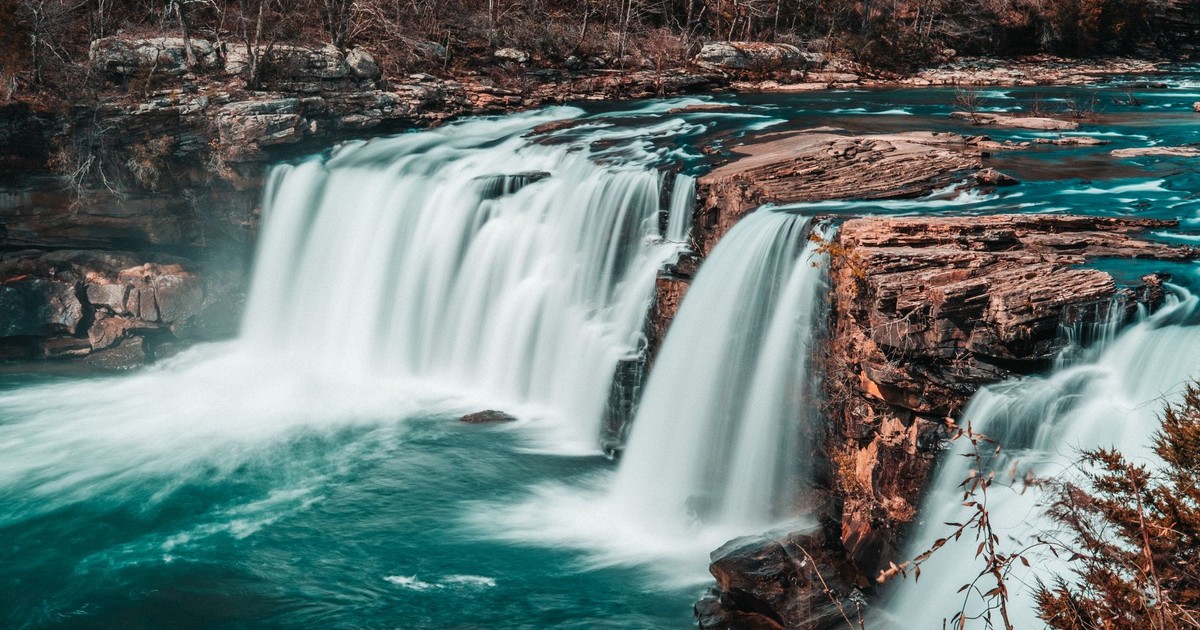

Arkansas doesn’t get the waterfall credit it deserves. Most people driving through imagine flat delta farmland, but head north into the Ozarks or west into the Ouachitas and the terrain shifts dramatically: sandstone bluffs, limestone canyon walls, creek beds that drop without warning. Over 400 cascades exist in the state, with around 200 flowing year-round. That’s more than most people realize, and the variety is striking: you can stand behind a curtain of falling water inside a grotto, watch a creek disappear through a hole in a cliff, or pull over at a roadside cascade you didn’t expect to see and end up spending an hour.
Spring rains bring the strongest flows, turning forest trails into paths that lead to unforgettable scenes, making March through May one of the best times to see waterfalls. But Arkansas is worth visiting in every season. Winter freezes some of the smaller cascades into columns of ice. Summer brings crowds to the swimmable ones. Fall threads color through the hardwood canopy above, which is its own reward even if the water is running low.
What follows is a list of thirteen Arkansas waterfalls worth knowing: not just the famous ones, but the peculiar, the remote, and the surprisingly easy to reach. Whether you’re planning a full waterfall road trip or just want to add one stop to a drive through the Ozarks, there’s something here worth the detour.
1. Hemmed-In Hollow Falls
Hemmed-In Hollow Falls drops 209 feet, making it the tallest waterfall between the Appalachian and Rocky Mountains. That fact alone stops most people mid-sentence. It sits in Newton County inside the Buffalo National River corridor, enclosed on three sides by bluffs that amplify both the visual scale of the drop and the sound of the water hitting the canyon floor.
Getting there takes effort. The trailhead at Compton sits nine miles from Ponca. The trail difficulty is rated very strenuous, and this is a wet-weather falls, usually best enjoyed in winter and spring when there’s been a fair amount of recent rainfall. The hike in is mostly downhill, which feels generous until you realize you have to come back out. Bring more water than you think you’ll need.
The falls are accessible by more than one trail, and by canoe or kayak too, depending on the season and water level. For anyone who finds the overland route too demanding, floating in from the Buffalo River and making the short half-mile walk from the river bank is a genuine alternative, and one of the better ways to arrive.
2. Cedar Falls
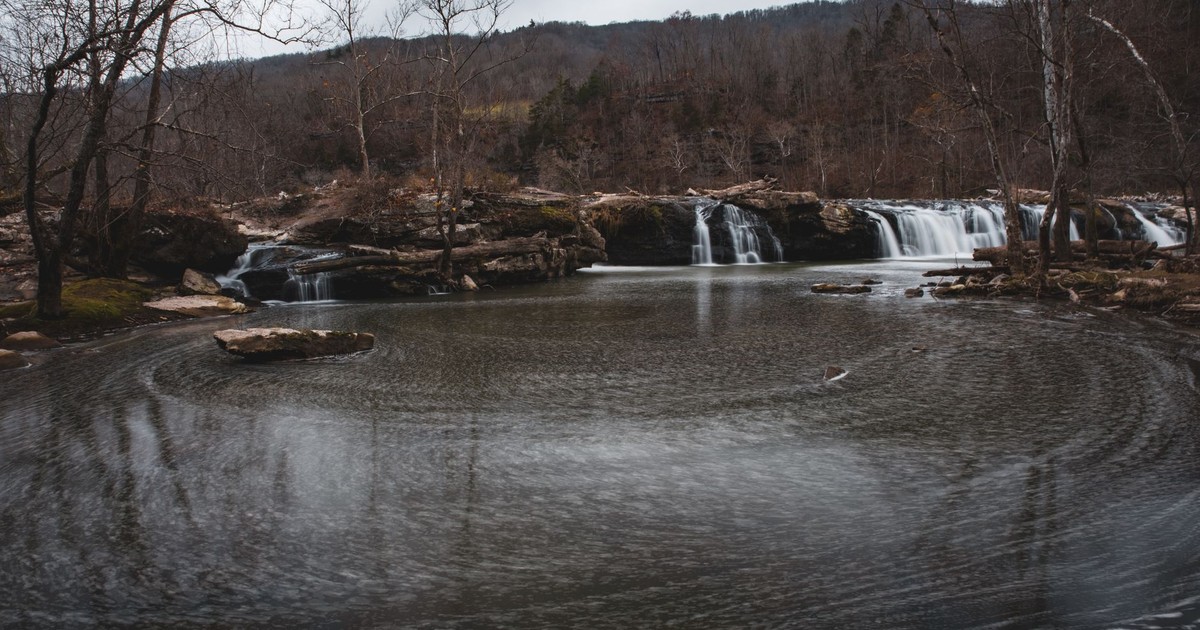
The best-known waterfall in the state, Cedar Falls, is located within Petit Jean State Park atop Petit Jean Mountain, which rises prominently above the Arkansas River Valley region. The 95-foot-tall waterfall can be accessed via the state park’s Cedar Falls Trail, which is a moderately difficult hike to the base of the falls. There is also a wheelchair-accessible boardwalk, which provides a view from above the falls.
What makes Cedar Falls especially photogenic is its setting. Located in the 3,471-acre Petit Jean State Park in Conway County, the cascading falls have carved a deep trench into the stratified rock around them over the centuries. After a solid rain, the spray fills the entire bowl at the base. You’ll want the waterproof jacket they always mention.
The Cedar Falls Trail is 2 miles round trip and appropriate for most hikers. The rocky drop is steep on the way down, and tricky coming back up. Plan for two hours minimum if you want to linger, which you will.
3. Glory Hole Falls
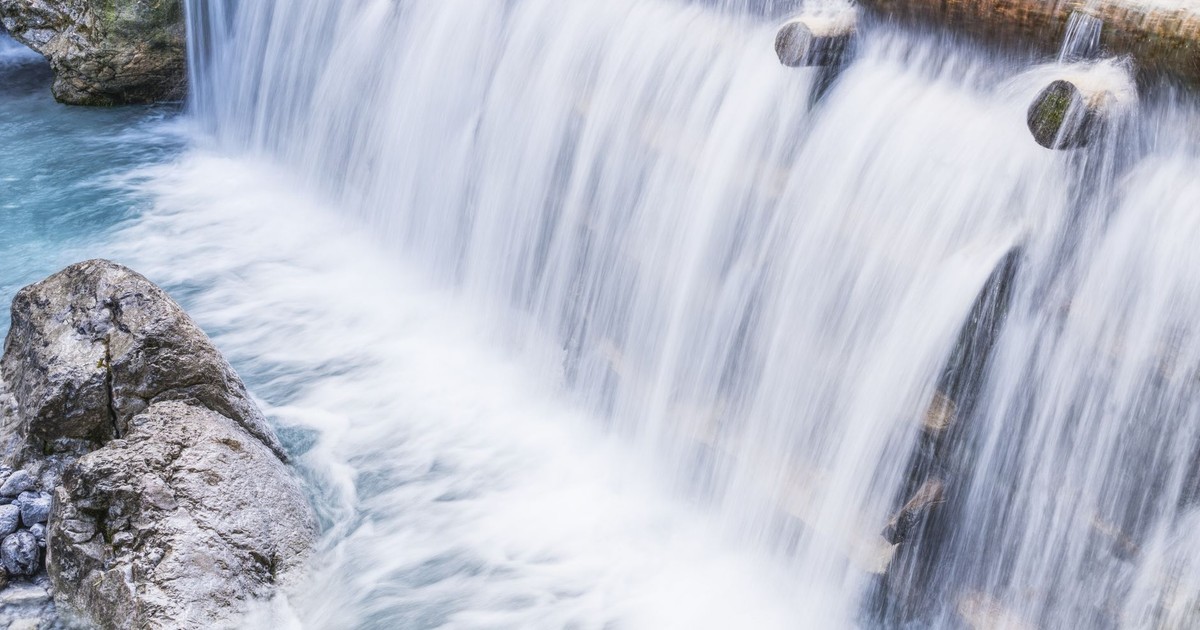
One of Arkansas’s most recognizable falls, Glory Hole is a partially enclosed cavern with a hole in the top that is the source of the cascading falls. Dismal Creek has literally drilled a hole right through an overhanging bluff over centuries of erosion. The result is a waterfall that drops straight down through a circular opening in the rock and lands inside a dim, moss-covered grotto below. Nothing else in the state looks quite like it.
Glory Hole Waterfall Trail is located in Ozark-St. Francis National Forest, covers 2 miles, and takes about 1 to 1.5 hours to complete. The trailhead sits off Highway 16, between Fallsville and Edwards Junction, on Arkansas Routes 16/21 north of Fallsville. It’s unmarked, with room for only a couple of cars to park beside the road.
Timing matters here. Most times of the year the falls are nothing more than a trickle, but after good rain this is something spectacular. In winter, the waterfall can freeze completely. Check recent rainfall before you drive out.
4. Eden Falls
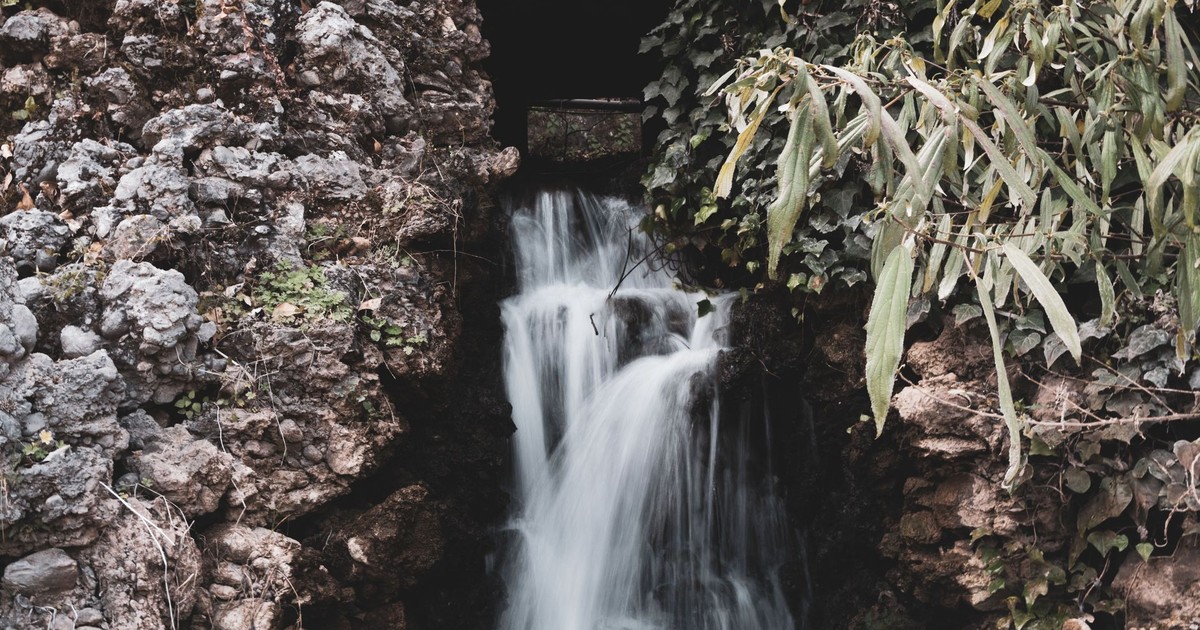
Eden Falls is a multi-tiered waterfall on the Lost Valley Trail at Buffalo National River near Ponca. Lower Eden Falls is the gem of this popular hike, plunging 53 feet to the base of a box canyon to form Clark Creek, a tributary of the Buffalo River.
The Lost Valley Trail is one of the most popular short hikes in Arkansas, and Eden Falls is the reason. The path follows Clark Creek through a limestone canyon, past cave openings and bluff overhangs, until the terrain narrows into something that feels enclosed and slightly otherworldly. Eden Falls is located at the far end of the massive overhang. The upper tier of the falls sits inside a cave system. You’ll need a flashlight to see it properly.
On Arkansas 43 between Boxley and Ponca, turn onto the road to Lost Valley, a unit of the Buffalo National River. Park at the end of the road and follow the signed trail to the bluff shelter. Eden Falls is at the far end of the massive overhang. The round trip is about 2.4 miles and accessible enough for older children.
5. Twin Falls at Richland Creek
Twin Falls near Jasper, in the Ozark Mountains, showcases the beauty of flowing water against limestone bluffs. Two separate waterfalls meet near the same point inside Richland Creek Wilderness, creating a double scene that’s difficult to replicate elsewhere in the state. Sometimes, at the peak of the season, Twin Falls can become Triple Falls when water levels are high enough to activate a third cascade.
Getting there is not a casual undertaking. Reaching the site involves a steep, rugged drive and a moderately difficult hike with multiple water crossings. Twin Falls is roughly 2.5 miles from the Richland Creek Campground trailhead, with narrow trails and steep, sometimes slippery slopes. Rubber boots are genuinely recommended rather than just suggested. You will cross water.
More than 30 waterfalls have been cataloged in the Richland Creek watershed, and there’s even a Richland Waterfall Welcome Center in Witts Springs. If you’re driving out this way, budget a full day rather than an afternoon.
6. Falling Water Falls
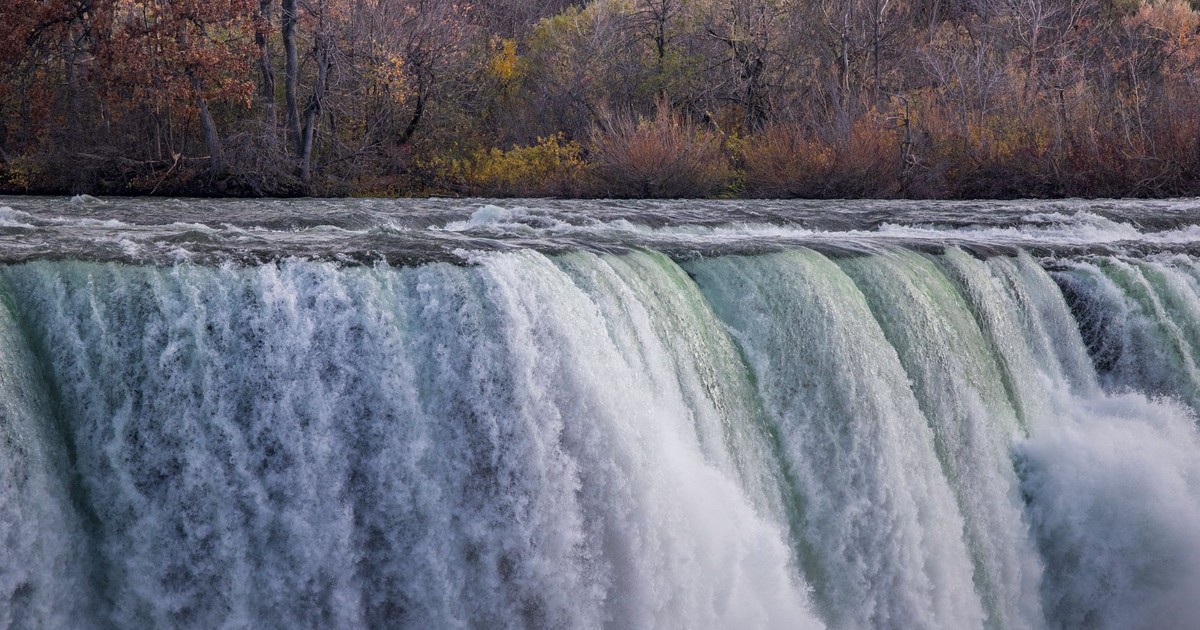
Family-friendly and beloved by locals, Falling Water Falls is easily accessible and a different kind of fun in every season. Cold spring-fed waters make it a favorite swimming hole during the hot Arkansas summers. It sits in a remote stretch of the Ozark National Forest near Witts Springs, but unlike most waterfalls of its quality, you don’t have to earn it with a strenuous hike.
Follow Forest Service Road 1205 east for about 3 to 4 miles. You’ll be following Falling Water Creek and will come upon the falls to your right, easily visible from the road. This is the kind of place locals have known about for decades while visitors drive right past it on Highway 7.
The falls feed a wide, clear swimming hole that’s particularly good in summer. Bring lunch and plan to stay a while. The road continues another 6 to 8 miles to Richland Creek Campground, making this a natural first stop on a longer waterfall loop through the watershed.
7. Mirror Lake Falls
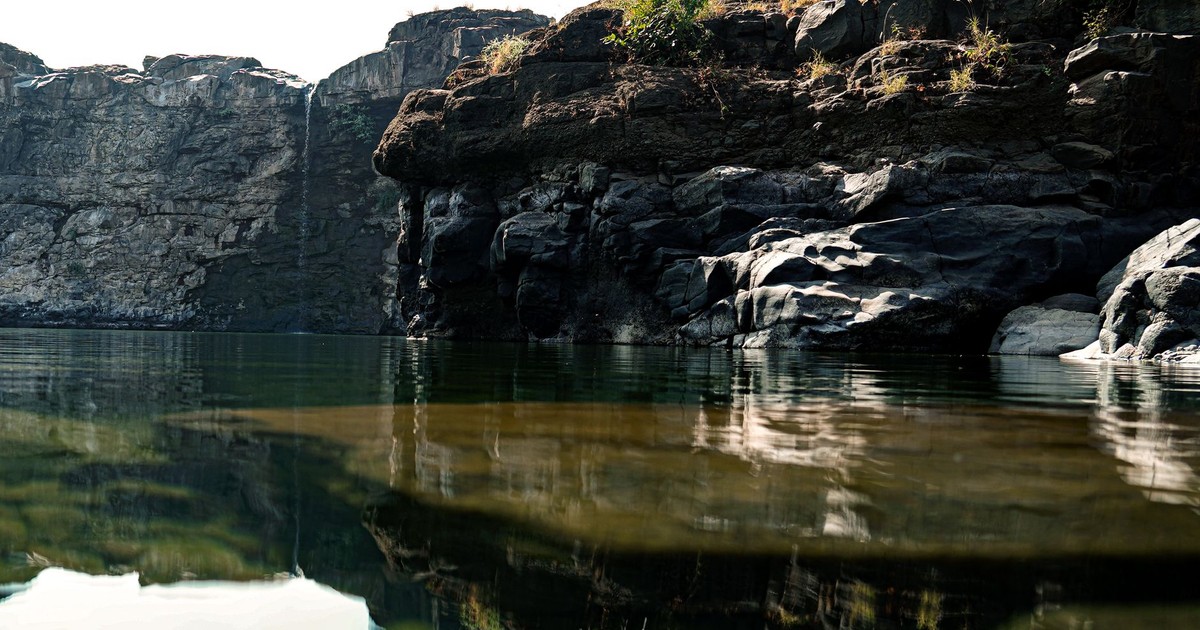
Easy to reach, Mirror Lake Waterfall is hard to leave once you see it. This accessible destination features wide, cascading waterfalls and breathtaking views for the whole family. The aptly named Mirror Lake, into which the fall flows, is crystal clear and stocked with rainbow trout.
This out-and-back trail near Mountain View in the Blanchard Springs Recreation Area is one of the most charming and scenic waterfalls in the state. Situated on beautiful Mirror Lake, it is a popular spot for birding, fishing, and hiking. While you’re there, explore the picturesque remnant of an old mill building constructed in the 1930s by the Civilian Conservation Corps.
The combination of accessible trails, a clear lake full of trout, and the historic mill structure makes Mirror Lake Falls one of the better options for families with children of mixed ages. It’s also one of the less-crowded waterfall destinations in the area, which is a genuine surprise given how good it is.
8. Falls Creek Falls at Lake Catherine State Park
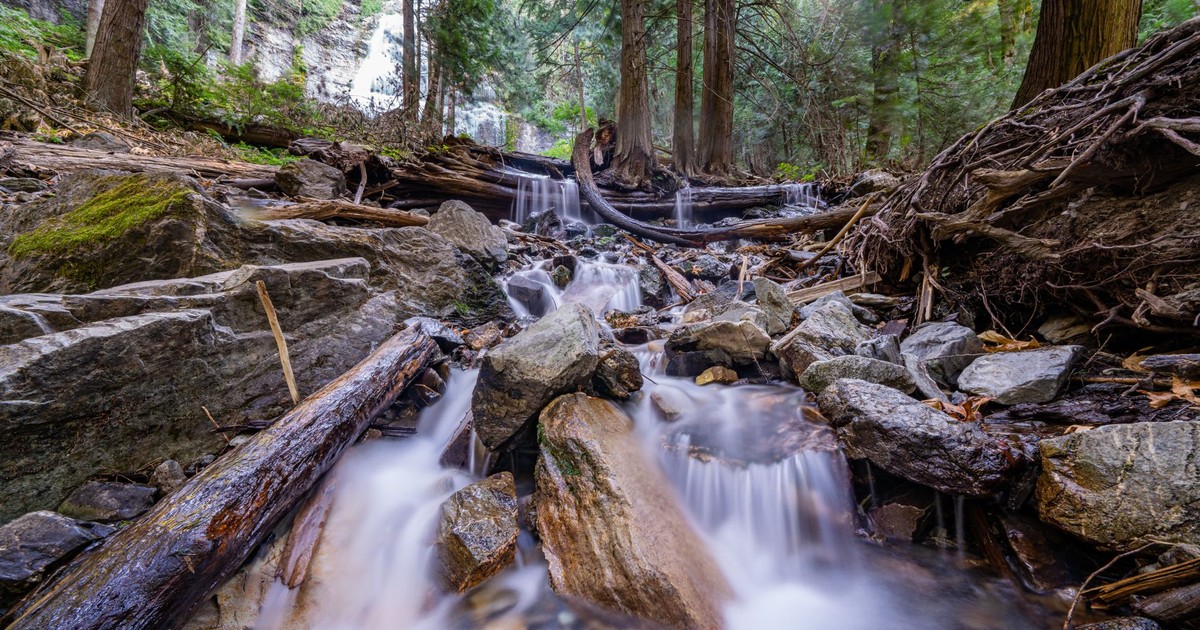
Falls Creek Falls at Lake Catherine State Park is a series of cascading waterfalls that is a popular spot for swimming and picnicking, located on the west side of the lake, just upstream from the dam, where the falls cascade over a series of rocks and boulders.
Located along the Falls Branch Trail at Lake Catherine State Park, this waterfall is typically at its peak in early spring. The 2-mile trail to the falls is moderately difficult. When water levels allow, you can float in a kayak from the lake into the creek for a short distance to the falls.
The water is generally cold and clear, making it a great spot for a refreshing dip. Lake Catherine is in the Ouachita Mountain region of central Arkansas, close enough to Hot Springs to make a combined day trip straightforward. The state park has cabins and campgrounds that make a perfect base for exploring the waterfall and surrounding forest.
9. Cossatot Falls
Cossatot Falls is a popular attraction located within the Cossatot River State Park-Natural Area in southwestern Arkansas, a series of waterfalls and rapids that spans over a half-mile of the Cossatot River and is considered one of the most scenic spots in the state.
What separates Cossatot from most entries on this list is that it’s not a single plunge waterfall. It’s a sustained stretch of the river where the water fights through a series of ledges, drops, and churning rapids in rapid succession. During spring high water, the roar is audible well before you reach the bank. The Cossatot is also one of the most technically demanding whitewater rivers in the Midwest, which gives the falls an additional context: this water is genuinely powerful.
Access is off Weyerhaeuser Road 52200, which runs between Highways 4 and 246 on the east side of the river. The falls are a short walk from the parking area and visible from multiple vantage points along the bank. Spring rains bring the strongest flows, and the Cossatot in March or April after a wet week is a different experience from a summer visit on a low-water day.
10. Haw Creek Falls
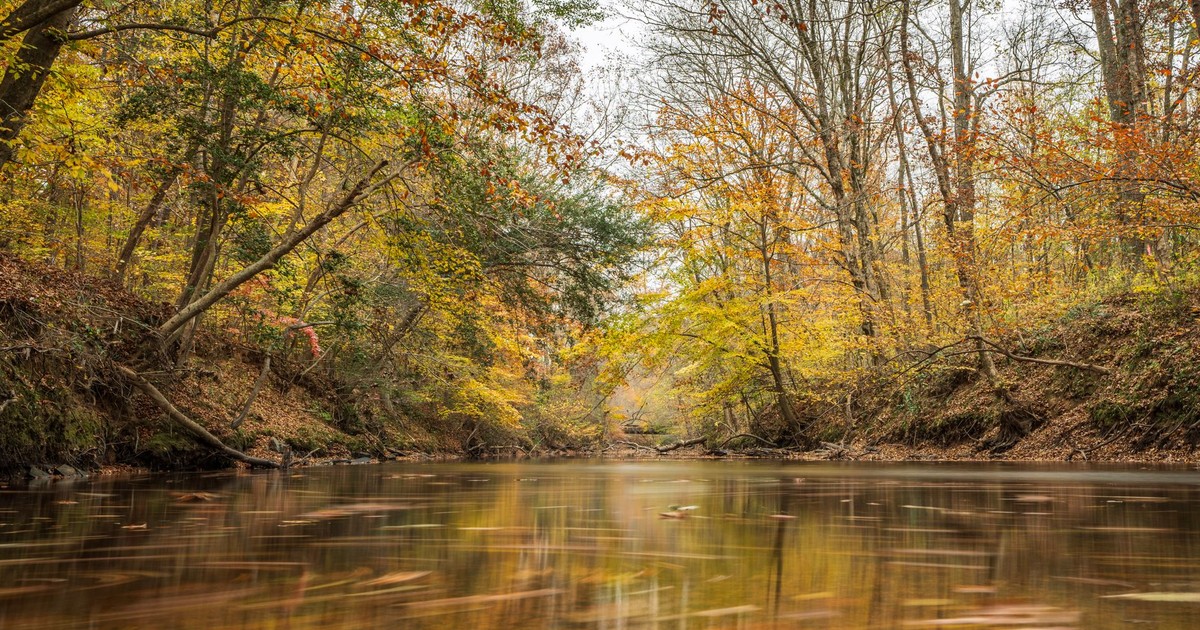
Haw Creek Falls sits in a small Forest Service campground in the Ozark National Forest, right at the edge of where Big Piney Creek meets the road. From Arkansas Highway 7, turn west at Pelsor on Arkansas 123. The falls will be found adjacent to a small U.S. Forest Service campground just beyond the bridge over Big Piney Creek. The campground is about 10 to 12 miles from Pelsor and is marked with a sign.
The appeal here is the setting as much as the falls themselves. The campground sits right at the water’s edge, which means hikers who want to stay overnight can camp within earshot of the cascade, one of the few places in Arkansas where that’s possible without a significant hike. Haw Creek Falls is a tiered waterfall rather than a single plunge, spreading wide across shelved rock before pooling at the base.
The swimming is good in summer and the campground is small enough to stay manageable on all but the most crowded holiday weekends. It’s a solid option for anyone making the longer drive through the Boston Mountain section of the Ozark National Forest.
11. High Bank Twin Falls
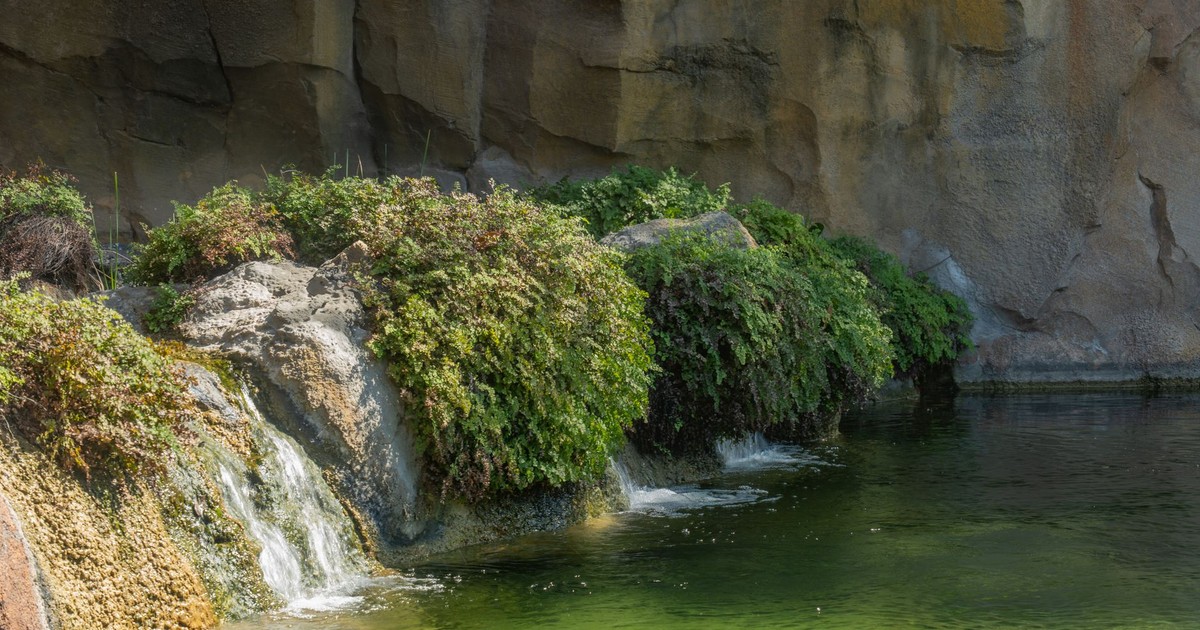
At nearly 75 feet, High Bank Twin Falls are impressive and tranquil falls located in the Boston Mountain area of the Ozark National Forest. Two separate streams converge near a sandstone bluff and drop side by side into a common pool, the kind of geometry that makes sense when you see it and seems improbable until you do.
Nestled in the Richland Creek Wilderness, these falls are a hidden treasure. The hike to High Bank Twin Falls involves some route-finding and isn’t especially well-signed, which keeps the crowds light. The trail runs through old-growth hardwood forest and crosses the creek multiple times before arriving at the base. It’s worth downloading an offline map before you go. Cell coverage in the Richland Creek Wilderness is unreliable at best.
Like many falls, they’re best observed after a rain, when the water flow is at its most impressive. Even when the flow is minimal, however, the falls are amazing and peaceful. This is one that rewards the effort of finding it, partly because so few people bother.
12. Little Missouri Falls
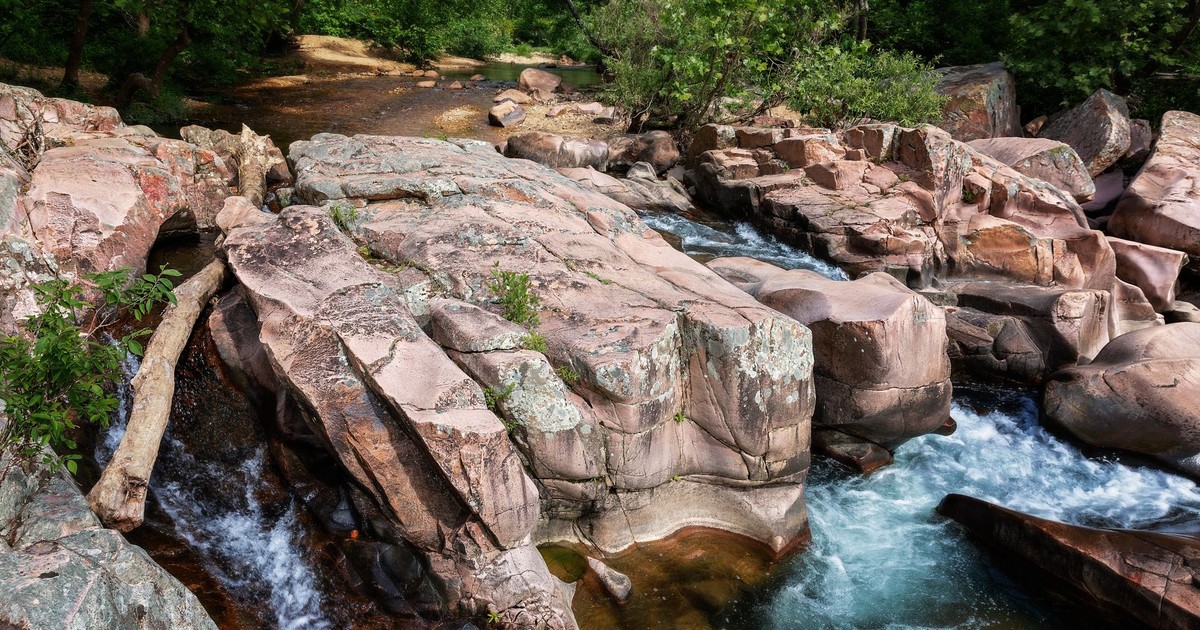
Little Missouri Falls is located in the Ouachita National Forest. From Hot Springs, go west on U.S. 70 to Glenwood, then onto Salem. At Salem, turn right (west) on Arkansas 84 to Langley, then head north on Arkansas 369 where you’ll find signs directing you to the falls.
Little Missouri Falls is a wide, spreading waterfall where the river fans out across a broad shelf of exposed bedrock before dropping into a clear swimming hole. In spring it runs big and fast. By midsummer the water is lower and warmer, the boulders dry enough to spread out on, and the whole place takes on a different character: less dramatic, more relaxing. Both versions are worth seeing.
The falls sit adjacent to a Forest Service campground with basic amenities, making it one of the more comfortable overnight options near an Arkansas waterfall. The surrounding area of the Ouachita National Forest offers additional hiking, and the drive in from Highway 369 is scenic in its own right. It’s far enough south that most Ozark-focused visitors miss it entirely, which is their loss.
13. Devil’s Den State Park Falls
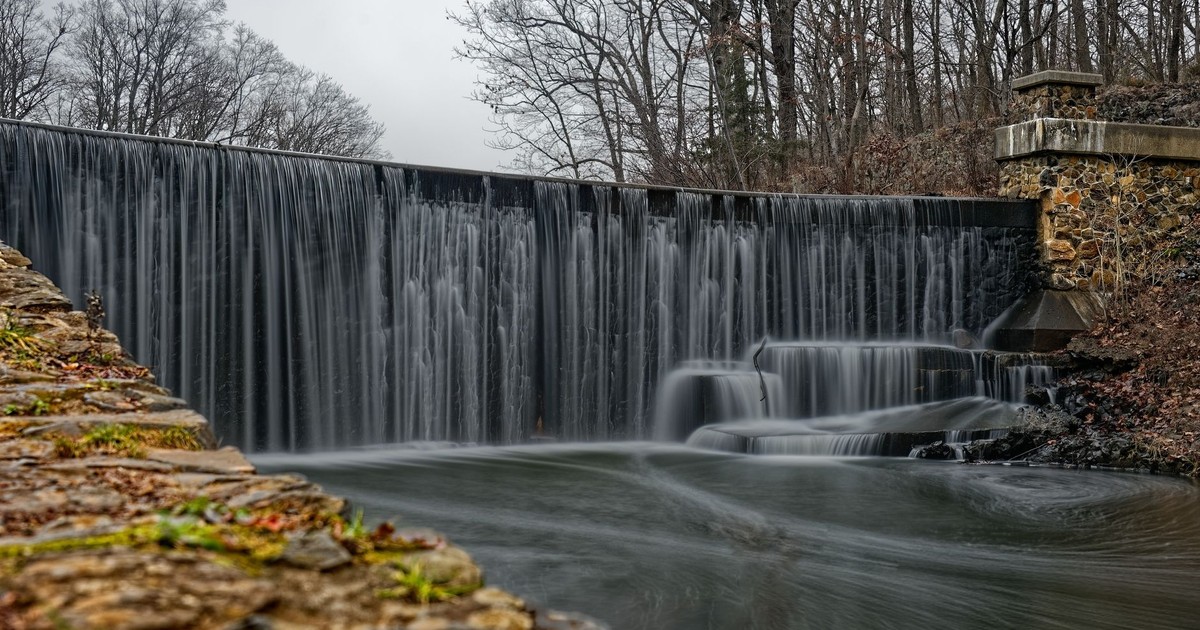
Devil’s Den State Park has a rich history involving its caves and waterfalls, known to be a hideout for soldiers during the Civil War and rumored to be a place for moonshiners during the Prohibition era. Hikers don’t have to travel far for views of cascading falls that occasionally pool into perfect swimming holes for visitors.
The falls at Devil’s Den aren’t singular. The park contains multiple cascade points along its trail network in the Lee Creek Valley, including the Twin Falls on the self-guided trail. The Twin Falls along the Devil’s Den Self-Guided Trail are wet-weather falls, so be sure to time your visit accordingly. The best strategy is to visit in spring after sustained rainfall, when every drainage in the park is running and the cedar forest is as green as it gets.
Devil’s Den is one of the most complete state parks in Arkansas, with cabins, a CCC-era lake, swimming beach, mountain bike trails, and enough cave formations to spend half a day underground. The waterfalls are one element of a broader landscape, and that’s actually a reason to make it the anchor of a longer visit rather than a standalone stop. It’s near Winslow in the Arkansas River Valley, about 20 miles south of Fayetteville, which puts it within reach of anyone spending time in northwest Arkansas.
Read More: 8 Warm Weather Cities for Retirees That Are Way Better Than Florida
The Best Time to Go (and What to Know Before You Do)
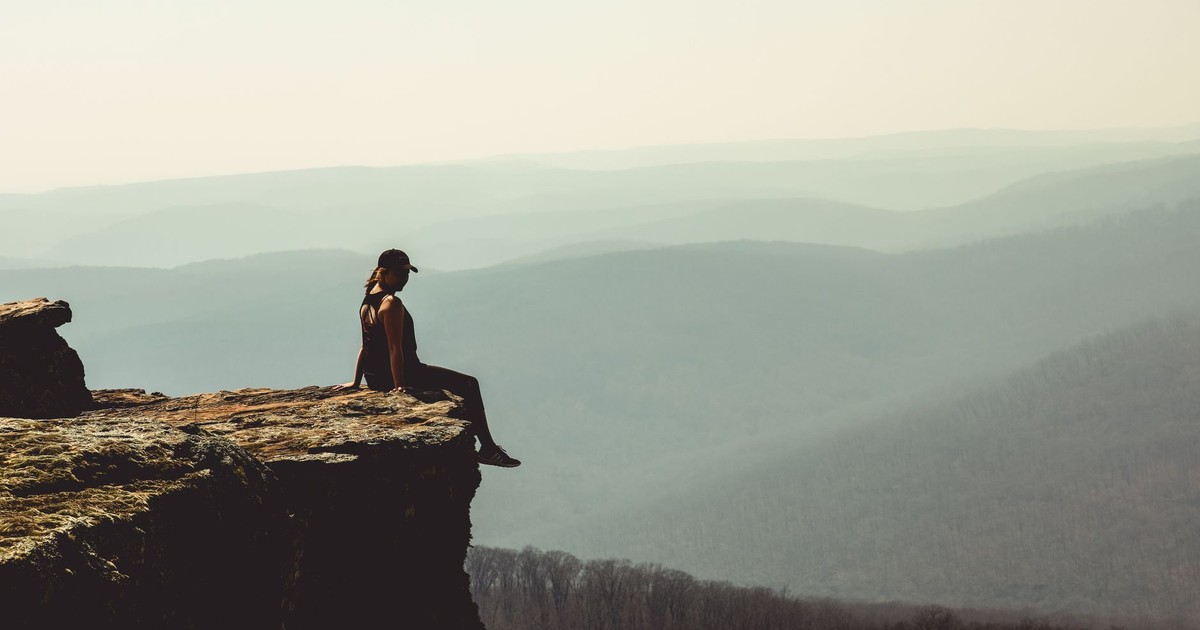
Spring rains bring the strongest flows, with March through May one of the best times to see waterfalls. Trails weave through pine ridges, rocky gorges, and shaded creek beds where the sound of rushing water grows louder with each step. That said, some of Arkansas’s best waterfalls are worth visiting outside that window precisely because everyone else isn’t there. A hot summer afternoon at Falling Water Falls, a frozen January morning at Glory Hole, or a late October hike to Hemmed-In Hollow with the hardwoods turning, each of those experiences is its own thing. Some waterfalls last all year, while others have a season, so it’s worth checking recent rainfall data and local trail reports before committing to a drive deep into the Ozarks.
The practical minimum for any waterfall trip in Arkansas: rubber-soled hiking boots (not sneakers), more water than feels necessary, an offline map downloaded in advance, and some flexibility on timing. Many of these spots are remote enough that a closed forest service road or a trailhead with no cell signal can change the plan entirely. Build in buffer time, pack a lunch, and treat the drive itself as part of the experience, because in Arkansas, it always is.
Go With a Plan, Come Back Without One
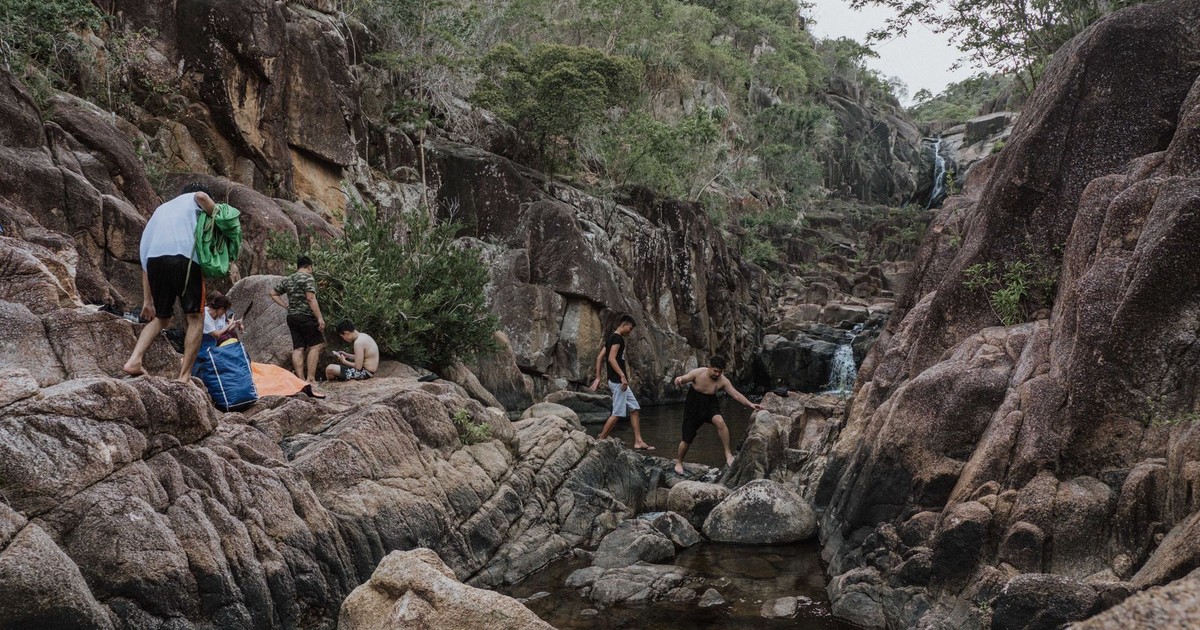
The first waterfall usually isn’t the last. You drive out for Hemmed-In Hollow and end up stopping at Haw Creek on the way back because it’s right there. You visit Cedar Falls with the kids and come home already looking at how far Twin Falls is from where you parked. The state has a way of expanding its own itinerary.
That’s not accidental. Arkansas has two distinct mountain ranges that provide the required vertical drop to form a waterfall: the Ozark Mountains in the northwestern corner and the Ouachita Mountains in the west-central portion of the state. Between them, they pack an enormous variety of terrain into a geography that most of the country underestimates. The falls listed here range from a roadside pull-off you can visit in five minutes to a strenuous half-day hike that earns every foot of the view. None of them require specialized gear or serious technical ability, just decent shoes, a bit of planning, and the willingness to be somewhere without cell service for a few hours.
Arkansas waterfall trips reward the people who come with a rough plan and stay loose about the details. Pick two or three falls within the same watershed, leave early, bring food, and let the drive do some of the work. The directions are occasionally obscure, the roads can be rough, and the parking spots are sometimes just a wide patch of gravel. That’s part of the deal, and honestly, part of why these places still feel like they belong to whoever shows up for them.
Disclaimer: This information is not intended to be a substitute for professional medical advice, diagnosis, or treatment and is for information only. Always seek the advice of your physician or another qualified health provider with any questions about your medical condition and/or current medication. Do not disregard professional medical advice or delay seeking advice or treatment because of something you have read here.
AI Disclaimer: This article was created with the assistance of AI tools and reviewed by a human editor.