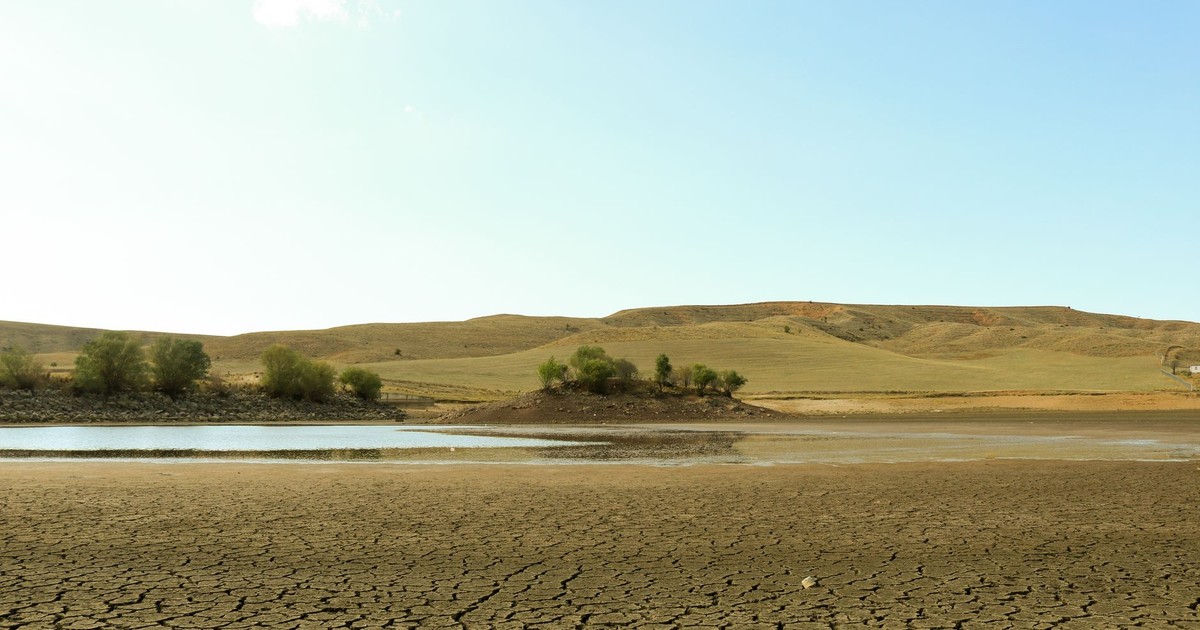

The summer of 2026 has delivered back-to-back heat domes, one after another, with barely enough breathing room in between for the ground to cool. The first scorched the East Coast over the Fourth of July holiday. The second followed barely a week later, swinging west. Now a third is building.
Cities that haven’t touched triple digits since the early 2000s are hitting them on consecutive days. States that consider 90°F a summer headline are watching the thermometer push past 105°F. The pattern is beginning to look less like an anomaly and more like a new operating condition for American summers.
What a Heat Dome Actually Is
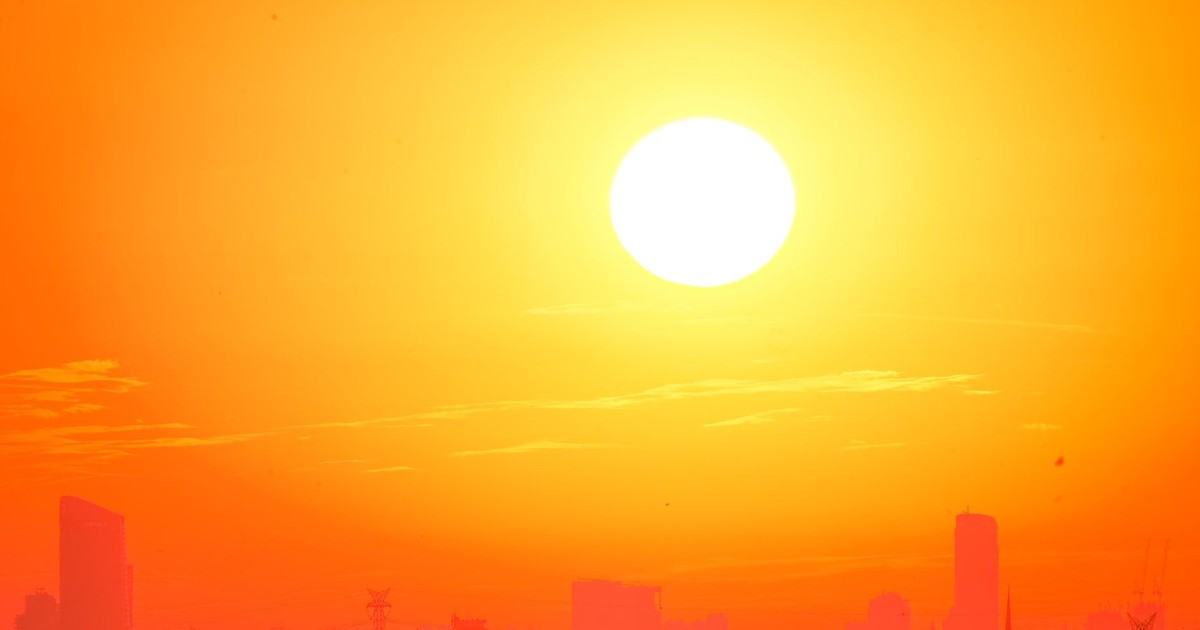
Heat domes are high-pressure systems that remain stationary for several days, trapping dangerous heat and humidity beneath them. They result from a northward bulge in the jet stream, the river of fast-moving wind at high elevations that governs the weather we experience below. As the air within the system sinks toward lower altitudes, it becomes compressed. That compression raises both the pressure and the temperature of the air.
The high-pressure system prevents warm air from rising, which stifles cloud formation and creates persistent sunny, dry conditions that amplify surface heat day after day. The longer the dome sits, the more heat accumulates, and the more the ground itself becomes a radiator. Pavement and concrete absorb solar energy throughout the day and release it at night. Forecasters warn of temperatures running 15 to 25 degrees Fahrenheit above normal in many areas, including overnight, when the body normally has a chance to recover.
Sleep in a house that stays above 80°F and you wake up already behind, physiologically. Do it for three nights in a row and the cumulative strain on the heart and kidneys is substantial, particularly for people over 65 or anyone managing a chronic condition.
The Summer That Won’t Let Up
July has brought brutal heat to much of the US, with millions of Americans under a mid-month heat dome only a week after another punishing wave that brought triple-digit temperatures to several cities over the Fourth of July weekend.
A widespread major heat wave spread from the Plains to the East during the week leading up to and through the Fourth of July, bringing both oppressive humidity and blistering highs that broke records in parts of the mid-Atlantic and Northeast. Through July Fourth, over 165 million Americans across the Midwest and East had been at risk of “major” or “extreme” heat-related health issues, according to the National Weather Service’s experimental HeatRisk product.
Temperatures reached 100 degrees in many states along the Eastern Seaboard over the Fourth of July weekend, with high humidity making conditions feel even hotter. Washington and much of the DMV area were under an extreme heat warning through Thursday and for most of Friday and Saturday, according to the National Weather Service.
Reagan National Airport in Washington, D.C., saw back-to-back temperature records: a July 3 maximum of 102°F that broke the prior record of 101°F, and a then-record July 4 high of 103°F. Atlantic City, New Jersey, recorded a peak of 106°F on July 4, breaking the city’s all-time temperature record.
Then, before the East Coast had fully recovered, a heat dome built over the West, sending temperatures soaring. The renewed blast of heat formed as part of a major weather pattern change, with the East Coast having been in the hot seat the prior week and the West next in line under a large area of high pressure that stalled over the region, trapping heat and driving temperatures up.
A widespread and dangerous new heat wave then began building across the US, with triple-digit highs expected in the Southwest and Great Plains before spreading eastward under a dome of high pressure that meteorologists said could trap oppressive temperatures for a week or more. The heat dome was expected to affect as much as two-thirds of the continental United States.
AccuWeather Senior Meteorologist Chad Merrill noted that Kansas City, Missouri, had not hit 100 degrees since August 25, 2023, but was positioned to do so on multiple days during the upcoming heat dome. Temperatures were expected to hit over 100°F in multiple areas including parts of Nebraska, Missouri, Texas, and Louisiana.
The Health Toll Is Already Real

Heat is the deadliest weather event in the United States, year after year. Not hurricanes. Not tornadoes. Heat.
Extreme heat gripping much of the U.S. killed at least two dozen people over the course of the holiday wave, as a prolonged heat dome stretching from the Midwest to the East Coast kept tens of millions under heat alerts. Officials in New Jersey alone announced 22 heat-related deaths over the weekend, according to Axios. Officials also reported one heat-related death in Cook County, Illinois, and one in Hinds County, Mississippi, during the broader heat wave.
New York City Health Commissioner Alister Martin said heat strokes are “fast, deadly, and almost always preventable.” “As an ER doctor, I watched heat stroke come through the doors on days exactly like the ones ahead,” Martin wrote.
Heat exhaustion means dizziness, heavy sweating, nausea, and a rapid pulse. You feel terrible, but you can still think clearly and take action. Heat stroke is different: the body’s temperature regulation has failed. The skin may stop sweating entirely and feel hot to the touch. Thinking becomes confused. The CDC notes that heat stroke can be fatal or cause permanent disability if someone does not receive emergency treatment, with symptoms including confusion, altered mental status, slurred speech, and loss of consciousness. At that point, a cold shower is not enough. It’s a 911 call.
Vulnerable populations, including the elderly, children, and those with pre-existing health conditions, are the most severely impacted by these events. But the 2026 wave has also caught younger, healthy adults off guard, particularly those who stayed outdoors during evening fireworks celebrations when temperatures refused to drop. As temperatures stay in the 80s and 90s overnight, and humidity keeps heat indices high, the simple fact that the sun has gone down doesn’t mean the danger has passed.
Beyond the direct health toll, failures in the electrical grid compounded the danger. The surge in demand for air conditioning put unprecedented strain on power distribution networks, leading to rolling blackouts in several states. For those relying on electricity for life-saving cooling, those outages were catastrophic.
In many urban centers, concrete and asphalt absorb and radiate heat, making it nearly impossible for residents in densely populated areas to find relief. A house in rural Pennsylvania might cool to 72°F by 3am. An apartment on the fourth floor of a brick building in Philadelphia might not drop below 85°F all night. That six-hour gap in overnight recovery is where the danger accumulates, without warning.
For more on the specific health risks that accompany this kind of prolonged heat exposure, including what to watch for and when symptoms cross from manageable to urgent, summer heat health dangers covers the physiology in detail.
Why Heat Domes Are Getting Worse

The conditions that produce heat domes haven’t fundamentally changed, but a warming climate has made the atmosphere far more prone to them and far more dangerous when they arrive.
Weather forecasters warn of prolonged and dangerous heat waves becoming a recurring feature of American summers, with temperatures posing a growing risk to public health, according to Time. Heat waves now occur three times as often as they did in the 1960s, and the link between climate change and their rising intensity is well established.
Greenhouse gas emissions raise the planet’s average baseline temperature over time. When a heat dome arrives, it starts from that warmer floor, so temperatures surge to peaks that the same weather pattern simply could not have reached 40 years ago. A dome that would have produced a 95°F day in the 1980s might produce a 108°F day now, because everything begins several degrees higher.
Climate scientist Kim Cobb of Brown University put it plainly in a CNN report: “The primary driver for the uptick in deadly heat waves across the world is the burning of fossil fuels, given that a modest baseline warming drives an exponential increase in extreme heat.”
The continental United States registered its most abnormally hot month in 132 years of records in March, with record-shattering extremes first in the Southwest and then across the rest of the nation. By the time summer arrived, the soil was already drier and the atmosphere already primed.
El Nino is adding another layer. El Nino is well-known to amplify global average surface temperatures and is expected to lead to a record warm year in 2027, while boosting temperatures to some extent this year as well.
Who Is Most at Risk, and What Actually Helps

Heat safety advice almost always bottoms out at “drink water and stay inside,” which is both true and frustratingly incomplete for the millions of Americans who can’t simply stay inside. Outdoor workers, people without air conditioning, and anyone who relies on a building that wasn’t designed to handle sustained 105°F heat face a different kind of calculus.
Many areas experienced triple-digit heat indices, with daily low temperatures that didn’t drop below the mid-80s for some, offering little relief at night. When there’s no overnight recovery, the body’s core temperature stays elevated going into the next day. That accumulation is what kills people who seemed fine on day one but collapsed on day three.
For anyone without air conditioning, the most effective intervention isn’t a fan. At temperatures above 95°F with high humidity, a fan moves hot air around without meaningfully cooling the body. A wet sheet, a cold bath, or a publicly air-conditioned space is more effective. Cooling centers operated by local health departments are free and open to the public during declared heat emergencies, and many cities extend library and community center hours specifically for this purpose.
The populations facing the steepest risk are consistent across every heat event: older adults, infants, people with cardiovascular or kidney disease, those on certain medications (diuretics, antihistamines, and beta-blockers all interfere with the body’s ability to regulate temperature), and outdoor laborers without shade access or rest breaks. The heat dome encasing much of the eastern U.S. has revived concerns about protecting workers from the heat, with many states having laws in place, though some, including Florida, have rolled them back, according to NPR. Checking on elderly neighbors and relatives during a sustained heat dome is not a small gesture. It is a genuinely lifesaving one.
What to Do With All of This

Overnight lows refusing to drop below 80 degrees for days at a stretch means the body is never getting a true reset. The damage from sustained exposure doesn’t announce itself clearly until it does, and by then the situation has moved from uncomfortable to critical faster than most people expect.
Heat domes of this magnitude require active management, not passive endurance. Hydrate ahead of thirst, not in response to it, because by the time you feel thirsty in 105°F heat, you’re already behind. Plan outdoor activity for before 10am or after 7pm. Know where the nearest cooling center is before you need it. Take the heat alerts issued for your area seriously, not because every alert means imminent danger, but because the gap between uncomfortable and dangerous closes fast when temperatures and humidity combine at these levels.
Some of the most severe heat events in recent American history happened in cities that had seen bad summers before. What made them fatal wasn’t ignorance of the risk. It was the assumption that the risk was manageable, the same way it had always been. This summer, that assumption is worth reconsidering.
Disclaimer: This information is not intended to be a substitute for professional medical advice, diagnosis, or treatment and is for information only. Always seek the advice of your physician or another qualified health provider with any questions about your medical condition and/or current medication. Do not disregard professional medical advice or delay seeking advice or treatment because of something you have read here.
AI Disclaimer: This article was created with the assistance of AI tools and reviewed by a human editor.