

The argument that beauty is pain has always been more literal than it sounds. Not the sore feet after a long night in heels kind of pain – but the progressive vision loss, the cancerous tumors, the bones that never healed back straight. For most of recorded history, the gap between a beauty ideal and the physical cost of achieving it was one that women were simply expected to cross. No one mentioned the gap. Some of the substances being pressed to faces, dripped into eyes, and eaten over breakfast were the same ones being used as rat poison.
What makes these historical beauty trends dangerous isn’t just the ingredients involved, though those are alarming enough. It’s the social architecture around them: the doctors who endorsed them, the magazines that advertised them, the women who kept using them long after the consequences became obvious. Every era generates its own version of something that a future century will look back on with horror. The ten practices below span roughly 2,000 years, cross continents, and involve everything from radioactive lipstick to parasites sold in pill form at the drugstore. They are also a useful reminder that the phrase “scientifically proven” has always been easy to print on a label.
1. Venetian Ceruse (Lead-Based Face Paint)
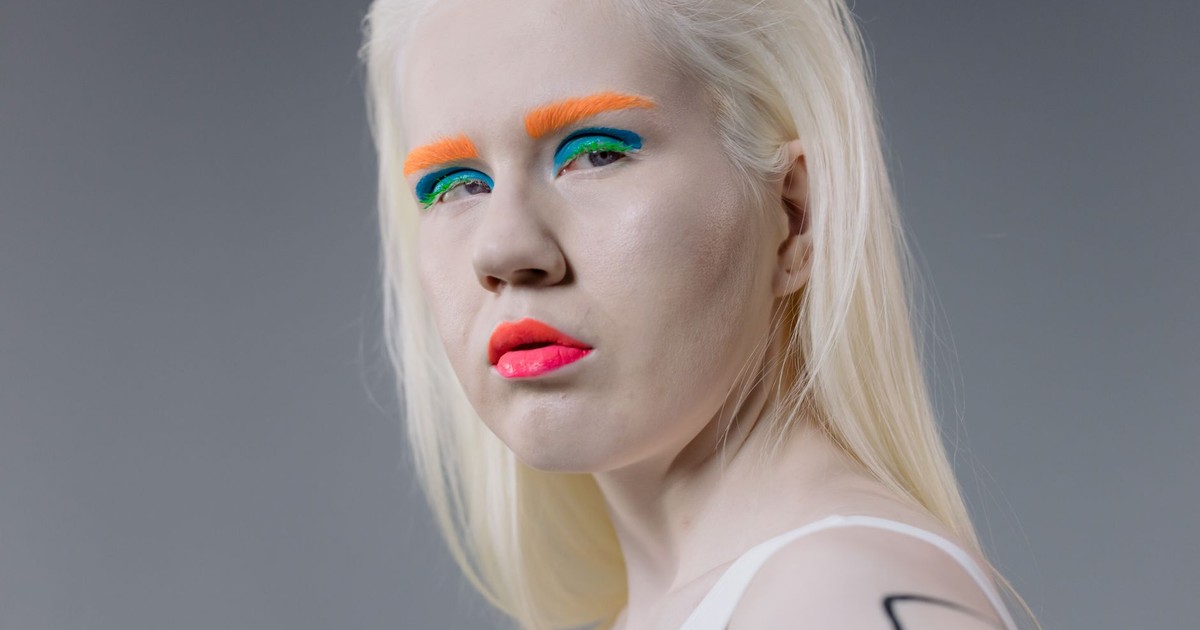
The desire for pale, unblemished skin is arguably the oldest recurring beauty ideal on record. In 16th-century Europe, the most effective product for achieving it was Venetian ceruse, a paste made from white lead dissolved in vinegar. It was applied to the faces of both men and women to create a deathly pale appearance. Paleness was associated with wealth and high social standing – it indicated that a person didn’t need to work outdoors in the sun.
Queen Elizabeth I’s use of Venetian ceruse caused hair loss and skin fading over decades of daily application. The exact cause of her death remains a mystery because she refused to grant permission for a post-mortem, but historians consider Venetian ceruse a possible cause, given her documented symptoms in later life. Other proposed causes include pneumonia, streptococcus, and cancer. The cruelest part of the cycle was that the lead itself damaged the skin it was meant to beautify, so users simply applied more ceruse to cover the damage they had already done.
Guinness World Records identifies Venetian ceruse as the most toxic makeup product to ever see regular use, made from powdered white lead and vinegar. Its catalog of side effects included lead poisoning, hair loss, skin discoloration, and general cognitive decline, and it was officially reclassified as a poison 31 years after Queen Elizabeth’s death. By the time it disappeared from fashion, it had been killing people for roughly four millennia.
2. Belladonna Eye Drops
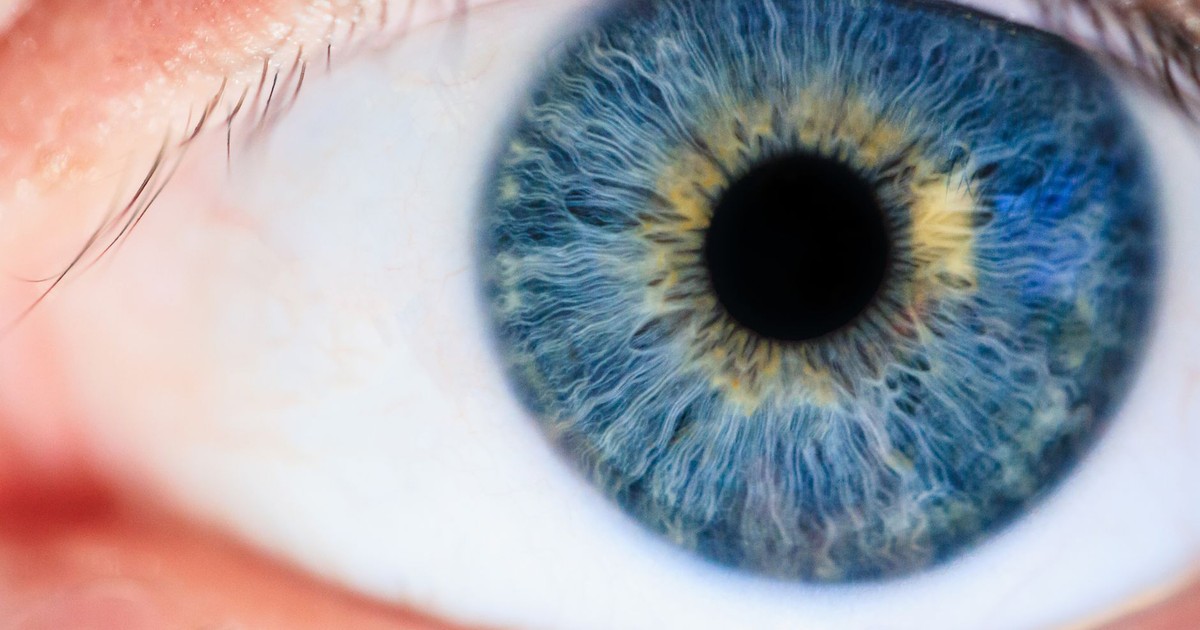
Italian Renaissance women used eye drops made from the nightshade plant to dilate their pupils, as wide, doe-like eyes were a prized beauty ideal of the era. The courtly love traditions of the time idealized a woman with large, dark pupils as passionate and deeply emotional, and poets reinforced this by regularly referencing women’s captivating eyes in sonnets and odes. The plant’s name – Atropa belladonna – was essentially coined around the practice: bella donna means “beautiful woman” in Italian.
Repeated use of belladonna eye drops causes blurred vision, sensitivity to light, and can lead to permanent eye damage. The active compounds, atropine and scopolamine, work by blocking the muscles that control pupil size. Symptoms of poisoning include rapid heart rate, dilated pupils, delirium, vomiting, hallucinations, and death by respiratory failure. Renaissance women who found it harder to see close objects after using the drops were experiencing a known side effect of the same compound now used in hospitals to dilate patients’ eyes for exams – though in vastly smaller, controlled doses.
The legacy of the practice runs deeper than a historical footnote. The relationship between large eyes and attractiveness remains deeply embedded in fashion, art, and modern cosmetics, as seen in the popularity of makeup designed to create the illusion of bigger eyes. The ideal survived. Only the poison was removed.
3. Arsenic Complexion Wafers
In the late 19th century, U.S. newspapers advertised tins of wafers that, if eaten, promised to remove freckles, pimples, and other facial marks. These products contained poison – and it wasn’t a secret. It was right there on the label: “Arsenic Complexion Wafers.” The brand most associated with the trend, Dr. James P. Campbell’s Safe Arsenic Complexion Wafers, promised the product was “absolutely safe and harmless to anybody.” That claim aged about as well as you’d expect.
Arsenic poisoning can cause vomiting, bloody diarrhea, abdominal pain, encephalopathy, and hair loss. It can also cause cancer, skin lesions, darkening and thickening of the skin, heart disease, and diabetes. The irony, noted in historical accounts, is that arsenic exposure actually worsened hyperpigmentation over time – the very problem the wafers were sold to fix.
Some off-the-shelf arsenic products were marketed as approved by doctors, such as Dr. MacKenzie’s “medicated” arsenic soap and Dr. Campbell’s “safe” arsenical complexion wafers, which were intended to be eaten. These products continued to be sold even into the 20th century. The word “safe” in the brand name did a great deal of heavy lifting.
4. Mercury-Based Skin Brighteners
Mercury and lead often appear together in the history of toxic cosmetics because they were recruited for identical purposes: making skin look paler, smoother, and more uniform. Bichloride of mercury was recommended for reducing skin discoloration, acne, and pustular eruptions in an 1866 beauty guide. The compound was also popularized in a Harper’s Bazaar column called “The Ugly-Girl Papers,” which recommended mercury as a nightly eye treatment for women with sparse eyebrows and eyelashes.
The effects of chronic mercury exposure go well beyond the skin. Prolonged contact damages the kidneys and nervous system, causes tremors, and produces severe psychological changes, including anxiety, paranoia, and what 19th-century observers described as erratic or irrational behavior. Hatmakers who used mercury nitrate in felt production routinely developed neurological symptoms from the fumes, giving rise to associations between the trade and mental instability.
What made mercury cosmetics particularly insidious was the absorption route. Unlike something ingested and potentially vomited up, mercury applied to skin crosses the body’s defenses gradually and silently. By the time symptoms became noticeable, significant internal damage had already accumulated. The practice persisted because the damage was slow, and the social pressure to maintain an unblemished complexion was immediate.
5. Radium-Infused Cosmetics
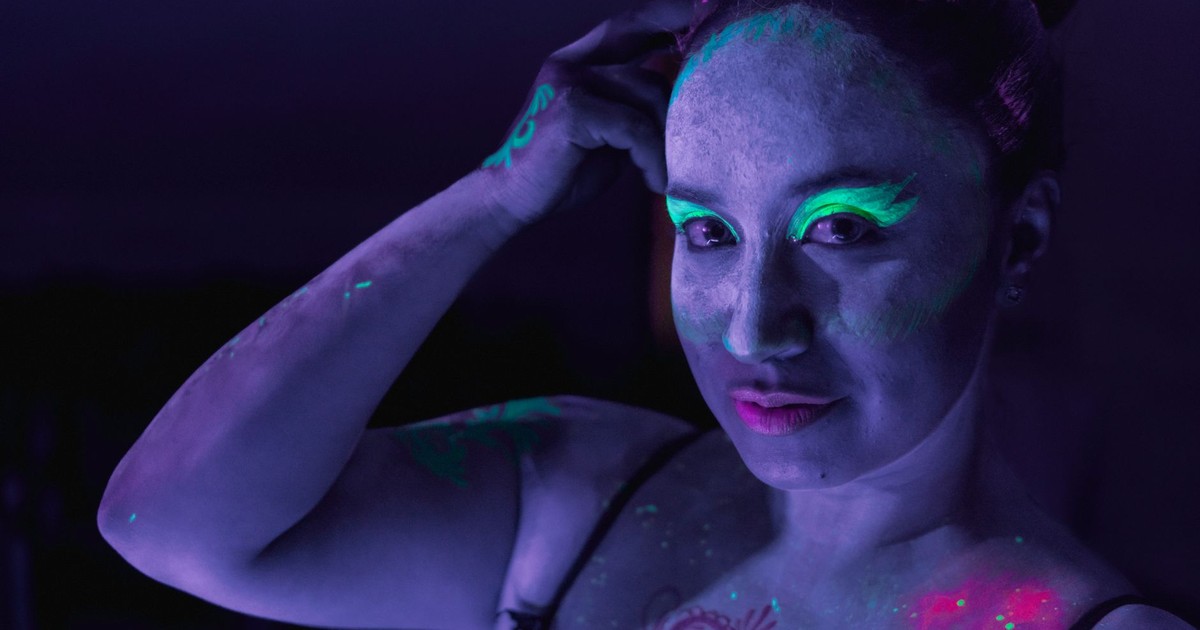
When Marie and Pierre Curie discovered radium in 1898, the world’s response was something between scientific awe and mass delusion. Radium was marketed as a miracle element capable of revitalizing tired tissue, curing acne, and restoring youthful energy. The French cosmetics brand Tho-Radia, founded in 1932, launched its first product in 1933 and became a massive hit, selling lipsticks, face powders, and cold creams infused with radium bromide and thorium.
Radium is particularly dangerous because it’s highly radioactive. Exposure to its radiation can damage the DNA in cells and, in many cases, lead to cancer. Advertisements promised “a glowing complexion” and “rejuvenated skin,” while women who used these products daily were absorbing steady doses of radiation. The consequences included jaw bone necrosis, severe facial sores, anemia, and aggressive cancers.
The radium craze had cultural momentum behind it. Radioactivity was new, exciting, and poorly understood by the general public. That a substance could glow in the dark seemed more miraculous than menacing. Companies sold radium-laced water, health tonics, and suppositories alongside the face creams. It took decades of documented illness before regulatory bodies intervened. By then, a generation of women had been steadily irradiating their own faces in front of the bathroom mirror.
6. X-Ray Hair Removal – The Tricho System
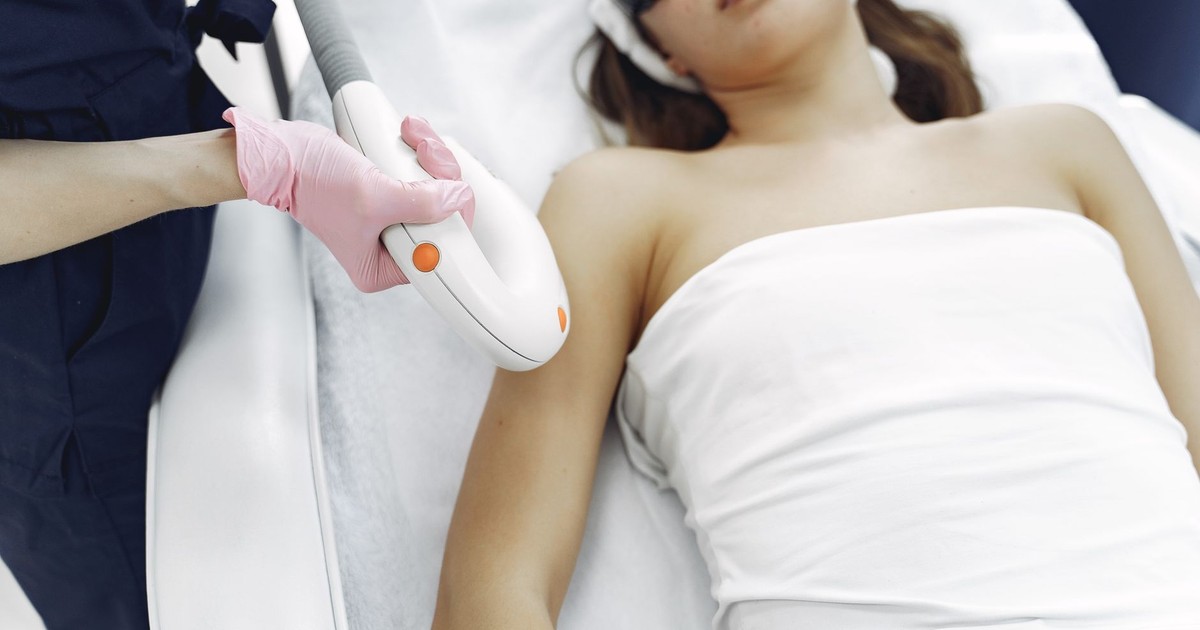
X-rays only became a beauty tool when medical experimenters noted hair loss as a side effect. Compared to other hair removal options of the time – creams, tweezers, and razors – X-rays seemed to be the perfect solution: painless, odorless, and with a five-year guarantee.
The use of X-rays as a hair-removal method persisted in commercial salons for about five decades, long after the scientific community had learned the cancer-causing dangers of X-rays. The physician Albert C. Geyser, whose Tricho salons were one of the most popular places to get such treatments, opened at least 75 clinics across the United States. Treatments were branded as safe, modern, and scientific – with no mention that they used X-rays.
Tricho System victims have been estimated in the thousands. Some ended up severely disfigured, and many required multiple surgeries to remove cancerous growths and tumors. By 1970, research found that 35% of radiation-induced cancers in women could be traced to X-ray hair removal. After the dangers of long-term exposure to radiation came to light, X-ray hair removal was officially taken off the market in 1946. As a 2025 feature in the Saturday Evening Post noted, the Journal of the American Medical Association warned as early as 1929 that patients pursuing X-ray beauty treatments had “in their endeavor to remove a minor blemish, incurred a major injury.” The doctors knew. The salons kept operating.
7. Tight-Lacing Corsets

According to Rebecca Gibson, Teaching Assistant Professor of Anthropology at Virginia Commonwealth University and author of The Corseted Skeleton, tight-lacers forced waists to extreme unnatural dimensions. While a standard corset might draw in the waist by one to two inches, tight-lacers went far beyond that. Critics decried these unnaturally waspish waists, claiming to have seen some as small as 15 or 16 inches.
Even regular Victorian corsets had the potential to cause damage if laced too tightly, reducing lung capacity and causing constipation and muscle atrophy in the back when worn regularly. Corsets also came under attack from physicians, who believed they exacerbated tuberculosis by limiting the movement of the lungs and the circulation of blood. For women already in poor respiratory health, the fashionable silhouette was actively accelerating their decline.
What’s often left out of the corset conversation is the social compulsion involved. For many middle- and upper-class women, a visibly nipped waist was not optional. It was a marker of femininity, respectability, and marriageability. Choosing not to wear a corset in certain settings carried its own social costs. The choice between health and status was no choice at all for most.
8. Foot Binding
A small foot in China was no different from a tiny waist in Victorian England: it represented the height of female refinement. For families with marriageable daughters, foot size translated directly into upward mobility. The most desirable bride possessed a three-inch foot, known as a “golden lotus.”
The process of achieving that foot began in early childhood. From a young girl’s earliest years, bandages were pulled progressively tighter, forcing the ball of the big toe back toward the heel while the smaller toes were folded underneath the natural sole. Sometimes toenails would become ingrown, and skin infection might result, leading to bone infection, necrosis of the toe, and possibly septicemia. About 10% of girls died this way. As adults, women with bound feet suffered from severely impeded circulation, extreme chilblains, and chronic inflammatory conditions.
Foot binding was practiced in China from the tenth century through most of the twentieth century. It involved breaking the bones and tightly binding the feet of young girls in order to produce a change in their size and shape. In the nineteenth century, 40 to 50% of all Chinese women and nearly all upper-class women had their feet bound. The practice was officially banned in the early 20th century, though documentation shows it continued in some rural areas into the 1930s.
9. Ohaguro (Teeth Blackening)

Ohaguro was the Japanese practice of dyeing the teeth black, achieved by soaking iron filings in vinegar and tea to create a dark lacquer that was applied directly to the enamel. The aesthetic was deliberate: black teeth were considered beautiful, sophisticated, and a marker of adulthood and married status. The practice was common among aristocratic women from the Heian period (roughly the 8th to 12th centuries) and later spread more broadly, particularly among married women and courtesans.
The solution used – a mixture called kanemizu, combining iron acetate with tannins from tea or gallnuts – was applied repeatedly to maintain the color, since it faded and needed to be reapplied regularly. Tannins have some antimicrobial properties, and some historical accounts suggest that blackened teeth were actually less susceptible to certain forms of decay. But the iron solution itself was corrosive with long-term use, and the repeated application process was time-consuming and unpleasant, involving foul-smelling compounds brushed onto teeth several times a week.
The practice was formally banned in Japan in 1870 as part of the Meiji government’s modernization drive, which sought to align Japan’s cultural practices with Western norms. Similar traditions existed in Vietnam, Laos, and parts of Southeast Asia, often tied to coming-of-age rituals. What is striking about ohaguro is that it may be one of the least medically harmful entries on this list – the real danger, by modern standards, was in what the practice used and how it interacted with enamel over decades of regular use. But it belongs here because it illustrates how thoroughly beauty standards are constructed: black teeth were the ideal for centuries. The standard didn’t reflect health or nature. It reflected power.
10. Tapeworm Diet Pills
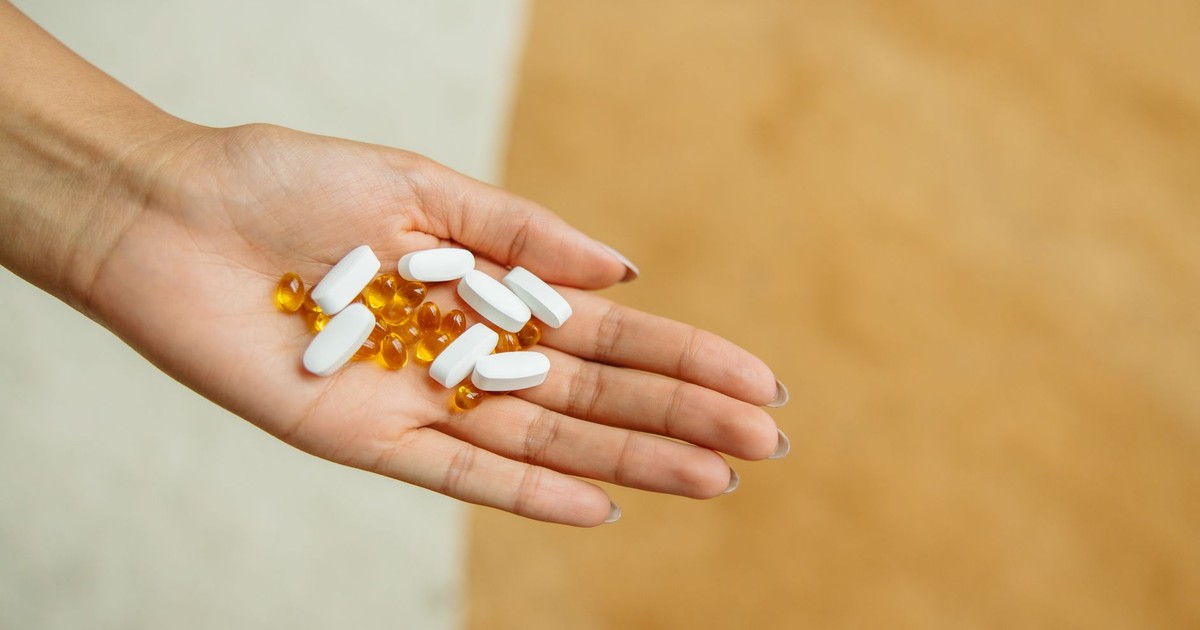
The Victorian era’s obsession with a slender silhouette produced the corset at one extreme and the tapeworm diet pill at the other. Sold in pill form during the late 19th and early 20th centuries, these treatments contained encapsulated tapeworm cysts. The sales pitch was essentially: swallow this parasite, eat whatever you want, and let the worm do the work. Advertisements often featured before-and-after illustrations and testimonials from satisfied customers.
The reality was somewhat grimmer. A tapeworm can grow up to 30 feet long inside the digestive tract. Users experienced abdominal pain, severe malnutrition, chronic diarrhea, and bowel obstructions. In worst-case scenarios, tapeworm larvae migrated to other parts of the body – including the brain, liver, and eyes – forming deadly cysts. The slim figure a tapeworm eventually produced was largely the result of severe malnutrition and the wholesale absorption of the host’s nutrients.
What is particularly striking about the tapeworm pill is how recognizably modern it sounds. The promise of effortless weight loss, the willingness to circumvent the body’s natural processes, the doctor-endorsed packaging on something dangerous – all of it maps cleanly onto contemporary diet culture and weight loss myths. The delivery method has changed. The underlying logic hasn’t.
Read More: 15 Foods Americans love and 15 they absolutely hate
The Thing These Trends Have in Common

None of these practices were fringe activities adopted by people who didn’t know better. They were mainstream, often medically endorsed, and embedded in the social fabric of their time. Venetian ceruse was worn by queens. Arsenic wafers were sold at the drugstore. X-ray salons operated for five decades after the dangers were scientifically documented. At almost every point in this list, someone with credentials and a financial interest was telling women the product was safe.
The historical beauty trends dangerous enough to fill this list were rarely failures of individual judgment alone. They persisted because profit-driven systems endorsed, marketed, and normalized them for as long as they remained lucrative. A 2025 feature in the Saturday Evening Post noted that in 1929, the Journal of the American Medical Association warned about X-ray beauty treatments, stating that “in their endeavor to remove a minor blemish, they have incurred a major injury.” The doctors knew. The salons kept operating. The details change across centuries. The structure stays remarkably consistent.
Disclaimer: This information is not intended to be a substitute for professional medical advice, diagnosis, or treatment and is for information only. Always seek the advice of your physician or another qualified health provider with any questions about your medical condition and/or current medication. Do not disregard professional medical advice or delay seeking advice or treatment because of something you have read here.
AI Disclaimer: This article was created with the assistance of AI tools and reviewed by a human editor.