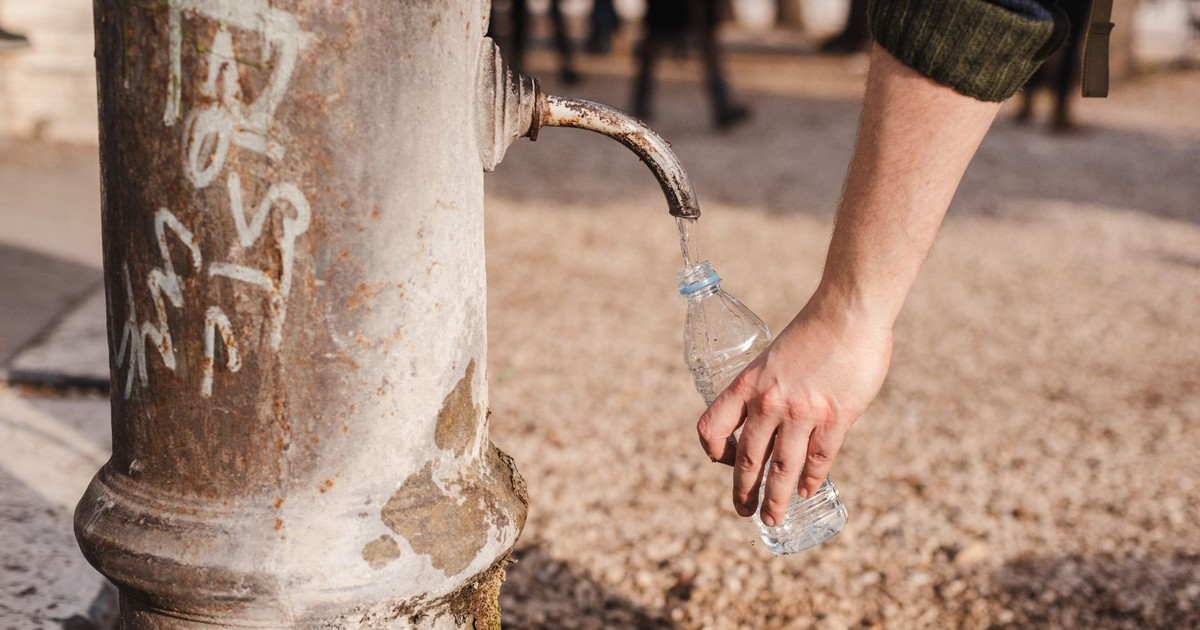

Americans bought 16.4 billion gallons of bottled water in a recent year, at a retail cost of $50.6 billion. The average person consumed roughly 340 bottles. The image on the label is almost always a mountain, a glacier, or a spring. The water inside is, in many cases, repackaged tap water.
The U.S. Environmental Protection Agency oversees tap water quality, while the U.S. Food and Drug Administration regulates bottled water as a packaged food product. These two agencies have different missions, different resources, and very different testing requirements. Municipal tap water is tested hundreds or thousands of times per month, with results made public and violations triggering mandatory notification. Bottled water companies test far less frequently, results are not required to be made public, and many small bottlers operate with minimal oversight.
Research from the last two years changes the calculation for anyone who switched to bottled water specifically to avoid contaminants. You may have traded one set of concerns for a worse one.
The Rules Are Not What You Think
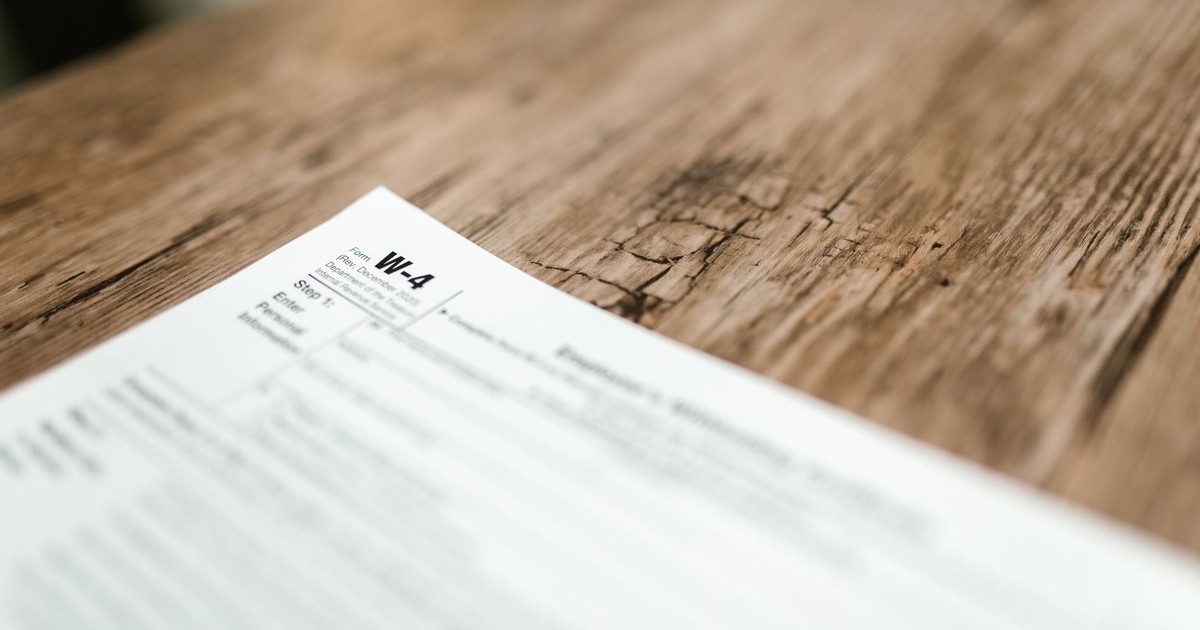
The EPA regulates tap water under the Safe Drinking Water Act. Utilities must test water hundreds or thousands of times per month, with results made public and violations triggering mandatory notification. The FDA regulates bottled water as a packaged food product. Testing requirements are far less frequent, results are not required to be made public, and many small bottlers operate with minimal oversight.
According to the NRDC, bottlers must test for coliform bacteria just once a week, while city tap water systems are required to test far more frequently, with the exact frequency varying by system size. The EPA mandates that municipal water systems provide annual Consumer Confidence Reports, giving the public detailed information about their water quality and any potential safety concerns. Bottled water brands are not held to the same standard.
Your city water utility is legally required to tell you every year exactly what it found in your water. The company selling you water in a bottle has no equivalent obligation. States are responsible for regulating water that is both packaged and sold within their borders, which is most of the market, but one in five states doesn’t even bother.
The Repackaged Tap Water Problem
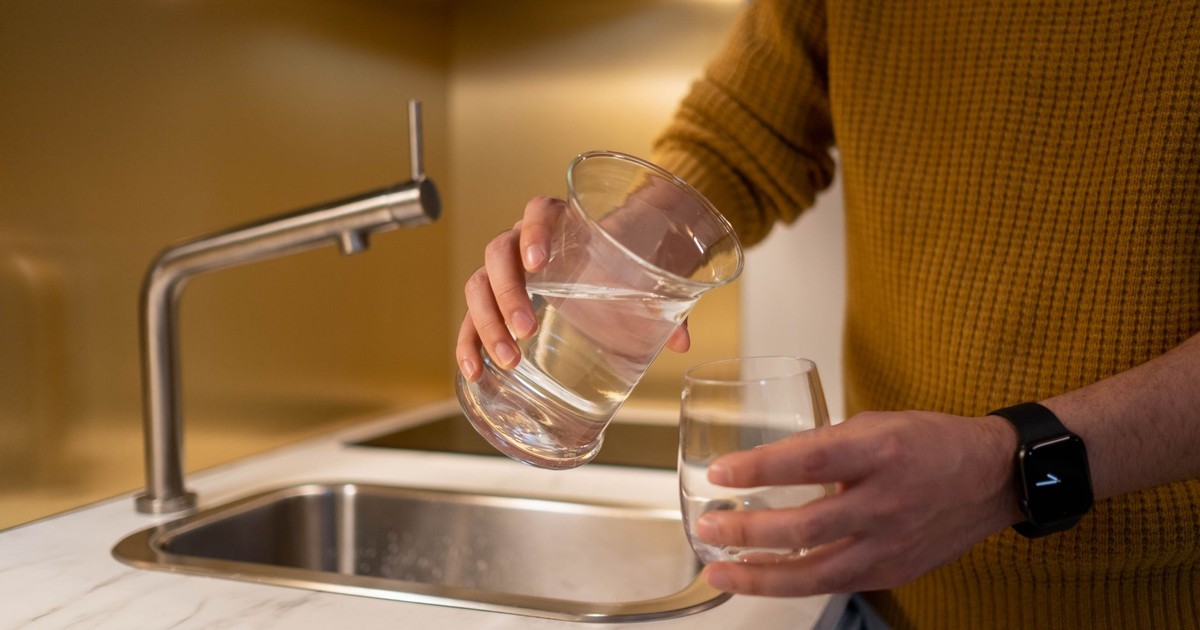
A significant share of water sold in a plastic bottle is tap water in a bottle, sometimes further treated, sometimes not. Research published in BMJ Global Health by experts at Weill Cornell Medicine estimates that up to two-thirds of bottled water sold in the U.S. is repackaged municipal water. The brands don’t always make this obvious. You can find the source if you read the fine print on the label, where terms like “municipal source” or “community water system” signal that the water started its life in the same pipes as your kitchen faucet.
Sometimes that municipal water is then run through additional filtration before being bottled, which does improve it in specific ways. But the key word is “sometimes.” The federal government does not require bottled water to be safer than tap.
The one area where bottled water might have the edge is in the case of lead. Because many older homes have lead pipes, the EPA standard for tap water is less strict than the FDA’s standard for lead in bottled water. If you live in a home built before 1986 and your pipes have never been tested, that distinction matters. For everyone else, the lead advantage of bottled water is largely theoretical, since the water reaching the bottle itself passed through a public system that already tested for it.
The Plastic Problem Nobody Wanted to Find
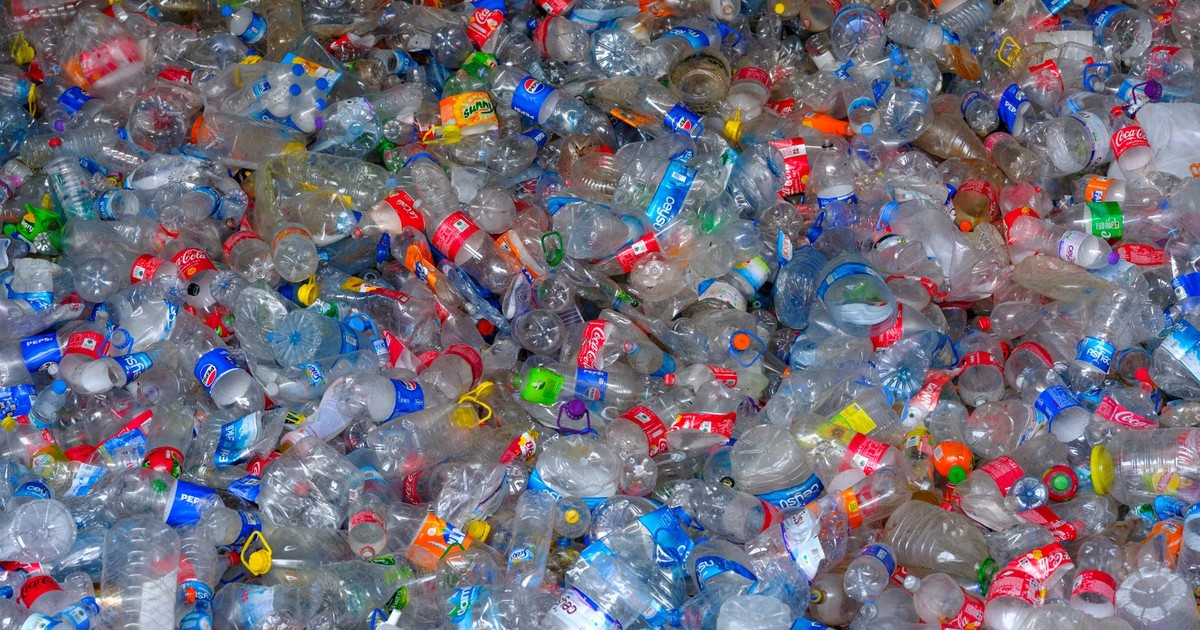
Scientists found that on average, a liter of bottled water contained some 240,000 detectable plastic fragments, 10 to 100 times greater than previous estimates. Nanoplastics are so tiny that, unlike microplastics, they can pass through the intestines and lungs directly into the bloodstream and travel from there to organs including the heart and brain. They can invade individual cells, and cross through the placenta to the bodies of unborn babies.
This was a 2024 study from researchers at Columbia University and Rutgers University, published in the Proceedings of the National Academy of Sciences. Using a newly developed laser-based imaging technology, they found roughly 90% of the particles in a liter of bottled water were nanoplastics, not the larger microplastics that earlier studies had been able to detect. The practical significance: unlike microplastics, nanoplastics are capable of passing through the intestine and lungs into the bloodstream. Earlier research had found around 300 plastic particles per liter. The updated count was orders of magnitude higher.
Research from Concordia University in Canada shows people who drink bottled water ingest up to 90,000 more microparticles of plastic per year than those who drink tap water. Tap water also contains microplastics, but the difference in volume is significant, and the source matters: most of the plastic in bottled water comes from the bottle itself, the cap, and the neck.
A 2025 study found nearly a spoon’s worth of microplastics in human brain tissue. And a 2024 study published in the New England Journal of Medicine found that people with microplastics or nanoplastics in the arteries of their necks were 4.5 times more likely to have a heart attack, stroke, or to die from any cause over the next three years than people who had none. These findings are early and shouldn’t be read as settled cause-and-effect.
PFAS: The Problem in Both Glasses
Forever chemicals, or PFAS (per- and polyfluoroalkyl substances, a group of synthetic compounds that don’t break down in the environment or in the human body), are in both water sources. Neither tap nor bottled water gets a clean pass on this one.
The U.S. Geological Survey estimates that at least 45% of U.S. tap water may contain one or more types of PFAS. These chemicals enter water supplies through industrial discharge, military base runoff, non-stick cookware manufacturing, and a long list of other industrial sources. Studies have linked exposure to certain PFAS to increased risks of some cancers, reduced immune function, and developmental concerns.
The EPA set enforceable limits for PFOA and PFOS, two of the most studied PFAS compounds, in 2024, but the timeline for compliance has since shifted. As Food Safety Magazine reports, in May 2025, the EPA rescinded regulations for several PFAS compounds and extended the compliance deadline for PFOA and PFOS from 2029 to 2031. That’s a meaningful delay for the millions of Americans at risk of PFAS-contaminated tap water.
Bottled water is not a reliable fix. Some popular brands have been found to contain PFAS at levels that would exceed proposed safety limits, and the FDA’s testing requirements aren’t structured to catch the full range of these compounds. For the first time, the EPA is also now designating both microplastics and pharmaceuticals as priority contaminant groups in its sixth Contaminant Candidate List.
The Cost of Perceived Safety

Tap water in the United States costs roughly $3 to $4 per 1,000 gallons on average, though rates vary considerably by region and system size. Bottled water typically runs somewhere between $1 and $2 per liter at retail, which works out to roughly $4,000 to $8,000 per 1,000 gallons. For a family drinking primarily bottled water, that’s a significant annual spend for a product that is, in the majority of cases, no safer than what comes out of the faucet for fractions of a cent per glass.
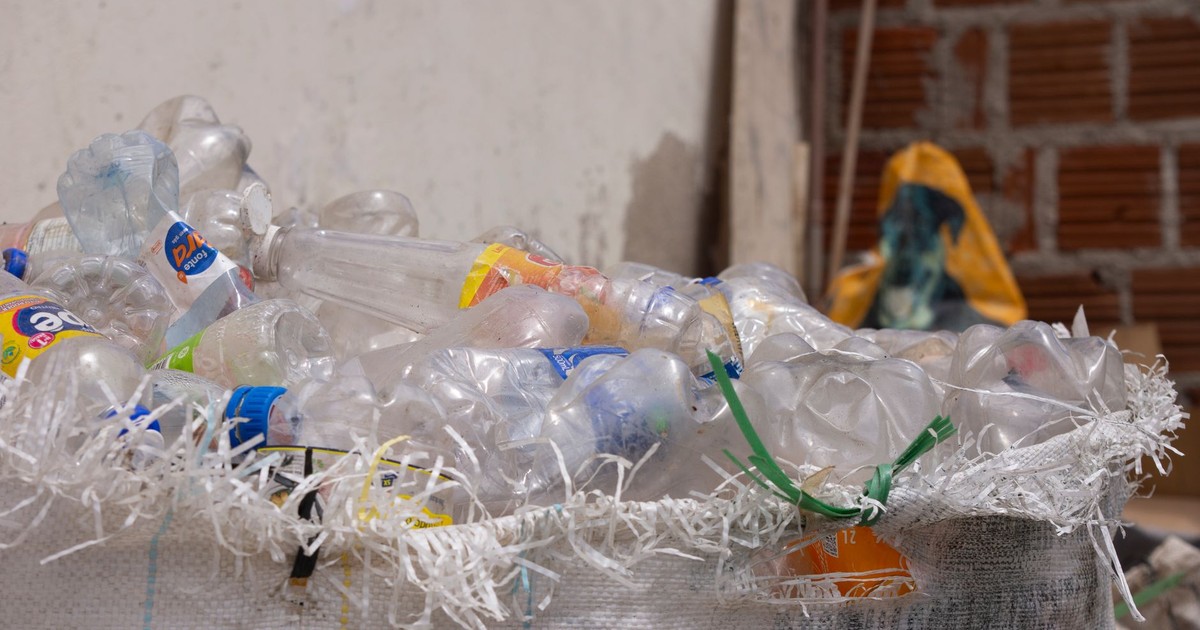
The U.S. PET bottle collection rate was 30.2% in 2024, which means most PET bottles were not collected for recycling that year. Americans consumed 16.2 billion gallons of bottled water in 2024. Most of that plastic didn’t get recycled. It went to landfill, into waterways, or into the environment, where it eventually breaks down into the same microplastics now turning up in human tissue.
A whopping 88% of Americans say they consume bottled water, according to an industry survey released in 2024. That year, Americans drank an estimated 16.4 billion gallons of it, an average of about 340 individual bottles per person. Most of those people would say they drink it because it’s safer. The evidence says otherwise.
When Bottled Water Actually Makes Sense

There are situations where bottled water is the genuinely safer option: after a municipal water advisory, during a natural disaster that’s compromised the local supply, when traveling to places where tap water safety is uncertain, or in communities where lead pipes or local contamination make tap water a legitimate concern.
The lead pipe issue is worth taking seriously if your home is old. Homes built before 1986 may have lead service lines, and if you’ve never had your water tested, a simple home kit or a free test through your local utility is worth doing. Your water utility is required by law to send you an annual Consumer Confidence Report listing every contaminant it found and at what level. Reading it takes about five minutes.
For people genuinely worried about PFAS or microplastics in their tap water, a certified home filtration system is a more reliable and significantly cheaper long-term solution than buying bottled water. A study found that reverse osmosis filtration removed 99.9% of microplastics and nanoplastics from tap water. An under-sink reverse osmosis system costs a few hundred dollars and lasts for years. Stack that against a bottled water habit for a family of four, and the math becomes obvious.
Read More: Common Drinks That May Increase Your Risk of Alzheimer’s
What to Do With All of This
A sealed plastic bottle feels controlled, tested, and clean. The reality is that the bottle itself is a source of contamination that tap water doesn’t have, the regulatory oversight on bottled water is weaker, and for a significant share of what you buy, you’re paying several dollars a liter for filtered municipal water you could have poured from your kitchen tap for almost nothing.
PFAS contamination in public water systems is a real and unresolved problem. Older infrastructure in some cities is genuinely concerning. The EPA’s compliance deadlines keep getting pushed back, and enforcement is inconsistent. Anyone who lives in a community with documented water quality issues has every reason to want an alternative. The honest answer here is that the alternative most worth investing in is a good home filter, not a plastic bottle you’ll throw away in three minutes and whose contents may contain significantly more plastic particles than what came out of your tap. The filtration path costs less, produces less waste, and based on what the research currently shows, results in cleaner water.
Disclaimer: This information is not intended to be a substitute for professional medical advice, diagnosis, or treatment and is for information only. Always seek the advice of your physician or another qualified health provider with any questions about your medical condition and/or current medication. Do not disregard professional medical advice or delay seeking advice or treatment because of something you have read here.
AI Disclaimer: This article was created with the assistance of AI tools and reviewed by a human editor.