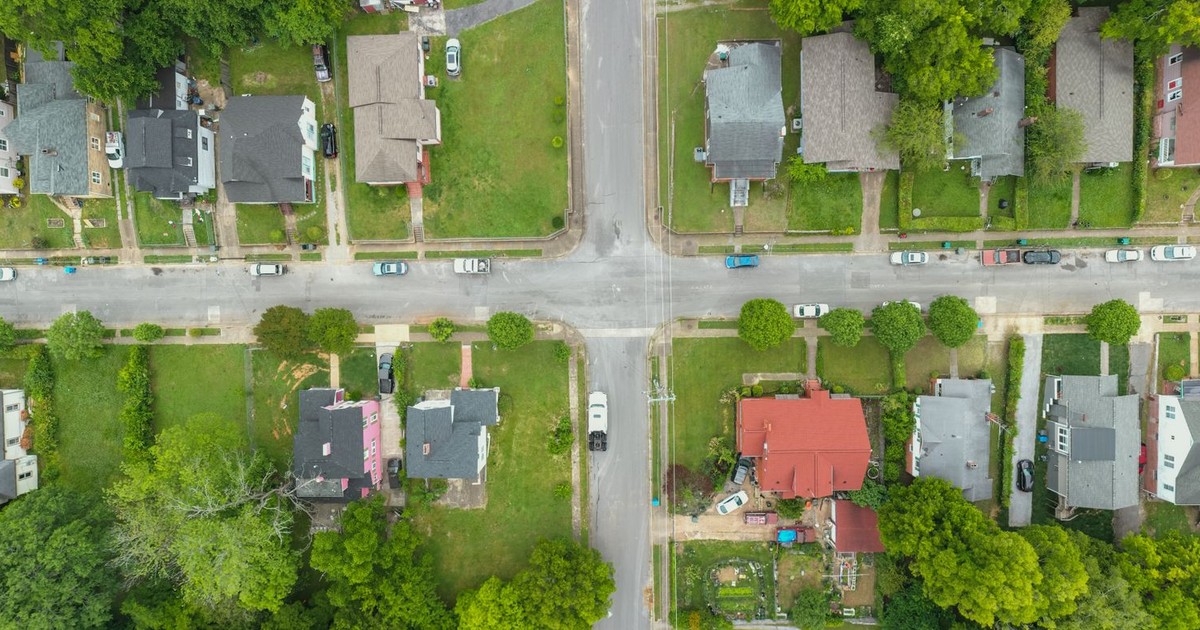

Most American cities carry at least one serious natural hazard that can kill people, destroy property, and leave neighborhoods unrecognizable. A handful of cities are different. Their geography, geology, and climate combine in ways that keep them largely outside the blast radius of the events driving the most costly disasters of the past decade.
FEMA’s National Risk Index tracks communities across 18 distinct natural hazards, measuring expected annual loss, social vulnerability, and community resilience at the county level. The most recent version of that dataset gives us the clearest picture yet of which American cities sit in genuine geographic safety and which ones are essentially running a long bet against the weather.
The ten safest US cities below share interior geography that keeps them away from hurricane tracks and coastal flooding, stable geology with minimal seismic activity, and climates that don’t generate the extreme heat or drought conditions driving the most costly disasters of recent years. None of them are completely risk-free, because no area is. But compared to most of the country right now, they’re about as safe as it gets.
1. Syracuse, New York
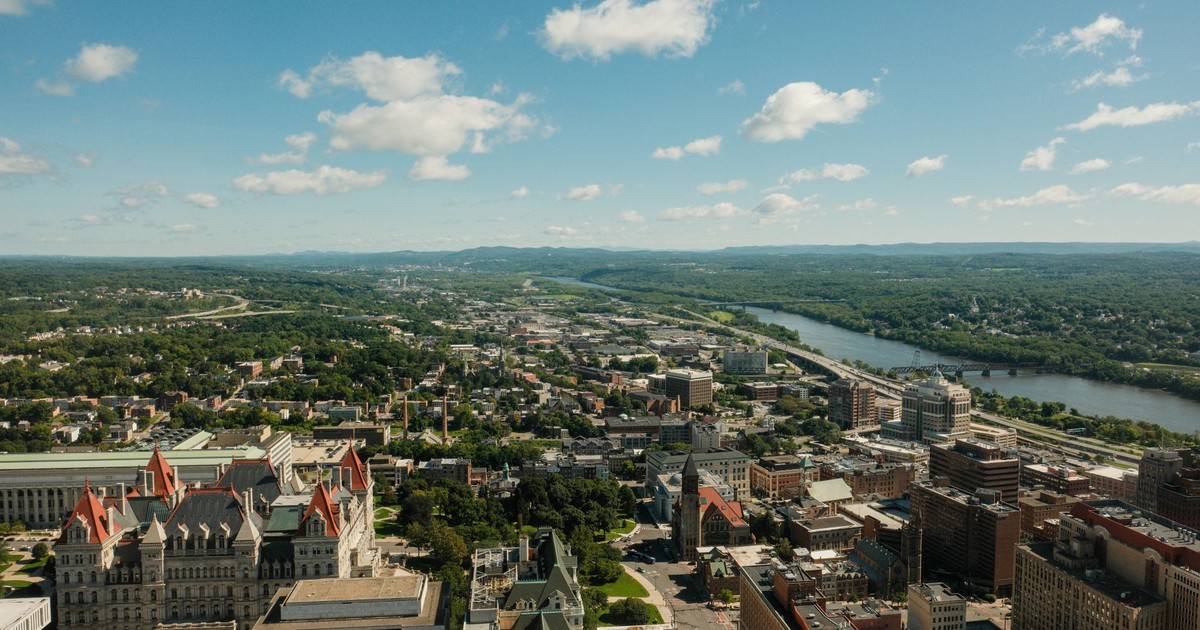
Syracuse sits in upstate New York in a position that protects it from nearly every major category of natural disaster. It faces minimal risk from earthquakes, hurricanes, droughts, and heat waves. Those categories cover the four main drivers of billion-dollar disaster events in the United States over the past decade.
According to FEMA data, Syracuse’s biggest threat comes from ice storms, which, while they can disrupt daily life and knock out power, rarely result in the kind of property destruction or loss of life associated with hurricanes, wildfires, or major floods. The city sits at an elevation that keeps river flooding manageable, and its distance from the coast means it absorbs only the weakened remnants of Atlantic storms by the time they reach upstate New York.
The winters are genuinely brutal. Syracuse regularly leads the nation in annual snowfall among large cities. But snowfall and safety risk are not the same thing. Infrastructure here is built for it. The roads get plowed, the buildings are designed for load, and residents know the drill.
2. Columbus, Ohio
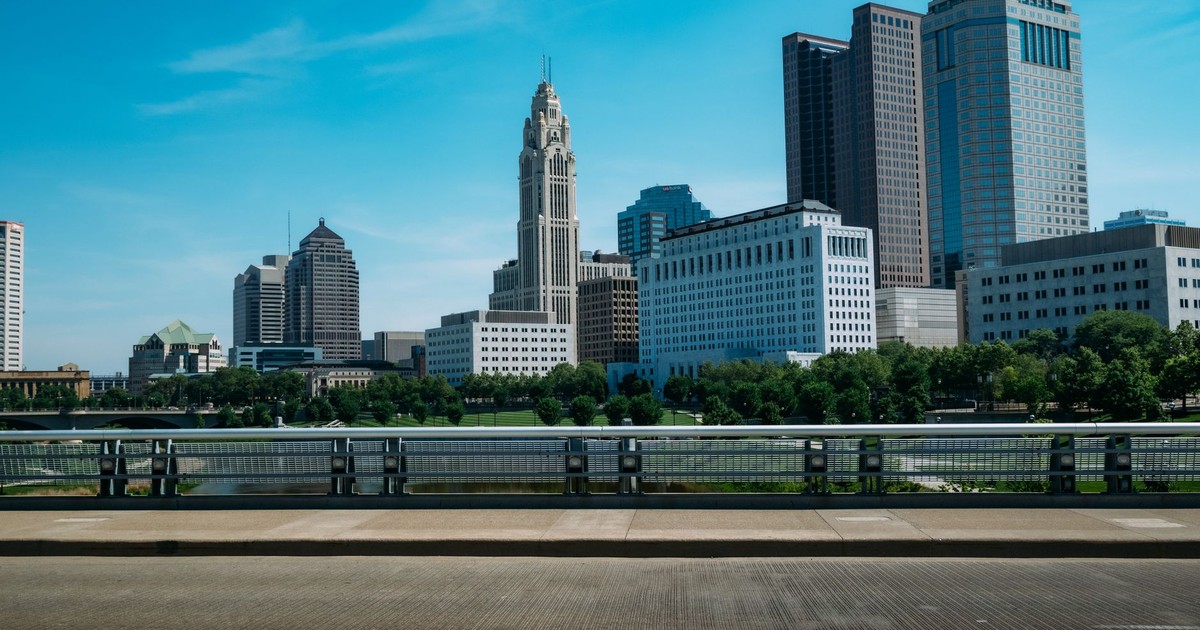
Columbus benefits from Ohio’s broader geographic position. According to WorldPopulationReview, Ohio is known to be relatively safe from natural disasters overall, and the cities of Cincinnati, Dayton, and Cleveland rank among the safest in the country for natural disasters. Columbus shares the same fundamental advantages: it sits on relatively flat, geologically stable ground, well away from seismic fault lines and far enough inland to be unaffected by hurricane-force winds.
The Ohio River watershed means there’s some flooding risk south of the city, but Columbus itself sits on higher ground with good drainage. The area sees occasional tornado watches, but the frequency and intensity of touchdowns in Columbus are far lower than in Kansas, Oklahoma, or Texas.
The city’s size works in its favor, too. With a population of over 930,000, Columbus has the tax base and municipal infrastructure to invest in emergency management, flood control systems, and resilient utilities.
3. Ann Arbor, Michigan
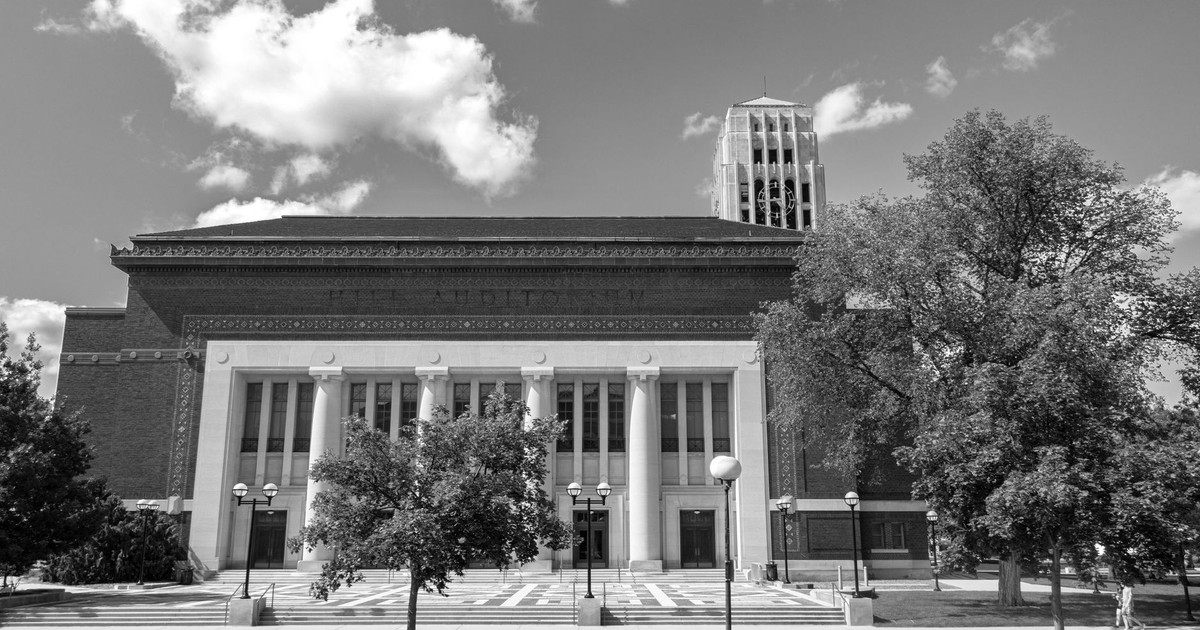
Ann Arbor’s safety profile is shaped almost entirely by the Great Lakes. The lakes moderate temperature extremes that cause heat waves and severe drought conditions, and they create a buffer against the dry, fire-prone conditions that have turned western states into annual wildfire crises. The city sits inland at sufficient elevation to avoid the lakeside flooding that occasionally affects coastal Great Lakes communities.
Michigan’s geology is ancient, stable bedrock. Earthquakes are essentially not a factor. Hurricanes lose steam long before they reach the upper Midwest, arriving as ordinary rain events rather than destructive storms.
Ice storms and heavy winter weather carry real risk. A major ice event can cause tree damage and power outages affecting thousands of residents. But Ann Arbor’s infrastructure is maintained with cold-weather conditions in mind, and the university presence means the city invests consistently in its public systems.
4. Warwick, Rhode Island
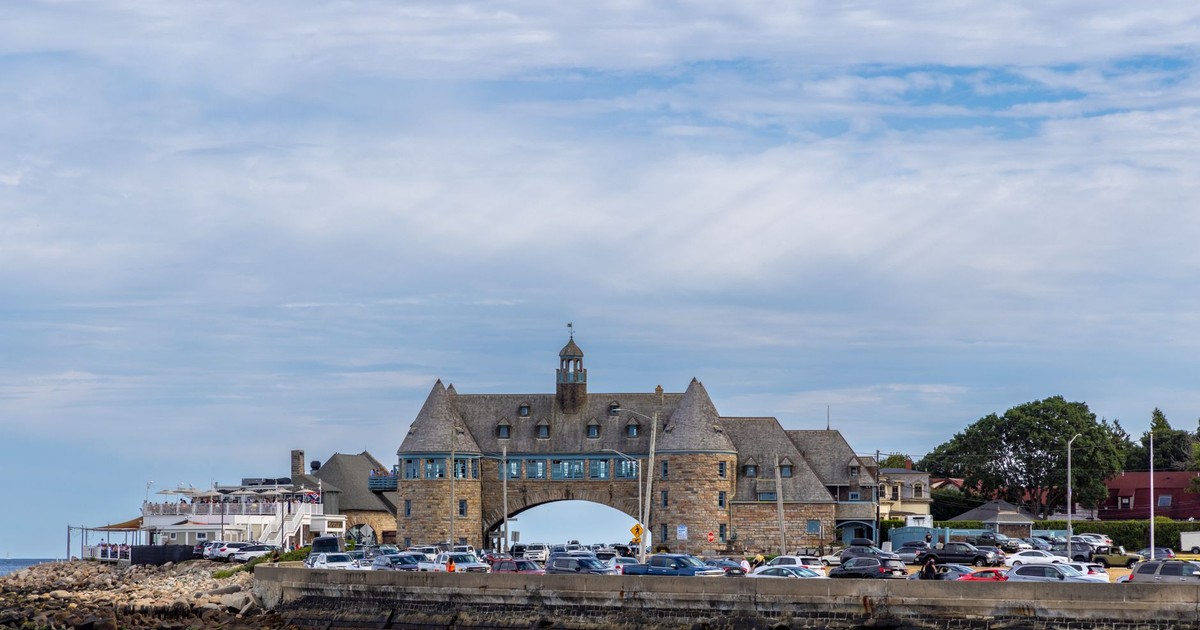
WalletHub’s 2025 analysis ranked Warwick, Rhode Island, the number-one safest city in the United States, scoring it a 71.21 out of 100 across home and community safety, natural disaster risk, and financial safety across 182 cities. On natural disaster specifics, Warwick has the seventh-lowest risk of wildfires, extremely low tornado and earthquake exposure, and a hail risk profile that sits near the bottom of the national range.
The city does sit in a coastal state, which means nor’easters and the occasional hurricane remnant are real considerations. But Rhode Island’s geography, relatively sheltered by Cape Cod and Long Island from the worst Atlantic storm surge, reduces the direct exposure that makes Florida and the Carolinas so vulnerable. The state has also invested in coastal resilience infrastructure over the past decade in response to the flooding damage from Superstorm Sandy in 2012.
Warwick stands out for the breadth of its low-risk profile rather than any single outstanding advantage. It doesn’t post a perfect score in any one category. It just avoids serious exposure to almost anything.
5. Corvallis, Oregon
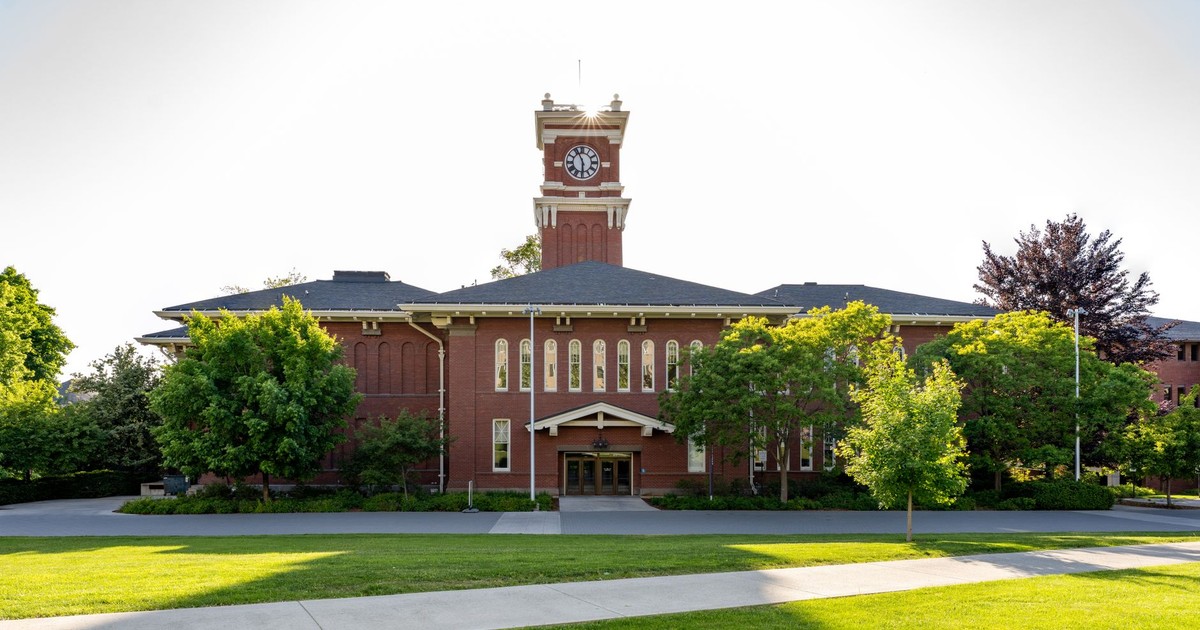
According to HomeGrail’s 2026 rankings, Corvallis scores well in almost every safety category. FEMA gives it a higher-than-average expected loss score due to wildfire prevalence in the surrounding region, but the city itself is extremely well insulated from natural disaster overall. The mountainous surroundings increase the threat from landslides to above-average levels, and the wildfire risk in the surrounding forests is real and growing as Oregon summers get drier.
Corvallis itself sits in a valley with good natural firebreaks and has not experienced the urban interface fire events that have destroyed communities in California and Colorado. The Cascadia Subduction Zone is the major earthquake risk for the entire Pacific Northwest coast, but Corvallis sits far enough inland and at sufficient elevation that its tsunami and coastal flooding exposure is negligible.
Corvallis is nestled between Salem and Eugene and has been named one of the safest, greenest, and most diverse college towns in America. The Oregon State University presence keeps public investment in infrastructure and emergency systems consistently high.
6. Cincinnati, Ohio
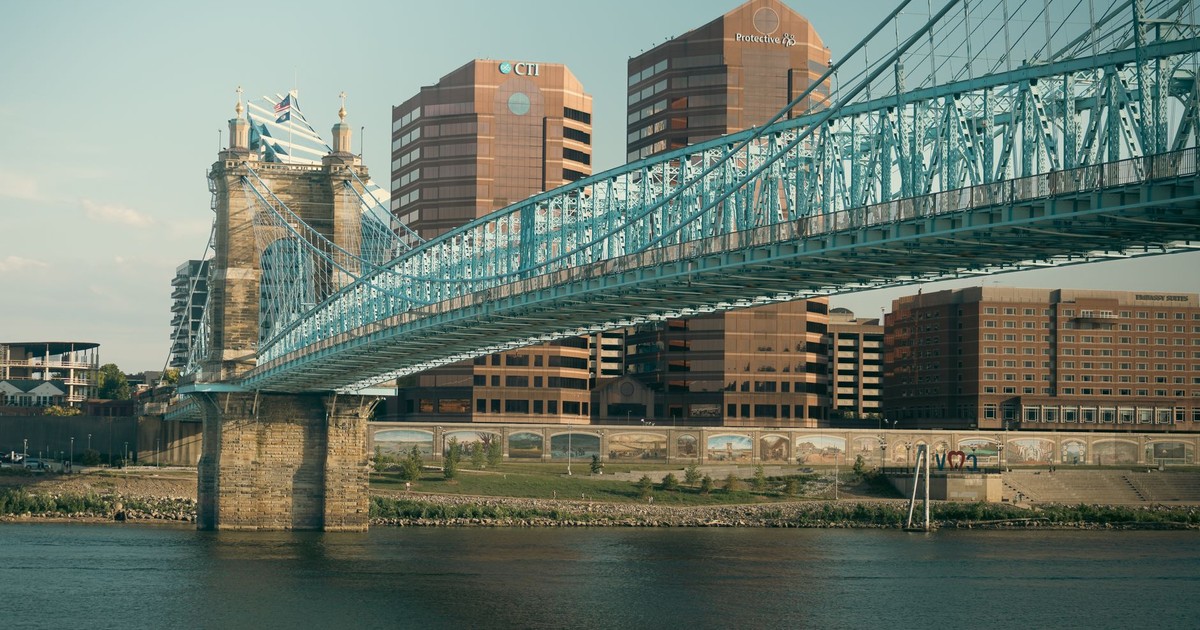
Ohio’s position on stable interior geology, well away from the seismic activity of the New Madrid fault system that makes parts of Missouri and Tennessee considerably more vulnerable, puts Cincinnati in a naturally protected position. The Ohio River is the main complication. Cincinnati sits on the river, and significant flood events have happened here historically. The 1937 flood was one of the worst in American history.
The combination of upstream reservoir management, improved levee systems, and better flood forecasting technology means the risk profile today looks very different from what it did in the mid-twentieth century. The U.S. Army Corps of Engineers has invested substantially in flood control infrastructure along the Ohio River corridor, and Cincinnati’s flood risk, while not eliminated, is managed at a level that most coastal cities would envy.
Tornado risk exists on paper. Ohio sits within range of tornado-producing weather systems, but because of its position east of the core tornado belt, it sees only a few touchdowns per year, and their frequency and severity are substantially lower than in Kansas, Missouri, or Oklahoma.
7. Minneapolis, Minnesota
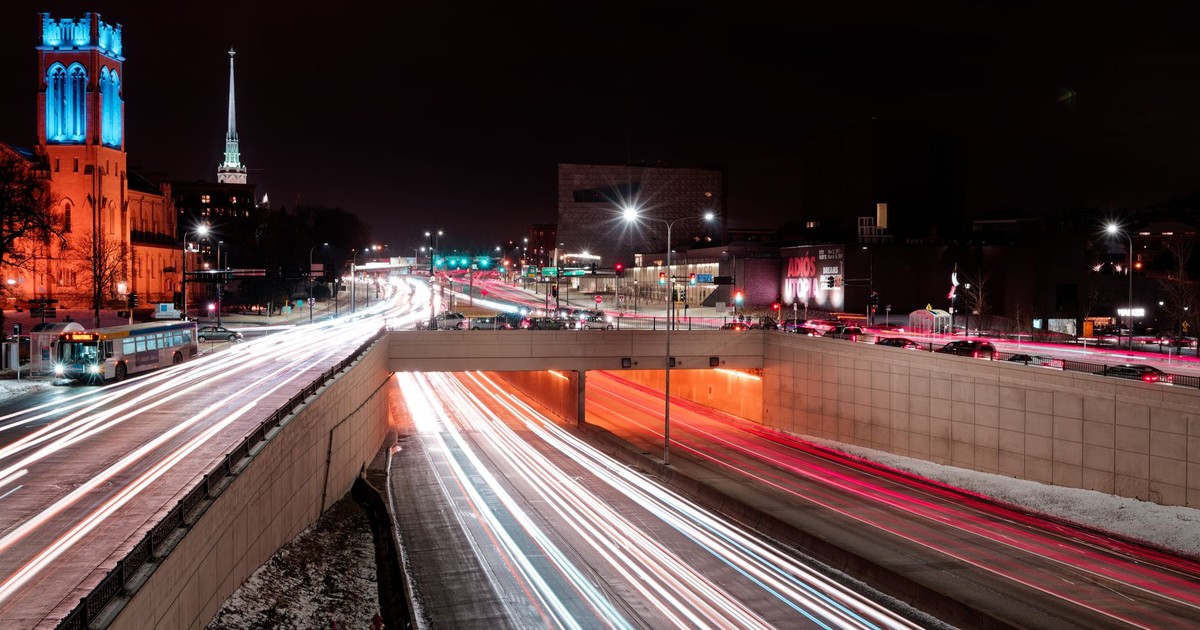
Minneapolis makes this list because its geography simply doesn’t generate the conditions required for the most destructive American disaster types. No seismic fault lines. No hurricane path. No wildfire-prone dry forests immediately adjacent to the city. No coastal flood exposure. Minneapolis is the region’s largest metro area, and it sits squarely in the lower-risk interior North.
The risks that do exist are winter-related. Ice storms, heavy snow, and the occasional blizzard can genuinely paralyze the metro for 24 to 48 hours. Severe summer thunderstorms can produce localized flooding and wind damage. Minneapolis has spent decades building infrastructure that handles these events as operational challenges rather than crises. The city’s stormwater management systems are among the more sophisticated in the Midwest, designed for exactly the kind of intense precipitation events that climate change is making more frequent.
The Mississippi River runs through Minneapolis, and some low-lying areas near the river floodplain carry real flood risk worth factoring in. The higher ground that makes up most of the metro sits well above that exposure, and most of the city’s residential neighborhoods reflect that safer elevation.
You can dig into how cities handle the early warning side of these events in this piece on natural disaster warning signs.
8. Hartford, Connecticut
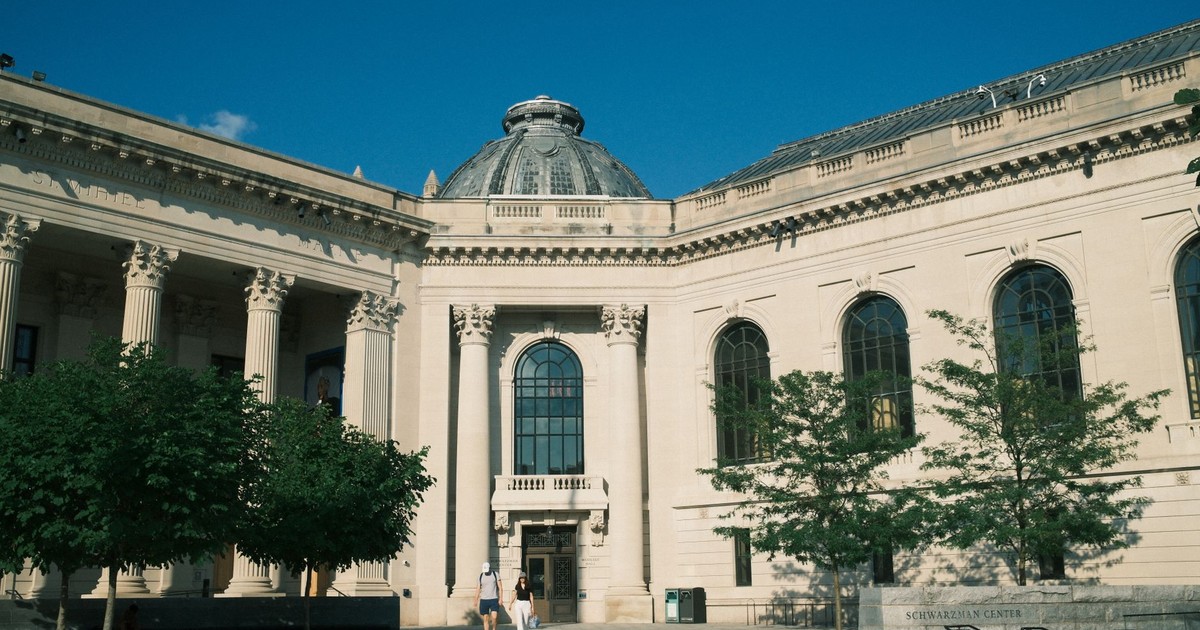
Hartford’s safety record gets overlooked because Connecticut as a whole is associated with coastal storm risk. Hartford sits 40 miles inland from Long Island Sound, high enough above sea level and far enough from the shoreline that the storm surge flooding devastating coastal Connecticut communities doesn’t reach it. By the time a major hurricane tracks inland to Hartford, it has typically weakened to a tropical storm.
The city’s location in the Connecticut River valley does create some flood risk. Tropical Storm Irene in 2011 caused significant flooding in the region. But the Army Corps of Engineers-managed Hartford Flood Control System, built after devastating 1936 and 1938 floods, has successfully protected the downtown area from river flooding for decades. That infrastructure investment gives Hartford a level of flood resilience that many Northeastern cities lack.
Wildfire risk is low. Earthquake risk is low. The city’s main exposure is to severe winter storms and the occasional remnant tropical system, both of which local infrastructure handles as a matter of routine.
9. Boise, Idaho
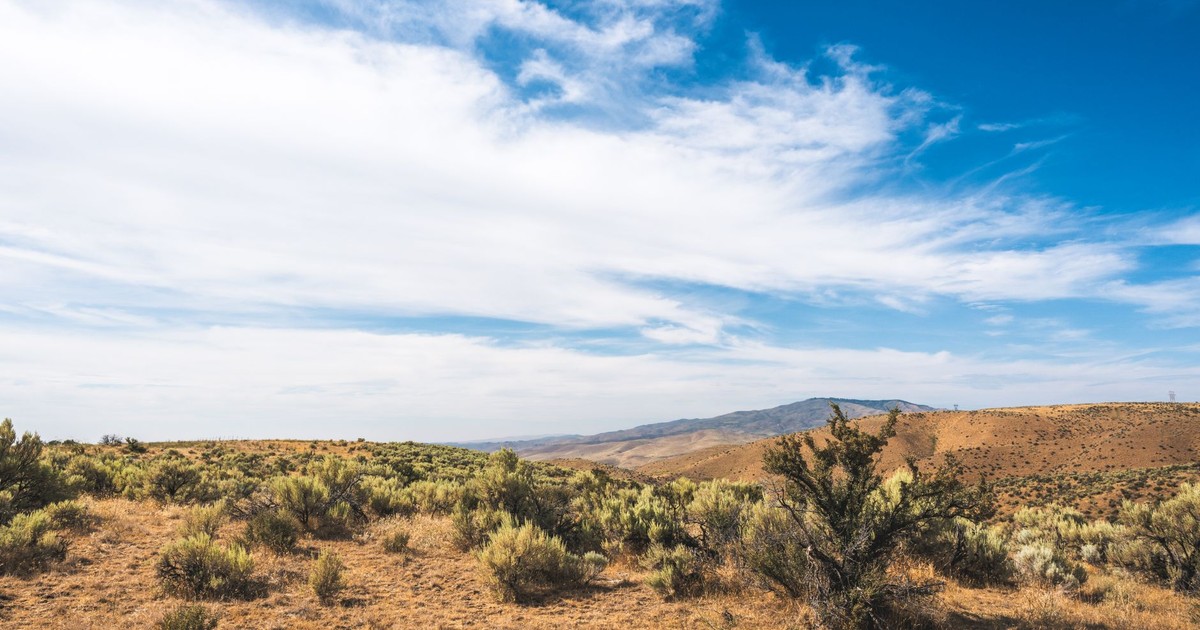
Boise’s inclusion here comes with a real asterisk: the surrounding region of southern Idaho and the broader intermountain West is seeing wildfire seasons get longer and more intense. Anyone relocating to Boise should factor that trend into their thinking.
The city itself sits in a high desert valley in a way that separates it from the worst of the surrounding fire risk. The Boise foothills can burn, and have, but the city’s developed core has good defensible space and the Boise Fire Department has invested in wildland-urban interface response capacity that ranks among the best in the region. Idaho is not seismically active in the way California, Washington, or Oregon are. Flooding risk is moderate and primarily tied to snowmelt events in spring, which are predictable and increasingly well-managed with upstream reservoir systems.
Compared to the Pacific Coast cities it’s often grouped with geographically, Boise looks substantially safer. No Cascadia subduction zone exposure. No coastal tsunami risk. No hurricane path. The wildfire situation requires attention and preparation, but it doesn’t disqualify a city that performs well across every other major hazard category.
10. Las Vegas, Nevada
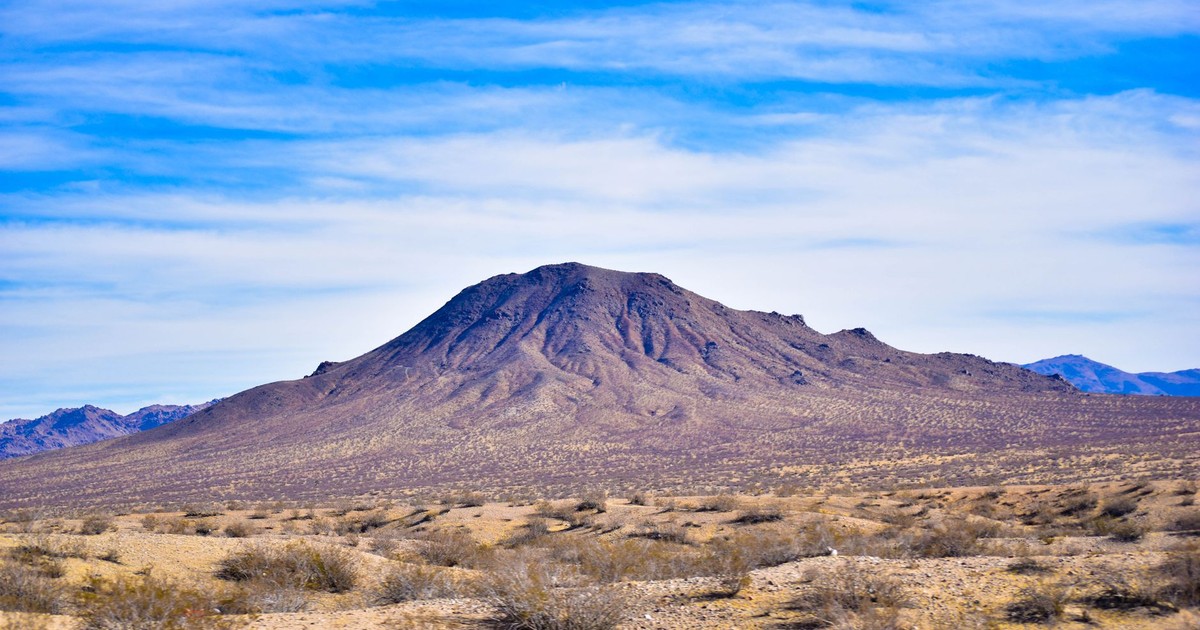
Las Vegas sits in the Mojave Desert basin, surrounded by mountain ranges that block Pacific storms before they arrive. Earthquakes happen in Nevada, but Las Vegas is not on a major active fault. There are no hurricanes in the continental interior. There is no wildfire-prone forest adjacent to the city. Flooding does occur; the desert can’t absorb sudden heavy rain, and flash floods are a genuine risk in canyon areas. But urban flood control infrastructure in the Las Vegas Valley has improved substantially over the past two decades, with the Clark County Regional Flood Control District managing an extensive system of channels and detention basins.
Nevada also has one of the lowest insurance claim rates in the United States for natural disaster events, which reflects how infrequently property damage from those events actually materializes. The heat is extreme. Summer temperatures routinely exceed 110°F, and heat-related health risk is real for vulnerable populations. But heat doesn’t destroy homes or flatten neighborhoods the way a hurricane or a major earthquake does.
For pure structural disaster risk among major American metros, Las Vegas consistently outperforms nearly every comparable city in the country.
What the Geography Is Actually Telling You
Scan the ten cities above and a pattern emerges immediately: none of them are in the South, none are on the West Coast, and only one sits on the Atlantic shore. That’s not a coincidence. It reflects how American disaster risk actually distributes geographically, and how that distribution has been shifting as climate patterns change. Coastal exposure, wildfire proximity, and proximity to active seismic fault lines are the three largest drivers of catastrophic property loss. The cities with the best safety profiles are the ones that don’t have any of those three working against them.
The other thing these cities share is institutional follow-through. Geography sets the ceiling on a city’s natural safety, but what elevates a well-positioned city to a genuinely safe one is whether local government has built the infrastructure to handle what the geography doesn’t protect against. Flood control systems. Emergency management capacity. Building codes written for local hazard conditions. Those investments rarely make headlines, but they’re the difference between a flooding event that damages a few basements and one that wipes out a neighborhood. If where you live is a factor you’re weighing seriously right now, the cities on this list have done both things: they started in the right place, and they didn’t take it for granted.
Disclaimer: This information is not intended to be a substitute for professional medical advice, diagnosis, or treatment and is for information only. Always seek the advice of your physician or another qualified health provider with any questions about your medical condition and/or current medication. Do not disregard professional medical advice or delay seeking advice or treatment because of something you have read here.
AI Disclaimer: This article was created with the assistance of AI tools and reviewed by a human editor.