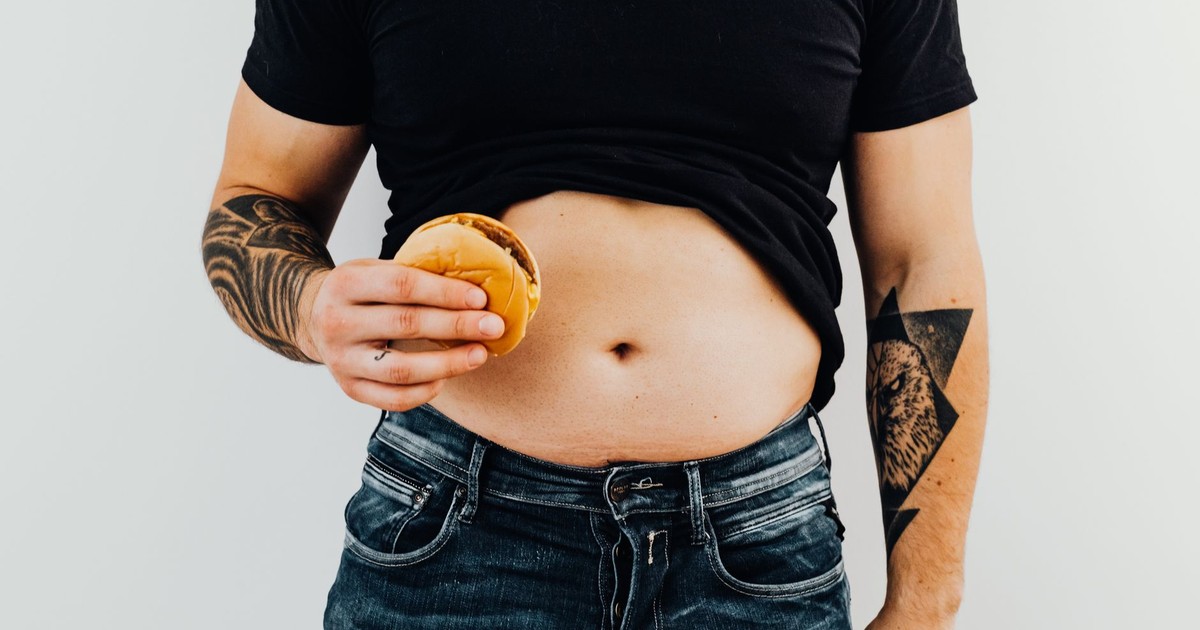

The argument that happens most often in conversations about longevity isn’t about genetics or expensive supplements. It’s about the habits so ordinary, so woven into the fabric of a regular Tuesday, that they don’t feel like choices at all.
Most people know the big ones in a vague way: sleep more, eat better, stress less. But the specifics matter enormously, and a wave of rigorous research published in 2024 and 2025 has sharpened what we actually know about which everyday habits are doing the most damage. Some of the findings are genuinely surprising. Others confirm what doctors have suspected for years but now have the data to state plainly.
The ten habits below aren’t exotic. That’s the point. They’re the defaults most people fall into without deciding to, and the habits harming longevity the most tend to be the ones that feel completely unremarkable.
1. Sitting for Most of the Day

A rigorous study published in the Journal of the American Heart Association found that older women who sat for 11.7 hours or more per day increased their risk of death by 30 percent, regardless of whether they exercised vigorously. Exercise didn’t cancel it out. The women who went to the gym but spent the rest of their waking hours in a chair were still at substantially elevated risk.
Women with 11.6 or more hours of total daily sitting time had a 57% higher risk of all-cause death and a 78% higher risk of cardiovascular disease death compared with those who sat fewer than 9.3 hours per day. Prolonged sitting slows metabolism and reduces blood flow day by day, and over years that compounds into a body less efficient at nearly everything.
The risk starts climbing at around 11 hours of sitting per day, and sitting more than 30 minutes at a time is associated with higher risk than sitting only 10 minutes at a time. Breaking up sitting time every 30 to 40 minutes, even with a short walk to the kitchen, changes the metabolic picture significantly.
2. Consistently Getting Less Than Seven Hours of Sleep
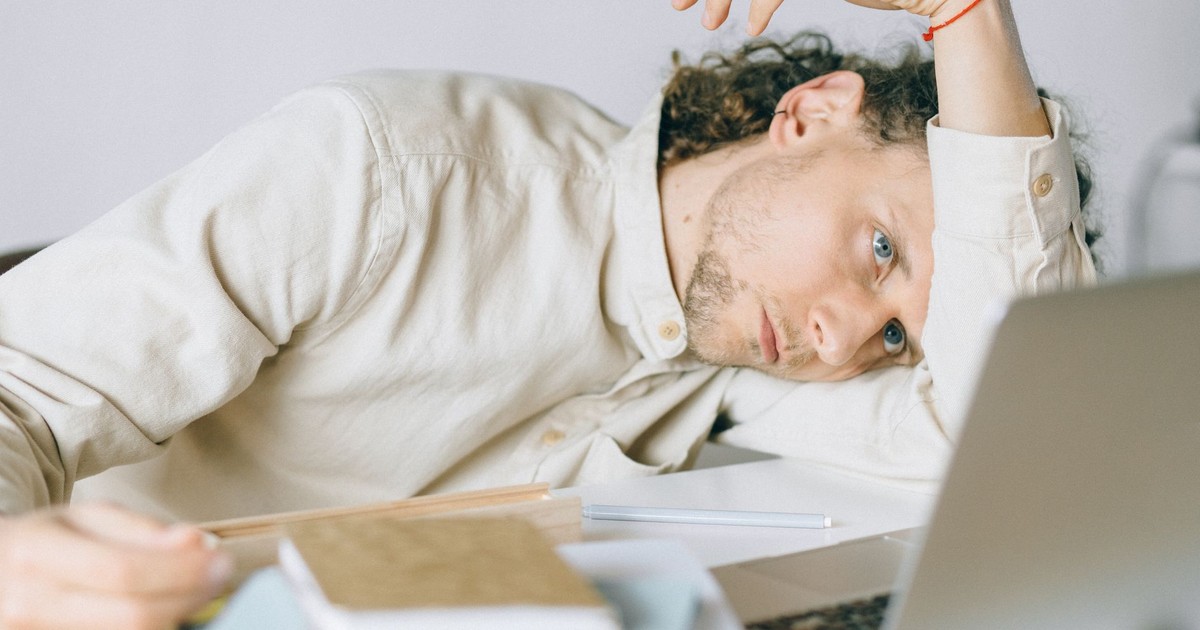
New research from Oregon Health & Science University, published in the journal SLEEP Advances, suggests that insufficient sleep may shorten your life. Researchers compared county-level data about average life expectancy with comprehensive survey data collected by the CDC between 2019 and 2025, and sleep stood out more than diet, more than exercise, more than loneliness. Among behavioral factors, only smoking was a stronger predictor of life expectancy than sleep insufficiency.
“I didn’t expect it to be so strongly correlated to life expectancy,” said senior author Andrew McHill, Ph.D. “People really should strive to get seven to nine hours of sleep if at all possible.”
Chronic sleep deprivation disrupts nearly every system in the body simultaneously: blood sugar regulation, immune response, cardiovascular repair, and hormone production. A person running on five or six hours a night isn’t just tired; they’re running a persistent low-grade physiological deficit that accumulates invisibly over decades.
3. Eating a Diet Dominated by Ultra-Processed Foods
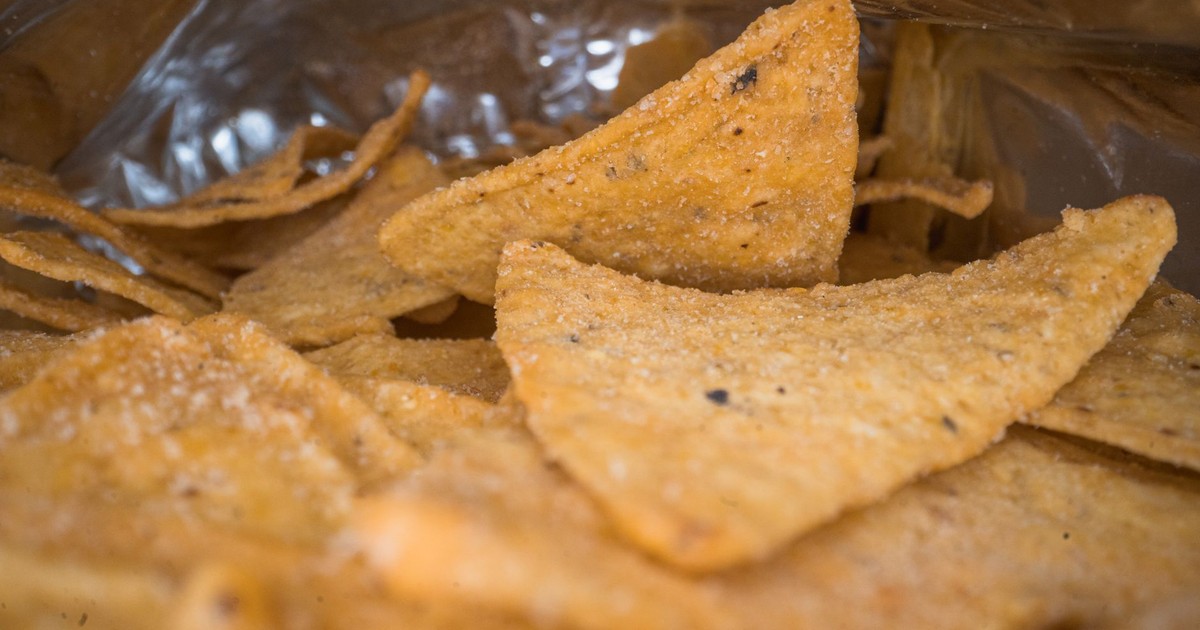
High intake of ultra-processed foods, particularly processed meats, sugary breakfast foods, and sugar- or artificially sweetened beverages, may increase risk of early death, according to a study led by researchers at Harvard T.H. Chan School of Public Health, published in The BMJ. Ultra-processed foods now account for more than 60% of daily calories in Americans, according to the study’s corresponding author.
Older adults who consumed higher amounts of ultra-processed foods were about 10% more likely to die over a median follow-up of 23 years compared with those who consumed less, based on a large study tracking over half a million U.S. adults for nearly three decades. Higher intake was associated with modest increases in deaths from any cause and from heart disease or diabetes.
Ultra-processed food isn’t just fast food and soda. It’s most packaged breakfast cereals, flavored yogurts, deli meats, chips, and store-bought bread. The Harvard researchers added a new layer to existing research by zeroing in on the health consequences of specific types of ultra-processed foods. For many households, ultra-processed options represent the path of least resistance at every meal, and that daily accumulation is exactly where the damage comes from.
4. Treating Chronic Stress as Inevitable

Chronic stress is not the same as ordinary pressure. A deadline creates acute stress that resolves. A marriage that feels like a permanent emergency, a job that never fully switches off, a financial situation with no visible exit create a stress response that stays activated for months or years. That persistent activation is the problem.
A 2024 review found that regularly experiencing stress and anxiety can increase the chance of developing conditions like heart disease, and noted this is more likely to affect women than men. Elevated cortisol over time increases blood pressure, disrupts sleep, impairs immune response, and promotes inflammation, which is now understood to be a central driver of almost every major age-related disease. None of those effects require a dramatic stressor. The ordinary, persistent grinding kind does exactly the same biological damage.
Stress management isn’t purely behavioral. For people dealing with genuine structural stressors, like a demanding caretaking role or financial precarity, the advice to “meditate more” can feel tone-deaf. Even when the source of stress can’t be removed, the body’s recovery from it can be supported. Prioritizing sleep, regular movement, and time in social connection all blunt the physiological response, a measurable benefit even when the problem itself persists.
5. Social Isolation and Treating Loneliness as a Mood, Not a Health Issue
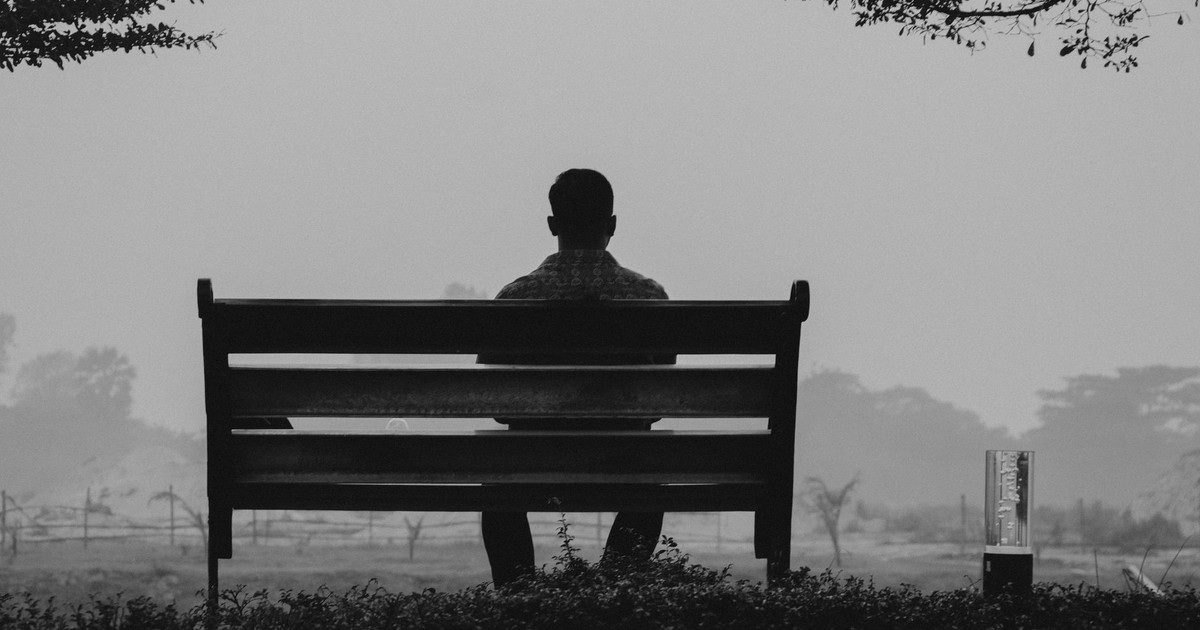
Most people know, in the abstract, that loneliness is bad for you. Few realize how precisely bad. Research cited by the National Institute on Aging has shown that social isolation is as detrimental to health as smoking 15 cigarettes a day.
Social isolation is now recognized as a modifiable risk factor for premature mortality, comparable to traditional predictors such as smoking and obesity, and studies continue to reveal its physiological toll, including elevated cortisol levels, impaired immune function, and structural brain changes. These aren’t metaphorical effects. Prolonged social isolation changes the brain’s architecture and the immune system’s function in ways that take years to accumulate and are only partially reversible.
The friendships that go from weekly dinners to a text every few months. The colleague who used to be a real confidant and is now a LinkedIn connection. Feeling lonely increases the risk for dementia by 31%, according to an analysis of data from multiple NIA-funded population-based studies. Investing in relationships isn’t soft advice. It’s one of the most evidence-backed things a person can do for their lifespan.
6. Never Building or Maintaining Muscle
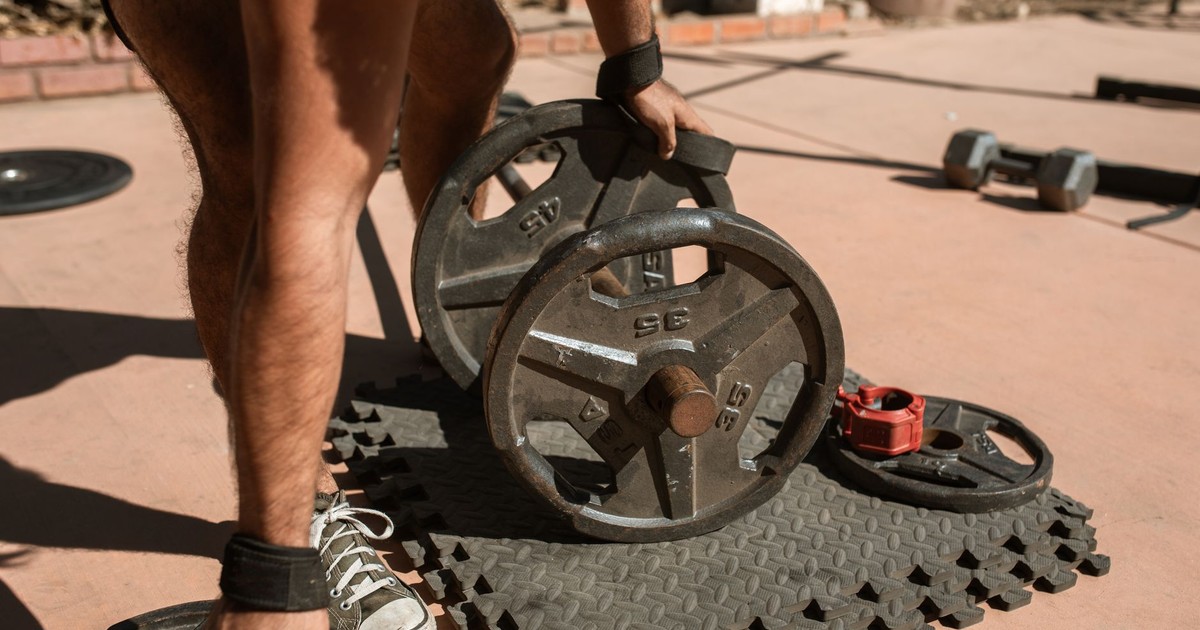
Cardiovascular exercise gets nearly all the public attention when longevity comes up, and it deserves it. But the consistent neglect of strength training is one of the habits harming longevity that rarely gets sufficient emphasis. After 30, adults begin losing muscle mass at a rate of roughly 3 to 5 percent per decade, a process called sarcopenia. After 60, the rate accelerates.
Loss of muscle mass is directly tied to falls, which are a leading cause of death and loss of independence in older adults. It’s tied to insulin resistance and type 2 diabetes, to slower recovery from illness, to reduced bone density, and to a decline in functional strength that gradually shrinks the range of activities a person can do independently. Muscle is also metabolically active tissue, meaning higher muscle mass correlates with better blood sugar regulation, better hormonal balance, and a more resilient cardiovascular system.
The research on strength training and longevity consistently shows that two sessions per week covering the major muscle groups is enough to meaningfully slow these processes. It doesn’t require a gym membership or heavy equipment. Bodyweight exercises done consistently produce real results. Two sessions a week, every week, for years is the actual target.
7. Smoking and Vaping

This one isn’t surprising, but its scale often is. Smoking remains the single lifestyle factor most strongly correlated with shorter life expectancy, the only one that, in the OHSU longevity research, ranked above even insufficient sleep. That ranking alone should reframe how serious a habit it is.
The damage from smoking is dose-dependent but also reversible to a meaningful degree. Within a year of quitting, cardiovascular risk drops substantially. Within five years, stroke risk falls to near-nonsmoker levels. Within ten to fifteen years, the risk of lung cancer roughly halves. The body’s capacity to repair itself after smoking cessation is genuinely impressive, and it operates across every decade of life. Quitting at 60 still adds years.
Vaping occupies a more complicated position. It is generally accepted that vaping is less harmful than smoking combustible cigarettes, primarily because it eliminates the tar and carbon monoxide produced by burning tobacco. But “less harmful” is not “safe.” The long-term effects of inhaling heated aerosols daily over decades remain poorly understood, and evidence of lung inflammation, cardiovascular stress, and nicotine dependence is well established. For current smokers, switching to vaping as a cessation tool has evidence behind it. Using vaping as a long-term lifestyle habit is a different calculation entirely.
8. Drinking Alcohol Daily or Near-Daily
The idea that moderate alcohol consumption is good for the heart lingered in popular health culture for decades. It was largely built on observational data that failed to adequately account for the fact that many light drinkers had previously been heavy drinkers or abstained for health reasons. When those methodological gaps were corrected, the supposed cardiovascular benefit largely evaporated.
Current research is notably more cautious. There is no established safe level of daily alcohol consumption when it comes to cancer risk, particularly for breast, colorectal, and esophageal cancers. The liver processes alcohol as a toxin, which triggers an inflammatory cascade that, repeated daily, causes cumulative damage. Daily drinking also disrupts sleep architecture. People who drink fall asleep faster but spend less time in deep, restorative sleep, which loops directly back to the longevity risks described in section two.
For the person who has a glass of wine every evening because it’s relaxing, the honest answer is that the relaxation is real but so is the cost. That doesn’t mean occasional drinking causes catastrophic harm. It means that treating alcohol as a daily health neutral is no longer supportable by the evidence, and that reducing frequency has clear, measurable benefits.
9. Screen Time in the Hour Before Sleep
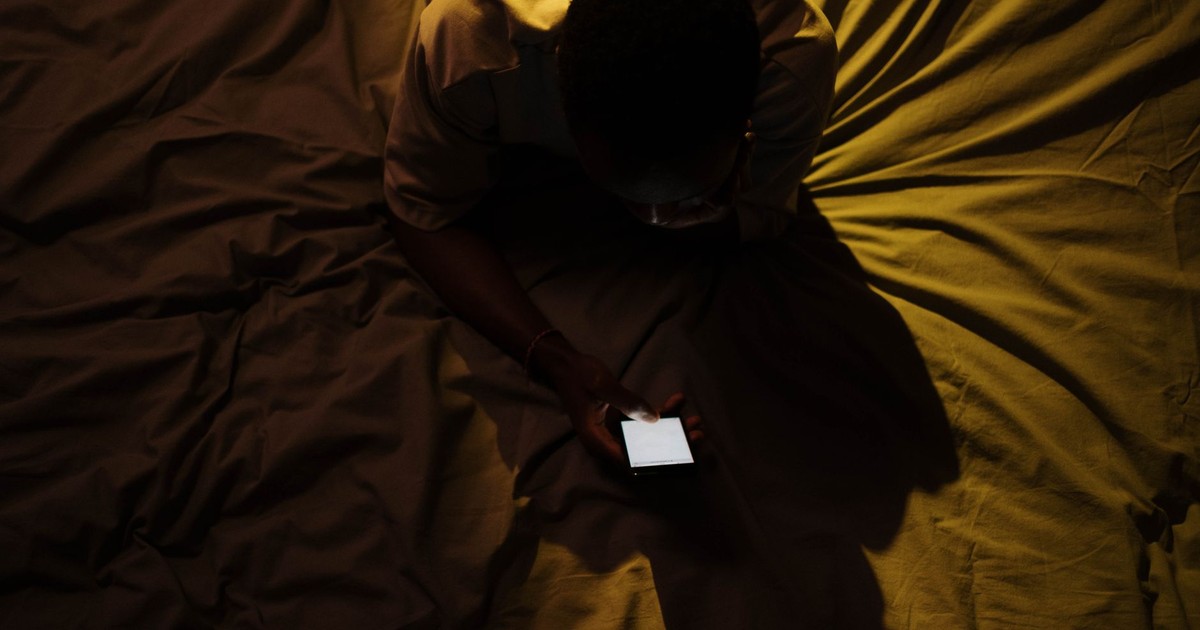
This habit sits at the intersection of sleep science and modern life in a way that makes it genuinely hard to change. The problem isn’t just the blue light from screens suppressing melatonin production, though that is real. It’s that the content people consume on phones before bed tends to be activating: news, social media, messages that require a mental response, videos that create emotional reactions. The brain doesn’t switch off cleanly after that kind of stimulation.
Many people are physically in bed but cognitively still in a state of low-level alertness, which delays the onset of deep sleep and reduces total sleep time. Given how clearly the research now links sleep to life expectancy, anything that routinely shaves 30 to 60 minutes off sleep quality deserves to be taken seriously.
The practical adjustment isn’t complicated: ending screen use 45 to 60 minutes before sleep and replacing it with something cognitively gentle, reading a physical book, having a low-key conversation, or doing nothing in particular, produces measurable improvements in sleep onset and depth within days. The difficulty is entirely about habit, not biology. The biology cooperates quickly once the stimulus is removed.
10. Skipping Sun Protection Consistently
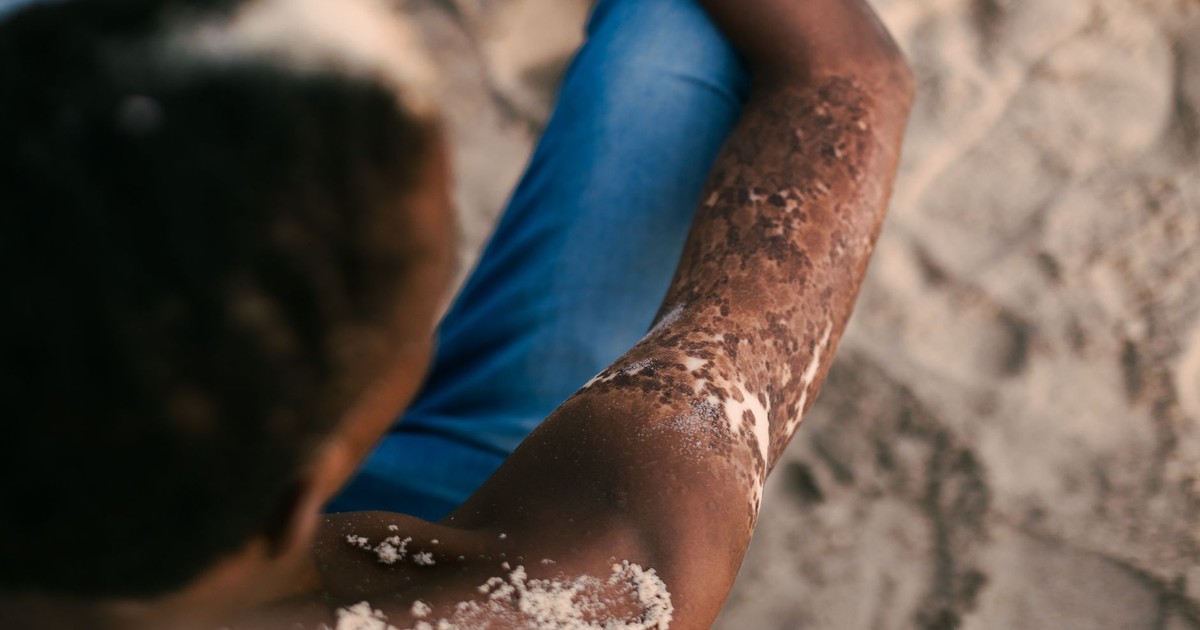
Skin cancer is the most commonly diagnosed cancer in the United States, and the habits that drive it are largely daily and cumulative. Not the occasional beach day without sunscreen but the commute, the lunchtime walk, the ten minutes waiting for the kids outside school. UV exposure accumulates across decades, and the damage done in your 30s and 40s contributes directly to skin cancers that appear in your 50s and 60s.
Melanoma, the most dangerous form of skin cancer, has a five-year survival rate above 99% when caught early and localized, but drops dramatically once it spreads. Prevention, in this case, is genuinely more valuable than early detection. Daily SPF 30 or higher on the face, neck, and hands, the areas with the highest cumulative UV exposure, is the specific, actionable habit that makes a measurable difference over a lifetime.
Most people apply sunscreen when they’re consciously going to the beach or a sunny event. They don’t think of the daily ambient UV exposure that adds up to a clinically significant dose over years. That ambient exposure is where most of the cumulative damage actually comes from.
What to Do With All of This

The list above doesn’t have a unifying theme of complexity. Every single habit on it is ordinary. That’s what makes this harder than it looks. It’s easy to make a dramatic health change once, sign up for a race, do a cleanse, read a book about nutrition. It’s harder to shift the defaults of a regular Wednesday: the desk you sit at for nine hours, the phone you scroll through at 10pm, the processed snack you grab because it’s there.
The research points to something consistent across nearly all of these habits: the damage is cumulative and slow, which means it’s invisible until it isn’t. At the county level, higher sleep insufficiency was significantly associated with lower life expectancy even when controlling for notable mortality predictors, and researchers highlighted sleep as a modifiable behavior for improved longevity. The same logic applies to sitting, to diet, to social connection. The body keeps a running account.
None of this requires a complete overhaul. Picking two or three habits from this list and shifting them consistently over the next six months will do more for longevity than almost any supplement, biohack, or expensive intervention currently on the market. The habits that harm the most are ordinary. So are the ones that help.
Disclaimer: This information is not intended to be a substitute for professional medical advice, diagnosis, or treatment and is for information only. Always seek the advice of your physician or another qualified health provider with any questions about your medical condition and/or current medication. Do not disregard professional medical advice or delay seeking advice or treatment because of something you have read here.
AI Disclaimer: This article was created with the assistance of AI tools and reviewed by a human editor.