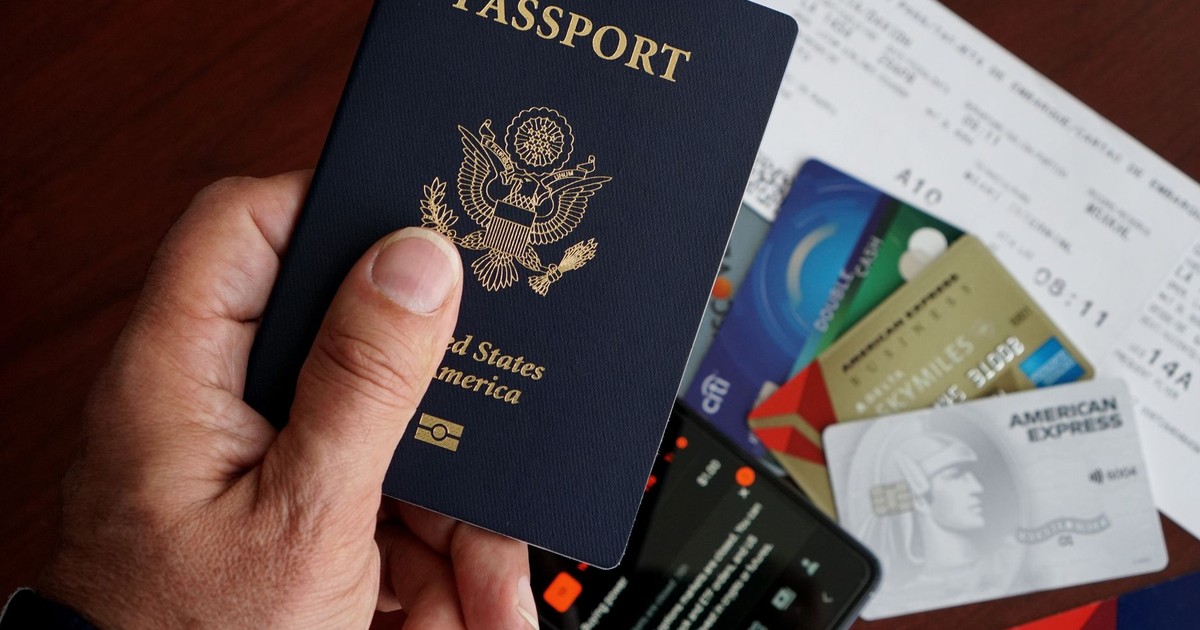

An Iranian missile and drone attack in Jordan on July 17, 2026 killed two American service members and left a third missing. Within hours, the U.S. State Department did something it reserves for moments of genuine alarm: it issued a Worldwide Caution, a global alert telling every American abroad, whether they’re in a hotel in Paris, a beach town in Costa Rica, or an office building in Singapore, to watch their backs.
The alert didn’t tell anyone to pack up and go home. But it made clear that the United States government considers the threat environment right now to be serious enough that no American, anywhere in the world, should feel insulated from it. That’s a striking thing for any government to say, and it’s worth understanding exactly what it means before you board a flight, extend a trip, or let a friend travel without knowing what’s currently in effect.
The United States is in active military conflict with Iran, U.S. diplomatic facilities outside the Middle East have already been targeted, and the advisory system’s country-level ratings have shifted more dramatically in recent months than at any point in recent years. The context surrounding this particular warning makes it different from most.
What the Worldwide Caution Actually Says

The U.S. State Department issued a worldwide travel alert for Americans abroad, citing heightened tensions in the Middle East and warning that groups supportive of Iran could target U.S. citizens and interests overseas. The global “Worldwide Caution” alert came as active fighting between the United States and Iran intensified.
The official advisory states: “The Department of State advises Americans worldwide, and especially in the Middle East, to exercise increased caution.” It adds that Americans abroad should follow guidance from their nearest U.S. embassy or consulate, that periodic airspace closures may cause travel disruptions, that U.S. diplomatic facilities including those outside the Middle East have been targeted, and that groups supportive of Iran may target other U.S. interests overseas or locations associated with the United States and Americans throughout the world.
That language is official and deliberate. It is not saying the Middle East is dangerous, which everyone already knew. It is saying the conditions created by this conflict are complex enough to affect Americans in places well beyond the immediate combat zone. If a location is visibly American, whether that’s an embassy, a chain hotel frequented by U.S. business travelers, or a well-known American cultural venue, it carries some elevated risk right now, regardless of which country it’s in.
The advisory warns that incidents could occur with little or no warning, a pattern consistent with previous periods of elevated terrorism and political violence. That is not a prediction of an imminent attack. It is a statement that if one happens, there may be no window to act on it after the fact.
The Advisory Levels Explained
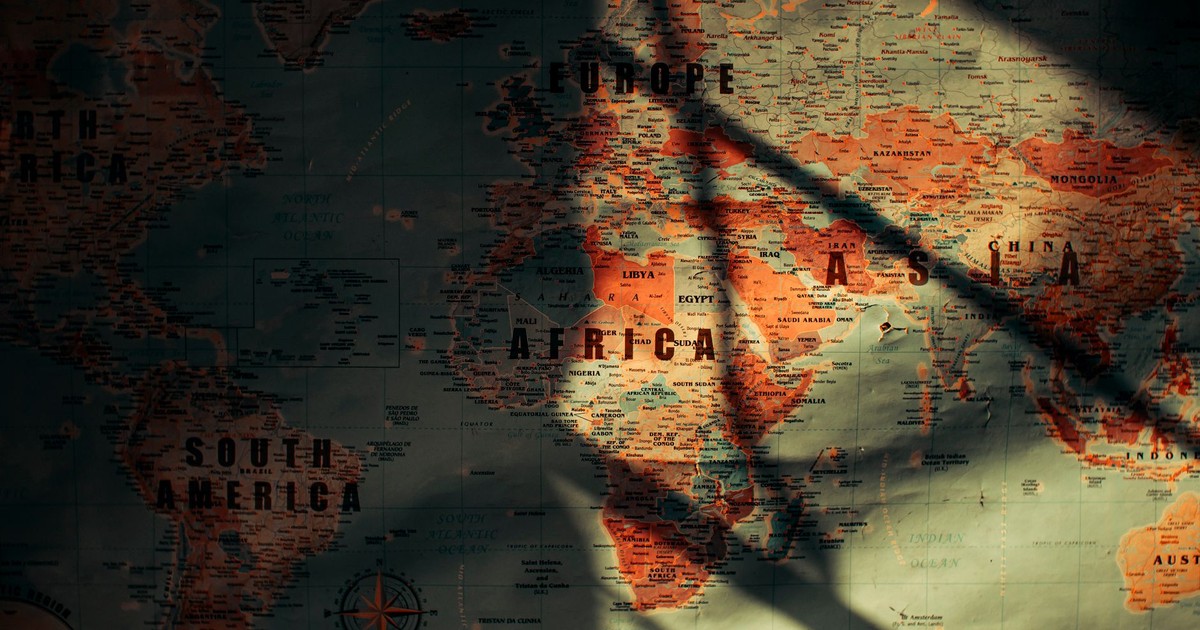
The State Department runs a four-tier system that most Americans don’t fully understand until something goes wrong. According to a 2026 advisory breakdown, a country rated Level 1 is generally safe, with normal precautions advised. Level 2 countries have increased risks to safety and security, but travel is still acceptable. Level 3 and Level 4 advisories represent serious and life-threatening risks respectively. Level 3 urges Americans to “reconsider travel,” while Level 4 declares “do not travel,” with kidnapping, civil unrest, and terrorism among the higher risks associated with those destinations.
A total of 23 countries are currently subject to the State Department’s highest travel advisory level, Level 4: “Do Not Travel.” Level 4 advisories are reserved for destinations where there are life-threatening risks to travelers or where the U.S. government’s ability to assist Americans is severely limited.
The no-go list spans active war zones and collapsed states: Ukraine, Russia, Belarus, Afghanistan, Iran, Iraq, Syria, Yemen, Lebanon, Libya, North Korea, Haiti, Burma, and a belt of the Sahel and Horn of Africa. These aren’t borderline cases. They are places where the State Department says, in plain terms, that it cannot guarantee meaningful help if something goes wrong.
The biggest shift of 2026 is the Gulf. Following the February 2026 hostilities between the United States and Iran, the State Department moved the entire region to Level 3, Reconsider Travel: Bahrain, Kuwait, Oman, Qatar, Saudi Arabia, the United Arab Emirates, and Jordan. The practical consequence is striking. Dubai and Doha, two of the busiest connecting hubs in global aviation, now sit under a formal U.S. government warning, which affects everything from corporate travel policies to trip-insurance coverage for millions of transit passengers who never intend to leave the airport.
In recent months, Cyprus was raised to Level 3 on March 3, 2026 as regional tensions spread across the eastern Mediterranean; Jamaica and Grenada were lowered to Level 2 as their security situations improved; and Niger’s Level 4 was renewed on July 9, 2026. The advisory map moves constantly, and changes don’t announce themselves to travelers who checked months ago when they booked.
What’s Happening on the Ground

The U.S. military announced that an Iranian missile and drone strike in Jordan on July 17, 2026 killed two American service members and left another missing. The strike also injured four additional service members, who have since been treated and discharged from local hospitals. The latest casualties brought the total number of American military fatalities in the conflict to 16, while more than 420 service members have been wounded.
The travel alert also came as the U.S. Embassy in Jordan warned of a “specific and credible threat” involving Aqaba’s airport and seaport, advising Americans to avoid the facilities. That kind of embassy-specific alert, targeting a named port and airport in a country not directly at war, is exactly the spillover risk the Worldwide Caution is designed to flag.
The worldwide caution also followed a separate State Department warning focused on Saudi Arabia, where Iranian-backed Houthis recently launched a ballistic missile at an airport, which was intercepted before causing damage. The State Department advises Americans to reconsider any travel to Saudi Arabia and to reconsider travel to or through the Middle East more broadly. Saudi Arabia has carried a Level 3: Reconsider Travel advisory since March, one step below the most serious warning.
Beyond direct conflict, the advisory system also tracks an Ebola outbreak affecting travel from the Democratic Republic of the Congo, Uganda, and South Sudan. U.S. citizens and nationals who have been present in those three countries within 21 days of arrival in the United States must enter through designated airports for enhanced screening.
Who Needs to Pay Attention

It would be easy to read a warning like this and assume it applies mainly to people heading to the obvious hotspots. It doesn’t. The State Department reissued its Worldwide Caution advisory warning every American abroad to exercise increased vigilance, not just those in the Middle East, after Iran killed two U.S. service members in Jordan. For the first time in this advisory cycle, the department named Iran-aligned groups as a potential threat to Americans and U.S.-associated locations anywhere in the world, a designation that matters to travelers in Europe, Asia, and beyond, not only those flying to the Gulf.
The flight disruption angle is more concrete than it might seem. American Airlines has suspended JFK-Tel Aviv and Philadelphia-Doha service through the end of 2026, with a target restart in early 2027. The State Department also warned that flight cancellations and periodic airspace closures could cause disruptions beyond the Middle East itself, including secondary delays, missed connections, and itinerary changes for travelers who never intended to go near the region.
If you booked travel insurance before these events escalated, read the fine print now rather than at the airport. Some travel insurers are updating policies to reflect that the Middle East conflict and related instability are now considered known events, which may limit coverage for newly booked trips into affected areas. Reading the war, terrorism, and civil unrest exclusion clauses matters more than ever before departure.
For Americans living abroad rather than just visiting, safety planning while overseas matters year-round, but this kind of broad warning is a prompt to revisit contingency plans. Know where your nearest U.S. embassy or consulate is. Have a way to receive emergency alerts that doesn’t depend solely on local cell service.
What the State Department Wants You to Do

The advisory comes with practical steps, not just a general warning to be careful. The Worldwide Caution urges Americans abroad to stay alert in public spaces, monitor local and U.S. government information channels, and make contingency plans for emergencies.
The 2026 alerts stress the value of blending in and avoiding predictable routines. Americans are advised to steer clear of large gatherings, demonstrations, and locations associated with government or military activity. Local news, transport updates, and airport notices can offer early warning of disruptions such as roadblocks, curfews, or transit strikes.
The advisory is a heightened-awareness alert that carries specific, actionable guidance and specific named risks. Americans abroad who need assistance can reach U.S. Consular Affairs 24 hours a day, seven days a week by calling +1-202-501-4444 from outside the United States, or +1-888-407-4747 from within the U.S. or Canada. A Worldwide Caution is not a “Do Not Travel” order and it is not a flight ban. The State Department is not telling Americans to cancel international trips; it is telling them to plan, monitor, and prepare.
The Smart Traveler Enrollment Program (STEP) is a free government service that registers your travel plans with the nearest U.S. embassy. When enrolled, the embassy can reach you with emergency alerts and, in a crisis, knows you’re in the country. Enrollment takes about ten minutes and is available through the State Department’s official travel portal.
The worldwide warning is intended less as a directive to cancel all trips and more as a call to evaluate each journey carefully and adjust personal behavior in light of local conditions. The world doesn’t shut down because the threat environment is elevated. But the calculus for borderline trips, layovers through affected regions, or extended stays in countries that have shifted advisory levels deserves a harder look right now than it did six months ago.
Read More: Planning Your Next Trip Abroad
Where Things Stand
The Worldwide Caution State Department travel warning issued this weekend is not background noise. It reflects an active military conflict between the U.S. and Iran, targeted attacks on American diplomatic facilities outside the conflict zone, a missile strike in Jordan that killed U.S. service members, and a rapidly shifting advisory map. Together, those conditions pushed the State Department to issue its broadest possible alert.
Industry observers note that the worldwide caution may lead to more selective destination choices rather than a broad retreat from global travel. Some travelers are shifting itineraries away from conflict-adjacent areas or locations under higher-level advisories while continuing to visit destinations classified at Level 1 or Level 2. That’s a reasonable response. The entire world isn’t under a Level 4 warning. Most of Europe, East Asia, and parts of Latin America remain in lower advisory tiers. But the Gulf, the broader Middle East, and countries with significant Iranian proxy activity have changed, and some of those changes happened very recently.
The most important step anyone with travel plans can take this week is go directly to travel.state.gov, look up every country in their itinerary, and read the current advisory language rather than the one they remember from when they booked. Advisories don’t announce themselves. They update, and then it’s your responsibility to have checked.
Disclaimer: This information is not intended to be a substitute for professional medical advice, diagnosis, or treatment and is for information only. Always seek the advice of your physician or another qualified health provider with any questions about your medical condition and/or current medication. Do not disregard professional medical advice or delay seeking advice or treatment because of something you have read here.
AI Disclaimer: This article was created with the assistance of AI tools and reviewed by a human editor.