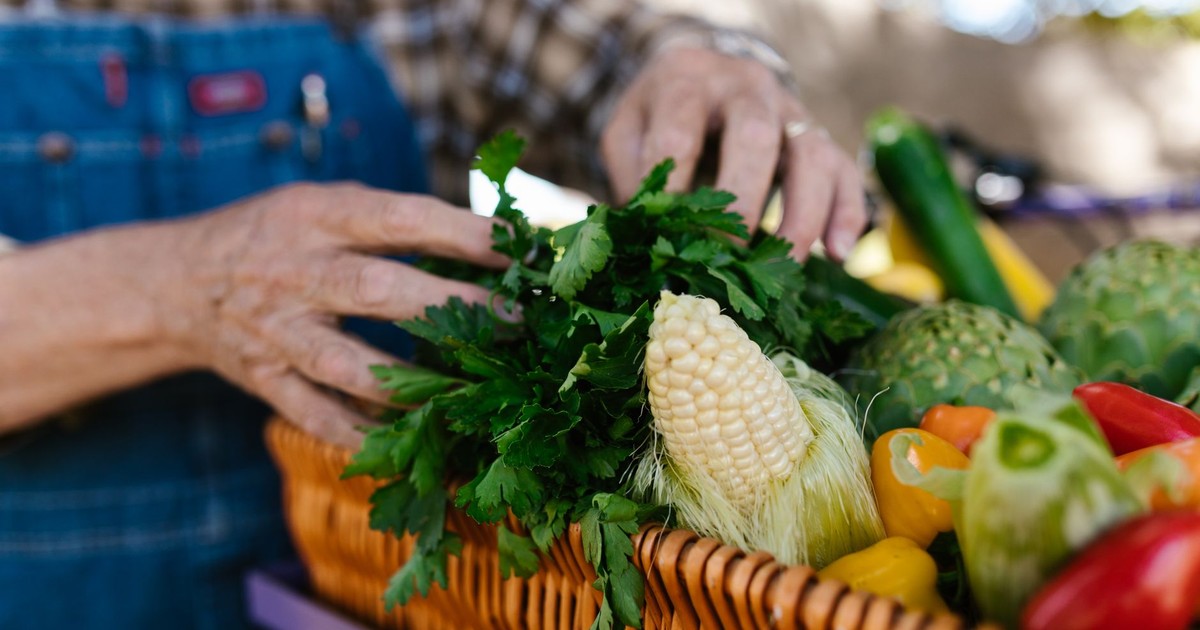

The argument for locally grown produce has always been straightforward: shorter supply chains, fewer hands, less time in transit. That logic gave farmers’ markets and backyard gardens a solid reputation for decades. But the cyclospora outbreak tearing through the US this summer has people rethinking that assumption, and the evidence for doing so is more compelling than the farmers’ market crowd wants to hear.
Cyclosporiasis, the intestinal infection caused by the cyclospora parasite, typically spreads through contaminated food, and the country is seeing an unusually high number of cases this season, along with clusters in several regions. The outbreak has sparked a very specific question that nobody seems to be answering cleanly: if the contamination is linked to fresh produce, does locally grown mean safer? The honest answer is more complicated than either side of that debate wants to admit.
Symptoms typically begin about a week after exposure and can take anywhere from two to fourteen days to appear. The most common include watery diarrhea, which can be frequent, along with loss of appetite, weight loss, bloating, nausea, and fatigue. By the time someone realizes they’re sick, they’ve already long forgotten exactly what they ate, and that’s the problem at the heart of every investigation into this parasite.
What Is Cyclospora, and Why Is It So Hard to Track?
Cyclosporiasis is acquired when you eat foods contaminated with the parasite Cyclospora cayetanensis, which infects the small intestine and causes the illness. The parasite spreads exclusively through human fecal matter. That single fact explains almost everything about how outbreaks happen: somewhere in the growing, harvesting, or processing of produce, human waste containing the parasite came into contact with food. It might be through contaminated irrigation water, unwashed hands during harvesting, or runoff from a poorly maintained waste system near a farm.
Cyclospora is a particularly challenging parasite to track. It has a much longer incubation period than most types of food poisoning, and symptoms may not appear for up to fourteen days. Confirming a diagnosis through testing and being interviewed by an epidemiologist can take weeks or longer. By that point, the person isn’t likely to remember what they ate that could have caused the symptoms. That gap between exposure and illness is why so few cases ever get definitively traced to a specific food source.
In 2025, the CDC made state reporting of cyclospora optional when it scaled back its Foodborne Diseases Active Surveillance Network. That policy change is now affecting the ability to get a clear picture of how widespread the outbreak actually is and which foods are most likely responsible.
The Scale of the 2026 Outbreak
The CDC is investigating a multistate outbreak linked to shredded iceberg lettuce served at Taco Bell locations in five states (Indiana, Kentucky, Michigan, Ohio, and West Virginia), with more than 1,644 people reporting illness and 94 hospitalizations in that cluster alone. Nationally, the agency has confirmed 1,645 domestically acquired cases and is aware of more than 5,100 additional illnesses requiring further analysis, reported across 34 states since May 1. FDA’s traceback investigation has identified a single supplier of iceberg lettuce from Mexico used by those Taco Bell locations.
After interviewing over 1,000 people infected with cyclosporiasis, Michigan’s Department of Health and Human Services identified “lettuce or salad greens” as a potential culprit but stressed that no specific type of produce, grower, or supplier has been identified as the source. Michigan reported 4,312 cases as of July 16, with 102 hospitalizations, in a state that typically records only around 50 cases of cyclosporiasis annually. Health officials recommend that residents buy whole heads of lettuce rather than pre-washed bags, discard the outer two to three layers of leaves, and wash remaining inner leaves thoroughly under clean running water. While the headlines suggest a nationwide crisis, the actual risk depends heavily on where you live: Minnesota’s Department of Health reported no increase over what it would expect for this time of year, and California saw fewer cases than over the same period in 2025.
Does Locally Grown Produce Safety Hold Up Under Scrutiny?
For most of its documented history in the US, cyclospora was considered a problem associated with imported produce: raspberries from Guatemala in the 1990s, fresh basil from Mexico, cilantro from Latin America. The working theory was that the parasite was endemic to certain tropical regions and hitched a ride north with imported goods.
In July 2019, the FDA found the first confirmed evidence of C. cayetanensis in domestically grown cilantro, related to outbreak cases. That finding changed the picture significantly. Since then, C. cayetanensis has been increasingly detected in domestic food and surface water, likely due in part to improved surveillance tools. Annual summertime outbreaks have become a regular phenomenon in the US, and cases have been linked to both imported and locally grown fresh produce.
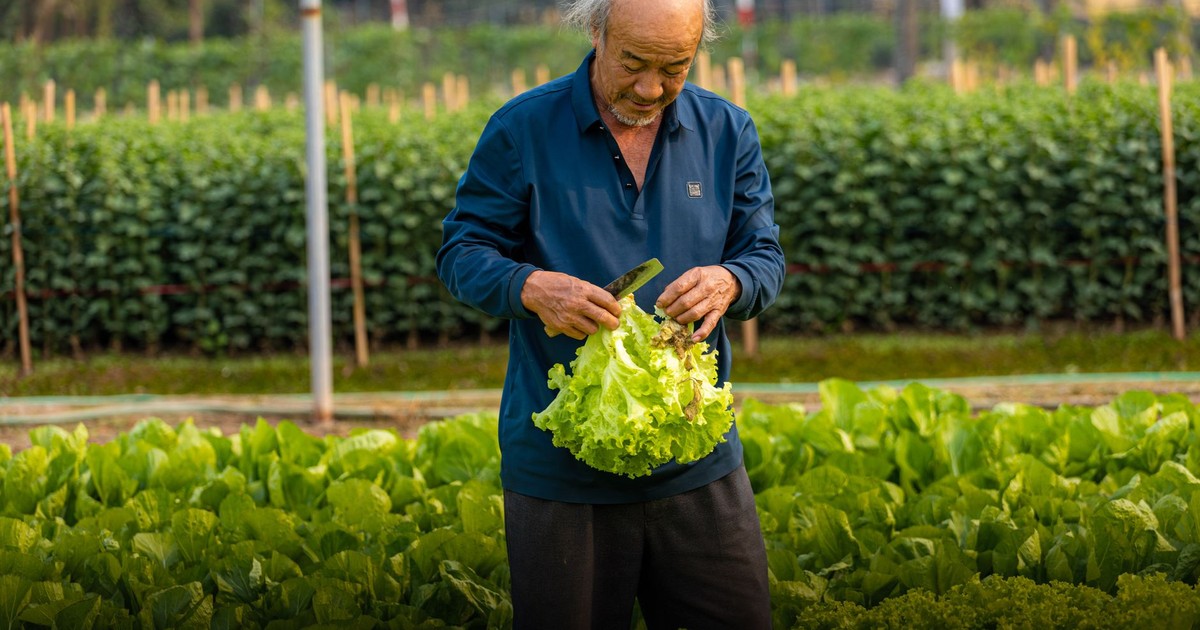
So what does that mean for the farmers’ market bag of mixed greens or the cilantro from the local farm stand down the road? According to Texas State University professor Rodney Rohde, home-grown produce and farmers’ market produce can be lower risk if produced using safe water, good sanitation, and sound agricultural practices, but they are not inherently safer than commercially grown produce. The operative word is “if.” Good water. Good sanitation. Sound practices. All of those require infrastructure that smaller farms and home growers often lack the resources to verify.
There is no way for home growers to test their soil or water for cyclospora. Unlike a commercial operation subject to FDA inspections under the Food Safety Modernization Act’s Produce Safety Rule, a backyard garden or small farm stand has no regulatory requirement to test irrigation water for the parasite. The romance of local produce is real, but it doesn’t come with a safety certificate.
Why Washing Isn’t Enough
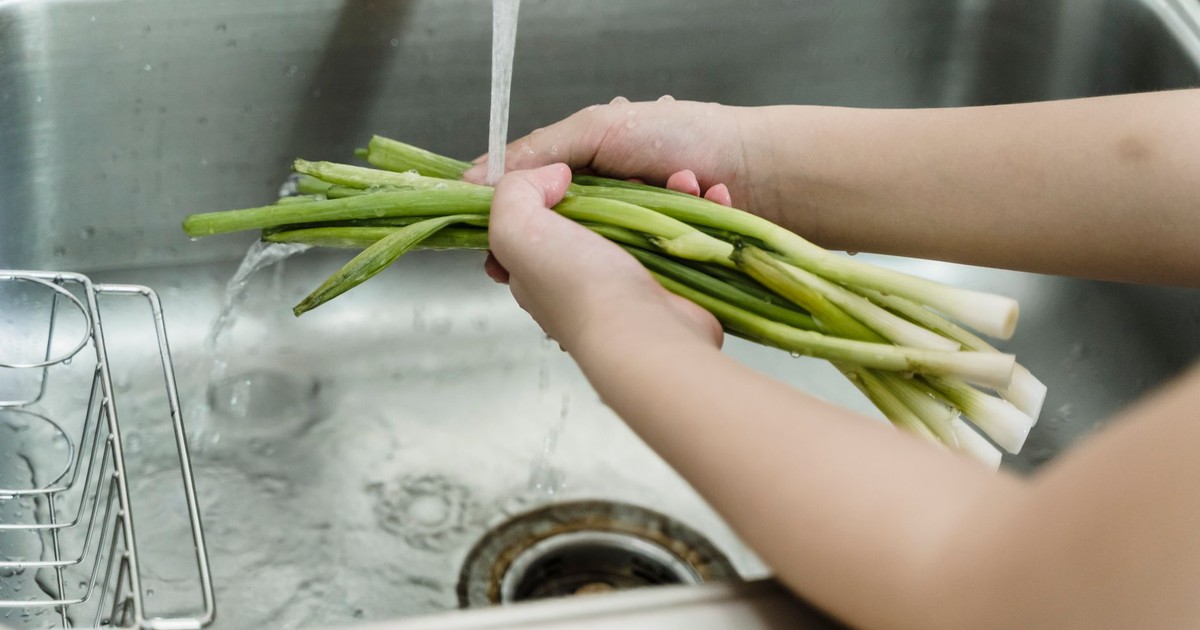
Cyclospora parasites are resistant to standard chlorine-based sanitizers. The commercial washing that bagged salads go through before reaching the store shelf doesn’t reliably eliminate the parasite. According to food safety educators at Penn State Extension, rinsing produce under clean running water is still an appropriate first step and reduces other contaminants, but cannot guarantee removal of cyclospora. The social media advice circulating during outbreaks like this one (soak your greens in vinegar, baking soda, or commercial produce wash) has no scientific basis here. None of those methods have been shown to destroy or eliminate the parasite.
The only preparation method that actually kills it is heat. Cooking food to an internal temperature of 158 degrees Fahrenheit or higher kills cyclospora, making cooked vegetables a lower-risk option than raw produce. That’s not an argument to stop eating salads, but raw, leafy greens carry a different risk profile than, say, roasted broccoli, and that risk doesn’t disappear just because the greens came from a local farm rather than a large commercial processor.
For locally grown produce safety, the practical guidance from public health experts right now focuses on structure and handling rather than origin. Health officials are warning residents and restaurants in cyclosporiasis hotspots to buy whole heads of lettuce rather than pre-washed bags, to separate and wash all cilantro and basil leaves, to trim the root end and peel the outer layer of green onions, and to gently rub snow peas and other vegetables with hands or a brush while washing them.
Produce with surfaces that are hard to clean deserves extra attention right now. The physical structure of a food (whether it has smooth, peelable skin or a porous, textured surface) matters more for risk than where it was grown. Fresh raspberries, with their exterior texture that traps particles and makes thorough washing nearly impossible, are worth being cautious about while the outbreak continues.
Who Faces the Highest Risk

People with weakened immune systems, children, and older adults face the most serious consequences from cyclosporiasis. For healthy adults, the illness is miserable but usually not life-threatening. Without treatment, symptoms can follow a relapsing course that can last from a few days to a month or longer. According to the CDC’s clinical guidance, symptoms may seem to go away and then return one or more times, which is one reason cyclosporiasis can drag on for weeks if not treated.
Researchers at the University of Minnesota’s Center for Infectious Disease Research and Policy noted that issuing very broad recommendations to avoid eating fresh produce “potentially creates more harm than good” when the source of the outbreak remains unknown, since the vast majority of fresh produce items people encounter are not the source. For people with compromised immune systems, though, infectious disease experts say avoiding fresh produce entirely until a specific source is identified may be the safer call. The illness is most commonly treated with Bactrim, an antibiotic. If you develop prolonged watery diarrhea in the coming weeks, especially after eating raw greens, mention the cyclospora outbreak to your doctor. Standard stool testing doesn’t automatically screen for this parasite (it requires a specific test, and you may need to ask for it by name).
Read More: 10 Everyday Products Being Regulated Right Now in the U.S.
The Part Nobody Wants to Say Out Loud
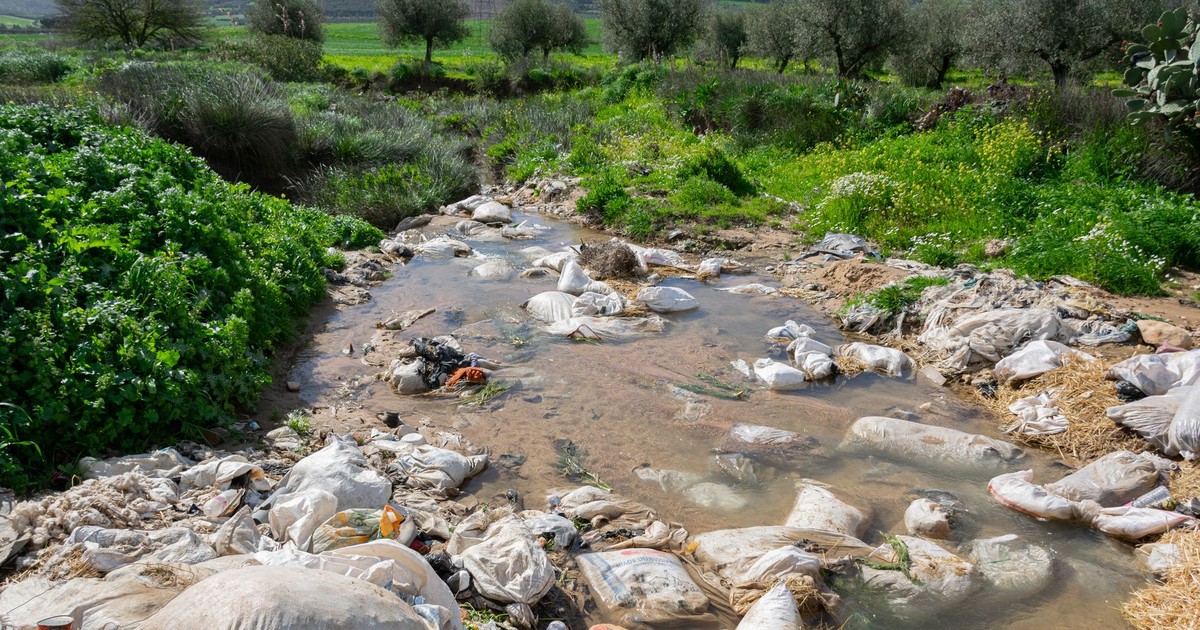
Origin alone doesn’t protect you from cyclospora. The parasite doesn’t care whether it contaminated a thousand-acre operation in California or a small plot twenty minutes outside your city. What matters is whether human waste came into contact with what you’re eating and whether the water that touched your food was clean. The “local equals safe” logic was always somewhat wishful. Local produce can be safer (if grown and handled with rigorous water and sanitation controls) but that safety comes from practices, not proximity.
Previous outbreaks have been linked to imported fresh produce, including bagged salads, leafy greens, fresh basil, fresh cilantro, and raspberries. The 2026 outbreak source is still unconfirmed, which reflects just how genuinely difficult cyclospora is to trace and how the weakening of surveillance infrastructure in 2025 has compounded that challenge. None of this means you should stop eating vegetables. Whole fruits and vegetables, including leafy greens, remain an important part of a healthy diet and should not be abandoned entirely. Buy whole heads instead of pre-cut bags. Wash under running water while rubbing the surface. Peel where you can. Cook what you can. And if you’re in Michigan, Ohio, West Virginia, Kentucky, or Indiana right now, go especially easy on the raw leafy greens until investigators confirm a source.
The outbreak will likely continue through August, which is when the annual cyclospora season traditionally ends. That gives you a few weeks to be thoughtful about this without rearranging your entire diet. Know the symptoms, cook more of your vegetables, and don’t assume that where something was grown tells you everything about whether it’s safe.
Disclaimer: This information is not intended to be a substitute for professional medical advice, diagnosis, or treatment and is for information only. Always seek the advice of your physician or another qualified health provider with any questions about your medical condition and/or current medication. Do not disregard professional medical advice or delay seeking advice or treatment because of something you have read here.
AI Disclaimer: This article was created with the assistance of AI tools and reviewed by a human editor.