

The consumer products industry entered 2026 facing a rapidly shifting legal and regulatory environment, with pressure arriving simultaneously from federal agencies, state legislatures, and a public that has grown more skeptical of what goes into everyday goods. Some of these changes are federal mandates. Many others are state-level bans spreading product category by product category across the country.
Here are 10 categories of regulated consumer goods facing significant regulatory changes in the United States right now.
1. Nonstick Cookware

Few household items have attracted more sustained regulatory attention than nonstick pans. PFAS, also known as “forever chemicals,” do not break down naturally, can accumulate over time, are toxic at small levels, and are found in a wide range of consumer products, including cookware.
Six states — Colorado, Connecticut, Maine, Minnesota, Vermont, and Washington — implemented new PFAS restrictions on January 1, 2026, targeting a wide range of consumer products, with cookware among the most commonly targeted categories. Maine’s measures prohibit PFAS in cleaning products, cookware, cosmetics, and juvenile products, alongside existing limits on food packaging where safer alternatives exist. Colorado and Vermont implemented comparable restrictions on the same date.
Most cookware sold in PFAS-restricted states is now ceramic-coated, stainless steel, cast iron, or carbon steel. If you’ve noticed more ceramic pans on the shelves at your local store, this is why. In 2025, nearly 350 PFAS bills were introduced across 39 states.
2. Synthetic Food Dyes
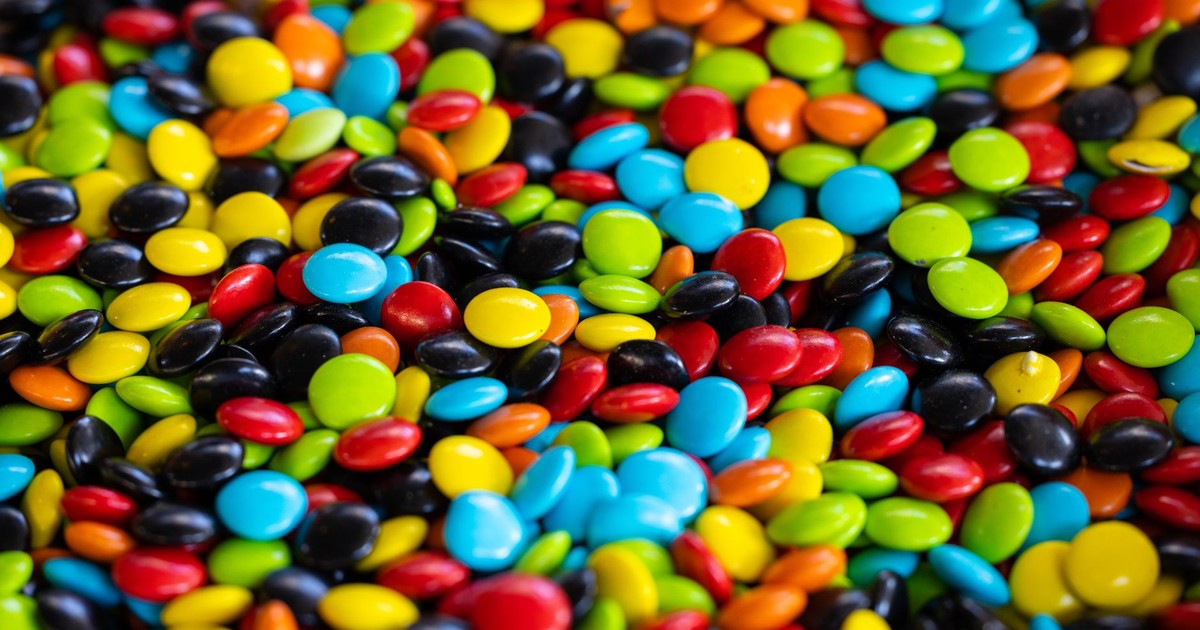
The bright red of maraschino cherries, the electric orange of cheese puffs, the vivid blue of sports drinks trace back to petroleum-based synthetic dyes that have been in the U.S. food supply for decades. On January 15, 2025, the U.S. Food and Drug Administration issued an order revoking the authorization for the use of FD&C Red No. 3 in foods, including dietary supplements, and in ingested drugs.
On April 22, 2025, the U.S. Department of Health and Human Services and the FDA announced a national initiative to phase out petroleum-based food dyes from the American food supply, working closely with food manufacturers, retailers, and trade associations to eliminate six remaining certified color additives frequently used in the food supply, including Red 40, Yellow 5, Yellow 6, Blue 1, Blue 2, and Green 3, by the end of 2027. At the state level, California, West Virginia, and Utah have already enacted laws targeting food dyes, and more than 37 states introduced related legislation in 2025.
Tyson Foods committed to eliminating synthetic dyes by the end of May 2025. In-N-Out Burger announced in May 2025 it had removed artificial colors like Yellow 5 and Red 40 from its pink lemonade and strawberry syrup. The International Dairy Foods Association pledged to remove seven artificial food dyes from products by 2028, representing over 90% of U.S. ice cream sales. The federal phase-out is technically voluntary for the six remaining dyes, but states are already enforcing their own bans, and if you’re selling across state lines, you’ll need to comply with the strictest rules.
3. Flavored Vaping Products

The U.S. vaping market in 2026 is defined by a growing patchwork of state restrictions. Flavored e-cigarettes are the focal point, treated by regulators at every level as a youth access problem wrapped in a candy-flavored package.
California, Massachusetts, New York, and New Jersey ban all flavored e-cigarettes, including menthol. Rhode Island bans most flavored products, with menthol and tobacco flavors remaining available. California’s ban, effective January 1, 2025, now includes online sales and nicotine analogs. At the same time, the federal regulatory process through the FDA’s premarket authorization system continues to deny or ignore applications from manufacturers of flavored vaping products, effectively keeping most of them off the market in states where sales are legal.
Pennsylvania’s Act 57 of 2025 has become one of the most important new vape compliance rules in 2026, establishing a directory for electronic nicotine delivery system products and requiring manufacturers to be certified with the Pennsylvania Office of Attorney General. For retailers and wholesalers, purchasing from certified manufacturers and checking the official directory will be essential. Products not appearing on the directory may be subject to seizure after enforcement deadlines. More states are expected to follow this registry model, which effectively controls the market without issuing an outright ban.
4. Food Packaging Containing PFAS
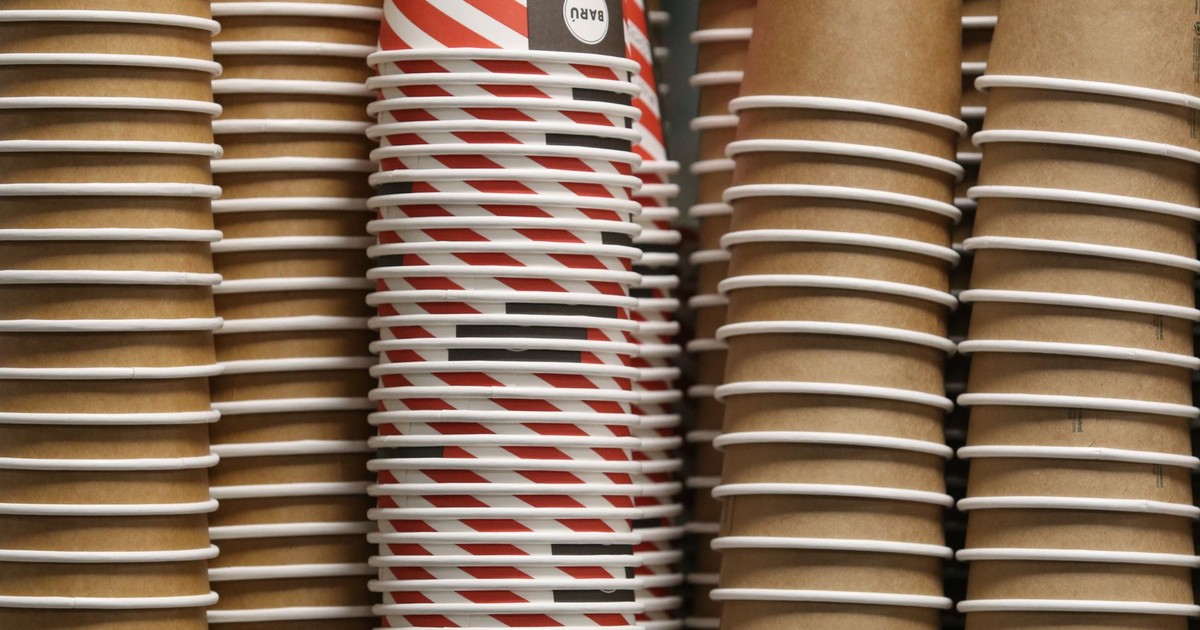
The same forever chemicals showing up in cookware have spent decades in another kitchen staple: food packaging. Microwave popcorn bags, fast food wrappers, pizza boxes, and take-out containers have all relied on PFAS-based coatings to resist grease and moisture. Multiple states now ban PFAS in paper food packaging, with more set to follow in 2027.
According to Morgan Lewis, as public attention regarding PFAS in consumer products continues to grow and prompts further legislative and regulatory action, companies that manufacture, distribute, or sell products containing PFAS must navigate a patchwork of prohibitions and requirements as they work to comply with state laws. The packaging around fast food, microwave meals, and takeout is being redesigned under regulatory pressure.
Read More: Products That You Can Buy For Way Less Online Than In a Store
5. Cosmetics and Personal Care Products

The U.S. cosmetics industry operated for decades under federal oversight so limited that the FDA had almost no power to recall unsafe products. The Modernization of Cosmetics Regulation Act, passed in 2022, changed the foundation of that system. But the PFAS bans specifically are hitting this category hardest right now.
Safer States reports that while many of the new laws continue to target certain consumer product categories, including cosmetics, textiles, apparel, cookware, household cleaning products, and products for children, an increasing number of states are regulating broader categories of products. Foundations, mascaras, lipsticks, and waterproof sunscreens have all used PFAS for their water-resistant or long-wear properties. On January 12, 2026, New Jersey enacted the “Protecting Against Forever Chemicals Act,” which prohibits intentionally added PFAS in carpets, cookware, cosmetics, and food packaging beginning January 2028.
The cosmetics PFAS ban is now live in multiple states and expanding. Bans on consumer products are spreading to include cookware, cosmetics, cleaning products, dental floss, and food packaging in states like Kansas, Missouri, and Ohio. Shoppers who buy cosmetics in Maine, Minnesota, Colorado, or Vermont are already living in a market where the PFAS-containing formulas of two years ago have been reformulated or pulled from shelves.
6. Cleaning Products
Household cleaning sprays, degreasers, stain removers, and fabric treatments have long relied on PFAS for their cleaning performance, particularly for products marketed as cutting through grease. In Maine, a broad ban on unnecessary uses of PFAS is taking effect across products such as clothing, cleaning products, cookware, dental floss, children’s products, food packaging, menstrual products, personal care products, ski wax, and textiles.
Colorado restricted PFAS in artificial turf, cookware, carpeting, cleaning products, menstrual products, dental floss, and ski wax as of January 1, 2026. Vermont implemented similar restrictions on the same date. The result for brands that sell nationally: either reformulate the product for the entire country or manage separate regional SKUs (stock-keeping units, meaning different product versions) for restricted and unrestricted states.
Each year for the past four years, approximately 200 PFAS-related bills have been introduced in state legislatures, and that trend is expected to continue. For the cleaning products category, the regulatory pressure will not plateau in 2026. The states currently introducing bills targeting cleaning products include Kansas, Missouri, and Ohio, which would push compliance pressure into new regions of the country where these rules have so far been absent.
7. Dental Floss

PFAS-coated floss, often marketed as “glide” or smooth-finish varieties, delivers a measurable dose of forever chemicals directly to the gum tissue, which absorbs substances efficiently. Researchers have been raising this concern since at least 2019, and new laws are now arriving in response.
New Mexico Governor Michelle Lujan Grisham signed a comprehensive PFAS ban banning the sale of cookware, food packaging, dental floss, juvenile products, and firefighting foam containing intentionally added PFAS, beginning in 2027. Minnesota and Colorado have enacted similar restrictions. Kansas is moving to prohibit the sale of cookware, food packaging, and dental flosses containing intentionally added PFAS, beginning in 2027, and to prohibit the sale of cosmetics and cleaning products containing intentionally added PFAS beginning in 2028.
The PFAS coating in these products is applied to reduce friction and allow the floss to slide between tight teeth more easily. Natural alternatives, including uncoated silk floss and plant-based wax coatings, have been available for years, but they represent a small fraction of the market. Brands selling into multiple states now face either a full reformulation or the prospect of pulling certain products from an increasing number of shelves.
8. Children’s Products and Juvenile Goods

Car seats, strollers, changing pads, high chair cushions, and play mats occupy a category regulators have moved on especially quickly, given that infants and toddlers spend hours in contact with these items and are more physiologically vulnerable to chemical exposure. The U.S. Consumer Product Safety Commission is pursuing aggressive action against importers and manufacturers in this space, while state-level PFAS bans have made children’s products one of the most targeted categories in the country.
Minnesota’s requirement for manufacturers to report their use of PFAS in products sold into the state begins in July 2026. This requirement is the broadest forever chemicals disclosure in the world and should yield information on uses of these chemicals that were previously unknown. Knowing where PFAS are present is the prerequisite to banning them, and Minnesota’s reporting mandate is designed to flush out uses of the chemical in products where manufacturers had not previously been required to disclose it.
Oregon’s Toxic-Free Kids Act, building on earlier reporting required in Washington and Vermont, expands disclosure of toxic chemicals in children’s products to include more specific requirements to report on the brand and model of product containing chemicals of concern. Parents shopping for nursery furniture or baby gear in the states covered by these laws are already benefiting from a narrowed market where the most concerning products are legally off the table.
9. Synthetic Food Packaging Materials (Polystyrene and Bisphenols)

Beyond PFAS, two other chemical categories in food contact materials are under active regulatory pressure: polystyrene (the plastic in foam cups and take-out containers) and bisphenols, a family of chemicals that includes BPA, the compound that triggered a major consumer movement to “BPA-free” products years ago. The chemicals manufacturers switched to, including BPS and BPF, are now drawing scrutiny of their own.
California’s ban on all bisphenols in children’s feeding products is taking effect in 2026, targeting bottles, sippy cups, and other items used by young children. Oregon’s ban on polystyrene in food packaging is being implemented alongside these restrictions. Michigan’s requirement for filtered water refill stations in schools and New Jersey’s law requiring reusable utensils for dine-in service, with disposable utensils only upon request, shift norms around plastic waste and promote reuse.
The polystyrene bans matter because the material is found in far more than take-out containers. Disposable coffee cups, meat trays, egg cartons, and packaging inserts all use it. For food service businesses operating across state lines, figuring out which packaging is compliant in which jurisdiction has become a genuine operational challenge. Extended producer responsibility statutes in states such as California, Oregon, Maine, and Minnesota shift recycling cost burdens to producers and impose complex reporting duties through producer responsibility organizations, adding another layer of financial and compliance pressure on packaging manufacturers.
10. Recyclable Packaging Claims

This last category is less about chemical content than about honesty. The chasing-arrows symbol (three arrows in a triangle on the bottom of a container) has told American consumers for decades that a product can be recycled. The California recyclability law takes effect for products manufactured after October 4, 2026. Any packaging that displays the chasing arrows, a recyclability statement, or a direction to recycle makes a deceptive claim under the statute unless the material routinely becomes feedstock for new products.
The law sets out specific criteria for what actually qualifies. To qualify for recyclability labeling, packaging must clear three hurdles: recycling programs serving at least 60% of California’s population must collect the material; facilities serving at least 60% of those programs must sort and process the material into feedstock; and manufacturers must actually use the material to produce new products or packaging. CalRecycle’s data show that most uncoated paper-based materials clear these thresholds, while plastic films, multi-material laminates, and complex composites generally fail.
Most plastic packaging that currently carries the recycling symbol doesn’t actually get recycled. California’s law makes putting that symbol on packaging a deceptive act if the material doesn’t genuinely cycle back into new products. Given California’s market size, the practical effect will reach manufacturers selling nationally, most of whom won’t design separate packaging for one state.
What’s Actually Driving All of This

The sheer breadth of products on this list, from frying pans to floss to the recycling symbol on a container, reflects a shift that has been building for years and accelerated sharply in 2025 and 2026. Federal agencies that were largely passive on chemical safety for consumer goods have become more active. The states that grew impatient waiting for federal action built a regulatory infrastructure of their own, one that now covers enough of the U.S. market to effectively set national standards even when Washington hasn’t moved.
Manufacturers selling into the U.S. market now have to track restrictions in roughly 30 different jurisdictions, each with slightly different definitions, exemptions, and reporting requirements. That complexity is the reason many companies are simply reformulating for the entire country rather than maintaining regional versions of the same product. The market is being cleaned up faster than most people realize, not through a single sweeping federal law, but through the accumulated weight of dozens of overlapping state and federal actions. The products on your shelves in 2027 will be measurably different from what was there in 2022.