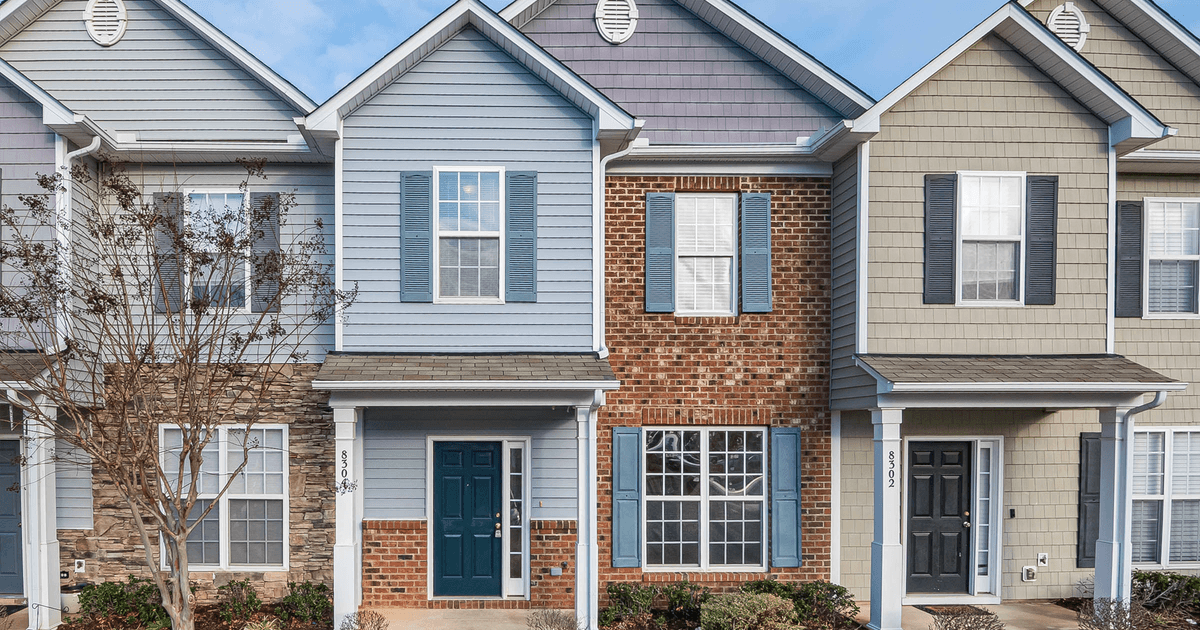

The national median home price crossed $400,000 and kept climbing. In Cleveland, the typical household earns more than the income required to afford a median-priced home, a distinction that fewer than a dozen major U.S. metros can claim. In New York, buyers need over $200,000 in annual income to cover the same mortgage calculation. Those two facts, drawn from the same analysis in 2026, explain why Americans are heading somewhere they used to leave.
The Midwest has been the butt of the “flyover country” joke for decades. People who spent their thirties grinding in Los Angeles or squeezing into overpriced Brooklyn apartments are showing up in Cleveland and Indianapolis and Des Moines and realizing they can actually afford a house with a yard. Not a starter condo. A house with a yard.
The shift is accelerating. More Americans are moving away from coastal areas and toward the Midwest as the national cost of living continues to climb.
What Makes The Midwest Affordable

A 2026 Census Bureau report found that the Midwest is the only region in the country where every state saw population growth from July 2024 to July 2025. After experiencing population decline in 2021 and small growth in 2022, the Midwest’s population grew solidly in 2023 (by 259,938), 2024 (by 386,231), and 2025 (by 244,385). From July 2024 through June 2025, the Midwest also saw positive net domestic migration for the first time this decade. For years, the story was people leaving. The trend has shifted.
A May 2026 Redfin analysis of the 96 largest U.S. metros ranked cities by the share of active listings affordable to a household earning the area’s typical income, counting a home as within reach if its monthly cost came to no more than 30% of median earnings, with a 20% down payment and a 30-year mortgage. Detroit leads that ranking, with the typical local spending just 24% of their income on housing, compared to 36% nationwide. According to Redfin data, the typical American homebuyer is now spending nearly 40% of their income on monthly housing payments, well above what financial advisors consider sustainable.
St. Louis’s cost advantage extends well beyond housing. The city’s overall cost of living runs 11% below the national average, and individual spending categories (housing, healthcare, everyday errands, and entertainment) fall anywhere from 7% to 21% below national norms. A reduced mortgage payment arrives alongside cheaper daily expenses, stretching every earned dollar further. Cleveland tells a similar story: according to a May 2026 Redfin report, Cleveland is among the handful of U.S. metros where the typical household earns more than the income required to afford a median-priced home. Compare that to New York, where the same calculation requires over $200,000.
The Cities Doing the Heavy Lifting

The Midwest’s affordability isn’t evenly distributed. Knowing which cities offer the strongest combination of low costs and economic opportunity matters more than knowing the regional average.
Joliet, Illinois ranks as one of the most affordable cities in the Midwest, with a cost of living below the national average while households earn more than the national median income. Situated 35 miles outside Chicago, it offers proximity to one of the country’s great cities without the price tag that comes with actually living there.
Indianapolis sits in a similar sweet spot. The capital of Indiana ranks among the most affordable cities in the Midwest, with below-average costs across all categories, but housing and healthcare stand out as particularly cheap. Its economy is anchored by major employers including Eli Lilly, Elevance Health, and Corteva. That’s not a shrinking Rust Belt city propped up by its low prices, it’s a functioning economy with real career infrastructure.
Des Moines makes a strong case for Iowa more broadly. Home prices in Des Moines run more than 40% lower than the national average, and Iowa’s cost-of-living index sits around 88.5, with Des Moines, Cedar Rapids, and Iowa City all offering urban amenities while maintaining costs far below coastal cities.
Wichita, Kansas tends to get overlooked. Housing costs in Wichita run more than 33% lower than the national average, making it one of the most affordable cities in the U.S. The city’s economy is anchored in aviation, manufacturing, and military sectors, with major employers including Textron Aviation and McConnell Air Force Base.
Springfield, Illinois offers historical character alongside genuine savings. The cost of living in Springfield runs 12% lower than the national average, and housing costs are 24% lower, making it relatively easy to live well there on a modest income.
Who Is Actually Making the Move

Housing costs in the Midwest can be at least 30% cheaper than in major coastal metros like New York City or Los Angeles, and that gap is reshaping where younger buyers even bother looking. Seven out of the 10 most accessible metros for young homeowners are in the Midwest, according to a ConsumerAffairs analysis of Census Bureau and FFIEC figures published in July 2025. Omaha ranked among the highest for young homebuyers, with 18.2% of homeowners under 35 years old, followed closely by Grand Rapids at 21.1% and Des Moines at 19.8%.
For a generation that was told homeownership was out of reach, those numbers reframe the conversation. Several Gen Z buyers, especially remote workers and young professionals, are leaving higher-cost areas like Florida for more affordable housing. One real estate agent working in the Ohio market said, “For many, it’s not just about cheaper homes, but about being able to build wealth earlier without drowning in overhead.”
After years of population loss, the Midwest’s domestic migration turned positive for the first time this decade between July 2024 and June 2025. Ohio’s net domestic migration went from -32,482 in 2021 to a positive 11,926 in 2025. Michigan moved from -28,290 to a positive 1,796 over the same period. Those aren’t small corrections, they represent a structural reversal in where people are choosing to land.
One couple from Los Angeles who moved to Cleveland before having their first child described the feeling plainly. “Moving here was kind of like an exhale, like we suddenly felt like it wasn’t so stressful to live,” Lauren Silverman said in an interview. In Ohio, not only were the houses more affordable, but there was “a lot more house for the money.”
That’s the psychological release a cost-of-living index can’t fully capture. It’s not just that costs are lower. It’s the relief of a budget that isn’t constantly under pressure.
Why Prices Are Still Low, and For How Long
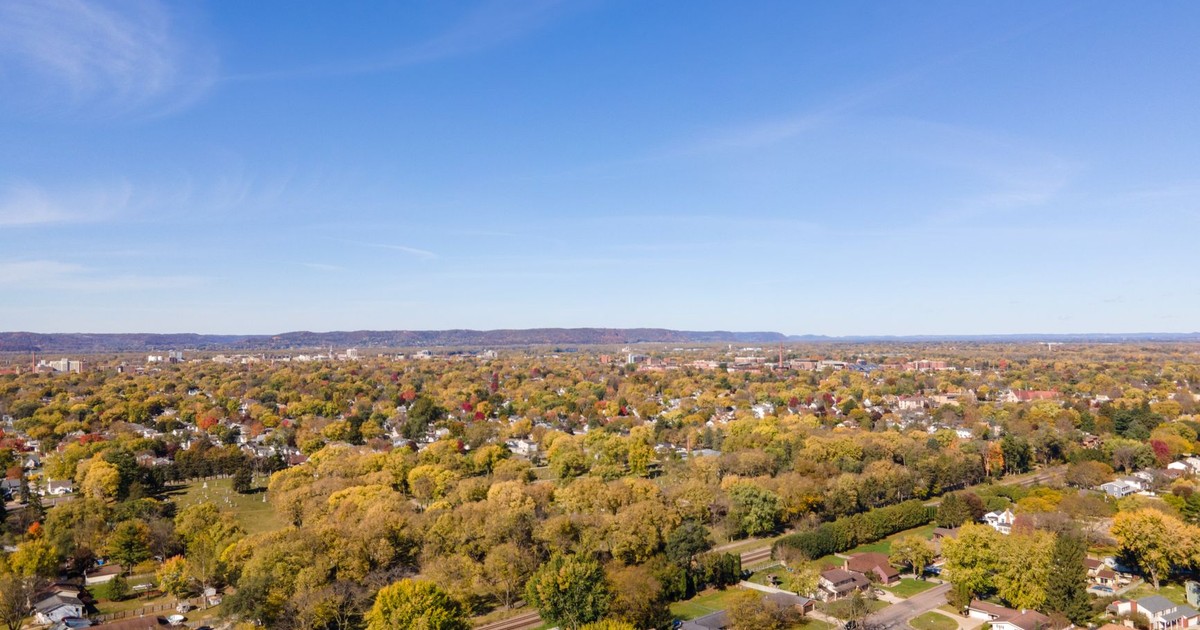
The Midwest and Northeast are home to a majority of the cheapest housing markets in the U.S., with most clustered around the Great Lakes. These areas remain relatively affordable in large part because of their economic past. Decades of industrial decline from the 1960s through the 2010s dampened home values and slowed population growth, earning many of these cities the “Rust Belt” label.
Those decades of stagnation produced a housing stock that was never bid up to match coastal demand. Land was available. Infrastructure was solid. Mid-century American manufacturing left behind spacious homes at prices that seem almost fictional to anyone who’s opened Zillow in San Francisco or Boston recently.
As affordability has become strained nationwide, homebuyers have begun flocking to these once-overlooked metros in search of lower-cost options. Demand has surged and revitalization has followed. Pittsburgh and Cleveland are the clearest examples. But with demand rising against a limited and aging housing supply, prices are now climbing faster than the national average in most of these markets. The affordability advantage that attracted buyers is slowly being eroded by the buyers it attracted.
What the Midwest Offers Beyond the Price Tag

A region’s affordability only holds long-term value if the underlying quality of life supports it. Low housing costs in a place with stagnant wages and deteriorating public services is a trap, not an opportunity. The Midwest, at its best, avoids that.
Six of the 10 hottest neighborhoods in the U.S. for 2026 are in the Midwest, according to a Redfin analysis covered by Fortune in May 2026. The Midwest has become a more attractive place to plant roots, given that housing costs there can be at least 30% cheaper than in major coastal metros. A $240,000 home means something different when the local economy supports a higher household income versus a more modest one, and Midwest metros have generally maintained that gap in buyers’ favor.
Indiana’s economy centers on advanced manufacturing, pharmaceuticals through Eli Lilly’s headquarters, medical devices, and logistics. Iowa benefits from agricultural technology, financial services, and renewable energy. In Omaha, Fortune 500 companies including Union Pacific, Kiewit, Mutual of Omaha, and Berkshire Hathaway are all headquartered nearby.
The Window Won’t Stay Open Forever

The data makes a strong case, but the decision is personal in ways a cost-of-living index can’t account for. Proximity to aging parents, climate, cultural amenities, career trajectory, all of it matters. But if the question is whether the Midwest can deliver a financially sustainable life with room to save, invest, and build equity, the answer in 2026 is clearly yes.
Timing sharpens that answer. The National Association of Realtors reported in May 2026 that home prices remained “relatively affordable” in the Midwest compared to other regions, even as national prices rose. NAR Chief Economist Lawrence Yun noted that gains in the Midwest were “particularly solid,” driven by real demand, not speculation. That’s a different kind of price growth than what happened on the coasts. It reflects buyers moving in and staying, not investors flipping.
That distinction matters because it tells you something about durability. The Midwest cities doing this well (Indianapolis, Cleveland, Des Moines, St. Louis, Joliet, Wichita) aren’t hidden anymore. They’re drawing real people making permanent decisions. Prices will keep rising as more of those decisions get made. The markets that looked cheap in 2023 look less cheap today, and the ones that look like deals in 2026 will look different again in two or three years.
Disclaimer: This information is not intended to be a substitute for professional medical advice, diagnosis, or treatment and is for information only. Always seek the advice of your physician or another qualified health provider with any questions about your medical condition and/or current medication. Do not disregard professional medical advice or delay seeking advice or treatment because of something you have read here.
AI Disclaimer: This article was created with the assistance of AI tools and reviewed by a human editor.