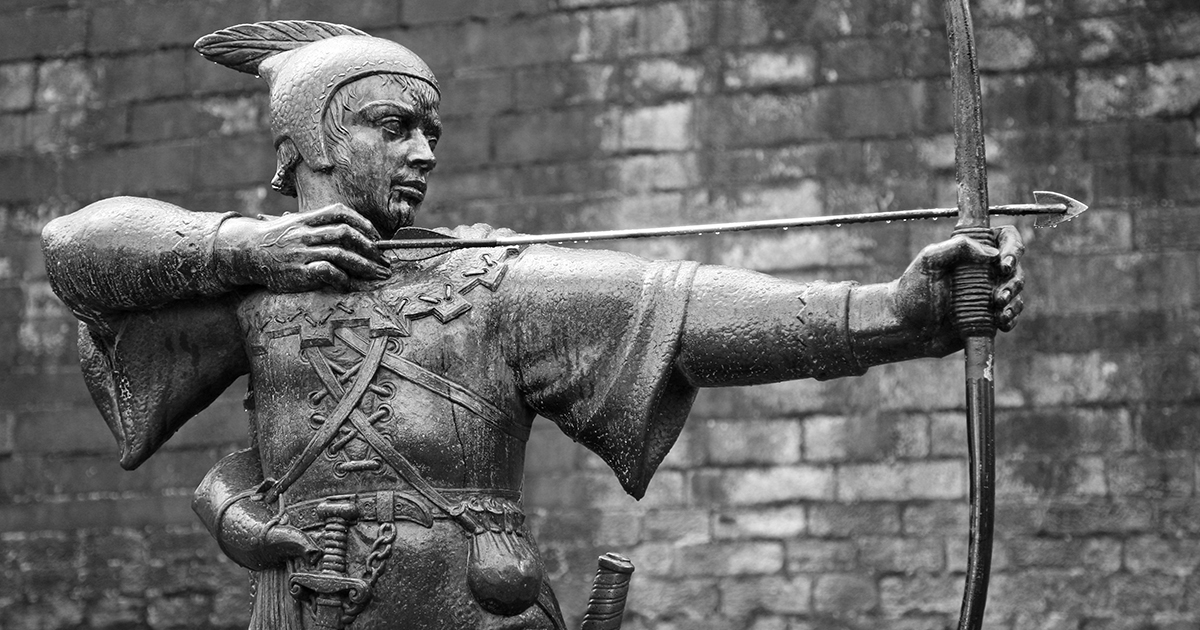

The outlaws history remembers most fondly are the ones who made someone powerful very uncomfortable. Not the highwaymen who simply robbed travelers, but the ones who stole livestock from a lord who had already stolen their land, or who burned a tax collector’s records before the ink dried. The ones the poor hid in their barns, the ones songs were still being written about a century after their deaths.
Each of the eleven people on this list was ordinary by birth, dropped into a world where the rules existed to benefit someone else. Some were driven by fury over personal injustice. Others were ground down by poverty and a system that treated them as disposable. A few were both. None of them were saints. Each of them, at some point, decided they had nothing left to lose by refusing to cooperate, and each of them is still being talked about because they were right. When historical outlaws defied their crowns and empires, it cost them almost everything.
The crowns they challenged, the estates they raided, the armies they outwitted: none of these stories ended cleanly. But they all started the same way, with someone ordinary looking at an unjust arrangement and deciding that the arrangement had to go.
1. Ned Kelly (Australia, c. 1854/1855 – 1880)
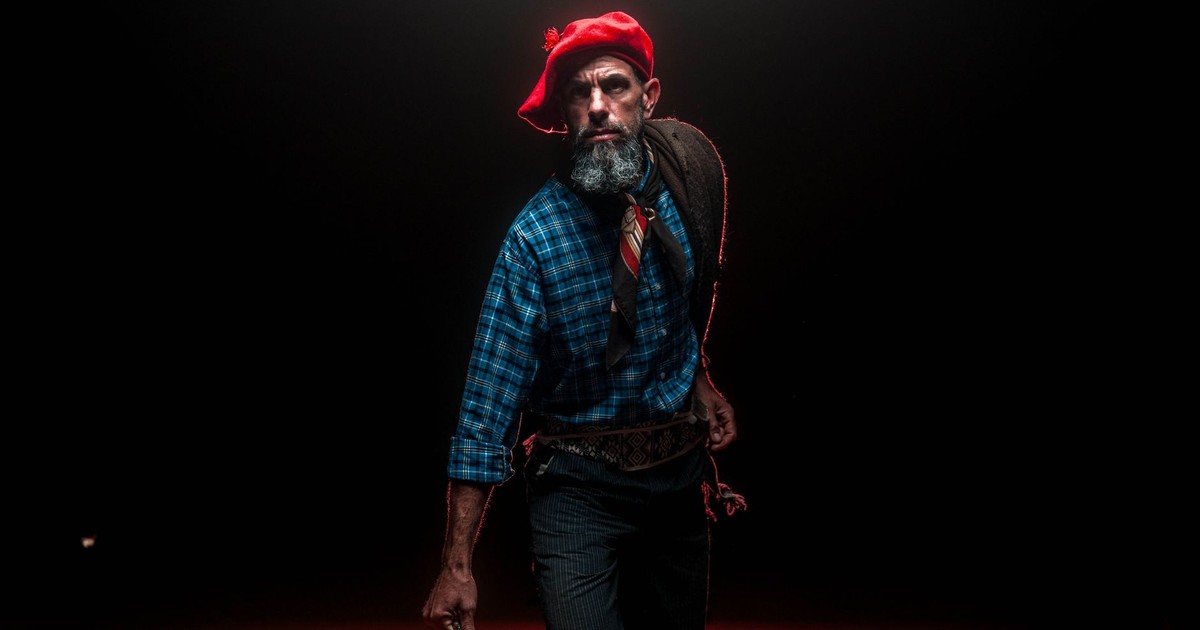
Ned Kelly was the most famous of the bushrangers, the Australian rural outlaws of the 19th century. He was born in colonial Victoria to an Irish convict family, and his childhood was defined by grinding institutional harassment. Kelly’s father, a transported convict, died in 1866, leaving Kelly, aged 12, as the eldest male of the household. The family were poor selectors scratching a living from the land, convinced, with considerable evidence, that the Victoria Police served wealthy squatters before it served people like them.
The spiral toward outlawry began in April 1878, when a police constable came to arrest his brother. Kelly attacked Constable Fitzpatrick, who was wounded by a pistol shot, and warrants were issued for both brothers. Kelly and three companions fled into the bush. When police tracked them to Stringybark Creek, the gang ambushed the police camp and found two of the four policemen standing around a fire. The gang drew their guns. McIntyre surrendered, but when the other two policemen returned the gang shot them. From this moment on, the four men were officially outlaws: the notorious Kelly Gang.
In February 1879 he dictated the Jerilderie Letter, an approximately 8,000-word manifesto addressed to the Victorian Premier, laying out his grievances against the police and the colonial system. Kelly cast himself as a victim of police persecution and a champion of the oppressed Irish selectors. The gang also robbed two country banks without firing a shot. Kelly’s final stand at Glenrowan in June 1880, wearing homemade bulletproof armor hammered from ploughshares, became one of the most mythologized moments in Australian history. Despite thousands of supporters petitioning for his reprieve, Kelly was tried for murder, convicted, and hanged at Melbourne Gaol. His exact birth date is disputed, with historical evidence pointing most likely to late 1854, placing him in his mid-twenties at the time of his execution. After his execution, investigations into the police force found widespread misconduct, and many law enforcers lost their positions as a result.
2. Rob Roy MacGregor (Scotland, 1671 – 1734)

Rob Roy’s reputation as a Scottish Robin Hood was exaggerated in Sir Walter Scott’s 1817 novel and in passages from Wordsworth, but the real man was complicated and considerably more dangerous than Scott’s portrait suggests. The story at the center of the legend, a man betrayed by a powerful nobleman who spent years making that nobleman’s life miserable, was grounded in genuine events.
Late in 1711, Rob Roy borrowed £1,000 from the Duke of Montrose to purchase cattle for the following year’s market. His head drover then purchased the cattle, sold them on, and disappeared with the funds. Rob Roy returned from an unsuccessful search to find he had been bankrupted and outlawed by the Duke of Montrose, his lands seized and his family evicted. In return, he mounted a sustained campaign of thieving and lawlessness against Montrose, including kidnapping the Duke’s factor along with over £3,000 in rent money the factor was carrying at the time.
National Museums Scotland notes that MacGregor was born in Glengyle in 1671 and became known as the “Scottish Robin Hood.” The MacGregor clan had faced sustained legal persecution for generations: during the reign of James VI, the MacGregors were forced to survive by thieving, their name outlawed, their children unable to be christened as MacGregors, and their clan forbidden from carrying arms or gathering in groups of more than four. Rob Roy’s defiance wasn’t just personal revenge on Montrose; it was the continuation of a clan’s centuries-long refusal to disappear. He was eventually arrested in 1722 but pardoned five years later by George I, saved at the last moment from being transported to Barbados. He died at his home in Balquhidder at the age of 63. His gravestone reads, defiantly, “MacGregor Despite Them.”
3. Pancho Villa (Mexico, 1878 – 1923)
Doroteo Arango Arámbula was born in 1878 in the state of Durango, Mexico. His father worked as a hired hand on a hacienda and died when Doroteo was still a child. At age 16, he attacked and injured a young overseer from the hacienda who had tried to rape his sister, then fled to the mountains, joined a gang of cattle rustlers, and changed his name to Francisco “Pancho” Villa to evade the authorities. He spent years as an outlaw in the Sierra Madre, gaining a reputation for stealing from the wealthy and distributing food and goods to the poor.
Villa’s transformation from outlaw to revolutionary general is one of history’s more dramatic pivots. When the Mexican Revolution erupted in 1910 against the dictatorship of Porfirio Díaz, Villa threw his bandit network behind the revolutionary cause. He took command of the División del Norte (Northern Division), which grew from 3,000 men to 30,000 combatants and played a central role in the most decisive battles of the revolution between 1913 and 1914. His forces seized hacienda lands from wealthy elites and distributed resources to displaced communities in the territories they controlled.
National Geographic puts the division plainly: to his admirers, Villa was the “Mexican Robin Hood” who robbed the rich to give to the poor before becoming a social-minded revolutionary and talented military general. To his critics, he was a bandit, a cattle rustler, and a cold-blooded killer who attached himself to revolutionary ideology without genuine conviction. He was assassinated in 1923. His remains now rest in the Monument to the Revolution in Mexico City, an official acknowledgment that arrived decades late, and is still argued over.
4. Joaquín Murrieta (California, c. 1829 – 1853)
The facts of his life are few and elusive, and much of what is widely known about him comes from a legend assembled and polished over decades. Murrieta emerged in California during the Gold Rush of the early 1850s, a period when the Treaty of Guadalupe Hidalgo had just transferred former Mexican territory to the United States, and newly arrived Anglo miners were systematically pushing Mexican and Chicano settlers off land they had worked for years. New laws, including the Foreign Miners Act of 1850, made it nearly impossible for Mexicans and Chicanos to compete in the gold fields.
The legend holds that Murrieta came to California as a miner, that Anglo outlaws attacked his family, murdered his wife, and flogged him publicly, and that this sent him toward vengeance. Stories spread of him returning stolen gold to poor Mexican communities and targeting those who exploited them. Whether those stories are history or myth, he became America’s most famous Latino outlaw. Britannica records that in 1853 a group of California Rangers commanded by Harry Love confronted a gang allegedly led by Murrieta and beheaded a Mexican whom they claimed was Murrieta, preserving his head in a jar. Whether the man in the jar was actually Murrieta was disputed at the time and has never been conclusively settled. His legend was the direct inspiration for Zorro: Johnston McCulley reworked his story in 1919 as The Curse of Capistrano, giving his masked swordsman the Murrieta connection. For Mexican Americans, the unresolved question of his death has never undermined his position as a symbol of resistance to Anglo dispossession, because that symbolic role was never dependent on a confirmed death certificate.
5. Emiliano Zapata (Mexico, 1879 – 1919)
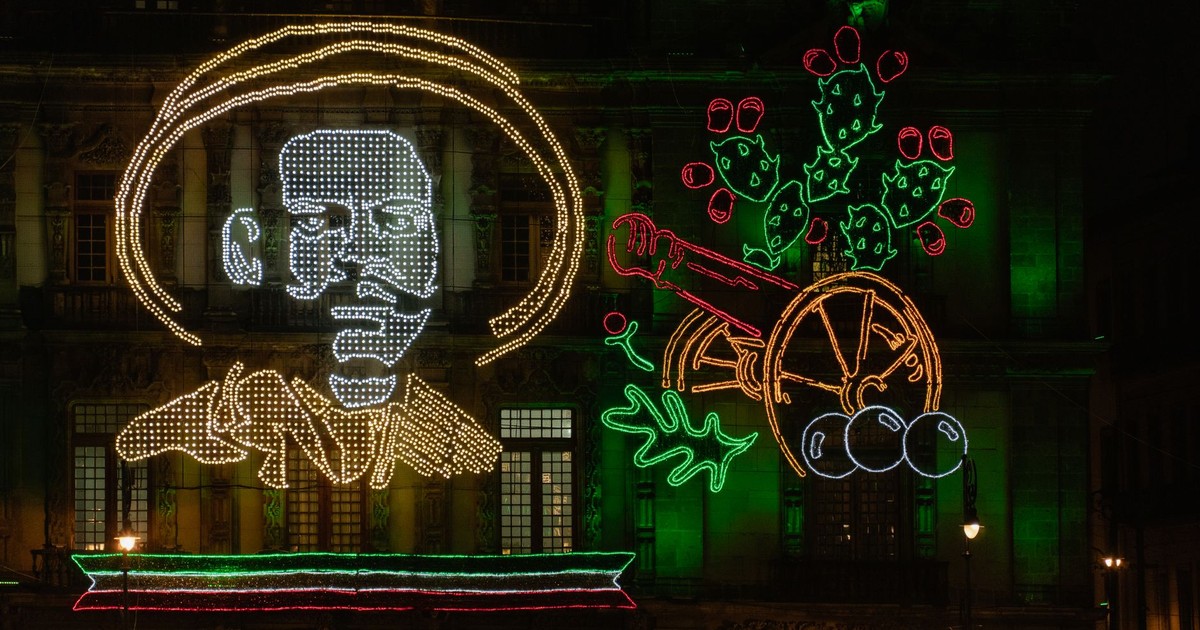
Pancho Villa built his power through speed and improvisation. Emiliano Zapata built his through principle and stayed put. Born in 1879 in the state of Morelos to a mestizo farming family, Zapata grew up watching sugar plantation owners encroach on the communal land that villages in Morelos had farmed for generations. He was elected leader of his village’s land defense effort as a young man, and when President Porfirio Díaz’s government consistently sided with the hacendados, Zapata concluded that legal channels were designed to fail the people using them.
In 1911 he issued the Plan de Ayala, a revolutionary document demanding the immediate redistribution of land stolen from Mexico’s rural communities. His rallying cry, “Tierra y Libertad” (Land and Liberty), became one of the most enduring slogans in Latin American political history. Zapata’s forces controlled much of Morelos for years, and in the territory he held, he did what most revolutionary leaders only talked about: he returned stolen land to the villages. His army was funded not by wealthy backers or foreign interests but by the farmers whose land he was fighting to recover. When he and Villa rode together into Mexico City in 1914, a photograph was taken of the two men in the presidential palace. Zapata reportedly refused to sit in the presidential chair, saying it was something to be burned. He was assassinated in April 1919, lured into a trap by a rival general. More than a century later, the Zapatista movement in Chiapas still carries his name.
6. Jesse James (United States, 1847 – 1882)

The Robin Hood reputation attached to Jesse James was mostly invented, but the conditions that made it plausible were real. James was born in Missouri in 1847, the son of a Baptist minister, and grew up in a border state where the Civil War was fought not just between armies but between neighbors. At 16, he joined Confederate guerrilla forces under William Quantrill and “Bloody Bill” Anderson, irregular fighters who were hanged when captured and gave no quarter in return. After the South’s surrender, former Confederate guerrillas in Missouri faced a justice system controlled by their enemies, and James and his brother Frank found the door to legitimate life shut before they’d had a chance to knock on it.
The James-Younger Gang’s bank and train robberies between 1866 and 1882 were framed by sympathetic newspapers, particularly the Kansas City Times, as acts of resistance against Reconstruction-era Northern capitalists. Editor John Newman Edwards openly romanticized James as a dispossessed Southern hero striking back at Yankee railroads. The reality was grittier: the gang killed bystanders, robbed banks used by ordinary farmers as much as plutocrats, and kept the proceeds. James never distributed stolen money to the poor in any documented sense. What he did do was evade capture for sixteen years with the help of a rural network of supporters who saw him as one of their own. He was shot in the back of the head on April 3, 1882, by Robert Ford, a gang member who had arranged a deal with the Missouri governor. James was 34. His funeral drew thousands.
7. Ching Shih (China, c. 1775 – 1844)
Most outlaw stories are about men. Ching Shih’s story is a pointed reminder that defying established power was never a male monopoly. Born around 1775, she worked in a floating brothel in Canton harbor before marrying the pirate commander Zheng Yi in 1801. When her husband died in 1807, she didn’t step aside. She took command of the Red Flag Fleet herself, an act so audacious that the Chinese imperial government needed years to figure out how to respond.
At the height of her power, Ching Shih commanded roughly 1,800 vessels and over 80,000 sailors, making her fleet larger than most national navies of the era. She governed with a strict code: rules on the treatment of captured women, regulations on looting, a structured system for distributing spoils. Any sailor who violated her code faced execution. The Qing dynasty sent fleets to defeat her, failed repeatedly, and eventually offered her a peace settlement she effectively dictated herself. She retired in 1810, keeping her wealth and her ships, and lived to 69, dying of old age, which was not the ending most people who built empires by defying emperors managed.
8. Lampião (Brazil, 1897 – 1938)
Virgulino Ferreira da Silva, known as Lampião, was the most feared outlaw in the history of Brazil’s northeastern sertão, a brutal, drought-ridden backland where wealth was concentrated in the hands of a few coronéis (local strongmen) and the poor worked the land in conditions barely distinguishable from the slavery abolished in 1888. Born in 1897 in Pernambuco, his family was caught up in a blood feud with a rival clan backed by local police. When his father was killed in a confrontation with those police, Lampião took to the outlaw trail at around age 18.
For the next two decades, he led a band of cangaceiros, roving bandits simultaneously feared by the poor and celebrated as avengers of the oppressed. His raids on towns and fazendas (estates) across Pernambuco, Bahia, Ceará, and Sergipe made him both a living legend and a genuine terror. He was known for violence that could tip into cruelty, but also for sparing the poor during raids while targeting the property of wealthy landowners and corrupt officials. Peasants sheltered his band, passed information about police movements, and sang ballads about him in the same breath that they thanked the saints. Brazilian governments deployed thousands of soldiers against him for years. He was killed in an ambush in 1938, his head removed and displayed publicly, an act of official brutality that shocked the country and confirmed, for his admirers, exactly what kind of state they were dealing with.
9. Boudica (Britain, died c. 60 – 61 CE)
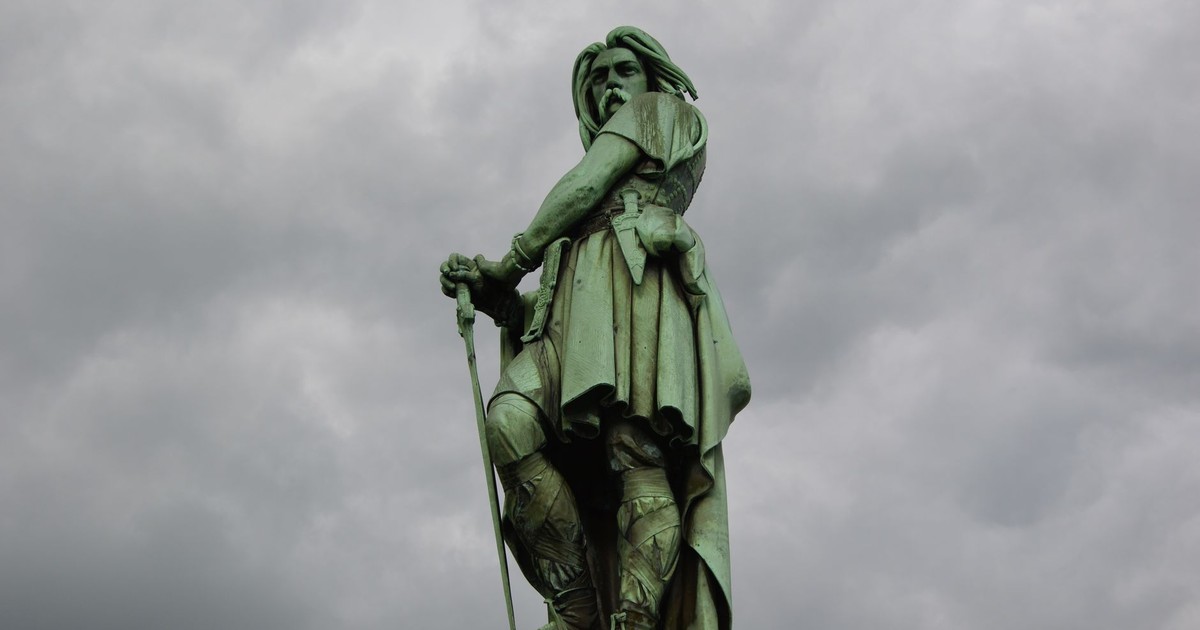
In 60 CE, a widow stood up to the Roman Empire. The Romans had conquered Britain in 43 CE, and the Iceni tribe of what is now Norfolk had negotiated a semi-autonomous arrangement under their king, Prasutagus. When Prasutagus died, he left his kingdom jointly to Rome and his two daughters. The Romans ignored the will entirely. According to the Roman historian Tacitus, they seized Iceni territory as conquered land, flogged Boudica, and assaulted her daughters. The response they provoked was not submissive compliance.
Boudica rallied not just the Iceni but neighboring tribes who had their own grievances against Roman occupation. Her forces burned Camulodunum (Colchester), Londinium (London), and Verulamium (St. Albans), three of the most important Roman settlements in Britain. Roman historians estimated her army at 230,000, almost certainly an exaggeration, but the scale of destruction was real. Two Roman legions were routed. The Roman governor Gaius Suetonius Paulinus was forced to abandon London. The eventual Roman victory in a final pitched battle came only after Boudica had demonstrated that a farmer-warrior queen from East Anglia could bring the world’s most powerful empire to the edge of losing its most valuable northern province. She died either in battle or by her own hand. The Romans chose not to record it clearly, which, in its way, says everything.
10. William Wallace (Scotland, c. 1270 – 1305)
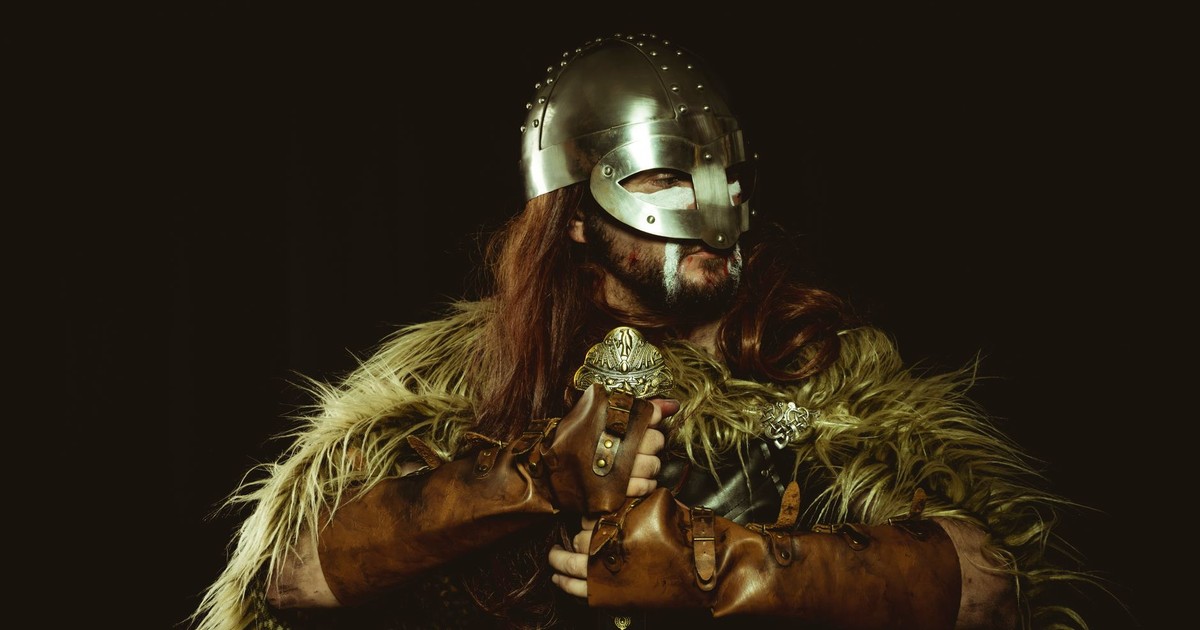
William Wallace’s early life is poorly documented, which has let centuries of legend fill the gaps with whatever each era needed him to be. What the historical record confirms is this: he was a minor Scottish noble or freeman, not a king or an earl, who in 1297 killed an English sheriff in Lanark, possibly in response to the killing of a woman he cared for, and then became the central figure of a national resistance movement almost overnight.
Scotland had been effectively annexed by Edward I of England after a disputed succession. Edward treated Scotland as a conquered territory, installing English administrators and extracting resources and soldiers for his other wars. Wallace organized what amounted to a popular uprising of ordinary Scots. Not the nobility, who had largely submitted to Edward, but the farmers, craftsmen, and minor freeholders who had nothing to gain from English rule. At the Battle of Stirling Bridge in September 1297, his forces annihilated a much larger English army by using the bridge itself as a tactical trap, cutting the English force in two before they could fully cross. It was one of the most decisive defeats ever inflicted on English arms by a force of largely untrained men. Wallace was appointed Guardian of Scotland shortly after. The tide turned when the nobility’s ambivalence reasserted itself, and at the Battle of Falkirk in 1298 he was defeated. After years as a fugitive, he was captured in 1305, tried for treason in a court that had no legitimate authority over a man who had never sworn loyalty to Edward, and executed with spectacular brutality. His body was dismembered and sent to four Scottish towns. The English expected this to end the resistance. It didn’t.
11. Geronimo (United States, 1829 – 1909)
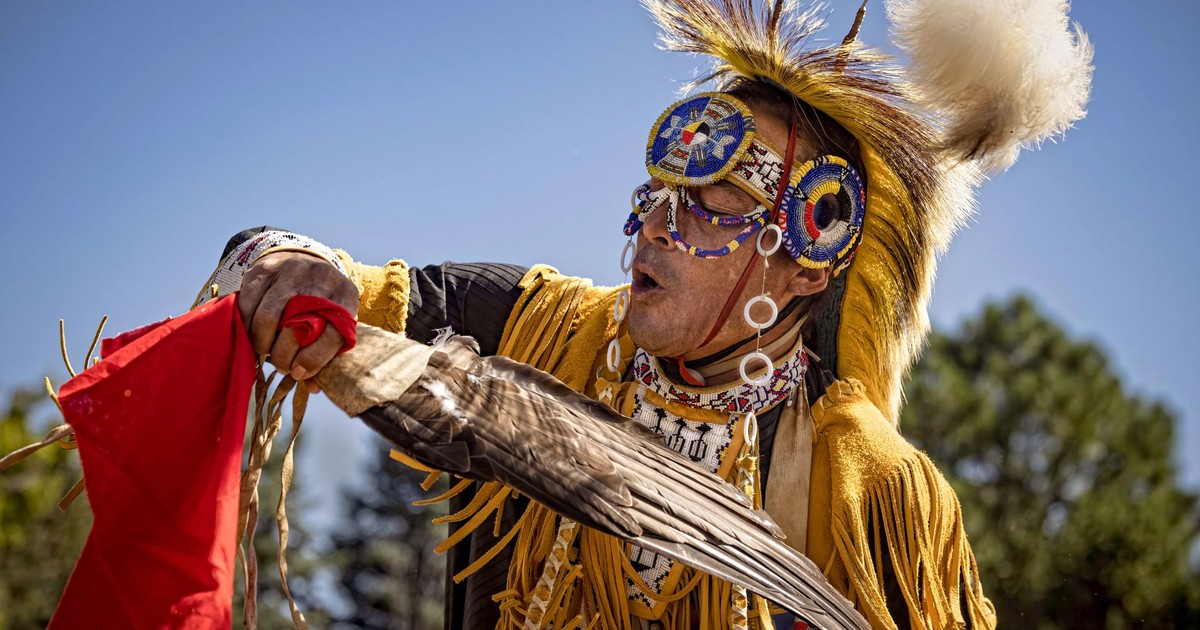
The United States government never called Geronimo an outlaw. They called him a hostile. The distinction was legal, not moral, and it shielded them from having to acknowledge what he actually was: a man defending land, people, and a way of life against a state apparatus bent on their elimination.
Born in 1829 in what is now New Mexico, Geronimo, whose Apache name was Goyahkla (meaning “one who yawns”), was a Bedonkohe Apache warrior whose mother, wife, and three children were killed by Mexican troops in an 1851 massacre. He led raids against the Mexican military for years before the expanding United States frontier brought a new and better-resourced set of enemies to the Apache homeland. Between 1858 and 1886, Geronimo led a series of breakouts from the San Carlos reservation in Arizona, where conditions were so brutal, with inadequate food and rampant disease, that the reservation functioned less as a home and more as an attrition strategy. At one point, a force of just 38 Apache fighters led by Geronimo held off 5,000 US Army troops and 500 Mexican soldiers for over a year. The Army called in a quarter of its total force to capture a man with fewer than four dozen followers. When he finally surrendered in 1886, the terms he was offered were exile to Florida with his remaining people. He spent the last years of his life as a prisoner of war, dictating his autobiography, selling photographs of himself at exhibitions, and riding in Theodore Roosevelt’s 1905 inaugural parade. He was still officially classified as a prisoner of war when he died in 1909, twenty-three years after his surrender.
The Story That Never Ends Cleanly
The crowns and empires these eleven people defied have long since crumbled, retracted, or collapsed under their own weight. The Qing dynasty is gone. The British Empire occupies a fraction of what it once held. Colonial Victoria is a footnote. What remains, the names, the stories, the songs, belongs to the people who kept telling them.
Every one of these figures emerged because an official system had decided that a particular group of people were expendable, and every one of them proved, with varying degrees of violence and varying degrees of success, that the people being discarded had other plans. Ned Kelly wrote an approximately 8,000-word letter to a premier who would soon hang him. Boudica burned London. Geronimo made the most powerful army in North America commit a quarter of its force to catching 38 people. The scale differed. The calculation the powerful made, that these people would stay quiet, was the same.
History rarely gives these figures a clean ending. Most died badly, at the hands of the systems they spent their lives fighting. What the record actually shows is that they forced those systems to work far harder than anticipated, and that the harder the system worked, the more it exposed about itself. That might be the most honest definition of defiance available: not winning, but making the cost of oppression visible to everyone watching.
Disclaimer: This information is not intended to be a substitute for professional medical advice, diagnosis, or treatment and is for information only. Always seek the advice of your physician or another qualified health provider with any questions about your medical condition and/or current medication. Do not disregard professional medical advice or delay seeking advice or treatment because of something you have read here.
AI Disclaimer: This article was created with the assistance of AI tools and reviewed by a human editor.