

The protein powder sitting in your pantry right now probably says something like “good, clean nutrition” on the label. If it’s the Orgain Organic Plant-Based variety sold at Costco, a federal class action lawsuit filed this month says that label is telling you the opposite of the truth.
On July 7, 2026, a class action lawsuit was filed in the U.S. District Court for the Western District of Washington, accusing Costco Wholesale Corporation of selling a popular protein powder contaminated with dangerous levels of lead, cadmium, and arsenic, while marketing the product as “good, clean nutrition.” The products at the center of the case are Orgain Organic Protein Powder in Vanilla Bean and Creamy Chocolate Fudge. Both are sold in bulk at Costco locations across the country and have been widely used by people who believe they are adding something healthy to their daily routine.
According to the 87-page complaint, consumers could not reasonably determine whether the protein powder contained heavy metals, because doing so requires specialized laboratory testing. “Reasonable consumers could not learn of the inclusion of heavy metals in the contaminated products unless Costco included a proper disclosure because identifying the presence of heavy metals requires expensive and sophisticated laboratory testing,” the lawsuit states. Even someone reading the label carefully, even someone who looked up every ingredient, would have had no way to know what independent lab testing eventually found.
What the Lab Testing Actually Found
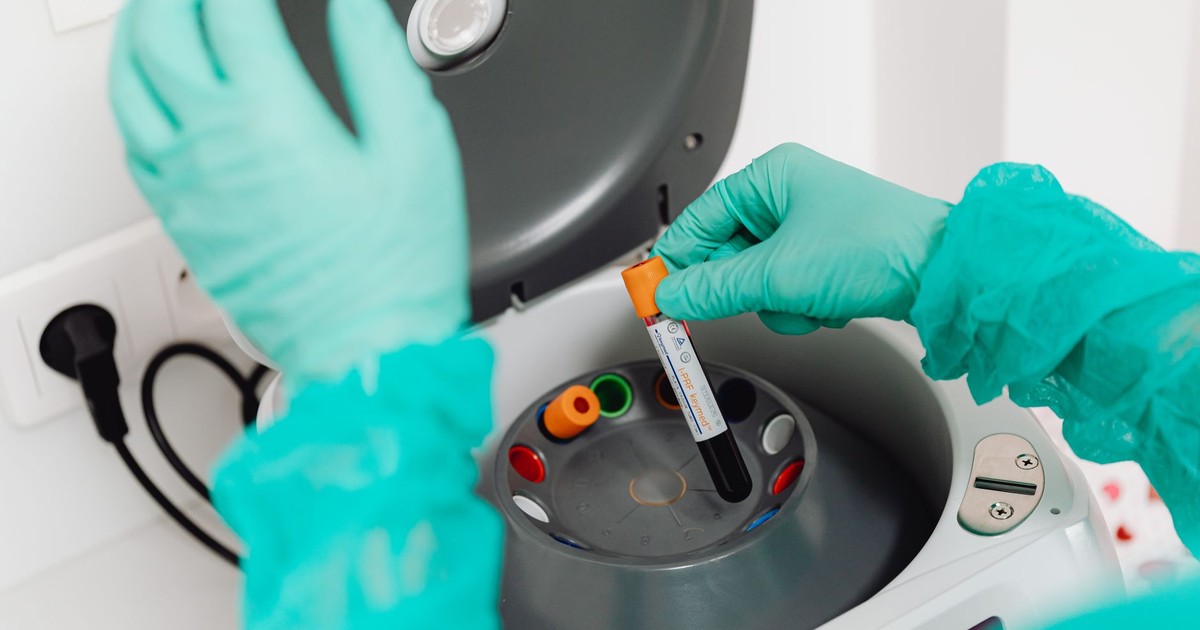
Independent laboratory testing conducted by plaintiff Randall Hartwright of Texas and the plaintiffs’ legal team found detectable levels of lead, cadmium, and arsenic across multiple product lots and flavors. According to the complaint details, the Vanilla Bean variety showed lead levels as high as 67 parts per billion (ppb), cadmium up to 24 ppb, and arsenic up to 15 ppb. The Creamy Chocolate Fudge flavor showed lead as high as 46 ppb, cadmium up to 70.3 ppb, and arsenic up to 18 ppb. Those results were reportedly corroborated by Microbac Laboratories, an independent ISO/IEC 17025-accredited testing facility.
To understand what those numbers mean in practice, California’s Proposition 65, the state’s strict consumer safety law, sets a maximum allowable daily level for lead at 0.5 micrograms per day. The lead level of 3.37 micrograms per serving found in one Vanilla Bean sample exceeds that California limit by 674%, according to the complaint. For someone mixing a daily post-workout shake, or adding a scoop to their morning smoothie, those exposures compound with every serving.
An October 2025 investigation by Consumer Reports found that Orgain’s Vanilla Bean Organic Protein Powder exceeded the publication’s “level of concern” for lead, measuring at 143% of that threshold. The product was categorized as one that is “okay to eat occasionally.” That classification sounds reassuring until you consider that most people buying a bulk container of protein powder at Costco are not eating it occasionally. They’re using it every day.
That same investigation tested 23 protein supplements and found that more than two-thirds of the products contained amounts of lead that the organization’s experts say are more than what is safe to consume in a single day.
Why Plant-Based Powders Are Particularly Affected
The complaint cited findings that plant-based protein powders, particularly organic varieties, contained higher levels of heavy metals compared with non-organic and whey or beef-based counterparts. Lead, cadmium, and arsenic occur naturally in soil. Plants absorb them through their root systems, and protein powders made from pea, rice, or other plant sources concentrate those elements during processing. The “organic” label, which prohibits synthetic pesticides and fertilizers, does nothing to filter out naturally occurring heavy metals in the soil where crops are grown.
The complaint argues that protein powder free of heavy metals is achievable, pointing to independent testing that found 16 top-selling protein powders with non-detectable levels of lead, cadmium, mercury, and arsenic. Those products include Premier Protein 100% Whey Vanilla Milkshake and Optimum Nutrition Gold Standard 100% Whey Vanilla Ice Cream, identified through Clean Label Project testing. Both are whey-based, not plant-based, which illustrates that the choice of protein source matters more than the organic certification on the label.
The suit also notes that many competitor products retail at lower price points. Orgain Organic Protein Powder in Vanilla Bean was priced at approximately $0.79 per ounce, while some competitor products with no detectable heavy metals were priced as low as $0.42 per ounce. Shoppers were paying a premium for a product marketed as cleaner and higher quality than the alternatives, while those cheaper alternatives were apparently doing a better job of keeping heavy metals out.
The Health Risks of Long-Term Exposure
Lead, cadmium, and arsenic are not the kind of thing you consume once and immediately feel ill from. They’re slow-burn toxins. Because heavy metals accumulate in the body over time, even very low-level exposure on a regular basis can be hazardous. The health effects often don’t appear until years after the exposure, which makes them particularly dangerous in products people use daily as part of a health routine.
The FDA’s Conrad Choiniere, director of the Office of Analytics and Outreach at the FDA’s Center for Food Safety and Applied Nutrition, was quoted in the suit: “On the contrary, for the contaminants we are discussing today, we have not identified safe levels of exposure for developmental outcomes.” The FDA is not saying “below X amount it’s fine.” It’s saying there is no level confirmed safe for developmental harm, meaning children, pregnant people, and people of childbearing age face particular risk.
Cadmium accumulates in the kidneys and liver for up to 38 years after exposure and has been linked to multiple cancers, Alzheimer’s disease, and ADHD in children. Arsenic is classified by the World Health Organization as one of the “10 chemicals of major public concern.” Lead has a well-documented link to brain and kidney damage, high blood pressure, and cognitive impairment.
What Costco Is Accused of Knowing
The lawsuit doesn’t frame this as an accidental oversight. According to the complaint, “as a major national retailer with sophisticated supply-chain management and quality control processes, Costco knew or should have known about the heavy metals in the contaminated products it sells.”
Plaintiffs allege that Costco controlled the product listings, packaging messaging, and point-of-sale for Orgain protein powder, prominently touting phrases such as “the power of clean,” “quality ingredients, higher standards,” and “relentless about quality,” while never warning customers about heavy metal contamination.
The lawsuit states: “But Costco failed to perform or require any heavy metal testing, or to disclose the presence of heavy metals.” Not that the contamination was inevitable or undetectable, but that no one in Costco’s supply chain was required to check for it, and no one told consumers it might be there.
The lawsuit was filed by Seattle-based law firm Hagens Berman on behalf of seven plaintiffs from Washington, California, Illinois, Minnesota, Ohio, and Texas. Plaintiffs are seeking financial relief for Costco’s alleged misrepresentations and omissions, and injunctive relief that would require Costco to stop selling the Orgain protein powder without properly disclosing the presence of heavy metals. Costco has not publicly responded to the lawsuit.
A Regulatory Gap Wide Enough to Drive a Supplement Industry Through
The protein powder market has no federal requirement to test for heavy metals before products reach shelves. The lawsuit points to what the plaintiffs describe as a regulatory gap: unlike prescription drugs, protein powder supplements are not reviewed, approved, or routinely tested by the FDA before they are sold, making consumers more reliant on manufacturers’ and retailers’ representations about product quality and safety.
The FDA’s limits for lead are based on exposure that would come from a full day of typical food consumption. Its recommendations do not apply to concentrated products like protein powders, which many consumers ingest multiple times daily. Despite their widespread use, these products face no routine tests or public disclosure requirements for toxic heavy metals, unlike baby food and prenatal vitamins.
That gap is finally getting legislative attention. California Senate Bill 1033, a first-in-the-nation measure introduced in February 2026, would require manufacturers to publicly disclose levels of lead, cadmium, mercury, and arsenic in their products. The bill was authored by state Sen. Steve Padilla (D-San Diego) and co-sponsored by the Environmental Working Group and the Center for Environmental Health.
Beginning in 2027, if the bill passes, manufacturers would be required to regularly test representative product samples for lead, cadmium, mercury, and arsenic. The bill drew on precedent from California’s earlier baby food testing requirements, where mandatory disclosure was followed by measurable reductions in contamination levels across the category.
A nationally representative survey conducted in March 2026 of 2,212 U.S. adults found that 77 percent were concerned about toxic elements such as lead, arsenic, and cadmium in protein powders and shakes. Eighty-six percent said manufacturers should be required to regularly test their products and make results public.
If you regularly use plant-based protein powder, the most practical step right now is to check whether your brand has voluntarily published third-party heavy metal testing results. NSF International offers independent certification that does include heavy metal screening. Products carrying that certification carry more meaningful assurance than any “clean” or “pure” marketing language on the package.
Read More: Eating These 8 Foods Could Be the Reason You Have Achy Joints
The Marketing Was the Problem
The Costco protein powder lead lawsuit will take time to resolve. Class actions always do. But the underlying issue isn’t really about Orgain or Costco specifically. It’s about the gap between what health-focused marketing promises and what federal oversight actually checks.
People who buy a Costco-sized tub of organic protein powder are not taking a calculated risk. They’re not reading disclaimers. They’re buying something marketed as clean, certified organic, and “relentless about quality,” and they’re putting it in their body most mornings of the week. The legal claim isn’t just that heavy metals were present. It’s that the marketing created a specific, reasonable expectation of safety, and that expectation was never supported by actual testing.
The supplement industry’s defense, when pushed, is usually that heavy metals appear naturally in plant-based ingredients and that trace levels are unavoidable. That argument carries less weight when competitor products at lower price points test at non-detectable levels, and when the gap between what was found and what California’s Prop 65 allows is measured in the hundreds of percent. If the contamination were truly unavoidable, cleaning it up wouldn’t be something 16 other brands had already managed to do.
Some of these patterns go back further than any single product or lawsuit. The protein supplement market expanded by 122% in products from 2020 to 2024, according to the California Senate, without a single new federal testing requirement attached to that growth. The lawsuit against Costco is one consequence of that gap. It almost certainly won’t be the last.
Disclaimer: This information is not intended to be a substitute for professional medical advice, diagnosis, or treatment and is for information only. Always seek the advice of your physician or another qualified health provider with any questions about your medical condition and/or current medication. Do not disregard professional medical advice or delay seeking advice or treatment because of something you have read here.
AI Disclaimer: This article was created with the assistance of AI tools and reviewed by a human editor.