

Ask a random group of adults to name all three branches of the federal government, and a surprising number will go quiet. The question isn’t about the Civil War or the moon landing. It’s something taught in every elementary school, printed on a laminated poster in virtually every classroom in the country.
History and civics get taught in blocks, in isolation, in ways that rarely stick past the test. The facts land, and then they drift. What remains is a general sense of the story, enough to feel informed, but not quite enough to answer when someone puts a specific question to you. Most people get caught out not by the obscure details but by the ones everyone assumes they know.
The 18 US history trivia questions below live in that space. Some are about events everyone knows; the catch is in the detail most people get wrong. Others involve facts that were simply never emphasized in school, even though they matter.
1. Which Founding Document Was Actually Signed on July 4th?
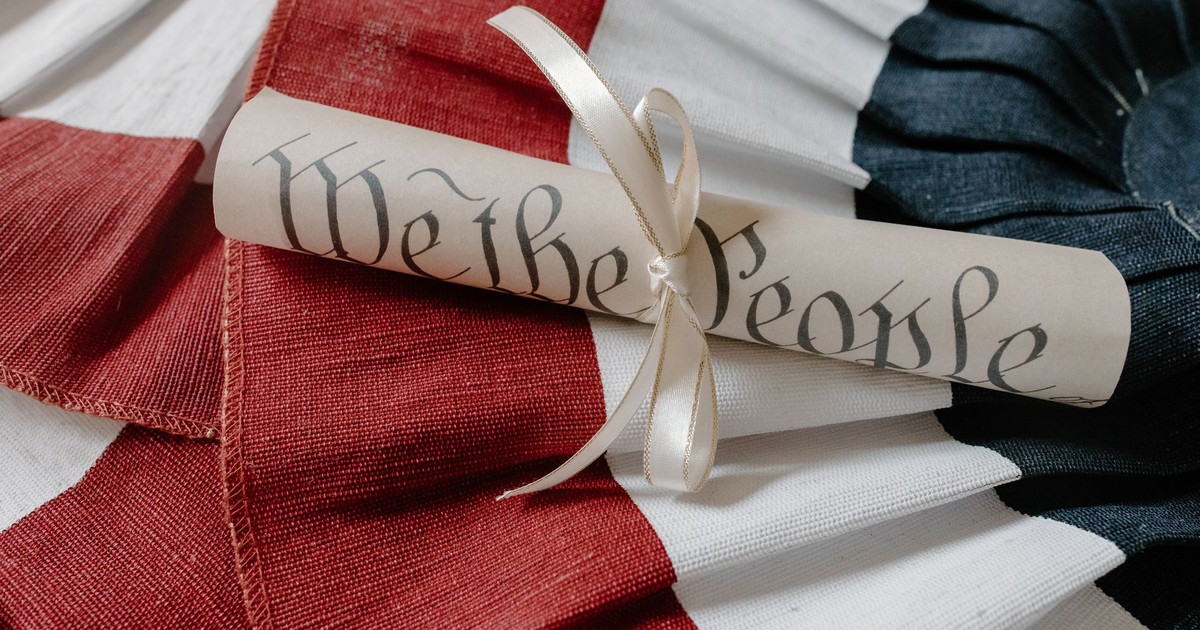
The Declaration of Independence was adopted by the Continental Congress on July 4, 1776, but the actual physical signing by most delegates happened on August 2, 1776. John Hancock and a handful of others signed on July 4th, but the majority of the 56 signatures were added weeks later. The document wasn’t even publicly printed with all signers’ names until January 1777.
The word “adopted” and the word “signed” got collapsed into a single clean story a very long time ago. The actual signing was a more drawn-out, logistically complicated affair than the famous image of everyone gathered together with quill pens suggests. Some delegates who voted for independence on July 4th weren’t even present on August 2nd.
2. How Many of the Men Who Signed the Declaration of Independence Owned Enslaved People?
According to the American Battlefield Trust, 41 of the 56 signers of the Declaration of Independence were slave owners, some like Thomas Jefferson owning hundreds of enslaved people. That’s nearly three-quarters of the men who put their names to the phrase “all men are created equal.”
Many of the major Founding Fathers owned numerous enslaved people, among them George Washington, Thomas Jefferson, and James Madison. Washington freed the enslaved people he owned in his will. Jefferson did not. According to the Miller Center at the University of Virginia, Jefferson over his lifetime enslaved more than 600 people, including his own children with his enslaved concubine Sally Hemings.
3. Which President Owned the Most Enslaved People?
George Washington kept some 300 bondsmen at his Mount Vernon plantation, while Thomas Jefferson owned at least 175 enslaved people at one time, according to History.com. Washington’s estate count is higher at a single property, though Jefferson’s total across all properties over his lifetime exceeded 600.
At least 12 American presidents, over a quarter of all who have served, enslaved people during their lifetimes, and eight of them held enslaved people while actually in office. The last president to personally own enslaved people was Ulysses S. Grant, who had kept a man named William Jones in the years before the Civil War but gave him his freedom in 1859.
4. What Were the Actual First Words of the Constitution?

“We the People” is correct and well-known. But ask someone to complete the Preamble from memory and it falls apart fast. The full opening, “We the People of the United States, in Order to form a more perfect Union, establish Justice, insure domestic Tranquility, provide for the common defence, promote the general Welfare, and secure the Blessings of Liberty to ourselves and our Posterity,” is something relatively few Americans can recite in full.
Many people also confuse the Preamble with the Declaration of Independence, assuming that “life, liberty, and the pursuit of happiness” appears in the Constitution. It doesn’t. That phrase is from the Declaration. The Constitution, the actual governing document, focuses on structure rather than aspiration: Union, Justice, defense, welfare.
5. Which Amendment Abolished Slavery?
The 13th Amendment, ratified in December 1865, is the correct answer. Most people get this right when asked directly. But the follow-up question, what did the Emancipation Proclamation actually do, trips far more people up.
The Emancipation Proclamation, issued by President Lincoln on January 1, 1863, did not abolish slavery in the United States. It declared enslaved people in Confederate states in active rebellion to be free, but it explicitly did not apply to the border states still in the Union, nor to Confederate-controlled areas already under Union military control. In practical terms, it freed enslaved people in places where the federal government had no immediate enforcement power. It was a wartime executive order with strategic and symbolic weight, not a legislative end to the institution. That came with the 13th Amendment, more than two years later.
6. What Was the Bloodiest Single Day in American Military History?
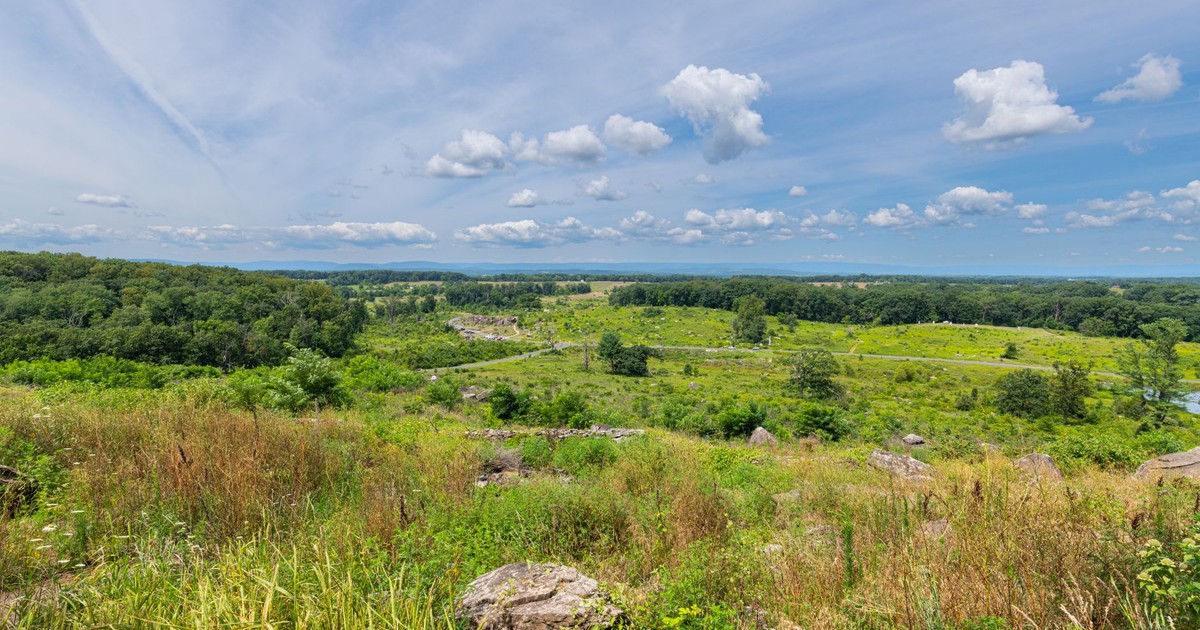
The Battle of Antietam, fought on September 17, 1862, during the Civil War, remains the bloodiest single-day battle in US history, with more than 22,000 casualties on that one day. Most people guess D-Day (June 6, 1944) or some battle from Vietnam or Korea.
D-Day was catastrophically costly, approximately 4,400 Allied troops died on June 6th, but it doesn’t come close to the scale of Antietam. The Civil War in general produced losses that dwarf most of what came after. The total death toll across the war is estimated at somewhere between 620,000 and 750,000 soldiers, more than all American military deaths in World War I, World War II, Korea, and Vietnam combined.
7. Who Were the Four Presidents Assassinated While in Office?
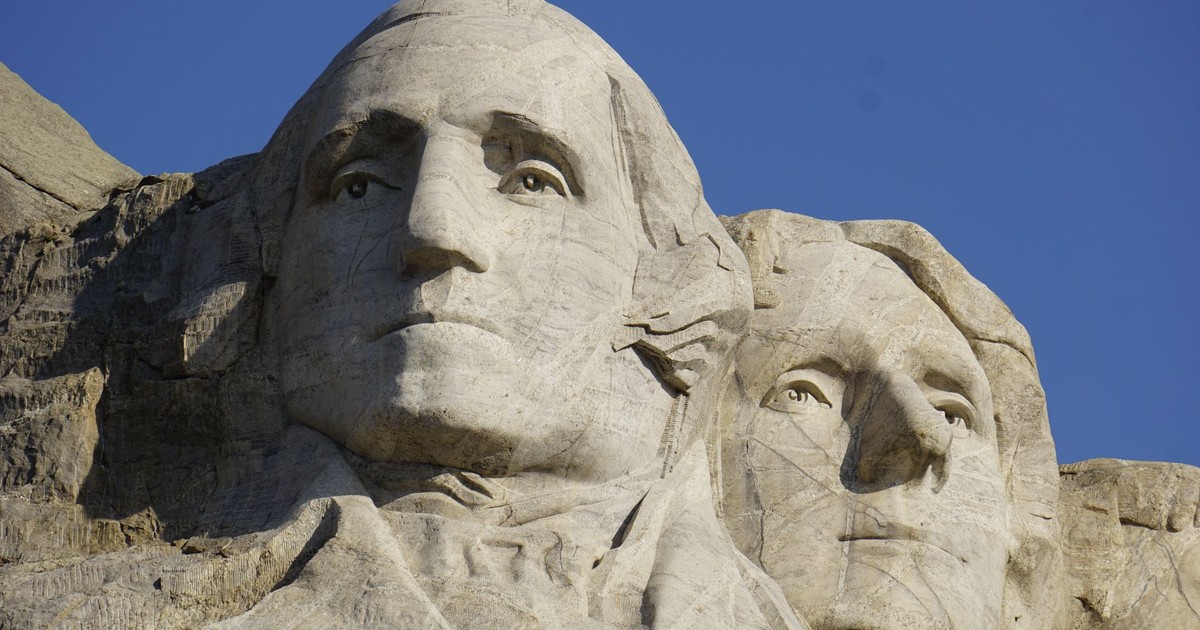
Four presidents were assassinated while in office: Abraham Lincoln, James Garfield, William McKinley, and John F. Kennedy. Most people know Lincoln and Kennedy. Garfield and McKinley are the ones who go missing from the list.
James Garfield was shot in July 1881, just four months into his presidency, but lingered for nearly 80 days before dying, largely from infections caused by his doctors probing the wound with unsterilized instruments. William McKinley was shot at the Pan-American Exposition in Buffalo, New York, in September 1901, and died eight days later. Both men are remembered far less vividly than Lincoln and Kennedy, partly because neither served long enough to define an era, but their assassinations shaped the politics and security practices that followed them.
8. What Was the Original Capital of the United States?
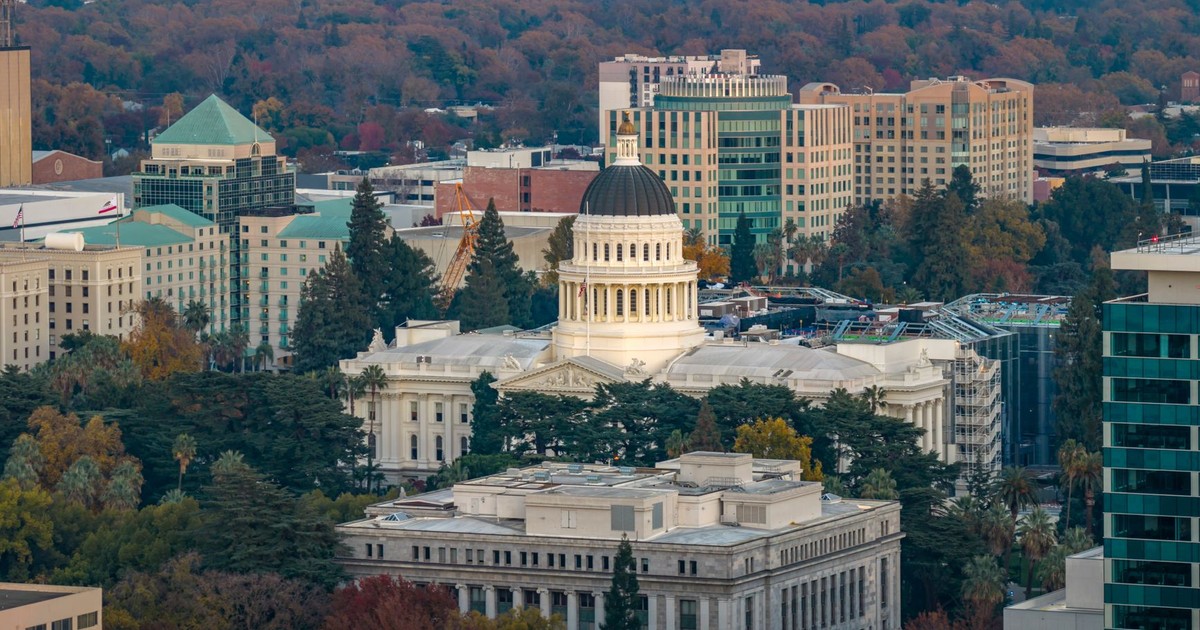
The capital established under the new Constitution was New York City, which served as the seat of the federal government from 1789 to 1790. Philadelphia then took over until 1800, when the government moved to the newly built Washington D.C.
The location of the capital was, like almost everything in early American politics, a deal. Alexander Hamilton agreed to support moving the capital to a Southern location in exchange for Southern support for his federal debt assumption plan, an arrangement brokered famously over a dinner with Thomas Jefferson. The site on the Potomac was chosen to be geographically central and politically neutral, sitting on the border between the Northern and Southern states. The District of Columbia was carved out of land donated by Maryland and Virginia, and construction on the federal buildings began while Philadelphia still held the government.
9. What Was the First State to Ratify the US Constitution?
Delaware ratified on December 7, 1787, earning the nickname “The First State” that it still uses today. Most guesses land on Virginia, Pennsylvania, or Massachusetts, the large, influential colonies that dominated the revolutionary narrative.
Delaware ratified unanimously and quickly, partly because small states had more to gain from the new constitutional framework than larger ones. The Constitution’s equal representation in the Senate gave small states like Delaware a structural advantage they didn’t have under the Articles of Confederation, where larger states wielded more influence. Pennsylvania followed five days later, and New Jersey the week after that. Virginia and New York, despite their political heft, came to the table considerably later and with more internal debate.
10. Which Amendment Gave Women the Right to Vote?
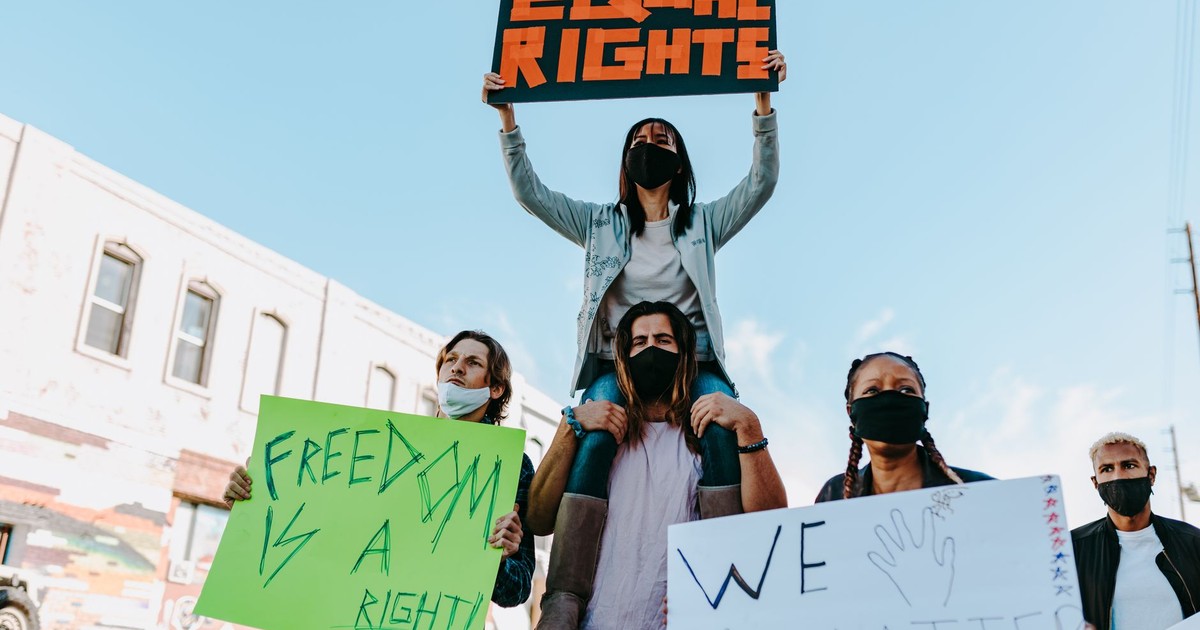
The 19th Amendment, ratified in August 1920, is the answer most people know. The harder question is what happened in the 72 years between the Seneca Falls Convention of 1848, where women first formally organized around suffrage, and that ratification. Decades of state-by-state campaigns, legislative defeats, public marches, hunger strikes, arrests, and the strategic lobbying that finally pushed Congress to act after women had already won voting rights in several western states.
Wyoming granted women full voting rights in 1869, more than 50 years before the federal amendment. Colorado followed in 1893, Utah and Idaho in 1896. By the time the 19th Amendment passed, over 30 states had some form of women’s suffrage already in place. The federal amendment standardized it nationally, but the movement’s real work had been grinding through state legislatures for generations before Washington acted.
11. What Did the Missouri Compromise of 1820 Actually Do?
The Missouri Compromise admitted Missouri as a slave state and Maine as a free state simultaneously, preserving the balance between slave and free states in the Senate. It also drew a geographic line across the Louisiana Territory at latitude 36°30′, north of that line, slavery would be prohibited in any future states; south of it, it would be permitted.
The Compromise held for about 34 years, until the Kansas-Nebraska Act of 1854 effectively repealed it by applying the principle of “popular sovereignty,” letting settlers of each territory vote on whether to allow slavery. The repeal didn’t just reopen the slavery debate. It directly triggered the violence in Kansas known as “Bleeding Kansas,” accelerated the collapse of the Whig Party, and created the political conditions that produced the Republican Party and Abraham Lincoln’s candidacy.
12. Which War Produced the Highest Number of American Military Deaths?
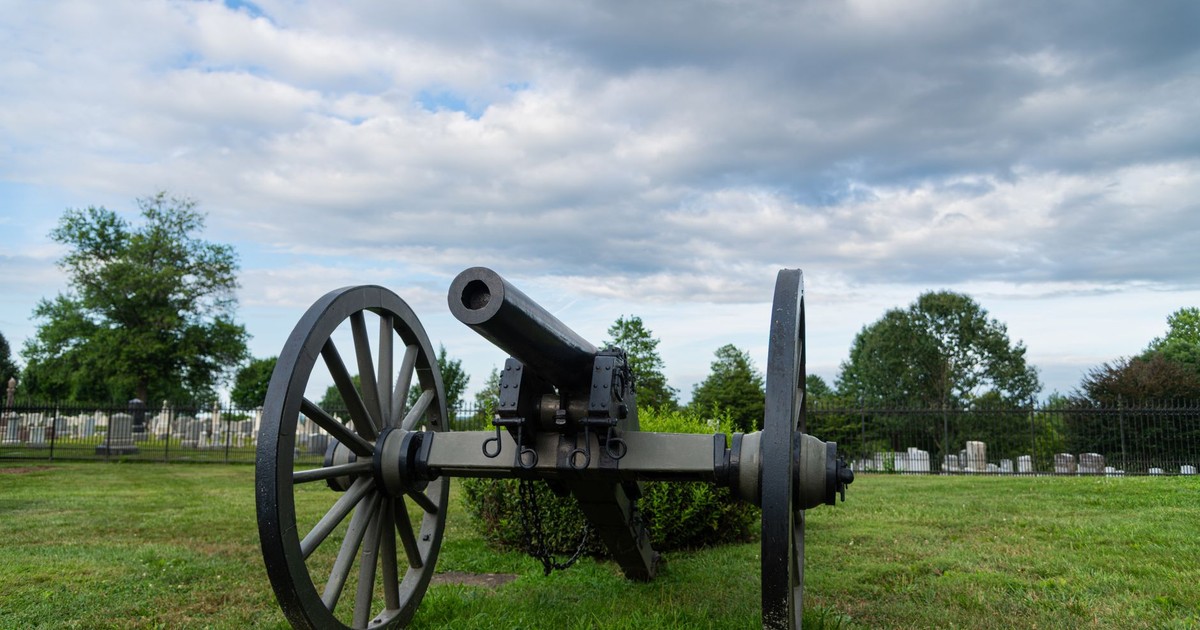
The Civil War produced the highest number of American military deaths. Estimates of total Civil War deaths have been revised upward significantly by modern historians, with many now putting the figure at between 620,000 and 750,000, and some scholarship going higher still. By comparison, approximately 405,000 Americans died in World War II.
The Civil War death toll is particularly staggering because the country’s total population in 1860 was only about 31 million. Scaled to today’s US population, a proportionally equivalent war would kill roughly 7 million Americans. The sheer percentage of the population lost, and the fact that both sides of the conflict were American, makes it the deadliest war in US history by any measure.
13. What Is the First Amendment Actually Protecting?
According to the 2025 Annenberg Constitution Day Civics Survey, nearly 4 in 5 Americans mention freedom of speech when asked what rights are guaranteed by the First Amendment, but less than half can name each of the other four rights. The five freedoms protected are speech, religion, press, peaceful assembly, and the right to petition the government for a redress of grievances. That last one, petition, is named by fewer than 1 in 10 Americans in most surveys.
The same Annenberg research also found a persistent misconception that private companies like social media platforms are bound by First Amendment protections. They aren’t. The First Amendment restricts government censorship, not private business decisions. A social media platform removing a post is not a First Amendment violation. A city government arresting someone for a political speech in a public park is.
14. Who Led the Corps of Discovery Expedition to the Pacific?
The first overland expedition to the Pacific Coast was led by Meriwether Lewis and William Clark, guided in significant part by Sacagawea. Most people know the Lewis and Clark part. What often goes unsaid is the degree to which Sacagawea’s contribution was logistical rather than symbolic.
A Shoshone woman who had been taken captive as a child and later married to a French-Canadian fur trader named Toussaint Charbonneau, she joined the expedition in 1804 at what is now North Dakota. Her knowledge of terrain, her ability to communicate with western tribes, and her presence as a woman with an infant, a cross-country signal that the party was peaceful rather than a war party, were all practically essential to the expedition’s success. She covered more than 5,000 miles with a newborn on her back. The expedition’s journals describe her repeatedly as indispensable, not decorative.
15. What Triggered the United States’ Entry Into World War I?
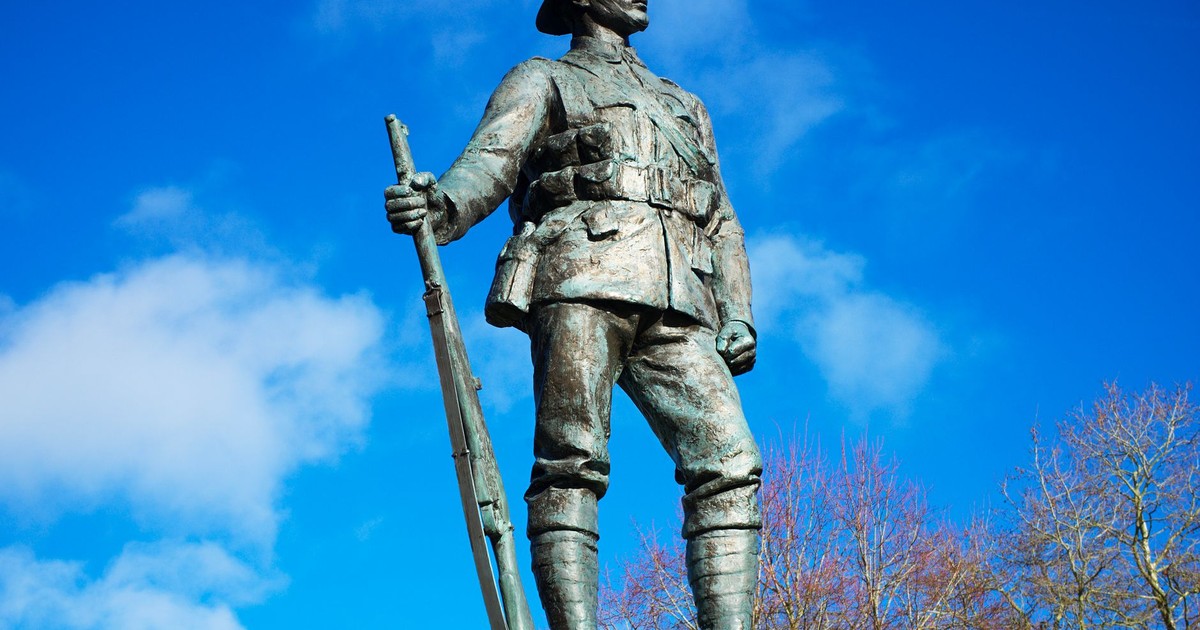
Most people correctly identify the attack on Pearl Harbor as the trigger for US entry into World War II. World War I is murkier. Many Americans conflate the two, citing either Pearl Harbor or the assassination of Archduke Franz Ferdinand, the latter being the event that triggered the war itself, not American entry into it.
The US declared war on Germany in April 1917, after years of official neutrality. The proximate causes were Germany’s resumption of unrestricted submarine warfare, which was sinking American ships, and the discovery of the Zimmermann Telegram, in which Germany secretly proposed a military alliance with Mexico, promising to help Mexico reclaim Texas, New Mexico, and Arizona in exchange. When British intelligence intercepted and published the telegram in February 1917, American public opinion shifted sharply. Congress voted for war on April 6th.
16. What Were the Articles of Confederation, and Why Did They Fail?

The Articles of Confederation were the US’s first governing document, and they left the young country structurally unable to function. The Articles created a loose alliance of sovereign states with a central Congress that had no power to levy taxes, no power to regulate commerce between states, and no executive branch. Every significant decision required unanimous agreement from all 13 states, a threshold nearly impossible to meet in practice.
Congress couldn’t fund the Continental Army. It couldn’t pay the national debt. States were imposing tariffs on each other like foreign countries. When Shays’ Rebellion, an armed uprising of Massachusetts farmers protesting debt collection, broke out in 1786, Congress had no army to respond to it. The inability to function as a coherent national government was so obvious that the Constitutional Convention of 1787 was called not to revise the Articles but, ultimately, to replace them entirely.
17. When Did the US Acquire Alaska?
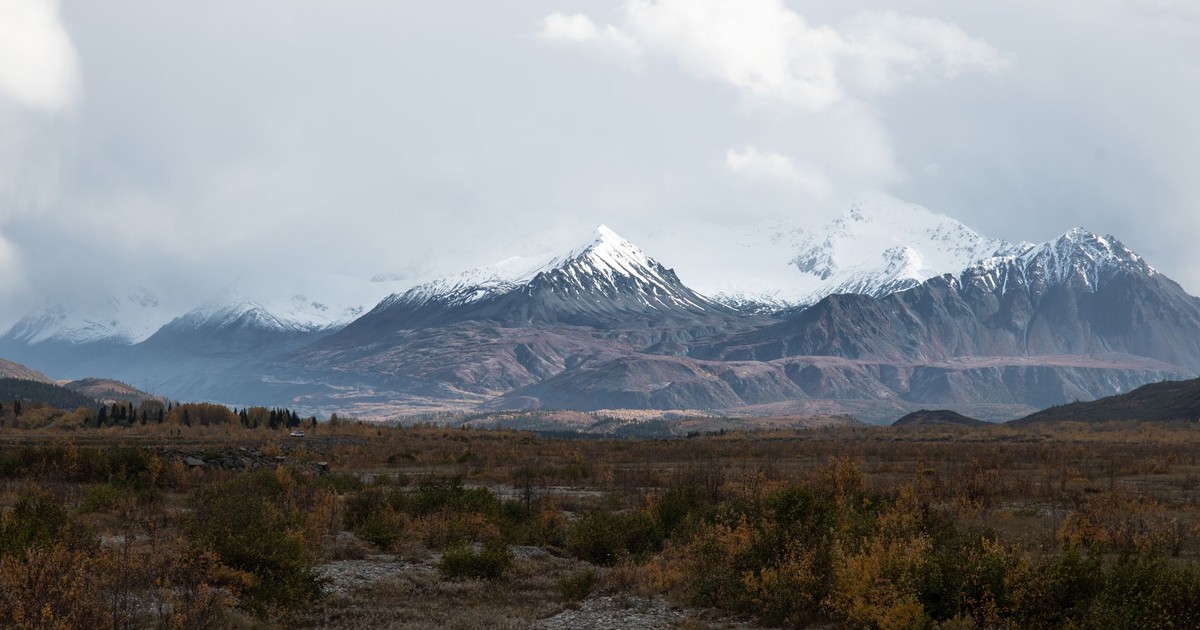
“Seward’s Folly” is the nickname most history students encounter. The actual date is 1867, when Secretary of State William H. Seward negotiated the purchase of Alaska from Russia for $7.2 million, roughly 2 cents per acre at the time. Many members of Congress and much of the press thought it was a ridiculous expenditure for a frozen, remote territory, hence the mockery.
Alaska’s strategic value became obvious during World War II, when Japanese forces actually occupied two Alaskan islands, Attu and Kiska in the Aleutian chain, in 1942, the only foreign occupation of American soil during that war. Alaska became a US state on January 3, 1959, making it the 49th state, followed seven months later by Hawaii. For 46 years between 1867 and statehood, it was simply an unorganized US territory.
18. What Was Reconstruction, and When Did It Actually End?
Reconstruction is the period most Americans have the haziest grasp of, which matters enormously, because its end set the conditions for the next hundred years of American race relations. After the Civil War, the federal government undertook a project to rebuild the South and integrate formerly enslaved people into civic life. This included establishing Black schools, Black churches, and Black political representation. At its peak, Reconstruction produced remarkable results: Black men served in Congress, as state legislators, as sheriffs, as judges.
Reconstruction ended not with a dramatic event but with a political deal. The contested presidential election of 1876 between Rutherford B. Hayes and Samuel Tilden was resolved by the Compromise of 1877, in which Hayes received the presidency in exchange for withdrawing federal troops from the South. With no federal enforcement, the Southern states dismantled Reconstruction’s gains systematically, through violence, voter suppression, and the Jim Crow laws that would remain in force until the Civil Rights Act of 1964. The period from 1877 to 1964 is what historians often call the “nadir” of American race relations, and it was directly produced by the political bargain that ended Reconstruction.
Read More: 15 of the Biggest Lies Ever Told in Human History
What the Gaps Actually Reveal

The questions Americans most often miss aren’t the obscure ones. They cluster around the places where the full story is inconvenient or uncomfortable, where the textbook version smoothed over the complexity, or where the classroom simply ran out of time before the bell. Knowing that 41 of 56 signers of the Declaration owned enslaved people doesn’t make those men cartoon villains, but it does make the founding paradox concrete in a way that “some founders owned slaves” never quite does. Knowing that Reconstruction was deliberately dismantled rather than simply fading away changes the entire shape of the century that followed it.
The Articles of Confederation failed for the same reason the Missouri Compromise eventually failed: the country kept deferring the harder conversation about who power actually belonged to and what “freedom” was supposed to mean in practice. These aren’t edge cases in US history. They’re the hinge points. The dates and names are the scaffolding. The actual history is in what those dates and names connect, and most of us absorbed a version of it that was considerably neater than the thing itself.
AI Disclaimer: This article was created with the assistance of AI tools and reviewed by a human editor.