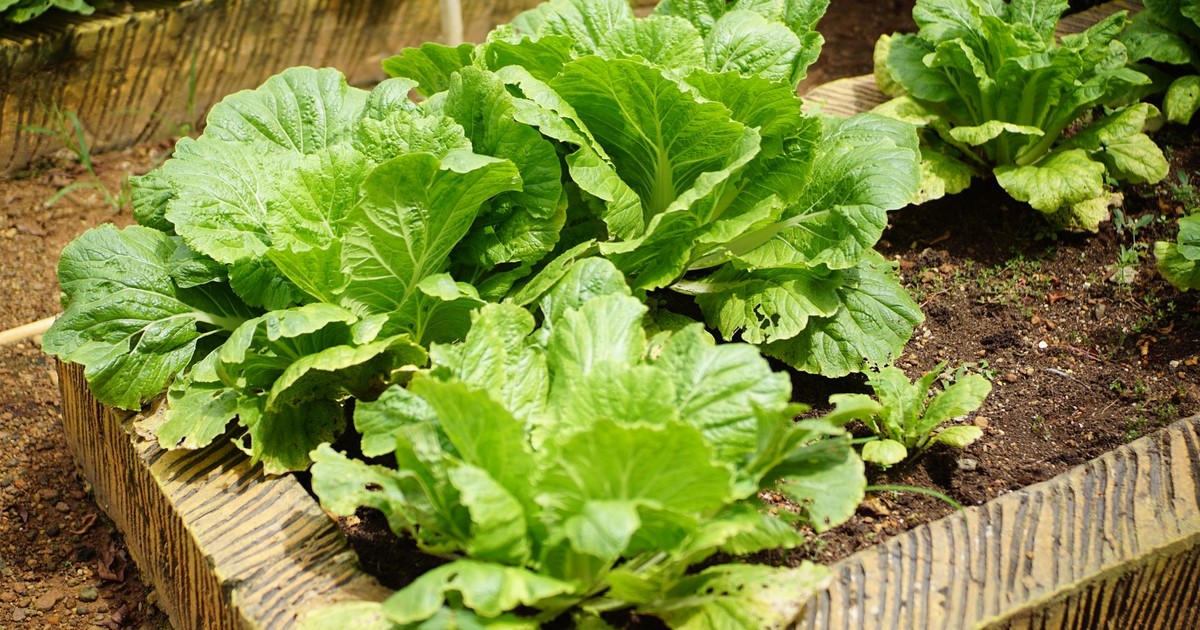

Most gardeners treat spring as their one big window and then coast through summer on whatever they managed to get in the ground in April. The plot sits half-empty, weeds fill the gaps, and a surprising amount of growing season goes to waste. Summer planting isn’t a consolation prize for people who missed the spring rush. In many zones, it’s the smarter move.
Climate differences across US zones mean you should check what vegetables will tolerate your local conditions and the days to maturity on seed packets, so whatever you plant has enough time to ripen before the weather changes. Once you know your zone, the list of what’s still possible in midsummer is longer than most people expect. Radishes hit your plate in three weeks. Second crops of carrots mature in the cool of early fall and taste sweeter for it. Heat-lovers like okra and sweet potatoes need the hottest part of the season to perform.
Summer vegetable gardening also has a logic that spring planting doesn’t: as one crop wraps up, it frees exactly the right amount of space for the next one. Pull your garlic in July and that bed is ready for a fall carrot sowing the same afternoon. Here are twelve vegetables you still have time to get in the ground this summer, along with which zones they suit and what to expect from each.
1. Radishes
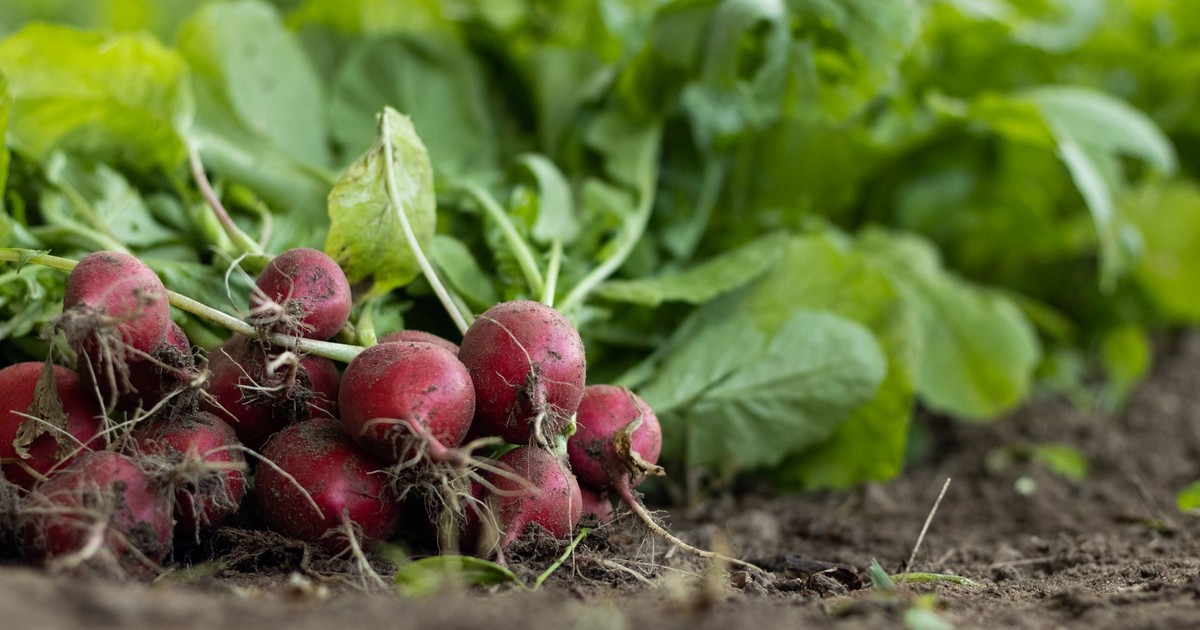
Many red radishes are ready to eat in as little as 25 days. That makes radishes the one vegetable on this list where a midsummer sowing genuinely isn’t a gamble. Even a late July planting produces a harvest well before any first-frost worries begin.
Most garden radish varieties mature in 25 to 35 days. According to the Old Farmer’s Almanac, their zip-code planting calendar shows the precise last sowing date for radishes in your area. Gardeners in zones 2 through 5 can take advantage of temperate summer conditions for a second sowing. Heat-tolerant varieties like Japanese daikon handle warm soil without bolting to seed prematurely. Daikon types also grow longer and more substantial roots.
Sow radishes directly between rows of slower-growing vegetables like carrots or beets. They’ll be harvested before the larger crops need the space, giving you two crops from one patch of soil.
2. Carrots
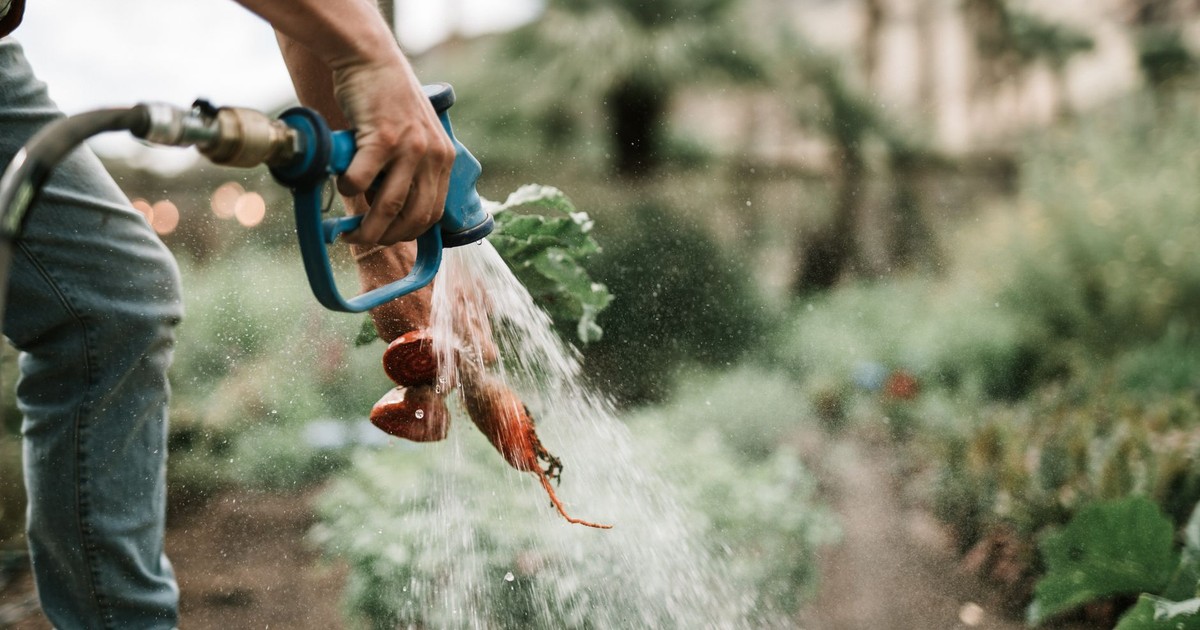
Carrots are cool-season vegetables that prefer soil temperatures between 55 and 75°F. You can plant them in early spring and late summer for a fall harvest. In zones 3 to 4, a second sowing goes in during July. In zones 5 to 6, July through August is the window. In warmer zones, consult your local frost dates to time the sowing so roots mature during the cooler days of fall.
The fall-sown carrot tends to taste better than its spring counterpart. The University of Minnesota Extension notes that root crops including carrots can be directly seeded in summer heat and will be ready for a fall crop, and that maturing in cooler fall days improves their flavor. The cold triggers the plant to convert starches into sugars, so the carrot you pull in October from a July sowing will be noticeably sweeter than the one you pulled in June.
Check the days to maturity on your seed packet before you sow. A variety that needs 75 days must go in no later than 10 to 12 weeks before your first expected frost. Shorter varieties like Chantenay or Parisian round types mature in 50 to 60 days and give you more flexibility if you’re already into July.
3. Cucumbers
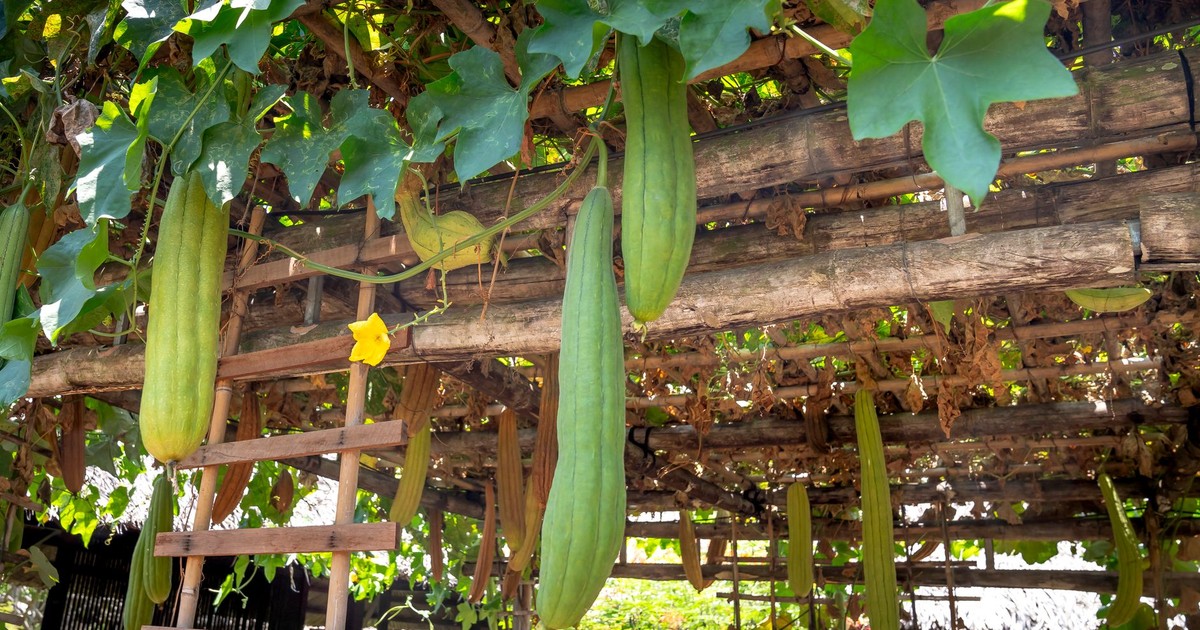
Cucumbers are heat-lovers that grow fast once conditions are right. They need soil temperatures of at least 60°F and air temperatures consistently above 65°F. Midsummer ticks both of those boxes in almost every zone, which makes a second planting of cucumbers one of the most reliable summer moves a gardener can make.
Cucumbers produce fruits quickly when planted in warm summer soil. Planting later in summer can also help you avoid the worst of pests, such as squash bugs and squash vine borers. Gardeners who plant cucumbers in June often lose plants to pests that peak in early summer. A July planting sidesteps the worst of the pressure and can produce fruit into fall.
Gardeners in zones 8 through 10 have particular flexibility here. The warm soil and extended growing season make midsummer cucumber sowings especially productive. Compact bush varieties suit raised beds and containers if your in-ground space is already committed.
4. Zucchini and Summer Squash
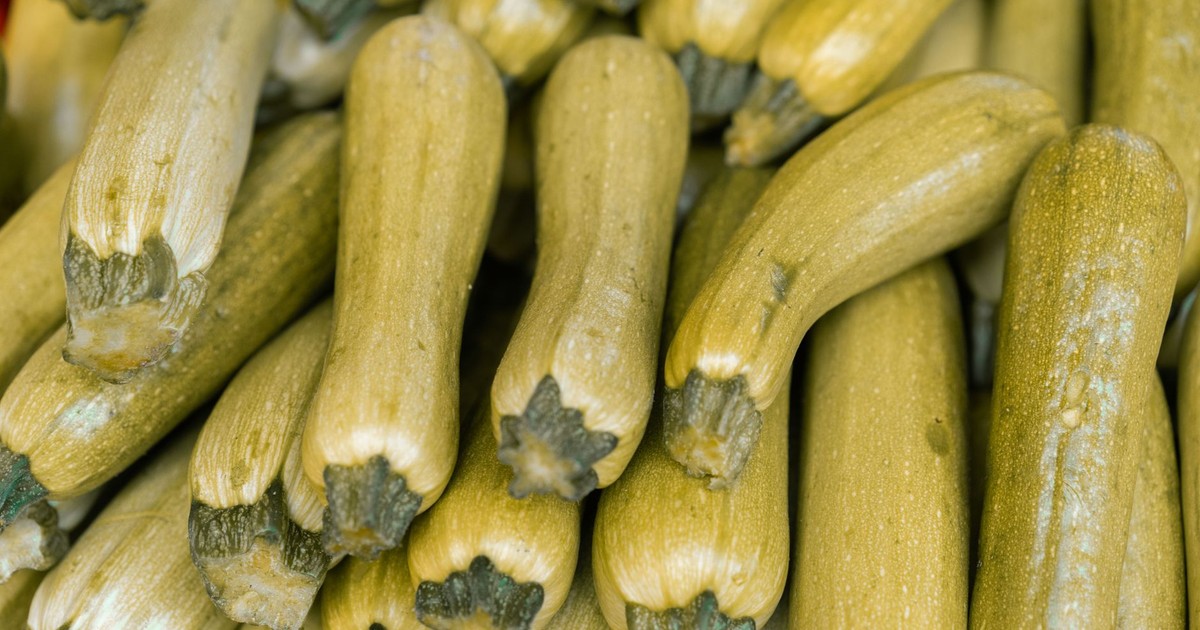
Zucchini and squash germinate fast, grow vigorously, and produce abundantly. They also have the shortest gap between seed and harvest of almost any fruiting vegetable. Most varieties are ready to pick within 50 to 60 days of sowing, which means a July planting delivers zucchini in September.
Both summer squash and zucchini need warm soil and full sun. Push seeds directly into the ground rather than starting them in pots, and you’ll avoid the root disturbance that can set these plants back. Sow two or three seeds per hole about an inch deep and thin to the strongest seedling once they’re a few inches tall.
A midsummer squash sowing in zones 3 through 7 often produces cleaner fruit than spring plantings, because the vine borer pressure that decimates June plants tends to ease off by July. If squash vine borers have destroyed your spring plants in previous years, this is the reason to try again now rather than giving up for the season.
5. Bush Beans and Black-Eyed Peas
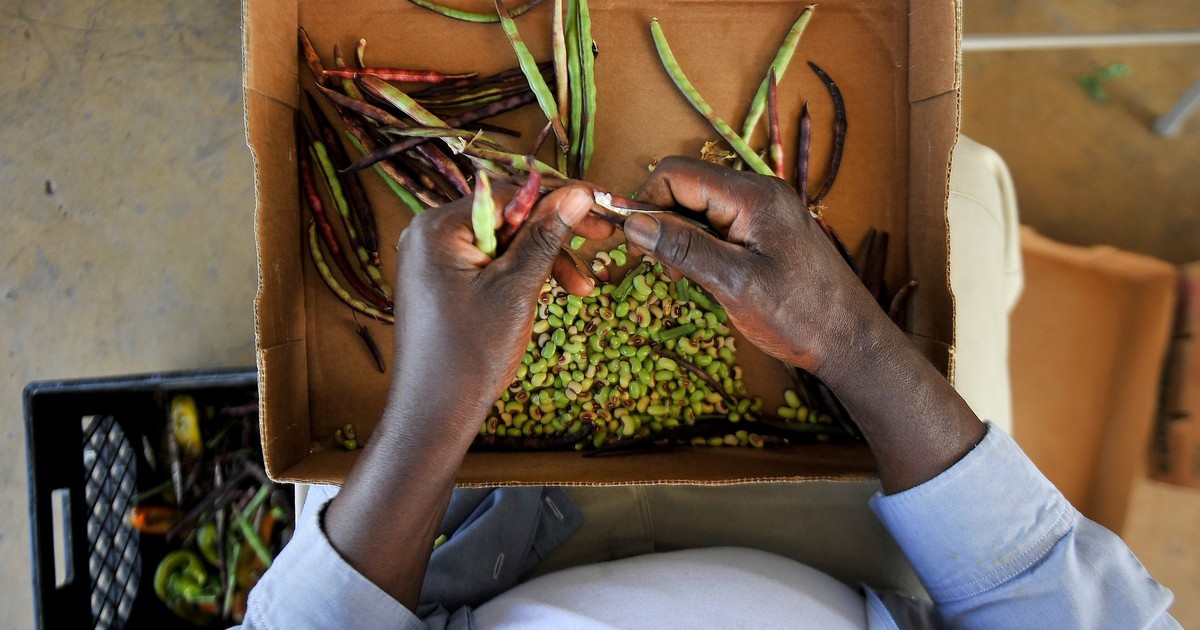
Bush beans take just 50 to 60 days and can be direct sown through midsummer. In zones 2 and 3, where the summers are short but warm, snap beans can still go in during July and produce a solid harvest before the first frost arrives. Bush snap beans typically mature in 45 to 65 days but cannot tolerate even a light frost, so timing a midsummer sowing against your first fall frost date is essential.
For gardeners in the South and warm-weather zones, black-eyed peas are the better summer choice. They were bred for heat and humidity, and they thrive in conditions that would exhaust most other legumes. Black-eyed peas also fix nitrogen in the soil as they grow, which is useful if you’re planning to follow them with a heavier feeder in the same bed.
Early July is the cutoff for succession-sown bush beans in most zones if you want a meaningful harvest. Past that point, shift toward black-eyed peas, which have a longer productive window in warm conditions.
6. Swiss Chard and Kale
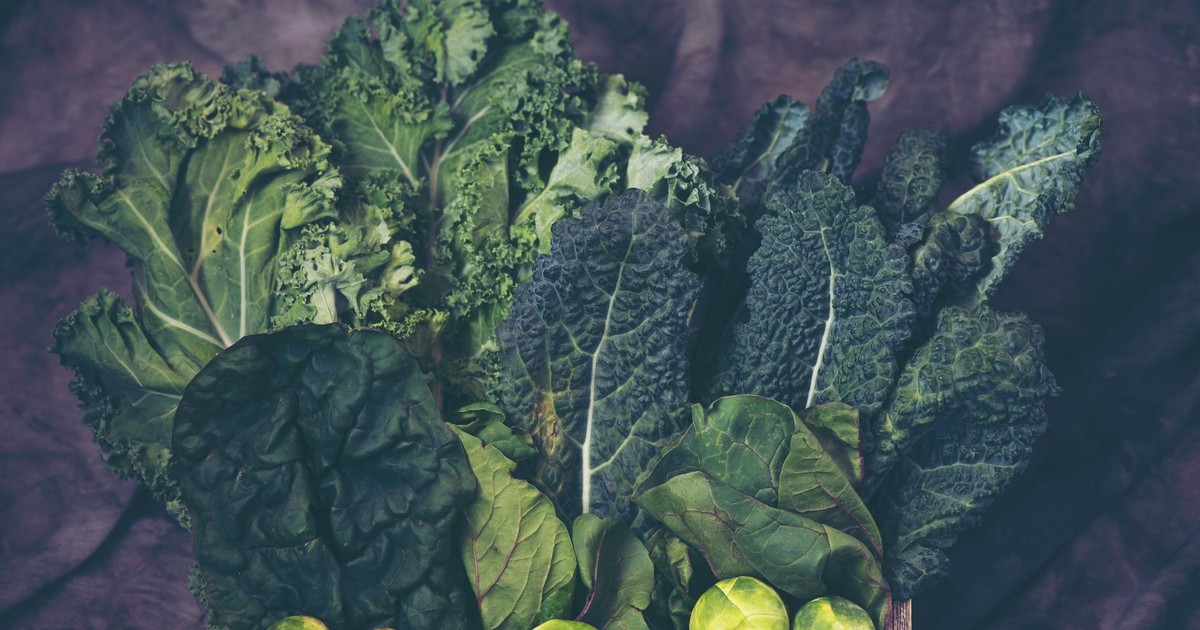
Most leafy greens struggle in summer heat, but Swiss chard and kale are built differently. Greens that can stand up to heat, like chard or kale, can grow in place of heat-sensitive lettuce and spinach. They’re productive through the warm months and continue bearing into fall, long after cool-season spring greens have finished.
As Garden Truth’s zone-by-zone planting guide notes, cool-season crops get two planting windows in many zones: early spring and late summer for a fall harvest. Many gardeners plant spring greens but miss the fall window entirely, which is often the more productive of the two, especially for kale, Swiss chard, and root crops. A July or August sowing of kale placed into a bed that’s just finished something else is one of the most efficient things a home gardener can do. By October, those plants will be producing some of the most flavorful leaves of the year, because kale’s flavor improves after a cold snap hits.
7. Beets
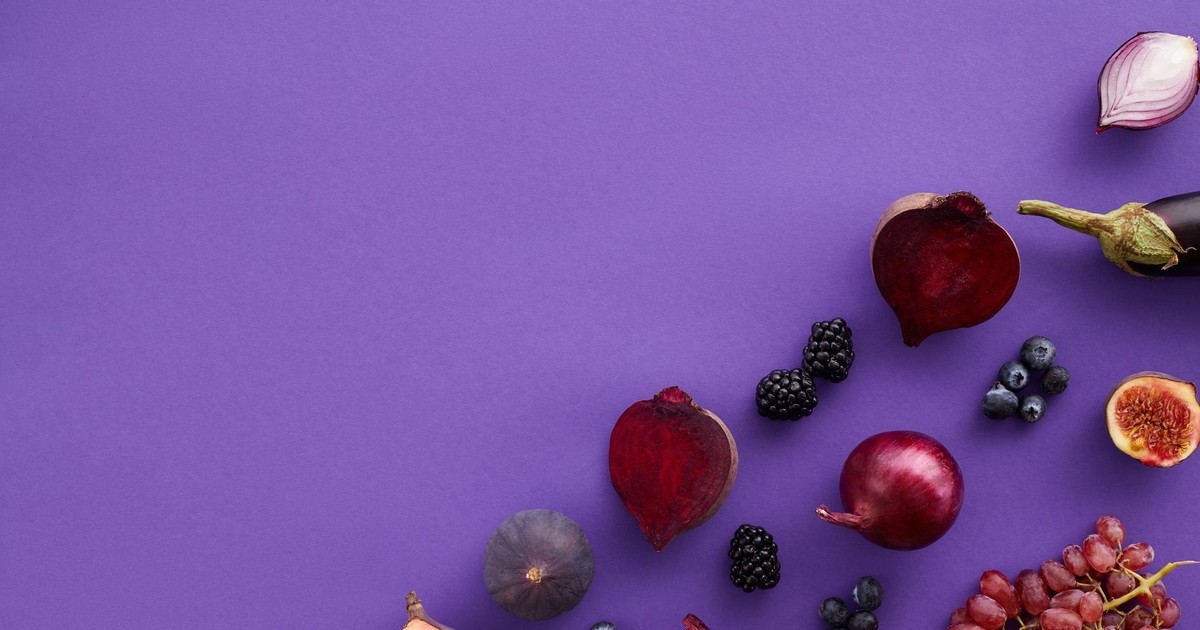
Beets sit in useful territory between a root crop and a leafy green: you can eat both parts, which makes them especially productive for the space they occupy. Beets do well when planted in July through August in most zones. The key is counting back from your first fall frost date to make sure the crop has enough time to mature before cold weather arrives.
Most standard beet varieties are ready in 50 to 70 days, which gives gardeners in zones 4 through 7 a comfortable window for a mid-July sowing. The greens are ready to harvest much sooner, within three to four weeks of germination. Thinning the seedlings to the right spacing gives you a handful of baby greens while simultaneously improving the root development of the plants that remain.
Beet seeds are actually clusters of several seeds fused together, which is why they tend to sprout in tight clumps. Soak the seeds in water for an hour before planting to improve germination, then thin aggressively once seedlings appear. Crowded beets produce poor roots.
8. Okra
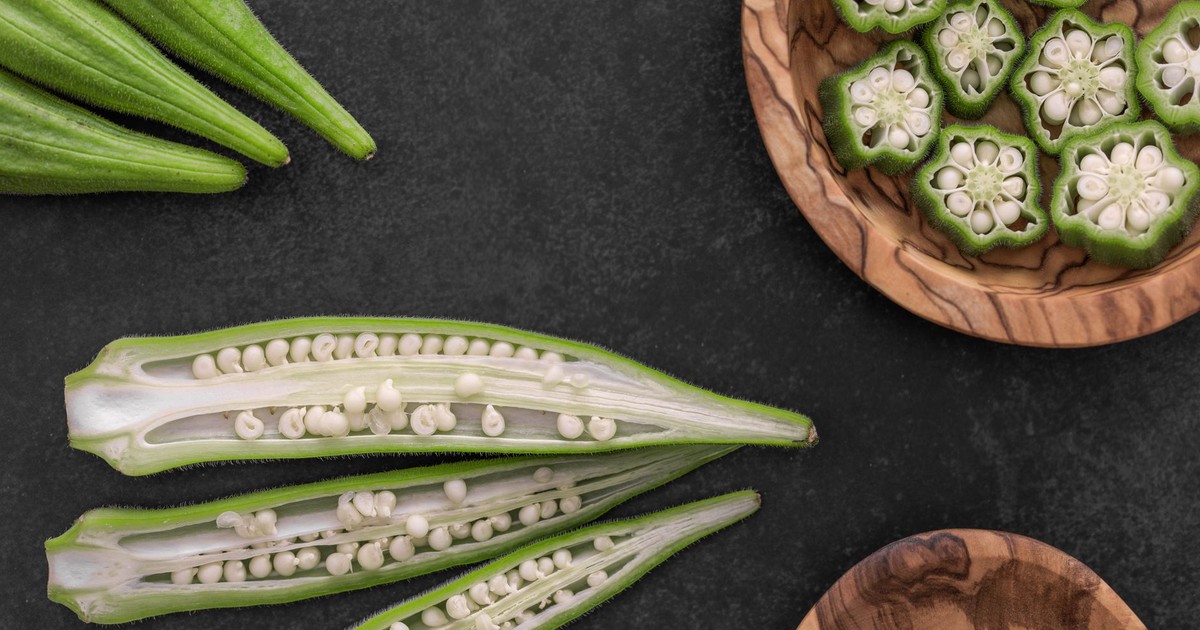
Okra is one of the few vegetables that produces better when the mercury climbs. A midsummer sowing in zones 8 through 10 is not only viable but often ideal.
The plants grow quickly from seed and start producing pods within 50 to 65 days. The key with okra is to harvest the pods when they’re small, typically no longer than three to four inches. Once they get large and woody, they’re not pleasant to eat and the plant reads the signal as a completion of its reproductive job, which slows future pod production. Pick every day or two during peak production and the plant keeps going.
In zones 6 and 7, okra can be grown successfully with a late June start, giving it the full heat of summer to establish before temperatures cool. A cold frame or row cover can extend the season usefully at the back end if an early frost threatens before the plant has finished.
9. Fennel
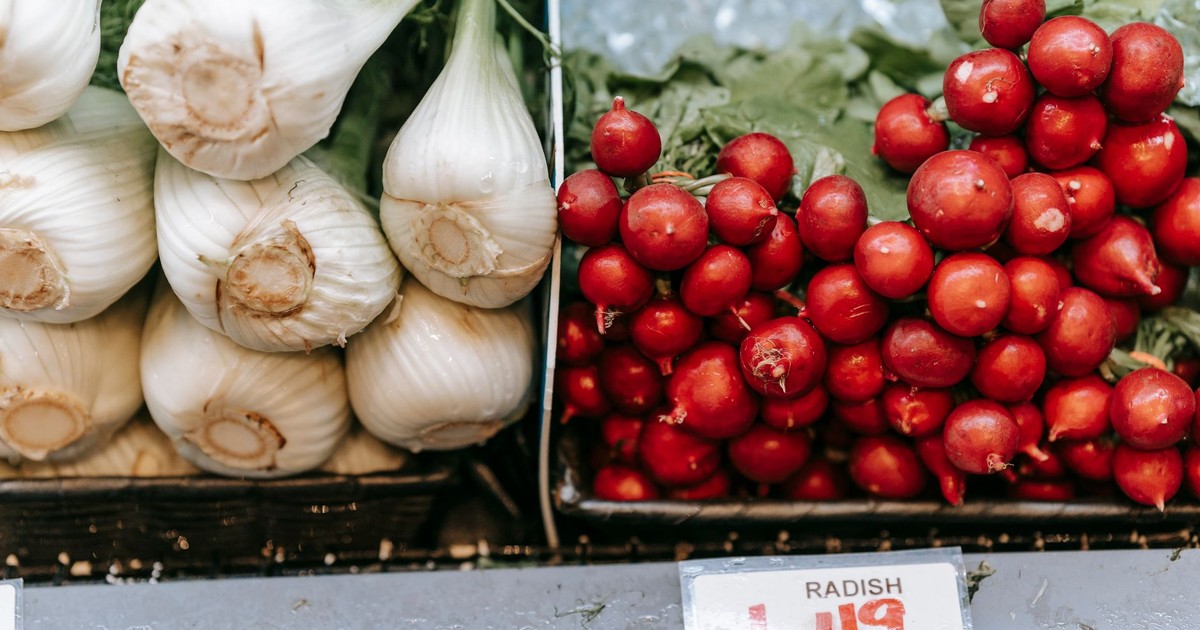
Fennel is by many measures tough and mostly unbothered by pests, and it can tolerate a reasonably wide temperature range. Fennel planted in summer and left in the ground can withstand winters in zones 6 to 10, while in cooler zones 2 to 5 it becomes a biennial and survives for two seasons.
For summer planting, fennel is worth sowing in July or August in zones 5 through 8, where it will develop its characteristic bulb through the cooler days of September and October. The bulb sweetens considerably in cool fall temperatures, much like carrots and parsnips do. The feathery fronds are also fully edible from early in the plant’s life, so you’re harvesting something useful long before the bulb is ready.
Fennel releases compounds into the soil that inhibit the growth of neighboring plants. Keep it away from tomatoes, beans, and peppers, and plant it at the edge of your beds or in a dedicated container rather than in the middle of a mixed planting.
10. Sweet Potatoes
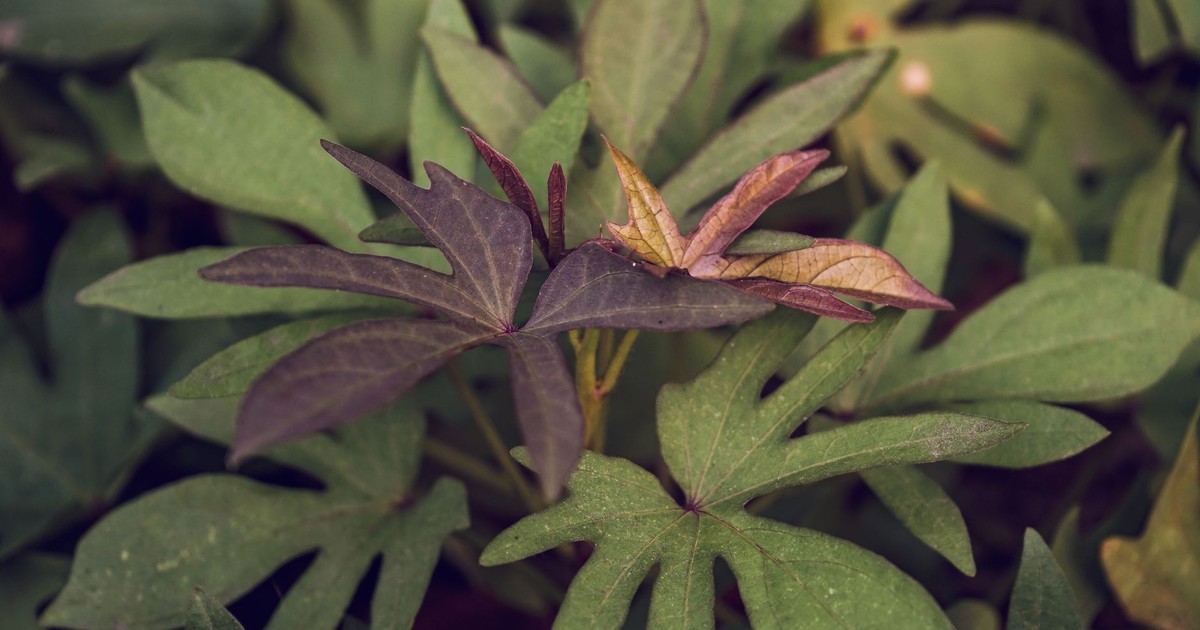
Sweet potatoes planted in spring will vine vigorously and yield by summer’s end. For gardeners in zones 8 through 13, a midsummer planting of sweet potato slips (the rooted cuttings you plant rather than seeds) is perfectly reasonable, as these zones have the sustained warmth sweet potatoes need to form sizable tubers.
Sweet potatoes need 90 to 120 days to reach full maturity, so the math on zone placement matters. In zones 6 and 7, late May through early June is the realistic window. In zones 8 and warmer, July works. The plants are also useful ground cover, with their vining growth habit suppressing weeds across the beds they occupy.
You can’t grow sweet potatoes from the grocery store variety you see most often, as those are typically treated to prevent sprouting. Source slips from a nursery or garden supplier to make sure you’re starting with viable planting material.
11. Tomatoes and Peppers
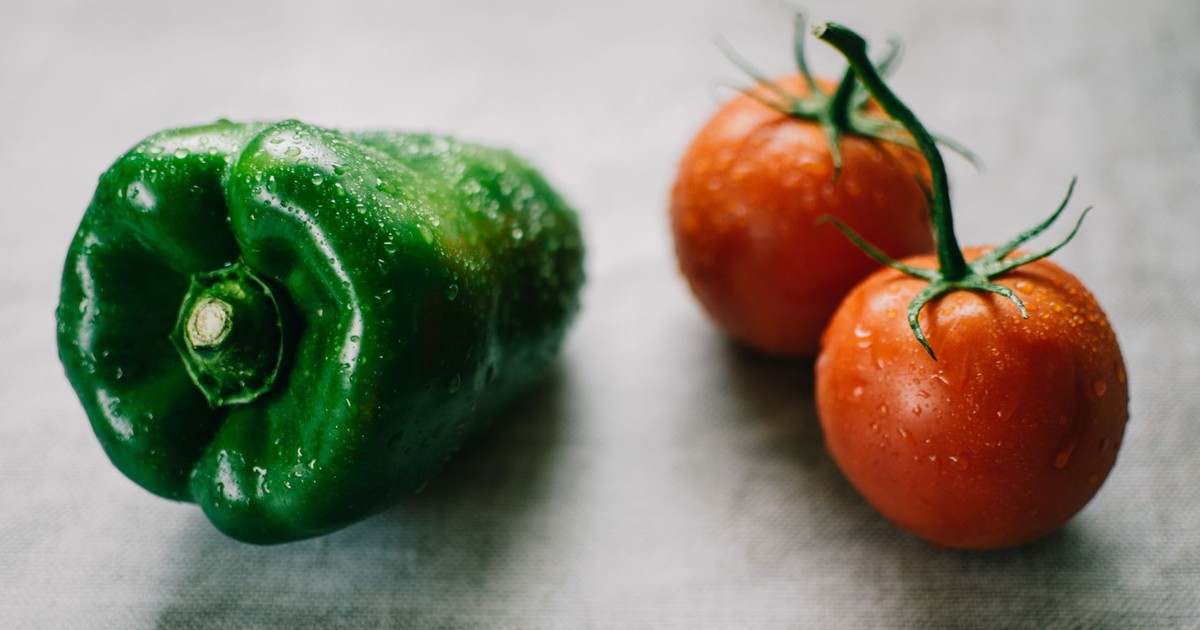
This entry surprises people, because tomatoes and peppers feel like spring crops. In zones 3 through 7, they are. But in the warmest parts of the country, a second planting in midsummer produces a fall harvest that can be more productive than the spring round.
Gardener’s Supply puts it plainly: if you garden in warm climate zones 7 to 10, your gardening activities are determined by heat, not by cold, and during the hottest part of summer there may be only a few vegetables that will thrive, but during the rest of the year, you may be able to plant and harvest almost continuously. For zones 9 and 10 specifically, August is the right time to put in tomato and pepper transplants for a fall and early winter crop. The plants establish during the tail end of summer heat and then fruit heavily as temperatures moderate in September and October.
Choose determinate tomato varieties for a second planting, since these set all their fruit within a compressed window rather than continuing to vine and grow indefinitely. That predictability suits the shorter tail end of the growing season. For peppers, start from transplants rather than seed at this stage of the season. Direct-seeded peppers won’t have enough time to mature before cold weather arrives.
12. Herbs: Basil, Dill, and Cilantro
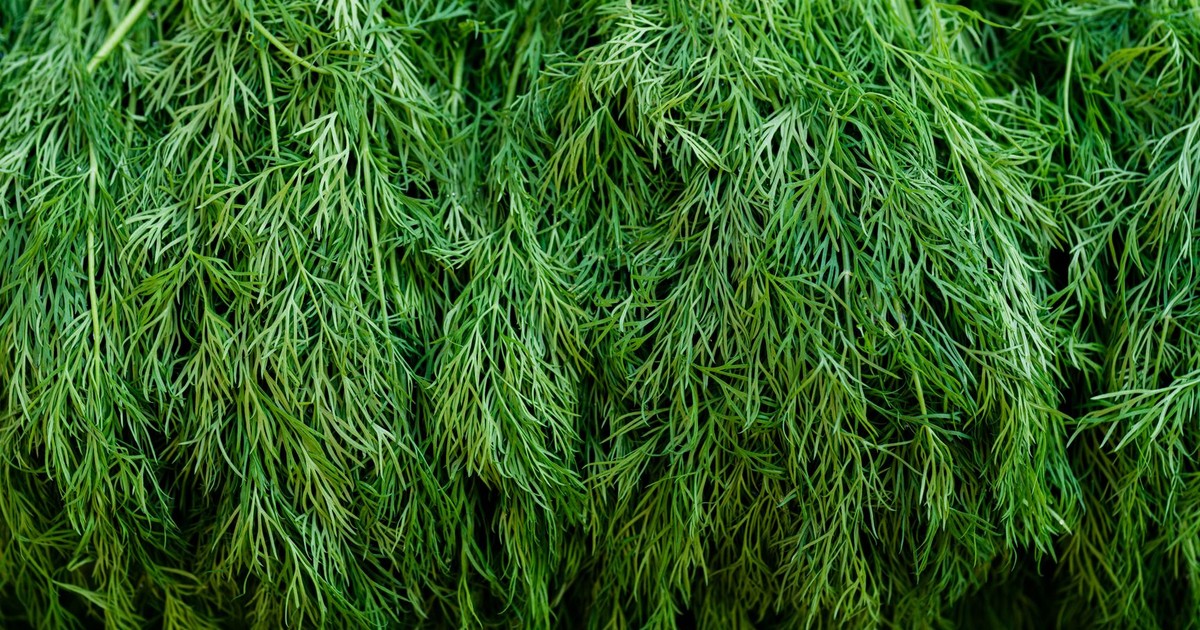
Herbs like basil, dill, and cilantro don’t take long to grow enough leaves to pick for garnishing summer meals, and can be planted at two-week intervals throughout the summer. That succession approach is the real key to keeping fresh herbs available. A single sowing of basil in June will bolt and turn bitter by August. Three sowings, two weeks apart, means you’re still picking fragrant fresh leaves in September.
Basil is the most heat-dependent of the three and suits zones 4 through 8 best for summer planting, needing consistent warmth and full sun to produce well. Cilantro and dill prefer slightly cooler conditions and tend to do best in zones 6 through 10 for a summer sowing, where they’ll produce through the early fall. Dill also doubles as a companion plant, attracting beneficial insects that help manage aphids and other pest pressure across the garden.
Parsley is worth adding here as a bonus option. It grows slowly but steadily, handles light frosts without complaint, and a summer sowing will give you a plant that’s fully productive through fall and into the following spring, since it’s a biennial that doesn’t complete its life cycle until its second year.
Read More: 10 Real Ways to Banish Negative Energy from Your Home
What to Do With All of This
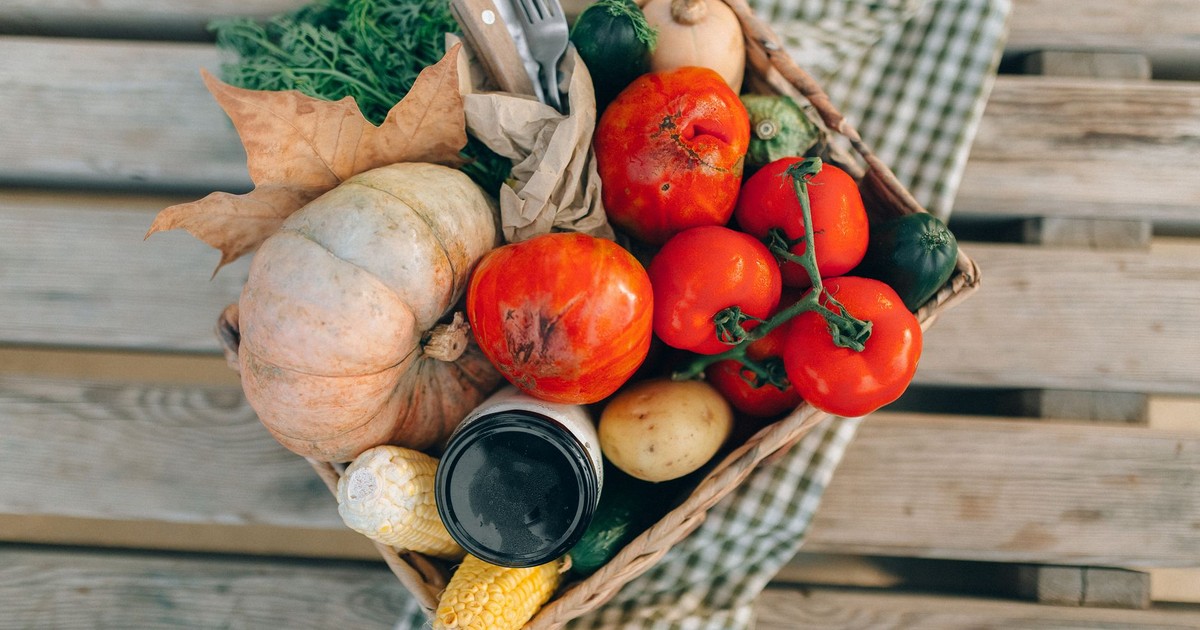
The instinct when you look at a half-planted garden in July is to decide the season is mostly over. It isn’t. If it’s July or August in most zones, the right move is to shift toward the fall garden. Kale, Swiss chard, beets, turnips, mustard greens, and fall lettuce mixes sown now will harvest through October and beyond. That’s not a consolation season. That’s a full growing season that most gardeners leave on the table.
The most useful habit you can build for summer vegetable gardening is to look at every plant you pull as an opening rather than an ending. The space where your spring peas came out is exactly where your fall carrots go in. The bed where the bolted lettuce sat is ready for Swiss chard the same afternoon. Planting everything at once produces a harvest glut followed by nothing. Spreading sowings across the full summer turns a one-act garden into something that runs continuously, right up until the first hard frost closes things down for the year.
Check the USDA Plant Hardiness Zone Map to confirm your zone if you haven’t already. Your zip code gives you a precise zone number, and that number helps you identify which of these twelve vegetables has the best shot in your specific corner of the country.
AI Disclaimer: This article was created with the assistance of AI tools and reviewed by a human editor.