
Most homes hold onto more than furniture. The argument from last Tuesday, the week you barely slept, the three months you ran on anxiety and coffee – it all settles somewhere. You can’t point to it on a shelf, but you can feel it when you walk through the door.
Whatever you call it – residual stress, stuck energy, heavy atmosphere – the home is not a neutral container. It absorbs what happens in it. The emotional residue of exhausted evenings, tense phone calls, and broken routines layers up over time. And the reverse holds too: change what’s happening in the space and you change how the space feels. Remove negative energy deliberately, and the shift can be surprisingly fast.
None of the ten methods below require you to believe in anything supernatural. Some have solid science behind them. Others work because ritual itself is powerful – because the act of intentionally refreshing a space changes your relationship to it, which changes how you feel inside it. Both are real. Both matter.
1. Declutter – and Do It Seriously

A 2025 study in the Journal of Environmental Psychology found that people who considered their homes more cluttered had lower levels of wellbeing and life satisfaction, as well as higher levels of negative feelings. That’s not a subtle effect. That’s your living room making you measurably less happy.
Women find a cluttered home more stressful than men do, on average, and this leads to detrimental daily patterns of the stress hormone cortisol – a pattern shown in a landmark study of 30 middle-class, dual-income families. Chronic cortisol elevation leads to headaches, muscle tension, digestive issues, and a persistently anxious mood. The pile of unopened mail on the kitchen counter isn’t just aesthetically annoying. It’s keeping your nervous system in a low-grade state of alert.
The practical move here isn’t a full weekend overhaul. Start with one surface: the kitchen counter, the bedroom nightstand, the coffee table in front of the couch. Target your workspace or the spot where you actually relax, and implement a simple maintenance rule – one item in, one item out. Once one surface is clear, you’ll feel the shift immediately, and that momentum is usually enough to keep going.
2. Open Every Window You Have

Fresh air sounds too simple to matter. It isn’t. Stale indoor air carries accumulated pollutants, residual odors, and an invisible psychological weight that most people only notice once it’s gone. Opening windows, even briefly, changes the physical composition of the air in a room and signals to your nervous system that the space is actively refreshing.
Independent reviews have found that plants remove volatile organic compounds [airborne chemical pollutants] at a pace too slow to matter meaningfully, and simply opening a window outperforms any arrangement of houseplants when it comes to actual indoor air quality improvement. Ventilation moves air pollutants out and brings in oxygen-rich outside air in a way that no number of decorative plants can match. Doing it first thing in the morning – before the day’s stress has a chance to settle into the walls – sets a different tone for the entire day.
Pair the open windows with a brief, deliberate walk through the space. This is less about what the air does to the room and more about what it does to you. The physical act of moving through a freshened space with intention is enough to interrupt whatever emotional loop was running in there.
3. Smudge with Sage

Burning dried sage and letting the smoke move through a room is one of the oldest known methods for removing negative energy from a home. According to Kripalu, Native elders teach that the smoke of dried sage clears negative energy and restores harmony. The practice spans cultures globally, from Indigenous North American traditions to ancient Greek and Roman ceremonies.
Sage belongs to the Salvia plant family, derived from the Latin word salvere, meaning “be well/in good health.” Research reveals that smudging works as an antiseptic – a study published in the journal Ethnopharmacology in 2007 found a 94 percent reduction in the bacterial count of a room treated for one hour by smudging with medicinal herbs. The physical act of smudging, in other words, isn’t purely ceremonial.
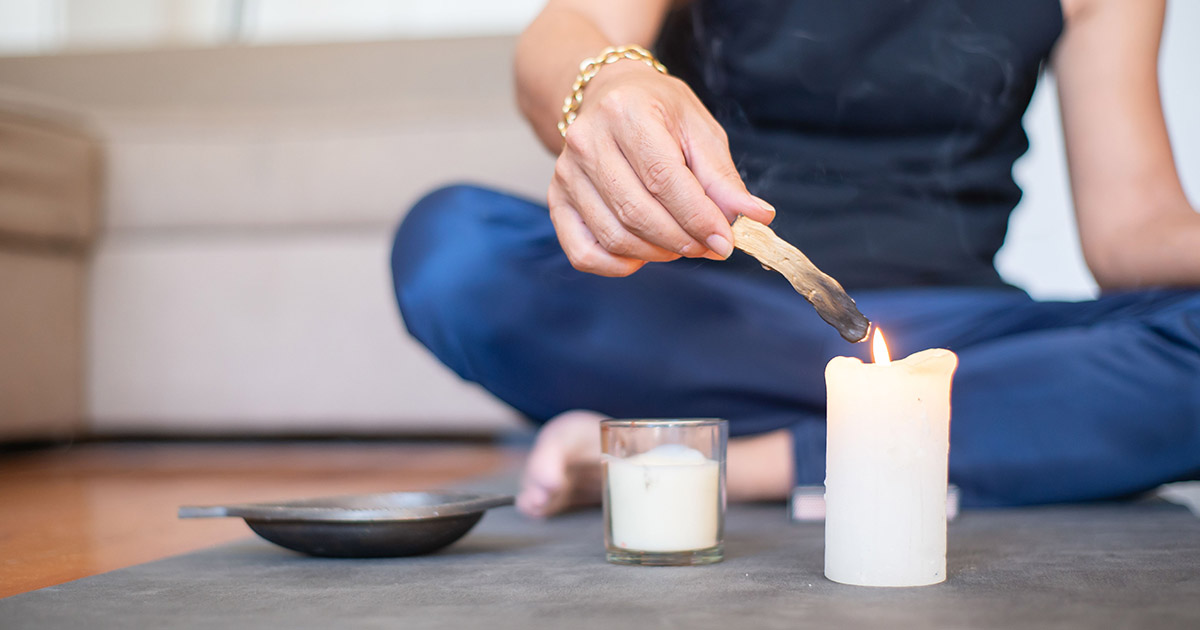
To smudge, light a bundle of dried white sage until it smolders rather than burns, then move slowly from room to room, guiding the smoke into corners, around doorways, and along windowsills. Open windows and doors beforehand to allow energies – and smoke – to exit. The process is slow by design. Rushing it defeats the point. The intention you bring to it is as important as the smoke itself, and both are doing something real.
4. Use Sound to Break Stagnant Energy
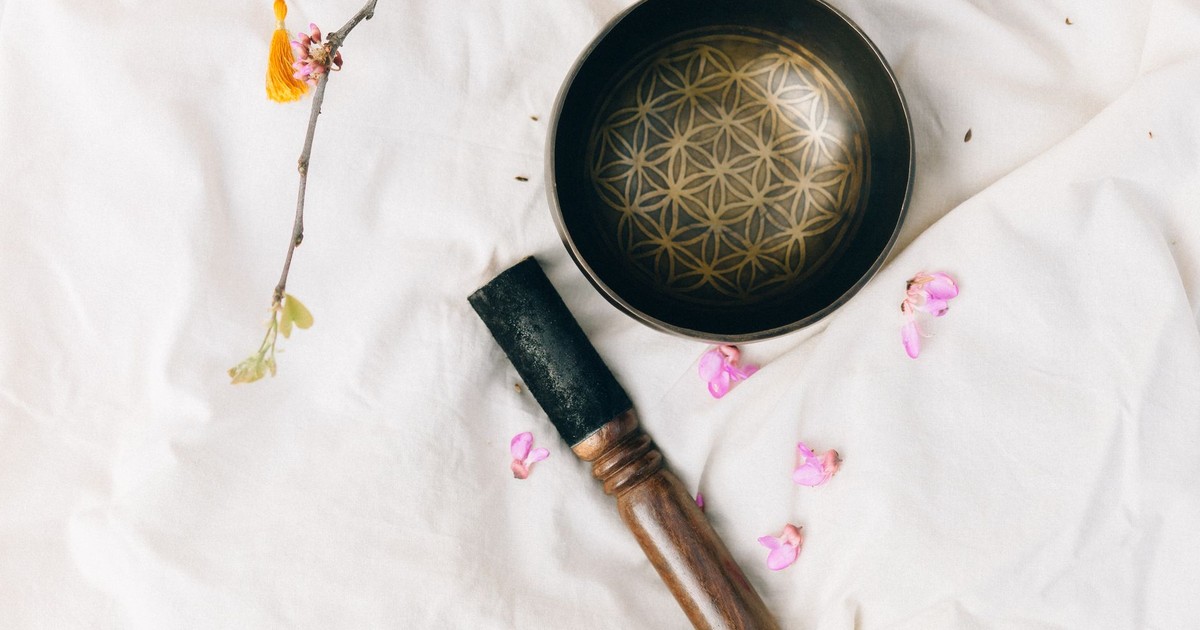
Sound is a surprisingly effective tool for shifting the atmosphere in a room. Tibetan singing bowls, hand bells, clapping, or even a specific piece of music played at decent volume all create vibrations that physically move air molecules and interrupt whatever energetic pattern has settled into a space. This isn’t purely mystical – acoustic energy genuinely disrupts stagnant air and creates movement where there was stillness.
Pairing an open window or door with a simple sound – your voice, a bell, a chime, or gentle clapping – helps mark transition through vibration rather than combustion. The cultural breadth of this practice is striking: bells are used in Buddhist temples, churches, and meditation centers worldwide specifically to clear and reset the energy of a space before something significant begins.
For home use, the simplest approach is to start at the furthest corner of the room and work your way toward the door, using a bell or your hands to create sound that pushes through the space. Play music with intention rather than as background noise. Gregorian chant, Tibetan bowls, and 528Hz tonal frequencies are commonly recommended in sound healing traditions for this purpose. Whether or not you ascribe meaning to the specific frequency, sitting in deliberate silence after creating sound in a room produces a distinctly different feeling from before you started.
5. Bring in Living Plants
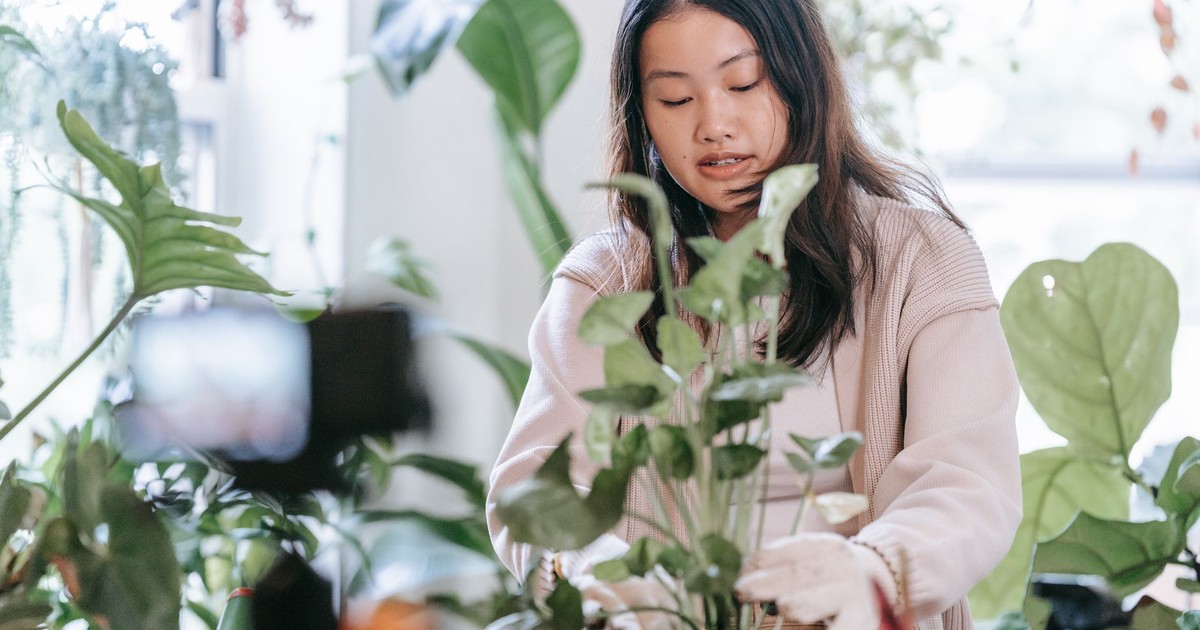
Plants don’t just decorate a room – they actively participate in it. Healthy houseplants create an environment of calmness and peace. They have been used throughout history to keep homes healthy and happy, and tending to them increases feelings of wellbeing. They also help purify the air and make your home atmosphere more energized and vibrant.
The NASA Clean Air Study is often cited as proof that plants clean indoor air, but the findings tell a more nuanced story. Even within sealed chambers, the impact was modest. In real homes with natural airflow, the numbers shift further. Independent reviews have since found that plants remove volatile organic compounds at a pace too slow to matter meaningfully, and achieving noticeable results would require an unrealistic density of plants per square meter. So the physical air-scrubbing effect is real but limited.
The psychological effect, though, is on firmer ground. Tending to a living thing – watering it, moving it toward light, noticing when it thrives – connects you to something that isn’t a screen or a task list. A snake plant in the bedroom, a pothos on the kitchen shelf, a peace lily in the corner of the living room: none of these will replace an air purifier, but all of them will change how a room feels in ways that are harder to quantify and no less real.
6. Salt Cleansing

Salt has been used across nearly every culture as a purifying agent for millennia. In the context of home energy, coarse salt placed in corners, along windowsills, or near entryways is believed to absorb negative energy and act as a barrier against it entering or building up in a space. Himalayan pink salt lamps, which have become widely available in recent years, are said to release negative ions when warmed by the heat of their bulb.
Research published in the International Journal of Molecular Sciences found that the presence of negative air ions is credited with increasing psychological health, productivity, and overall wellbeing – but without consistent or reliable evidence in therapeutic effects. Studies also showed that negative ions may help people relieve symptoms of allergies to dust, mold spores, and other allergens. The science is still evolving on the therapeutic side, but the physical process – ions binding to particulate matter and pulling it out of the air – is well documented.
Whether or not a Himalayan lamp produces ions in quantities that measurably affect a room’s air quality, many people find that the warm, amber glow itself has a calming effect. The ritual of placing bowls of sea salt in corners of your home, leaving them overnight, and then disposing of them outside the house (flushed down a drain or scattered outside) is one of the oldest energy-clearing practices in use. Its persistence across cultures for thousands of years, regardless of whether you frame it spiritually or simply as a signal to yourself that you’re resetting the space, says something worth paying attention to.
7. Let in Natural Light

Light changes a room faster than almost anything else. Dark spaces trap stagnant energy the way they trap cold air – slowly, insidiously, until you stop noticing it. Pulling back curtains, removing heavy window coverings, trimming outdoor plants that block sunlight from reaching windows: these aren’t interior design suggestions, they’re interventions.
Living in a dark home can harbor feelings of depression and anxiety. Brightening your living space by painting the walls a lighter color and adding bright colors, art, and decorations helps bring happiness and joy back into your home. Hospitals and schools that invest in natural lighting consistently report better outcomes for the people inside them. The human body runs on light – circadian rhythms [the body’s internal 24-hour clock] are set almost entirely by light exposure, and disrupting them disrupts everything else.
On a practical level: if your space is genuinely dark due to architecture, add full-spectrum light bulbs [bulbs that replicate the wavelength composition of natural daylight] to your main living areas. They’re widely available and inexpensive, and the effect on mood is noticeable within a week. Open curtains each morning as a deliberate act rather than an afterthought. Light and intention together work better than either alone.
8. Use Essential Oils and Incense
The nose is the only sense with a direct pathway to the brain’s limbic system – the part responsible for emotion and memory. That’s why the smell of a particular place can change your mood before you’ve even had time to think about it. Working with scent deliberately is one of the most underused tools for shifting the energy of a home.
Lavender oil has been studied extensively for its ability to calm the nervous system and reduce anxiety. Peppermint oil promotes mental clarity and creates a sense of wellbeing. Lemon oil works to uplift the spirits and promote motivation. These aren’t vague wellness claims – the relationship between scent and mood is among the more reliable findings in behavioral research.
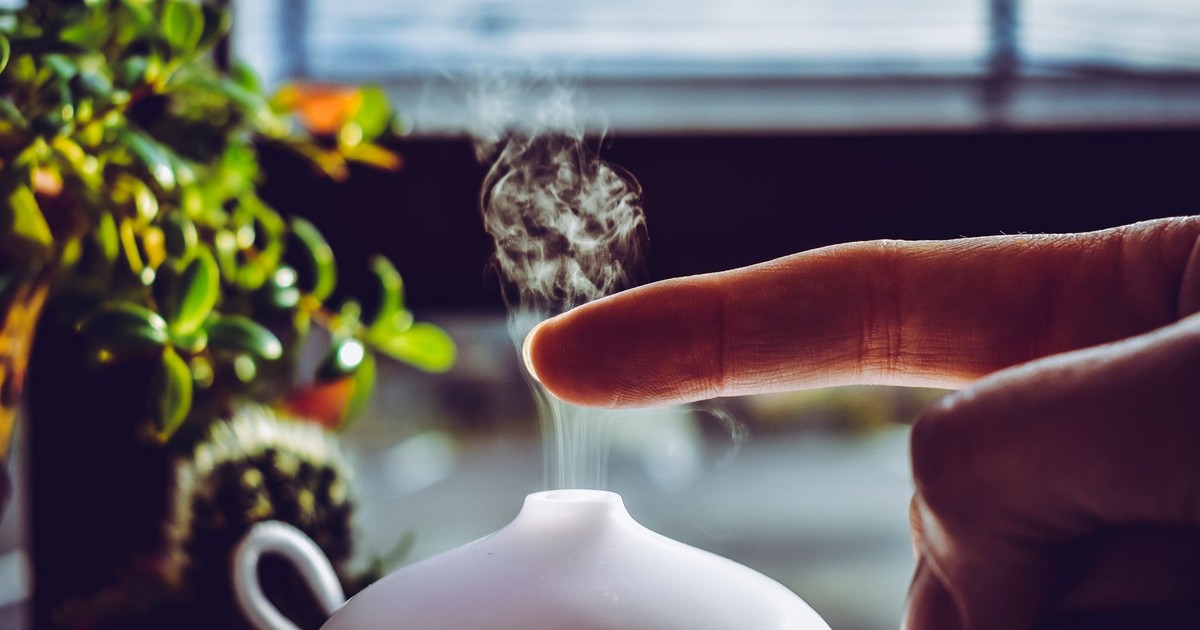
Burning incense sticks, especially those with sage, sandalwood, or lavender, is said to help remove negative energy as they release a fragrant smoke that neutralizes bad energy and provides calm and peace. A diffuser with a few drops of clary sage, frankincense, or cedarwood essential oil in the main living area is a genuinely simple and effective way to shift how a room feels within minutes. If you’ve had a difficult conversation in a space, or a run of bad nights, changing its scent is often the fastest route back to feeling at ease in it.
9. Rearrange the Furniture
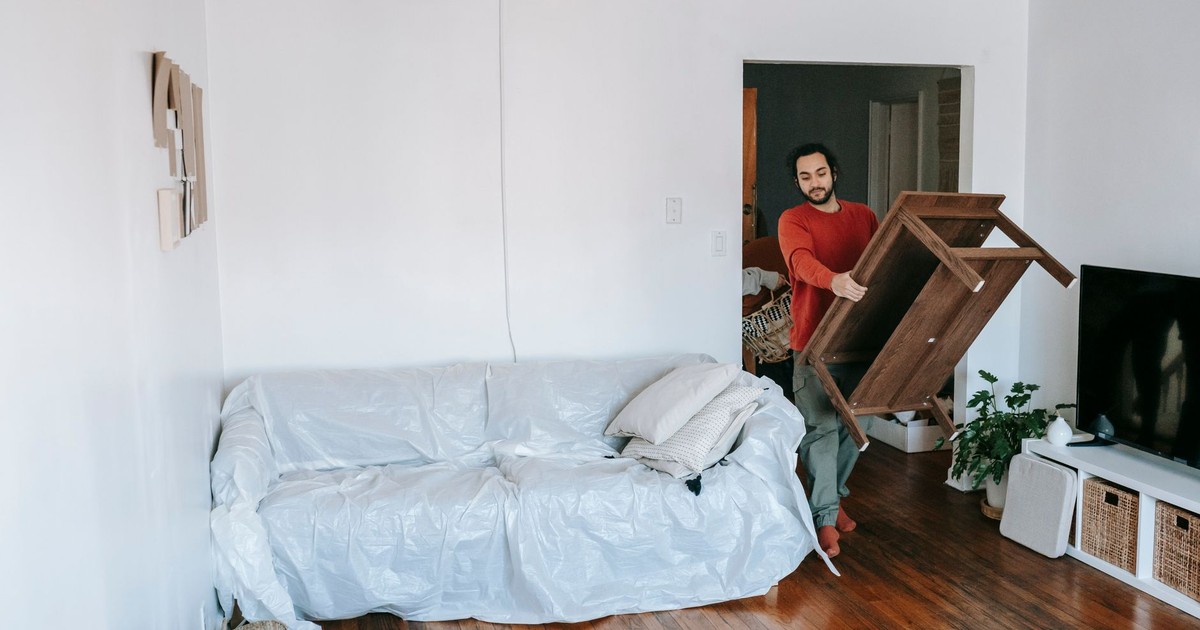
The way a room is arranged shapes how energy moves through it – and how people move through it, which amounts to the same thing. A couch pushed against a wall with its back to the door creates a different feeling than one facing the entrance. A bedroom where the bed faces the door feels more secure than one where it doesn’t. These aren’t arbitrary preferences – they’re rooted in the ancient Indian architectural system of Vastu Shastra and the Chinese practice of Feng Shui, both of which treat the arrangement of space as a direct influence on the wellbeing of its occupants.
Vastu Shastra encompasses a set of principles that guide the design and placement of homes to ensure the flow of positive energy and to remove negative energies. With roots in spiritual and cosmic beliefs, Vastu aims to create living spaces that contribute to the overall wellbeing and prosperity of their inhabitants.
You don’t need to become a devoted practitioner of either tradition to benefit from their core insight: stuck energy often follows stuck furniture. If a room has felt off for months, rearranging it fundamentally resets your experience of the space. Moving even one large piece – the sofa, the bed, the desk – gives the room a different map, and your nervous system responds to that novelty. The effect fades eventually, which is why periodic rearrangement, not just once, is worth building into how you inhabit a home.
10. Set Intentional Space with Rituals and Gratitude

The last method is the one that holds all the others together. Every practice on this list works partly because of what you bring to it. Intention – the deliberate decision to treat a space as something worth caring for – is the ingredient that turns an open window into a ritual, a burning sage bundle into a ceremony, and a rearranged room into a genuinely new beginning.
From ancient spiritual rituals to modern holistic practices, energy clearing has long been used to support mental clarity, emotional health, and spiritual connection. As more people seek tools to manage stress and feel more aligned, energy cleansing is becoming a regular part of self-care routines. The reason it works is not only metaphysical. When you act with intention in a space, you are changing your own relationship to it – which changes how your body responds when you’re inside it.
A simple gratitude practice carried out at home amplifies every other method on this list. Pausing in a room that’s just been smudged, or freshened with open windows, or lit with natural morning light, and naming three things you’re grateful for in that space – this is not naive optimism. It is a deliberate recalibration of your nervous system inside a specific environment. Do it consistently and the room begins to carry a different association. Not because the room has changed but because you have, and you’ve done it there.
Read More: Say Goodbye to Laziness with These 9 Simple Morning Rituals
What to Do With All of This

These ten methods are all useful, but none of them are one-time fixes. The energy of a home is a running record of what happens inside it – the conversations, the moods, the habits, the quality of attention people bring to it each day. One smudging session won’t erase a year of stress. A rearranged room will revert to feeling the same if nothing else changes about how it’s used.
The more durable shift comes from treating the home as something that requires ongoing attention, the way a garden does. Not constant work, but regular notice. Opening a window on a Tuesday because the air feels heavy. Lighting incense on a Sunday because the week ahead feels complicated. Clearing a surface when you notice the clutter creeping back. These are small acts, but repeated over time, they accumulate into a genuinely different kind of home – one that holds the energy you bring to it rather than the energy that just happened to land there.
AI Disclaimer: This article was created with the assistance of AI tools and reviewed by a human editor.