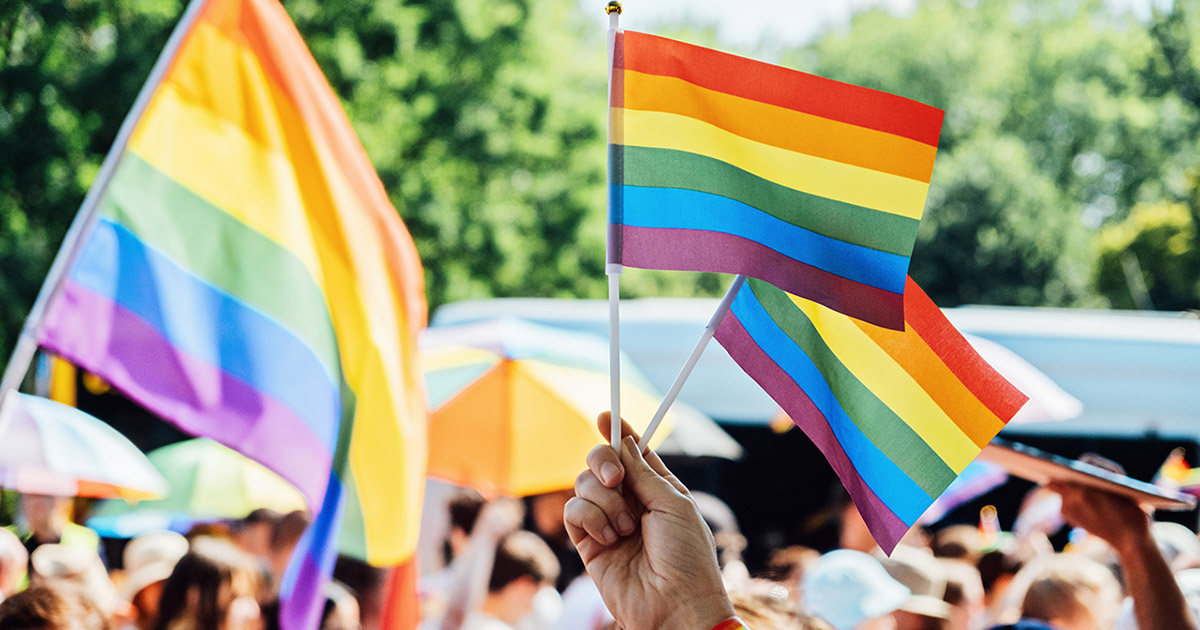

On June 30, Melania Trump posted on X in response to the Supreme Court’s 6-3 ruling upholding bans on transgender girls competing in girls’ and women’s school sports. The First Lady, who rarely takes public positions on policy, declared she “fully” supports “the LGBTQIA+ community” while also backing the court’s decision. The post drew criticism from both the left and the right.
The post was not improvised. She quoted a passage from her 2024 memoir, Melania, establishing that her position predated the ruling. She then cited the court’s own language to argue that supporting LGBTQ rights and protecting girls’ sports are compatible goals.
What the Supreme Court Actually Decided
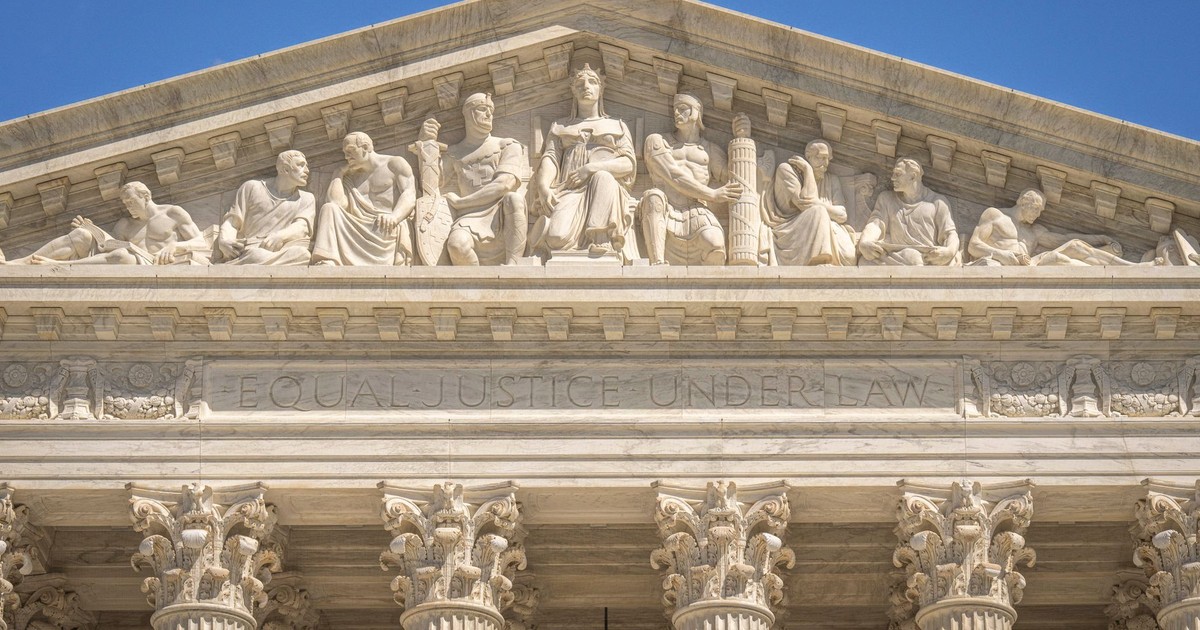
The Supreme Court upheld state bans on transgender girls competing in girls’ and women’s competitive sports, reversing lower court decisions that had blocked those bans as violations of Title IX and the 14th Amendment. The 6-3 decision was written by Justice Brett Kavanaugh and broke along ideological lines.
At the heart of the case was Title IX, the civil rights law that bars sex-based discrimination in education programs receiving federal money. Enacted in 1972, the law reshaped women’s sports by requiring equal treatment for male and female athletes. The question before the court was whether states could use that same law to justify keeping transgender girls off girls’ teams. Six justices concluded they could.
“The Court concludes that separate sports teams for biological males and biological females are reasonable given the inherent physical differences between the sexes,” Kavanaugh wrote. “In assessing the reasonableness of the regulations, the Court must recognize the distinctiveness of competitive sports – and the safety and competitive fairness issues that can arise when females are forced to compete against males.”
The ruling upholds laws in West Virginia and Idaho and bolsters similar laws in 27 other states that bar transgender girls from teams consistent with their gender identity. The decision was narrowly focused on competitive school sports. The 21 states that currently allow transgender girls to compete on girls’ teams, including California and New York, remain unaffected for now, and the ruling left untouched any broader question about Title IX’s protections for transgender students generally.
What Melania Said – and How She Said It

The First Lady opened her post by quoting page 156 of her memoir, signalling that her view predated the ruling. “As many of you may know, I fully support the LGBTQIA+ community,” she wrote, adding that female athletes must also be “protected and respected.” She then cited the court’s own language to argue that the two positions are compatible.
“America, we can support the rights of the LGBTQIA+ community and also protect opportunities for female athletes. Respect everyone and keep girls’ sports fair. Both ideals are essential,” she wrote on X.
President Donald Trump’s response on Truth Social took a different tone. He wrote: “BIG WIN: The United States Supreme Court just RULED AGAINST MEN PLAYING IN WOMEN’S SPORTS.” Melania’s post used the word “respect.” Trump’s did not.
A Statement That Pleased Almost No One

Melania Trump’s attempt to balance support for LGBTQIA+ rights with endorsement of the court’s decision drew criticism from multiple sides of the political spectrum.
LGBTQIA+ advocates argued that expressing support for the community while backing a ruling that restricts transgender athletes’ participation sends conflicting messages. Advocacy groups described the decision as devastating for trans students who want to compete alongside their peers.
From the right, some conservative commentators and members of Trump’s political base criticised the First Lady for publicly expressing support for the broader LGBTQIA+ community at all, calling the statement unnecessary. Social media posts from self-described MAGA supporters said they had “lost respect” for her over the pro-LGBTQ language.
Melania’s position, holding support for LGBTQ people alongside support for the court’s ruling, ran directly into the reality that most people engaged in this debate do not believe both things can be true at once. The reaction from both sides confirmed it.
Her Record With the LGBTQ Community
Melania Trump has cultivated a connection with gay conservative circles for years. In 2024, she hosted a fundraiser for the Log Cabin Republicans at Mar-a-Lago, where she praised the group and described her husband as “the most pro-gay president in American history.” The Log Cabin Republicans are the largest organisation representing LGBT conservatives in the United States. She also headlined their annual gala at Mar-a-Lago in 2021 and received the group’s Spirit of Lincoln award.
The financial side of that relationship drew scrutiny. According to a 2024 CNN report, Melania Trump was paid $237,500 to speak at an April Log Cabin Republicans event, based on Donald Trump’s financial disclosure form. Charles Moran, president of the Log Cabin Republicans, told CNN the group did not put up the money, and the disclosure form identified no further source for the payment.
During the 2020 presidential campaign, she appeared in a campaign video defending Donald Trump against accusations of being anti-LGBTQ, saying he “sees potential in everyone he meets, no matter their gender, race, religion, or sexual orientation.”
The Broader Picture for Transgender Americans
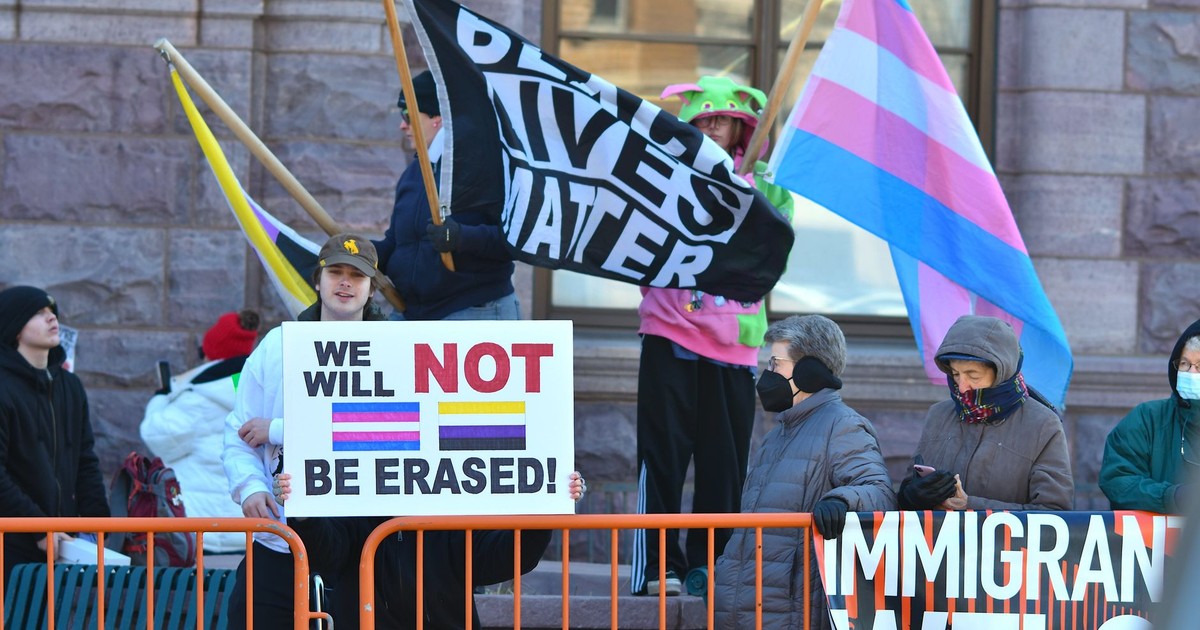
The Supreme Court ruling on sports was not an isolated event. It followed the prior year’s ruling, which upheld state laws making it illegal for doctors and other health professionals to provide gender-affirming care for minors. A total of 25 states have since criminalised or banned gender-affirming care for minors.
About 2.1 million adults (0.8%) and 724,000 people ages 13 to 17 (3.3%) identify as transgender in the U.S., according to the Williams Institute at UCLA School of Law. The rulings of the past two years have materially changed the legal reality for those Americans and their families.
Sixty-nine percent of Americans believe transgender athletes should only be allowed to play on teams that match their birth gender, according to a June 2025 Gallup survey. The case that gave the court its clearest vehicle for the decision involved Becky Pepper-Jackson, a 16-year-old who was the only known openly transgender athlete in West Virginia in any sport. She began identifying as a girl in third grade and participates in shot put and discus on the high school girls’ team.
Read More: America’s 5 Most Unwelcoming Cities — Do You Live in One?
The Space Melania Occupies

Melania Trump is less visible than any modern First Lady in recent memory, rarely grants interviews, and seldom speaks without obvious intention. Her June 30 Melania Trump LGBT statement was constructed to find middle ground, holding two positions at once in a political moment that rewards picking a side.
LGBTQ advocates see a First Lady who expressed warmth toward a community whose legal protections are narrowing under her husband’s administration. Conservatives see a statement they believe she should not have made. The court itself did not find middle ground – it ruled 6-3. Kavanaugh’s majority opinion noted that transgender athletes deserve “respect” and should not be “ostracized or vilified,” but respect, as a legal standard, does not determine team eligibility.
“Support,” “fair,” and “respect” appear in Melania’s post, but each word carries a different meaning depending on which side of this debate is reading it. None of them landed cleanly – which may reflect less on her statement than on how little space remains for any position that does not begin by choosing a side.
AI Disclaimer: This article was created with the assistance of AI tools and reviewed by a human editor.