
Miami ranks as the most unwelcoming city in America, with a rudeness score of 9.88 out of 10 in a 2024 survey of 46 major cities. Fifty-four percent of Miami residents say native Miamians are ruder than newcomers, a finding harder to dismiss than tourist complaints. The pattern holds across all five cities on this list: the people who live there are most aware of the problem.
The daily friction is rarely dramatic. It’s the driver who cuts you off on the highway every morning, the person who jumps the queue at the coffee shop without a glance, the neighbor who looks straight through you in the elevator. These cities built their reputations one small irritation at a time, until the irritation became the expectation.
How These Rankings Were Determined
The primary data behind this list comes from a 2024 survey by Preply, which polled residents across dozens of America’s largest cities on behaviors they regularly witnessed from fellow residents. The survey covered public space etiquette, phone manners, treatment of service workers, and driving habits. Each city received a rudeness score on a 0-10 scale, with 10 representing the worst. Reported behaviors included listening to music in shared spaces without headphones, ignoring strangers, disregarding personal space, and careless driving.
The most common rude behaviors Americans reported witnessing were lack of care for others, being loud in shared spaces, and a lack of self-awareness. In the five cities below, those behaviors are more frequent than anywhere else surveyed.
1. Miami, Florida
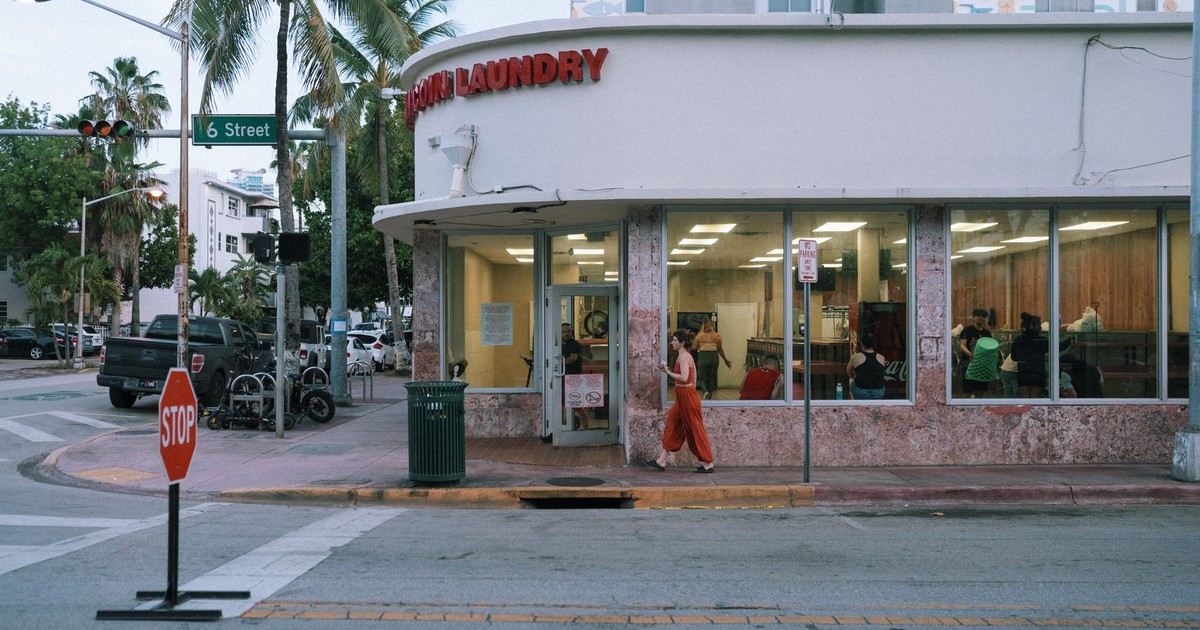
Miami ranked as the most inconsiderate city in 2024 with a rudeness score of 9.88 out of 10, compared to Philadelphia’s previous top score of 6.43 in 2022. Miami didn’t edge out the competition; it landed in a different category entirely.
The driving features prominently. On Miami’s roadways, rude drivers most commonly prevent others from merging and cut into closed lanes to gain position. 61% of Americans say they’ve witnessed drivers in their city ignore basic rules of the road.
A survey by Solitaire Streak named Miami the rudest city in the US based on responses from residents in 40 major cities, with a score of 99.29 out of 100. More than 1 in 5 Americans said they have considered moving away because of how people treat each other in their city.
Miami’s tourism factor complicates the picture. Millions of visitors cycle through annually, many in vacation mode and removed from the social accountability of their home communities. Permanent residents absorb that friction year-round, and over enough years, it shapes the broader culture.
2. Philadelphia, Pennsylvania
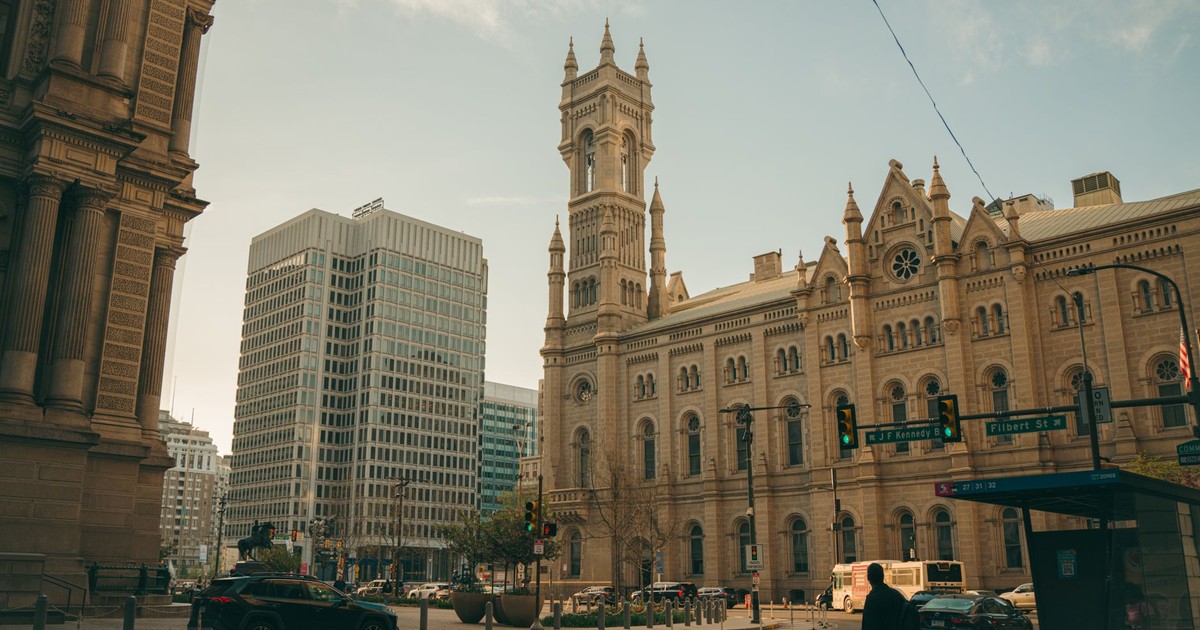
Philadelphia has the longest-running unwelcoming reputation of any city on this list. Preply named it the most impolite city in its 2022 survey with a score of 6.43. In 2024, the city ranked second with a score of 9.12, a higher absolute score than when it held the top spot, meaning Philadelphia’s residents are treating each other worse than they were two years ago, even as Miami pulled further ahead.
The city carries a bluntness that its residents tend to wear as a badge of honor. The famous sports passion, including the Eagles fan reputation and the decades-old Santa Claus incident, is one visible expression of a civic intensity that tips into hostility when things go wrong.
Stress is a significant factor. A WalletHub study ranked Philadelphia 7th for overall stress out of more than 180 American cities, with money, health, and the economy as the top stressors. According to the 2025 INRIX Global Traffic Scorecard, Philadelphia ranks third in the United States for traffic congestion, behind Chicago and New York, with commuters losing an average of 101 hours to extended travel annually, which analysts link directly to elevated rudeness levels.
For the past decade, Philadelphia has carried a reputation for violent crime, open-air drug markets, and unresponsive leadership. Watching a neighborhood deteriorate while feeling unheard by city officials changes how people treat each other at street level. Crime rates have been declining as a new administration has rolled out its public safety program, but reputations take longer to reverse than they do to form.
3. Tampa, Florida
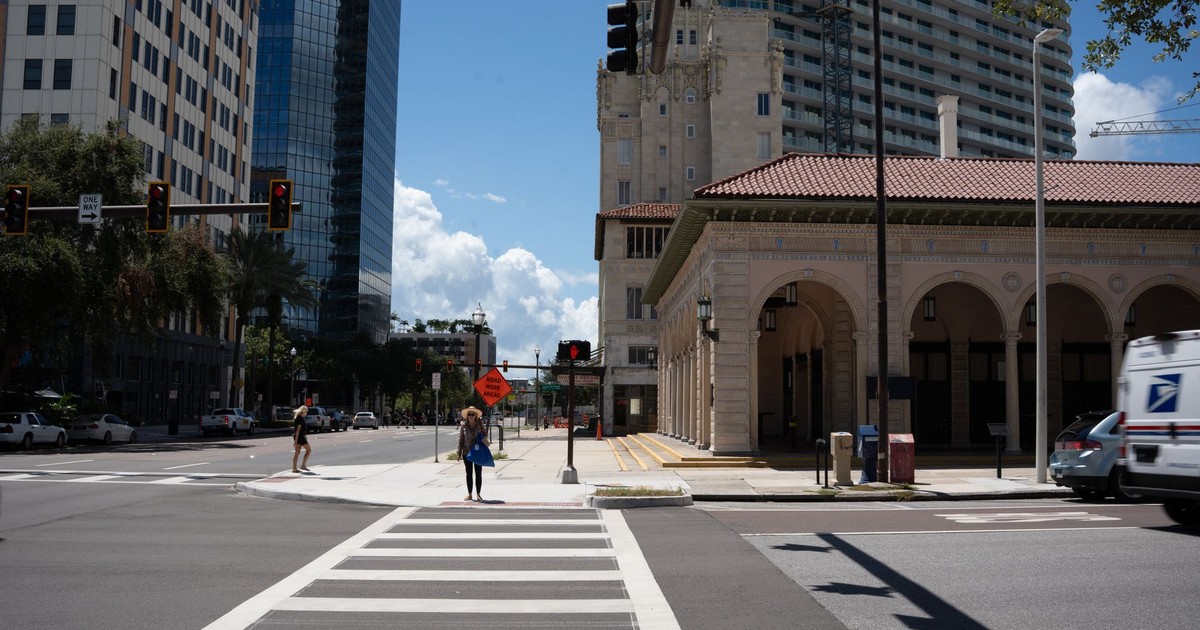
Tampa didn’t make the top 12 in the 2022 survey. Two years later, it ranked third with a score of 8.88, ahead of Louisville at 8.72 and Oakland at 8.67. That kind of rise in a short window suggests something shifted in how Tampa residents experience their city, not a statistical blip.
The behaviors driving Tampa’s ranking are familiar in rapidly growing Sun Belt cities: people absorbed in their phones, drivers who wait until the last second to merge, and a general indifference in public spaces where nobody makes eye contact and nobody holds the door.
Tampa absorbed tens of thousands of new residents from more expensive coastal cities in the years after the pandemic. That demographic change happened faster than the city’s infrastructure or existing communities could absorb. Older Americans are more likely to say transplant residents are ruder than native residents, and Tampa’s accelerated growth makes that friction especially visible.
4. Louisville, Kentucky
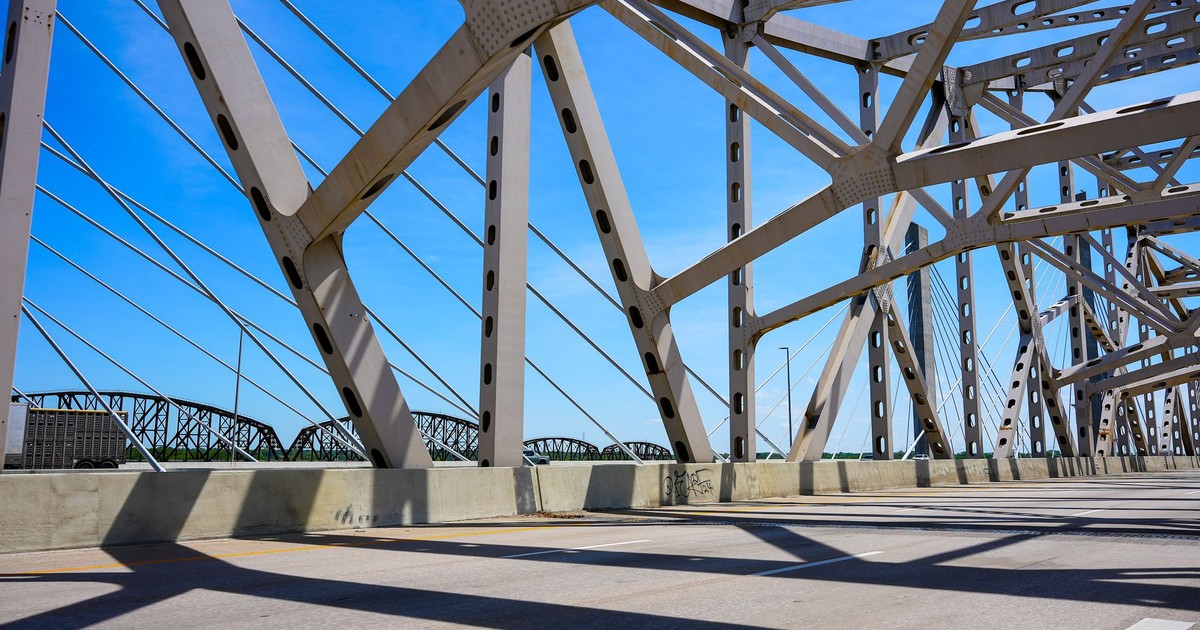
Louisville’s presence here cuts against Southern hospitality expectations. Along with Charlotte, Austin, and Chicago, Louisville has become measurably ruder since the 2022 survey, suggesting the city is moving in the wrong direction rather than holding a static position.
Louisville scored 8.72 out of 10, placing it fourth among all 46 cities surveyed. That score sits closer to Miami’s 9.88 than to the national midpoint.
Louisville is dealing with deep economic stratification, persistent racial tension, and a recent history that includes the 2020 killing of Breonna Taylor and the civic reckoning that followed. Longtime residents watching rapid gentrification in the NuLu district while other neighborhoods struggle for basic services are not experiencing their city as a unified community. When a neighborhood’s identity fractures along those lines, the damage bleeds into ordinary daily interactions. Louisville also appears on lists of America’s most stressed mid-size cities, and sustained financial and civic pressure consistently produces shorter, less courteous behavior between strangers.
5. Oakland, California
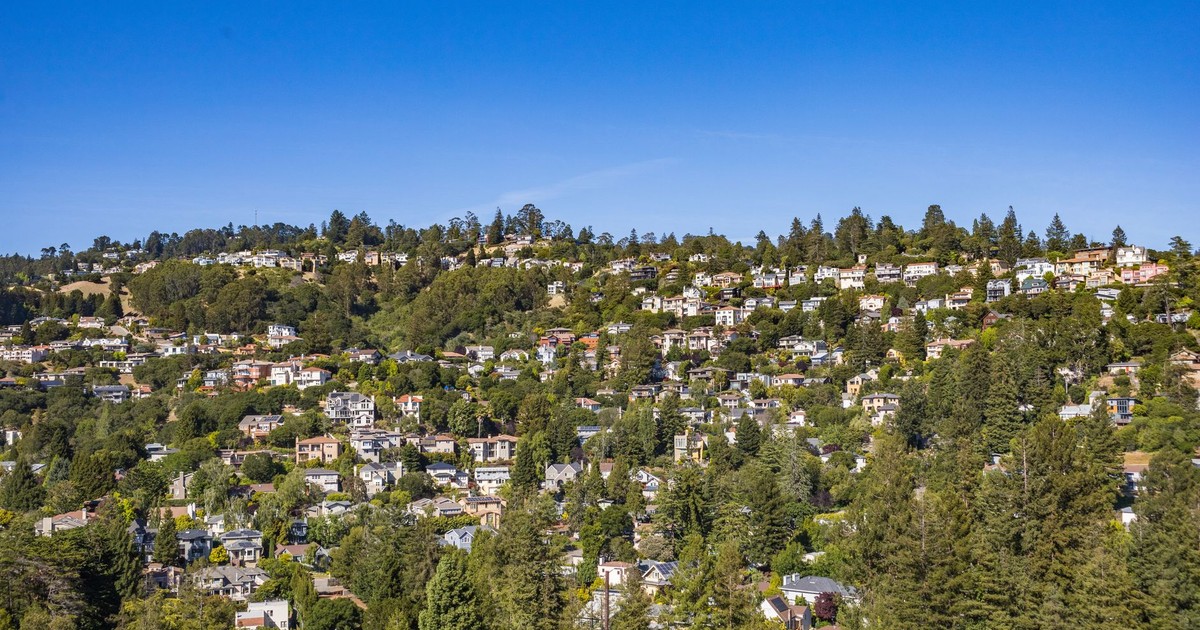
Oakland rounds out the top five with a score of 8.67. Locals in Oakland, along with those in Miami and Tucson, specifically said that people in their city are ruder than those in any other city, a finding that comes from residents’ self-assessment rather than outsiders’ impressions.
Oakland sits directly across the bay from San Francisco and absorbs many of the Bay Area’s unresolved pressures: housing unaffordability, displacement, and a widening divide between the tech economy and everyone else living inside it. That proximity produces a civic exhaustion that is easy to misread as unfriendliness.
The city has seen sustained struggles with violent crime, high rates of property crime, and a chronic sense among longtime residents that the institutions meant to serve them are either overwhelmed or indifferent. National data shows 1 in 2 Americans think residents of their city have become ruder, and 1 in 4 believe the residents of their specific city are the rudest in their state. Oakland residents fall firmly in both camps. When residents feel a city is ungovernable, social trust collapses, and collapsed social trust is what an unwelcoming city looks like from the ground.
Read More: These 10 American Cities Have Special Perks for Retirees Who Move There
What This Actually Means
Each city on this list is dealing with the same underlying pressure: rapid change, economic strain, and a shrinking sense of shared investment in public life. Half of all Americans believe political tensions have directly contributed to increasing incivility in their communities. That figure suggests this isn’t a Miami problem or a Philadelphia problem specifically; it’s a national condition playing out most acutely in cities under the most strain.
One in 5 Americans has considered moving somewhere else because of how people treat each other in their city. People rarely leave because of the weather. They leave because of how they feel walking out the front door every morning. A city where drivers treat the road as a competition, where service workers are spoken to like obstacles, and where strangers don’t acknowledge each other has a morale problem long before it has a rankings problem.
Much of what gets called rudeness is exhaustion in disguise. The Miami driver who cuts you off has probably done the same commute in the same conditions for years. The Philadelphia cashier who doesn’t smile is working a second job on four hours of sleep. Cities that have improved on friendliness rankings, including New York, which dropped from third rudest to 21st in two years, typically did so not because residents became better people overnight, but because something in the underlying conditions shifted: some economic relief, a renewed sense of civic investment, a reduction in the daily friction that wears people down.
The cities on this list aren’t beyond change. They’re living with a level of accumulated pressure that makes small courtesies harder to sustain, and whether that changes depends more on policy and civic investment than on the individuals inside them.
AI Disclaimer: This article was created with the assistance of AI tools and reviewed by a human editor.