

Massachusetts has the lowest premature death rate in the United States and the highest health insurance coverage rate in the nation, at 97.4%. Those two facts appear at the top of most serious quality-of-life rankings for a reason. But Massachusetts is one of eight states that consistently rank near the top across nearly every measurable dimension of daily life, year after year, regardless of methodology.
Rankings drawing on data from the Census Bureau, the CDC, and the Bureau of Labor Statistics do not always agree on the same winner. But the same eight or nine states keep appearing at the top. These are not states that excel in one category and collapse in another. They are places where the numbers stack up across the board.
The cheapest states are often not the best ones to live in. Many of the most affordable states rank near the bottom, because weaker healthcare, lower safety, and limited economic mobility offset whatever savings residents get on rent. The states on this list combine reasonable costs with strong institutions. These are the eight states where, by almost every credible measure, life is genuinely good.
1. Massachusetts

Massachusetts ranks first on WalletHub’s 2026 list of best states to live in, due largely to its healthcare system and education. It has the lowest premature death rate in the country, with the fifth-lowest share of adults in fair or poor health, and 97.4% of residents carry health insurance – the highest rate in the nation.
Massachusetts ranks first in primary care doctors and mental health providers per capita, second for dentists, and just 2.6% of residents lack health insurance, compared to nearly 8% nationally. The state also ranks first for the quality of its school systems, with a high school graduation rate of roughly 90%. The median household income is over $104,000, one of the highest in the nation.
The tradeoff is cost of living. Boston and its suburbs are expensive by any standard. Residents who can absorb those costs tend to stay, because the healthcare and education infrastructure around them is difficult to replicate elsewhere.
2. Washington State
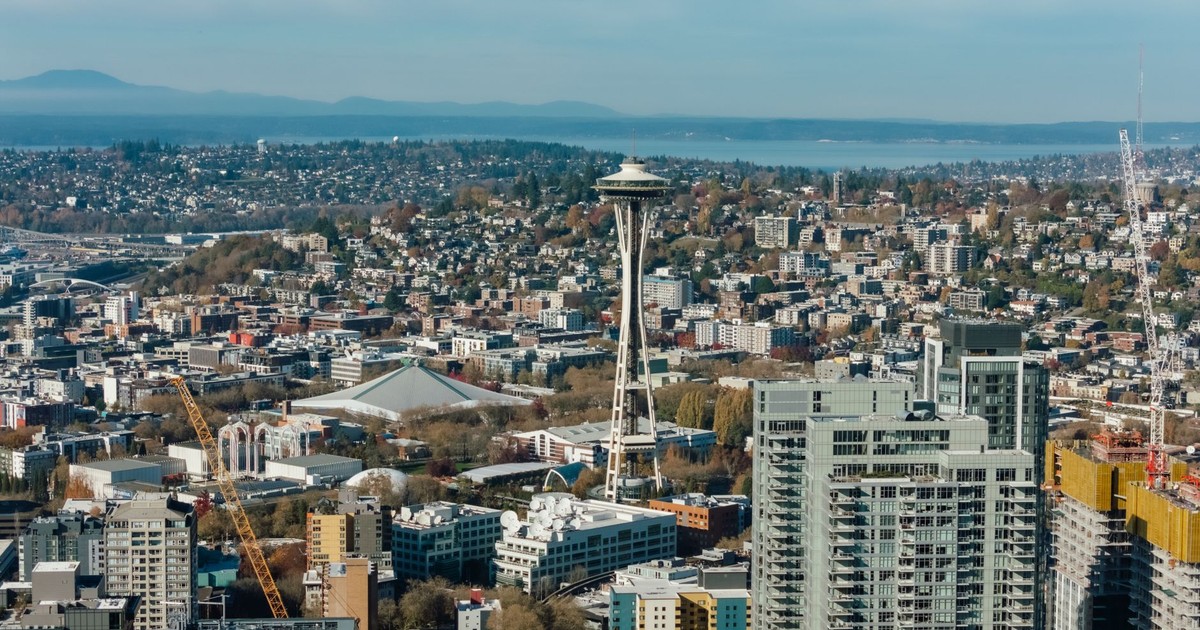
Washington state consistently ranks among the top states for quality of life in major national analyses, according to World Population Review. The state has no income tax, a thriving job market, and strong international business ties. Residents enjoy one of the nation’s longest life expectancies, at 79.8 years, above the national average of 78.5.
The job market leans heavily on technology, aerospace, and international trade. Seattle anchors a metro economy that has consistently added jobs even in years when national employment wavered. Half of Washington’s power supply comes from sustainable sources, primarily hydroelectric and wind, which keeps utility costs lower than states reliant on fossil fuels and supports cleaner air across large portions of the state.
Progressive healthcare policies and abundant natural spaces – the Cascades, the Olympic Peninsula – give residents year-round access to outdoor activity that drives both physical health and community life. Washington’s combination of high wages, no income tax, and environmental quality makes it one of the more complete packages on this list.
3. Minnesota
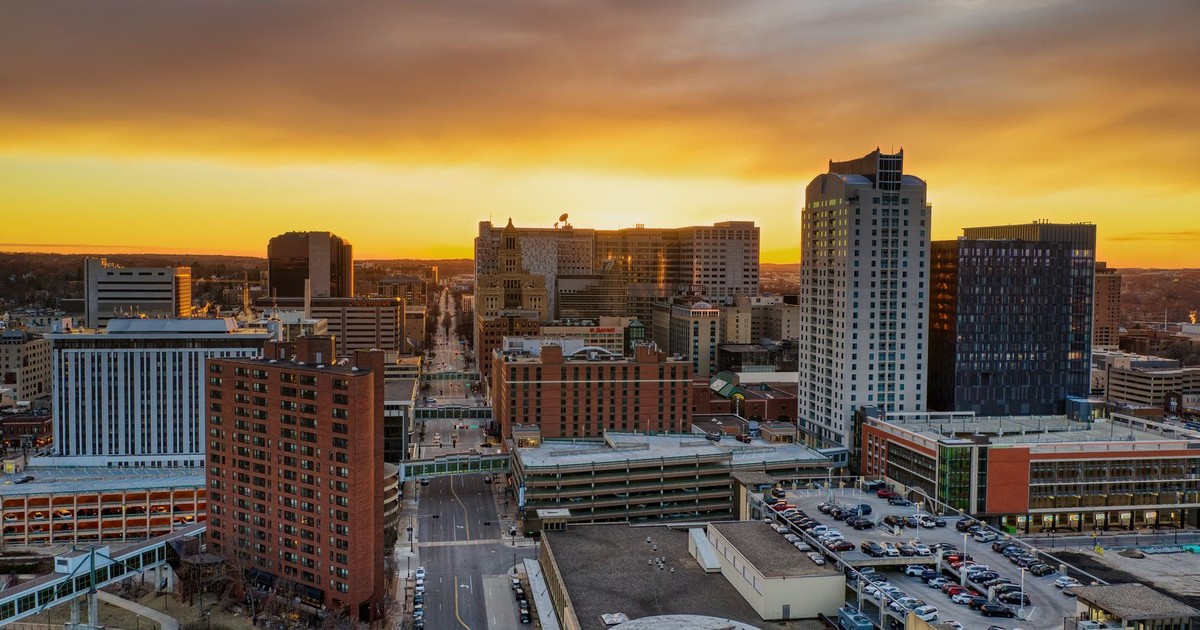
A 2026 report from the bipartisan State of the Nation Project, covered by the Star Tribune, ranked Minnesota first in the country for quality of life across 31 measures of economic and social well-being. Minnesota ranked highest on average across those measures, though the state fell in the bottom half nationally for environment and civil liberties. The state has one of the lowest poverty rates in the country, with 91% of residents living above the poverty level.
Food security and employment levels are high, as are K-12 performance metrics. Minnesota ranks among the best states to raise a family, partly due to high median family income and low levels of separation and divorce. Family stability and food security underpin almost every other quality-of-life measure: children perform better in school, adults carry less financial stress, and communities hold together more durably.
The Mayo Clinic anchors Minnesota’s healthcare system, and the state has extensive anti-discrimination protections and a lake-centered outdoor culture. Harsh winters and childcare availability remain challenges. Residents who stay tend to have deeply embedded community ties, and the state has appeared in the top five of nearly every major quality-of-life ranking for the past decade.
4. Vermont
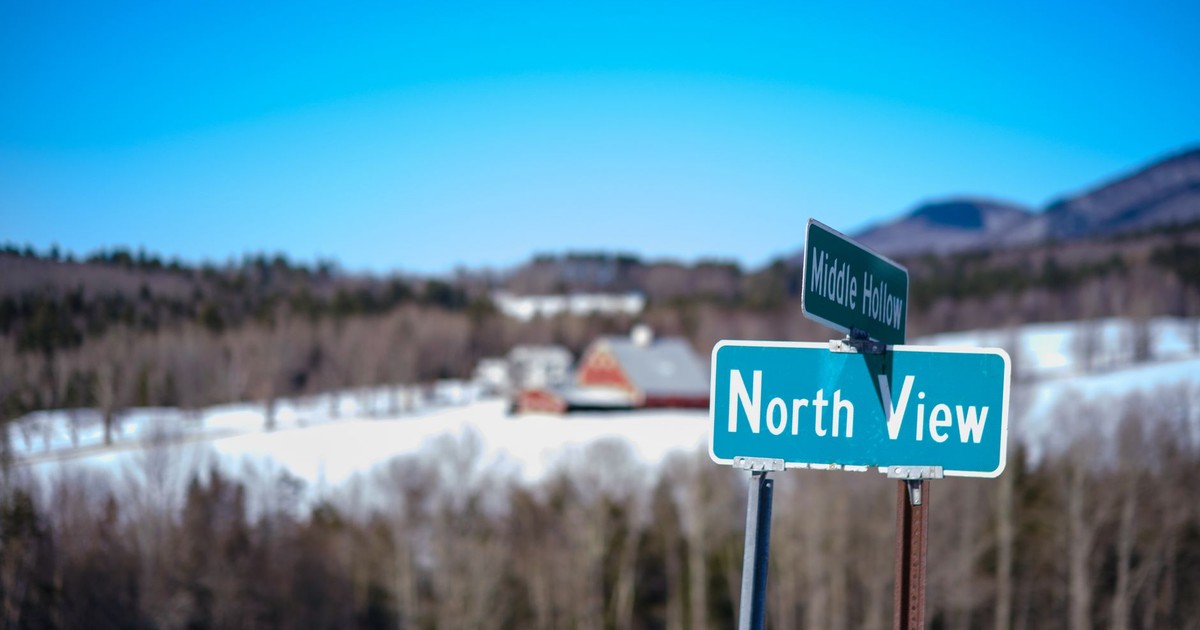
CNBC’s 2026 quality-of-life analysis ranks Vermont first specifically for day-to-day quality of life, citing its nation-leading safety metrics, clean air, and strong social inclusiveness. Vermont’s low industrial footprint and aggressive land use protections consistently produce some of the cleanest air quality readings in the country.
Vermont tops the environmental quality list with exceptionally low crime rates, clean air, and preserved outdoor spaces. The Vermont Outdoor Recreation Economic Collaborative actively supports trails, parks, and recreation infrastructure across the state. That outdoor culture is built into daily life rather than confined to weekends.
Vermont’s small population supports personalized healthcare delivery through rural health programs and strong physician-patient relationships. Life expectancy sits at 80 years, one of the highest in the country, and the state is among the safest in the US by violent crime rate. Low poverty rates and high social cohesion reinforce both.
5. New Hampshire
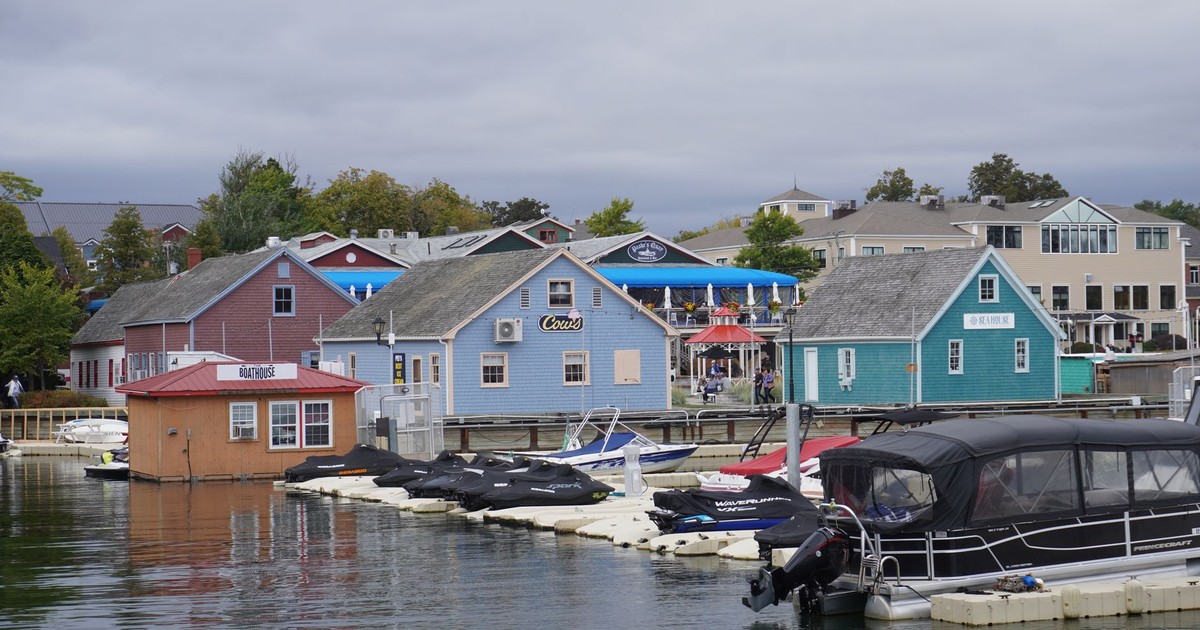
New Hampshire has the fourth-highest quality of life in the US, with the lowest levels of poverty and food insecurity in the nation. While the national average runs at 104 unhealthy air quality days annually, New Hampshire experiences just 14 days of poor air quality per year. The state also produces industrial toxins at a much lower rate than the rest of the country.
New Hampshire has some of the nation’s most stringent climate change policies and one of the highest rates of renewable energy consumption. Economically, the state benefits from no income tax and no sales tax, a combination that gives residents meaningfully more purchasing power than their nominal salaries might suggest. Life expectancy in the state is among the highest in the nation.
The state is small, relatively rural, and not particularly flashy. Its residents have some of the highest reported financial security in the country, and the surrounding environment is genuinely stunning.
6. Utah

Utah ranks as one of the healthiest states in the nation, with one of the lowest smoking rates in the country and the vast majority of adults getting some form of regular exercise. Utah ties Nebraska for the lowest unemployment rate in the nation, and job growth and fiscal stability are both high. The Wasatch Front has become a significant technology hub in the Mountain West, with a growing base of startups, remote workers, and established companies.
Five national parks, world-class ski resorts, and desert canyonlands sit within driving distance of Salt Lake City. Utahns have the lowest levels of alcohol and tobacco consumption and physical inactivity in the country. Rates of cancer, cardiovascular disease, and high blood pressure are also among the lowest in the nation, which reduces the chronic disease burden on the healthcare system and improves access and outcomes for residents across the income spectrum.
7. Wisconsin

Wisconsin ranks among the top states nationally for balancing strong economic, health, and educational outcomes with affordability that coastal states rarely match. The state leads the country in high school graduation rates, and its cost of living is below the national average. Poverty levels are low, and unemployment sits well below the national average.
Wisconsin’s healthcare infrastructure is solid, and its rural communities have access to hospital systems that many comparable rural states lack. Agricultural heritage, a cultural emphasis on family, and extensive outdoor recreation opportunities support healthy aging across both urban and rural populations.
Madison consistently ranks among the most livable mid-size cities in the country, offering a research university, a thriving food scene, and direct access to lakes and trails that residents use in every season.
8. Colorado

Colorado has one of the lowest obesity rates in the country, and one of the highest rates of adults who exercise regularly. The state’s economy is driven by technology, aerospace, healthcare, and tourism, with outdoor recreation fueling a significant portion of that last sector. Life expectancy sits at 79.7 years, among the top ten nationally.
Colorado’s cost of living runs about 7% above the national average, and housing runs 20% higher than the national average. Denver and Boulder have become expensive by Mountain West standards. The state continues to attract highly educated, health-oriented residents who find the trade-off reasonable given the job market, the mountains, and the outdoor culture.
Read More: 12 Charming Cities in the South Where You Can Comfortably Retire on $975 a Month or Less
Why These States Keep Winning

The pattern connecting all eight states is not one spectacular advantage. It is the absence of catastrophic failure in any single category. States that rank near the top consistently combine accessible healthcare infrastructure, low violent crime rates, strong environmental quality, accessible outdoor recreation, economic stability with diverse job markets, and strong worker protections.
States that score brilliantly on one dimension – say, very low cost of living – often struggle with healthcare access or educational quality, and the savings get consumed by medical bills or the long-term costs of underfunded schools. The states on this list have managed to be good at several things at once.
What the Rankings Cannot Measure
None of these eight states are perfect. Massachusetts has crumbling infrastructure in places. Colorado’s housing costs have outpaced wages in certain markets. Vermont’s winters are brutal, and Minnesota’s youth depression numbers are a genuine concern the state is still working through.
Residents who stay in these places tend to stay for decades, which is its own data point. When schools are good, the healthcare system works, the air is clean, and the economy is stable, people stop looking for somewhere better. Careers deepen, children grow up in the same neighborhood, and community ties form. No ranking captures that in a single score, but it is what residents are actually gaining when they choose to put down roots.
The cheapest state in the country is only a good deal if the things that make life livable are still in place. The states above have invested in building those things rather than cutting them, and the populations who could have left have largely decided to stay.
AI Disclaimer: This article was created with the assistance of AI tools and reviewed by a human editor.