

Thermal baths, mountain trails, and a plate lunch for $9 don’t usually feature in the same retirement pitch as a monthly budget under $975. But across a stretch of smaller Southern cities, that combination is real and well-documented. These 12 cities deliver it consistently.
Across the South, a handful of smaller cities have held their ground on cost of living even as prices climbed almost everywhere else. Some are old railroad towns that reinvented themselves. Some are college towns with Thursday night concerts and Saturday morning farmers’ markets. Some are spa towns, port towns, art towns. A retiree with a modest fixed income can live well in all of them – not just survive.
When groceries, utilities, property taxes, and healthcare co-pays all run below the national average simultaneously, the monthly budget shifts in a way that a single cheap apartment in a high-cost city never can. These 12 cities are where those numbers actually work for retirees looking to retire on a budget in southern cities.
1. Hot Springs, Arkansas

Thermal baths, three local lakes, and championship golf courses make Hot Springs feel like a retirement destination rather than a compromise. Arkansas ranks among the most affordable states in the country for overall living costs, according to a 2026 Motley Fool analysis. That difference shows up most in the unglamorous categories: groceries, utilities, and routine healthcare. Housing is the headline number, with median home prices in Hot Springs remaining well below $200,000, but the day-to-day savings add up just as fast. Retirees here frequently cite the fact that a full dinner out costs what a cocktail costs in a coastal city.
Bathhouse Row on Central Avenue, a strip of eight restored bathhouses along a National Park corridor, functions as the city’s cultural spine. Free entry to Hot Springs National Park, nearby Garvan Woodland Gardens, and Lake Ouachita means outdoor recreation costs almost nothing. For retirees who want a genuinely scenic setting without Florida’s property insurance premiums, Hot Springs makes a compelling case.
2. Greenville, South Carolina
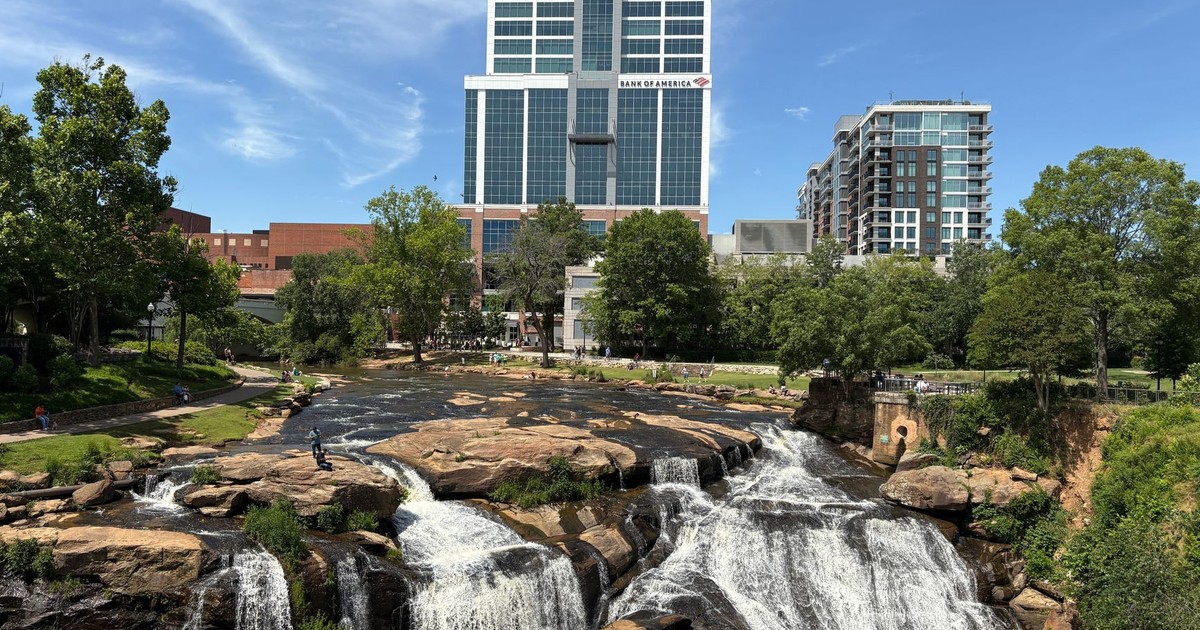
Greenville consistently ranks among the top retirement destinations in South Carolina, and its overall cost of living sits about 8% under the national average, thanks mainly to modest housing costs and low transportation expenses. The city is tucked at the foot of the Blue Ridge Mountains, which means hiking, waterfalls, and mountain drives are all within 30 minutes.
South Carolina levies no state tax on Social Security income and allows up to $10,000 in retirement income deductions per person annually on other sources like pensions and IRA withdrawals for those 65 and older. For a couple drawing from both Social Security and a 401(k), that deduction alone can free up hundreds of dollars a month that would otherwise go to the state.
Downtown Greenville has a walkable Main Street, a growing restaurant scene, and the Liberty Bridge at Falls Park – a suspended pedestrian bridge over a waterfall that has become one of the most photographed spots in the Carolinas. Few cities at this price point combine urban amenities with easy trail access as well as Greenville does.
3. Savannah, Georgia
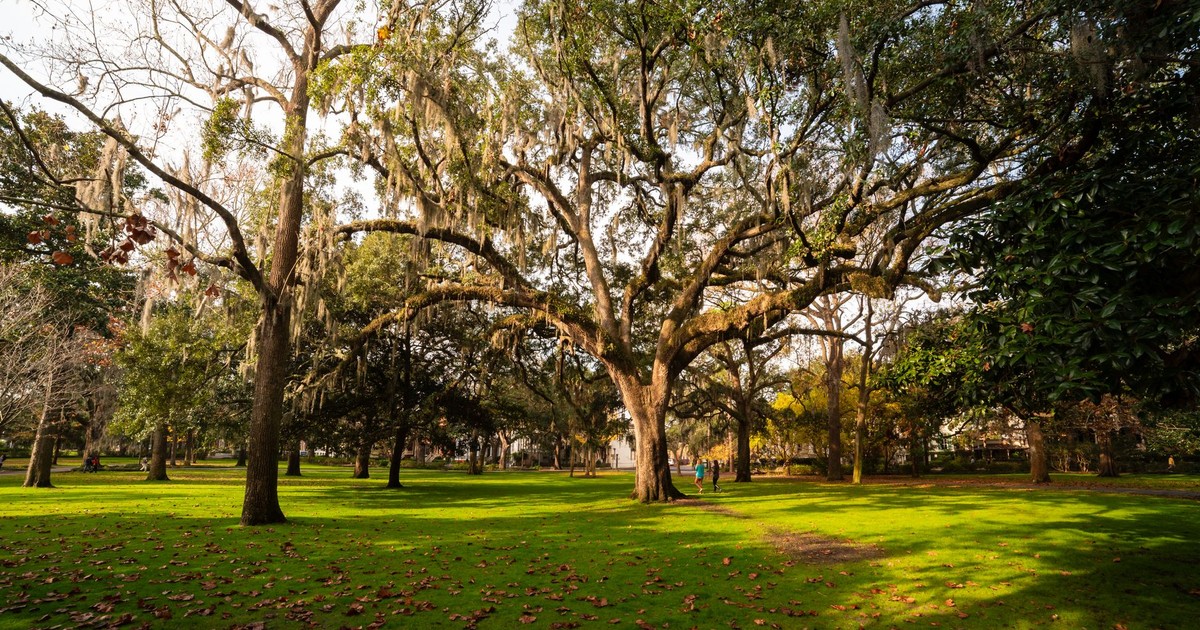
Savannah ranks consistently among the most affordable places to retire on the East Coast, and Georgia’s tax structure is one of the more generous in the South for retirees drawing from multiple income streams. The state exempts Social Security and provides a retirement income exclusion of up to $35,000 per person for residents ages 62 to 64, rising to $65,000 per person for those 65 and older — up to $130,000 for a married couple where both spouses qualify.
Savannah’s downtown is a National Historic Landmark District notable for its variety of architectural styles. Spanish moss drips from century-old oaks throughout Savannah’s 23 squares. Rents for one-bedroom apartments in lower-traffic neighborhoods run well under $1,000, and the city’s port-town economy keeps grocery prices competitive. The Telfair Museums, the SCAD arts presence, and riverfront dining add cultural richness that belies the city’s cost.
4. Augusta, Georgia
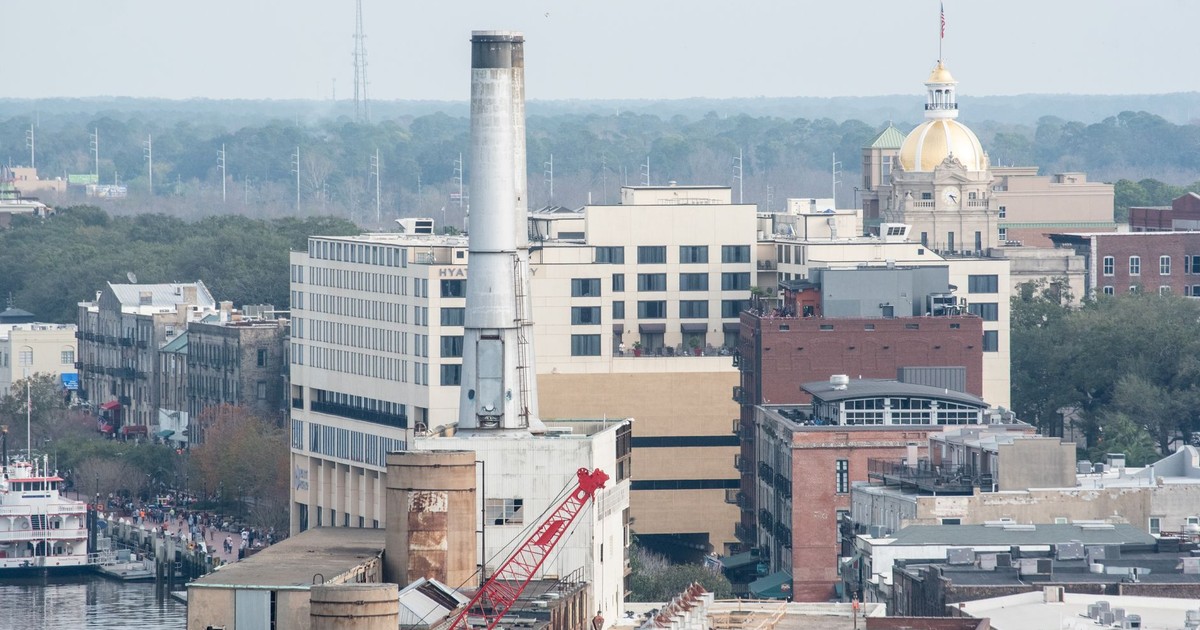
Low living costs and generous senior tax exemptions make Augusta appealing well beyond the Masters tournament that puts it on the national map every April. Kiplinger ranks Georgia among the most tax-friendly states for retirees, and the city offers a mild Southern climate without Florida’s insurance premiums.
Augusta sits along the Savannah River and has seen genuine revitalization – working restaurants, a renovated downtown Riverwalk, and expanded healthcare infrastructure. Augusta University Medical Center is one of the stronger regional hospital systems in the Southeast, which matters for retirees planning long-term healthcare access.
Housing in Augusta consistently sits below Georgia’s already-affordable state median. Median home prices in Augusta run above $190,000, and a comfortable two-bedroom apartment can be found for under $900 in most parts of the city. Paired with Georgia’s retirement income exemption and no state tax on Social Security, the monthly budget stretches considerably.
5. Tupelo, Mississippi
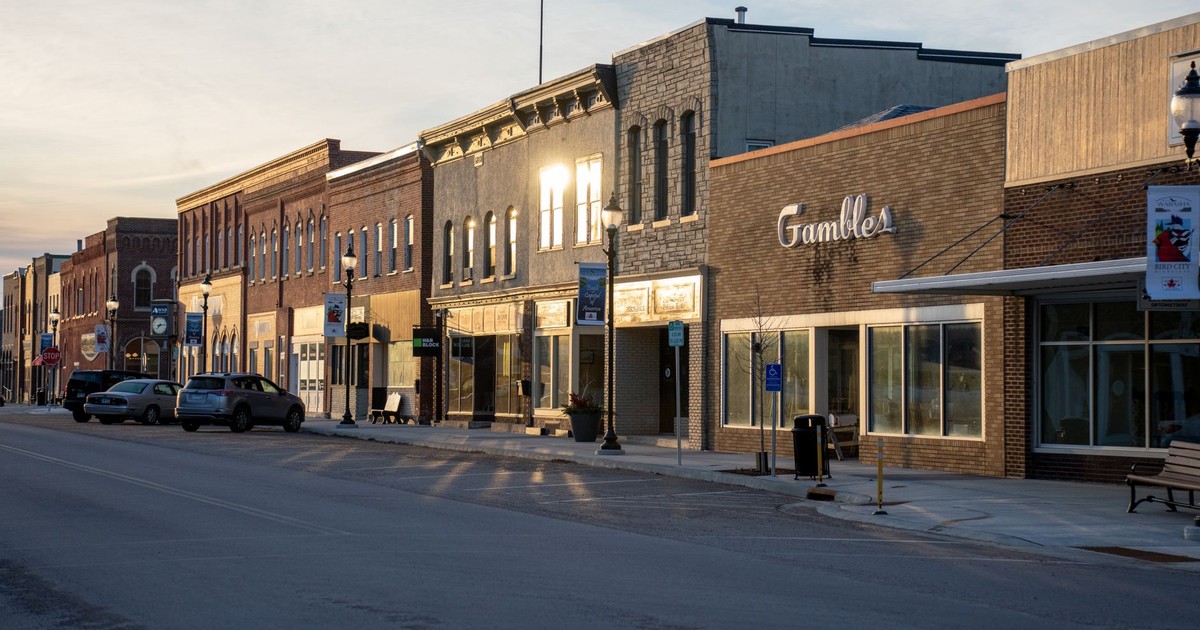
Mississippi ranks at or near the bottom of every major cost-of-living index — consistently among the one or two cheapest states in the nation — with housing costs and everyday expenses well below the national average. Gas, groceries, and average Medicare Advantage premiums are all within reach for retirees across the state.
Tupelo is Mississippi’s second-largest city, but it carries itself like a small town. Known as Elvis Presley’s birthplace, it draws steady tourism and the amenities that come with it – good restaurants, a decent arts scene, and civic investment that smaller towns often lack. The Natchez Trace Parkway runs nearby, offering one of the most scenic drives in America at no cost.
Mississippi exempts all Social Security benefits from state income tax and also exempts most retirement income including pensions and 401(k) distributions. North Mississippi Medical Center in Tupelo is consistently ranked among the best rural hospitals in the country, meaning retirees don’t trade quality healthcare access for affordability.
6. Hattiesburg, Mississippi
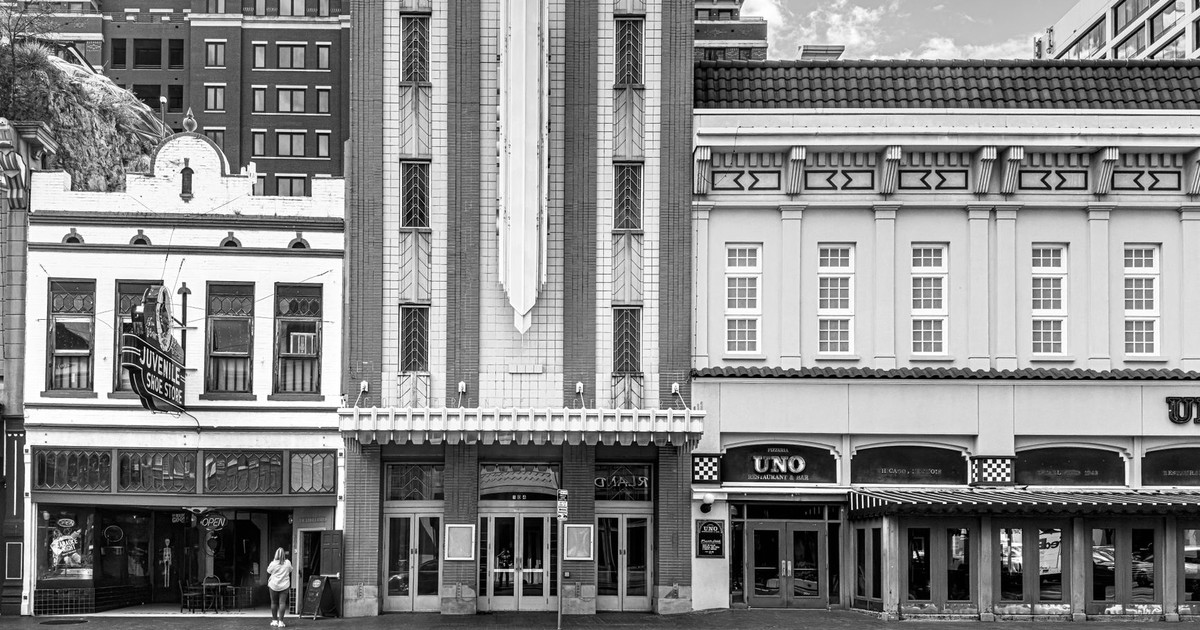
Grocery prices in Hattiesburg run roughly 18% below what comparable items cost in Charlotte, North Carolina – a concrete illustration of how far a fixed income stretches here. That difference compounds across every other spending category, adding up to thousands of dollars a year in savings that never show up in a headline cost-of-living index.
Hattiesburg benefits from the University of Southern Mississippi, which gives the city a younger, more active energy than most comparably sized Southern towns. The university anchors the local arts and entertainment calendar, with theater, music, and lectures accessible to retirees year-round. The Longleaf Trace, a 44-mile paved trail converted from an old railroad bed, cuts right through the city.
Like Tupelo, Hattiesburg sits in a state where Social Security and most retirement income face zero state tax. A low cost base and an active university-town culture make it one of the most underrated retirement options in the region.
7. Danville, Virginia
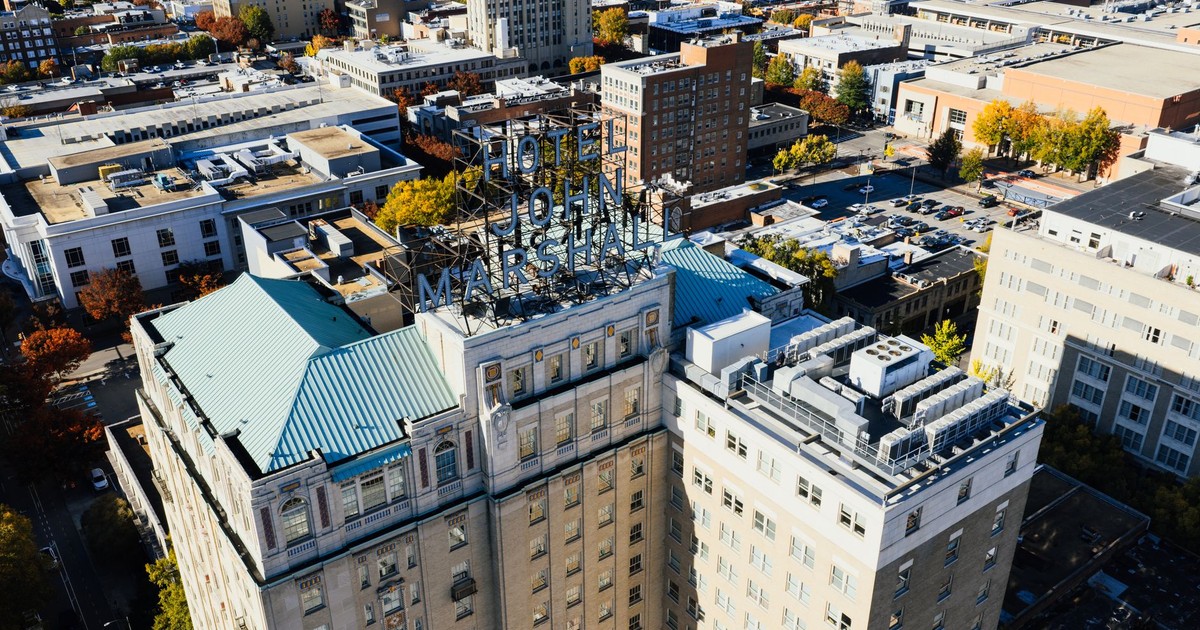
The Dan Riverwalk Trail winds for miles along the river through Danville, offering walking, jogging, and cycling routes. Dan Daniel Memorial Park provides open fields, ballparks, and picnic areas that host community events throughout the year.
Danville temporarily served as the last capital of the Confederacy during the Civil War, and retirees can tour the home where it was headquartered. The Danville Museum of Fine Arts & History offers further depth for history and art enthusiasts, while the nearby campus of Averett University brings concerts, theater, and lectures to town. Healthcare is available through Sovah Health – Danville, a regional medical center near the city center.
Danville’s housing market is one of the most affordable in Virginia, with median home prices running well below $200,000 and rents for decent apartments under $900. Virginia exempts Social Security from state income tax, and seniors aged 65 and older can claim an additional $12,000 deduction on other retirement income. The combination produces some of the best retirement budget numbers in the mid-Atlantic South.
8. Nacogdoches, Texas
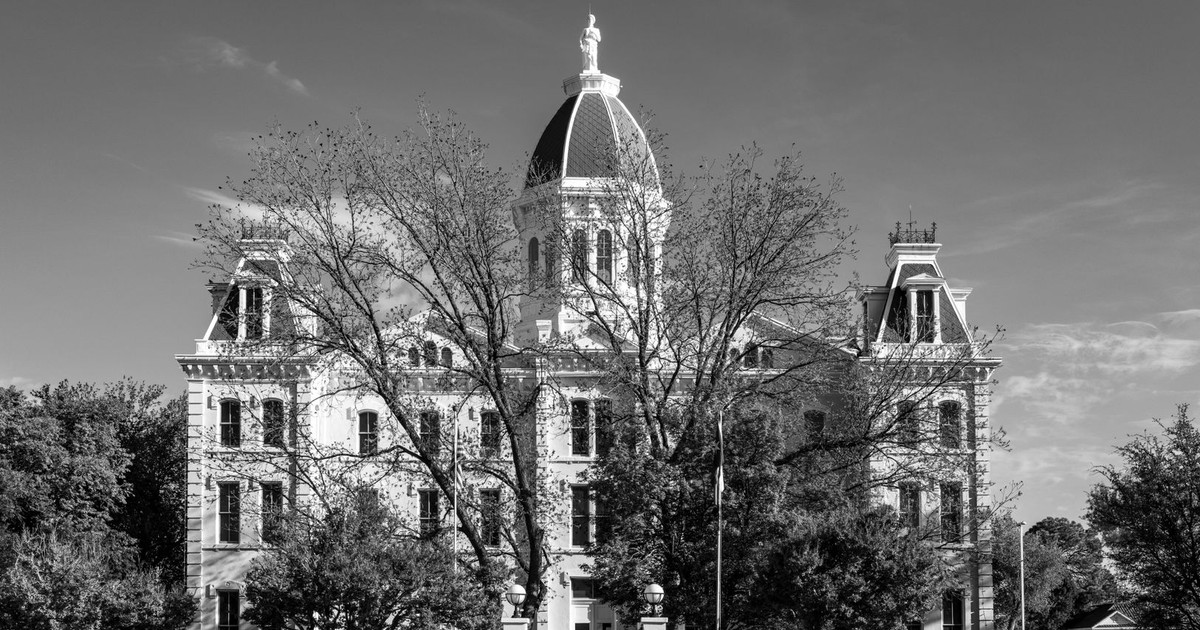
Known as the “Oldest Town in Texas,” Nacogdoches traces its roots back to Caddo settlements and a Spanish mission founded in 1716. French, Mexican, Texan, and American influences have layered together over centuries, and the city of just over 32,000 offers historic streetscapes, college-town energy, and genuine affordability.
Average home values sit around the low-$200,000s, below the Texas statewide median, giving retirees more space for their money. Texas levies no state income tax, which means no state tax on Social Security, pension income, or IRA withdrawals. The trade-off is property taxes that run higher than the national average, but for retirees who own a modest home outright, the overall picture remains favorable.
The Ruby M. Mize Azalea Garden at Stephen F. Austin State University bursts with color each spring, and Millard’s Crossing Historic Village preserves log cabins and historic homes from 19th-century East Texas. Stephen F. Austin State University also provides access to arts events, lifelong learning programs, and recreational facilities at minimal cost.
9. Breaux Bridge, Louisiana
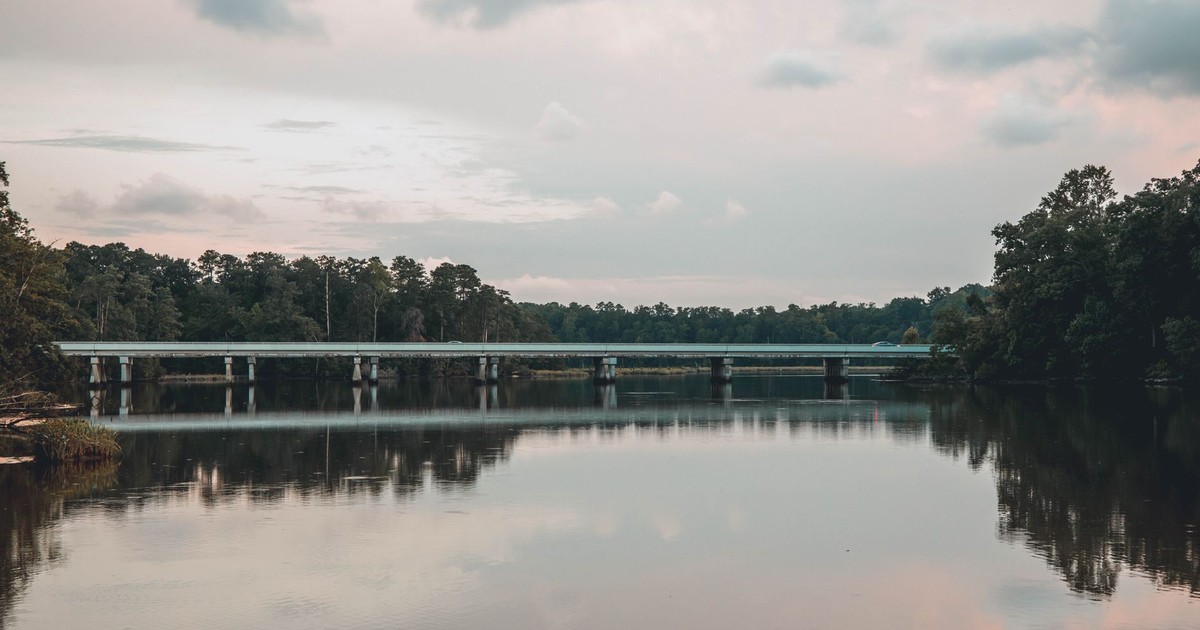
Set along Bayou Teche in St. Martin Parish, Breaux Bridge is a small city of around 7,500 residents, nearly 20% of whom are seniors. Widely known as the “Crawfish Capital of the World,” it celebrates that title every spring at the Breaux Bridge Crawfish Festival. Home values here often sit in the high-$100,000s, with typical listing prices around $170,000 – below Louisiana’s statewide median.
Breaux Bridge sits roughly 15 miles east of Lafayette, which means access to a regional city’s hospitals, shopping, and entertainment without paying a regional city’s rent. A plate lunch at a local family diner costs around $9 – the kind of daily savings that compound meaningfully over a year on a fixed income.
Louisiana exempts Social Security income from state income tax and also exempts certain pension income for seniors. The Atchafalaya Basin nearby is one of the largest river swamp systems in the United States, offering fishing, birdwatching, and boat tours as year-round low-cost recreation.
10. Clarksville, Tennessee
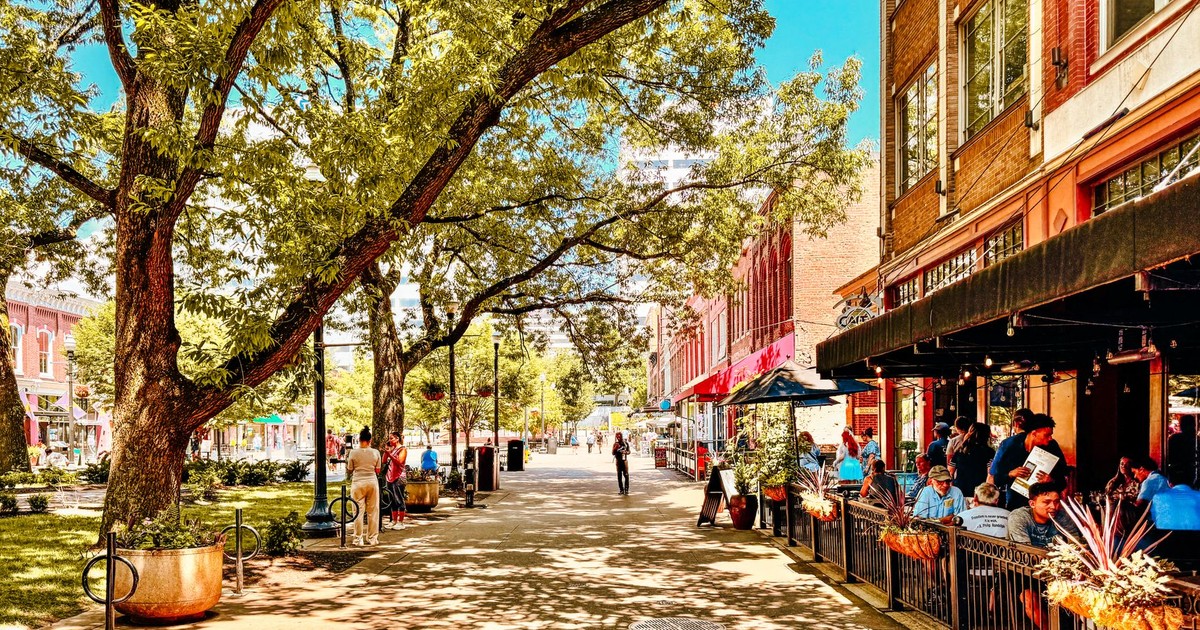
Clarksville, Tennessee’s fifth-largest city, sits about 45 miles northwest of Nashville on the Cumberland River, which means retirees get a fraction of Nashville’s cost with occasional access to Nashville’s entertainment. The Motley Fool’s 2026 analysis ranked Tennessee among the most affordable states for retirees, with no state income tax on wages or retirement income and no tax on Social Security.
Clarksville’s housing market reflects the broader Tennessee affordability picture: median home prices sit around $250,000, significantly below the national median, and one-bedroom rents run under $900 in most neighborhoods outside the newest developments.
The city has invested in its riverfront, trail system, and downtown arts district over the past decade. The Roxy Regional Theatre operates as a working professional theater in a restored 1913 building downtown. Dunbar Cave State Park, minutes from the city center, offers hiking and underground cave tours at no cost.
11. Gadsden, Alabama
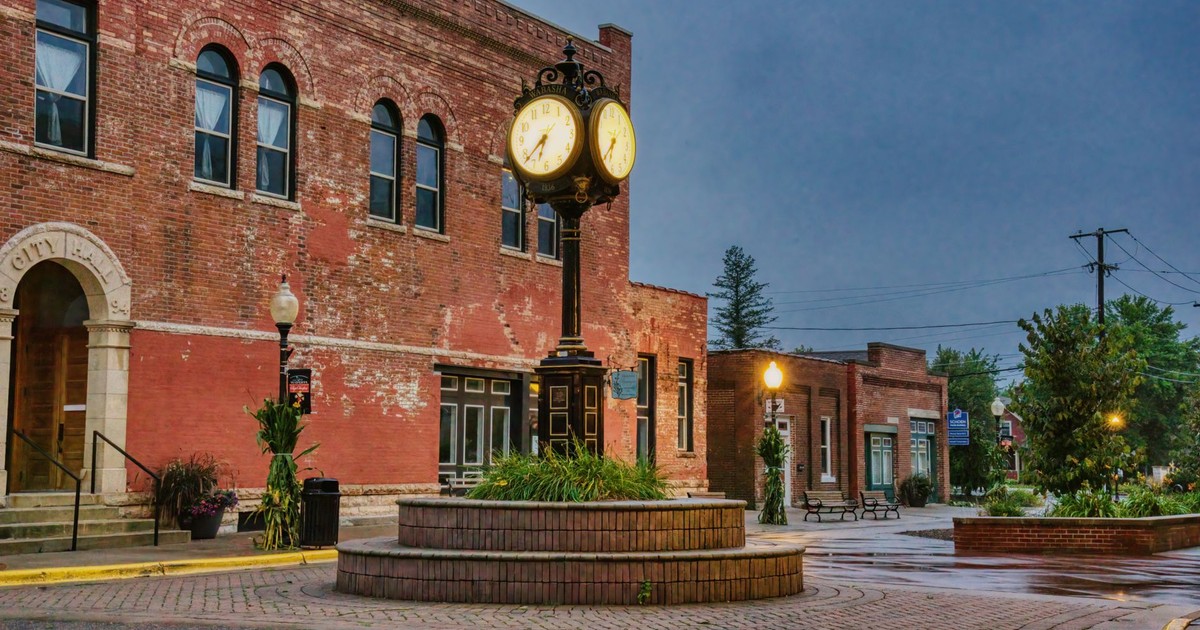
Alabama ranks as one of the most affordable states for retirement in 2026, with a cost of living index well below the national average and an effective property tax rate of just 0.37% – the second lowest in the nation. Gadsden, in northeast Alabama along the Coosa River, is one of the state’s most affordable cities. Noccalula Falls Park, where a 90-foot waterfall drops into a gorge just minutes from downtown, costs almost nothing to visit.
Gadsden’s numbers sit even lower than the state average. Median home prices in the city are routinely under $150,000, and a two-bedroom house with a yard rents for under $800 in most of the city’s established neighborhoods.
Alabama exempts Social Security income from state taxes and excludes defined-benefit pension income for most retirees. Gadsden Regional Medical Center provides solid local healthcare coverage, and both Anniston and Huntsville are within an hour’s drive for major medical centers.
12. Tulsa, Oklahoma
Oklahoma holds the top position in 2026 affordability with a cost of living index of 85.5, meaning it costs 14.5% less to live there than the U.S. average. A retired couple spending $4,000 a month in California could replicate that lifestyle in Tulsa for roughly $3,420, saving over $6,900 per year without changing a single habit.
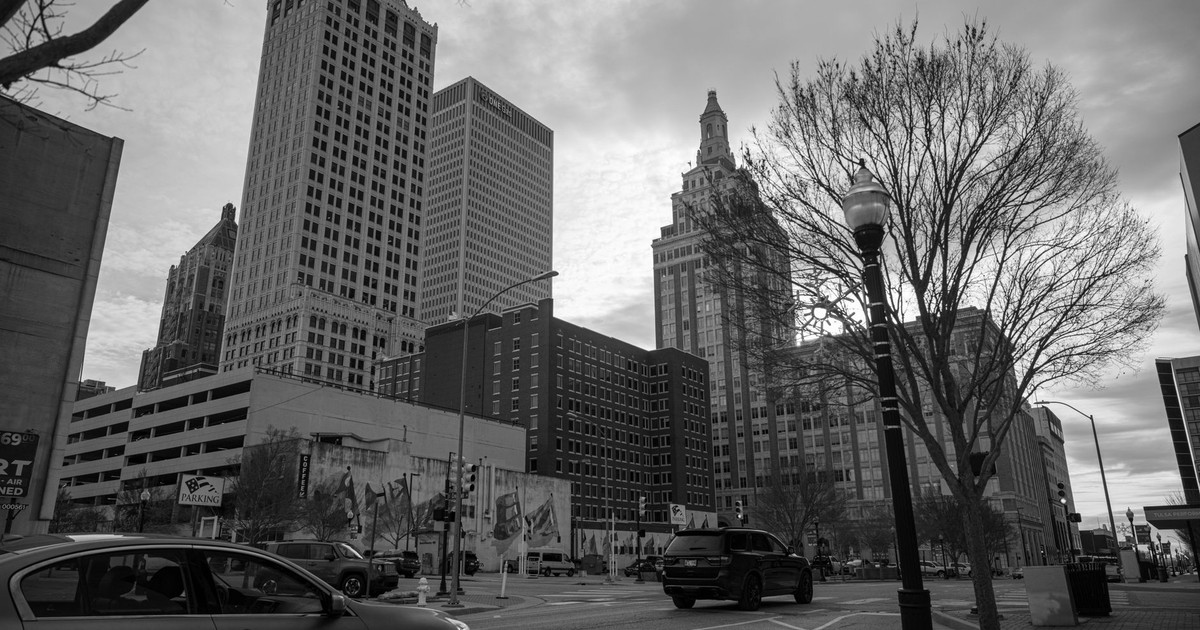
Tulsa keeps housing costs well below the national average while offering a cultural scene that outperforms its size. The city holds one of the largest collections of Art Deco architecture in the country, along with museums and live music that most cities twice its size can’t match. Oklahoma levies no tax on Social Security and provides a $10,000 retirement income exemption per person on other income sources.
The Gathering Place, a 100-acre riverfront park that cost $465 million to build and opened to the public for free, is one of the best public parks in the country. The city has a dozen walkable neighborhoods, a downtown arts district anchored by the Philbrook Museum of Art housed in a 1920s oil baron’s Italian villa, and a light rail line under development. At roughly $975 or less a month for basic living costs, Tulsa is the number that makes this list possible.
Read More: 6 Things You Must Do When Your Savings Reach $250,000
The Numbers Are Real. So Is the Life.

The case for choosing to retire on a budget in southern cities isn’t only that housing is cheaper. Savings compound across every spending category at once. When groceries, utilities, property taxes, and healthcare co-pays all run below the national average simultaneously, the monthly budget shifts fast. The difference between a tax-friendly state and a high-tax state can mean $5,000 to $15,000 per year in savings on a typical retiree income of $60,000 to $100,000 – the difference between a retirement that feels precarious and one that feels stable.
None of the 12 cities on this list requires a sacrifice that most retirees would find unacceptable. They have hospitals, restaurants, parks, arts, and communities that have been living and working there for generations. The cities that rise to the top of major affordability analyses, year after year, are rarely the ones getting magazine covers. They’re the ones where people retire and then spend the next five years telling their friends they can’t believe they waited so long.
AI Disclaimer: This article was created with the assistance of AI tools and reviewed by a human editor.