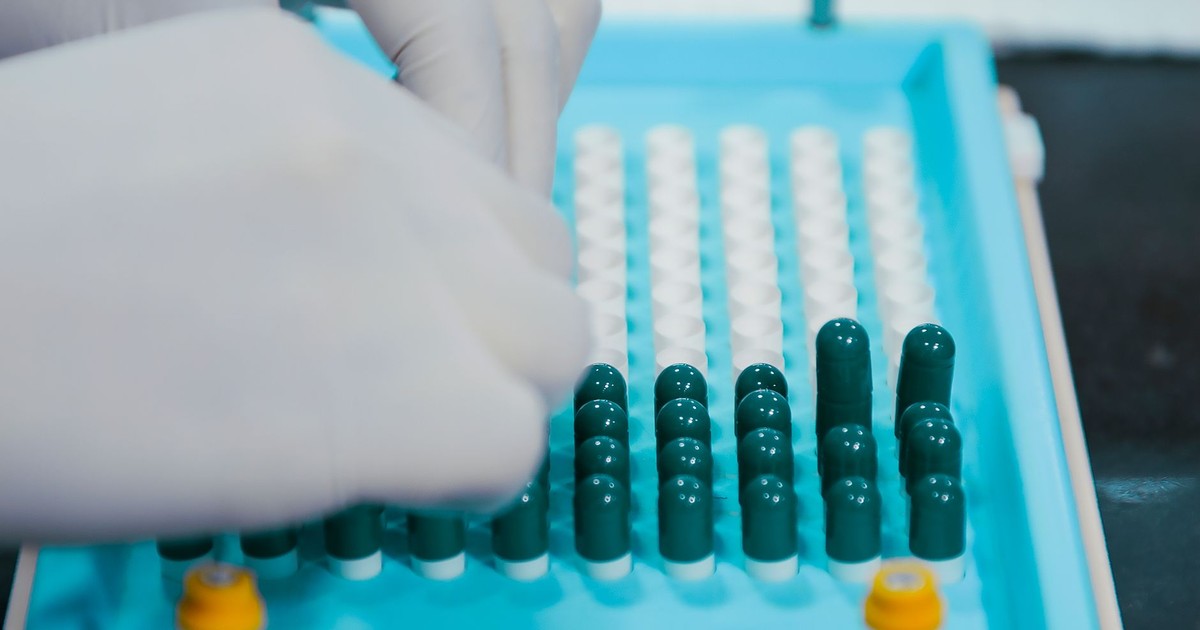

Sometime in early June 2026, a routine inspection at a pharmaceutical packaging facility in California turned up something no one expected: unidentified foreign matter on the surface of a widely prescribed heart failure tablet. The inspector was reviewing a reserve sample, one of the retained bottles manufacturers are legally required to hold back from each production run so they can be tested later if something goes wrong. That single finding, from one sample in one lot, set off an investigation that ended with nearly a million bottles being pulled from the US market.
The scale of a medication recall tablets situation like this one isn’t always explained by the severity of the contamination. Sometimes it comes down to a precautionary decision: not just pulling the affected lot, but pulling everything that passed through the same packaging area, across every batch still in circulation. That’s exactly what happened here, and it’s what turned a targeted quality deviation into one of the larger single-company voluntary recalls by bottle count in recent memory.
For patients managing serious chronic illness, a recall notice arriving by text from the pharmacy, or a phone call from a doctor’s office, can feel alarming. The practical reality is usually more manageable than the news suggests. But getting there requires understanding exactly what was recalled, why, and what it means to keep taking the medication while the recall is in progress.
What Triggered the Recall
The foreign material was found on the exterior coating of tablets during inspection of a reserve sample from one of the affected lots. Reserve samples are bottles manufacturers must retain during production so they can be tested later if quality questions arise. Catching the contamination through this internal sampling process, rather than through a patient complaint, is exactly how the system is designed to work.
As a precautionary measure, Amgen recalled all lots within expiry that were processed in AML Building 23, the packaging area where the condition occurred. The recall covers 63 lots of US Corlanor (ivabradine) and three lots of US Sensipar (cinacalcet hydrochloride) tablets. The voluntary nature of the recall is standard in situations like this: the FDA defines a voluntary recall as an action a company takes to remove a defective or potentially problematic drug from the market, or to warn patients about a potential risk.
An Amgen spokesperson told PEOPLE that the foreign matter was identified in a “small number of units” and emphasized the precautionary nature of the recall, stating that “while Amgen has determined that the presence of the foreign matter represents a low potential health risk to patients, some tablets may not meet internal quality standards for appearance.”
The recall was initiated on June 4, 2026, and the California State Board of Pharmacy issued a public alert. On June 23, 2026, the FDA formally classified the recall as a Class II recall.
Understanding the Class II Classification
Not all drug recalls carry the same urgency. The FDA’s three-tier classification system is the clearest guide to understanding how much concern any given recall warrants. A Class II recall means that using the drug may cause temporary health consequences, but the probability of a serious health issue is remote. These recalls are generally conducted at the retail level, and patients can continue using the medicine unless otherwise directed by the recalling company or FDA.
For Class II and III recalls, patients can generally keep taking their medication because in some instances, stopping abruptly may be more harmful than continuing with the recalled product. For anyone managing chronic heart failure or kidney disease, conditions that require consistent daily treatment, stopping medication without medical guidance carries its own real risks.
The California State Board of Pharmacy noted that hazard assessments found the contamination does not present a clinical risk to patients and that “overall patient safety risk is low.” No complaints related to the issue had been reported at the time of the alert.
Class II sits in the middle of the FDA’s three-tier system. It is not a Class I recall, which is reserved for products with a reasonable probability of causing serious adverse health consequences or death. But it’s not the lowest severity either. Check your lot number, call your prescriber if needed, and do not stop your medication without professional guidance. That’s the entire practical instruction for most patients receiving this news.
The Two Medications: What They Are and Who Takes Them
Corlanor (Ivabradine)
Corlanor, known generically as ivabradine, is prescribed for chronic heart failure. According to the Cleveland Clinic, ivabradine “treats heart failure” by “decreasing your heart rate, which decreases the amount of work your heart has to do.” In practical terms, it reduces the load on a heart that is already struggling to pump efficiently. Patients prescribed ivabradine typically have a resting heart rate above 70 beats per minute despite being on beta-blockers, or they cannot tolerate beta-blockers at all. It is not a first-line therapy but an important adjunct for those whose heart failure is not adequately controlled on standard treatment.
The recalled Corlanor products include 5 mg tablets in bottles of 60 and 14 tablets, with more than two dozen lot numbers and expiration dates ranging from July 2026 to December 2028. The recall also covers 7.5 mg Corlanor tablets in 60-count bottles under NDC 55513-810-60. All affected Corlanor tablets were manufactured in Italy.
Sensipar (Cinacalcet Hydrochloride)
Sensipar is used to treat conditions involving parathyroid hormone and calcium levels. It is most commonly prescribed for adult patients with chronic kidney disease who are on dialysis, specifically for secondary hyperparathyroidism, a condition where overactive parathyroid glands overproduce a hormone that weakens bones and disrupts calcium balance. It is also used for certain patients with parathyroid carcinoma or primary hyperparathyroidism when clinically appropriate.
The Sensipar recall involves 30 mg, 60 mg, and 90 mg tablets, each packaged with 30 tablets per bottle. Three lots of Sensipar are included. These are patients already dealing with serious illness: dialysis is not a minor medical intervention, which makes clear communication about this recall especially important.
Identifying Whether Your Medication Is Affected
Patients taking Corlanor or Sensipar are advised to check the National Drug Code (NDC) and lot number on their prescription label against the recall list, and to keep taking their medication unless their clinician says otherwise.
The specific NDC codes for recalled Corlanor are: 55513-800-60 (5 mg, 60 tablets per bottle), 55513-800-99 (5 mg, 14 tablets per bottle), and 55513-810-60 (7.5 mg, 60 tablets per bottle). Recalled Sensipar bottles cover three dosage strengths: 30 mg (NDC 55513-073-30), 60 mg (NDC 55513-074-30), and 90 mg (NDC 55513-075-30), all in 30-tablet bottles.
Patients taking Corlanor should compare the label on their bottle with the recalled drug name, strength, NDC, and lot information. If the lot number isn’t visible, the dispensing pharmacy can help verify whether the medication is included. The tablets were distributed between October 28, 2021 and December 30, 2025. That four-year distribution window is what expanded the recall’s scale to nearly a million bottles: Amgen was not recalling a single recent production run but rather every unexpired unit that passed through the same packaging area over that period.
The Scope of the Recall in Context

The scale here, 944,142 bottles, is striking. Amgen’s action is among the larger single-company voluntary recalls by bottle count in recent memory, though the Class II classification and zero-complaints track record give important context for how regulators assessed the risk level.
The breadth of the recall comes down to one manufacturing decision: rather than confining the pullback to the specific lot where foreign matter was confirmed, Amgen extended it to all in-date lots processed in the same building. Amgen expanded the recall to all in-date lots from that packaging area as a precaution. This is a conservative approach that errs toward patient safety, even when the hazard assessment says risk is low.
For chronic disease patients, this kind of sweeping precautionary action has a real practical consequence: it can create short-term supply disruptions at pharmacies. Anyone who goes to refill a prescription for either medication and is told the stock has been pulled should not interpret that as a reason to stop treatment. It is a reason to call the prescribing doctor and arrange a replacement supply or an alternative prescription.
What Patients Should Do Right Now

Patients who have questions or concerns about their medication should talk to their doctor or pharmacist. Companies may also advise consumers to return recalled medications to their place of purchase.
The step-by-step is straightforward. Find the bottle. Locate the NDC on the label, a string of numbers printed on the packaging, and cross-reference it against the list above. If the NDC matches, check the lot number, also printed on the label. If both match a recalled lot, call your pharmacy. Do not stop taking the medication before speaking to a clinician. This is the most important instruction for patients managing heart failure or dialysis-related kidney disease, conditions where a missed dose cycle can have real physiological consequences.
If a patient is unsure how to read the label or can’t locate the lot number, the dispensing pharmacy has access to prescription records and can run the check directly.
The FDA Recall System and Why Voluntary Matters

One aspect of this recall worth understanding is the word “voluntary.” This is not the FDA forcing Amgen’s hand. Amgen initiated the recall itself, with the FDA’s knowledge. A drug recall is one of the most effective tools for protecting consumers from a defective or potentially harmful medicine. The voluntary approach works because pharmaceutical companies have strong regulatory and reputational incentives to act proactively when quality deviations are discovered. Waiting for the FDA to mandate action is a far worse outcome than self-reporting.
The California State Board of Pharmacy’s involvement reflects another layer of the oversight system. State pharmacy boards monitor drug safety and publicize recalls affecting their populations independently of federal action, providing an additional channel for patients and pharmacists to receive notice. The Board’s alert on this recall included the full list of affected NDCs and lot numbers, giving pharmacists the specific data they need to pull affected stock from shelves and notify patients.
This recall sits in the “precautionary but serious” category. It requires patients to act: check your bottle, call your pharmacist, stay in contact with your prescriber. It does not require stopping medication or panicking.
Read More: The 15 Countries That Spend the Most on Healthcare Per Person
What This Actually Means If You’re the Patient

The news of a large-scale prescription drug recall tends to arrive in one of two ways: either your pharmacy calls to say your refill is on hold, or you see a headline and go digging through your medicine cabinet. Neither version is fun when you’re already managing a serious illness and the medication in question is part of how you get through the week.
The honest thing to say here is that the FDA’s Class II classification, combined with Amgen’s own hazard assessment and the California Board of Pharmacy’s finding of low clinical risk, puts this in the category of: take it seriously, but don’t treat it as a signal that you’ve been harmed. The foreign matter was found on the exterior coating of tablets, not in their formulation. No patient complaints had been received as of the public alert. The concern is about quality standards for appearance, not about a drug that has been making people sick.
Stopping a heart failure medication or a dialysis-related drug without talking to a doctor first is never the right response to a recall notice. Those conditions don’t take a pause while the paperwork gets sorted. Check the NDC, call the pharmacy, tell your prescriber. If your bottle is on the list, they’ll work with you on a replacement. If it isn’t, you have your answer, and you can put the bottle back in the cabinet.
Disclaimer: This information is not intended to be a substitute for professional medical advice, diagnosis, or treatment and is for information only. Always seek the advice of your physician or another qualified health provider with any questions about your medical condition and/or current medication. Do not disregard professional medical advice or delay seeking advice or treatment because of something you have read here.
AI Disclaimer: This article was created with the assistance of AI tools and reviewed by a human editor.